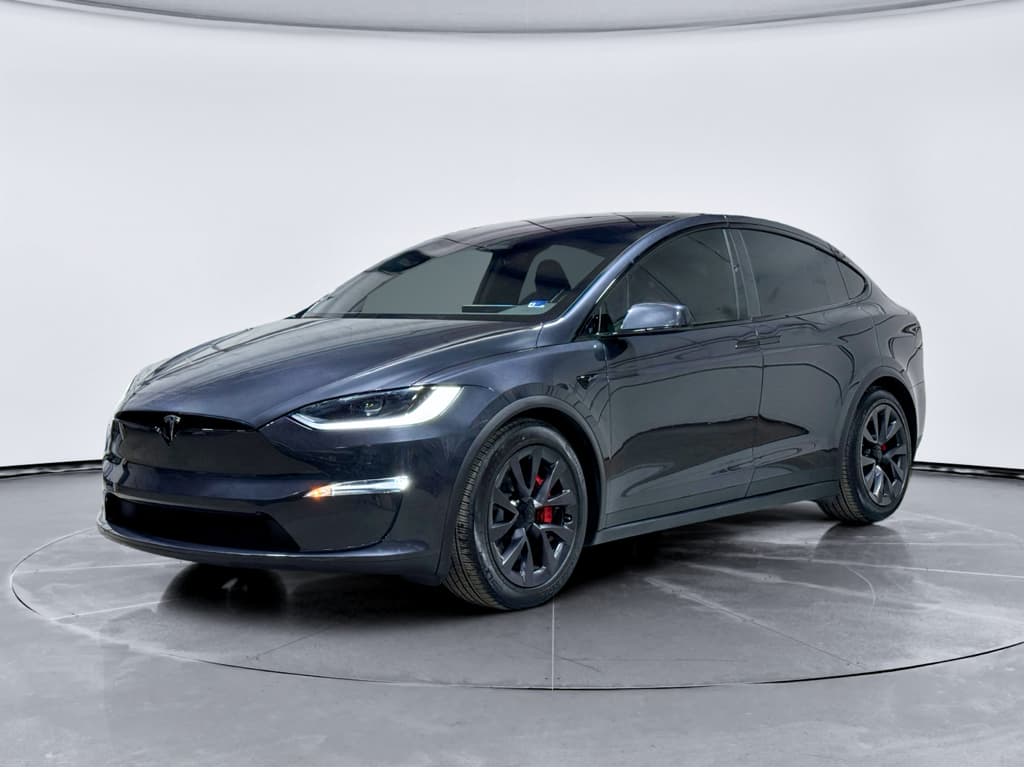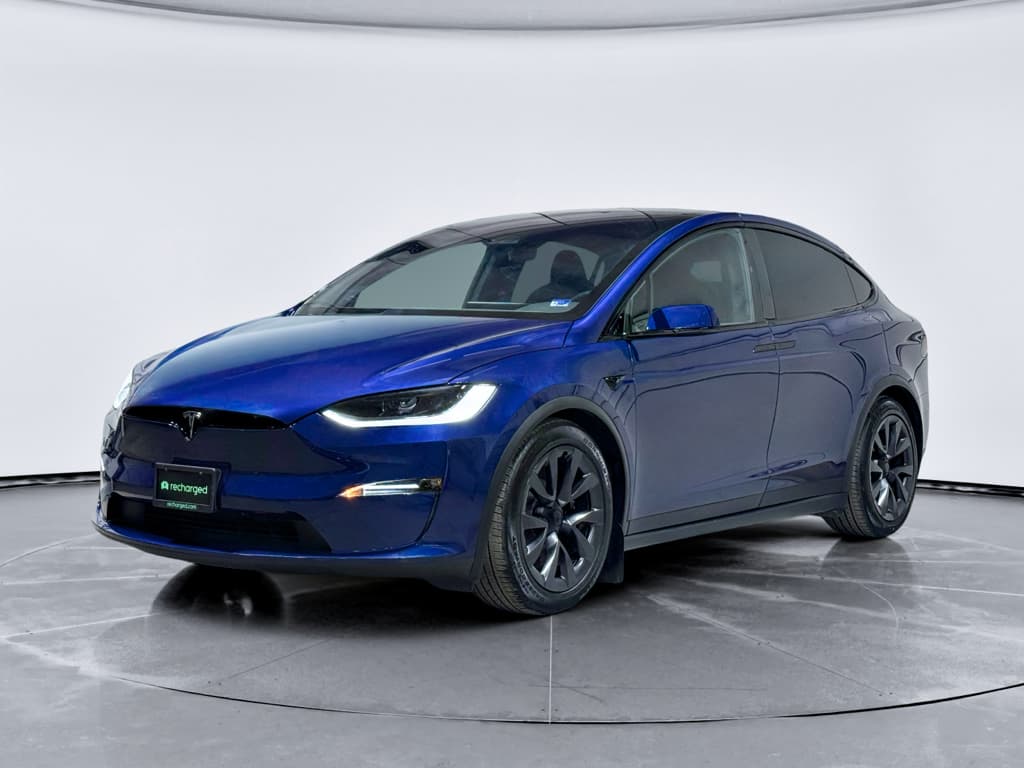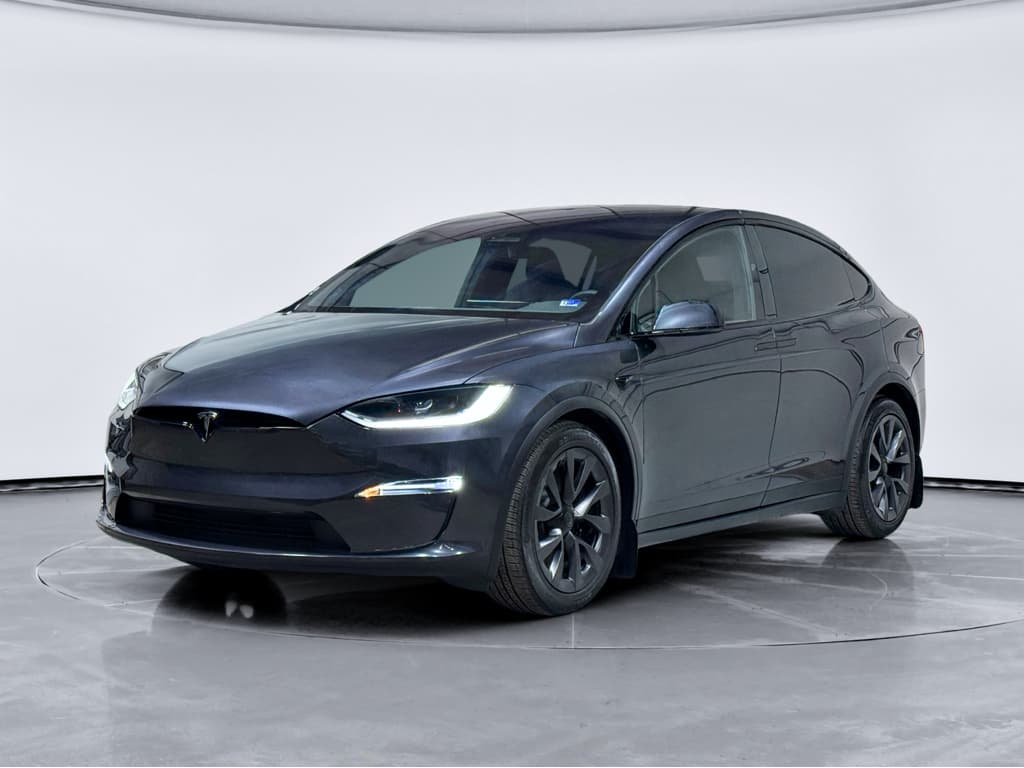
If you own a Tesla Model X, you’ve probably typed “Tesla Model X KBB value” into a search bar right before refinancing, trading in, or doom‑scrolling used listings. Kelley Blue Book is still the default pricing language for the car business, but with EVs, and especially a high‑drama vehicle like the Model X, the story behind that number matters as much as the number itself.
KBB is a starting point, not the finish line
Why Tesla Model X KBB value matters in 2026
In 2026, the Tesla Model X sits in a strange place: it’s a halo EV SUV with falcon‑wing doors and supercar acceleration, but it’s also a nine‑year‑old platform in a market flooded with new luxury EVs. That tension shows up very clearly in your KBB value. On paper, Model X resale is still better than many big luxury gas SUVs, yet the wider used EV market has been whipsawed by tax‑credit changes, waves of off‑lease vehicles, and shifting sentiment around Tesla itself.
Recently, used Tesla pricing has even staged a mini‑comeback. After a year of falling values, one national analysis showed used Model X prices rising roughly 10% while many rival EVs softened. That kind of volatility doesn’t show up in your glovebox sticker, but it does get baked into the KBB algorithm, and into any realistic number you can expect to sell for.
Don’t anchor on a six‑month‑old screenshot
Quick look: current Tesla Model X values by year
KBB doesn’t publish one single “Tesla Model X KBB value”, it publishes values for each model year, trim, and condition. To ground you, here’s what typical national used pricing looks like right now from a mix of KBB and market‑wide data, assuming average mileage and normal wear, buying from a dealer rather than a private seller:
Approximate Tesla Model X values by model year (dealer retail)
High‑level snapshot of what you might see as a Kelley Blue Book Fair Purchase Price or similar market price for common Model X years in early 2026. These are ballpark figures, not quotes.
| Model year | Typical KBB / market dealer price* | Original MSRP ballpark | Rough depreciation |
|---|---|---|---|
| 2024 | $64,000–$80,000 | $82,000–$97,000 | about 20–25% off new |
| 2023 | $60,000–$75,000 | $100,000+ (after 2022 price spike) | roughly 25–35% off new |
| 2021–2022 (refresh) | $55,000–$70,000 | $80,000–$100,000+ | around 30–40% off new |
| 2018–2020 | $30,000–$45,000 | $70,000–$100,000+ | roughly 45–60% off new |
| 2016–2017 | Low $20,000s–mid $30,000s | $80,000+ well‑optioned | often 65%+ off new |
Real KBB values will vary by trim, location, mileage, options, and condition. Use this table as a directional guide, not a guarantee.
Why the range, not a single number?
Model X value at a glance
How KBB actually calculates Tesla Model X value
Kelley Blue Book was built in the era of V8 Tahoes and minivans, but the basic recipe still holds for EVs. KBB ingests a river of data, auction results, dealer transactions, asking prices, lease residuals, and uses it to estimate what your specific Tesla Model X should be worth today in different scenarios: trade‑in, private‑party sale, and dealer retail.
The key ingredients in your Model X KBB value
1. Year, trim, and drivetrain
A 2024 Model X Plaid with three motors lives in a very different pricing universe than a 2016 75D. KBB starts with year and trim to anchor the value range.
2. Mileage versus age
For a luxury SUV, KBB expects roughly 10,000–12,000 miles per year. Your value slides up if you’re well under that, and down if you’re over. A 2019 Model X with 35,000 miles will price very differently than one with 95,000.
3. Condition grade
KBB’s <strong>Excellent / Very Good / Good / Fair</strong> buckets bake in paint, interior wear, tires, and mechanical issues. Many sellers overrate condition; realistically, most used Model X vehicles land in “Good,” not “Excellent.”
4. Options and software
Six‑seat interiors, tow package, premium wheels, and genuine Full Self‑Driving (as opposed to just Enhanced Autopilot) still move the needle. Over‑the‑air software features can be tricky, KBB doesn’t always fully capture them.
5. Location and season
All‑wheel‑drive EV SUVs sell more easily in colder, snow‑belt states, especially heading into winter. Coastal urban markets with strong EV adoption usually post higher KBB values than rural areas with thin charging infrastructure.
6. Macro EV market data
KBB constantly adjusts for what’s happening out in the wild: waves of off‑lease Teslas, sudden new‑car price cuts from Tesla, changes to EV tax credits, and even brand‑specific sentiment shifts.
Run all three KBB scenarios
Model X depreciation and today’s market swings
Depreciation is where the Model X story gets interesting. When new, the X was positioned as the spaceship of family haulers, with prices in the $80,000–$100,000+ range through most of its life. That gave it a lot of room to fall, and then bounce.
The long glide down
Looking at a 2018 Model X, the average MSRP when new was around $74,000. By 2024, typical used prices had drifted down into the high‑$30,000s, leaving roughly half the original value. Early‑build 2016–2017 examples have often lost 65% or more, which is aggressive but not unheard of for six‑figure luxury SUVs.
The short, sharp swings
Layered on top of that long glide are short‑term shocks. Tesla’s own new‑car price cuts, changes to federal and state EV incentives, and an influx of off‑lease luxury EVs have caused used Model X prices to drop fast, and, lately, nudge back up. One recent study put the Model X’s short‑term rebound at about 10% while some competitors sagged.
Be cautious with very fresh KBB spikes
Battery health: the hidden lever KBB can’t see
Here’s the blind spot: KBB doesn’t actually know the health of your battery pack. It assumes an average. With a Tesla Model X, the most expensive wear item is the battery, that assumption can be wildly wrong in both directions. Two 2019 Model X Long Range vehicles, same mileage, same color, same options, can be separated by thousands of dollars once you see their true usable capacity and DC‑fast‑charge history.
How battery health moves your real‑world value
What a buyer will pay versus what KBB predicts
Healthy pack, low fast‑charge use
Maybe it’s a one‑owner Model X that mostly lived on Level 2 home charging. Real‑world range is close to factory spec.
In practice, savvy buyers and EV‑focused dealers will often pay above KBB for this, because it behaves like a much newer vehicle.
Average degradation, mixed history
This is what KBB assumes: modest range loss, no scary charging patterns. Offers tend to cluster near the published KBB value, plus or minus the usual haggling.
High degradation or charging abuse
Lots of DC fast charging, heavy towing, or simply hard miles can pull capacity down. The car still drives, but the real‑world range is disappointing.
Here, buyers will try to claw back money below KBB, or walk away entirely if they can’t verify the pack’s health.
Where Recharged’s battery report comes in
How to use KBB value when you sell your Model X
Treat the Tesla Model X KBB value as your compass, not your handcuffs. It tells you roughly where the market thinks your SUV lives, but you still need to navigate around battery health, regional demand, and buyer psychology. Here’s how to turn that number into a real‑world sale.
Step‑by‑step: turning KBB into a strong sale price
1. Pull a fresh KBB valuation
Use your exact year, trim, mileage, ZIP code, and a realistic condition grade. Save the <strong>Trade‑In</strong>, <strong>Private Party</strong>, and <strong>Typical Listing Price</strong> numbers so you can see the spread.
2. Reality‑check against live listings
Search popular marketplaces for similar Model X vehicles, same year, range variant, and mileage. If KBB is notably higher or lower than what you see advertised, assume the live market is closer to the truth.
3. Get your battery story on paper
Gather service records and charging history if you have them. If you’re selling through Recharged, the <strong>Recharged Score battery diagnostic</strong> will quantify usable capacity and pack health in a form buyers can trust.
4. Decide how much convenience you’ll pay for
If you trade into a dealer or use an instant‑offer service, expect offers closer to the <strong>trade‑in KBB value</strong>. If you’re willing to detail the car, photograph it, answer messages, and meet strangers, price near the <strong>private‑party KBB number</strong> instead.
5. Adjust for options and quirks
Unique colors, six‑seat layouts, and clean accident histories help. Aftermarket wheels, wrap jobs, or panel repainting usually hurt. If your X is heavily customized, expect more negotiation around KBB’s assumptions.
6. Sense the direction of the market
If news coverage and data show used Teslas climbing, you can afford to price at the top of the KBB range, especially with strong battery documentation. If values are sliding, lean conservative and prioritize a faster sale.
Use KBB to say “no” with data, not emotion
Where Recharged fits in alongside KBB
Recharged doesn’t replace Kelley Blue Book; it complements it for used EVs. KBB is excellent at reading the room, national transaction data, auction trends, incentive changes. What it doesn’t see is the thing that most determines whether your Tesla Model X is a brilliant used buy or a ticking time bomb: the actual state of the battery and high‑voltage systems.
KBB vs. Recharged for a used Model X
Think of them as two halves of the same picture
KBB: the market’s rough consensus
- Tells you what similar Model X vehicles are generally worth.
- Updated frequently with national sales and auction data.
- Offers separate values for trade‑in, private‑party, and dealer retail.
- Assumes average battery health and typical use.
Recharged: the EV‑specific truth serum
- Runs a Recharged Score battery health diagnostic on every vehicle.
- Surfaces pack health, fast‑charge history, and likely range.
- Helps justify pricing above or below generic KBB values.
- Backs you with EV‑specialist support, digital paperwork, financing, trade‑in and nationwide delivery.
Ready to find your next EV?
Browse VehiclesIf you’re selling your own Model X
You can use KBB to set your list price and Recharged to benchmark what a healthy‑battery X should command. If your pack is strong, you’re justified in holding closer to the top of KBB’s range. If it’s weak, you’ll know early and can make a clean, realistic pricing decision.
If you’re shopping for a used Model X
Compare any seller’s ask to KBB’s dealer and private‑party values, then ask, “What’s the battery report say?” Buying through Recharged bakes that answer into the process: every Model X on the platform comes with a transparent battery‑health story and fair‑market pricing informed by both KBB and real‑time EV market data.
FAQ: Tesla Model X KBB value
Frequently asked questions about Tesla Model X KBB value
If you think of Kelley Blue Book as the market’s best guess and your battery health as the truth, the Tesla Model X lives precisely where those two things collide. Use KBB to know the neighborhood your SUV belongs in, then let live listings, battery data, and EV‑savvy partners like Recharged tell you exactly which house on the block is yours. In a segment this volatile, that extra layer of insight can easily be worth more than a set of 22‑inch wheels.