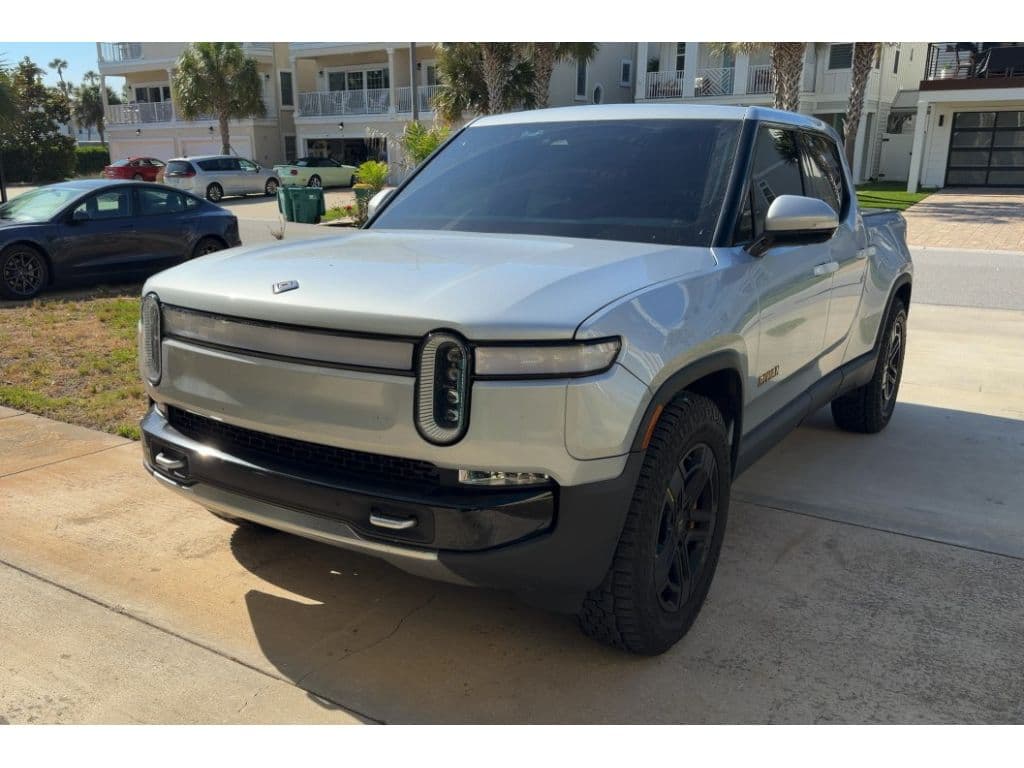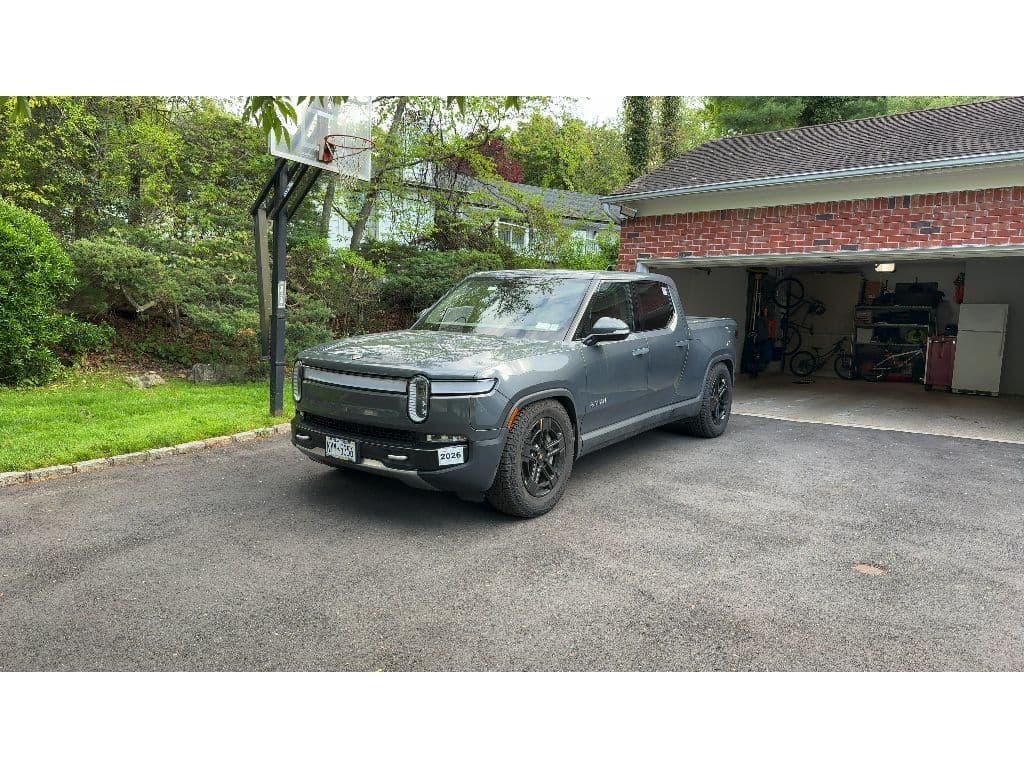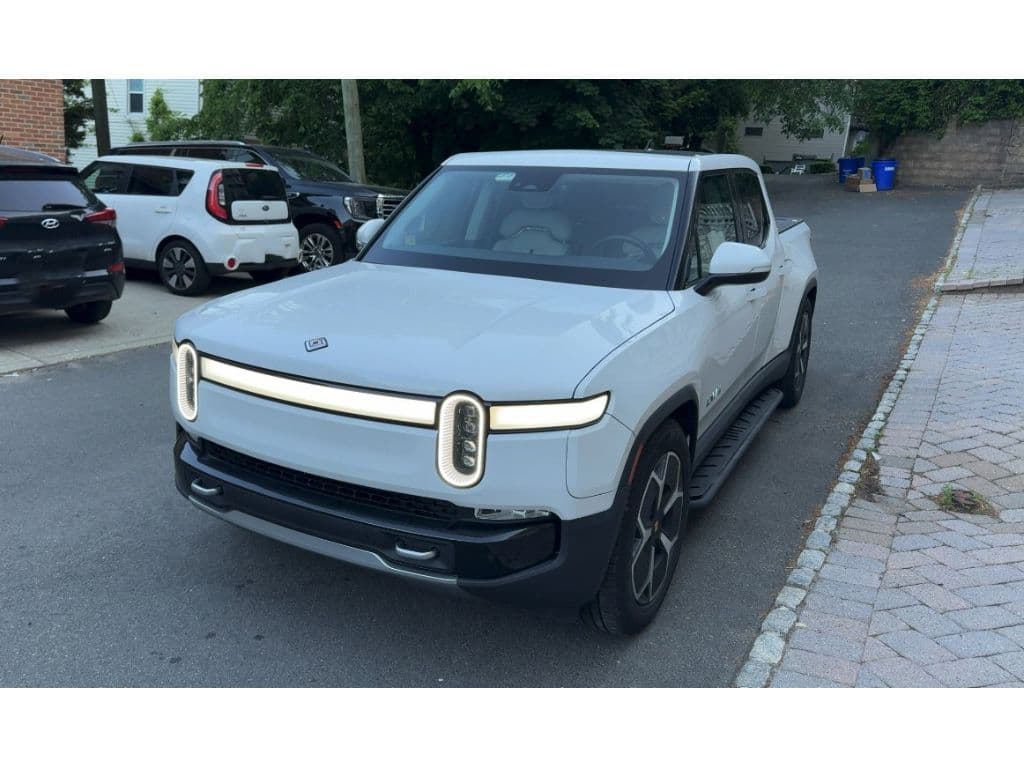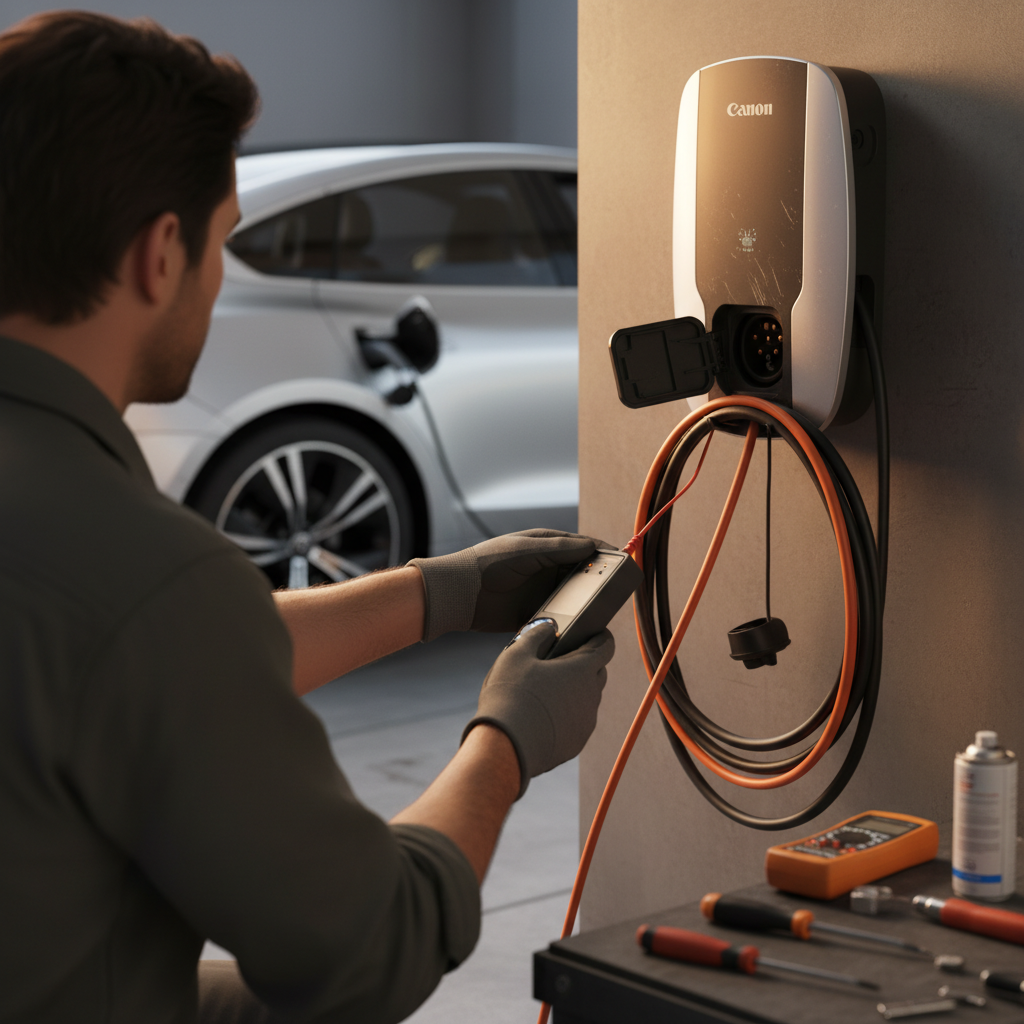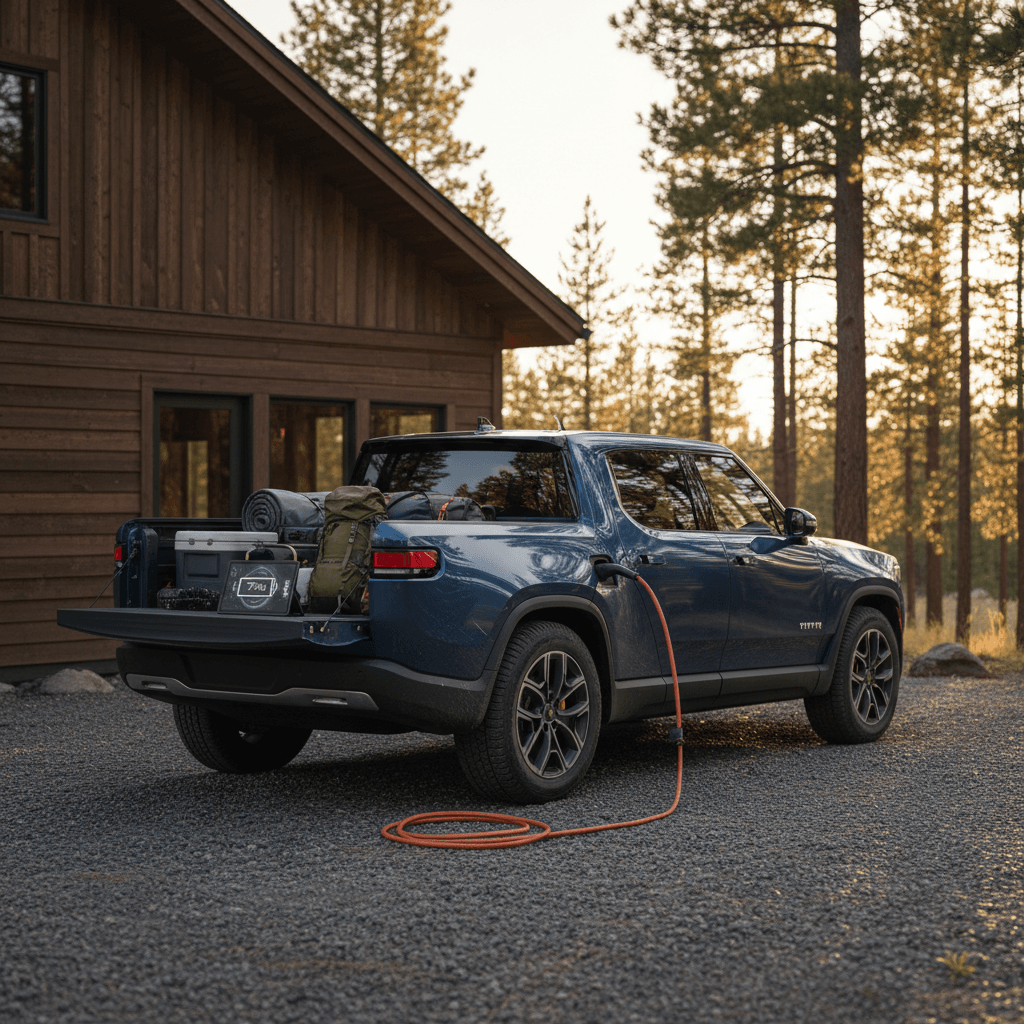
If you’re eyeing an electric pickup in 2026, the question almost writes itself: is the Rivian R1T worth buying when you can also get a Tesla Cybertruck, a Chevy Silverado EV, or just keep your paid‑off F‑150? The answer is: it depends very much on how you use a truck, how far you tow, and how much chaos you’re willing to tolerate in exchange for brilliance.
Short answer
Rivian R1T in 2026 at a Glance
Key Rivian R1T Numbers (2026 Models & Recent Data)
On paper, the R1T is a luxury electric pickup with serious off‑road hardware, super‑car acceleration in some trims, and an interior that feels more boutique camping gear than work truck. In reality, it’s a lifestyle vehicle that can do real truck things… as long as you live inside its physics and charging constraints.
Core Strengths and Weaknesses of the Rivian R1T
What you’re really signing up for in 2026
Where the R1T shines
- Thrilling performance: Even the dual‑motor feels quick; quad‑motor versions are flat‑out wild.
- Genuinely capable off‑road: Air suspension, clever traction control, and serious ground clearance.
- Refined daily driver: Quiet, comfortable, and more maneuverable than full‑size trucks.
- Excellent design: Interior materials and UI feel special rather than generic OEM parts‑bin.
Where the R1T frustrates
- Towing range hits: Expect ~40–60% range loss when towing real trailers at highway speed.
- Young‑company teething: Recalls, service constraints, and software bugs are still part of the story.
- Charging network patchwork: Great DC capability, but you live at the mercy of third‑party networks unless you use adapters.
- Pricing vs resale: New trucks are expensive while used values have already fallen hard.
Who Should Actually Buy a Rivian R1T in 2026?
Great fit
- Adventurers and overlanders: You camp, ski, mountain‑bike; you care more about trail access than fifth‑wheel towing.
- Suburban families with a driveway: You want one vehicle that can commute, haul kids, and do weekend trips without buying gas.
- People who value design and tech: You like that the R1T feels handcrafted and thoughtful, not like a rental‑spec fleet truck.
- Buyers comfortable with used EVs: You’re happy to let the first owner eat the depreciation and buy with data on battery health.
Probably not a fit
- Heavy long‑distance towers: If your life is 500‑mile trailer hauls, you’ll hate watching range evaporate and hunting DC chargers with a trailer attached.
- One‑vehicle households far from service: If your nearest Rivian service option is hundreds of miles away, downtime will sting.
- People who just want an appliance: If you measure excellence as “I never think about this vehicle,” the R1T is too high‑drama.
Think used, not just new
Range, Batteries and Real-World Efficiency
Rivian has shuffled battery packs and powertrains since launch, but the basic menu for R1T buyers in 2026 looks like this: Standard, Large and Max packs paired with dual‑ or quad‑motor setups, plus incremental efficiency improvements for so‑called “Gen 2” trucks. EPA range stretches from the mid‑250s to roughly the low‑400s miles depending on pack and wheels, with newer trucks gaining a few extra miles from software and hardware tweaks.
Rivian R1T Battery Packs & Typical EPA Range
Approximate figures for U.S. models as of 2025–2026. Always check the exact configuration you’re shopping.
| Battery pack | Drivetrain | Approx. EPA range | Best use case |
|---|---|---|---|
| Standard | Dual motor | ~260–270 mi | Daily driving, shorter trips, lighter loads |
| Large | Dual motor | ~320–350 mi | Balanced choice for most buyers |
| Large | Quad motor | High‑200s–low‑300s mi | Maximum performance with modest range hit |
| Max | Dual/Quad | Up to ~420 mi (ideal spec) | Longer road trips and lighter towing with more margin |
Smaller wheels and road‑oriented tires usually help range; big all‑terrains and roof racks hurt it.
Highway vs city reality
If you can charge at home and most of your driving is under, say, 150 miles a day, even a Standard or Large‑pack R1T is more than enough. The Max pack starts to make sense if you routinely do 200–300‑mile highway runs or a lot of light towing and want extra buffer.
Towing: Using an R1T Like a Truck, Not a Toy
On paper, the Rivian R1T can tow up to 11,000 pounds, putting it right in the mix with half‑ton gas trucks. In practice, towing is where physics presents the bill. Owner reports and tests consistently show roughly 40–60% range loss when you hitch a real travel trailer and run at American‑style highway speeds.
How the R1T Handles Different Towing Scenarios
When it works beautifully, and when it turns into a charging scavenger hunt
Regional camping trips
Cross‑country trailer hauls
Occasional utility towing
Don’t buy it for max‑weight, long‑distance towing
Charging Experience and Road-Trip Viability
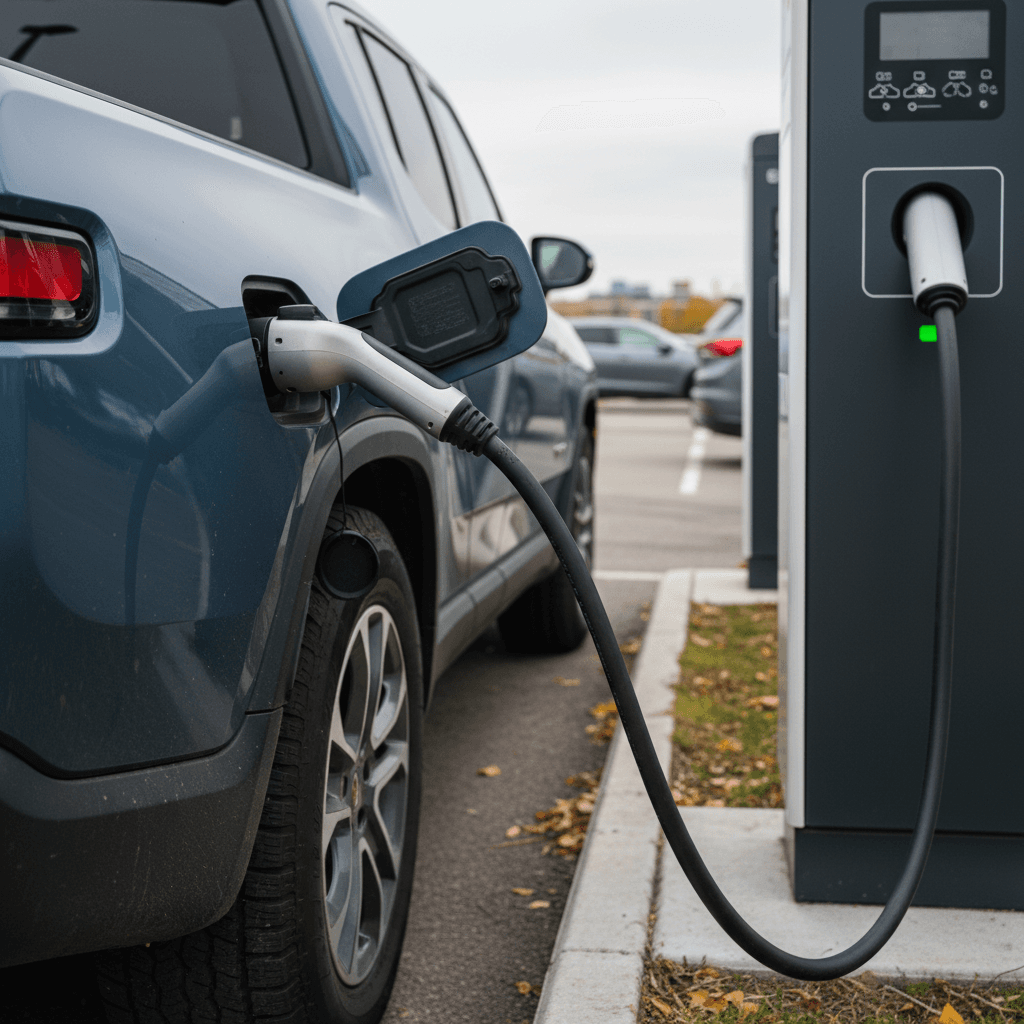
Charging is where the R1T’s promise and America’s infrastructure collide. The truck itself is very capable: it supports DC fast charging that can take you from roughly 10% to 80% in about 30–40 minutes on a strong station, and newer hardware/software revisions have improved both speed and efficiency. The wild card is the station you happen to pull into.
- On a healthy 250 kW‑class DC fast charger, you can add hundreds of miles of range in a lunch stop.
- On a derated or crowded charger, you may wait for a stall or limp along at double‑digit kilowatts while the kids mutiny in the back seat.
- At home on a 240 V Level 2 charger, overnight charging is drama‑free, you wake up to a full “tank” every morning.
Plan around the network, not the brochure
By 2026, more non‑Tesla EVs (including Rivian) can tap into the growing NACS / Tesla Supercharger ecosystem using adapters or native ports, which meaningfully improves life in some regions. But if you live in a charging desert today, no amount of pack size will fix a thin network.
Reliability, Recalls and Software Quirks
Rivian is not a hundred‑year‑old automaker; it’s a well‑funded start‑up still learning to build cars at scale. That shows up in recalls for issues like seatbelts and half‑shafts, service campaigns to swap components, and an occasionally turbulent over‑the‑air update cadence where one software release fixes three bugs and introduces a new one.
Know your nearest service option
The upside is that Rivian tends to be aggressive about addressing problems, often replacing parts proactively and pushing rapid software fixes. The downside is that your R1T will not be a boring appliance; ownership is more like being in a long‑term beta program than buying a Camry.
The Rivian R1T is one of those rare vehicles that genuinely changes what you think a truck can be. It’s also one of those vehicles that will occasionally remind you it’s built by a company still finding its sea legs.
Depreciation and Used R1T Value in 2026
The electric‑truck market has been a financial roller coaster, and Rivian owners have felt the drop. Early R1Ts that stickered well into the $80,000s have already seen substantial depreciation by 2026. That stings if you bought new in 2022; it’s a gift if you’re shopping used now.
How Depreciation Changes the R1T Value Equation
Why a 3‑year‑old truck can be the sweet spot
New R1T in 2026
- Pros: Latest hardware/software, full warranty, you can spec exactly what you want.
- Cons: High upfront price, you absorb the steepest depreciation curve, and incentives are in flux.
Used R1T in 2026
- Pros: 30–45% off original MSRP is common on early trucks; plenty of lightly‑driven examples; you can see real‑world history.
- Cons: More wear, earlier hardware revisions, and you must be diligent about battery health and recall compliance.
Where Recharged fits in
Ready to find your next EV?
Browse VehiclesOwnership Costs vs Gas Trucks
Sticker price is only the opening bid. To decide if a Rivian R1T is worth buying in 2026, you need to look at the full cost of ownership: energy, maintenance, insurance, and depreciation. The R1T is not a cheap vehicle, but it trades fuel and maintenance costs for upfront price and complexity.
Rivian R1T vs Half-Ton Gas Truck: Typical U.S. Ownership Costs
Illustrative comparison for a U.S. owner driving ~12,000 miles per year, with home charging for the R1T.
| Cost factor | Rivian R1T (EV) | Half‑ton gas truck |
|---|---|---|
| Energy | Generally lower per mile if you charge at home; public fast charging can approach gas‑equivalent costs. | Highly variable, but usually higher per mile than home‑charged electricity at 2026 prices. |
| Maintenance | No oil changes, fewer moving parts; tires and brakes still wear, and large, heavy EVs eat tires. | Regular oil changes, transmission service, exhaust, more fluids and wear items. |
| Insurance | Often higher than a comparable gas truck due to repair costs and parts availability. | Varies, but generally lower than an equivalent luxury EV. |
| Depreciation | Early trucks already took a hit; buying used can dramatically improve your math. | More predictable, but gas trucks are also feeling EV‑market aftershocks. |
Exact numbers will depend on your electricity rate, fuel prices and driving style, but the pattern, lower energy and maintenance, higher depreciation risk, is consistent.
Home charging is the big swing factor
New vs Used R1T: Which Makes Sense in 2026?
Reasons to buy new in 2026
- You want the latest hardware and Gen 2 efficiency improvements.
- You value a full factory warranty and the clean slate of a first owner.
- Cash flow matters more than total cost: you plan to finance and keep the truck long‑term.
- You’re OK paying a premium for exactly the spec and color you want.
Reasons to buy used in 2026
- You’d rather let someone else absorb the first 3 years of depreciation.
- You’re comfortable with early‑build trucks as long as recalls are done and the battery looks healthy.
- You want luxury‑truck capability at a mid‑tier payment.
- You’re shopping nationwide through platforms like Recharged that can ship the right truck to your driveway.
Used Rivian R1T Shopping Checklist
1. Verify battery health
Ask for a recent, independent battery health report, not just the on‑screen range estimate. Recharged, for example, includes a Recharged Score with verified pack diagnostics on every EV we sell.
2. Confirm recall and campaign completion
Make sure all open recalls and service campaigns (seatbelts, half‑shafts, software updates) have been completed. This is non‑negotiable.
3. Inspect tires and suspension
The R1T is heavy and hard on tires. Check for uneven wear, alignment issues, and any clunks or knocks from the air suspension over bumps.
4. Test charging behavior
If possible, plug into both Level 2 and DC fast chargers during your test drive. Watch for charging errors, unusually low speeds, or overheating warnings.
5. Live with the software
Spend time with the UI, driver‑assist, and app. Make sure you’re comfortable with Rivian’s software‑heavy approach, and the occasional quirk.
Checklist: Is a Rivian R1T Worth It for You?
Quick Self-Assessment Before You Buy
You can charge at home most nights
A driveway or garage with the ability to install a Level 2 charger is almost mandatory. Without home charging, the ownership experience is much less compelling.
Your towing is mostly regional, not cross‑country
You tow boats, campers, or utility trailers within a 150‑mile radius, with the occasional longer trip you’re willing to plan around.
You’re OK being an early adopter
You understand that Rivian is still refining its products. Some updates will delight you; a few may annoy you. You’re not buying this truck to disappear into the background.
You value how it drives as much as what it tows
You want something that’s fun, quiet, quick and beautifully made, not just a rolling toolbox.
You can weather a curveball
You have a backup vehicle or flexible schedule in case the R1T spends time at a service center.
FAQ: Rivian R1T Worth Buying in 2026
Frequently Asked Questions About Buying a Rivian R1T in 2026
Bottom Line: Should You Buy a Rivian R1T in 2026?
So, is the Rivian R1T worth buying in 2026? If what you want is a quiet life and an unremarkable commute, probably not. There are cheaper, simpler ways to get to work. But if you want a truck that feels like the future, that can thread a forest trail one weekend, haul lumber the next, and glide silently through your daily grind, the R1T remains one of the most compelling objects on four wheels.
The key is honesty: about your towing, about your charging options, and about your appetite for a bit of drama in exchange for brilliance. Get those answers right, buy carefully (ideally with a verified battery‑health report and expert help from a platform like Recharged), and a Rivian R1T in 2026 can be not just worth buying, but unforgettable to own.