If you’re wondering whether the Nissan Ariya is worth buying in 2026, you’re not alone. Nissan’s electric SUV has quietly become a solid alternative to the Tesla Model Y and Hyundai Ioniq 5, but it also carries some baggage: modest fast‑charging speeds, mixed software experiences, and questions about resale value. Let’s walk through where the Ariya shines, where it doesn’t, and who it actually makes sense for, especially if you’re eyeing a used one.
Big picture
Quick answer: Is the Nissan Ariya worth buying in 2026?
When the Ariya is worth buying
- You want a quiet, comfortable, upscale-feeling EV SUV for commuting and family use.
- You charge mostly at home and only road‑trip a few times a year.
- Interior design, materials, and ride comfort matter more than 0–60 bragging rights.
- In 2026, you’re happy to let someone else take the new‑car depreciation and buy used with a strong discount.
When the Ariya is not your best bet
- You do frequent long highway trips and rely on DC fast charging.
- You want the absolute fastest charging or Tesla-level software polish.
- Maximum resale value is your top priority (Tesla and Hyundai/Kia are generally stronger).
- You care a lot about access to the Tesla Supercharger network with seamless native integration.
Our verdict in one sentence
Nissan Ariya at a glance: range, battery, trims
Nissan launched the Ariya for the 2023 model year in the U.S., and by 2026 it has settled into a fairly stable lineup. Exact trims and names can vary year‑to‑year, but you’ll typically see two battery sizes and a choice of front‑wheel drive (FWD) or e‑4ORCE all‑wheel drive (AWD).
Core Nissan Ariya battery and range figures (U.S. ballpark)
Approximate EPA-style ranges and configurations you’re likely to see on 2023–2025 Ariya models available new and used in 2026.
| Battery / Drive | Usable capacity (kWh) | EPA-ish range (mi) | Power | Notes |
|---|---|---|---|---|
| Standard range FWD | ~63 | ~215–225 | ≈214 hp | Good for commuters; lowest price, smallest pack. |
| Extended range FWD | ~87 | ~289–304 | ≈238 hp | Best mix of price, range, and comfort for most buyers. |
| Extended range e‑4ORCE AWD | ~87 | ~265–270 | Up to ~389 hp | Quick and confident; shorter range but strong performance. |
Always verify exact specs for the specific VIN you’re considering, since range, features, and pricing vary by trim and year.
Trim tip
Nissan Ariya fast facts for 2026 shoppers
What the Ariya does really well
Nissan Ariya strengths that still matter in 2026
These are the reasons people who own Ariyas tend to like them, and why they can be great used buys.
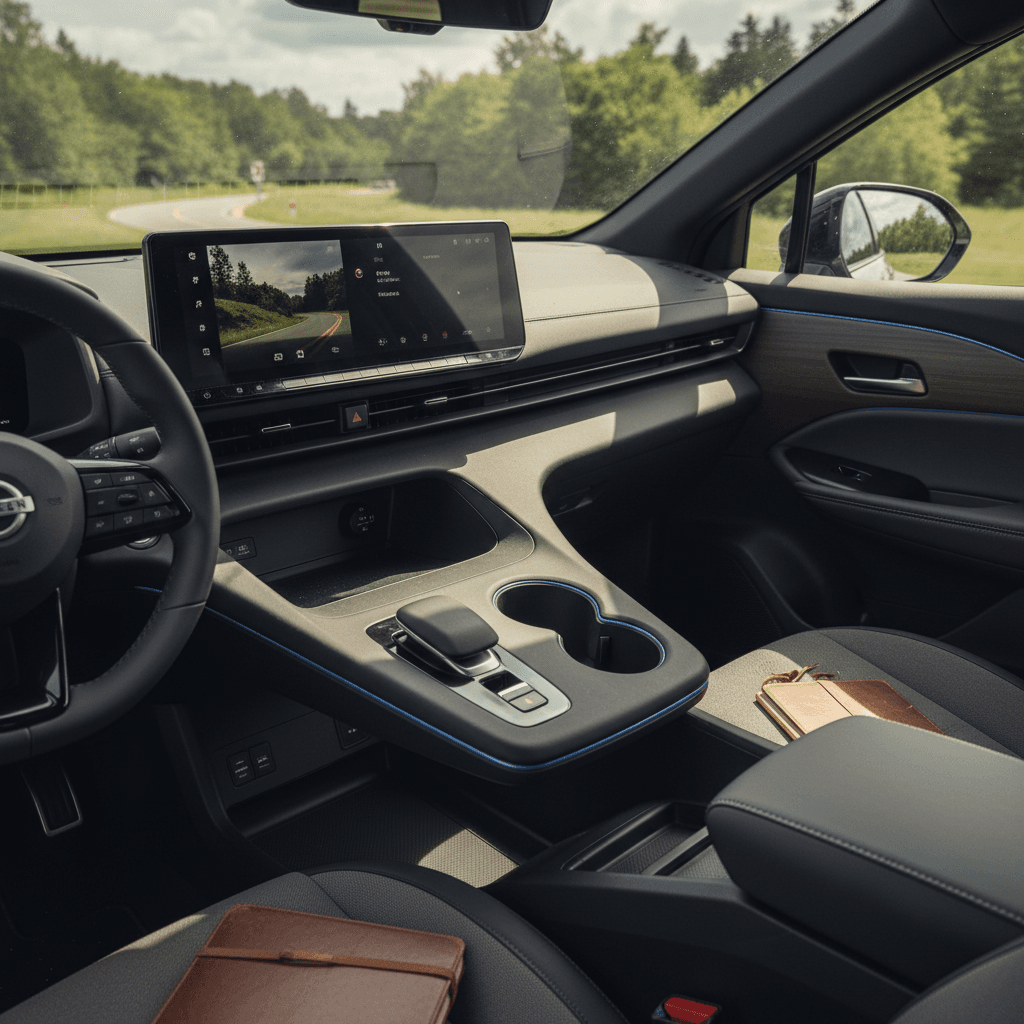
Comfort & quiet
Effortless power
Premium interior design
Competitive range
Safety & driver aids
Refined, not shouty
Where the Ariya falls short in 2026
To know if the Nissan Ariya is worth buying in 2026, you have to be just as clear about its weaknesses as its strengths. None of these are automatic deal‑breakers, but they do shape who should buy one, and what you should pay.
- Charging speed is merely okay. With a peak of about 130 kW, the Ariya looks fine on paper but falls behind newer rivals on long road trips, where 15–20 minutes can turn into 30 minutes or more between stops depending on the curve and conditions.
- Software and updates are inconsistent. Owners have reported slow or spotty over‑the‑air (OTA) updates, plus the occasional hiccup with infotainment and instrument screens, especially around recall‑related reprogramming.
- Brand sizzle and demand trail Tesla and Hyundai/Kia. That means potentially softer resale, but also better used‑car bargains if you’re the second owner.
- No huge “wow” hook. The Ariya isn’t the quickest, longest‑range, or fastest‑charging in its class. It competes on balance and comfort, not on any one headline stat.
Reality check on age and platform
Charging: how bad is 130 kW really?
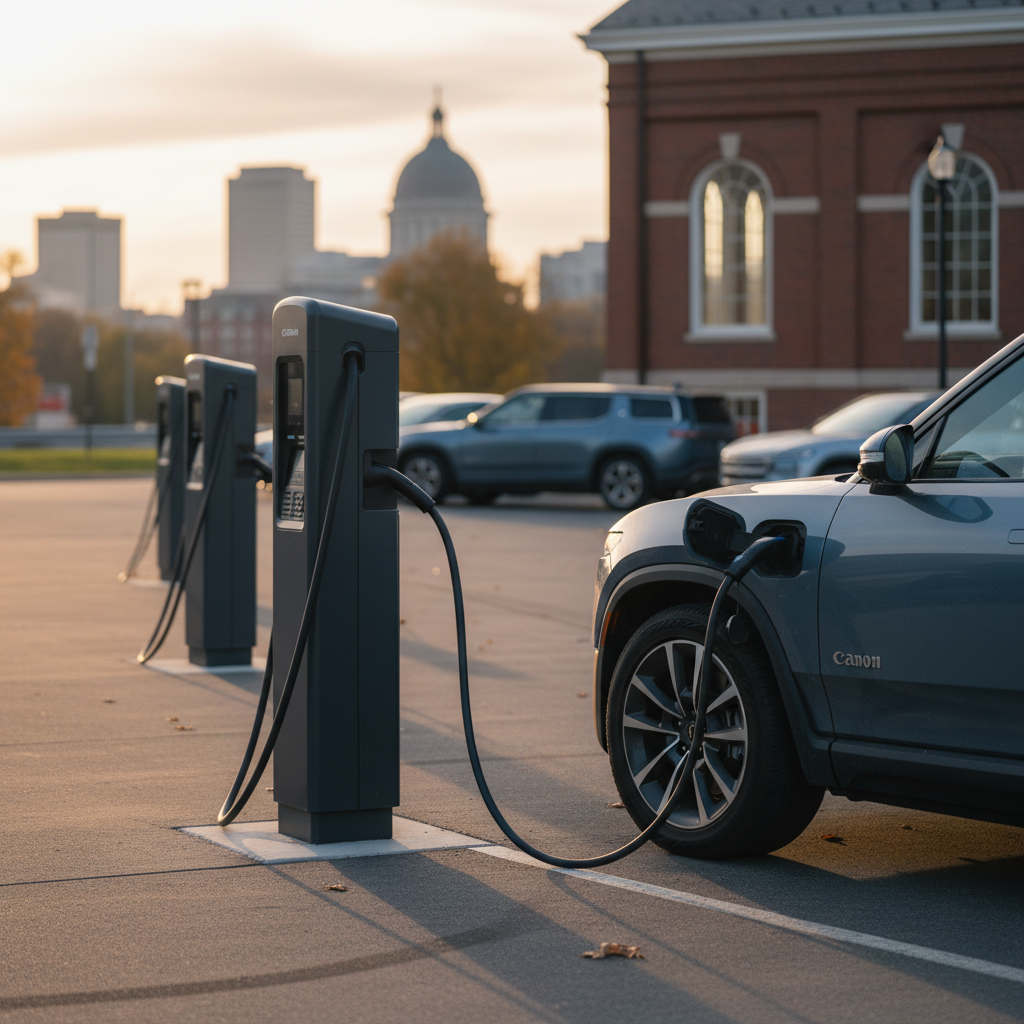
On paper, the Ariya supports up to about 130 kW DC fast charging. That was a respectable figure when it launched, but by 2026, many competitors routinely advertise 175–350 kW peaks. The headline number doesn’t tell the whole story, though, the charging curve and your habits are just as important.
Good news if you charge mostly at home
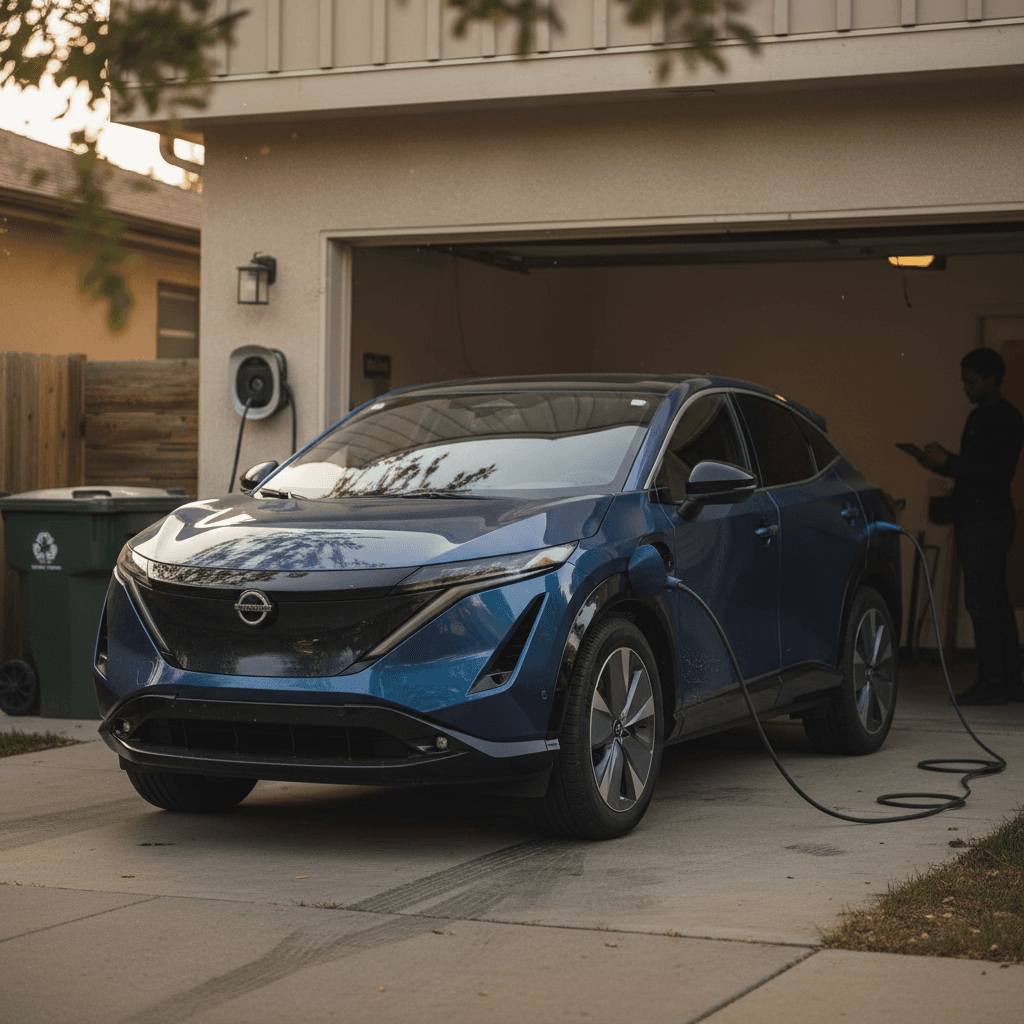
If you have Level 2 home charging (a 240‑volt outlet or wallbox), the Ariya is easily a plug in at night, wake up full EV. The onboard AC charger is in the ~7–7.4 kW range on many trims, which is perfectly adequate for overnight recharging. For typical daily use, you’ll rarely care what the DC fast‑charge peak is.
Less good if you road‑trip a lot
On road trips, that 130 kW peak, and how quickly it tapers, matters. In real‑world use, many owners report initial rates near the published peak at lower states of charge, but then a gradual drop as the battery fills. That means longer stops than in an Ioniq 5/EV6 or newer Tesla. If you regularly do 400‑ to 800‑mile days, that extra time adds up.
Practical road‑trip advice
Reliability, software updates, and recalls
So far, the Ariya hasn’t shown the battery‑degradation drama that haunted early Nissan Leafs, which is a key concern for used‑EV shoppers. The Ariya uses a liquid‑cooled pack and more modern battery management, and early real‑world reports suggest that its packs are holding up respectably through the first few years.
What to know about Ariya reliability in 2026
Like most modern EVs, the main questions are software and electronics, not motors or batteries.
Software & infotainment
Power electronics & driveline
Battery & thermal system
Must‑do for used buyers
Resale value and 2026 pricing outlook
The Ariya entered a U.S. EV market full of price cuts and generous incentives, and that tends to push resale values down across the board. Tesla’s frequent sticker adjustments and the wave of new EV competitors mean most mainstream electric SUVs are depreciating faster than comparable gas models in the first 3–5 years.
While long‑term data on the Ariya is still developing, early indications suggest it will sit somewhere in the middle of the EV pack for depreciation, likely not as strong as a Tesla Model Y or the best Hyundai/Kia performers, but probably better than older tech like first‑generation Leafs or some low‑volume luxury EVs that lost value quickly.
What that means for you in 2026
Nissan Ariya vs Tesla Model Y vs Hyundai Ioniq 5
In 2026, the question usually isn’t “Ariya or nothing?” It’s “Ariya vs Tesla Model Y vs Hyundai Ioniq 5 (or Kia EV6).” Here’s how the Ariya stacks up against its most cross‑shopped rivals in the U.S.
Nissan Ariya vs key competitors (high‑level comparison)
Approximate comparisons for typical mid‑trim models in 2026; specifics vary by year and package.
| Model | Strengths | Weak points | Best for |
|---|---|---|---|
| Nissan Ariya | Comfortable ride, premium cabin feel, quiet, competitive range, likely attractive used pricing. | Slower DC fast charging, software quirks, less brand cachet, fewer over‑the‑air feature updates. | Drivers who value comfort and interior quality over speed and charging bragging rights; mostly home‑chargers. |
| Tesla Model Y | Supercharger access, strong efficiency, frequent software updates, strong performance, big charging network. | Ride can be firm, minimalist interior isn’t for everyone, fluctuating new prices impact resale. | Heavy road‑trippers, tech‑first shoppers, buyers who want the widest DC fast‑charging coverage with minimal planning. |
| Hyundai Ioniq 5 | Very fast charging on 800V platform, distinctive styling, good ride/handling, strong safety scores. | Less cargo space than some expect, infotainment can be busy, dealer experience varies. | Families who road‑trip more often but still want comfort and a distinct design; buyers who value quick DC charging. |
Use this as a directional guide, then compare specific VINs and trims before you buy.
Choose Ariya over Model Y / Ioniq 5 if…
- You prefer a warmer, more traditional cabin over Tesla’s stark minimalism.
- You mostly drive locally and can charge at home every night.
- You find a used Ariya priced significantly below an equivalent‑mileage Model Y or Ioniq 5.
- You’re sensitive to ride comfort and interior noise.
Pick a rival if…
- You do frequent, long highway trips and want the fastest possible DC charging.
- You want the most mature software ecosystem and app experience.
- You prioritize resale and demand, where Tesla and some Hyundai/Kia models currently have an edge.
Who should buy an Ariya in 2026, and who shouldn’t
Is the Nissan Ariya a good fit for you?
Match your driving pattern and priorities before you decide.
Great fit for these drivers
- Suburban commuters with predictable daily mileage under ~80–100 miles.
- Households with Level 2 home charging already in place, or willing to install it.
- Drivers who prioritize quiet, comfort, and interior materials over track‑style performance.
- Shoppers who love the idea of getting a well‑equipped EV SUV at a big used‑car discount.
Think twice if this is you
- Road‑warriors who live on the interstate and DC fast‑charge multiple times per week.
- Drivers in regions with sparse CCS fast‑charging, where Supercharger access via adapters is a must‑have.
- Buyers who want a marquee badge and maximum resale value as a financial priority.
- Early‑tech adopters who crave the absolute latest platform and software.
Used Nissan Ariya buying checklist
For many shoppers, the most compelling case that the Nissan Ariya is worth buying in 2026 is as a used EV. Early‑life depreciation can turn a high‑MSRP new Ariya into a very appealing value a few years later, if you choose carefully.
10 things to check before you buy a used Ariya
1. Confirm battery health
Ask for a documented battery‑health report, not just a dash‑display guess. At Recharged, every vehicle gets a <strong>Recharged Score</strong> with verified pack diagnostics so you know how much usable capacity you’re really buying.
2. Verify recall and software history
Use the VIN to check for open recalls and ask for service records on inverter, infotainment, and instrument‑cluster updates. Ideally, the big recall campaigns have already been completed and the car is on a stable software version.
3. Review charging habits
If possible, learn how the previous owner charged. A mix of home Level 2 and occasional DC fast‑charging is ideal. An Ariya that lived on DC fast‑charging in very hot climates is worth a closer look and perhaps a better price.
4. Inspect for water intrusion and corrosion
Like any SUV, check door seals, hatch area, underbody, and charge port for signs of leaks or corrosion, especially in coastal or high‑salt regions.
5. Test all driver‑assist features
On a test drive, verify that ProPILOT Assist, adaptive cruise, lane‑keeping, parking sensors, and 360‑camera systems operate correctly. Glitches can hint at underlying sensor or software issues.
6. Evaluate infotainment performance
Pair your phone, run both wired and wireless Apple CarPlay / Android Auto (if equipped), and test navigation. Watch for unresponsive screens, random reboots, or missing functions after updates.
7. Check tires and alignment
EVs are heavy and torque‑rich, so they can be harder on tires. Uneven wear may suggest suspension alignment issues or aggressive driving; budget accordingly if a full set of quality EV‑rated tires is due.
8. Examine interior wear
The Ariya’s cabin looks upscale, but higher‑mileage examples can show wear on soft‑touch surfaces and seat bolsters. Use this as a negotiation point if the rest of the vehicle checks out.
9. Confirm included charging equipment
Make sure the portable charge cable (if originally supplied) and any adapters are included, or factor in the cost of replacement or a wallbox. Many second owners forget to check this until after delivery.
10. Compare pricing to the broader EV market
Don’t evaluate the Ariya in a vacuum. Cross‑shop similar‑mileage Model Y, Ioniq 5, EV6, and others to see if the Ariya is priced attractively. Tools like Recharged’s <strong>fair‑market pricing</strong> make it easier to know when you’re getting a genuine deal.
Where Recharged fits in
FAQ: Nissan Ariya in 2026
Frequently asked questions about the Nissan Ariya in 2026
Bottom line: Is Nissan Ariya worth buying in 2026?
In 2026, the Nissan Ariya is worth buying for the right buyer, and that buyer is someone who prizes comfort, a refined cabin, and everyday livability more than the latest headline numbers. As a new vehicle, it’s a competent but not class‑leading EV SUV; as a used vehicle at the right price, it can be one of the smarter, lower‑stress EV purchases you can make.
If your life revolves around long highway trips and you want the absolute quickest charging and richest software ecosystem, a Tesla Model Y or Hyundai Ioniq 5/EV6 will likely serve you better. But if you mostly charge at home, drive a predictable mix of commuting and family errands, and you’re willing to trade a little charging speed for a quieter, more relaxed cabin, and especially if you can find a well‑priced, well‑documented used example, the Nissan Ariya is absolutely worth a hard look in 2026.
When you’re ready to compare real vehicles, platforms like Recharged can help you line up Ariyas against rivals, see verified battery health via the Recharged Score, lock in fair‑market pricing, arrange financing, and even handle trade‑ins and delivery. However you shop, combine objective data with an honest assessment of how you actually drive; that’s how you’ll know if the Ariya is the right EV for you.