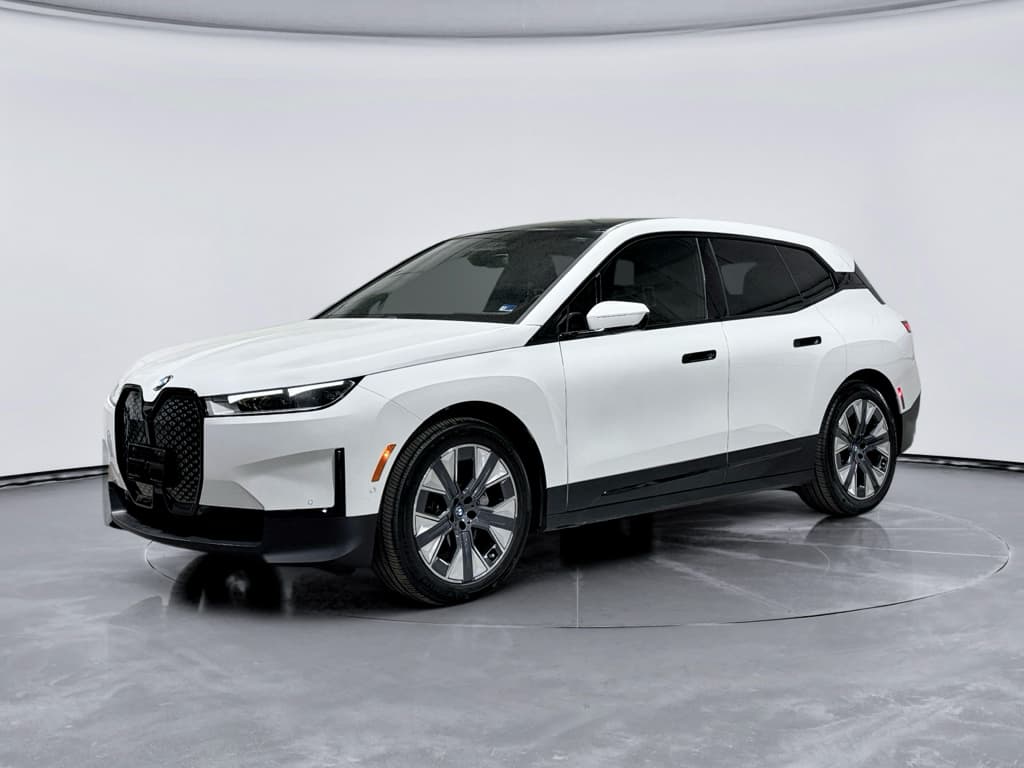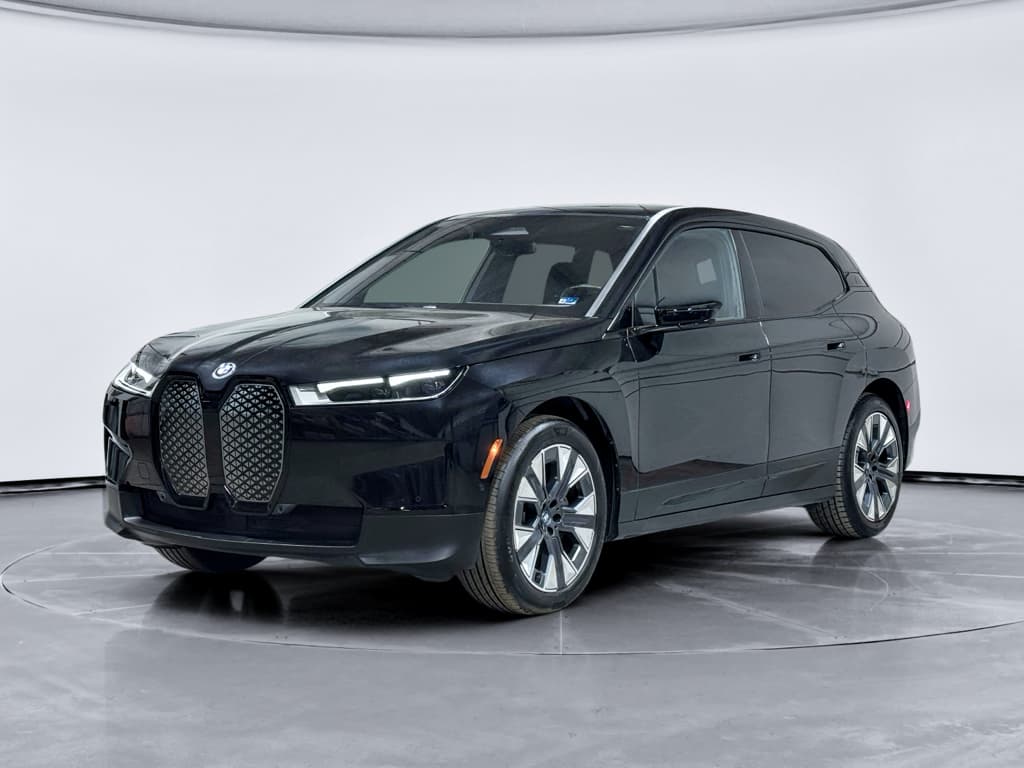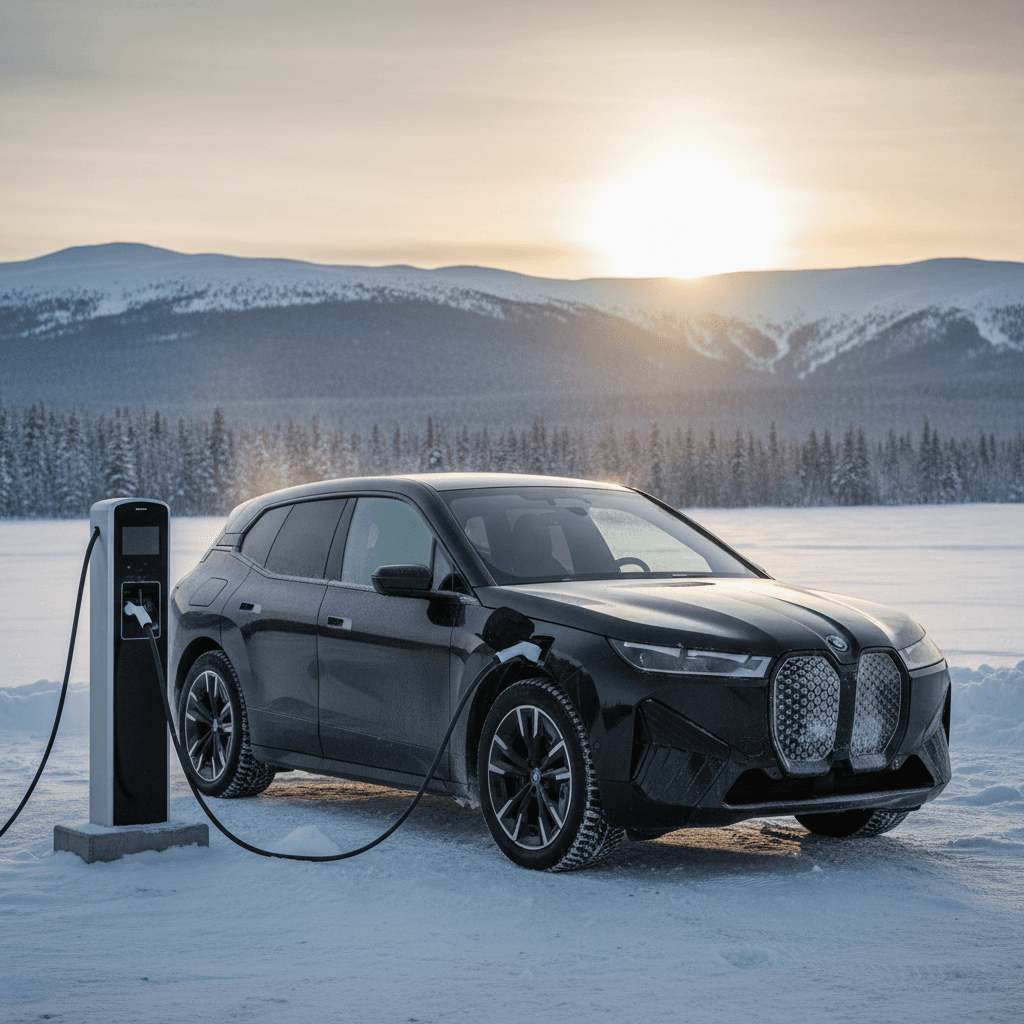
If you own or are shopping for a BMW iX, winter range loss is probably near the top of your concern list. The iX has a big battery and strong EPA range on paper, but once temperatures drop below freezing, your real-world range can look very different from the window sticker. The good news: with some realistic expectations and a few habits, you can keep BMW iX winter range loss predictable and manageable.
Key takeaway up front
Why the BMW iX Loses Range in Winter
Winter range loss in the BMW iX is driven by the same physics that affect every modern EV. The chemistry in a lithium-ion battery slows down as temperatures drop, making it harder for the pack to deliver energy. At the same time, you’re asking the car to do more work: heating a big cabin, de-icing glass, and pushing a tall, heavy SUV through cold, dense air and sometimes slushy roads. All of that energy comes from the same battery that propels the car forward.
- Cold battery chemistry: A cold pack has higher internal resistance, which lowers efficiency and limits how much power can flow easily in or out of the battery.
- Cabin heating: Unlike a gas engine, there’s no free waste heat. Your HVAC system draws directly from the high-voltage pack to warm the cabin and seats.
- Defrost and de-icing: Windshield, rear glass, and mirror heaters are short bursts of high power.
- Higher rolling and air resistance: Snow, slush, winter tires, and denser air at low temperatures all increase drag.
- Short trips: Many winter drives are 5–15 minutes, which means you pay the full price of heating the cabin and battery, but don’t drive long enough to amortize that overhead.
Winter loss isn’t just an EV problem
How Much Winter Range Loss to Expect in a BMW iX
To talk about BMW iX winter range loss, you first need a baseline. In the U.S., the 2024–2025 iX xDrive50 carries an EPA range rating of around 305–309 miles depending on wheel size and trim. Real-world databases that model range in different temperatures estimate that the iX xDrive50 can drop from about 305–309 miles in mild weather to roughly 220–250 miles in cold conditions, depending on speed and climate control use.
BMW iX xDrive50: Example Cold-Weather Range Estimates
Those modeled numbers line up with broader EV data. Large studies of thousands of EVs in freezing conditions show that modern EVs typically retain around 70–85% of their rated range in winter, or a 15–30% loss, depending on model and conditions. The iX, with its big battery and modern thermal management, tends to sit in the better half of that spread, but it’s still not immune to physics.
What “cold” actually means
Real-World Winter Range: Common BMW iX Driving Scenarios
Numbers on a chart are one thing. What you care about is whether your BMW iX can handle your commute, school runs, or winter road trips without turning into a range-anxiety machine. Here are some realistic scenarios to frame BMW iX winter range loss in practical terms.
How Far Can a BMW iX Go in Winter?
Approximate ranges assume a healthy battery, stock wheel/tire sizes, and typical U.S. winter driving.
City commuting, 20–35°F
Trip profile: 10–20 mile trips with stops, mixed traffic.
Likely range: ~220–260 miles per full charge.
What matters most: Preconditioning while plugged in and using seat/steering wheel heaters rather than blasting cabin heat.
Highway, 65–75 mph, 20–30°F
Trip profile: 150–250 mile highway legs.
Likely range: ~200–240 miles per full charge before you’ll want to stop.
What matters most: Speed and wind. 80 mph in a headwind on snow tires will chew through range.
Snowy mountain weekend, 10–25°F
Trip profile: Climbing to elevation with cargo, then descending.
Likely range: Expect closer to 180–220 miles before a fast charge, depending on climb, snow, and heater use.
What matters most: Elevation gain and slush. You may regain some range on the way down thanks to regen, but don’t count on it fully offsetting the climb.
Think in legs, not laboratory range
Features That Help the BMW iX in Cold Weather
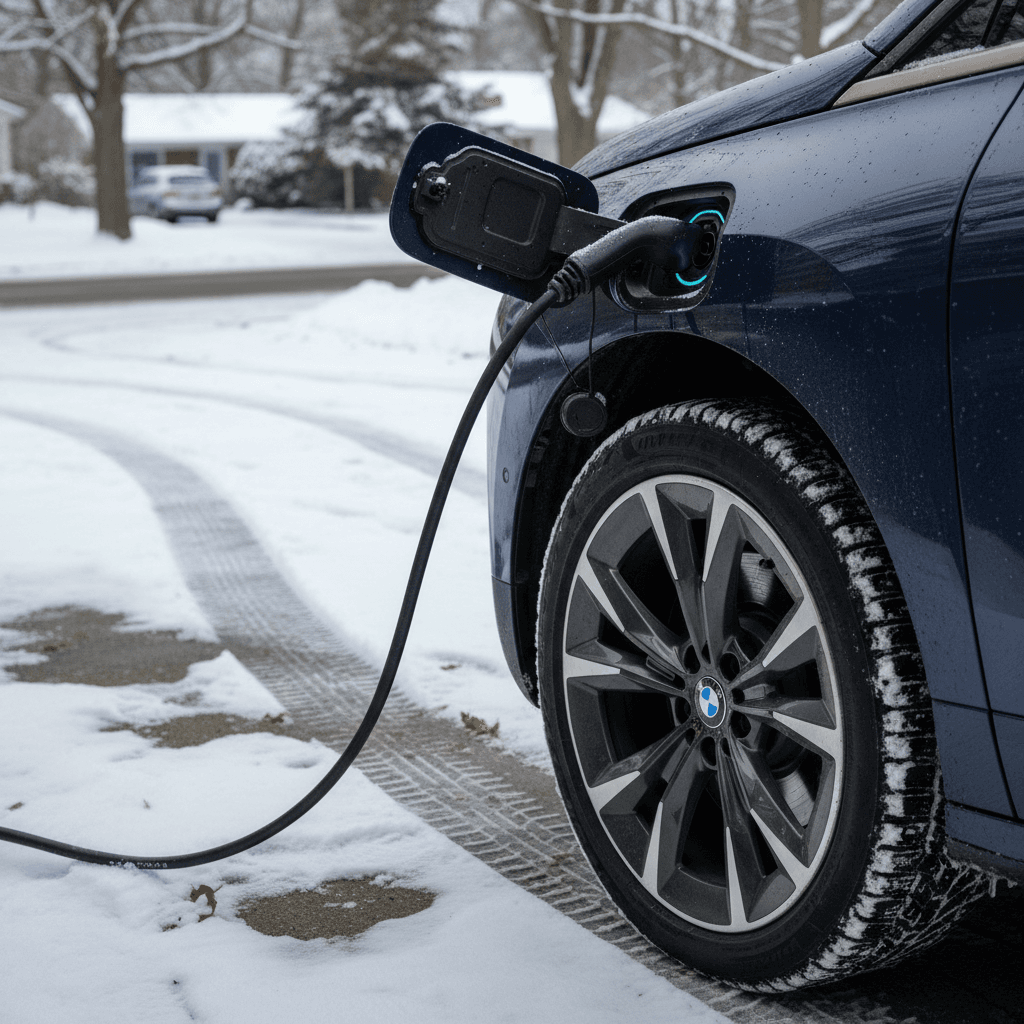
BMW designed the iX as a flagship tech showcase, and a lot of that tech quietly helps in winter. While you’ll still see winter range loss, these features reduce the penalty and make the car more livable in cold climates.
- Battery thermal management: The iX actively heats or cools its battery pack, which is critical for fast-charging performance and consistent power delivery in the cold.
- Remote preconditioning: Using the My BMW app or scheduled departure, you can warm the cabin and battery while plugged in, so you’re not burning through battery to get everything up to temperature.
- Efficient heat pump (trim-dependent): Many configurations use a heat pump–based HVAC system, which can be significantly more efficient than a simple resistive heater in cold temperatures.
- Heated surfaces: Heated seats, steering wheel, and (on some trims) heated armrests let you stay comfortable at a slightly lower cabin setpoint, cutting HVAC energy draw.
- Regenerative braking: Adjustable regen lets you recover some energy in stop-and-go winter traffic, though it may be limited until the battery warms up.
Why the iX’s big battery helps
BMW iX vs Typical EV Winter Range Loss
If you zoom out from the BMW iX and look at the broader EV market, the pattern is clear: most EVs lose around 20% of their range in freezing weather, with some dropping closer to 30–35% in extreme conditions or inefficient designs. Factors like heat pump availability, battery chemistry, and software tuning all influence where a particular model lands.
How the BMW iX Compares on Winter Range Loss
Approximate winter range loss compared with EPA rating for popular EVs, based on recent cold-weather studies and modeling.
| Model | EPA Range (approx.) | Typical Winter Range | Estimated Loss |
|---|---|---|---|
| BMW iX xDrive50 | 305–309 mi | 220–250 mi | ~20–30% |
| Mainstream compact EV (e.g., Leaf/Bolt) | 215–260 mi | 140–190 mi | ~25–35% |
| Popular mid-size EV SUV (e.g., ID.4, Mach-E) | 250–300 mi | 170–220 mi | ~25–35% |
| Top-performing winter EVs | 300–350 mi | 240–300 mi | ~10–25% |
These are ballpark figures to show how the iX stacks up, not lab-certified results.
In other words, the iX is not an outlier in a bad way. If anything, its combination of a large battery, modern thermal management, and available heat pump place it on the better side of the winter range spectrum, especially compared with earlier-generation EVs or models without robust HVAC efficiency.
Don’t obsess over single-trip anecdotes
How to Reduce Winter Range Loss in Your BMW iX
You can’t completely eliminate BMW iX winter range loss, but you can absolutely shrink the penalty and make it predictable. Think of it as managing overhead, everything that isn’t actually pushing the car down the road.
Practical Ways to Cut BMW iX Winter Range Loss
1. Precondition while plugged in
Use the My BMW app or schedule departures so the car warms the cabin and battery while it’s still on shore power. This shifts a big chunk of energy use off the high-voltage battery and smooths out early-trip consumption.
2. Rely on heated seats and wheel
Heated seats and steering wheel use much less energy than cranking the cabin temp to 74°F. Set the HVAC a few degrees lower than you would in a gas car and let the heated surfaces do more of the work.
3. Avoid unnecessary short hops
If possible, chain errands together into longer trips rather than repeated 5–10 minute drives from a cold soak. Every full warm-up cycle is expensive; batching trips lets you stretch that energy further.
4. Watch your speed on the highway
Aerodynamic drag climbs quickly with speed, and winter air is denser. Dropping from 78 mph to 68 mph can save <strong>double-digit percentage points</strong> of range, especially in headwinds or on winter tires.
5. Use Eco or Efficient drive modes
BMW’s efficient drive profiles soften throttle response and can reduce HVAC output, trimming energy use without making the iX feel sluggish around town.
6. Keep tires properly inflated
Cold air drops tire pressure. Underinflated winter tires increase rolling resistance and hurt range. Check pressures regularly and keep them at the recommended spec for your load and tire type.
Skip DC fast charging on a stone-cold battery
Planning Winter Road Trips in a BMW iX
Where winter range loss really matters is on longer drives, especially if you’re crossing rural stretches or heading into the mountains. The iX is absolutely capable of winter road trips; you just need to plan as if the EPA range is a sunny 70°F best case, not a January-in-Minnesota promise.
Conservative range planning
- Use 60–70% of EPA as your winter planning number. For an iX xDrive50 rated around 305–309 miles, that means planning legs of ~180–215 miles between fast charges.
- Arrive with 10–20% buffer. Don’t plan legs that assume you’ll roll in at 2% SOC. Weather, detours, and slower-than-expected chargers happen.
- Check elevation and weather. Climbing 3,000–5,000 feet in snow costs more energy than a flat drive at the same distance.
Charging strategy in winter
- Favor well-reviewed fast chargers. Cold weather is when unreliable stations hurt the most. Use apps and reviews to choose robust sites.
- Charge in the mid-pack. On road trips, it’s often faster to charge from ~15–20% up to ~60–70% and drive, rather than sitting to 90–100% when tapering is slow.
- Precondition before fast charging. Use navigation to the charger so the iX warms the battery and you get closer to rated kW.
Think like a seasoned EV road-tripper
Used BMW iX Buyers: Winter Range Checklist
If you’re considering a used BMW iX, winter performance should absolutely be part of your evaluation. Cold weather exaggerates any underlying battery or charging issues, so it’s a smart stress test for a pre-owned EV.
Winter-Ready Used BMW iX Buying Checklist
Ask for real-world winter consumption logs
If the seller has driven through at least one winter, ask for photos of the trip computer or app data. Look for consistent consumption numbers, not one cherry-picked best drive.
Review battery health data
A <strong>battery health report</strong> gives you a much clearer picture than just “it still charges to 100%.” At Recharged, every BMW iX listing includes a <strong>Recharged Score Report</strong> with verified battery diagnostics so you know how much usable capacity you’re actually buying.
Test drive in cold weather if possible
If you can drive the car on a cold day, watch how quickly the state of charge drops on a mixed 20–30 mile route with normal HVAC use. You’re looking for predictable, linear consumption rather than sudden big drops or charging faults.
Confirm software updates and recalls
BMW pushes efficiency and charging improvements via software, and some campaigns are especially relevant to cold-weather behavior. Make sure the iX is up to date before winter.
Inspect tires and wheels
Oversized wheels and sticky performance tires look great but can hurt winter efficiency. If you’re in a snow state, budget for a proper winter or all-weather tire setup on sensible wheel sizes.
Plan your home charging
Winter is when <strong>home Level 2 charging</strong> goes from nice-to-have to essential. Before you buy, make sure your parking situation can support a 240V solution, or talk with an electrician or EV specialist about what’s realistic.
How Recharged helps
Ready to find your next EV?
Browse VehiclesFAQ: BMW iX Winter Range Loss
Frequently Asked Questions About BMW iX Winter Range
Bottom Line on BMW iX Winter Range Loss
The BMW iX doesn’t magically escape the laws of physics in winter, but it also isn’t the horror story some social media posts make it out to be. In real cold-weather driving, plan on roughly 20–30% less range than the EPA label, especially on faster or short-trip-heavy days. With preconditioning, smart HVAC use, reasonable speeds, and good charging habits, the iX can still cover serious ground comfortably in the dead of winter.
If you’re shopping used, winter is your best friend: it exposes weak batteries and charging issues quickly. Partnering with a marketplace that specializes in EVs, like Recharged, with its Recharged Score battery health diagnostics, fair pricing, financing, trade-in support, and nationwide delivery, means you can choose a BMW iX that will keep its cool when the temperature drops. Understand the winter realities, plan around them, and the iX becomes exactly what it was designed to be: a quiet, luxurious, all-season electric SUV.