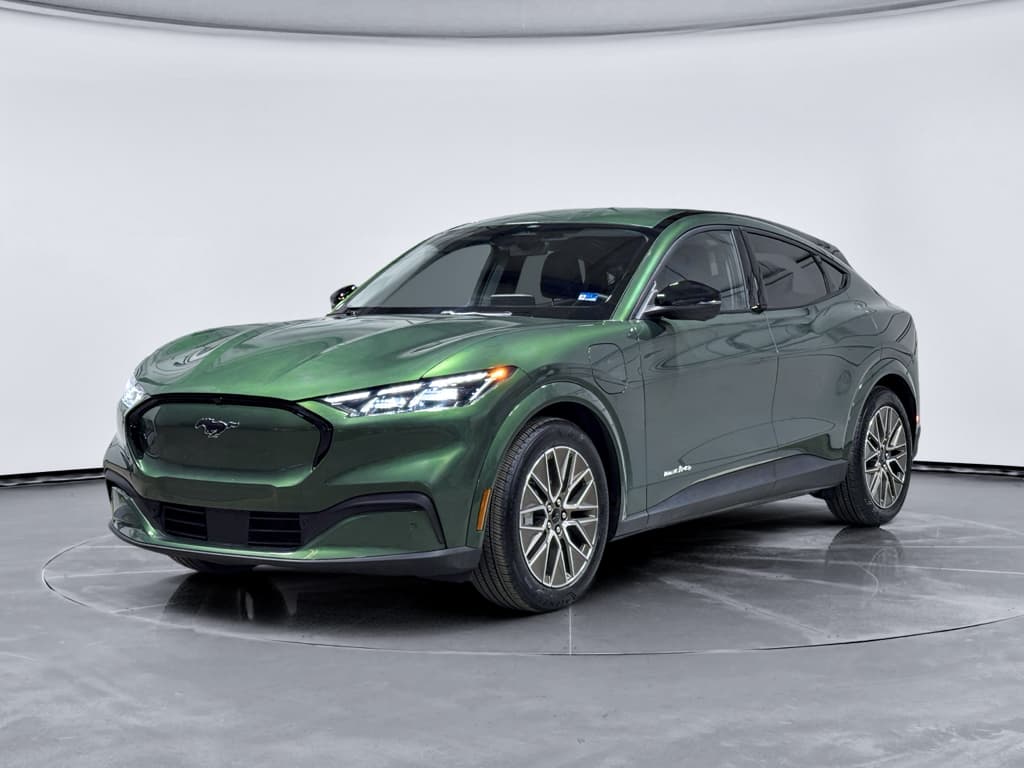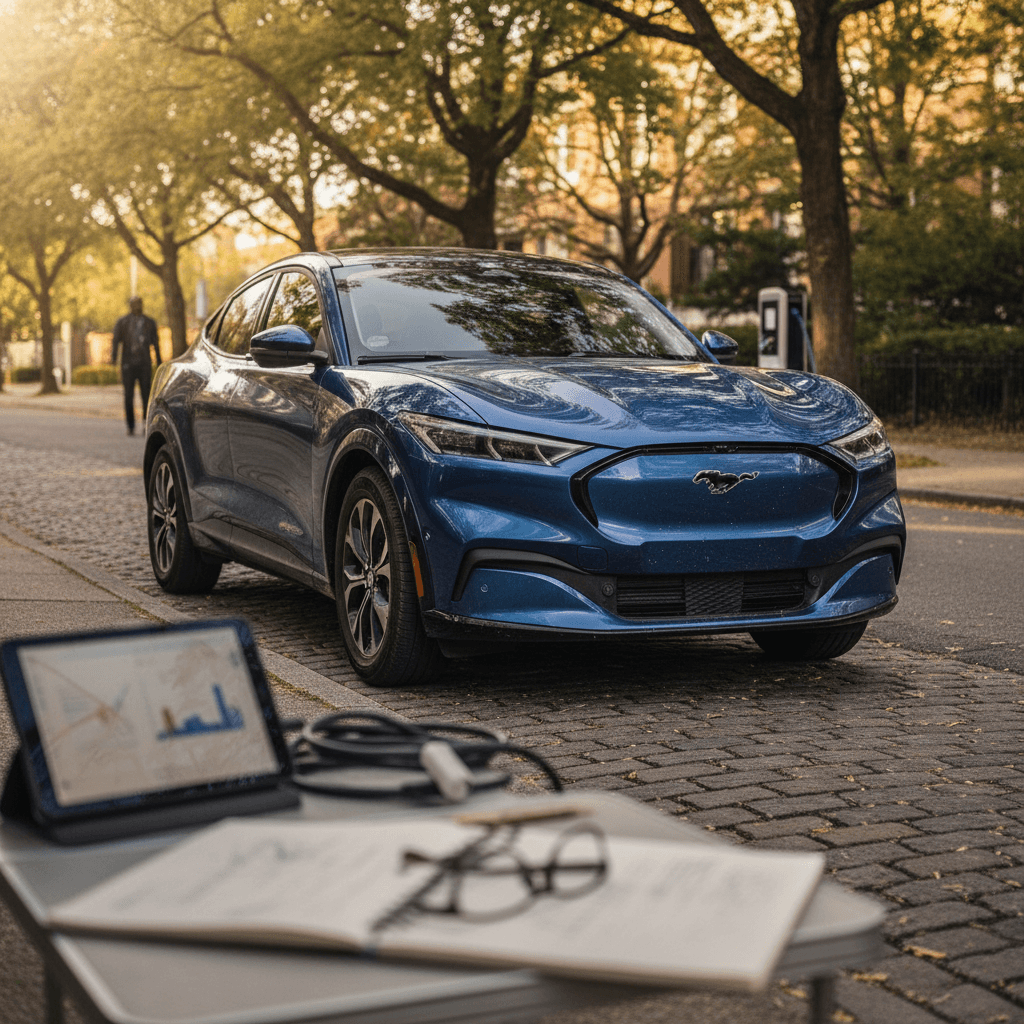
You’re not the only one asking whether the Ford Mustang Mach‑E is worth buying in 2026. Early cars have hit the used market in volume, new models keep getting tweaked, and headlines about recalls and price cuts can make it hard to know if this electric SUV is a smart buy, or a headache in waiting.
The short version
Quick answer: Is the Mustang Mach‑E worth buying in 2026?
When the Mach‑E is a smart buy
- You want an EV that feels like a sporty crossover, not an appliance.
- You do most of your driving within 150–200 miles a day.
- You can charge reliably at home or work on Level 2.
- You’re open to buying 2–4 years used to let someone else take the big depreciation hit.
- You’re okay living with some early‑generation EV quirks and software updates.
When you should think twice
- You need three real adult‑friendly rear seats across or lots of cargo depth.
- You’re extremely risk‑averse about recalls and software glitches.
- Fast‑charging on long trips is your top priority and you want the very latest charging hardware.
- You can get a heavily discounted newer‑design rival (like a Hyundai Ioniq 5 or Chevy Blazer EV) for similar money.
My verdict in one sentence
What changed by 2026? New vs. early Mach‑E models
The Mach‑E launched for the 2021 model year. By 2026, Ford has iterated on it several times with software updates, feature reshuffles, and some controversial cost‑cutting. Understanding these differences helps you decide which years are worth targeting.
Mustang Mach‑E at a glance (2021–2026)
Key differences by model year
Where each generation of Mach‑E shines, and what to watch for
2021–2022: Early adopters
- First‑wave cars; some owners report more software bugs and early hardware issues.
- Covered by recalls for items like battery contactors and camera/display software, important to verify fixes.
- Often the cheapest way into a Mach‑E in 2026.
2023–2024: Maturing years
- Incremental hardware and software improvements; more real‑world data on reliability.
- Still on CCS1 DC fast‑charge port, but Ford began leaning into the switch to NACS via adapters.
- Good balance of price, features, and warranty remaining.
2025–2026: Tweaks & cost cuts
- New options and appearance packages, plus efficiency updates like a heat pump on some trims.
- Ford quietly removed or made optional basics like seatback pockets and even the front trunk (“frunk”) on many 2026 models.
- Newest tech and OTA software, but you pay closer to new‑car pricing.
Cost‑cutting in 2026
Range, charging, and real‑world ownership
On paper, the Mustang Mach‑E offers competitive range and charging for a compact electric SUV. The real question is how it fits your daily life in 2026, especially now that charging standards are shifting.
Typical Mach‑E range by configuration (approximate)
These are ballpark figures; exact EPA ratings vary by year, wheels, software, and options.
| Drive & battery | Model‑year window | Ballpark EPA range | Best fit for |
|---|---|---|---|
| RWD Standard Range | 2021–2026 | ~230–250 mi | Shorter commutes, lighter highway use, lower price |
| RWD Extended Range | 2021–2026 | ~280–320 mi | Balanced choice for most U.S. drivers |
| AWD Standard Range | 2021–2026 | ~210–230 mi | Snow‑belt or traction‑focused buyers on a budget |
| AWD Extended Range / Premium | 2021–2026 | ~260–290 mi | Road‑trippers who still want all‑weather traction |
| GT / GT Perf. (AWD, big wheels) | 2021–2026 | ~230–260 mi | Performance‑first buyers who accept some range trade‑off |
Use these as a guide, then confirm the specific VIN’s EPA rating and wheel size.
Think in “daily miles,” not EPA posters
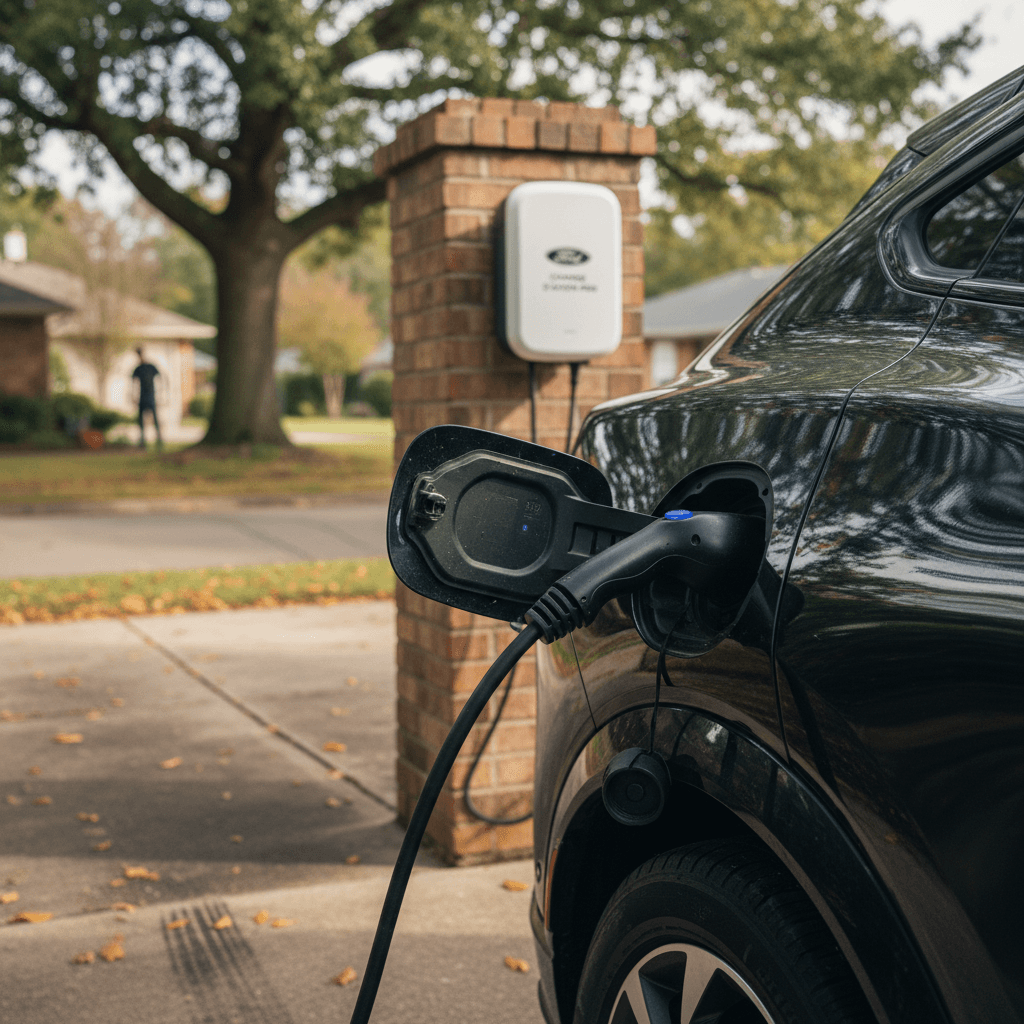
- Home charging: With a 32–48A Level 2 charger, most Mach‑E drivers wake up to a full battery daily. This is where the car shines.
- Public DC fast charging: Early U.S. Mach‑Es use the CCS1 connector; Ford began offering a NACS (Tesla) adapter for newer model years, opening up the Supercharger network on supported stalls.
- Cold weather: Owners consistently report meaningful winter range loss, especially at highway speeds. Newer cars with heat pumps help, but if you live in the upper Midwest or Northeast, size your battery with winter in mind.
- Road trips: The Mach‑E is very usable for long trips, but it’s not the fastest‑charging EV in the class. If you routinely drive 400–600 miles in a day, rivals like Hyundai’s E‑GMP models or some Teslas can shave time at chargers.
Reliability, recalls, and warranty coverage
Ford has invested heavily in the Mach‑E, but like many first‑generation EVs, it hasn’t been flawless. The good news in 2026 is that most widespread issues are known quantities, and many have software fixes or extended coverage behind them.
What to know about Mach‑E reliability in 2026
Separating headline fear from real‑world risk
Notable recalls & issues
- Door latch/lockout recalls: Software controlling the electronic latches could trap rear passengers or cause lockouts. The remedy is a dealer or OTA software update, confirm it’s done.
- Rearview camera / infotainment glitches: Software bugs could freeze or delay the camera image on 2021–2023 cars. Again, verify recall completion.
- High‑voltage battery contactor issues: A subset of early cars had contactors that could overheat and cause a loss of drive power; Ford issued service campaigns and software mitigations.
Warranty & long‑term outlook
- Typical coverage is 8 years / 100,000 miles on the high‑voltage battery and drive unit in the U.S., transferable to later owners.
- Most 2021–2022 cars still have some battery warranty left in 2026; newer model years will have substantial coverage remaining.
- Real‑world owner data suggests batteries are holding up well when not abused, range loss is present but generally modest on well‑cared‑for cars.
Do NOT skip a recall check
“The Mach‑E’s reliability story is mixed but improving. The advantage of shopping in 2026 is that most early issues are known, fixable, and documented, if you do your homework.”
Depreciation, prices, and 2026 value
If you’re value‑driven, this is where the Mach‑E gets interesting. Like many early EVs, it’s depreciated faster than comparable gas SUVs. That hurts first owners, but creates opportunity for used‑EV buyers in 2026.
How the Mach‑E holds value
Sweet spot for value
Typical price bands you’ll see in 2026 (illustrative)
Exact pricing varies by market, mileage, and condition, but these ranges reflect what many shoppers encounter.
| Model year & trim | Mileage ballpark | Typical 2026 positioning |
|---|---|---|
| 2021–2022 Select / base models | 40k–70k+ miles | Often the lowest‑priced Mach‑Es; great if you’re budget‑focused and okay with earlier software. |
| 2022–2023 Premium / Extended Range | 25k–55k miles | Common 2026 sweet spot, good equipment, solid range, still under battery warranty. |
| 2023–2024 GT / Performance | 20k–45k miles | High‑performance models; you pay more for speed and style, but used prices undercut new performance EVs. |
| 2025–2026 new/near‑new cars | Under 25k miles | You get full warranties and latest tweaks, but pay closer to new‑car money; weigh them against rivals and discounts. |
Always compare multiple listings in your region and factor in options, miles, and battery health reports.
Mustang Mach‑E vs. key rivals in 2026
Tesla Model Y
- Pros: Bigger charging network, strong efficiency, very quick in Performance form.
- Cons: Sparse interior isn’t for everyone; price swings; some shoppers avoid the brand.
- Mach‑E edge: More conventional cabin, better ride/quietness in many trims, often cheaper used for similar spec.
Hyundai Ioniq 5 / Kia EV6
- Pros: Ultrafast 800‑V charging, roomy interiors, distinctive styling, solid warranty.
- Cons: Some markets see limited inventory and firm pricing.
- Mach‑E edge: Feels sportier to drive in GT form, and older Mach‑Es can undercut them significantly on price.
Chevy Blazer EV / Equinox EV
- Pros: Newer GM Ultium tech, competitive range, aggressive incentives in some regions.
- Cons: Software growing pains and early recalls have kept some buyers cautious.
- Mach‑E edge: More years of real‑world data, broad dealer/service footprint, strong used availability.
Where the Mach‑E lands in 2026
Who the Mach‑E is perfect for, and who should skip it
Is the Mustang Mach‑E a good fit for you?
Match your use case to what the Mach‑E does best
Great choice if…
- You want an EV that still feels a bit like a classic sporty crossover to drive.
- You commute or run errands mostly within about 150 miles a day.
- You can install or already have home Level 2 charging.
- You’re shopping the used market and want a lot of EV for the money.
- You’re okay with a learning curve around OTA updates, apps, and occasional software quirks.
Consider something else if…
- You frequently carry three adults across the back or need maximum cargo depth.
- You live far from Ford EV‑certified service or dislike dealing with recalls.
- You demand the absolute fastest DC fast charging for long‑distance road‑warrior use.
- You’re highly sensitive to interior material quality and want a true luxury‑brand cabin.
Used Mach‑E buying checklist
If you decide the Mustang Mach‑E belongs on your 2026 shopping list, the difference between a great deal and a regret often comes down to how carefully you evaluate the specific car in front of you.
10 things to check before you buy a used Mach‑E
1. Battery health report
Ask for a <strong>third‑party battery health report</strong> (like a Recharged Score) or, at minimum, a detailed range and charging history. You want to know the pack hasn’t been abused by repeated 100% fast charges or high‑heat use.
2. Recall and campaign status
Run the VIN through NHTSA’s recall lookup and ask for service invoices. Confirm fixes for known issues like door‑latch and camera/software recalls.
3. Remaining factory warranty
Verify in writing how much <strong>basic and battery warranty</strong> time and mileage is left. A 2023 car in 2026 may still have years of coverage on the big stuff.
4. DC fast‑charging behavior
On a test drive, if possible, plug into a DC fast charger and watch how quickly the car reaches and holds power. Extremely slow rates can hint at battery or thermal issues, or a problematic charger; compare against other reports for the same trim/year.
5. Physical inspection & test drive
Listen for clunks, rattles, or wind noise; check panel alignment and seals; verify all doors and the charge port open and latch smoothly. Make sure the one‑pedal driving and brake feel are consistent.
6. Software and OTA update history
Ask the seller which software version the car is on and whether they’ve kept OTA updates current. An un‑updated car may be more glitch‑prone and could take time to bring current.
7. Charging equipment included
Confirm whether the <strong>mobile charge cord</strong>, any NACS adapter, and a home wallbox (if advertised) are included. Replacing them can add hundreds to your cost.
8. Tires and brakes
EVs are heavy and torquey. Inspect tire wear patterns and tread depth, especially on GT models; budget for performance tire replacement if they’re close to worn.
9. Interior wear and practicality
Check seat comfort, rear‑seat room, cargo floor height, and visibility. Small UX annoyances, like everything running through the central screen, bother some owners over time.
10. Total cost of ownership
Factor in <strong>home charger installation</strong>, insurance quotes, potential tax credits on used EVs, and your electricity rates. A good deal on the car can be offset by surprises elsewhere if you don’t plan ahead.
Be careful with sight‑unseen deals
How Recharged helps with a used Mach‑E
Buying an early‑generation EV is different from buying a used gas SUV. Odometer miles and basic history don’t tell the whole story, you need real insight into the battery and charging history. That’s exactly where Recharged focuses.
What you get when you buy a Mach‑E through Recharged
Making EV ownership more predictable
Recharged Score battery health diagnostics
Transparent pricing & trade‑in options
Financing & nationwide delivery
Ready to find your next EV?
Browse VehiclesTry before you decide
Mustang Mach‑E 2026 FAQ
Common questions about buying a Mach‑E in 2026
Bottom line: Is the Mustang Mach‑E worth it?
In 2026, the Ford Mustang Mach‑E is no longer the shiny new thing, but that’s exactly why it deserves a spot on your shopping list. Its early years have revealed where it’s strong (driving feel, usable range, everyday comfort) and where you need to be careful (recalls, software quirks, and the details of each model year’s features).
If you want a fun‑to‑drive electric SUV with good range, plan to charge at home, and are willing to do a bit of homework, or work with a retailer that does it for you, the Mach‑E can be one of the better value plays in the 2026 EV market, especially used. If you’re extremely risk‑averse about first‑wave EVs or demand bleeding‑edge charging speeds, you might be happier in a newer‑architecture rival.
The key is not to ask, “Is the Mach‑E perfect?” but “Is this specific Mach‑E, with this history and battery health, the right fit for how I drive?” With the right car and the right information in hand, the answer for many buyers in 2026 is yes.