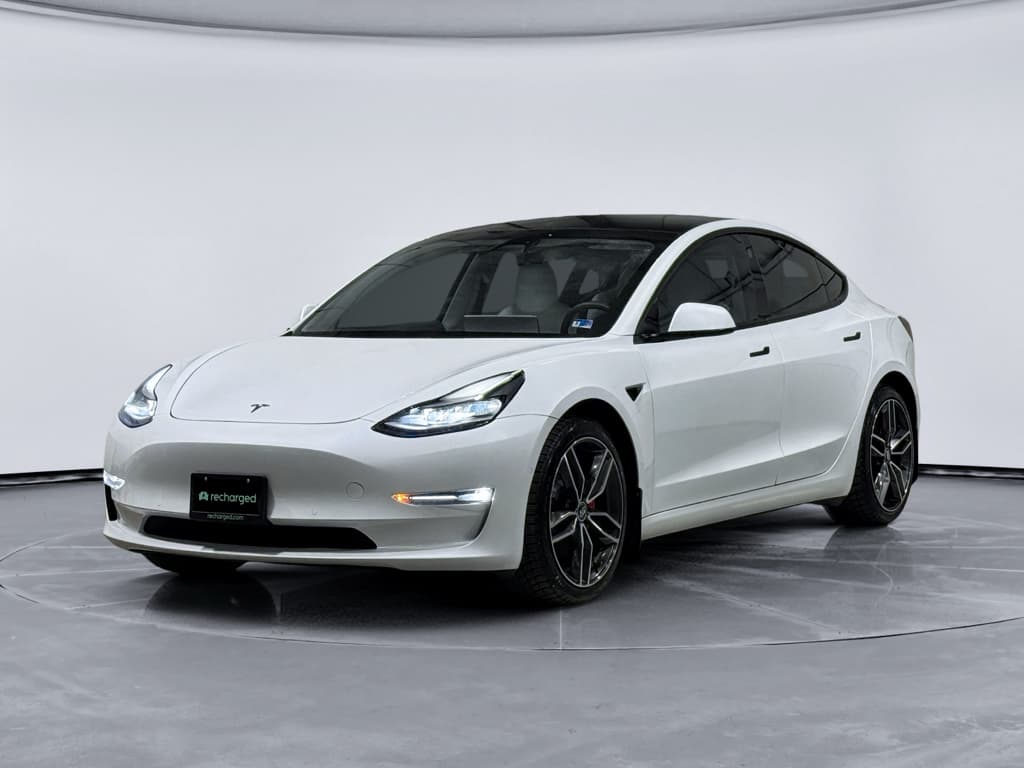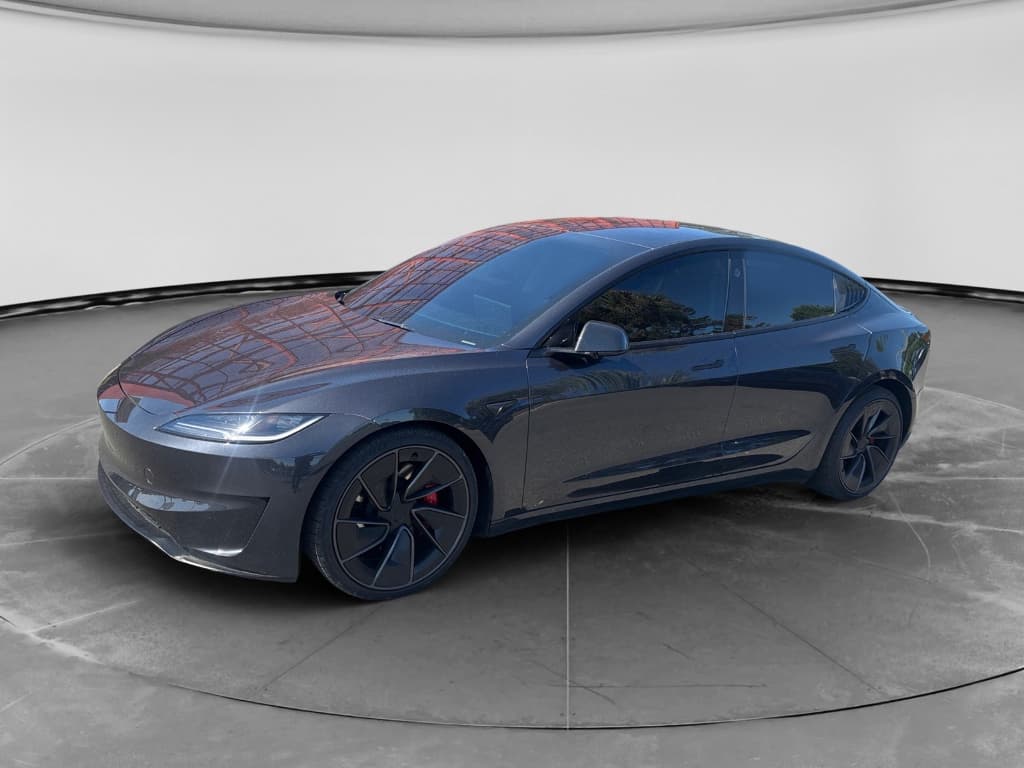
If you’re wondering whether the 2026 Tesla Model 3 is a good buy, you’re not alone. The Model 3 is no longer the new disruptor on the block, it’s the established benchmark for compact EV sedans. That means you’re weighing a proven package with strong range and software against real questions about reliability, build quality, and stiff competition from newer rivals. Let’s walk through the trade‑offs so you can decide with a clear head, not just a love of tech or a dislike of dealerships.
Context: 2026 Is a Mature Year for the Model 3
Is the 2026 Tesla Model 3 a Good Buy?
Short Answer
If you prioritize range, charging convenience, and software over traditional luxury feel and dealership-style service, the 2026 Tesla Model 3 can be a very good buy, especially if you qualify for the federal EV tax credit and state incentives.
However, if you’re sensitive to ride noise, panel gaps, and service frustrations, or you want advanced driver-assistance that behaves more like traditional systems, there are rival EVs that may suit you better.
How It Compares in 2026
- Still strong: Range per dollar, access to Tesla’s Supercharger network, over‑the‑air updates.
- Catching up fast: Hyundai Ioniq 6, BMW i4, and others offer more traditional interiors and refined ride quality.
- Wild card: Tesla’s constantly changing pricing and features make timing, and contract details, more important than with most brands.
2026 Tesla Model 3 at a Glance (U.S. Market Estimates)
What’s New (and Not) on the 2026 Tesla Model 3
To decide if the 2026 Model 3 is a good buy, you need to understand where it sits in the product cycle. The big leap came with the 2024 “Highland” refresh, new exterior styling, revised suspension tuning, more premium cabin materials, and updated electronics. The 2026 Model 3 largely carries this package forward with incremental updates rather than a ground‑up redesign.
- Carryover Highland exterior with sleeker front and rear styling, improved aero, and quieter glass versus early Model 3s.
- Refined interior with fewer hard plastics than pre‑refresh cars, updated ambient lighting, and a simpler rear cabin layout.
- Tesla’s latest hardware and software stack, including the most current Autopilot and optional Full Self‑Driving capability (though real‑world performance and value remain contentious).
- Ongoing under‑the‑skin tweaks to suspension tuning, noise insulation, and build processes as Tesla reacts to owner feedback and global quality reports.
Model Year vs. Build Date Matters
2026 Model 3 Pricing, Deals, and Tax Credits
Tesla doesn’t follow typical model‑year launch cycles or fixed MSRPs. Prices for the 2026 Model 3 will move around based on demand, inventory, and Tesla’s broader strategy. As of early 2026, Long Range rear‑drive configurations are showing up in the low‑$40,000s, while better‑equipped all‑wheel‑drive and Performance‑oriented trims land closer to the low‑to‑mid‑$50,000s before options and fees.
How the 2026 Model 3’s Economics Typically Stack Up (U.S.)
Approximate positioning for a new 2026 Tesla Model 3 versus your effective cost after a full federal tax credit, assuming you qualify under income and price rules.
| Item | Ballpark Figure | What to Watch |
|---|---|---|
| Base 2026 Model 3 (RWD or Long Range RWD) | Around low $40,000s MSRP | Tesla can adjust prices several times a year; the number you see today may not be there tomorrow. |
| Well‑optioned AWD / Performance trim | Roughly $50,000–$55,000+ | Larger wheels and premium paint/options drive price up, and can slightly reduce range. |
| Federal EV tax credit (new vehicle) | Potentially up to $7,500 at point of sale | Eligibility in 2026 still depends on income caps, price caps, and battery/assembly rules. Check that your specific VIN and trim qualify at the time you purchase. |
| State / local incentives | $0–$7,500+ depending on location | Some states add cash rebates, HOV access, or utility rebates. Others offer nothing. The spread is big. |
| Home charging installation credit (through June 30, 2026) | Up to 30% of equipment and install cost, capped by IRS rules | If you install Level 2 charging at home by mid‑2026 and you’re in an eligible census tract, you may qualify for an additional federal credit separate from the vehicle. |
Actual pricing and incentives vary by trim, options, timing, and your tax situation, always verify with current Tesla and IRS guidance.
Don’t Assume Every 2026 Model 3 Gets the Full Tax Credit
2026 Tesla Model 3: Key Pros and Cons
Where the 2026 Model 3 Wins, and Where It Compromises
Use this as your quick gut‑check before you dive deeper.
Major Advantages
- Excellent range for the money compared with many similarly priced EV sedans.
- Access to Tesla’s Supercharger network, which remains the gold standard for reliability and ease of use.
- Strong performance even in non‑Performance trims, smooth, quick, and quiet acceleration.
- Clean, modern cabin with a large central screen and frequent over‑the‑air updates.
- Proven battery durability in real‑world fleets and long‑term private ownership, with relatively moderate degradation when treated reasonably.
Real Drawbacks
- Inconsistent build quality and interior fit/finish complaints continue to surface from owners and independent inspections.
- Service experience can be hit‑or‑miss, with reports of long waits for parts or appointments in some regions.
- Heavy reliance on the touchscreen for basic functions; some drivers miss conventional knobs and buttons.
- Road and wind noise can be higher than in similarly priced German and Korean competitors.
- Driver‑assist behavior (Autopilot/FSD) doesn’t always match expectations set by Tesla’s marketing, and regulatory scrutiny is ongoing.
Battery, Range, and Charging: Where the Model 3 Still Shines
If you’re buying an EV in 2026, battery performance and charging access are the foundation of your decision. Here the Model 3 remains one of the most compelling options on the road, especially in Long Range form.
- Real‑world ranges in the 270–340 mile neighborhood depending on trim and wheel size are still highly competitive in 2026.
- Tesla’s battery chemistry and thermal management have historically shown slower degradation than early EVs from other brands when owners avoid chronic fast‑charging abuse.
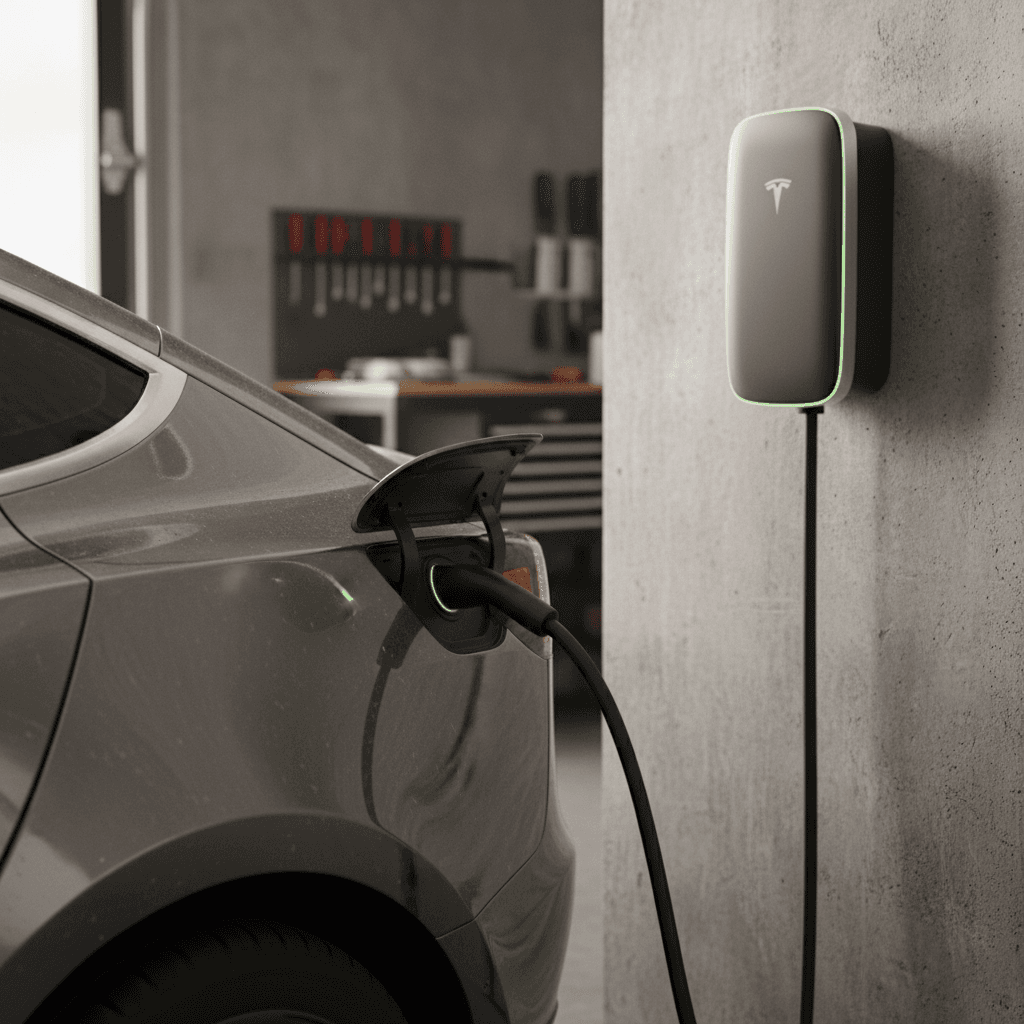
- DC fast charging on Tesla’s Supercharger network remains plug‑and‑go simple, especially as more stalls gain NACS connectors and higher power rates.
- Home charging is straightforward with a 240‑volt Level 2 setup, often adding 25–40 miles of range per hour overnight.
How to Think About Range in the Real World
Reliability, Build Quality, and Safety Concerns
Reliability is where the 2026 Tesla Model 3 becomes more of a mixed picture. Battery and drivetrain durability have generally been strengths, but build quality, squeaks and rattles, and service experiences are frequent sore points. European inspection data released in late 2024, for example, showed the Model 3 with relatively high defect rates in early life, largely tied to suspension and hardware issues rather than catastrophic failures.
Where Reliability Is Strong
- Battery packs and motors have proven durable in real‑world use, including ride‑hailing and fleet duty, with many cars retaining the bulk of their original range after high mileage.
- Regenerative braking reduces wear on conventional brakes, meaning fewer pad and rotor replacements than a comparable gas sedan.
- Fewer moving parts than a gasoline powertrain mean fewer traditional mechanical failure points.
Where Owners Report Problems
- Fit and finish: inconsistent panel gaps, paint quality issues, and interior trim squeaks remain recurring complaints.
- Suspension and steering: some owners report clunks, alignment drift, or steering feel issues, with NHTSA investigations opened on select steering complaints for recent model years.
- Infotainment and driver‑assist behavior: screen glitches, phantom braking, and unsteady lane‑keeping are still talked about more with Tesla than with some rivals.
Safety Note: Tech Features vs. Marketing
New 2026 vs Used Model 3: Which Is the Better Buy?
The biggest mistake many shoppers make in 2026 is assuming a new Model 3 automatically beats a lightly used one. Because Tesla’s refreshed 2024–2025 “Highland” cars share so much hardware with the 2026 model, a late‑2024 or 2025 Model 3 can deliver a very similar experience for thousands less, especially once the initial depreciation has hit.
2026 New vs. Recent Used Model 3
How they stack up for most U.S. buyers.
Buying a New 2026 Model 3
- Pros: Freshest hardware and software, full factory warranty from day one, possibility of a full federal tax credit, ability to spec exactly what you want.
- Cons: Highest upfront price, more sensitive to Tesla’s pricing swings, and you’ll take the steepest early‑year depreciation hit.
Buying a Used 2024–2025 Model 3
- Pros: Many of the same Highland updates, meaningful savings versus new, and real‑world track record on that exact build. Depreciation curve has already bent.
- Cons: Federal tax credit for used EVs is smaller and has its own income and price caps, inventory is more hit‑or‑miss, and you must assess battery health carefully.
Where Recharged Can Tilt the Math in Your Favor
Ready to find your next EV?
Browse VehiclesOwnership Costs and Resale Value
The 2026 Tesla Model 3 is likely to remain one of the safer bets for long‑term EV resale value. It’s a well‑known nameplate with strong demand in the used market, and Tesla’s charging ecosystem and software support help older cars stay desirable longer than some competitors’ early efforts.
- Electricity costs per mile are typically far below gasoline, especially if you can charge at home during off‑peak hours.
- Maintenance is lower than in a comparable gas sedan, no oil changes, fewer moving parts, but items like tires and suspension bushings can still take a beating, especially on rough roads.
- Insurance can run higher than for a mainstream compact sedan, thanks to expensive body parts and specialty repair networks. It pays to shop insurers before you buy.
- Depreciation is milder than for many early EVs, but big Tesla price cuts or new tax‑credit rule changes can ripple into used values quickly. If Tesla slashes new‑car prices after you buy, your resale math changes overnight.
Who the 2026 Model 3 Is (and Isn’t) Right For
Great Fit If You...
- Drive moderate to long commutes and can install Level 2 charging at home or work.
- Value range, charging access, and performance more than ultra‑quiet cabins and plush interiors.
- Are comfortable with a minimalist, screen‑centric cockpit and constant software updates.
- Plan to keep the car long enough to benefit from its lower running costs versus a gas sedan.
Think Twice If You...
- Are extremely sensitive to panel gaps, rattles, or wind noise and expect premium‑brand refinement.
- Live far from a Tesla service center or mobile service coverage and can’t tolerate delays for repairs.
- Prefer traditional driver‑assist behavior that feels conservative rather than experimental.
- Rarely drive long distances and could be just as happy in a lower‑priced, shorter‑range EV or plug‑in hybrid.
Quick Buying Checklist for a 2026 Tesla Model 3
Essential Steps Before You Commit
1. Verify Tax Credit Eligibility
Confirm whether the exact 2026 Model 3 you’re considering qualifies for the federal EV tax credit and any state/local incentives. Don’t assume; have the VIN checked against current IRS and manufacturer guidance.
2. Decide New vs. Used, Not Just New
Price out a new 2026 Model 3 against a comparable 2024–2025 used Model 3. Factor in tax credits, interest rates, and depreciation, not just the monthly payment.
3. Confirm Your Charging Plan
Figure out where the car will charge 90% of the time. If you can’t install Level 2 at home, look closely at workplace or nearby public charging options before you buy.
4. Test Drive for Noise and Comfort
On your test drive, take the car on the highway and over rough pavement. Listen for wind and road noise, feel for suspension harshness, and make sure the seat and steering‑wheel ergonomics suit you.
5. Check Build Quality Carefully
Walk around the car and inspect panel alignment, paint, door operation, and trim fit. On a used car, review service history and any repair invoices for repeat issues.
6. Get Battery Health Data on Used Cars
For a pre‑owned Model 3, ask for objective battery‑health information, not just a guess based on range display. Recharged’s <strong>Score Report</strong> gives you this in plain English so you’re not buying a tired pack by accident.
FAQ: 2026 Tesla Model 3
Frequently Asked Questions About the 2026 Model 3
Bottom Line: Is the 2026 Tesla Model 3 a Good Buy?
When you strip away the hype and the backlash, the answer is that the 2026 Tesla Model 3 is a good buy for the right kind of driver. It still delivers standout range, access to the best‑developed fast‑charging network, and performance that embarrasses many gas sport sedans, all wrapped in a package with relatively low operating costs.
The trade‑offs are real: variable build quality, an occasionally bumpy service experience, and driver‑assist tech that doesn’t always match the marketing gloss. If those aren’t deal‑breakers for you, and you verify tax credit eligibility and battery health, you can end up with one of the most satisfying daily drivers on the road.
If you’re leaning toward a used Model 3 rather than a brand‑new 2026, that’s where Recharged is designed to shine. Our marketplace focuses on used EVs only, with a Recharged Score Report on every car so you can see battery health, fair market pricing, and potential red flags before you commit. However you decide, take the time to line up incentives, charging, and inspection, and you’ll know whether a 2026 Tesla Model 3 is the right buy for you, not just the internet’s favorite answer.