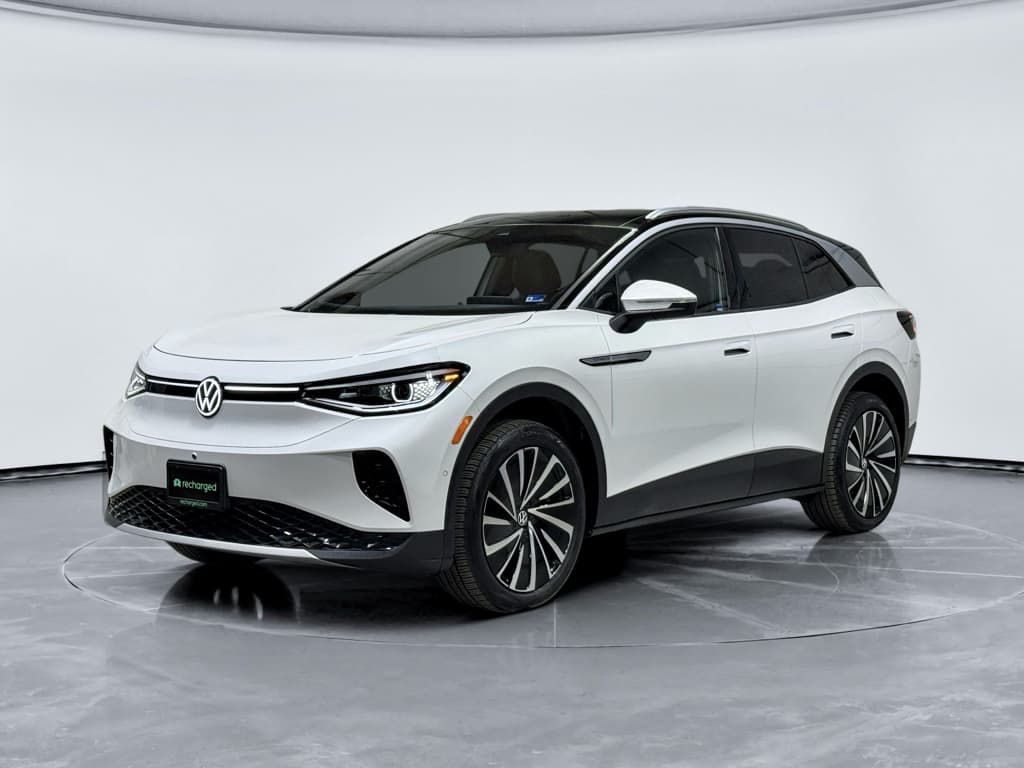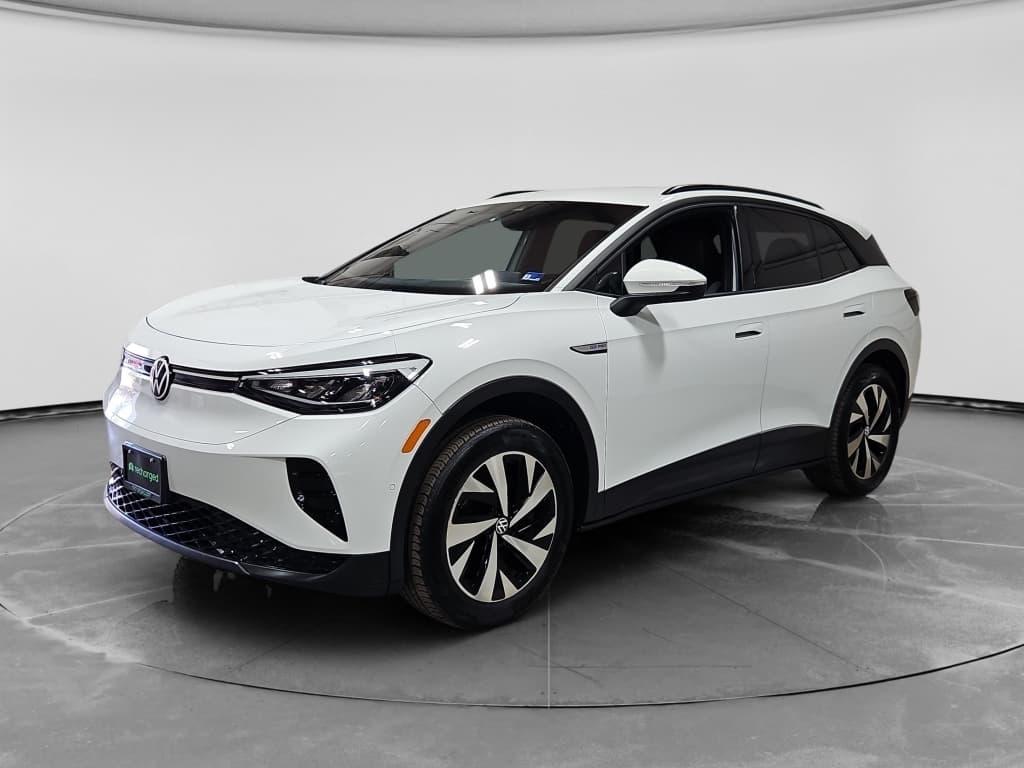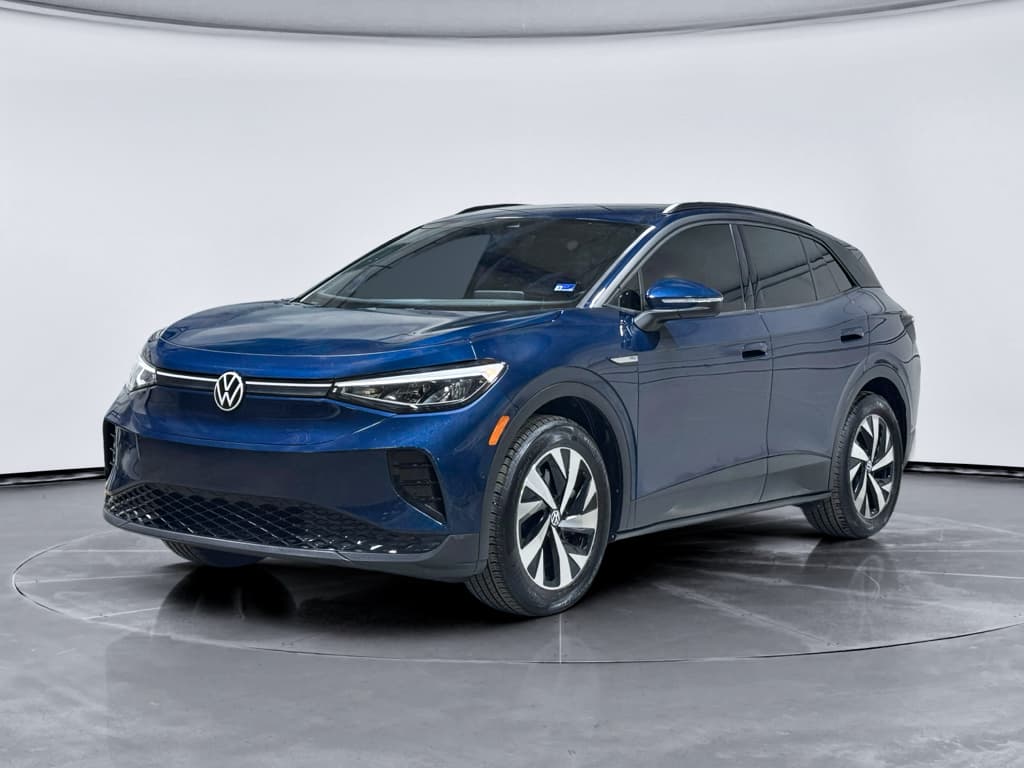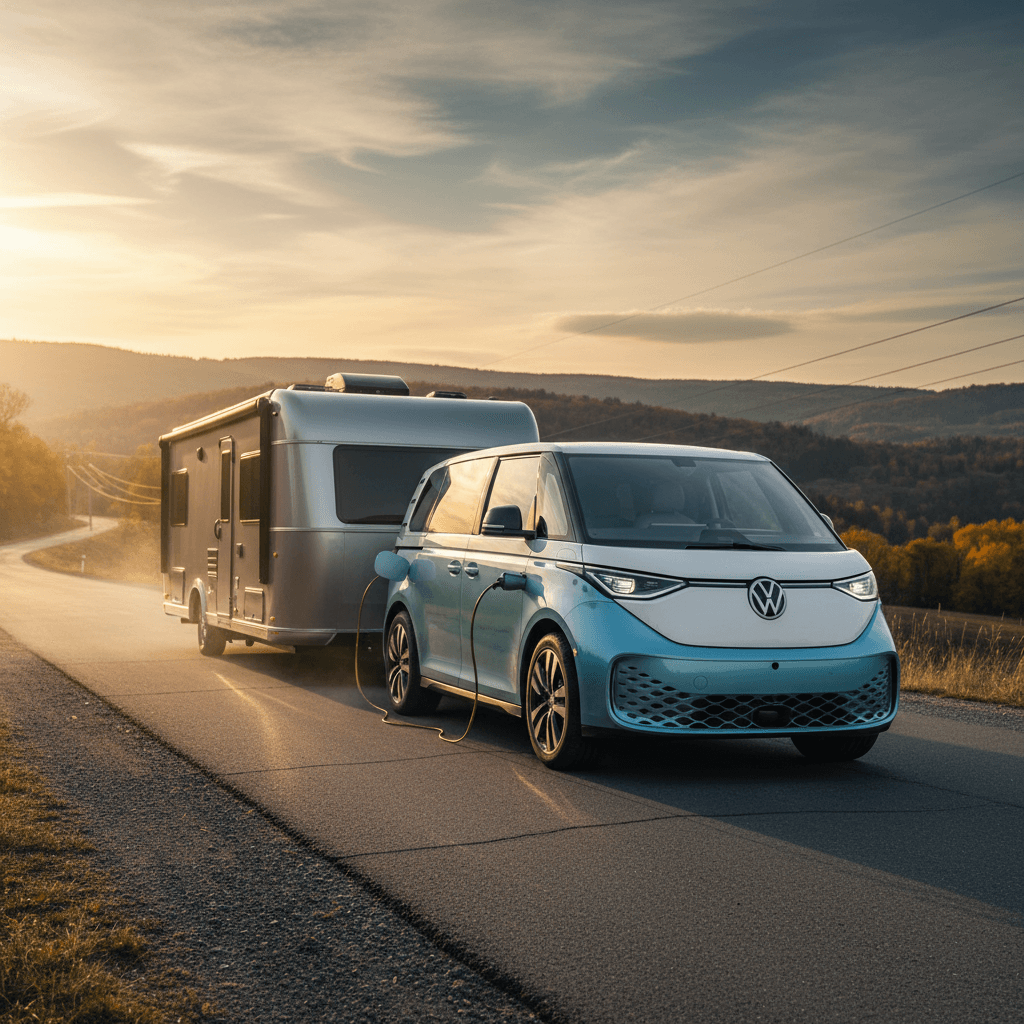
If you’re eyeing the retro‑cool Volkswagen ID. Buzz as a family hauler or camper rig, you’re probably wondering what it can actually tow, and how much range loss you’ll see with a trailer behind you. This guide breaks down the Volkswagen ID. Buzz towing capacity, what happens to range in the real world, and how to plan EV road trips without getting stranded.
Quick answer
Volkswagen ID. Buzz towing overview
The ID. Buzz is built on Volkswagen’s MEB electric platform, the same basic architecture under the ID.4. That’s good news for towing: the long wheelbase, battery pack in the floor, and rear‑wheel drive layout give the van a stable footprint when you’re pulling a trailer. But like any EV, once you start towing, aerodynamic drag and weight take a noticeable bite out of your usable range.
- Rear‑wheel‑drive, electric van with battery mounted low for stability
- European‑market models currently carry the official tow ratings; North American specs are expected to be similar but may differ slightly when finalized
- Most ID. Buzz configurations are designed for light to moderate towing, think small campers, cargo trailers, and toys, not heavy boats or car haulers
Check your specific model
Official Volkswagen ID. Buzz towing capacity
Exact tow ratings depend on market and powertrain, but early ID. Buzz models are broadly in line with the ID.4 SUV. That puts them in the “light to medium” towing class rather than heavy‑duty territory.
Typical ID. Buzz towing and load figures (reference)
Approximate values based on early European specifications and comparable MEB vehicles. Always verify for your specific model year and market.
| Specification | Approximate figure | Notes |
|---|---|---|
| Maximum braked trailer weight | 2,200–2,650 lb (1,000–1,200 kg) | Depends on trim, wheels, and market approvals |
| Maximum unbraked trailer weight | 1,650 lb (750 kg) | Common EU limit for light trailers |
| Tongue weight (vertical load) | ~220 lb (100 kg) | Typical for this tow class |
| Gross Vehicle Weight Rating (GVWR) | ~6,000–6,400 lb (2,720–2,900 kg) | Varies by spec, seats, and options |
| Roof load limit | ~220 lb (100 kg) | Check if using a rooftop box or tent |
Use these figures as planning guidance, not as a substitute for official VW documentation.
Aim below the max rating
How towing affects ID. Buzz range
EVs shine in city driving but face their toughest test when they tow at highway speeds. The ID. Buzz is no exception. Even a small trailer adds plenty of frontal area and drag, so your once‑comfortable range estimate on the dash can drop quickly once you’re up to speed.
Typical ID. Buzz range impact when towing
As a rough planning rule, assume that whatever EPA or WLTP range you see for your ID. Buzz will be cut by at least a third when towing, even more if you’re driving fast, climbing, or pushing toward the tow limit. That means a van rated for, say, 250 miles on the highway may deliver 120–170 miles per charge when towing in real‑world conditions.
Don’t run the pack to empty when towing
Real‑world ID. Buzz towing scenarios
To make the numbers more concrete, here are some realistic towing scenarios for an ID. Buzz‑type electric van. These are planning estimates, not guarantees, but they’ll get you in the right ballpark before your first trip.
Sample ID. Buzz towing scenarios and range impact
Use these as starting points; your results will vary with weather, terrain, and speed.
1. Light utility trailer
Load: 1,000–1,200 lb small utility or cargo trailer
Driving: 55–60 mph, mostly flat
Expected range loss: ~30–35%
Usable towing range: If solo range is 250 miles, plan around 160–175 miles per charge.
2. Compact teardrop camper
Load: 1,500–2,000 lb streamlined teardrop
Driving: 60 mph mix of highways and rolling hills
Expected range loss: ~35–45%
Usable towing range: From 250 miles solo to roughly 135–160 miles towing.
3. Small boxy camper
Load: 2,000–2,500 lb small but tall camper
Driving: 65–70 mph interstate, some grades
Expected range loss: ~45–55%
Usable towing range: 110–140 miles between charges, often less in headwinds.
Shape matters more than weight
Planning routes and charging while towing
The ID. Buzz is designed as a road‑trip van, but towing with any EV requires more deliberate planning than with a gasoline minivan. You’ll want to shorten your legs, build in charging stops that are trailer‑friendly, and keep an eye on weather and elevation.
Route and charging checklist for towing with an ID. Buzz
1. Start with conservative range assumptions
Plan your first trips assuming <strong>40–50% range loss</strong>. If you end up doing better, great, you’ve just added buffer. If you assume too little loss, your day can get stressful fast.
2. Shorten your charging legs
Instead of planning 180–200 mile legs like you might solo, aim for <strong>80–130 miles</strong> between fast‑charge stops. This keeps you in the mid‑pack “sweet spot” and gives room for detours or headwinds.
3. Identify trailer‑friendly chargers
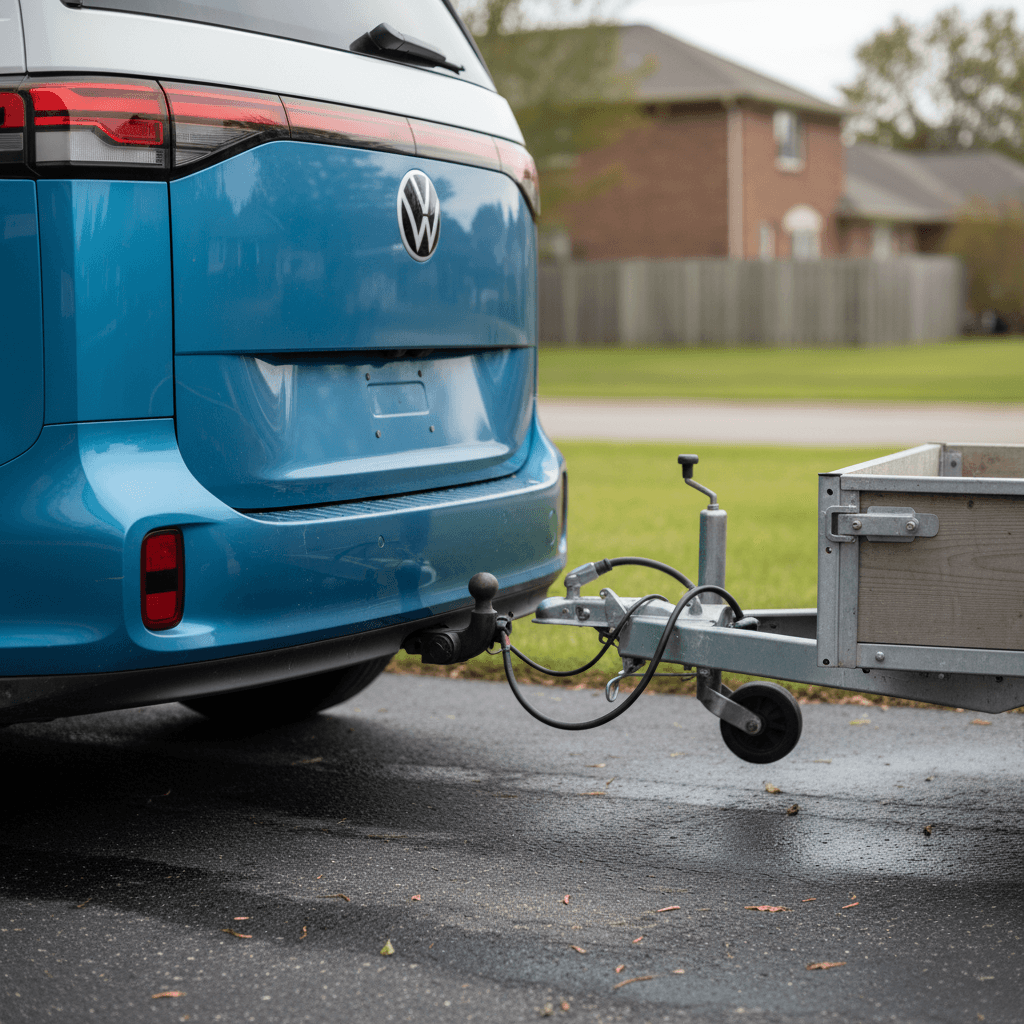
Look for charging sites with <strong>pull‑through spots or extra rear clearance</strong> so you don’t have to unhook the trailer every time. Satellite view in mapping apps is your friend here.
4. Favor faster DC fast chargers
With a trailer, you’ll stop more often, so <strong>fast DC chargers</strong> are especially valuable. A 20–40 minute stop is much easier to swallow than a 60–90 minute Level 2 session mid‑day.
5. Watch elevation and weather
Climbing long grades with a trailer can spike energy use. Strong headwinds can have a similar effect. Build in extra margin for mountain passes, cold weather, or windy days.
6. Use the van’s energy screen
Monitor your <strong>live consumption (kWh/100 km or mi/kWh)</strong> during the first leg. If you’re burning energy faster than planned, shorten the next hop or add an extra charge stop.
Leverage multiple charging networks
Protecting your ID. Buzz battery when towing
Towing won’t instantly ruin an EV battery, but it does mean higher sustained loads, more heat, and more frequent DC fast charging. Those are all manageable if you’re thoughtful about how you use the van.
Smart charging habits
- Aim to fast‑charge mostly between 10–70% state of charge on road trips when you’re towing.
- Save 80–100% charges for overnight or pre‑trip top‑offs rather than every single stop.
- When you get home, return to your usual daily charge limit (often 70–80%) instead of leaving the van full.
Mechanical and thermal care
- Keep tire pressures at or near the towing recommendation listed on the door jamb.
- Use the van’s towing mode (if available) for better thermal management and stability aids.
- After a long, hot towing day, give the van a chance to cool before hammering it with a 0–100% DC fast charge.
What about long‑term battery health?
Towing capacity vs. payload in the ID. Buzz
It’s easy to focus solely on the published towing capacity and overlook payload, the weight of passengers and cargo inside the van itself. With a people‑mover like the ID. Buzz, it’s especially important to pay attention to both.
How tow rating and payload interact in an ID. Buzz
Simplified example of how a nearly full cabin plus a trailer can add up quickly.
| Item | Example weight | Running total |
|---|---|---|
| Empty ID. Buzz (curb weight) | ~5,300 lb | 5,300 lb |
| Four adult passengers + gear | ~800 lb | 6,100 lb |
| Roof box with cargo | ~150 lb | 6,250 lb |
| Trailer tongue weight | ~220 lb (10% of 2,200 lb trailer) | 6,470 lb (can exceed some GVWRs) |
Always check the actual labels for your specific vehicle for GVWR and maximum axle loads.
Even if your trailer is underneath the published towing capacity, you can overload the vehicle if you pack the cabin and roof to the ceiling. The tongue weight counts as payload, and the rear axle in particular can become overloaded if you stack cargo behind the rear seats.
Weigh it once, know it forever
Buying a used ID. Buzz for towing and road trips
If you’re considering a used ID. Buzz as a family road‑trip van, you’ll want to verify both the hardware and the health of the battery before you start towing. A van that’s already seen hard, hot use, whether towing or rideshare work, can have more noticeable degradation.
Used ID. Buzz towing buyer checklist
Key things to confirm before you hitch up a trailer.
Factory‑approved tow setup
- Confirm the van has a factory or OEM‑approved hitch, wiring, and cooling package.
- Avoid sketchy aftermarket installs that may not match VW’s load paths or sensor calibration.
Battery health and fast‑charge history
- Ask for any battery health reports and service records.
- With a Recharged vehicle, you’ll receive a Recharged Score battery diagnostic that benchmarks usable capacity and DC fast‑charge exposure.
Brakes, tires, and suspension
- Inspect tire age and tread; towing with worn or under‑rated tires isn’t worth the risk.
- Listen and feel for suspension wear, especially at the rear where tongue weight sits.
Realistic range expectations
- On your test drive, reset the trip computer and note energy use at highway speeds.
- Translate that into a conservative towing range so you go in with clear expectations.
How Recharged can help
Ready to find your next EV?
Browse VehiclesFAQ: Volkswagen ID. Buzz towing capacity and range loss
Frequently asked questions
Key takeaways before you tow with an ID. Buzz
The Volkswagen ID. Buzz can absolutely tow, but it’s a light‑duty, efficiency‑sensitive tow rig, not a heavy‑haul pickup. Expect towing capacity in the 2,200–2,650 lb neighborhood and plan for 30–50% range loss depending on your trailer and conditions. If you size your camper realistically, slow your cruising speed a bit, and build trailer‑friendly charging stops into your route, you can turn the ID. Buzz into a capable, quiet road‑trip partner.
If you’re shopping used, pairing a solid mechanical inspection with a battery health report is the best way to know how much real‑world towing range you’ll have. That’s exactly why Recharged includes a Recharged Score report and EV‑savvy support with every vehicle, so you can connect the dots between tow ratings, range loss, and your actual travel plans before you hit the road.