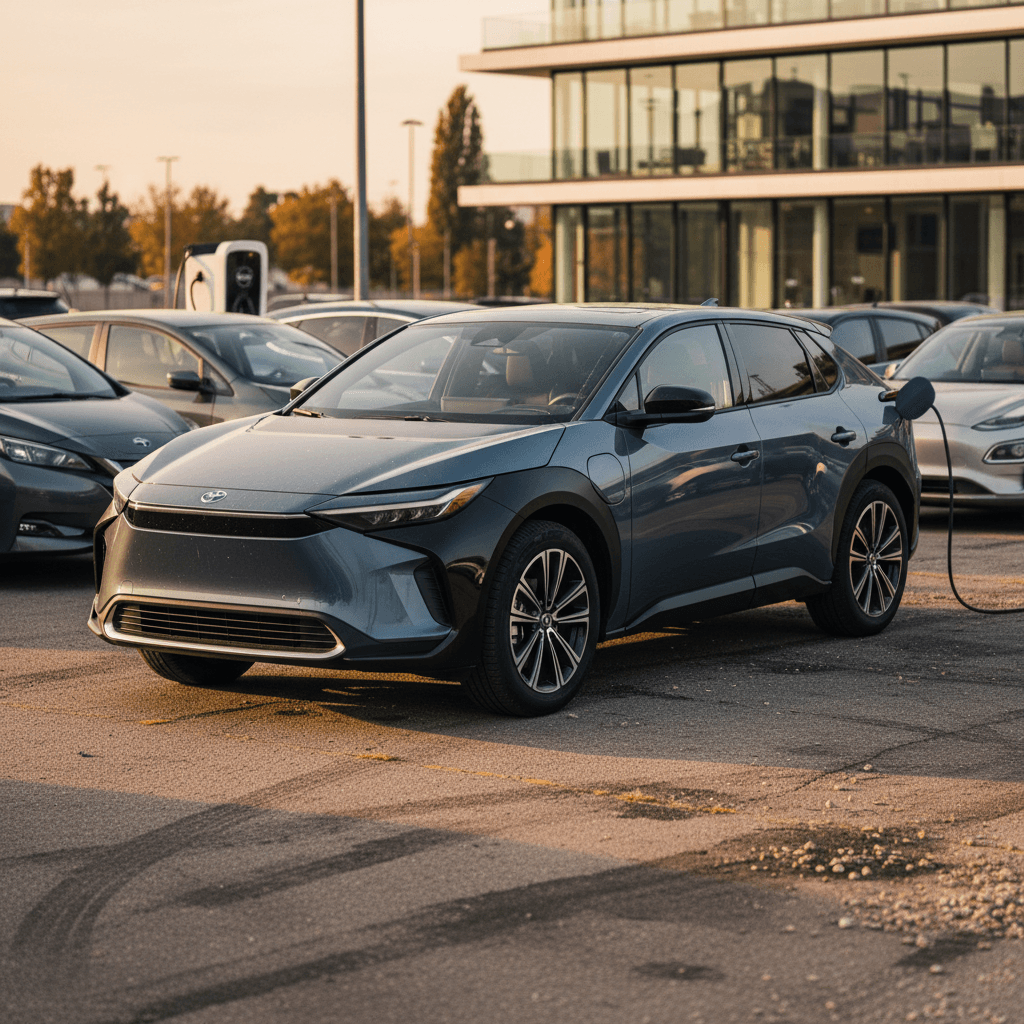
If you’re looking at compact electric SUVs, you’re probably wondering the same thing many shoppers are: is the 2025 Toyota bZ4X a good buy or just an early EV from a conservative brand trying to catch up? The answer depends on how you drive, how often you fast‑charge, and whether you’re open to a slightly used example or a rival model that offers more range for similar money.
Quick take
Bottom line: Is the 2025 bZ4X a good buy?
When it is a good buy
- You want a comfortable, easy‑to‑drive compact SUV from a brand with a strong reliability record.
- Your typical day is 40–80 miles of mixed driving, and you can charge at home most nights.
- You value Toyota’s long battery warranty and don’t mind that the bZ4X isn’t the quickest or flashiest.
- You find aggressive discounts, a strong lease deal, or meaningful incentives in your area.
When it’s not a good buy
- You routinely drive long highway stretches or take frequent road trips that depend on DC fast charging.
- You want 280–320+ miles of real‑world range and the absolute latest charging tech.
- You care more about performance and tech sizzle than conservative engineering and simplicity.
- The bZ4X is priced near rivals with clearly better specs and features.
Model name note for 2025 shoppers
2025 Toyota bZ4X at a glance
Key 2025 Toyota bZ4X/bZ specs (U.S. FWD)
Toyota positions the 2025 bZ4X as a sensible, right‑sized electric SUV: think RAV4‑adjacent practicality with electric torque and a more relaxed driving character. It’s not an efficiency champion or a charging rocket; instead it leans into predictable manners, a mature ride, and Toyota’s long‑term durability story.
2025 Toyota bZ4X vs popular rival EV SUVs (headline specs)
Approximate U.S. specs for context. Always check the specific trim you’re considering.
| Model | Approx. EPA range (max) | Max DC fast charge | Drive layout |
|---|---|---|---|
| 2025 Toyota bZ4X / bZ | ~250 mi | 150 kW | FWD or AWD |
| Hyundai Ioniq 5 | ~303 mi | 235+ kW | RWD or AWD |
| Kia EV6 | ~310 mi | 240+ kW | RWD or AWD |
| Tesla Model Y | ~310 mi | Up to 250 kW | RWD or AWD |
| Volkswagen ID.4 | ~291 mi | 135–175 kW | RWD or AWD |
How the 2025 bZ4X’s range and charging compare with key competitors.
Specs vary by configuration
Range and efficiency: where the 2025 bZ4X stands
Earlier bZ4X model years drew criticism for offering modest range versus price, and that basic story remains true for 2025. Most U.S. front‑wheel‑drive versions hover around the low‑ to mid‑200‑mile EPA range, with all‑wheel‑drive trims trading a bit of range for extra traction and power. In real‑world mixed driving, many owners report something closer to 210–230 miles on a full charge, depending on climate and speed.
- City and suburban use: efficiency is competitive, and the range feels adequate if you plug in nightly.
- Highway driving: range drops more noticeably at 70–75 mph, just as it does in most EVs, but you start from a smaller battery than some rivals.
- Cold climates: like any EV, you’ll lose range in winter. Reports suggest the bZ4X can feel especially short‑legged if you combine cold weather with regular highway use.
Range reality check
Charging speed: home and public reality check
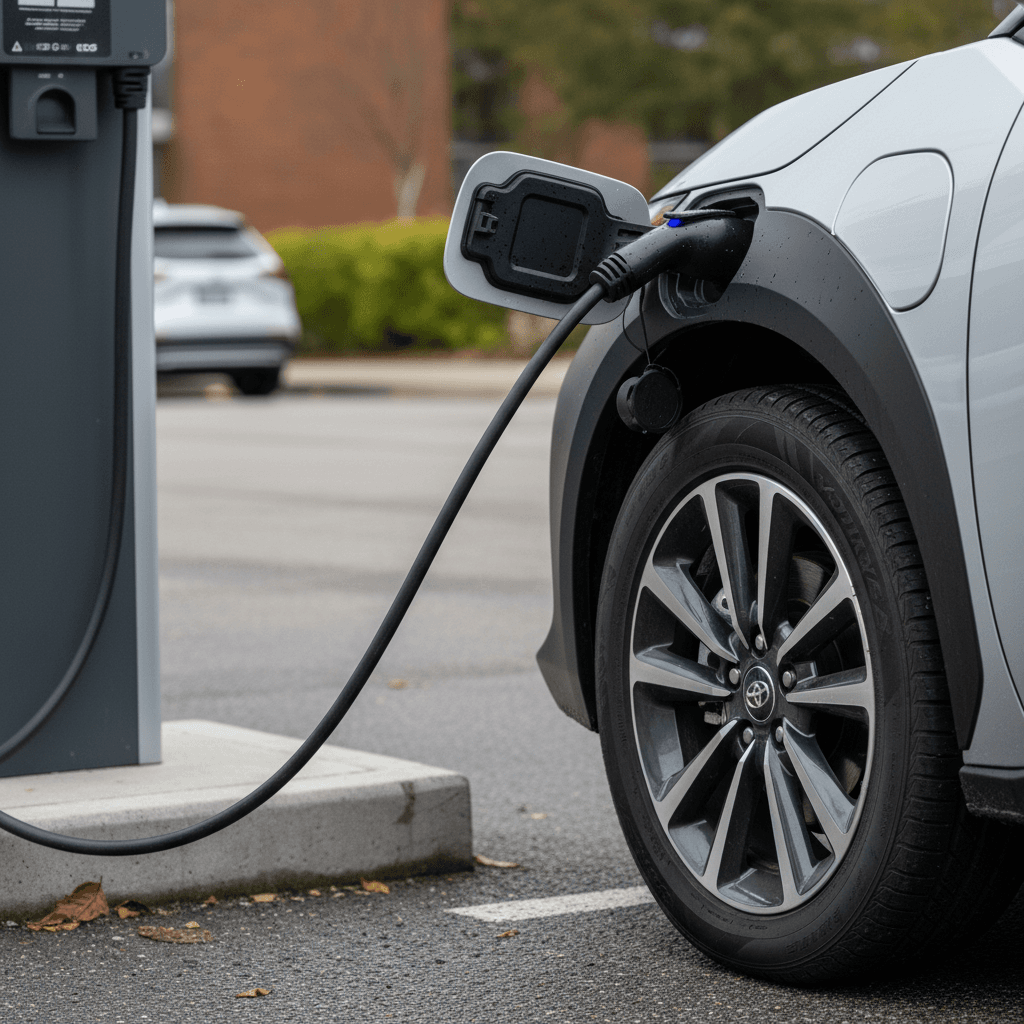
Charging is where you really need to be honest with yourself about how you’ll use a 2025 bZ4X. On paper, later‑year models can accept up to 150 kW on DC fast charging, which sounds fine. In practice, Toyota uses a conservative charging curve to protect battery life, so the car only hits peak rates briefly before tapering down. The result: road‑trip stops are typically longer than in a Hyundai Ioniq 5, Kia EV6, or Tesla Model Y.
What charging a 2025 bZ4X actually feels like
Home charging is painless; road‑trip charging is just okay.
Overnight at home
On a 240‑volt Level 2 charger, you’re looking at roughly 8–9 hours for a 0–100% charge. In daily use, you’ll typically just top up 30–60%, which is easy to cover overnight.
DC fast on trips
Think of a 10–80% DC fast‑charge session as more of a coffee‑and‑snack stop than a quick splash‑and‑dash. Where some rivals can be largely done in ~20 minutes, the bZ4X is often closer to the 30–40‑minute zone from a low state of charge.
Battery‑friendly behavior
Toyota’s slow‑and‑steady strategy is aimed at longevity rather than headline speed. If you rarely DC fast‑charge, that trade‑off may actually work in your favor over a 10‑year ownership window.
Don’t buy this for heavy fast‑charge road‑tripping
Reliability and warranty: strengths and weak spots
The 2025 bZ4X benefits from Toyota’s conservative engineering culture. After some early‑run hiccups, most famously a 2022 wheel‑hub recall and complaints about inconsistent DC charging performance, later model years, including 2025, have settled into a pattern of generally solid reliability with a few annoyances rather than catastrophic failures.
- Battery and motors: so far, no broad pattern of pack failures or motor replacements. Toyota’s big buffers and cautious charging strategy appear to be doing their job.
- 12‑volt battery and software: like many modern EVs, the bZ4X isn’t immune to low‑voltage battery and infotainment glitches. These are frustrating but typically fixable under warranty.
- HVAC and comfort: earlier model years saw scattered complaints about HVAC performance and software recalls. By 2025, many of those patches have filtered into production, but it’s still worth checking for completed updates on any individual vehicle.
Warranty coverage is a plus
Pricing, incentives and value vs rivals
By the 2025 model year, the compact EV SUV segment is crowded, and the bZ4X often finds itself competing on price rather than outright specs. Depending on trim and region, you may see it stickered close to better‑performing rivals, or heavily discounted to move the metal. That swing is what determines whether the 2025 bZ4X is a good buy.
When the numbers make sense
- You’re seeing meaningful cash on the hood or an aggressive lease rate that undercuts rivals.
- Local or utility‑level incentives stack with any federal benefits you qualify for, narrowing the gap to more capable EVs.
- You value Toyota’s reliability halo enough to accept less range and slower charging at a similar monthly payment.
When they don’t
- The 2025 bZ4X is priced within a few thousand dollars of an Ioniq 5, EV6, or Model Y with better range and charging.
- You qualify for full federal and state tax credits on other models but not on the Toyota, leaving real money on the table.
- Used EVs with stronger specs, sometimes including earlier‑year bZ4Xs, are significantly cheaper on the pre‑owned market.
Don’t forget the used market and leases
Who the 2025 Toyota bZ4X is a good buy for
You’re the right buyer if…
You primarily commute and run errands
Your EV life is mostly 20–60‑mile days with the occasional weekend trip, not constant 250‑mile highway slogs. In that world, the bZ4X’s range is far less of an issue.
You can install home charging
Being able to plug into a 240‑volt Level 2 charger in your garage or driveway transforms the bZ4X experience. You wake up full and rarely care how fast it DC fast‑charges.
You care about comfort over performance
The bZ4X rides quietly and feels reassuring rather than exciting. If you’d rather have a calm, familiar Toyota‑like experience than tire‑spinning acceleration, that’s exactly what it delivers.
You plan to keep it a long time
Toyota’s conservative battery management and strong warranty make more sense if this is a 7–10‑year vehicle for you, not a quick flip in two or three years.
You find a strong deal
A big discount, subsidized lease, or stacked incentives can turn the 2025 bZ4X from “just okay on paper” into a very rational choice in your driveway.
When you should skip the 2025 bZ4X
An honest buying guide has to say this plainly: there are shoppers who should walk right past the 2025 bZ4X, even with Toyota’s badge on the nose.
- You road‑trip several times a month and expect quick, repeatable DC fast charges at high speed.
- You want the latest driver‑assist tech, giant screens, and bleeding‑edge software above all else.
- You’re comparing lease or finance numbers and can get a higher‑range rival for essentially the same monthly cost.
- You’re in a region with sparse non‑Tesla fast charging and want to lean more heavily on the Supercharger network with a NACS‑equipped EV.
Watch the competitive set carefully
Used Toyota bZ4X alternatives: smart buys at lower prices
If you like the idea of a Toyota EV SUV but aren’t sold on paying new‑car money, the used market can be very kind to you. Early bZ4X models were criticized for pricing and range when new, which means they’ve already absorbed a big chunk of depreciation.
Three used‑market paths to consider
All with lower upfront cost than a new 2025 bZ4X.
2023–2024 bZ4X FWD
These deliver similar range and features to 2025 models at a noticeable discount. If DC fast‑charging speed isn’t critical and you mostly charge at home, they can be smart buys.
AWD models for bad weather
All‑wheel‑drive bZ4Xs offer extra traction for snow‑belt drivers. Later years saw improved DC charging versus the very first AWD production run, so focus on 2024–2025 builds.
Cross‑shop rival used EVs
Used Hyundai Ioniq 5, Kia EV6, VW ID.4, and Tesla Model Y examples often rival or beat the bZ4X on range and charging for similar money. If you’re purely value‑driven, they deserve a hard look.
How Recharged’s battery health report helps
How Recharged helps you shop bZ4X and rivals confidently
Electric SUVs like the bZ4X live and die on details, battery chemistry, prior fast‑charging habits, software updates, and how they were driven day‑to‑day. Those are exactly the areas where buyers feel least confident. That’s where Recharged is built to help.
- Recharged Score battery diagnostics: Every vehicle we list comes with a battery‑health report, so you’re not guessing about degradation or previous abuse.
- Fair market pricing: Our pricing tools benchmark each EV against current market data so you know whether a used bZ4X, or any rival, is fairly priced.
- EV‑specialist support: Our team focuses on electric vehicles all day, every day. If you’re torn between a 2025 bZ4X, a used Ioniq 5, and a Model Y, they can walk you through the trade‑offs in plain language.
- Financing, trade‑in and delivery: You can arrange financing, get an instant offer on your trade, and have your next EV delivered nationwide, all through a fully digital experience, or by visiting our Experience Center in Richmond, VA.
Make the bZ4X decision with data, not guesswork
FAQ: 2025 Toyota bZ4X buying questions answered
Common questions about buying a 2025 Toyota bZ4X
Final thought: should you buy a 2025 Toyota bZ4X?
If you strip away the hype around newer, flashier EVs, the 2025 Toyota bZ4X (or bZ) is a competent, conservative electric SUV that makes the most sense for drivers with modest range needs, home charging, and an eye on long‑term dependability. It’s not the star of the spec sheet, and it won’t win many drag races or charging‑curve charts, but for the right buyer at the right price it can be a smart, low‑stress move into EV ownership.
The key is to treat it like any other major purchase: compare total monthly cost against rivals, factor in incentives, be honest about how you’ll drive, and insist on real battery‑health data if you’re buying used. If all of that lines up, and especially if you find a strong deal, the 2025 bZ4X can indeed be a good buy. If it doesn’t, the growing field of alternative EV SUVs means you have no shortage of better fits, and Recharged is here to help you sort them out.