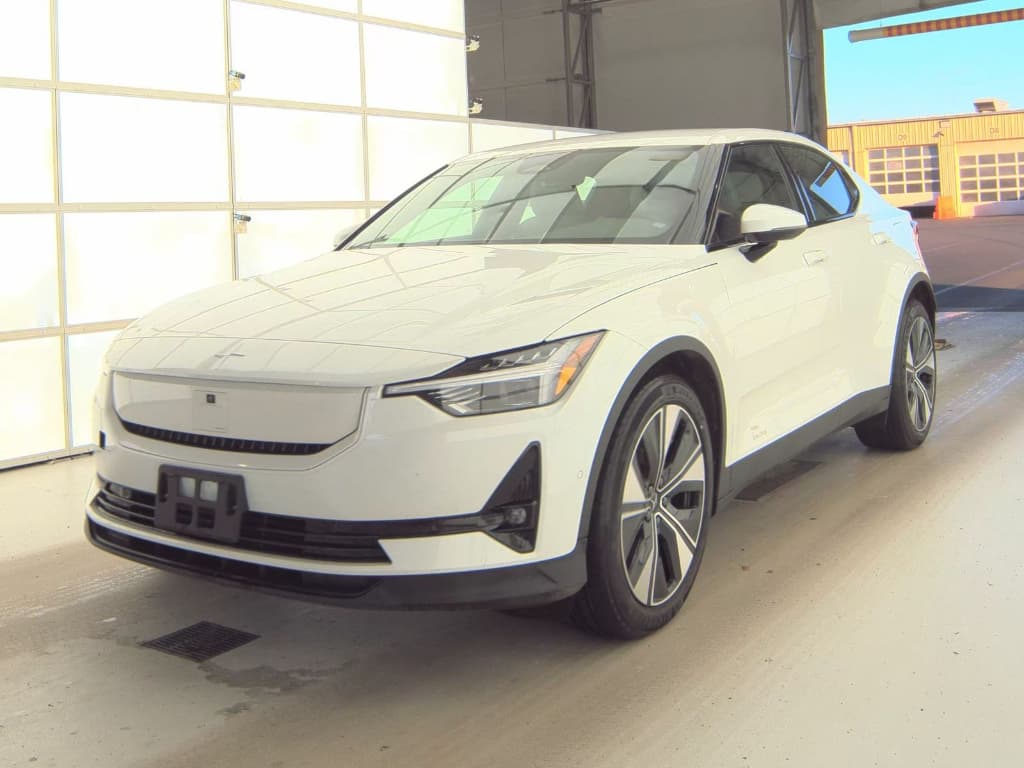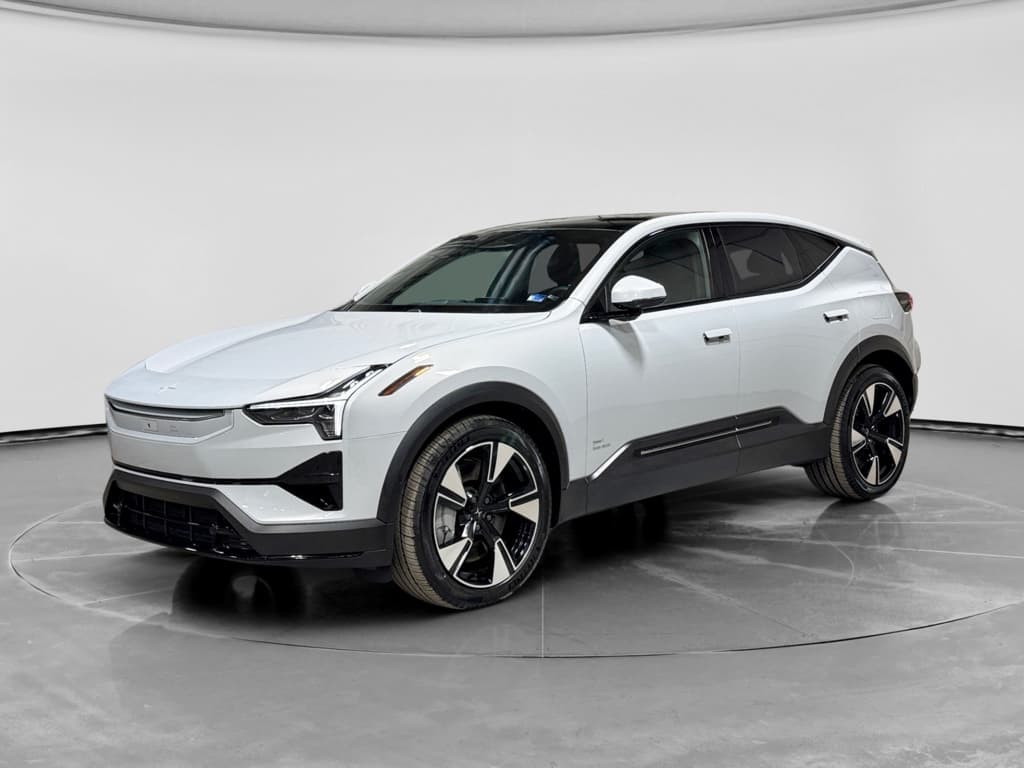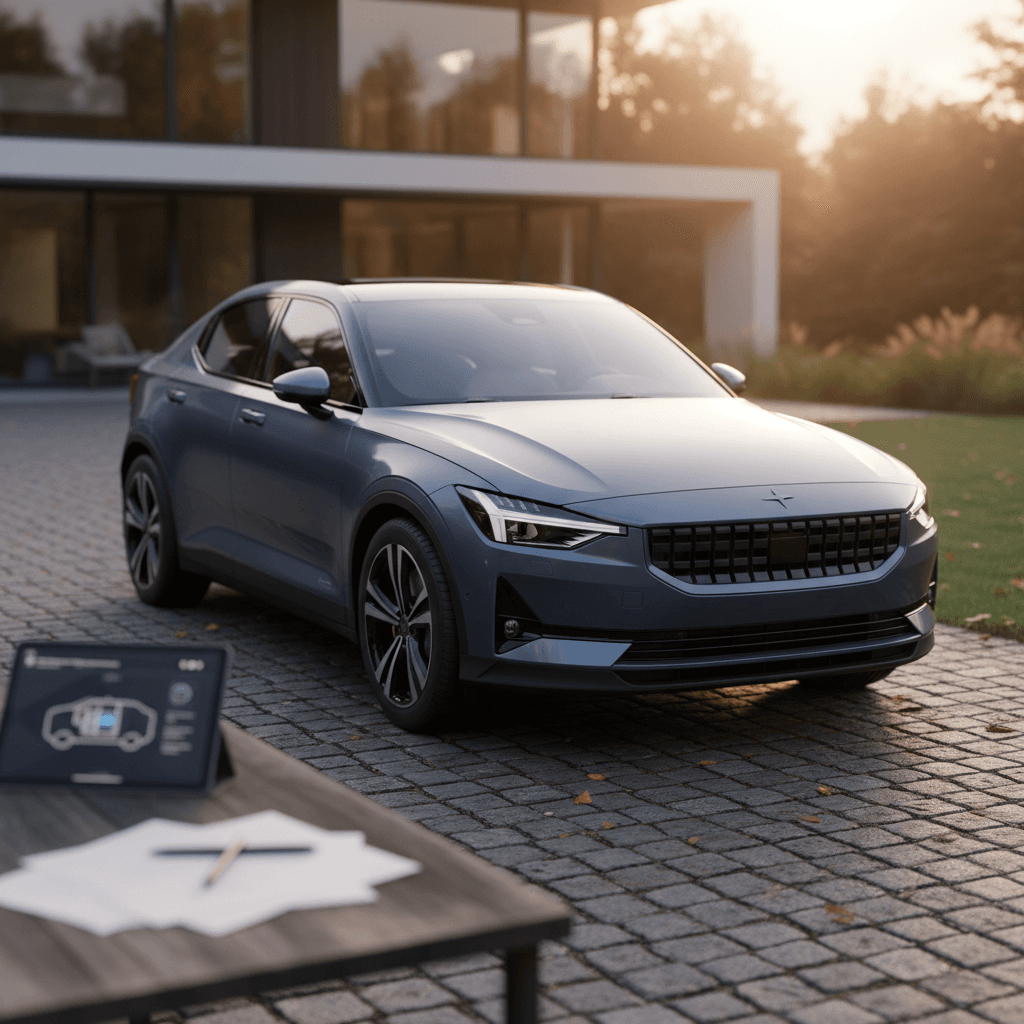
If you’re asking yourself, “Is the 2025 Polestar 2 a good buy?” you’re not alone. This Swedish-designed electric fastback sits right between a Tesla Model 3 and a compact luxury sedan, with distinctive styling and genuinely strong performance. But it’s also not cheap, and Polestar doesn’t yet have the brand recognition or charging clout of Tesla. Let’s unpack whether this car actually makes sense for your driveway, especially as a new or used EV purchase.
Key context for 2025 shoppers
Quick answer: Is the 2025 Polestar 2 a good buy?
When the 2025 Polestar 2 is a good buy
- You want a stylish, premium EV that doesn’t look like everything else in the Whole Foods parking lot.
- You value European driving dynamics and a solid, Volvo‑inspired safety feel over raw 0–60 numbers.
- Your daily driving fits comfortably within a real‑world range of about 230–260 miles on the Long Range Dual Motor.
- You’re open to buying used or nearly new to avoid first‑owner depreciation and get more car for the money.
When the 2025 Polestar 2 is not a good buy
- You need maximum interior space for a family, especially rear legroom and headroom.
- Your priority is lowest possible price per mile of range; a Model 3 or Hyundai Ioniq 6 likely pencils out better.
- You rely heavily on DC fast‑charging road trips and want the most efficient, widely supported platform.
- You’re risk‑averse about brand staying power and resale; Tesla and Hyundai/Kia currently have the edge there.
My verdict in one sentence
What you actually get with the 2025 Polestar 2
Polestar simplified the U.S. lineup for 2025. Instead of juggling multiple trims, you’re essentially looking at a Long Range Dual Motor car with most options baked in. That means strong performance, a big battery, and a high level of standard equipment right out of the box.
Core 2025 Polestar 2 highlights (U.S. Long Range Dual Motor)
On paper, those numbers put the 2025 Polestar 2 right in the heart of the premium compact EV segment. You’re not getting the absolute longest range in the class, but you are getting strong performance plus a serious step up in cabin feel versus many mainstream EVs.

Range, battery, and charging: How usable is it day to day?
For most EV shoppers, the biggest question is, "Will this actually fit my life?" With the 2025 Polestar 2 Long Range Dual Motor, the answer depends less on the spec sheet and more on your driving pattern and climate.
2025 Polestar 2 range & charging at a glance
Understand what the numbers mean before you buy
Battery & EPA range
- Usable battery: around 82 kWh in U.S. dual‑motor cars.
- EPA range: roughly mid‑250s miles for the Long Range Dual Motor.
- Real‑world: 230–260 miles is a realistic planning number for mixed driving.
DC fast‑charging
- Peak rate around 205 kW when conditions are ideal.
- 0–80% typically in ~30–35 minutes on a capable charger.
- Uses the CCS standard for 2025, with NACS access coming via adapters or future updates depending on timing.
Home charging
- On a 240 V Level 2 charger, expect a full overnight refill from low state of charge.
- Most owners charge to 70–90% daily to preserve battery health.
- Works well with typical 40–48 amp home EVSEs.
Real‑world range tip
The other question is battery longevity. Polestar’s pack chemistry and thermal management are in line with other modern EVs, and we’re already seeing early‑build Polestar 2s with healthy capacity after several years on the road. Still, if you’re shopping used, you want more than a guess. This is where a Recharged Score battery health report becomes extremely valuable, because it measures usable capacity instead of relying on dashboard estimates.
Performance and driving experience
If you judge cars strictly by spec sheets, you might miss what makes the Polestar 2 compelling. Dual‑motor all‑wheel drive puts down serious thrust, about 4.0 seconds 0–60 mph in performance‑oriented trims, yet the car doesn’t feel like a gadget chasing drag‑race glory. It feels like a European sport sedan that just happens to be electric.
- Steering is weighted and precise, with a more natural on‑center feel than many competitors.
- The chassis is tuned on the firmer side, especially with larger wheels, but it pays off in cornering confidence.
- Regenerative braking is well integrated, and one‑pedal driving works smoothly once you’re used to it.
- Noise isolation is solid; this feels more like a premium Volvo cousin than a buzzy tech startup product.
Ride quality caveat
Interior space, tech, and comfort
Inside, the 2025 Polestar 2 is an exercise in Scandinavian minimalism: clean lines, high‑quality materials, and a calm design language. It’s a genuinely pleasant place to spend time, especially up front. The flip side is that this is still a compact car, and some shoppers are surprised by the tight dimensions.
Strengths
- Supportive front seats with a wide range of adjustment.
- Solid perceived quality, switchgear, door closes, and materials feel premium.
- Google‑built‑in infotainment with Google Maps and Assistant works well, especially for navigation and voice control.
- A practical hatchback opening and split‑fold rear seats make cargo loading easier than a typical sedan.
Weak spots
- Rear seat space is just OK; taller adults will notice limited headroom and legroom.
- The center tunnel and relatively narrow cabin make it feel cozier than a Model 3 or many crossovers.
- Infotainment is responsive but not flashy; some rivals offer bigger screens and more wow factor.
- Physical controls are minimal, which some drivers love and others find frustrating at first.
Fit check before you fall in love
Price, incentives, and overall value
Here’s where the "Is the 2025 Polestar 2 a good buy?" question gets complicated. The 2025 Long Range Dual Motor in the U.S. carries a mid‑$60,000 MSRP when new, placing it squarely in premium EV territory alongside the BMW i4 and nicely equipped Kia EV6 models.
How the 2025 Polestar 2’s pricing stacks up (new)
Approximate starting prices for comparable EVs (before local taxes and incentives). Always check current offers.
| Model | Approx. base price (US) | Key strengths vs Polestar 2 |
|---|---|---|
| 2025 Polestar 2 Long Range Dual Motor | Mid-$60,000s | Distinctive design, premium feel, strong performance |
| Tesla Model 3 Performance | High-$50,000s | More performance per dollar, stronger Supercharger access |
| BMW i4 xDrive40 | Low-to-mid $60,000s | BMW badge, smooth ride, traditional luxury cues |
| Kia EV6 GT-Line AWD | High-$50,000s to low-$60,000s | Roomier interior, strong charging, long warranty |
Pricing moves quickly in the EV world; treat these as ballpark comparisons, not quotes.
Don’t forget incentives and used pricing
Polestar resale values have not matched Tesla’s, which is a double‑edged sword. As a first owner, you may see steeper depreciation than a Model 3. As a second owner, that same curve turns into an opportunity: you can often buy a low‑mileage Polestar 2 for substantially less than its original sticker, especially through a marketplace that specializes in used EVs.
Where Recharged fits in
Ready to find your next EV?
Browse VehiclesReliability, known issues, and warranty coverage
The Polestar 2 rides on a Volvo‑related platform and benefits from that brand’s longstanding focus on safety and engineering. Early cars had the usual software gremlins most new EVs face, and the model has been touched by software‑related recalls over the 2021–2025 run. These have largely been addressed through updates rather than mechanical overhauls.
What to know about Polestar 2 reliability
No car is perfect, here’s a balanced snapshot
The good news
- Core hardware (battery, motors) has not shown systemic, headline‑making failures.
- Safety performance and crash protection are strong, consistent with Volvo roots.
- Most software issues are fixable via updates.
- Owners frequently praise overall build quality and driving feel over time.
Points to watch
- Software recalls and over‑the‑air update glitches can be frustrating if you’re not tech‑patient.
- The brand is still young in the U.S., so dealer/service coverage isn’t as dense as legacy brands.
- Resale values are still finding their level in the used market.
Warranty coverage on a 2025 Polestar 2 is competitive: a multi‑year basic warranty plus typical EV powertrain and battery coverage that extends significantly longer. If you’re considering a used example, check the in‑service date so you know exactly how much factory coverage remains.
Essential step when buying used
How the 2025 Polestar 2 compares to alternatives
You shouldn’t decide if the 2025 Polestar 2 is a good buy in a vacuum. The right question is, "Is it a good buy compared to what else I can get for this money?" Here’s how it stacks up against key rivals many shoppers cross‑shop.
2025 Polestar 2 vs key alternatives
High‑level comparison of where the Polestar 2 shines and where rivals have the edge.
| Model | Strengths vs Polestar 2 | Where Polestar 2 has the edge |
|---|---|---|
| Tesla Model 3 Performance | More range per dollar, access to Tesla’s Supercharger network, stronger brand recognition and resale | More distinctive design, richer cabin feel, more traditional European driving character |
| Hyundai Ioniq 6 | Excellent aerodynamics and range efficiency, roomy rear seat, long warranty | Polestar 2 feels more premium inside and offers a more solid, sport‑sedan driving feel |
| Kia EV6 AWD | Crossover practicality, fast charging, generous warranty | Polestar 2 offers sleeker styling and a more intimate, sedan‑like driving experience |
| BMW i4 xDrive40 | BMW badge, plush ride, strong dealer network | Polestar’s Google‑based infotainment and minimalist cabin appeal to tech‑oriented buyers who prefer a simpler interface |
Always compare specific trims and current pricing; EV incentives and discounts change quickly.
Is a used 2025 Polestar 2 a smarter buy?
For many shoppers, the smartest way to buy a 2025 Polestar 2 will be pre‑owned rather than brand‑new. The model’s premium MSRP, combined with softer resale than Tesla, often means second owners get a lot of car for the money.
Why a used 2025 Polestar 2 can be a sweet spot
1. Let someone else eat the depreciation
Luxury EVs typically take their biggest value hit in the first 2–3 years. Buying a 2025 Polestar 2 in 2027–2029 can give you premium hardware at a much friendlier monthly payment.
2. Modern hardware and updates
By 2025, the Polestar 2 benefits from the larger battery, improved charging, and numerous software refinements that early‑build cars lacked.
3. Significant warranty coverage left
Even as a used purchase, many 2025 cars will still have years of battery and powertrain warranty remaining, which reduces your risk profile.
4. Better selection at fixed budgets
If your budget caps you around the low‑to‑mid $40,000s, a used 2025 Polestar 2 may be available where an equivalent new EV from another brand is not.
How Recharged helps on the used side
Buying checklist: 2025 Polestar 2
Whether you’re eyeing a new or used 2025 Polestar 2, walk through this quick checklist before you sign anything. It will help you separate "good buy" from "pretty car, bad decision."
Essential checks before you buy a 2025 Polestar 2
Confirm your real daily range needs
Add up your typical weekly driving, including worst‑case days. If 230–260 real‑world miles covers you with margin, the Polestar 2’s range is likely fine. If you’re routinely at the edge, consider a more efficient or longer‑range rival.
Evaluate interior space in person
Sit in the back seat, load a stroller, or try your bike. The Polestar 2’s cabin feels more compact than many expect, better to learn that before, not after, you buy.
Compare total monthly cost, not just sticker price
Factor in insurance, home charging installation (if needed), and any public‑charging reliance. A slightly more expensive car can cost less to own if it’s more efficient or holds its value better.
Review software and recall history
Ask for proof that recall work and major software updates have been completed. With any modern EV, staying current on updates is part of reliability.
Get independent battery health data
For used purchases, insist on a battery health report. On Recharged, this is included; elsewhere, ask the seller what they can provide or budget for a third‑party inspection.
Cross‑shop at least two rivals
Drive at least one alternative, such as a Model 3 or Ioniq 6, so you can feel the Polestar 2’s strengths and weaknesses in context. Your gut reaction from the driver’s seat matters as much as the spreadsheet.
FAQ: 2025 Polestar 2 as a buy
Frequently asked questions about the 2025 Polestar 2
Bottom line: Who should (and shouldn’t) buy a 2025 Polestar 2?
The 2025 Polestar 2 is a good buy for the right driver: someone who wants a distinctive, well‑built, European‑flavored EV and is willing to trade a bit of range‑per‑dollar for style, safety feel, and driving character. It makes the most sense if your daily use case fits comfortably within its real‑world range and you can charge at home.
It’s not the right answer if you’re chasing the absolute lowest cost of ownership, need cavernous rear space, or live in an area where Polestar service support is thin and you’re risk‑averse. In those scenarios, a Tesla Model 3, Hyundai Ioniq 6, or Kia EV6 may be a better financial and practical fit.
If you do decide the Polestar 2 matches your priorities, I’d strongly suggest focusing on well‑priced used 2025 examples with remaining warranty and proven battery health. That’s exactly the gap Recharged aims to fill, pairing cars like the Polestar 2 with transparent battery diagnostics, realistic pricing, and EV‑specialist support so you’re not buying blind.