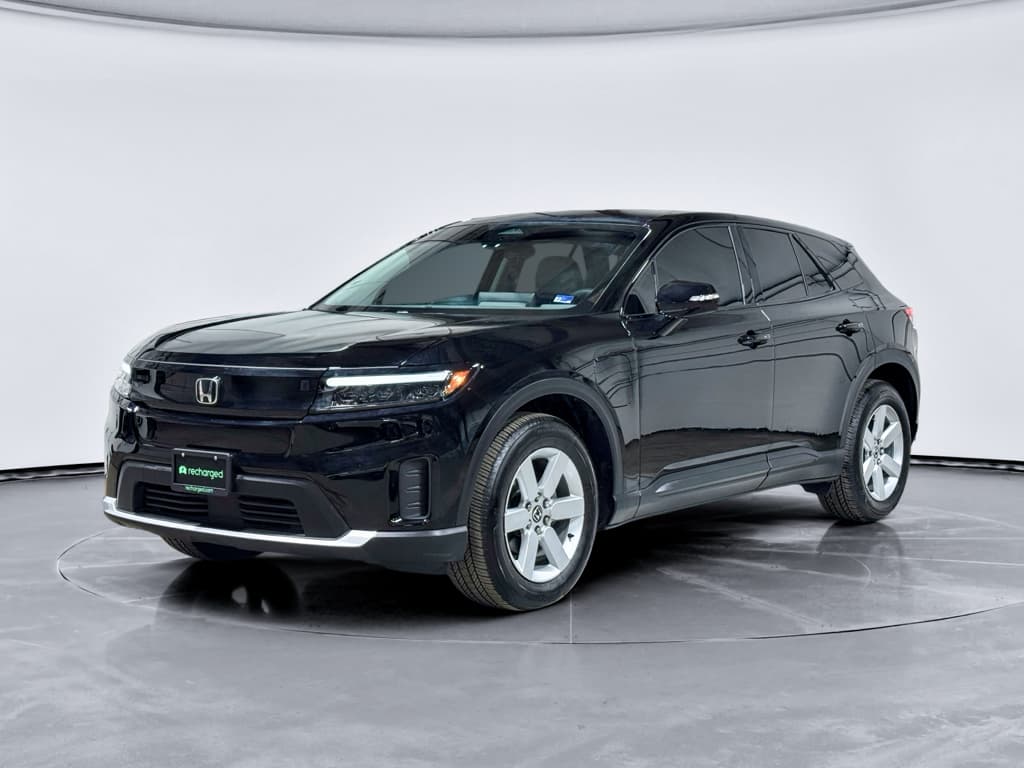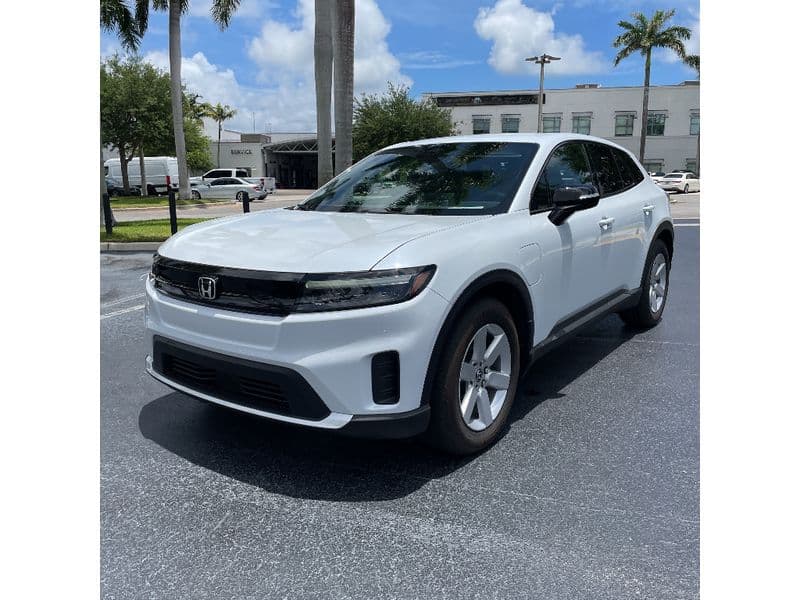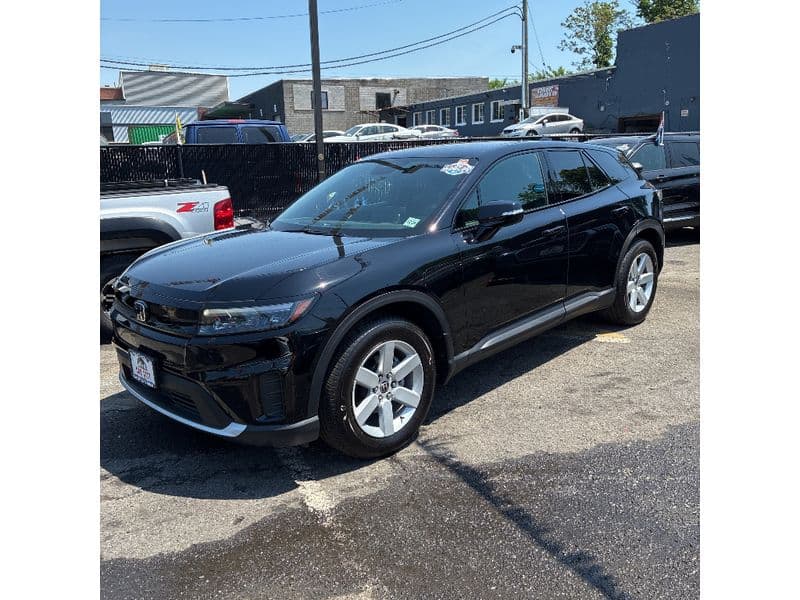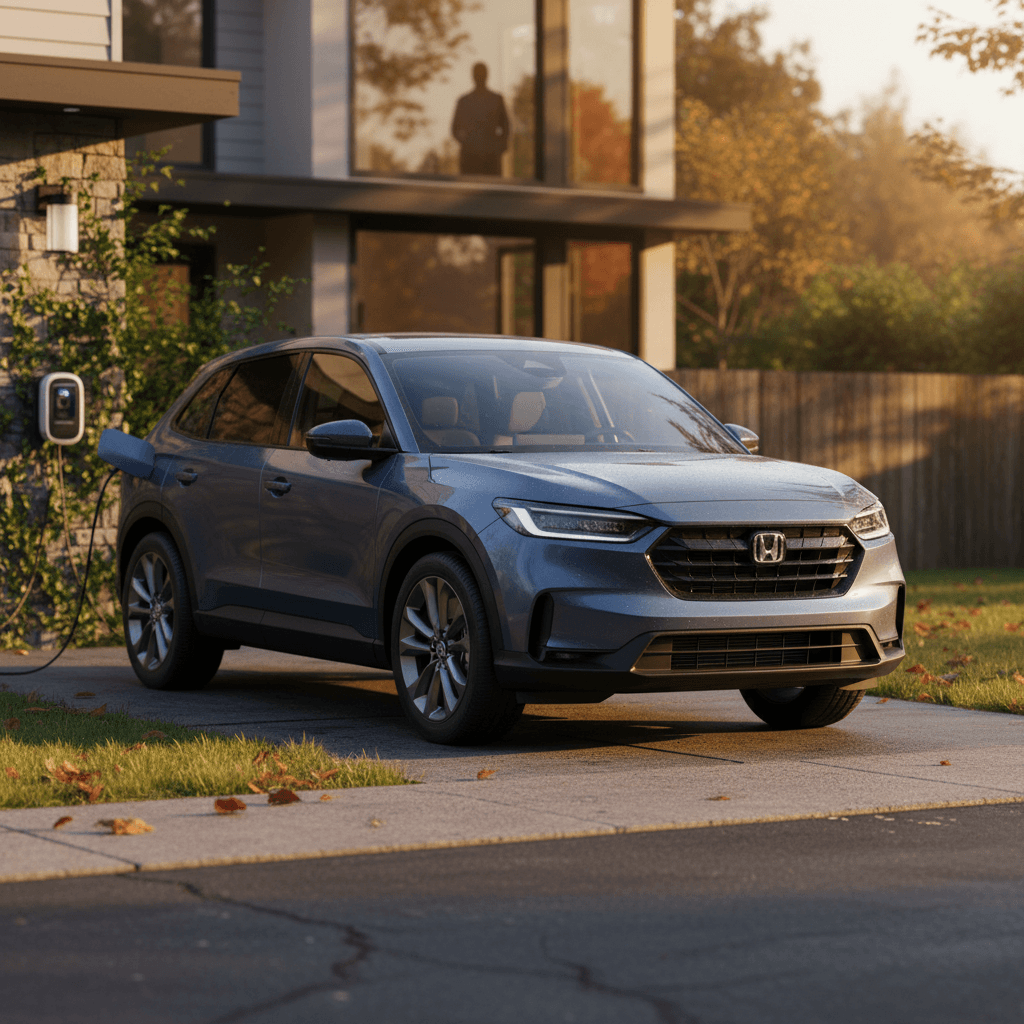
If you’re asking yourself **“is the 2024 Honda Prologue a good buy?”**, you’re not alone. Honda’s first modern long‑range EV SUV landed right into the heart of the market dominated by the Tesla Model Y and Hyundai Ioniq 5, and it’s already become one of the more popular leased EVs in the U.S. The catch: it’s built on GM’s Ultium platform, competes in a brutally crowded segment, and early buyers are still the beta testers. Let’s walk through whether the Prologue makes sense for *you* in 2026.
TL;DR verdict
Quick answer: Is the 2024 Honda Prologue a good buy?
2024 Honda Prologue: Key numbers
From an analyst’s seat, the **2024 Prologue is a rational, not emotional, buy**. It’s roomy, comfortable, and has competitive range. Its Ultium hardware gives it respectable DC fast‑charging, and Honda’s safety record plus a strong dealer network are big pluses for mainstream shoppers moving out of gas crossovers.
Where it falls short is in **charging network integration, software polish, and headline performance** compared with the best from Tesla and Hyundai/Kia. And because battery sourcing rules under the Inflation Reduction Act are strict, Prologue eligibility for the full $7,500 federal credit can shift over time and may depend on how the vehicle is configured and where the battery content comes from. In practice, you’ll want to talk through incentives with the dealer *and* check current federal guidance before assuming anything about the tax credit.
Analyst’s one‑sentence take
2024 Honda Prologue at a glance
Honda positioned the Prologue as a **mid‑size, two‑row electric SUV** roughly on par with the Tesla Model Y, Hyundai Ioniq 5, and Chevy Blazer EV. It’s built in partnership with GM on the Ultium platform, which means the underlying battery and drive systems are shared with vehicles like the Blazer EV and Cadillac Lyriq, even though the Prologue wears Honda styling and uses Honda’s own infotainment and tuning.
2024 Honda Prologue core specs
High‑level specs that matter most to EV shoppers.
| Spec | 2024 Honda Prologue |
|---|---|
| Battery | ~85 kWh Ultium lithium‑ion |
| Drivetrains | Single‑motor FWD, dual‑motor AWD |
| Power | Approx. 212 hp (FWD), 288 hp (AWD) |
| EPA range | Up to ~296 mi (FWD), low‑ to mid‑270s (AWD) |
| DC fast‑charge peak | ~150 kW quoted |
| DC fast‑charge time | ~35 min 20–80% in ideal conditions |
| Onboard AC charger | 11.5 kW (Level 2) |
| Seating | 5 passengers, two rows |
| Platform | GM Ultium with Honda tuning |
Exact figures vary slightly by trim and drivetrain; always confirm with the window sticker for the vehicle you’re considering.
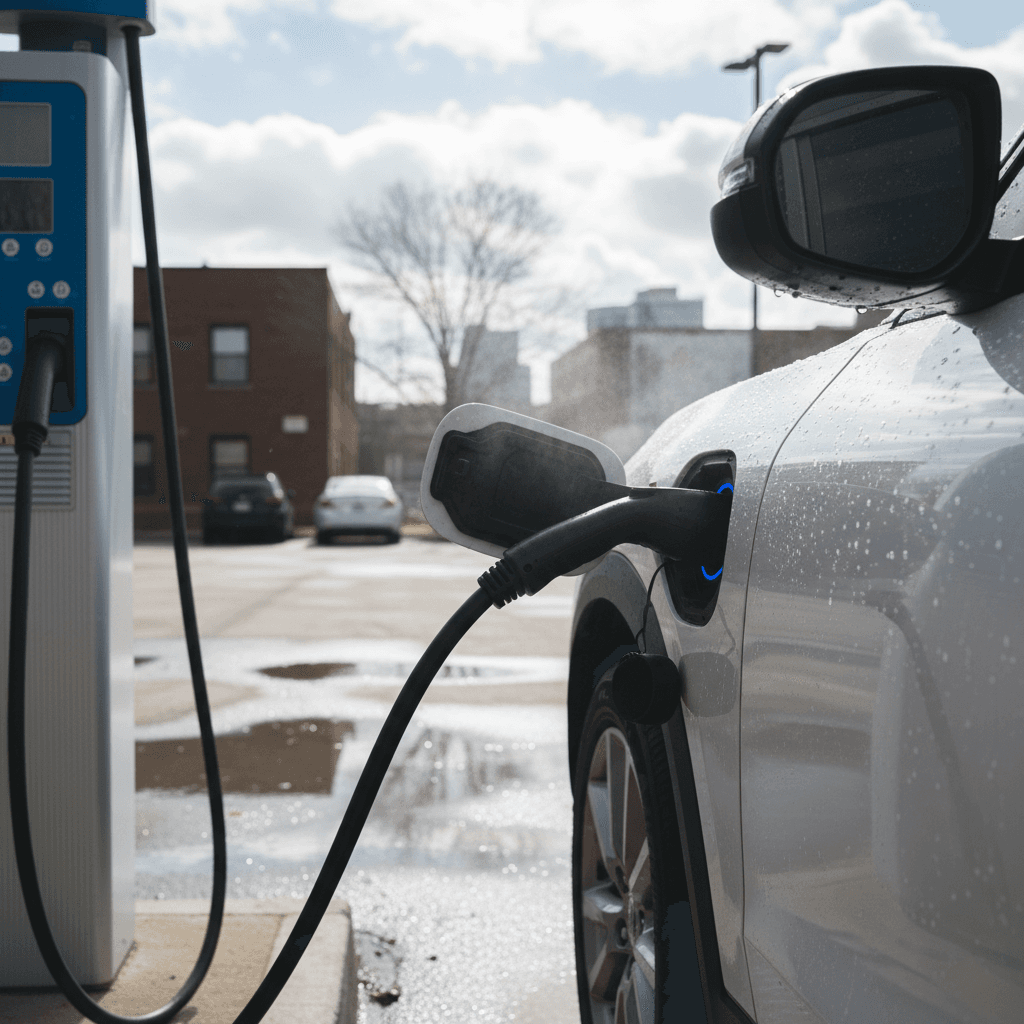
Range and charging: Strong, but not best-in-class
For most shoppers, the first question is: **how far will it go, and how fast can I add miles?** On both counts, the Prologue is **solidly competitive but not segment‑leading**.
Range and charging highlights
What to expect on the road and at chargers
Real‑world range
Expect something in the ballpark of mid‑200s miles in mixed driving, depending on whether you choose FWD or AWD, wheel size, and your climate. The FWD trims with smaller wheels do best; AWD and big wheels chip away at range.
Level 2 charging
With an 11.5 kW onboard charger, a 240V home charger can comfortably refill the pack overnight. You’re looking at roughly 30–35 miles of added range per hour on a good Level 2 setup.
DC fast charging
Honda quotes about 65 miles in 10 minutes and roughly 35 minutes from 20% to 80% at a capable DC fast charger in good conditions. That’s respectable, but not as quick as the very best 800‑V systems from Hyundai/Kia.
Don’t just shop the EPA number
Charging network reality
The Prologue uses the **CCS** connector by default, but Honda now offers access to the Tesla Supercharger network via a NACS–CCS adapter and is transitioning future models to NACS natively. In practice, that means:
- Today, you’ll mostly rely on CCS networks like Electrify America, EVgo, and regional players.
- With the proper adapter and software support, you can increasingly tap into Superchargers, especially on major corridors.
- Charging reliability still varies a lot by location and operator, Tesla remains the benchmark, with CCS networks catching up unevenly.
Range vs. rivals
On paper, the Prologue’s range is **competitive with similarly sized EV SUVs**. Tesla’s Model Y Long Range still tends to offer more miles per kWh, and Hyundai’s E‑GMP vehicles (Ioniq 5/EV6) can gain more range in fewer minutes at a high‑power charger. But unless you regularly do 400‑mile days, the Prologue’s range is more than adequate for daily use and most road trips with planned stops.
Pricing, incentives, and real-world value
On MSRP alone, the 2024 Prologue is **not a screaming bargain**. You’re generally in the high‑$40,000s to low‑$50,000s for most trims before options, similar to a well‑equipped Ioniq 5 or Model Y. Where it gets interesting is when you factor in **lease deals, dealer discounts, and incentives**.
How to evaluate Prologue value in 2026
1. Don’t assume the $7,500 credit
Federal EV tax credit rules under the Inflation Reduction Act hinge on where the battery materials are sourced and assembled. Eligibility can change by configuration and model year. Ask the dealer for up‑to‑date documentation and verify on official federal resources before banking on the full $7,500.
2. Look at leases, not just purchase
Because the credit can be monetized by the lessor, **lease offers on the Prologue are often more attractive** than equivalent loan payments. In many markets, Honda dealers have used this structure to effectively undercut a comparable Tesla Model Y payment.
3. Compare all‑in cost of ownership
Factor in electricity vs. gas, insurance, home charging install, and routine maintenance. The Prologue should be cheaper to run than a similarly sized gas CR‑V or Passport over 3–5 years, even if the monthly payment looks similar.
4. Check local and utility incentives
State and utility EV incentives can stack on top of (or replace) federal benefits. Some utilities offer rebates for installing home Level 2 chargers, and certain states still offer direct EV purchase or lease incentives that apply to the Prologue.
5. Don’t overlook used pricing
As more 2024 Prologues come off lease into the used market, pricing can dip well below new MSRPs. A lightly used example with verified battery health can be a strong value play compared with ordering new.
Where the Prologue pencils out
How the Prologue compares to Tesla Model Y and Ioniq 5
No EV exists in a vacuum. To decide if the 2024 Honda Prologue is a good buy, you have to see how it stacks up against the **Tesla Model Y** and **Hyundai Ioniq 5**, two of the segment’s benchmarks.
Prologue vs. key rivals (high-level comparison)
General tendencies based on typical trims and current market conditions in 2026, not an exhaustive spec sheet.
| Factor | Honda Prologue | Tesla Model Y | Hyundai Ioniq 5 |
|---|---|---|---|
| Range & efficiency | Competitive range, average efficiency | Generally best range per kWh | Strong range, very efficient 800‑V platform |
| Fast charging | Good (20–80% in ~35 min) | Good, strong Supercharger integration | Excellent peak speeds on 800‑V hardware |
| Charging network | CCS today + growing NACS/Supercharger access via adapter | Best integrated network (Supercharger) | Relies on CCS networks, no native Supercharger access yet |
| Interior & comfort | Conservative, comfortable, more familiar to Honda owners | Minimalist, tech‑forward, can feel sparse | Modern lounge feel, sliding console, very airy |
| Software & UX | Simple, less feature‑rich, more buttons | Very app‑centric, frequent OTA updates | Good balance of physical controls and big screen |
| Cargo & space | Roomy but slightly less cargo volume than Model Y | Excellent cargo and frunk space | Good passenger room, cargo a bit tighter than Y |
| Brand & dealer experience | Traditional Honda dealers, broad footprint | Direct sales in many states, variable service experiences | Hyundai dealers, experiences vary widely |
| Pricing dynamic | MSRP similar to rivals, often competitive leases | Pricing more transparent online, incentives vary | Aggressive discounts and incentives common in many regions |
Always compare specific trims and current pricing, these are directional comparisons for shoppers starting their research.
How to think about this comparison
Ownership experience: Comfort, tech, and practicality
What living with a Prologue feels like
Day‑to‑day experience matters more than 0–60 times
Ride & handling
The Prologue is tuned for comfort and stability, not Nürburgring lap times. Steering is light, body control is tidy, and cabin noise is low by EV SUV standards. It’s an easy commuter and road‑trip car.
Tech & infotainment
Honda uses a Google‑built‑in infotainment stack with native Google Maps and app support, plus wireless Apple CarPlay and Android Auto in most trims. The interface is more conventional than Tesla’s, with menus that feel familiar if you’ve owned recent Hondas.
Space & practicality
Two rows, comfortable seating for five, and a flat floor give the Prologue good passenger space. Cargo volume is competitive, though not as cavernous as a Model Y. If you’re coming from a CR‑V, it’ll feel like a step up in refinement and tech.
Family‑use perspective
Reliability, safety ratings, and recalls
Because the Prologue is a **first‑generation EV on a shared platform**, reliability data is still maturing. The Ultium ecosystem has had some growing pains in other GM products, but Honda historically tops or nearly tops reliability surveys among mass‑market brands. The truth is: long‑term reliability is a **work in progress**, but the baseline ingredients are solid.
- Honda’s typical **3‑year/36,000‑mile bumper‑to‑bumper** and **8‑year/100,000‑mile EV battery** warranties apply (always confirm exact coverage on the vehicle you’re considering).
- The Prologue has earned strong **crash‑test and safety ratings** from major testing bodies, aligning with Honda’s broader safety reputation.
- There has been at least one notable **suspension‑related recall** in early production (a right front lower control arm issue). As with any new EV, you’ll want to check the VIN for open recalls before you buy, and verify that any campaigns have been completed.
Used or CPO buyer? Check recall and software history
Who is the 2024 Prologue a good buy for?
Is the Prologue right for your use case?
Great fit if…
You’re a current Honda owner who wants your first EV to feel familiar, not experimental.
You value **comfort, safety, and quietness** over raw acceleration or gimmicky features.
Your driving is mainly commuting, errands, and the occasional road trip with planned charging stops.
You want a mainstream EV from a brand with **broad dealer coverage** in your area.
You’re seeing **attractive lease offers or used pricing** that undercuts rivals.
Think twice if…
You routinely drive very long distances at highway speeds and care about **minimizing charging time**, Hyundai/Kia’s 800‑V EVs and some Teslas are still better for that use case.
You’re deeply invested in Tesla’s ecosystem (Superchargers, FSD, OTA culture) and don’t want to juggle multiple apps or adapters.
You want an EV that **leads on software innovation**; the Prologue is deliberately conservative on that front.
You have no access to home or reliable workplace charging; in that scenario, the car’s value hinges heavily on local public‑charging uptime, regardless of brand.
Buying a used 2024 Prologue: What to watch for
Because the Prologue launched for 2024 and quickly became a popular lease option, the **used market is starting to see early off‑lease examples**. For many shoppers, this is where the Prologue becomes a *particularly* good buy, if you’re careful about battery health and history.
Used 2024 Honda Prologue buying checklist
1. Verify battery health, not just mileage
A low‑mileage EV can still have a stressed battery if it lived on DC fast charging. Look for tools like the <strong>Recharged Score</strong>, which includes verified battery diagnostics, or have a specialist run a health report so you aren’t guessing.
2. Review fast‑charging vs. home‑charging history
Ask how the previous owner charged the vehicle. A car that mostly lived on home Level 2 with occasional DC fast sessions is preferable to one that fast‑charged multiple times a week.
3. Check for completed recalls and TSBs
Use official VIN lookup tools to confirm all recall work (especially suspension or high‑voltage campaigns) has been done. Ask for service records; they’re your best window into how the car was treated.
4. Inspect tires and brakes carefully
Like most EV SUVs, the Prologue is heavy and torquey. That can accelerate tire and brake wear, especially if driven aggressively or mostly in stop‑and‑go traffic.
5. Evaluate software and infotainment behavior
During the test drive, check for freezes, lag, or glitches in the infotainment system and instrument cluster. Make sure key over‑the‑air updates and recalls have been applied.
6. Compare total cost vs. new
Once you have a used Prologue price in hand, compare it against current lease or purchase offers on new ones, after incentives. Occasionally, aggressive new‑car leases can narrow the gap more than you’d think.
How Recharged can help with a used Prologue
Ready to find your next EV?
Browse VehiclesFAQ: 2024 Honda Prologue buying questions
Frequently asked questions about the 2024 Honda Prologue
Bottom line: Should you buy a 2024 Prologue?
If your question is **“is the 2024 Honda Prologue a good buy?”**, the honest answer is: **yes, for the right driver and the right deal**. It’s not the quickest‑charging or flashiest EV SUV, but it delivers exactly what many crossover shoppers actually want, space, comfort, safety tech, and a familiar ownership model, from a brand they already trust.
From an economics standpoint, the Prologue becomes especially compelling when you can combine **strong lease incentives or a solid used‑car price** with verified battery health and completed recalls. That’s where platforms like Recharged shine: every used EV comes with a Recharged Score Report covering battery diagnostics, pricing transparency, and expert guidance so you can step into EV ownership without guesswork.
If you’re cross‑shopping a Prologue against a Model Y or Ioniq 5, the smartest move is to **test‑drive all three back‑to‑back**, then run the numbers on total cost of ownership, incentives, and resale. For many mainstream buyers, the 2024 Honda Prologue is a quietly excellent choice, more sensible than exciting, but often exactly the EV they were looking for.