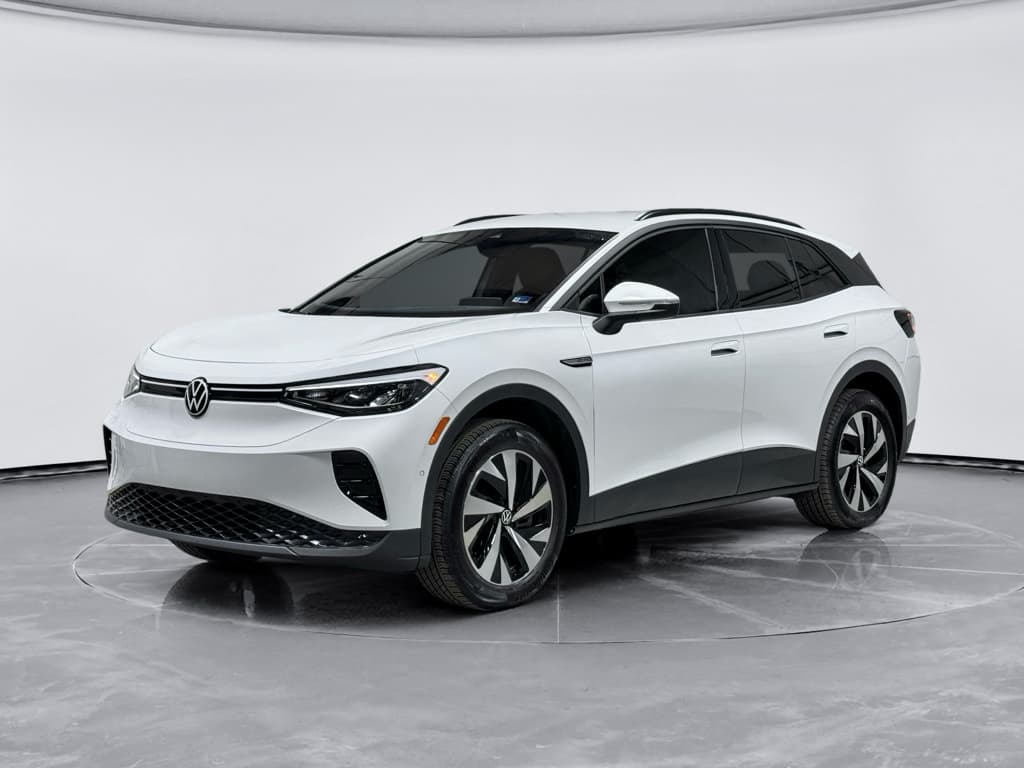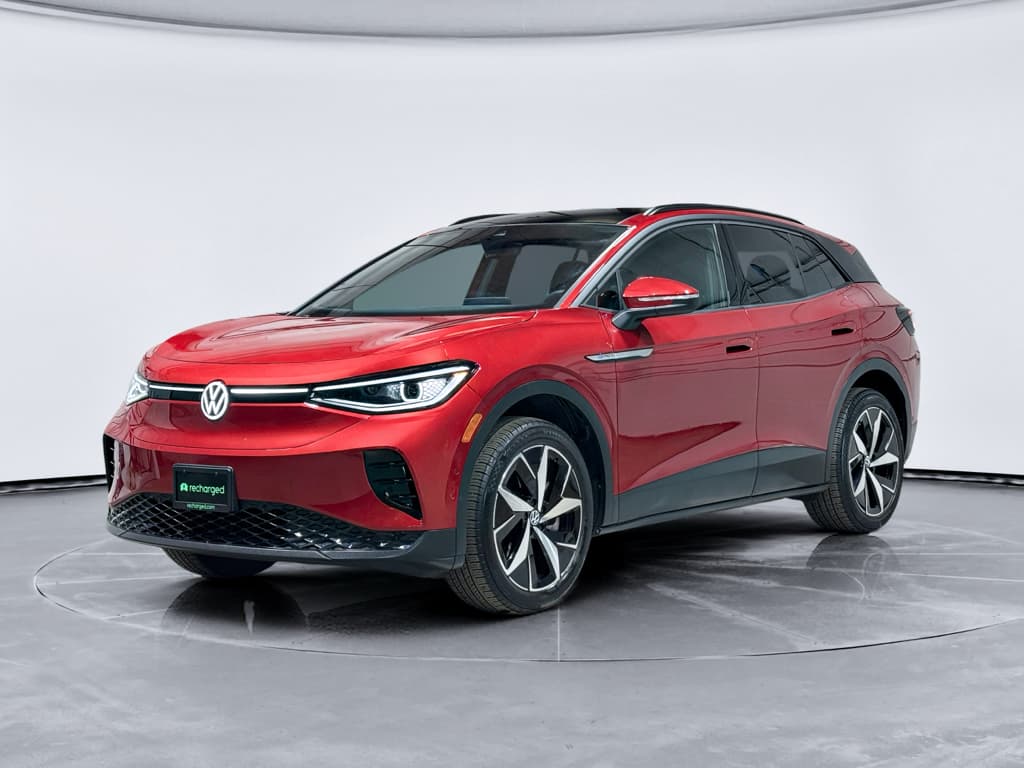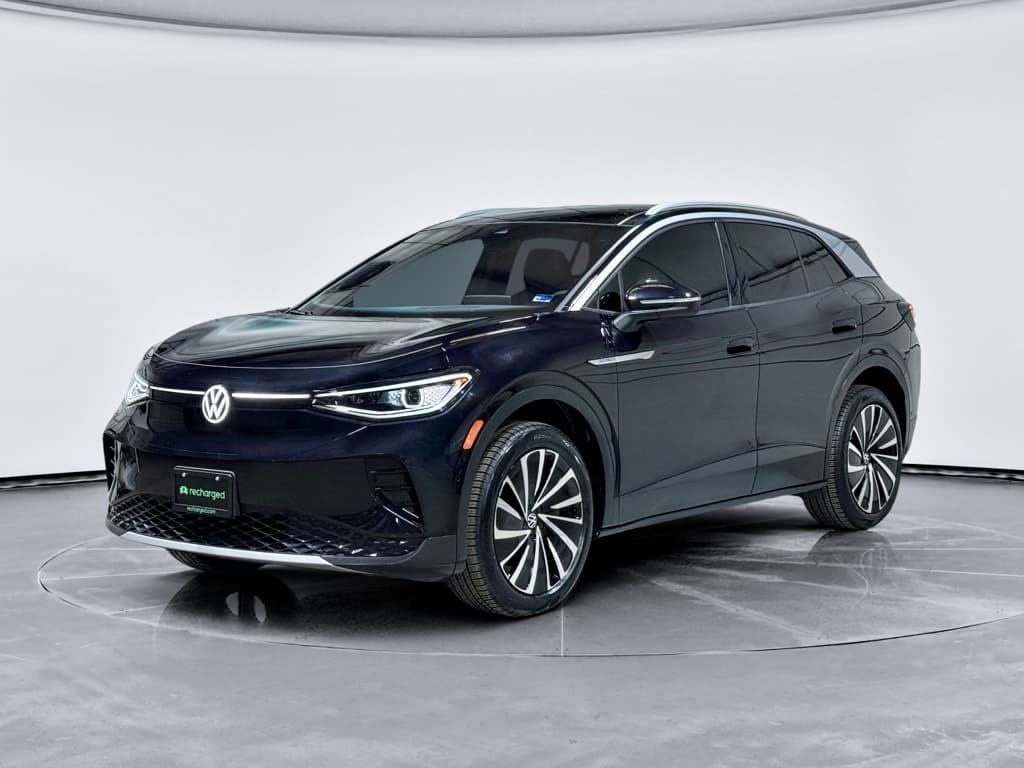
If you’re shopping used EVs in 2026, the question “is a 2023 Volkswagen ID.4 a good buy?” will come up a lot. The 2023 model sits in a sweet spot: newer battery tech and charging improvements versus early ID.4s, but priced well below brand‑new electric SUVs. Whether it’s a smart move for you depends on how you drive, charge, and tolerate a few very Volkswagen software quirks.
2026 context
Quick answer: Is the 2023 ID.4 a good buy?
Where the 2023 ID.4 shines
- Practical family EV: Spacious cabin, comfortable ride, and a genuinely useful cargo area.
- Solid range for the price: Around 200–275 miles EPA depending on battery and drivetrain, with real‑world range that holds up well at suburban speeds.
- Decent DC fast charging: 140–170 kW peak depending on pack, enough for reasonable road trips if you plan stops well.
- Strong safety story: The ID.4 platform has earned top crash scores from IIHS and NHTSA, making it a reassuring family hauler.
- Value as a used buy: 2023s undercut new EV pricing while avoiding the biggest teething issues of earlier ID.4 model years.
Where you’ll compromise
- Software and infotainment quirks: Laggy touch controls, unintuitive menus, and occasional reboot hiccups are the most common owner complaints.
- Charging network vs. Tesla: You’re relying on CCS networks like Electrify America, not the NACS‑based Tesla Supercharger network (at least until widespread adapter support arrives).
- Not the most efficient: Energy use is competitive but not class‑leading; some Hyundai/Kia and Tesla rivals go farther on the same kWh.
- Interior materials: Functional and modern, but not premium; some trims feel more mass‑market than the price suggests when new.
Short verdict
2023 ID.4 trims, batteries, and real-world range
Volkswagen simplified the ID.4 lineup for 2023 versus the earliest model‑year cars. As a shopper, the big levers that affect value are battery size and drivetrain (rear‑wheel drive vs. all‑wheel drive).
2023 VW ID.4 key trims, batteries, and EPA range
Approximate EPA combined range figures for major 2023 ID.4 variants. Exact numbers vary slightly by wheels and options.
| Trim (2023 US) | Drivetrain | Usable battery (kWh) | EPA range (mi, approx.) | Good fit for |
|---|---|---|---|---|
| Standard / S | RWD | 62 | ~206 | Short‑ to medium‑range commuters, second cars |
| Pro / Pro S | RWD | 82 | ~275 | Longer commutes and road‑trip flexibility |
| Pro / Pro S AWD | AWD | 82 | ~255 | Snow‑belt drivers, performance‑minded buyers |
Bigger battery and rear‑wheel drive get you the longest range; AWD trades some range for traction and power.
In Recharged’s own testing of 2023 ID.4s, real‑world highway range typically comes in 10–20% below EPA on fast interstate runs and closer to or even slightly above EPA in mixed suburban driving. That puts a healthy used 82 kWh RWD car in the ballpark of 220–240 miles of reliable highway range at typical US speeds, with more in gentler mixed driving.
2023 ID.4 range at a glance
Quick rule of thumb
Charging experience: Home, public, and road trips
Charging is where the 2023 ID.4 quietly improved over early cars, especially on road trips. Every 2023 uses the CCS1 DC fast‑charging standard and an 11 kW onboard AC charger, but maximum DC power depends on which battery pack is inside.
Charging basics for the 2023 VW ID.4
What to expect at home, around town, and on longer drives
Home charging
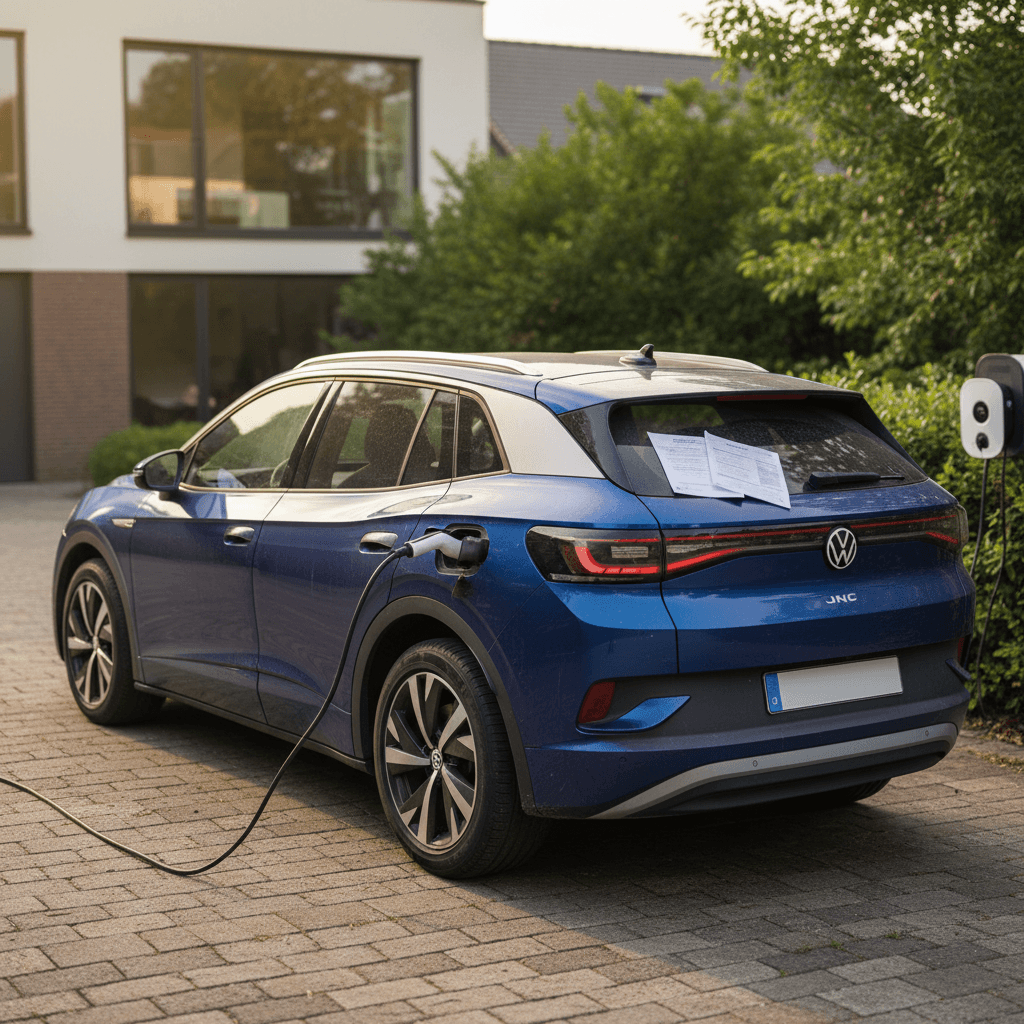
11 kW onboard AC charger means you can take full advantage of a 48‑amp Level 2 home station. Most owners wake up to a full battery even from low state of charge.
On a typical 40–48 amp circuit, expect roughly 25–35 miles of range per hour added, depending on trim and conditions.
DC fast charging
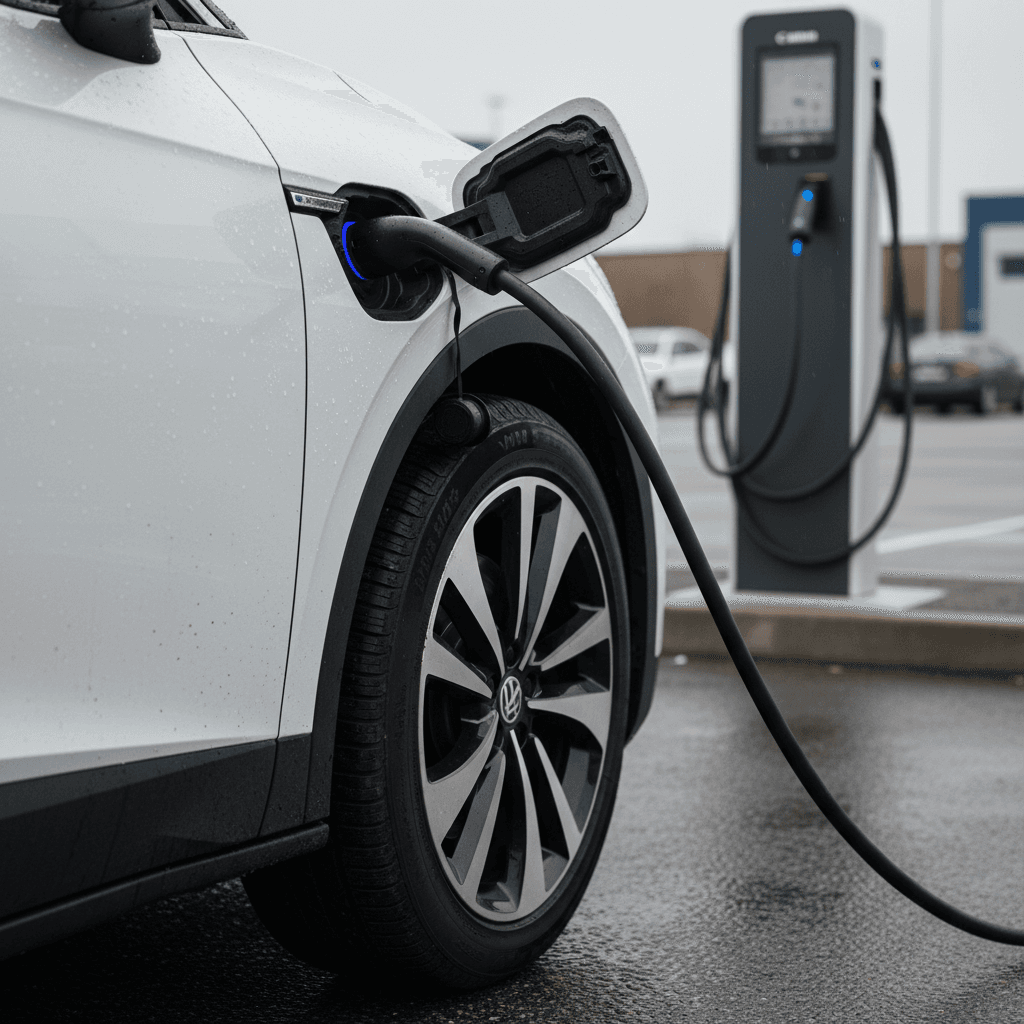
2023 ID.4 Standard/S models with the 62 kWh pack top out around 140 kW. 82 kWh Pro/Pro S variants can reach up to ~170 kW on compatible high‑power chargers.
Plan on roughly 30–40 minutes for a 10–80% fast charge on a good 150–175 kW CCS station.
Road‑trip reality
The ID.4 is happiest at 150–175 kW CCS sites on major corridors. You’ll spend a bit longer at the plug than some newer 800‑volt EVs, but the experience is perfectly workable if you cluster stops around meal breaks and rest stops.
CCS vs. NACS reality check
For many American households that can charge at home, the ID.4’s charging story is essentially, “plug in, forget about it.” Where things get more nuanced is if you rely on public charging, for example, apartment dwellers or frequent highway travelers. In those cases, the quality of your local CCS network matters as much as the car itself.
Use real data before you buy
Reliability and common issues to know about
Mechanically, the 2023 ID.4 has a lot going for it: no engine, no transmission in the traditional sense, and a battery system that’s already seen several years of refinement. Owner feedback and survey data suggest that overall reliability is average to slightly above average for a newer EV, with one big asterisk: software.
- Battery and drivetrain: There are relatively few widespread complaints about high‑voltage battery failures on 2023 cars so far, and the drive units themselves have proven robust in daily use.
- HVAC and mechanical systems: Typical modern VW: occasional sensor or HVAC glitches, but nothing that stands out as a chronic, model‑year‑specific failure pattern yet.
- Infotainment and software: This is the number‑one pain point. Owners still report laggy screens, odd behavior with the MyVW app, and, in some cases, screens rebooting or going blank while driving until the system restarts.
- Dealer software support: Many issues are tied to software version and can improve after over‑the‑air or dealer updates, but not all dealers are equally fluent in ID.4 software diagnostics.
The infotainment caveat
“The ID.4’s hardware story, battery, motors, core engineering, is generally solid. The weakest link is the software experience wrapped around that hardware.”
Warranty backdrop
Comfort, space, and driving experience
On the road, the 2023 ID.4 is less about headline‑grabbing performance numbers and more about being an easygoing, well‑mannered daily driver. The ride is generally comfortable and quiet, with a slightly soft suspension tune that soaks up broken pavement better than many stiff “sporty” crossovers.
Living with a 2023 ID.4 day to day
How it feels as a family car, commuter, or road‑trip machine
Ride & handling
The steering is light, the ride is compliant, and body motions are well‑controlled. It’s not a hot hatch, but it feels planted and confidence‑inspiring in typical suburban use.
AWD trims add more power and traction, especially in bad weather, at the cost of some range.
Space & practicality
The ID.4 is roughly the size of a compact SUV outside but feels roomy inside, with good rear‑seat legroom and a useful cargo area. The flat floor and large hatch make it easy to live with for families and dogs.
The frunk‑free layout is a minor disappointment, but overall packaging is smart.
Seats & ergonomics
Seats are comfortable for most body types, with higher‑trim cars getting nicer upholstery and power adjustments. The driving position is upright SUV‑style, with good outward visibility.
The biggest ergonomic negative is that climate and many core controls run through the touchscreen, which can be distracting until you learn the system.
Spend extra time in the cabin
Ownership costs and used-market value in 2026
By 2026, depreciation has done a lot of the hard work on the 2023 ID.4. You’re no longer paying “early adopter” pricing, but the car is still new enough that the battery should have most of its useful life ahead of it if it’s been treated reasonably.
- Energy costs: With typical efficiency around 3.0–3.3 mi/kWh in mixed driving, most owners will spend dramatically less on energy than in a comparable gasoline SUV, especially with home charging.
- Maintenance: No oil changes, fewer moving parts, and VW’s recommended service intervals are mostly inspections, cabin filters, and brake fluid changes. Brake wear is generally low thanks to regen.
- Insurance: Premiums vary by region, but as a mainstream compact SUV, the ID.4 tends to sit in a more affordable insurance band than luxury EVs.
- Incentives: Some US states and utilities still offer used‑EV rebates or home‑charger credits in 2026. It’s worth a quick check before you sign a contract.
Used pricing vs. alternatives
How Recharged helps on the value side
Ready to find your next EV?
Browse VehiclesWho is the 2023 ID.4 a good buy for?
Excellent fit
- Suburban families with home charging who want a calm, comfortable daily driver and do a few long trips a year.
- First‑time EV buyers who care more about practicality and price than the latest bleeding‑edge tech or flashy 0–60 numbers.
- Snow‑belt drivers considering the AWD Pro/Pro S trims, which offer solid winter traction with the right tires.
- Value hunters cross‑shopping newer but more expensive rivals; the ID.4 often delivers similar real‑world utility for less money.
Think twice if…
- You’re extremely software‑sensitive and expect your car’s UI to feel like a high‑end smartphone.
- You rely almost entirely on public fast charging in a region where CCS coverage is weak or unreliable.
- You want long‑range, high‑speed road‑trip capability above all else; some newer EVs charge faster and go farther on a charge.
- You’re set on using the Tesla Supercharger network without depending on third‑party adapters or evolving standards.
Checklist: What to inspect before you buy
Essential checks for a used 2023 VW ID.4
1. Confirm battery size and drivetrain
Verify whether the car has the 62 kWh or 82 kWh pack, and whether it’s RWD or AWD. This affects both range and value. The window sticker, build sheet, or VIN‑decoded spec sheet should spell this out.
2. Review battery health indicators
Check the displayed range at 100% charge against the EPA figure for that trim, accounting for temperature and driving history. On Recharged, the Recharged Score includes an independent battery health estimate so you’re not relying on a single dashboard number.
3. Ask about charging history
Cars that lived almost exclusively on 150+ kW DC fast charging can age packs faster than those mostly charged at home Level 2. Ask the seller how and where they charged, and look for receipts or app history if possible.
4. Test the infotainment thoroughly
During a long test drive, watch for black screens, random reboots, frozen maps, or unresponsive touch controls. Try Bluetooth calls, CarPlay or Android Auto, factory navigation, and climate adjustments.
5. Check for software updates and campaigns
Ask the seller for service records showing recent software updates or open campaigns. A car that’s been regularly updated is less likely to be stuck on a buggy early software version.
6. Inspect tires, brakes, and suspension
Like any 3‑year‑old SUV, you’ll want even tire wear, no unusual suspension noises, and smooth braking with no vibration. EVs are heavier than gas cars, so pay particular attention to tire condition.
7. Verify remaining warranty
Use the in‑service date and current mileage to confirm how much bumper‑to‑bumper and battery warranty remains. Get this in writing if possible.
8. Evaluate charging options at home and work
Before you commit, make sure you have a realistic plan to charge regularly, whether that’s a dedicated home Level 2 station, reliable workplace charging, or a nearby public Level 2 you can count on.
FAQ: 2023 VW ID.4 as a used buy
Frequently asked questions about the 2023 Volkswagen ID.4
Bottom line: Should you buy a 2023 ID.4?
Taken as a whole, the answer to “is the 2023 Volkswagen ID.4 a good buy?” is yes, for the right driver. If you value a comfortable, spacious, and safe electric SUV more than cutting‑edge software polish or the absolute fastest charging speeds, a well‑priced 2023 ID.4 is one of the smarter ways to get into EV ownership in 2026.
The keys are to pick the right battery and drivetrain, verify battery health and software status on the actual car you’re buying, and make sure your charging reality (home, work, or public) fits what the ID.4 does well. Do those things, and you’ll likely find the 2023 ID.4 delivers exactly what most families actually need from an EV, without paying a premium for hype.