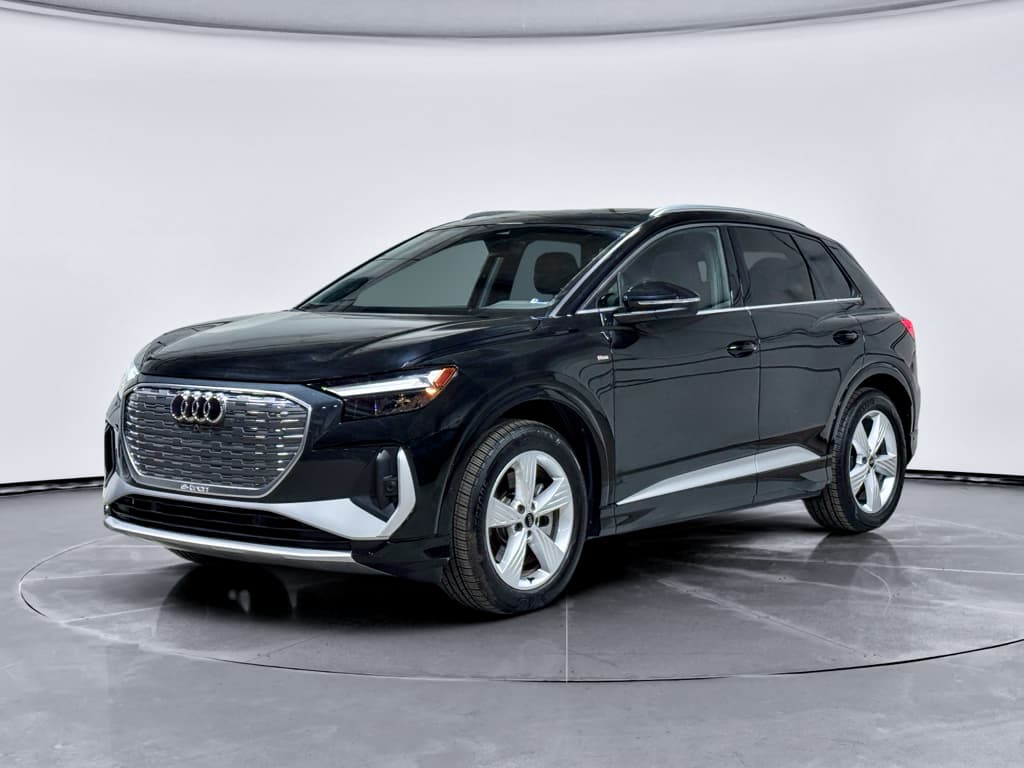
If you’re looking at an Audi Q4 e-tron in 2025, whether you already own one or you’re shopping used, resale value is going to shape your total cost of ownership. Luxury EVs can shed value quickly, but the Q4 e-tron is starting to carve out a middle‑of‑the‑pack niche between rock‑solid Tesla values and steeper‑dropping second‑tier EVs.
Quick take for 2025
2025 snapshot: how the Q4 e-tron is holding its value
Audi Q4 e-tron value snapshot (U.S., 2025 estimates)
Multiple data sources tracking U.S. values show that an Audi Q4 e-tron typically loses around 55–60% of its MSRP in the first five years, landing right in line with the broader EV segment and slightly worse than the strongest‑performing Tesla models. Cost‑to‑own tools estimate roughly $30,000–$33,000 in depreciation over five years for a new Q4 e-tron, depending on configuration and incentives.
The pattern you see in 2025 is classic luxury EV economics: early model‑year cars (2022–2023) absorbed a big technology and demand reset, while newer 2024–2025 updates with improved performance and range are holding a much higher share of their original value, at least for now.
Depreciation is front‑loaded
Current used Audi Q4 e-tron prices by model year
Let’s translate the high‑level percentages into the numbers you actually care about. In early‑to‑mid 2025, asking prices and appraisal tools for U.S. Q4 e-tron models tend to cluster in these rough bands (assuming typical mileage and clean history):
Approximate 2025 used price ranges for Audi Q4 e-tron (U.S.)
Illustrative price bands for commonly listed trims with average miles. Local market, options, incentives and vehicle history can move a specific car above or below these ranges.
| Model year | Common trims | Typical used price band (2025) | Share of original MSRP (approx.) |
|---|---|---|---|
| 2022 | Q4 50 e-tron Premium/Prestige | $26,000–$32,000 | ~45–55% |
| 2023 | Q4 50/55 e-tron Premium/Prestige | $30,000–$38,000 | ~50–60% |
| 2024 | Updated Q4 55 e-tron line | $40,000–$55,000 | ~75–95% |
| 2025 | Q4 45/55 e-tron (lightly used) | $45,000–$60,000 | ~80–95% |
Use these numbers as context, not as a replacement for a VIN-specific appraisal.
Why the 2024–2025 numbers are so high
For a shopper, the sweet spot in 2025 is usually a 2022–2023 Q4 e-tron that has already taken the bulk of its depreciation. You’re often looking at effective discounts of $25,000–$30,000 off original sticker while still getting modern MEB‑platform hardware and usable range.
Depreciation curves & residual values explained
Depreciation on the Audi Q4 e-tron isn’t linear. The first owner takes the brunt of it, largely because MSRP has to compete with federal and state EV incentives, heavy discounting on remaining inventory, and rapidly evolving EV tech.
- Year 1–3: The car can lose roughly 30–40% of its value, especially if it was heavily incentivized when new or if newer model‑year updates arrive quickly.
- Year 4–6: Depreciation usually slows, with annual losses more like 7–10% as long as the vehicle remains reliable and supported with over‑the‑air fixes or service campaigns.
- Year 7–10: Battery health, repair costs, and whether the model is still supported for major components (like high‑voltage batteries) become the dominant value drivers.
Residual‑value tools that extrapolate Q4 e-tron pricing out ten years tend to put projected residual value around 40–45% after five years and in the high‑20s after a decade, assuming normal use. That sits a bit below the strongest Tesla crossovers, but noticeably above early‑generation EVs like the Nissan Leaf or BMW i3.
How to sanity‑check a quote
Audi Q4 e-tron vs other EVs on resale
Against other luxury compact EV SUVs
- Tesla Model Y still sets the benchmark for value retention, helped by brand pull and Supercharger access, but big new‑car price cuts have compressed used prices.
- Mercedes EQB and similar luxury EV crossovers generally depreciate faster than the Q4 e-tron, in part because they’re less efficient and feel more like stop‑gaps than ground‑up EVs.
- BMW iX1/iX3 (where available) broadly track the Q4 e-tron; local incentives and lease support can tilt the scales either way.
Against mainstream compact EVs
- Volkswagen ID.4 and Skoda Enyaq share the same platform. They tend to start cheaper when new and depreciate a bit more in absolute dollars, but similar in percentage terms.
- Hyundai Ioniq 5 and Kia EV6 often hold value slightly better thanks to stronger range and charging performance plus long warranties.
- Legacy EVs like the Nissan Leaf or Chevy Bolt have clearly steeper depreciation curves, but they also live in a lower‑price, non‑luxury segment.
Put simply, the Q4 e-tron is a middle‑class citizen in the EV resale world. It doesn’t have the near‑cult demand of a Model Y, but it also isn’t in the danger zone of orphaned or compliance‑car EVs. That balance can work in your favor as a used‑EV shopper: you’re not paying a huge brand premium for the badge, but you’re also not swimming upstream against a model nobody wants.
What moves Audi Q4 e-tron resale up or down
Key drivers of Q4 e-tron resale value
The factors buyers actually notice in 2025
Age & mileage
Battery & range
Warranty coverage
Trim & options
Market & region
Service history
Where Recharged fits in
Ready to find your next EV?
Browse VehiclesHow battery health and range impact value
The Q4 e-tron uses Volkswagen Group’s MEB platform and packs that have generally held up well so far. Reliability data through the first few years of production shows above‑average inspection pass rates and relatively few systemic battery failures, which is good news for long‑term value.
That said, used‑EV buyers in 2025 are far savvier than early adopters. They’re asking pointed questions about degradation, winter range, and fast‑charging performance. Two Q4 e-tron SUVs that look identical on the lot can perform very differently on a 20°F highway drive, and the market is starting to price that in.
Battery and range checks that protect resale value
1. Verify real‑world range
Compare the seller’s claimed range to original EPA ratings and independent road tests. A healthy Q4 e-tron should still be reasonably close to its rated range in mixed driving.
2. Pull a detailed battery health report
Whenever possible, use a diagnostics tool or third‑party report to quantify battery state of health (SoH). A transparent SoH reading is becoming table stakes for higher resale values.
3. Review fast‑charging history
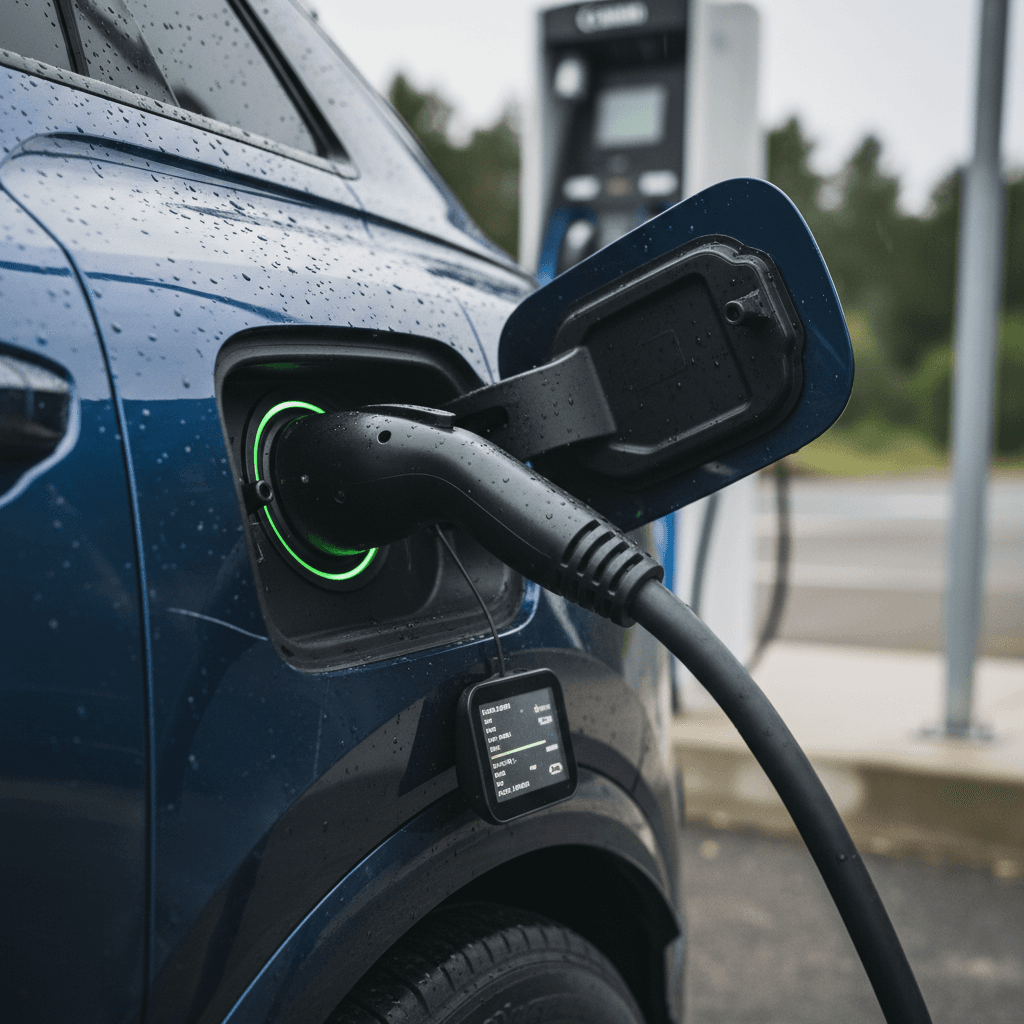
An occasional DC fast‑charge road trip is fine. A lifetime of back‑to‑back 150 kW sessions can accelerate wear. Many buyers will pay more for a car that lived mostly on Level 2.
4. Test in cold and hot conditions
If you live in a climate with temperature extremes, take a longer test drive in similar conditions. Real‑world efficiency swings can materially affect how you value the car.
Don’t ignore software
Lease vs. buy: resale implications in 2025
Audi has leaned heavily on leasing to move Q4 e-tron inventory, which has two big implications for resale. First, captive finance arms often subsidize residual values, effectively betting that the car will be worth more at lease‑end than independent guides predict. Second, it means a steady stream of relatively low‑mileage, well‑maintained off‑lease Q4 e-tron SUVs flowing into the used market by 2026–2028.
When leasing makes sense
- You want to offload depreciation risk to Audi Financial and walk away in 3 years.
- You qualify for strong money‑factor and residual support, effectively lowering your monthly cost of new EV tech.
- You’re not sure how your driving needs or charging access will evolve and prefer optionality.
When buying used is smarter
- You’re comfortable owning the car 5–8 years and want to avoid financing steep early‑life depreciation.
- You value total cost of ownership over latest‑and‑greatest features.
- You can find a Q4 e-tron with documented battery health, clean history, and remaining warranty, especially via a curated platform like Recharged.
How to use lease residuals as a benchmark
Smart tips for buying a used Audi Q4 e-tron
If you’re entering the market in 2025, you’re in a good position: the Q4 e-tron has enough history that its strengths and weaknesses are visible, but it’s not an aging platform yet. Here’s how to tilt the odds in your favor as a shopper.
Used Audi Q4 e-tron buying checklist
1. Target the right model years
2022–2023 Q4 e-tron models usually offer the best mix of price and remaining life. 2024–2025 examples are attractive if you want the very latest updates and can stomach higher pricing.
2. Prioritize battery and warranty documentation
Ask for service records, recall history, and any battery diagnostics. On Recharged, this is bundled into the Recharged Score Report so you’re not chasing paperwork.
3. Compare to segment alternatives
Cross‑shop the Q4 e-tron against a Tesla Model Y, VW ID.4, Hyundai Ioniq 5, or Kia EV6. If an Audi commands a premium, make sure it’s justified by equipment, condition, or mileage.
4. Look closely at tires and brakes
Heavy EVs can be harder on consumables. Worn tires or pads are a near‑term cost that should be factored into your offer price.
5. Test charging where you’ll actually plug in
If possible, confirm that the car behaves as expected on your home Level 2 setup or at your most‑likely public fast‑charging stop. Charging glitches hit both usability and resale.
Buying remote?
How to maximize value when you sell your Q4 e-tron
If you already own an Audi Q4 e-tron, you have more control over its future resale value than you might think. A few habits and timing decisions can easily swing your outcome by several thousand dollars.
Steps to protect and enhance your Q4 e-tron’s resale value
1. Keep software and recalls current
Stay on top of Audi software updates and recall campaigns. A car that’s fully up to date is easier to sell and often worth more to data‑driven buyers.
2. Document everything
Maintain a clean digital paper trail of maintenance, tire and brake replacements, and any HV system work. This reassures the next owner that there are no hidden stories.
3. Avoid abuse at DC fast chargers
Use DC fast charging when you need it, but rely on Level 2 for daily use. Over the long term, that helps preserve battery health, something buyers and platforms like Recharged increasingly measure.
4. Detail before listing
A thorough interior and exterior detail, minor wheel repair, and professional photos can have an outsized impact on perceived value, especially in marketplace environments.
5. Time your exit
If you plan to get out of the car, consider selling shortly before major warranty milestones (for example, before the basic warranty expires) to maximize appeal.
Using Recharged to sell
FAQ: Audi Q4 e-tron resale value in 2025
Frequently asked questions about Q4 e-tron resale
Bottom line: is the Audi Q4 e-tron a good value play?
Viewed purely through the lens of resale value, the Audi Q4 e-tron isn’t the undisputed champion of the EV world, but it’s also far from a disaster. In 2025 it sits in a pragmatic middle zone: depreciation is front‑loaded and meaningful, yet used‑market pricing is starting to reflect the model’s solid reliability record, comfortable interior, and still‑competitive range.
If you’re buying used, the story is compelling. A well‑chosen 2–3‑year‑old Q4 e-tron can deliver a lot of luxury EV for the money, especially if you prioritize verified battery health and clean history over chasing the latest facelift. If you already own one, focusing on careful charging habits, thorough documentation, and smart timing around warranty milestones will do more for your resale outcome than obsessing over monthly guide‑book swings.
Whichever side of the transaction you’re on, a transparent, EV‑first marketplace like Recharged can help you anchor Audi Q4 e-tron resale value in data rather than guesswork, turning a volatile segment into a much more predictable ownership experience.