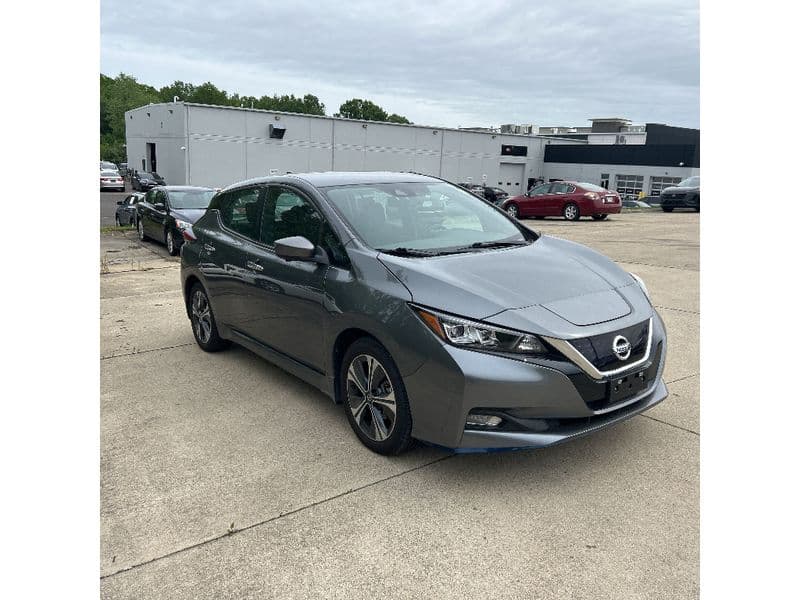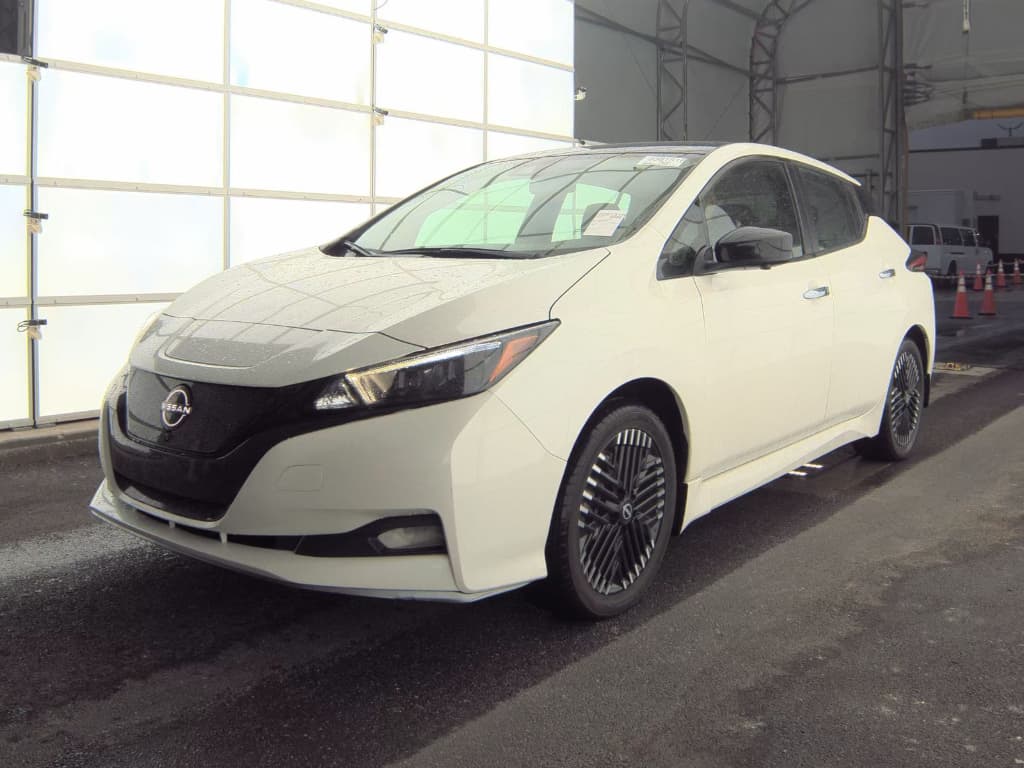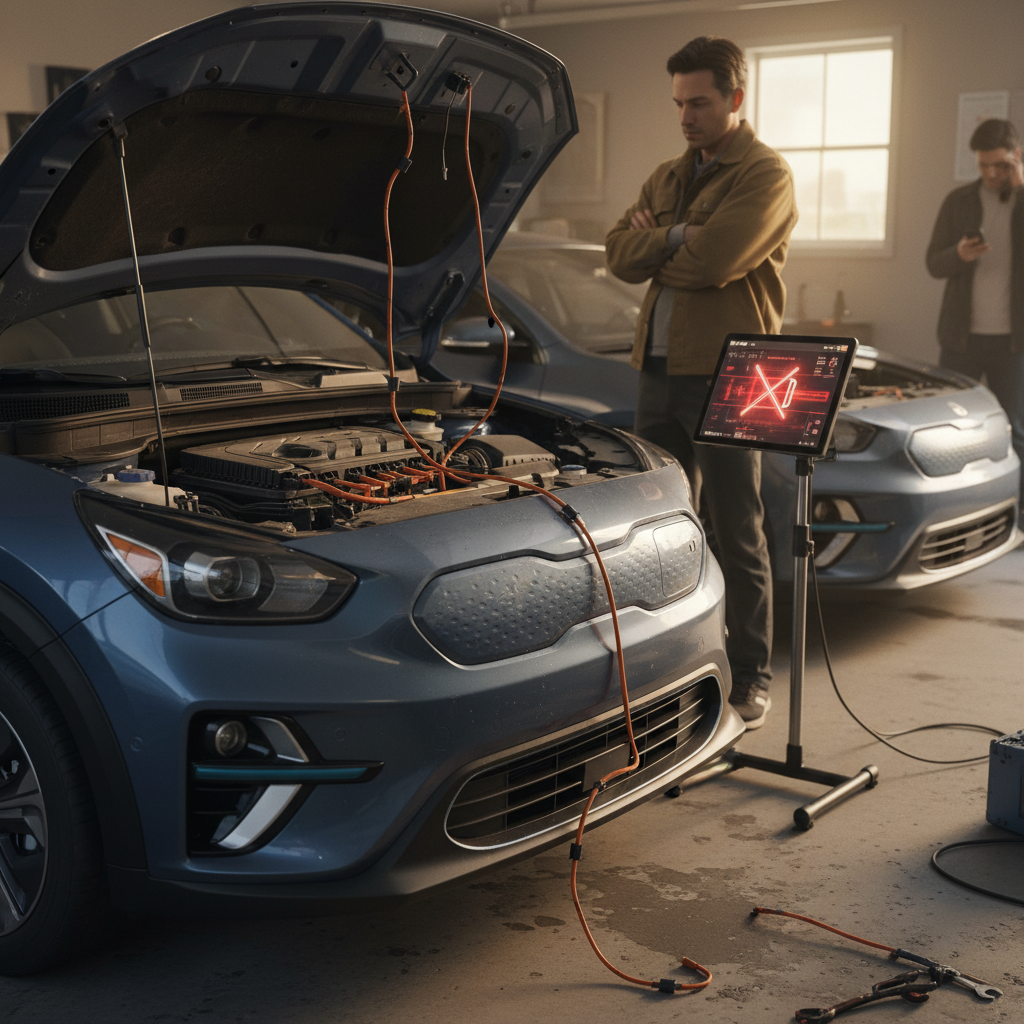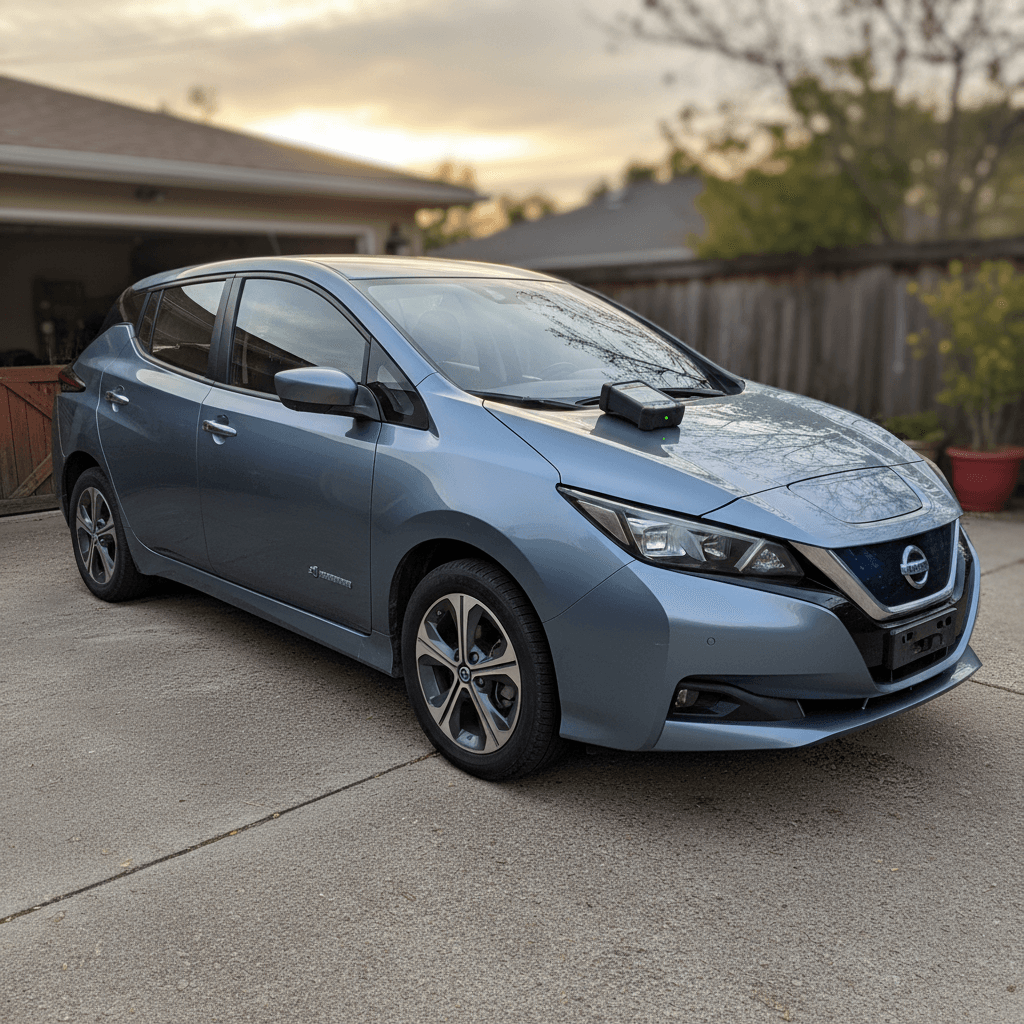
If you’re asking yourself “is the 2022 Nissan Leaf a good buy?” in 2026, you’re really asking two things: is it cheap enough to justify its compromises, and do those compromises actually matter for how you drive. The 2022 Leaf can be a fantastic low‑cost commuter EV, but it’s also a poor choice for some drivers. Let’s unpack which camp you’re in.
Context: where the 2022 Leaf sits in 2026
Quick answer: Is the 2022 Nissan Leaf a good buy?
When the 2022 Leaf is a good buy
- You mainly drive short city or suburban trips and can charge at home.
- You want a cheap entry point into EVs with predictable running costs.
- You’re fine skipping most road trips or will use another car for those.
- You understand that the Leaf’s CHAdeMO fast‑charging plug is a dead end long‑term.
When it’s probably not a good buy
- You road‑trip regularly or drive long highway commutes.
- You need reliable, widespread DC fast charging on major networks.
- You care about having the latest driver‑assist tech and infotainment.
- You’re planning to keep the car 10+ years and want maximum future‑proofing.
Big picture verdict
2022 Leaf specs: what you’re actually buying
Before you judge whether a 2022 Nissan Leaf is a good buy, get clear on what’s under the skin. The Leaf didn’t change fundamentally in 2022; you’re buying a mature, simple EV platform that dates back to the second‑generation redesign in 2018, with a few trim and feature tweaks.
2022 Nissan Leaf trims and key specs
The 2022 Leaf came in two battery sizes and multiple trims. Here’s the high‑level view.
| Trim | Battery | EPA range (mi) | Motor power | DC fast‑charge port |
|---|---|---|---|---|
| S | 40 kWh | ~149 | 147 hp | CHAdeMO |
| SV | 40 kWh | ~149 | 147 hp | CHAdeMO |
| S Plus | 62 kWh | up to 226 | 214 hp | CHAdeMO |
| SV Plus | 62 kWh | ~215 | 214 hp | CHAdeMO |
| SL Plus | 62 kWh | ~215 | 214 hp | CHAdeMO |
Always verify exact features on the specific car you’re looking at, as options and regional packages vary.
Trim tip
Pricing & depreciation: how much should you pay?
2022 Leaf value snapshot in 2026 (U.S.)
The 2022 Leaf launched with sticker prices in the low‑to‑mid $30,000s, depending on trim. By 2025–2026, the combination of older tech, modest range, and CHAdeMO fast charging has pushed used prices down hard compared with newer CCS or NACS‑equipped EVs.
Recharged’s own market analysis of Leaf resale value suggests that 2021–2022 cars typically fall in the roughly $11,500–$14,500 retail range in 2025, with trade‑in values lower. Your local market, mileage, battery health, and trim can move that number up or down several thousand dollars.
- Expect to pay on the lower end of that range for a base 40 kWh S with higher miles or weaker battery health.
- Expect to pay toward the top or above for a clean, low‑mile 62 kWh S Plus / SV Plus / SL Plus with strong battery health.
- If a seller is asking well above these ranges, there should be a compelling reason (unusually low miles, rare options, remaining warranty, etc.).
Don’t overpay for range you’re not getting
Range: which 2022 Leaf trim fits your driving?
On paper, the 2022 Leaf’s EPA range is straightforward: about 149 miles for the 40 kWh cars and 215–226 miles for the 62 kWh Plus trims. Real life is less clean, especially a few years into the battery’s life and at highway speeds.
How a 2022 Leaf behaves in the real world
City commuting is its sweet spot; highway use exposes its limits.
Urban & suburban use
- Stop‑and‑go driving favors EV efficiency.
- A healthy 40 kWh Leaf can often cover 60–90 miles a day comfortably.
- 62 kWh Plus trims offer plenty of headroom for detours and errands.
Highway & road trips
- At 70–75 mph, expect noticeably less than EPA range.
- Frequent fast‑charging plus higher speeds can increase degradation over time.
- CHAdeMO station availability makes spontaneous road trips much harder than in CCS/NACS cars.
Rule of thumb for range
Battery health and longevity on a 2022 Leaf
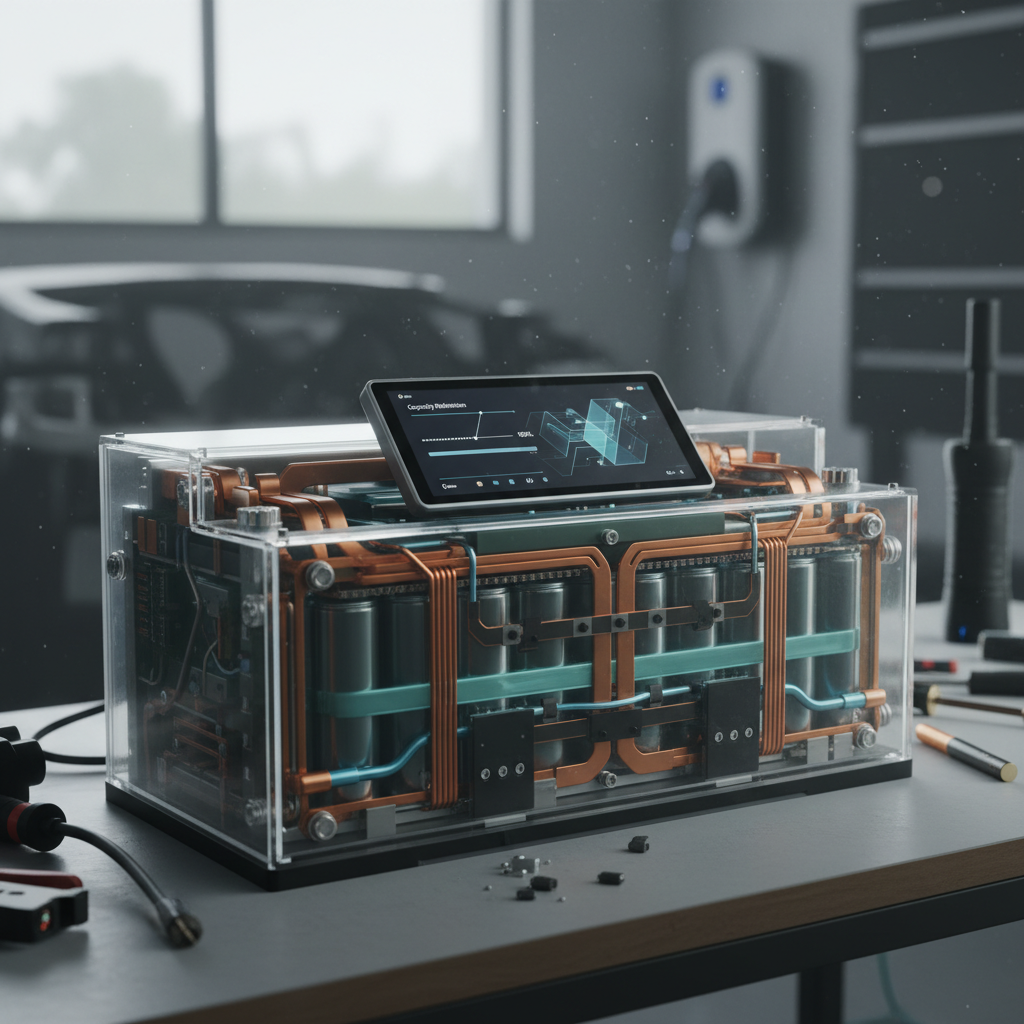
Battery health is the make‑or‑break variable for any used EV, and the Leaf is no exception. The 2022 Leaf uses passive air‑cooled battery packs, which are mechanically simple but more sensitive to heat than liquid‑cooled packs in many rivals. That makes climate and use history important.
- 2022 Leafs still benefit from Nissan’s 8‑year/100,000‑mile battery capacity warranty from the original in‑service date, which covers excessive loss of capacity (fewer than 9 of 12 bars).
- Real‑world owner data shows that moderate degradation is typical by year 3–4, especially in hot climates or with heavy fast‑charging use.
- Cooler‑climate, mostly home‑charged cars often retain a large majority of their original capacity by this age.
How to quickly screen Leaf battery health
The problem for shoppers is that those bars are crude. They don’t tell you the exact remaining kilowatt‑hours, and two cars with 11 bars can still have meaningfully different real‑world range. That’s where more detailed diagnostics become valuable.
Where Recharged fits in
Ready to find your next EV?
Browse VehiclesCharging, CHAdeMO, and “future‑proofing”
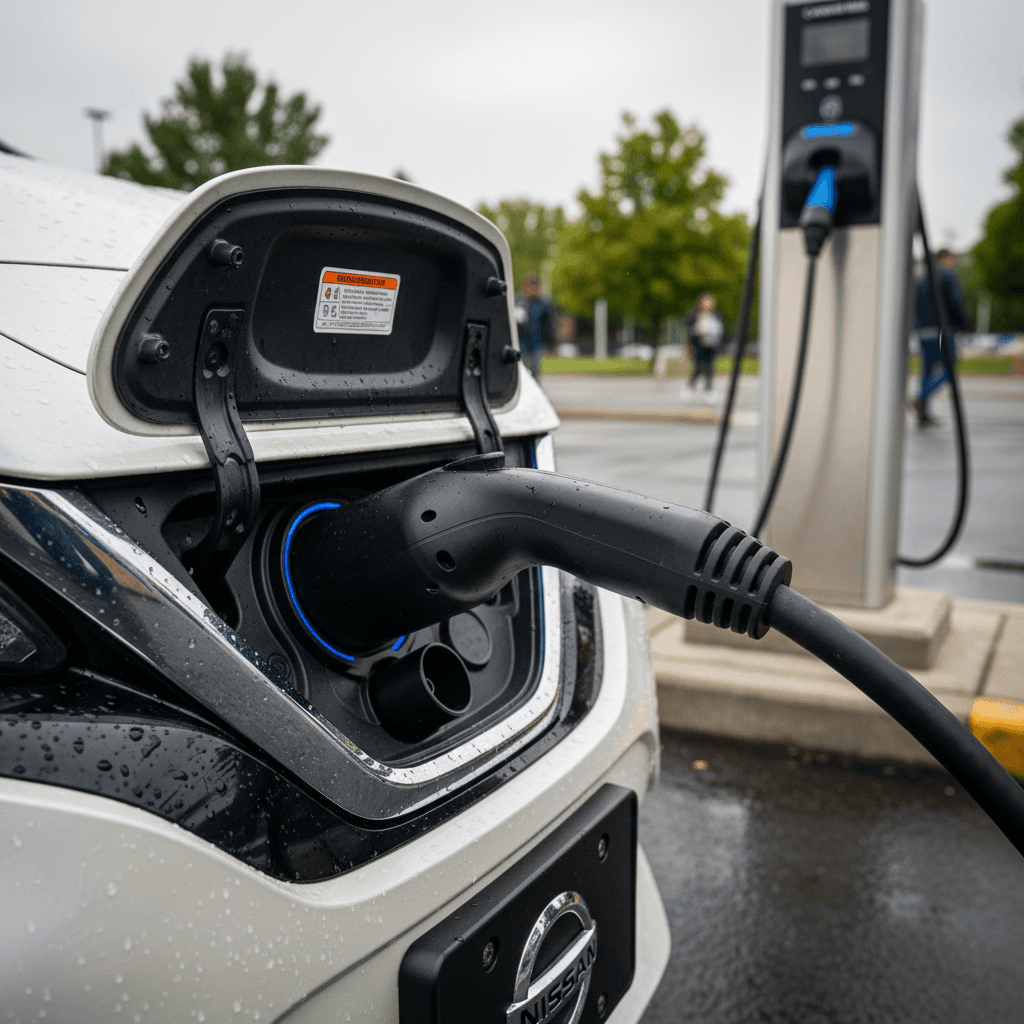
Here’s the elephant in the room: the 2022 Leaf uses the CHAdeMO fast‑charging standard. In North America the industry is converging on CCS and Tesla’s NACS plug. New DC fast‑charging sites increasingly prioritize those newer connectors, and networks are slowly de‑emphasizing CHAdeMO.
- There is still a meaningful number of CHAdeMO fast chargers in U.S. and Canadian cities and along some corridors, but the growth rate has slowed and many new sites are CCS/NACS only.
- Leafs built through the mid‑2020s are basically the last mainstream CHAdeMO EVs in this market; Nissan’s newer Ariya uses CCS, and upcoming Leafs are expected to adopt NACS.
- You cannot simply bolt on cheap hardware to convert a Leaf’s DC port to CCS/NACS; any solution is either expensive or not widely available/supported.
What this means for you
On the AC side, the Leaf uses the standard J1772 connector for Level 2 home and public charging, which remains the norm for non‑Tesla EVs. A 2022 Leaf on a 240V home charger will comfortably refill overnight; that’s how most owners actually use the car.
Ownership experience: real‑world pros and cons
2022 Nissan Leaf ownership at a glance
The strengths are straightforward, and so are the weaknesses.
What owners tend to like
- Low running costs: electricity is cheaper and simpler than gas, and maintenance is minimal.
- Easy to drive: smooth acceleration, quiet cabin, good visibility, and compact size for parking.
- Mature platform: the Leaf has been around since 2011, so most bugs and quirks are known.
- Strong value: compared to similar‑age EVs, a 2022 Leaf is often thousands less.
What trips people up
- CHAdeMO reality: you might find one or two DC fast chargers in town, and none on your preferred highway route.
- Not a road‑trip car: modest range and limited fast charging make long‑distance travel slow and stressful.
- Interior tech feels older: compared to 2023–2026 EVs, the infotainment and driver‑assist systems look dated.
- Heat sensitivity: in very hot regions, unattended pack abuse by previous owners can accelerate degradation.
Who the 2022 Leaf is perfect for vs. a bad fit
Is a 2022 Leaf aligned with how you drive?
Excellent fit
You live in or near a city and drive mostly <strong>short trips</strong>.
You have (or can easily add) <strong>Level 2 home charging</strong>.
You own or have access to another car for rare long trips.
You’re shopping with a <strong>tight budget</strong> and are comfortable buying a 3–4‑year‑old EV.
You value <strong>predictable, low operating costs</strong> more than cutting‑edge tech.
Poor fit
You regularly do <strong>100+ mile highway commutes</strong> with no charging at work or home.
You want to rely on public DC fast charging for frequent road trips.
You’re in a very hot climate and can’t verify a gentle charging history.
You care strongly about having the <strong>latest safety and driver‑assist tech</strong>.
You plan to keep this one EV for a decade and want maximum charging‑standard future‑proofing.
Used 2022 Leaf buying checklist
Essential checks before you commit to a 2022 Leaf
1. Confirm your real daily range needs
Write down your typical day: miles, speeds, weather, and whether you can plug in at home or work. If a modest hit to EPA range makes the car unusable for you, the Leaf may not be the right choice.
2. Inspect battery health beyond the dash bars
Start with the capacity bars (aim for 11–12), but don’t stop there. Ask for a <strong>scan‑based battery health report</strong> or shop from a seller, like Recharged, that provides one up front.
3. Check remaining battery warranty
Look up the in‑service date in the service records or by VIN. Nissan’s 8‑year/100,000‑mile capacity warranty is far more valuable if you still have several years and tens of thousands of miles left.
4. Map CHAdeMO chargers where you live
Open PlugShare, ChargePoint, or your local networks and filter for CHAdeMO. Look at your home, work, and common weekend destinations. If you see almost no CHAdeMO in your region, you should plan on home charging doing nearly all the work.
5. Drive it at highway speed
On a test drive, get the car to 65–70 mph for at least 10–15 minutes. Watch how quickly the projected range drops and whether the car feels stable and comfortable in the lane.
6. Cross‑check price with battery and trim
Don’t compare a degraded 40 kWh S to a healthy 62 kWh SV Plus on price. Adjust what you’re willing to pay based on <strong>trim, mileage, battery health, and local market data</strong>.
How Recharged helps if you’re considering a 2022 Leaf
Shopping a used EV like the 2022 Leaf is where traditional used‑car retail really shows its age. Battery health, charging standards, and software matter as much as paint and tires, but most listings barely touch them. That’s exactly the gap Recharged was built to fill.
- Every vehicle on Recharged comes with a Recharged Score Report that includes verified battery health, so you don’t have to guess about remaining range.
- Our pricing tools benchmark each car against fair‑market used EV values, factoring in battery condition rather than just mileage.
- If you already own a Leaf or another EV, you can get an instant offer or consignment quote and roll that value into a 2022 Leaf or another model.
- Nationwide delivery and a fully digital buying experience mean you can shop for the right car and pack strength, not just whatever happens to be on the nearest lot.
- EV‑specialist advisors can talk through whether a LEAF really fits your routes, or if another used EV might be a safer long‑term bet.
Talk through your use case
FAQ: 2022 Nissan Leaf as a used buy
Common questions about buying a 2022 Nissan Leaf used
Bottom line: Is the 2022 Nissan Leaf a good buy?
The 2022 Nissan Leaf is not a one‑size‑fits‑all answer, and that’s exactly why opinions about it are so polarized. If you evaluate it as a road‑trip machine or try to project today’s charging‑standard wars 15 years into the future, it looks like a dead end. But if you look at it as a heavily depreciated, simple, efficient commuter EV that lives almost entirely on home charging, it can be a genuinely smart purchase.
In other words: the 2022 Leaf is a good buy if you buy it for what it actually is, not what you wish it were. Run the numbers on your routes, check the CHAdeMO map near you, and demand real battery‑health data. If those three things line up, and the price reflects reality, you’ll have a quiet, low‑cost electric hatchback that does its job with very little drama. And if you’d rather not decode all of that alone, Recharged exists precisely to make those trade‑offs transparent before you ever click “buy.”