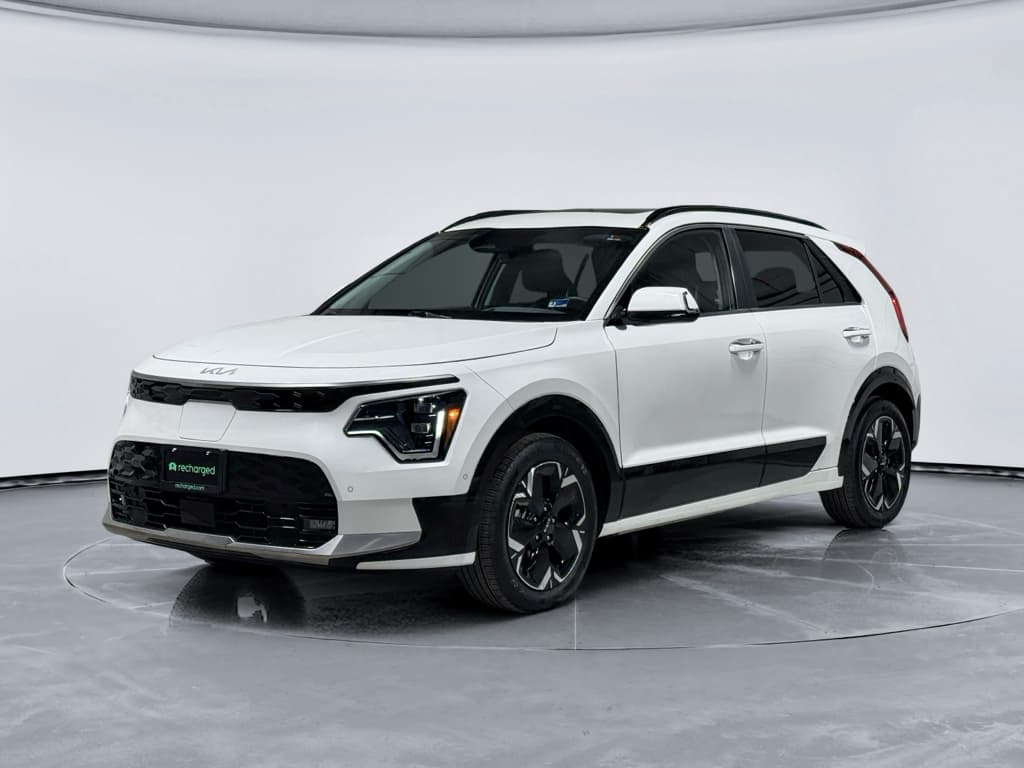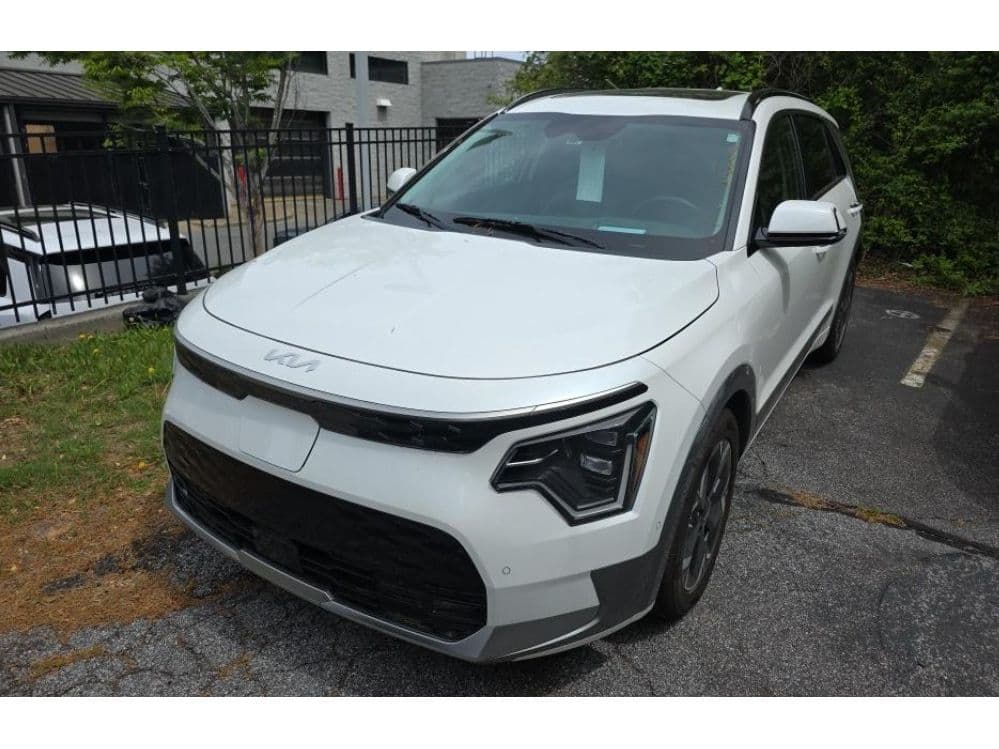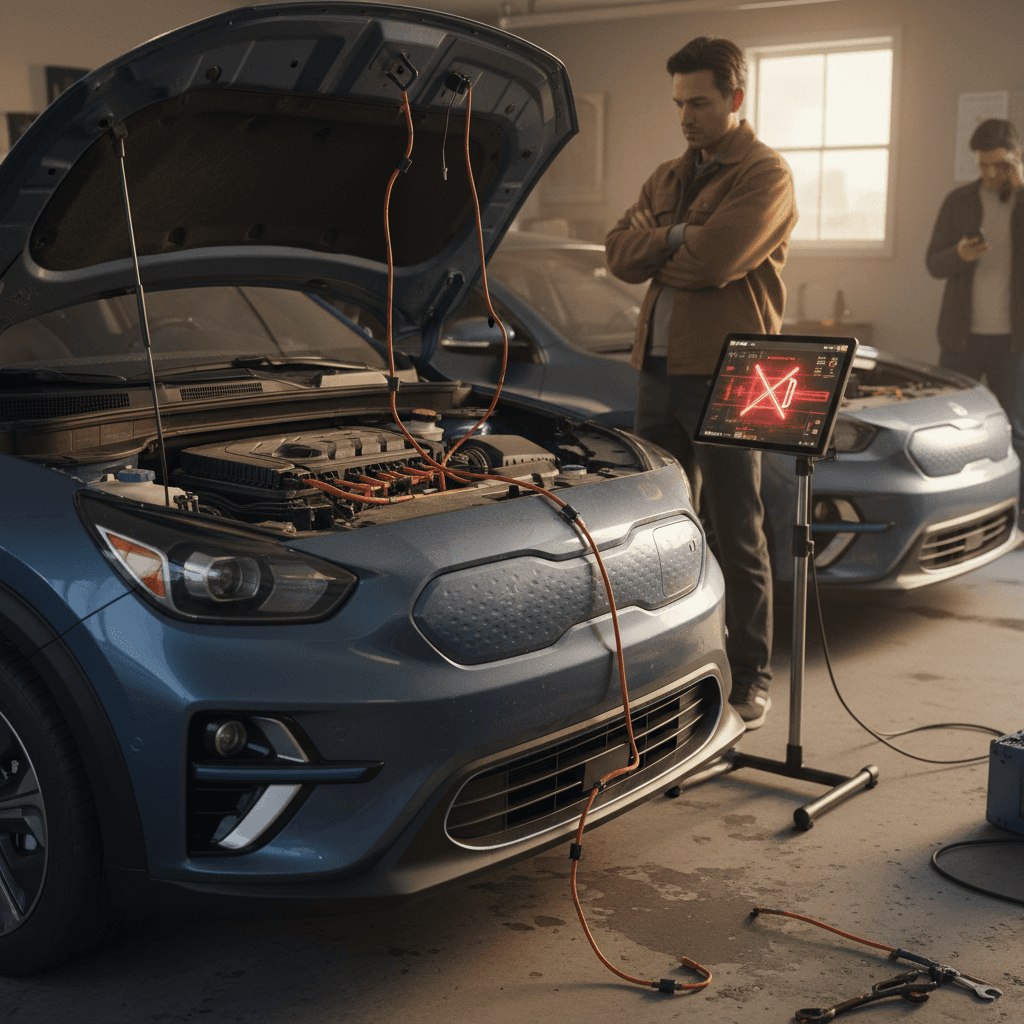
If you’re shopping used EVs, the 2020 Kia Niro EV (often badged as the e‑Niro) keeps popping up for a reason: solid range, a practical cabin, and, on paper, strong reliability. But how does 2020 Kia Niro EV reliability actually look now that these cars are 5–6 years old and racking up serious mileage?
Quick take
Overview: How Reliable Is the 2020 Kia Niro EV?
2020 Kia Niro EV Reliability Snapshot
Owner data paints a pretty consistent picture. On mainstream review sites, most 2020 Niro EV owners give 5‑star ratings with specific praise for reliability and low running costs. Many have driven 40k–60k miles with nothing more than scheduled service and recall visits, and there are credible reports of 2020 e‑Niros at 140k–260k+ miles still on the original high‑voltage battery.
- Excellent high‑voltage battery durability so far
- Generally robust motor/inverter, but some complaints about gear reduction unit or motor noise
- Annoying but solvable 12V battery and parasitic drain issues in a minority of cars
- Occasional electronic glitches and brake‑by‑wire quirks
Compare reliability to other used EVs
Battery Life & Degradation on the 2020 Niro EV
The headline strength of the 2020 Kia Niro EV is its 64 kWh liquid‑cooled battery pack. This pack is shared with the Hyundai Kona Electric and has proven to be one of the most durable first‑wave EV batteries on the road.
Real‑World Battery Health Reports
What 2020 Niro EV owners are actually seeing after years of use
High‑mileage commuter
Owners with 100k–140k miles commonly report only about 2–4% degradation when measured via OBD‑II apps or full‑to‑empty range tests.
Ultra‑high‑mileage taxi / fleet
Some 2020 e‑Niros used as long‑distance commuters report 240k–260k+ km (150k–160k+ miles) with no noticeable range loss in daily driving.
Mixed DC fast charging use
Even with frequent Level 2 charging to 100% and some DC fast charging, many owners say their displayed range in moderate weather hasn’t changed in years.
A lot of owners charge to 100% daily and still report strong health, which tells you Kia’s battery management system is conservative. Tools like Car Scanner or other OBD‑II apps often show a state of health (SoH) in the high‑90s even after heavy use.
Don’t rely only on the guess‑o‑meter
When you shop used, focus less on the number of DC fast charges and more on whether the pack’s modules are balanced. A good battery health check looks at individual cell voltages under load and during DC charging; if one or two cells are significantly lower than the rest, that pack may be on its way to a warranty claim.
How to Evaluate a 2020 Niro EV Battery Before You Buy
1. Get a real battery health report
Ask the seller for a <strong>diagnostic battery report</strong>, either from a Kia dealer or a third‑party EV specialist. On Recharged vehicles, this is summarized in the <strong>Recharged Score</strong> so you can see pack health at a glance.
2. Look at cell balance, not just SoH %
If you use an OBD‑II app, review individual cell voltages at rest and under light load. Variance within about 0.02–0.05 V is typical; larger gaps can hint at a weak cell group.
3. Compare expected vs displayed range
On a warm‑weather test drive, charge to ~90–100% and compare the estimated range to the original 239‑mile EPA rating. A modest drop is normal; a big drop (e.g., 150–170 miles in mild temps) deserves more digging.
4. Ask about DC fast‑charging history
High DC fast‑charging use isn’t an automatic red flag on the Niro EV, but if the car lived on highway fast chargers its entire life, be extra diligent about checking cell balance and thermal performance.
5. Confirm warranty start date
Kia’s high‑voltage battery warranty runs up to 10 years / 100,000 miles (U.S., original owner). Make sure you know when that clock started for the specific VIN you’re looking at.
Drivetrain & Gear Reduction Unit Issues
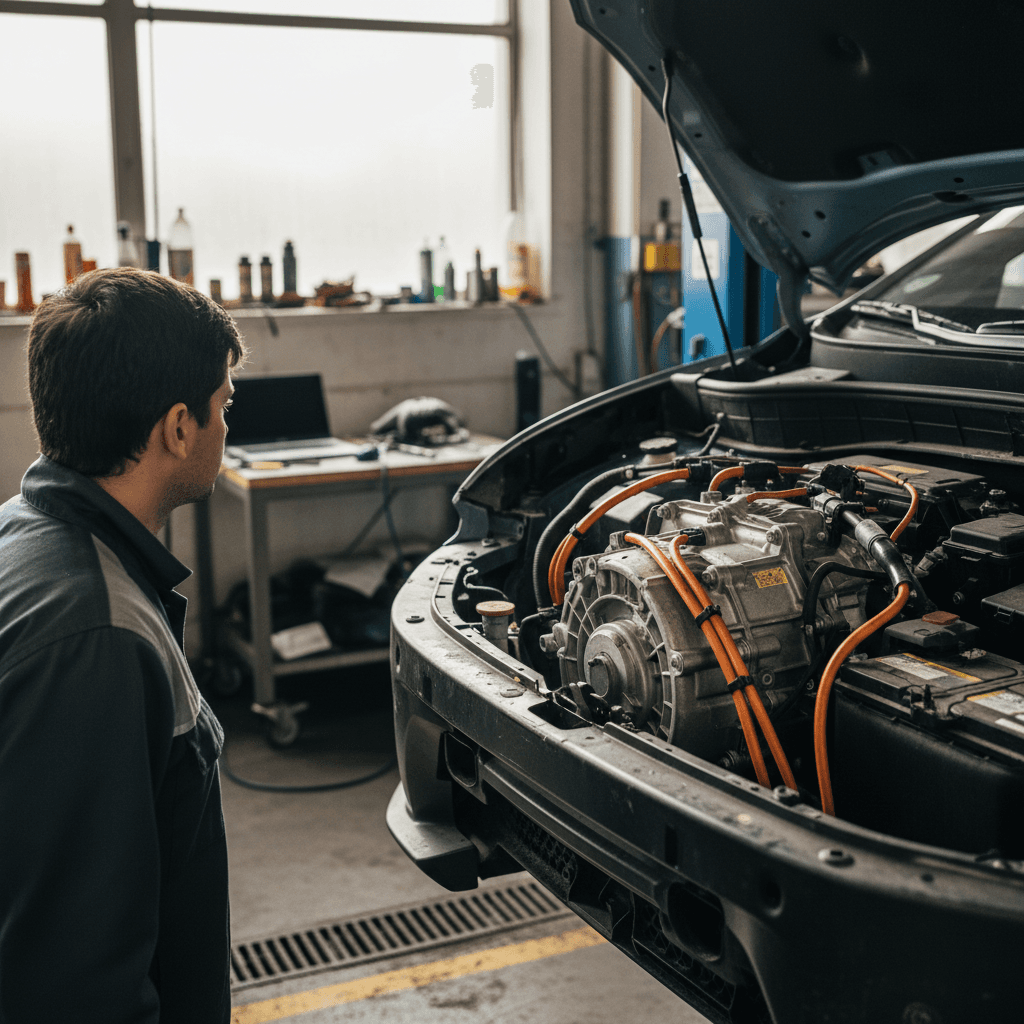
Next to the battery, the most important (and most expensive) component on a 2020 Niro EV is the single‑speed reduction gearbox and drive motor. Most owners report quiet, trouble‑free operation well past 100k miles, but this is also where the most concerning (if relatively rare) failures appear.
What to listen for
- Whirring or wheel‑of‑fortune noise between ~40–60 mph that changes with speed, not throttle.
- Grinding, ticking, or slapping from the front end during acceleration or regen.
- A new high‑pitched tone that wasn’t present on a cold start earlier in the drive.
Owners and independent shops often trace these to the gear reduction unit bearings or, less commonly, motor internals.
Why it matters
- Ignoring gear‑unit noise can lead to metal contamination and more extensive damage.
- Out‑of‑warranty replacement can run into the mid‑four figures at retail, depending on whether Kia offers goodwill assistance.
- Kia has covered some out‑of‑warranty cases as goodwill when issues were documented earlier, but you can’t count on that.
This is the single biggest mechanical risk factor on a used Niro EV, so a silent drivetrain is worth paying for.
How to test the drivetrain on a test drive
12V Battery & Electrical Gremlins
If there’s a recurring annoyance with the 2020 Niro EV, it’s the 12V auxiliary battery. Multiple owners across the Niro EV and closely related Kona Electric platforms report dead‑car episodes, parasitic drains, or 12V batteries that seem to give up earlier than expected.
- Some cars develop a parasitic draw (often linked to hatch or door latches, telematics modules, or other modules that don’t sleep correctly).
- The Niro EV’s DC‑DC charging logic for the 12V battery is conservative, it only tops off the 12V intermittently, so a weak battery or small drain can strand you.
- Owners who leave doors or the hatch ajar overnight are particularly likely to find a dead 12V the next morning.
- Replacing the OEM flooded 12V with a higher‑quality AGM battery is a common, relatively low‑cost fix.
Symptom to take seriously
The good news: 12V issues are rarely catastrophic. Once the root cause is identified, whether a bad battery, stuck latch switch, or faulty DC‑DC converter, they’re generally fixable at relatively low cost compared to a motor or main pack. Just don’t ignore them, and don’t assume a jump‑start “solved it.”
Recalls, Warranty & What Kia Covers
The 2020 Kia Niro EV has seen fewer headline‑grabbing recalls than some rival EVs, but there are still campaigns and software updates you’ll want squared away. These may include updates for brake control, battery management, and safety systems, along with region‑specific hardware recalls.
Key Warranty Coverage for a 2020 Niro EV (U.S. market)
Always confirm exact coverage for the VIN and market you’re shopping in.
| Component | Typical Coverage* | What It Means for Used Buyers |
|---|---|---|
| High‑voltage battery | Up to 10 years / 100,000 miles | Good protection against early pack failures or severe degradation on lower‑mileage cars. |
| EV powertrain (motor, gearbox, inverter) | Often 10 years / 100,000 miles | May cover gear reduction unit or motor issues if still within time/mileage limits. |
| Basic bumper‑to‑bumper | 5 years / 60,000 miles | Most 2020s are now outside basic coverage; focus on documented service history instead. |
| Corrosion / other | Varies by region | Less critical for reliability, but nice to have in harsh‑climate markets. |
Battery and powertrain coverage make the 2020 Niro EV relatively low‑risk if you stay within mileage and time limits.
Always VIN‑check recalls
Daily Ownership: What Owners Like (and Don’t)
Owner‑Reported Pros & Cons of the 2020 Niro EV
Pulled from long‑term reviews and real‑world owner feedback
What owners love
- Range that beats the rating in mild weather, 300+ miles per charge is commonly reported in efficient driving.
- Low running costs: minimal maintenance, barely any brake wear thanks to regen.
- Practical packaging: easy to park, good rear headroom and cargo space.
- Comfortable commuter: quiet, smooth, with useful driver‑assist like adaptive cruise and lane‑keeping.
What owners complain about
- Not a road‑trip star: DC fast‑charging speeds trail newer EVs, so long‑distance travel is slower.
- Stiffer ride than some crossovers, especially on rough pavement.
- Occasional tech annoyances: subscription‑based features, infotainment quirks.
- In a minority of cars, drivetrain noise or 12V battery hassles.
If your use case is mostly commuting, school runs, and regional trips with Level 2 charging at home, the 2020 Niro EV is in its element. Its main downside compared with newer EVs is charging speed, not reliability, so if you’re planning frequent 500‑mile days, that’s an important trade‑off to weigh.
Used 2020 Niro EV Buying Checklist
Reliability isn’t just about the model; it’s about the specific car you buy. Here’s how to separate a great 2020 Niro EV from a future headache.
Pre‑Purchase Checklist for a 2020 Kia Niro EV
1. Scan for warning lights and stored codes
With the car in READY, confirm there are no ABS, battery, motor, or brake warning lights. If you can, have a shop or EV‑savvy friend run a scan for <strong>stored trouble codes</strong>, not just active ones.
2. Listen for drivetrain noise
On a quiet test drive, pay close attention between 30–70 mph. Any grinding, roulette‑wheel, or whining noises from the front that change with speed are worth investigating, gear reduction unit work is expensive.
3. Ask about 12V history
Has the car ever needed frequent jump‑starts or 12V replacements? A single battery swap at 4–5 years is normal; repeated failures without a clear fix are a red flag.
4. Verify battery health and fast‑charge behavior
Request a recent <strong>battery health report</strong>. If possible, do a short DC fast‑charge session to confirm the car ramps up to a reasonable power level and doesn’t immediately throttle due to thermal issues.
5. Check for completed recalls and software updates
Use the VIN to confirm all <strong>recalls and service campaigns</strong> are done. Brake‑by‑wire, battery management, and safety updates directly affect reliability and drivability.
6. Inspect brakes, tires and suspension
EVs are heavy. Make sure tires have even wear and plenty of tread, brakes aren’t heavily corroded from under‑use, and there are no clunks over bumps that might indicate bushing or shock issues.
7. Review usage pattern
Ask how the car was used: mostly city, mostly highway, lots of DC fast charging, or mostly home Level 2. None of these are automatic deal‑breakers, but they help you interpret battery data and wear items.
8. Confirm remaining warranty and ownership history
Get documentation for <strong>original in‑service date</strong>, number of owners, and any major warranty repairs. A one‑ or two‑owner car with complete records is usually a safer bet.
Certified vs. private‑party
How Recharged Evaluates Used Niro EVs
Because used EV reliability depends so much on battery health and prior use, Recharged treats cars like the 2020 Niro EV very differently from a traditional dealer lot.
Inside the Recharged Score for a 2020 Niro EV
What we verify before a Niro EV ever hits our marketplace
Battery health diagnostics
We run pack‑level and cell‑level diagnostics to measure state of health, cell balance, charge history, and DC fast‑charging patterns, then summarize it in a Recharged Score that’s easy to interpret.
Drivetrain & noise checks
Our specialists road‑test each car, listening for gear reduction unit noise, motor whine, and suspension clunks that might signal future repairs.
History, software & pricing
We verify recalls, software campaigns, title status and mileage. Then we price the car against the broader used‑EV market so you can see if you’re paying a fair market price for its condition and battery health.
Ready to find your next EV?
Browse VehiclesFrom there, you can complete the purchase fully online, line up EV‑friendly financing, arrange a trade‑in, and have the car delivered to your door, or visit our Experience Center in Richmond, VA if you’d rather inspect it in person.
FAQ: 2020 Kia Niro EV Reliability
Frequently Asked Questions
Bottom Line: Who the 2020 Niro EV Is Right For
If you want a used EV that quietly does its job, the 2020 Kia Niro EV deserves to be on your shortlist. Its battery chemistry and thermal management have aged impressively well, there are thousands of real‑world cars racking up big miles with minimal drama, and the main trouble spots, 12V quirks and the occasional noisy gear reduction unit, are relatively easy to screen for before you buy.
Where it falls short is outright charging speed and flash. If your life involves constant 500‑mile days, a newer, faster‑charging EV may make more sense. But if your world is mostly commutes, errands, and weekend trips with Level 2 charging at home, a well‑vetted 2020 Niro EV can deliver Tesla‑like running costs with mainstream‑car familiarity, and, in many cases, better long‑term peace of mind.
If you’d like to see how a specific Niro EV stacks up, explore the used inventory on Recharged. Every vehicle includes a Recharged Score battery health report, fair‑market pricing, and EV‑specialist support from first click to delivery, so you can buy a 2020 Niro EV based on data, not guesswork.