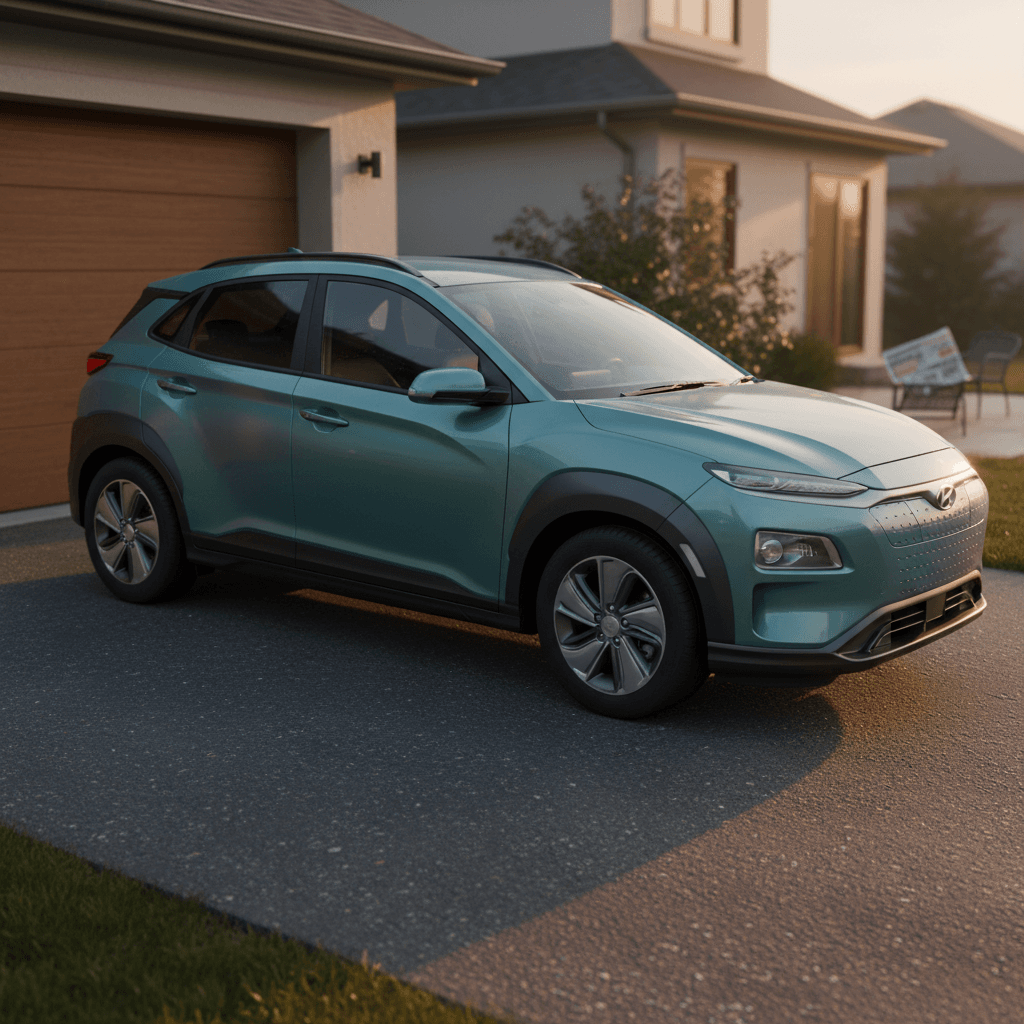
If you’re shopping for a used EV on a budget, the question naturally comes up: is the 2022 Hyundai Kona Electric a good buy in 2026? The short answer: for the right driver, it’s one of the strongest value plays in the used EV market, but only if you pay close attention to battery health, trim and how the car was used.
Snapshot Verdict
Overview: Is the 2022 Kona Electric a Good Buy?
The 2022 Kona Electric sits in an interesting spot. It’s the last model year of the first-generation Kona EV, with the 64 kWh lithium‑ion battery, front‑wheel drive, and EPA‑rated range around 258 miles. By 2026, most examples are 4 years old, which means steep early depreciation has already hit, but the battery and powertrain are still covered by Hyundai’s long 10‑year / 100,000‑mile high‑voltage battery warranty for the original owner, and many states honor that on subsequent owners as long as it’s serviced correctly.
- Strong real‑world efficiency and range for its size
- Above‑average reliability so far for a mass‑market EV in this price band
- Tends to be cheaper than competing used EVs with similar range
- Tight interior and firm ride compared with larger crossovers
- Some recurring issues (12V battery, infotainment quirks) to watch for
- Depreciation can be your friend, if you buy the right car at the right price
Quick Take for Busy Shoppers
Key Specs and Real-World Range
On paper, the 2022 Hyundai Kona Electric offers one of the best combinations of usable range and efficiency among affordable EVs. Every US‑market 2022 Kona Electric uses the larger pack; there’s no short‑range version to worry about.
2022 Hyundai Kona Electric: Core Specs
Key numbers that matter when you’re evaluating a 2022 Kona Electric as a used buy.
| Spec | Details |
|---|---|
| Battery capacity | 64 kWh (approx. usable) |
| Motor | Permanent‑magnet AC motor, front‑wheel drive |
| Power | 201 hp (150 kW) / 291 lb‑ft torque |
| EPA range | ~258 miles |
| On‑board AC charger | Up to 7.2 kW (Level 2) |
| DC fast‑charge rate | Up to ~75 kW peak on CCS |
| EPA efficiency | ~120 MPGe combined (around 3.5–4.0 mi/kWh) |
Specs shown are for US‑market 2022 Hyundai Kona Electric models.
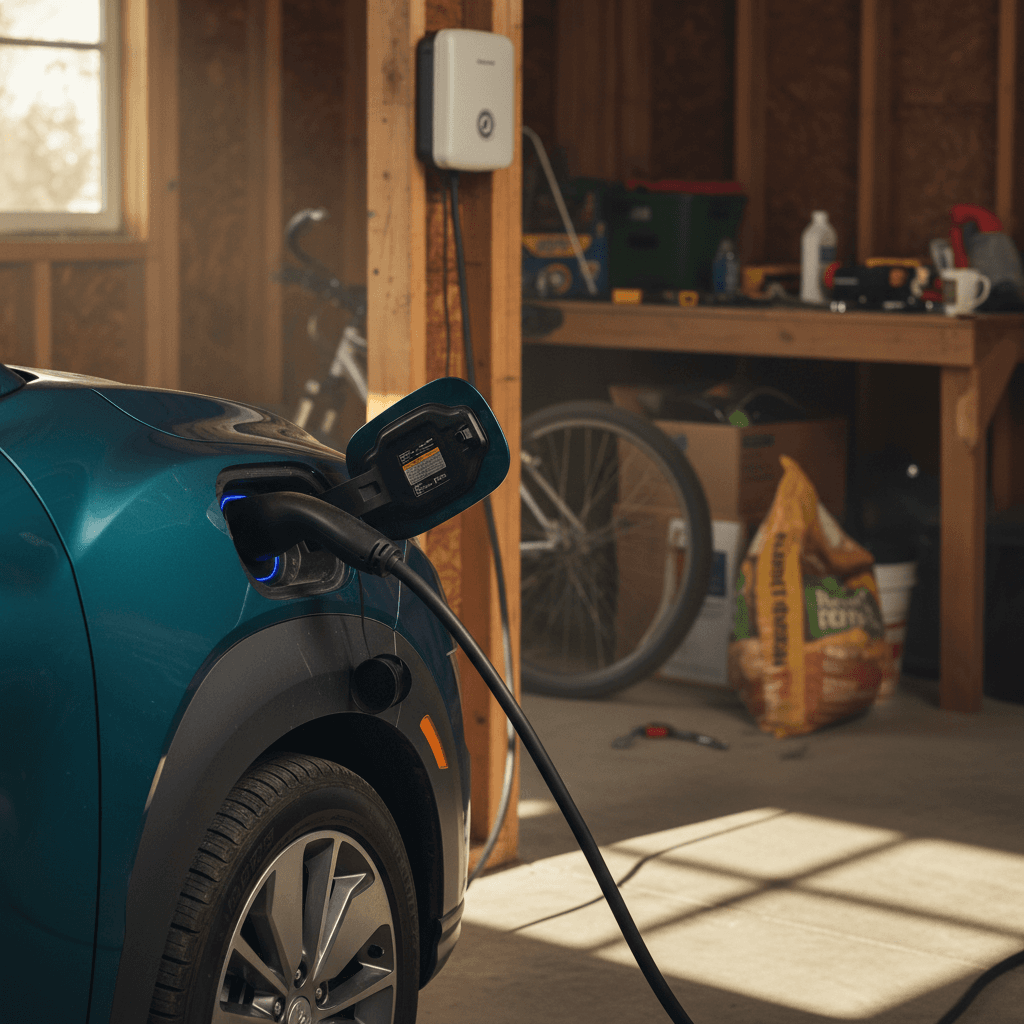
In real use, many owners see 3.5–4.2 miles per kWh in mixed driving, which translates to roughly 220–270 miles of usable range depending on climate, speed and driving style. In cold climates or at sustained 75+ mph highway speeds, it’s wise to plan for more like 180–210 miles between fast‑charge stops.
Cold Weather Reality Check
Where the 2022 Kona Electric’s Range Shines (and Struggles)
Think about how you really drive before you buy.
Urban & Suburban Commuting
The Kona Electric is in its element here. Daily round‑trips under 80–100 miles barely dent the battery, and overnight Level 2 charging in a garage or driveway makes ownership nearly frictionless.
Highway Road Trips
With ~250 miles of rated range and modest fast‑charge speeds (~75 kW), it can road‑trip, but you’ll stop more often and charge longer than in newer 800‑V EVs. Occasional trips are fine; weekly 400‑mile hauls are less ideal.
Hilly or Rural Driving
Regenerative braking helps in the hills, but range will swing more with elevation and weather. If public charging is sparse where you live, make sure your typical routes fit comfortably within its real‑world range window.
Reliability and Common 2022 Kona Electric Issues
Hyundai had serious battery‑recall headaches with early Kona EVs (2019–2020), but by the 2022 model year the hardware and software had largely stabilized. Across major owner‑review sites and complaint databases, the 2022 Kona Electric generally scores above‑average for reliability among affordable EVs.
2022 Kona Electric Reliability Snapshot
That said, no EV is trouble‑free. The most commonly reported 2022 Kona Electric issues are more nuisance than catastrophic, but they’re still worth understanding before you buy.
- 12‑volt battery drain: The small 12V battery that runs accessories can discharge unexpectedly, leaving the car unable to “start” even though the high‑voltage pack is fine. Many owners proactively replace the 12V battery after a few years or keep a lithium jump pack in the car.
- Minor software and infotainment glitches: Occasional laggy head unit, backup camera delays, or random warnings that require a restart or software update. Annoying, but usually covered under warranty.
- A/C or HVAC quirks: A minority of owners report intermittent A/C performance or HVAC control issues, sometimes needing dealer visits and updated parts or software.
- Tire and ride complaints: Factory tires prioritize efficiency over grip, and the Kona’s short wheelbase makes the ride feel firm or choppy on rough roads. This is more about comfort than reliability, but it affects daily experience.
- Isolated battery or BMS concerns: Compared with 2019–2020 cars, serious battery issues are far rarer on 2022 models, but any used EV can have a poorly maintained pack or outlier defect. Always verify health with data, not optimism.
Don’t Ignore Recalls and Campaigns
Battery Health and Degradation on 2022 Models
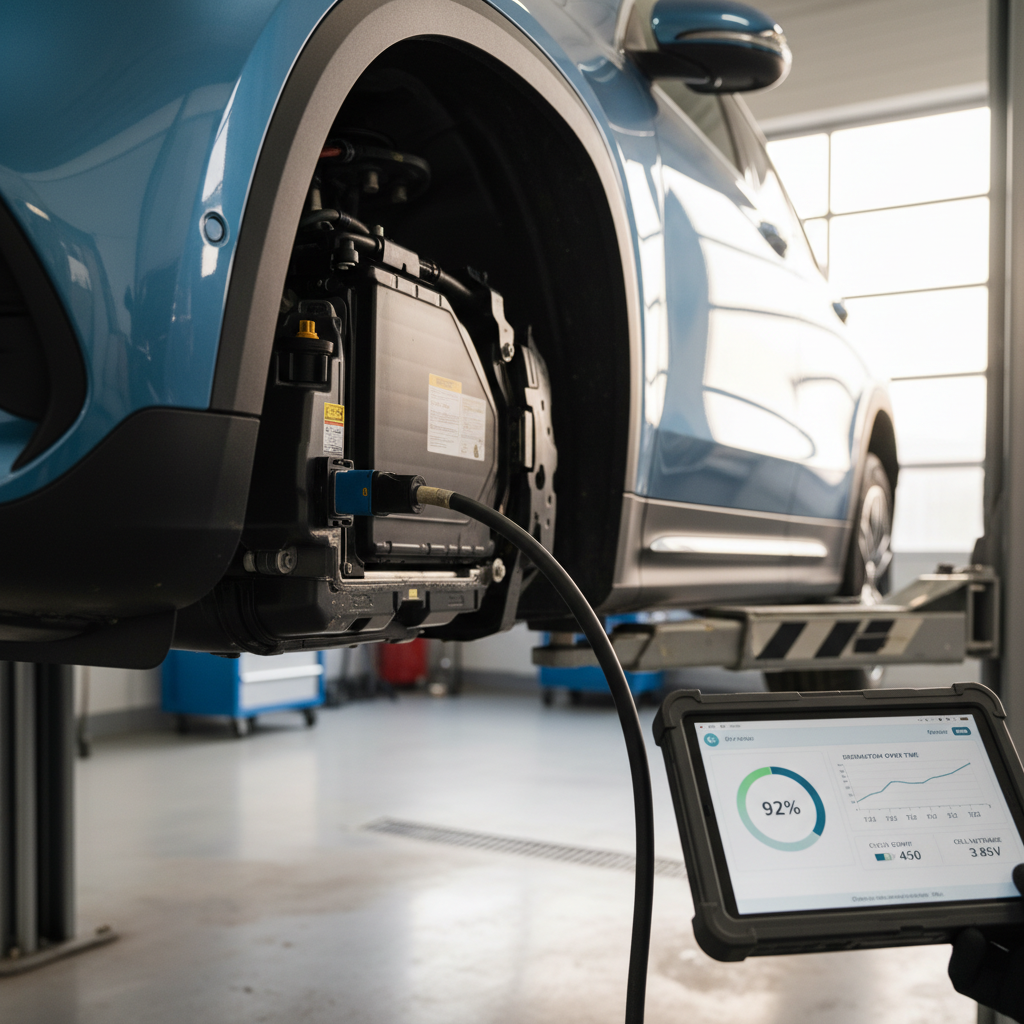
Battery health is the single biggest swing factor in answering whether the 2022 Hyundai Kona Electric is a good buy. The good news: when driven regularly and charged sensibly, most 2022 packs appear to be holding up well four years in. Long‑mileage owners commonly report modest capacity loss, often in the single‑digit percentage range.
Typical Degradation Patterns
- Many 2021–2022 Kona EV owners with 40,000–70,000 miles report little noticeable range loss in daily use.
- OBD‑based scans often show capacity in the mid‑90% range when the car has been driven and charged regularly.
- Efficiency plays a big role: because the Kona is so frugal, even a few percent of loss doesn’t feel dramatic.
When You Should Worry
- Battery reports showing capacity under ~90–92% after only 30,000–40,000 miles are red flags.
- Cars that sat unused or were stored at full charge for long periods can have outsized degradation.
- Repeated DC fast charging to 100% on road‑trip fleets or delivery use can age the pack faster.
High odometer alone isn’t a dealbreaker; how the previous owner used and charged the car matters more.
How Recharged Handles Battery Health
Battery Health Checks Before You Commit
Ask for a recent battery health report
Request a scan from a dealer, independent EV shop, or a marketplace like Recharged that performs <strong>pack‑level diagnostics</strong>. You want to see estimated state of health (SoH) and any logged fault codes.
Compare range estimate to spec
On a full charge, the Kona’s guess‑o‑meter should be in the ballpark of <strong>230–260 miles</strong> in mild weather with mixed driving history, not 170–190 miles unless there’s a clear explanation.
Check charge history if available
Frequent DC fast charging isn’t automatically bad, but a car used as a high‑mileage highway or delivery vehicle needs a closer look at degradation trends and cooling system health.
Confirm coolant and BMS updates
Battery‑management updates and cooling‑system campaigns help protect the pack. Verify that all relevant service bulletins and software updates were completed by a Hyundai dealer.
Used Pricing, Depreciation and Value in 2026
Hyundai EVs, including the Kona Electric, have depreciated faster than some rivals, which is frustrating for first owners, but a gift if you’re buying used. By 2026, a typical 2022 Kona Electric has lost roughly 45–55% of its original MSRP, depending on mileage, condition and market.
2022 Hyundai Kona Electric Pricing Landscape (2026)
Approximate retail asking prices in the US as of early 2026; your local market may vary.
| Mileage Range | Typical Condition | Approx. Asking Price | Notes |
|---|---|---|---|
| 15,000–30,000 miles | Clean, single‑owner | $23,000–$26,000 | Low‑mileage examples, often CPO or with strong service history. |
| 30,000–60,000 miles | Average used | $19,000–$23,000 | Sweet spot for value if battery health checks out. |
| 60,000–90,000 miles | Higher mileage but solid history | $16,000–$20,000 | Watch degradation, but depreciation makes these compelling commuters. |
| 90,000+ miles | Heavy use, fleet or commuter | $14,000–$18,000 | Only attractive with documented battery health and full maintenance records. |
Numbers are rough market ranges for well‑maintained, clean‑title vehicles.
Why the 2022 Kona Electric Often Pencils Out
Depreciation on the Kona Electric tends to be front‑loaded: the car sheds a big chunk of value in the first 2–3 years, then levels off. That’s exactly the window you’re shopping in. If you can find a clean 2022 example with a strong battery and normal mileage, you’re essentially letting the first owner pay for the steepest drop while you enjoy many years of relatively stable value.
How the 2022 Kona Electric Compares to Other Used EVs
To decide whether the 2022 Kona Electric is a good buy, you have to look at the alternatives in the same price and range bracket, think older Tesla Model 3s, Chevy Bolt EV/EUV, Nissan Leaf Plus, and first‑generation Kia Niro EV.
2022 Kona Electric vs Popular Used EV Alternatives
High‑level pros and cons compared with other common used choices.
vs. Chevy Bolt EV / EUV
- Similar range and efficiency; both are strong city commuters.
- Bolt often has lower purchase prices due to recall stigma, but pack replacements can be a plus.
- Kona offers slightly more SUV‑like stance; Bolt has a roomier feeling cabin.
vs. Tesla Model 3 (Standard Range)
- Model 3 wins on charging network access and software polish.
- Kona Electric can be thousands cheaper for similar range, and insurance/repair costs may be lower.
- If you road‑trip frequently, Tesla’s Supercharger access (and faster DC charging) are big advantages.
vs. Nissan Leaf Plus
- Leaf Plus has comparable range but uses CHAdeMO fast charging, limiting network options.
- Kona’s battery has active liquid cooling; Leaf relies on passive air cooling, which can mean more degradation, especially in hot climates.
- For long‑term ownership, the Kona’s thermal management is a major edge.
vs. Kia Niro EV (1st gen)
- Mechanically similar to the Kona, with a bit more space and a more conventional shape.
- Niro EVs often command a slight price premium on the used market.
- If you find a clean, well‑priced Kona or Niro, the choice comes down to styling and interior space.
Where the 2022 Kona Electric Stands Out
Checklist: What to Look For When Buying a 2022 Kona EV
Used EV shopping rewards thoroughness. Here’s a focused checklist tailored to the 2022 Kona Electric so you don’t overlook the details that matter.
2022 Hyundai Kona Electric Used‑Buy Checklist
1. Verify Battery and BMS Updates
Ask for dealer service records showing <strong>battery‑management software updates</strong>, coolant‑system campaigns, and any relevant recalls. A dealer printout or digital history is ideal.
2. Get Objective Battery Health Data
Don’t rely on the range estimate alone. At Recharged, the <strong>Recharged Score Report</strong> includes pack‑level diagnostics; if you’re buying elsewhere, get an OBD‑based health report from a trusted EV shop or seller.
3. Inspect DC Fast‑Charge Behavior
On a test drive, if possible, plug into a DC fast charger briefly. Watch how quickly it ramps up and whether any warnings appear. An unwillingness to accept power or sudden throttling may warrant further investigation.
4. Check 12V Battery and Electrical Accessories
Confirm the <strong>12‑volt battery</strong> isn’t original, or budget for replacement. Test windows, locks, infotainment, cameras, and HVAC thoroughly for glitches or intermittent behavior.
5. Evaluate Tires, Suspension and Brakes
The Kona’s firm ride can feel harsher on worn tires or tired dampers. Uneven tire wear or vibrations at highway speed could signal alignment or suspension issues that need attention.
6. Review Charging Habits and Use Case
Ask the seller how they typically charged, mostly at home on Level 2 or frequent DC fast charging, and how the car was used (short commutes vs. high‑mileage highway). Regular use with moderate charging is ideal.
7. Confirm Warranty Status
Check in‑service date and mileage to see how much coverage remains on <strong>powertrain and battery warranties</strong>. Even out of bumper‑to‑bumper coverage, remaining battery warranty can add peace of mind.
How Recharged Simplifies the Checklist
Who the 2022 Kona Electric Is (and Isn’t) For
Great Fit
- Commuters driving 30–100 miles per day with access to home or workplace charging.
- Budget‑conscious buyers who want solid range without paying for a new EV.
- First‑time EV owners looking for a simple, efficient crossover that’s easy to park and live with.
- Households with multiple cars that can use the Kona Electric as the primary local‑use vehicle.
Maybe Not the Best Choice
- Families needing lots of rear‑seat and cargo space; a larger EV SUV may suit you better.
- Drivers who road‑trip several times per month; look at faster‑charging EVs or Teslas with Supercharger access.
- Shoppers who prioritize luxury interiors and the latest infotainment; the Kona’s cabin is functional but not premium.
FAQ: 2022 Kona Electric Buying Questions
Frequently Asked Questions About the 2022 Hyundai Kona Electric
Bottom Line: Is the 2022 Hyundai Kona Electric Worth It?
Putting it all together, the 2022 Hyundai Kona Electric remains one of the smartest used‑EV buys in 2026 for drivers who value efficiency and low running costs over flash. Its 64 kWh battery, roughly 250‑mile range, and relatively mature hardware make it feel less like an early‑adopter gamble and more like an everyday appliance, in a good way.
It’s not perfect: the interior is tight, the ride can be firm, and you have to be deliberate about battery‑health checks and recall history. But those are manageable issues, and they’re exactly where thoughtful shopping, and tools like Recharged’s Score Report with verified battery health and fair‑market pricing, can tilt the odds in your favor.
If your life is mostly commuting, errands, and the occasional weekend trip within a few hundred miles, a well‑vetted 2022 Kona Electric is very much a good buy. If you’re chasing long‑distance comfort, luxury cabins, or bleeding‑edge tech, you may want to look further upmarket. Either way, going in with clear expectations and solid data will matter far more than any single spec on the brochure.