If you live in the Charlotte area and you’re thinking about going electric, you’ve probably heard that EV incentives have been a moving target. Some big federal tax credits ended in late 2025, but there are still meaningful EV rebates in Charlotte, especially for used EVs, home chargers, and home upgrades that make charging easier.
Quick snapshot for Charlotte drivers
Why EV rebates in Charlotte look different in 2026
Just a year or two ago, many car shoppers in Charlotte were counting on a federal tax credit of up to $7,500 for new EVs and up to $4,000 for used ones. That changed on September 30, 2025, when the main federal EV purchase credits expired nationwide. What’s left today looks different: fewer upfront purchase incentives, but more support for **charging infrastructure and home efficiency upgrades**.
Key EV incentive dates Charlotte drivers should know
For Charlotte residents, that means two big shifts: 1. **Less help at the dealer**, especially for new EVs. 2. **More help at home**, when you install Level 2 charging or upgrade your electrical system. The rest of this guide breaks down what’s changed, what’s still available, and how to put it all together so you’re not leaving money on the table.
What happened to the federal EV tax credit?
The Inflation Reduction Act’s clean vehicle credits were designed to run through 2032, but the **One Big Beautiful Bill Act of 2025** cut them short. For most everyday buyers in Charlotte:
- The **New Clean Vehicle Credit** (up to $7,500) ended for vehicles acquired after September 30, 2025.
- The **Previously Owned Clean Vehicle Credit** (up to $4,000) for used EVs also ended for vehicles acquired after that date.
- Leasing loopholes that let some automakers pass a $7,500 benefit through to lessees have largely wound down or been absorbed into pricing.
Watch the acquisition date
That’s the national picture. North Carolina did not add its own statewide EV purchase rebate, so in Charlotte there’s no state-level EV tax credit replacing the federal one. Instead, the emphasis is on **reducing your charging and home upgrade costs**.
Can you still save on a used EV in Charlotte?
Even without the old federal used-vehicle credit, used EVs remain one of the smartest ways for Charlotte drivers to lower their cost of ownership. You’re effectively getting a discount that’s already baked into the price: earlier incentives, rapid EV depreciation, and battery improvements over time all work in your favor.
Why used EVs still pencil out
- Lower upfront price: Many used EVs in Charlotte now list for well under $25,000, even though they were much more expensive new.
- Lower fuel costs: Electricity in North Carolina is typically cheaper per mile than gasoline, especially if you charge at home on off‑peak rates.
- Less maintenance: No oil changes, fewer moving parts, and regenerative braking all help keep ongoing costs down.
Where incentives still help
- You can still pair a used EV purchase with **charger and home upgrade incentives**, these can save hundreds or thousands even though the per‑vehicle credit is gone.
- Some lenders and platforms, including Recharged, offer competitive financing tailored to EVs, which can shrink your monthly payment even more.
Look beyond the sticker price
Federal EV charger tax credit through mid‑2026
While the main EV purchase credits have expired, the **Alternative Fuel Vehicle Refueling Property Credit** is still available for homeowners who install charging equipment. In plain English: the IRS will help pay for part of your home EV charger if you act before the deadline.
Federal home EV charger credit highlights (applies in Charlotte)
Core features of the federal refueling property credit for residential EV charging, available to Charlotte homeowners through June 30, 2026.
| Feature | What it means for you in Charlotte |
|---|---|
| Eligibility | You own or use a residence in the U.S. and install qualified EV charging equipment there. |
| Credit amount | Up to **30% of equipment + installation cost**, capped at **$1,000** for residential properties. |
| Deadline | Charger must be placed in service by **June 30, 2026**. |
| What’s covered | Charging hardware, electrician labor, wiring and installation costs directly tied to the charger. |
| How to claim | Typically filed using IRS Form 8911 with your federal tax return. |
Always confirm the latest IRS rules or speak with a tax professional before you file.
Don’t assume your charger is automatically eligible
Duke Energy EV incentives around Charlotte
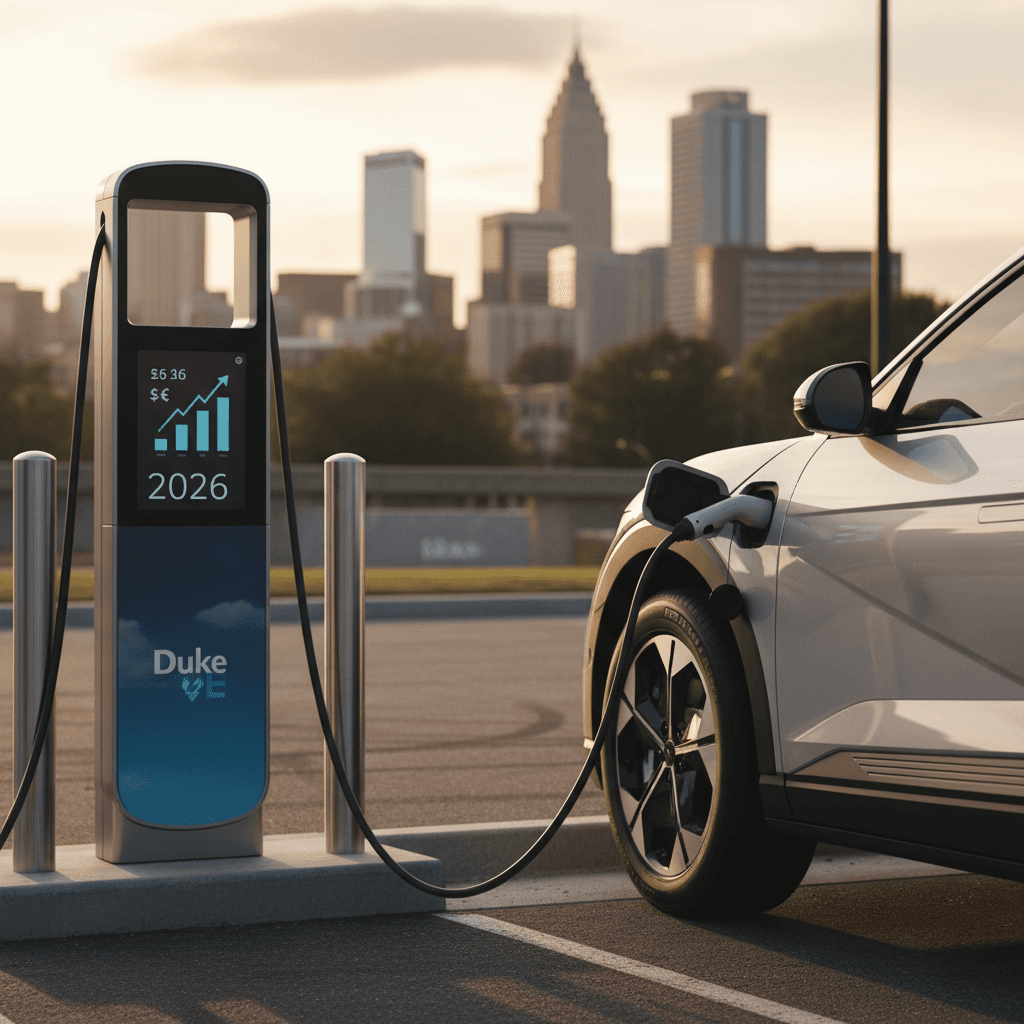
Charlotte falls in Duke Energy’s North Carolina service territory, and Duke has been one of the main local players supporting EV charging. Program names and details have evolved, but the themes are consistent: help with **home wiring and charger prep**, plus rates that reward charging at off‑peak times.
Common Duke Energy EV benefits for Charlotte customers
Exact program availability can change, so always verify current terms with Duke before you apply.
Charger prep credits
Time‑of‑use EV rates
Pilot & limited‑time programs
How to check current Duke EV offers
Energy Saver NC: Home rebates coming to Mecklenburg in 2026
In January 2025, the North Carolina Department of Environmental Quality launched **Energy Saver North Carolina**, a multi‑year, federally funded rebate program focused on home energy upgrades. Rather than targeting EVs directly, it helps reduce the cost of the **electrical improvements that make home charging easier and safer**.
Energy Saver NC rollout: when Mecklenburg County becomes eligible
The program launched in phases across North Carolina. Mecklenburg and Wake counties are part of the final expansion stage.
| Phase | Counties | Timing |
|---|---|---|
| Phase 1–6 | Early‑rollout counties, mostly rural and high energy‑burden communities | 2025 |
| Phase 7 | Mecklenburg, Wake | Program expansion beginning January 2026 |
Program timing is approximate; always confirm your county’s current status on the Energy Saver NC website.
Once fully active in Mecklenburg County, eligible Charlotte homeowners, especially those with lower or moderate incomes, may qualify for rebates on items such as:
- Upgraded electrical panels that can safely handle an EV charger plus other loads.
- New wiring runs from the panel to your garage or parking area.
- Whole‑home energy efficiency upgrades like insulation and air sealing, which reduce your overall electric bill and free up capacity for EV charging.
Combine Energy Saver NC with EV charging plans
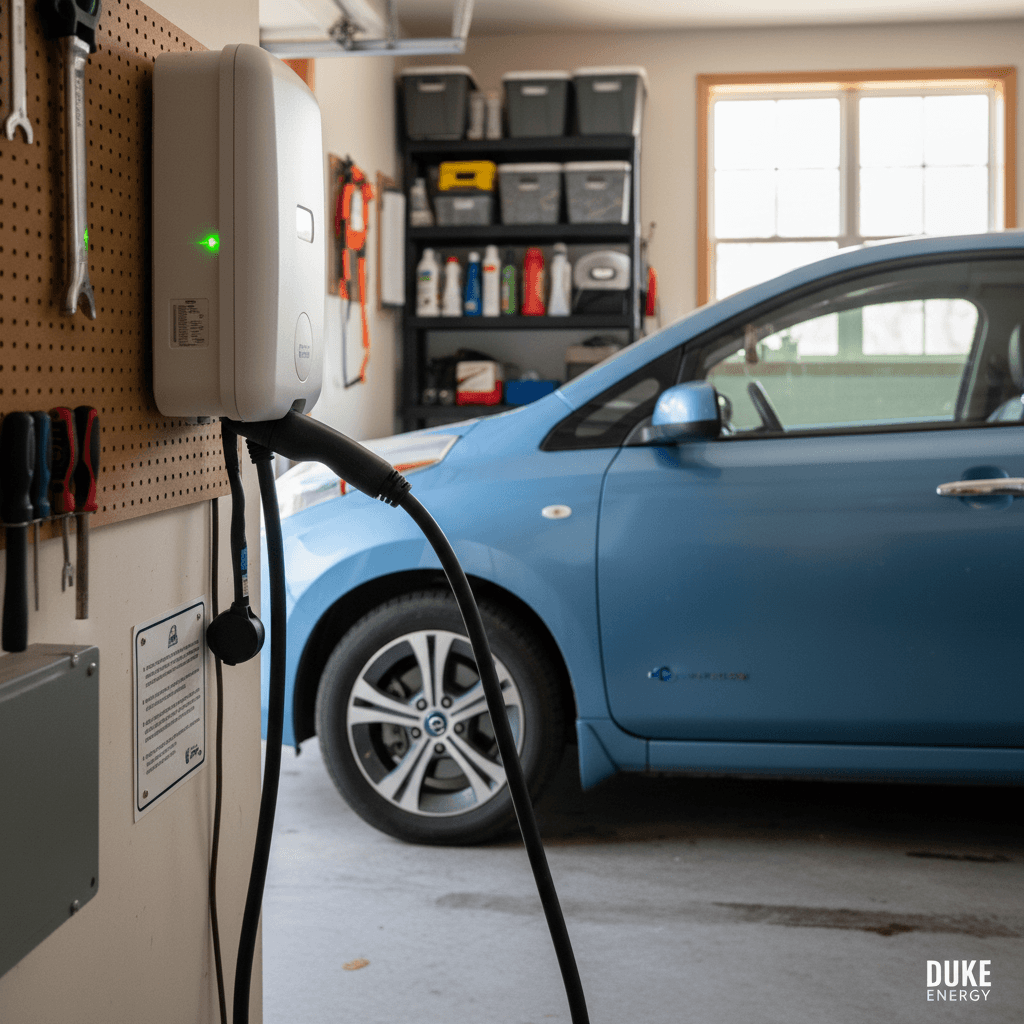
How Charlotte drivers can stack today’s incentives
Even though the big headline EV credits are gone, Charlotte drivers can still **stack several smaller programs** to make going electric more affordable. The key is planning your purchase and home upgrades in the right order and keeping good records.
1. Start with your utility and home
- Check Duke Energy’s current EV programs and enroll in **off‑peak or EV‑specific rates** if available.
- Get quotes from licensed electricians for **Level 2 charger installation**, including any panel or wiring upgrades.
- Ask which portions of the work are eligible for the **federal charger tax credit** and potentially **Energy Saver NC rebates** as they become available in Mecklenburg.
2. Then choose the right vehicle
- Decide how much range you truly need for Charlotte‑area driving and occasional road trips.
- Shop for a used EV with verified battery health so you’re not trading fuel savings for unexpected repair bills.
- Run the numbers on **total cost of ownership**, payment + electricity + insurance + maintenance, rather than just the monthly payment on the car.
Good news for used‑EV shoppers
Real‑world savings examples for Charlotte EV buyers
Let’s look at how all this plays out for typical Charlotte‑area households. These examples are simplified, but they’ll give you a feel for what’s still on the table.
Sample EV savings scenarios for Charlotte households
Actual numbers will vary with your utility rate, income, electrician pricing, and vehicle choice, but the structure is similar.
City commuter in Plaza Midwood
Profile: 25‑mile round‑trip commute, apartment with on‑site parking but no charger yet.
- Buys a used Nissan LEAF or Chevy Bolt from a reputable seller.
- Works with landlord to install shared Level 2 charging, tapping **federal charger credit** and potential Duke incentives.
- Saves significantly on fuel versus an older compact gas car, even without a vehicle tax credit.
Family in Ballantyne with a garage
Profile: Two‑car household, 12,000–15,000 miles/year.
- Adds a used Tesla Model 3 or Hyundai Ioniq 5 as the primary commuter car.
- Installs a 240‑V outlet and wall‑mounted Level 2 charger, claiming up to **$1,000 federal credit** and any **Duke charger prep reimbursement**.
- Applies for **Energy Saver NC** panel upgrade support once fully open in Mecklenburg.
Eco‑focused homeowner in Dilworth
Profile: Owns home, interested in solar and lower energy bills overall.
- Bundles **rooftop solar, battery storage, and an EV charger**, stacking solar/battery tax credits with the **refueling property credit**.
- Uses a used EV as a daily driver, charging midday from solar when possible.
- Shields their household budget from rising gasoline prices.
Where Recharged fits in: maximizing savings on used EVs
When you’re shopping incentives, the car itself is still the biggest variable. That’s where a specialized used‑EV marketplace like Recharged comes in for Charlotte buyers.
How Recharged helps Charlotte drivers capture real EV savings
Beyond rebates, the right information and support make or break your ownership costs.
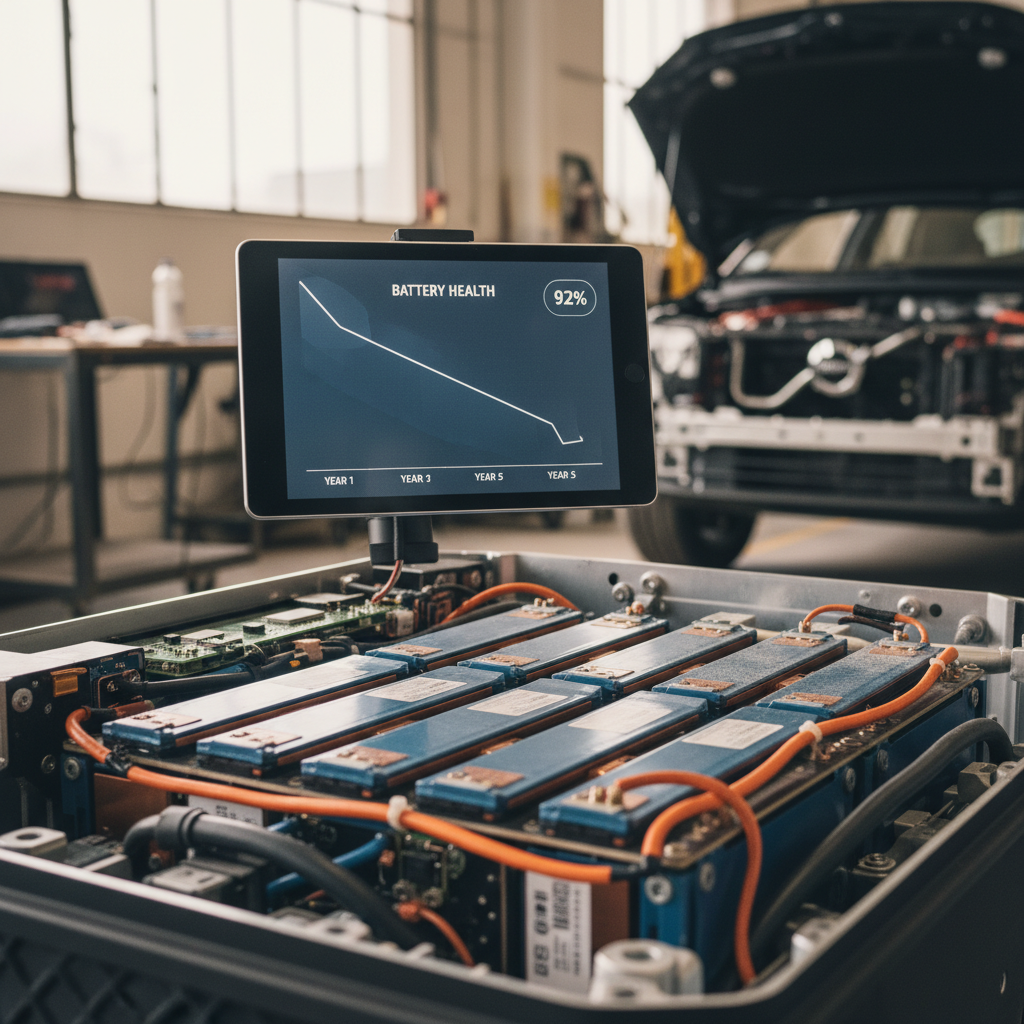
Verified battery health with the Recharged Score
Battery condition has a huge impact on both range and resale value. Every vehicle on Recharged comes with a Recharged Score Report that includes:
- Independent battery health diagnostics, not just a dashboard guess.
- Fair‑market pricing based on that battery’s true condition.
- Transparency about expected range and degradation, so there are fewer surprises later.
EV‑specialist guidance and financing
Recharged offers:
- EV‑savvy specialists who can walk you through home‑charging options, local incentives, and range needs for Charlotte‑area driving.
- Financing options tailored to used EVs, which can be combined with your charger and home‑upgrade savings.
- Trade‑in, instant offer, or consignment options if you’re moving out of a gas vehicle.
Ready to find your next EV?
Browse VehiclesUse incentives to shape your shopping list
Checklist: your next steps to claim Charlotte EV rebates
Step‑by‑step checklist for Charlotte EV shoppers
1. Confirm your home charging situation
Do you have a garage or dedicated parking spot where you can install a Level 2 charger? Take photos of your main electrical panel and parking area, you’ll need them when you talk to electricians and utility reps.
2. Check Duke Energy EV programs
Go to Duke Energy’s website and look up current EV and home‑charging programs for North Carolina. Note any charger prep credits, special EV rates, or pilots currently accepting applications.
3. Review federal charger credit rules
Read the IRS guidance for the **Alternative Fuel Vehicle Refueling Property Credit** and confirm that your planned charger and installation appear to qualify before you spend the money.
4. Explore Energy Saver NC eligibility
Visit the Energy Saver NC site and confirm whether Mecklenburg County is fully active and whether your household income falls within the rebate guidelines. Bookmark the application page if you plan a panel or wiring upgrade.
5. Build a short list of used EVs
Think about your real‑world driving: commute length, road trips, kids’ activities. Then pick 2–3 used EV models that match your needs and budget, and compare battery health and range instead of just model year.
6. Get quotes from electricians
Ask at least two licensed electricians for written estimates that separate charger hardware, wiring, panel work, and permits. This makes it easier to document what’s eligible for different credits and rebates.
7. Time your charger install
If possible, schedule charger installation before **June 30, 2026**, so you don’t miss the federal deadline. Coordinate with Energy Saver NC and Duke so you can submit all paperwork promptly.
8. Keep a dedicated “rebate folder”
Save every invoice, receipt, permit, and program approval in one place, digital or physical. You’ll need this when you file your taxes or respond to any questions from program administrators.
EV rebates in Charlotte: FAQ
Frequently asked questions about EV rebates in Charlotte
Even though the 2025 federal purchase credits have come and gone, Charlotte drivers still have solid ways to lower the cost of going electric, especially if you’re open to a well‑vetted used EV and you’re willing to invest in smart home charging. By combining **used‑EV savings, Duke Energy programs, the federal charger tax credit, and Energy Saver NC rebates**, you can build an ownership plan that’s both affordable and future‑proof. Take it step by step, keep good records, and lean on EV specialists when you have questions, your next car can be electric without stretching your budget.