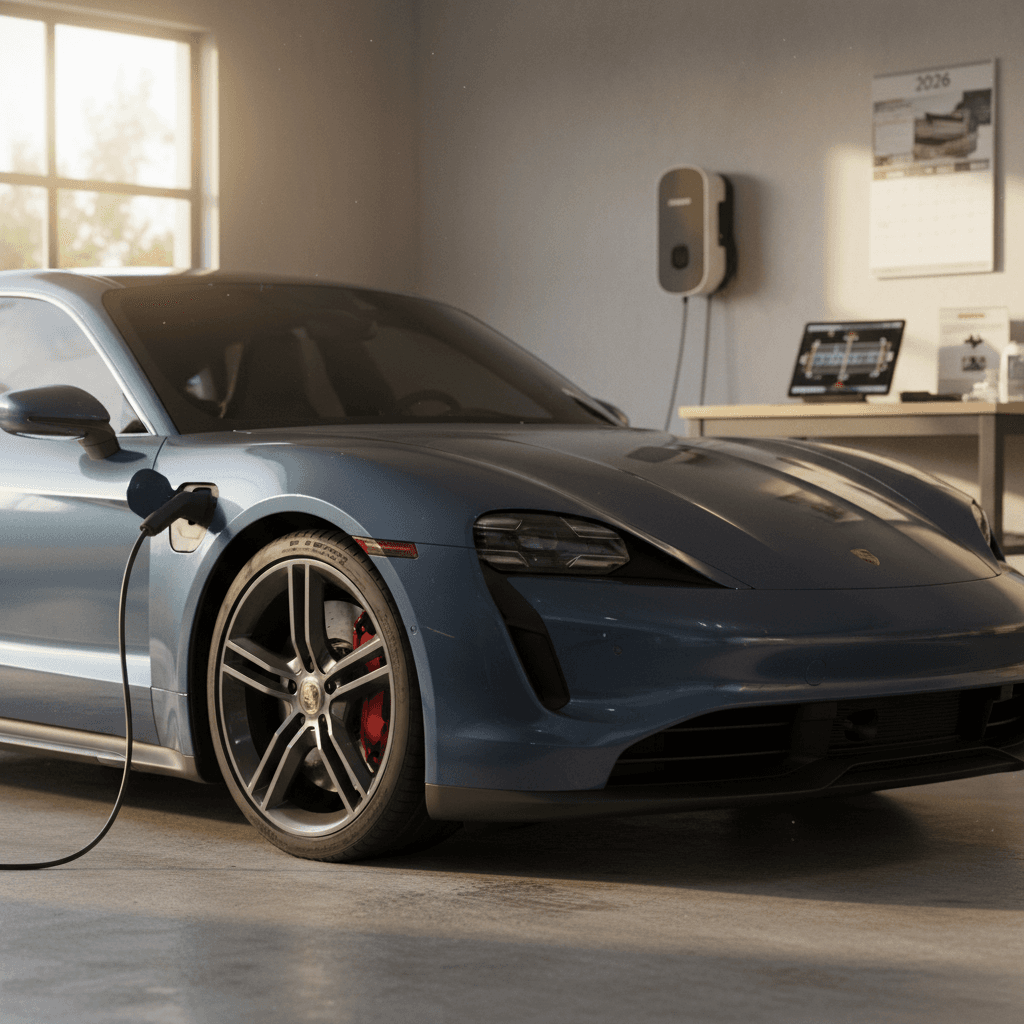
If you’re looking at used performance EVs, the question **“is a 2020 Porsche Taycan a good buy?”** comes up quickly. Early Taycans now cost a fraction of their original six‑figure stickers, but they also carry first‑generation EV complexity, recalls, and the usual luxury‑car repair costs. Whether it’s a smart move for you depends on how you balance value, risk, and how much you care about the *way* a car drives.
Key takeaways in 30 seconds
Quick answer: Is the 2020 Taycan a good buy?
2020 Taycan as a used buy: the high‑level verdict
In 2026, early Taycans are both a bargain and a bet.
The upside
- Massive depreciation means you can often buy a 2020 Taycan for roughly 40–55% below original MSRP after 3–4 years.
- You’re getting genuine Porsche dynamics: steering feel, braking, and chassis tuning few EVs can touch.
- 8‑year/100,000‑mile high‑voltage battery warranty from original in‑service date offers a safety net on serious battery defects.
The downside
- First‑year model with more software and electrical bugs than later Taycans.
- Multiple recalls, including a high‑voltage battery short‑circuit recall and charging‑equipment issues.
- Out‑of‑warranty repairs can be eye‑wateringly expensive, even compared with other Porsches.
Who it suits
- Drivers who value driving feel over pure range.
- Buyers comfortable with some complexity and willing to vet cars carefully.
- Shoppers who can afford a worst‑case repair bill or add extended coverage.
So is a 2020 Taycan a good buy? For a budget‑conscious enthusiast who wants one of the best‑driving EVs ever made, **yes – if you’re picky and methodical**. For someone who just wants a low‑maintenance commuter, there are simpler, lower‑risk EVs that will serve you better.
Why 2020 Taycan prices look so attractive
How hard has the 2020 Taycan depreciated?
For a brand that built its reputation on rock‑solid residuals, the Taycan’s curve is steep by Porsche standards. The culprit isn’t that the car is bad; it’s that **luxury EVs depreciate faster than most gas cars**, especially early‑generation models with fast‑moving tech and buyer anxiety around battery life.
How to use depreciation to your advantage
Battery health and warranty: what really matters
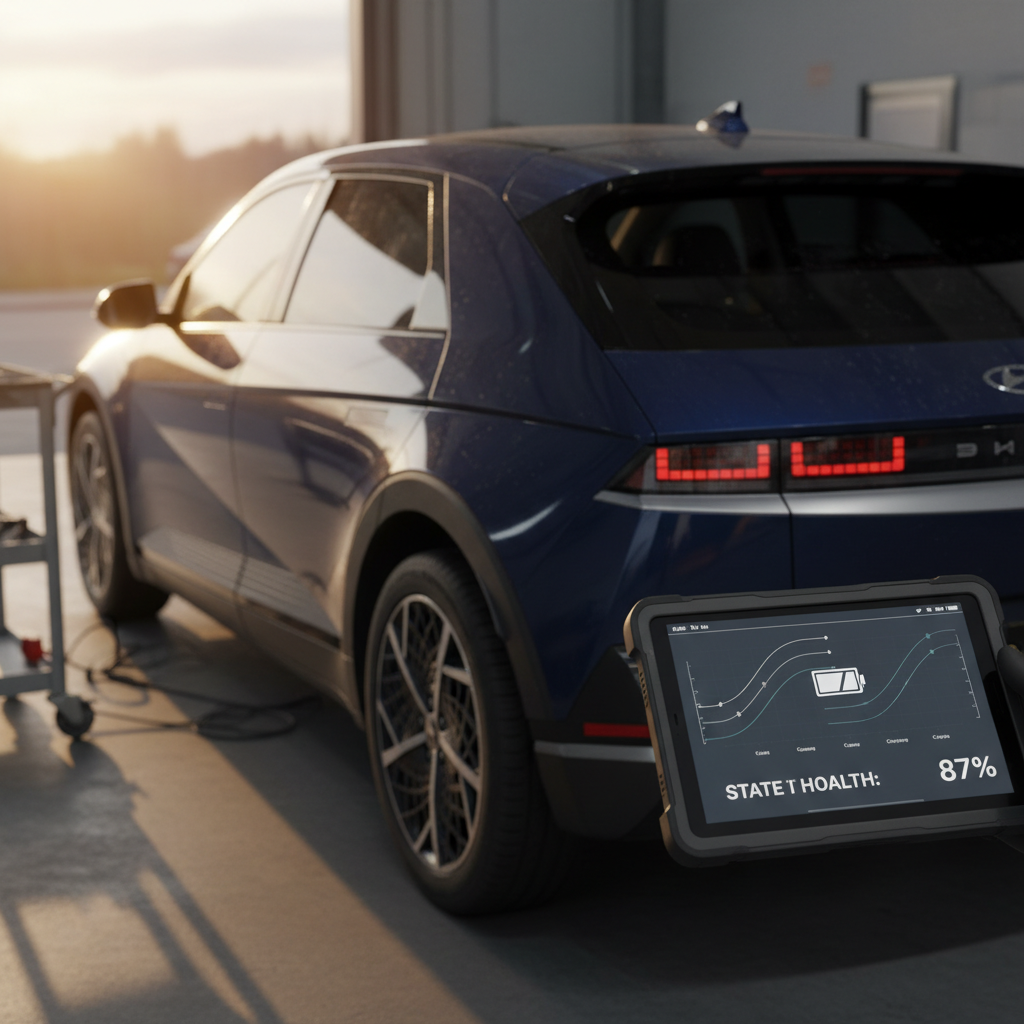
With any used EV, and **especially** with a complex, high‑performance one like the Taycan, the battery is the center of gravity for your decision. A 2020 car is now roughly six years past its in‑service date, so you’re relying heavily on **objective battery data and the remaining factory warranty**.
2020 Taycan high‑voltage battery warranty snapshot
What coverage you still have in 2026 on a 2020 Taycan, assuming U.S. warranty terms.
| Item | Coverage | What it means in 2026 |
|---|---|---|
| HV battery warranty | 8 years / 100,000 miles | Most 2020 cars still have ~2 years of battery defect coverage left, assuming average mileage. |
| Capacity guarantee | Typically 70% minimum by year 8 | If usable capacity drops abnormally below Porsche’s thresholds, you may qualify for repair or replacement. |
| Bumper‑to‑bumper | 4 years / 50,000 miles | Expired on virtually all 2020 cars unless CPO or extended warranty is in place. |
| Corrosion warranty | Up to 12 years (body perforation) | Still active, but far less relevant than HV battery coverage for most buyers. |
Always verify in‑service date and any extended or CPO warranties on a specific VIN.
Real‑world Taycan battery life so far
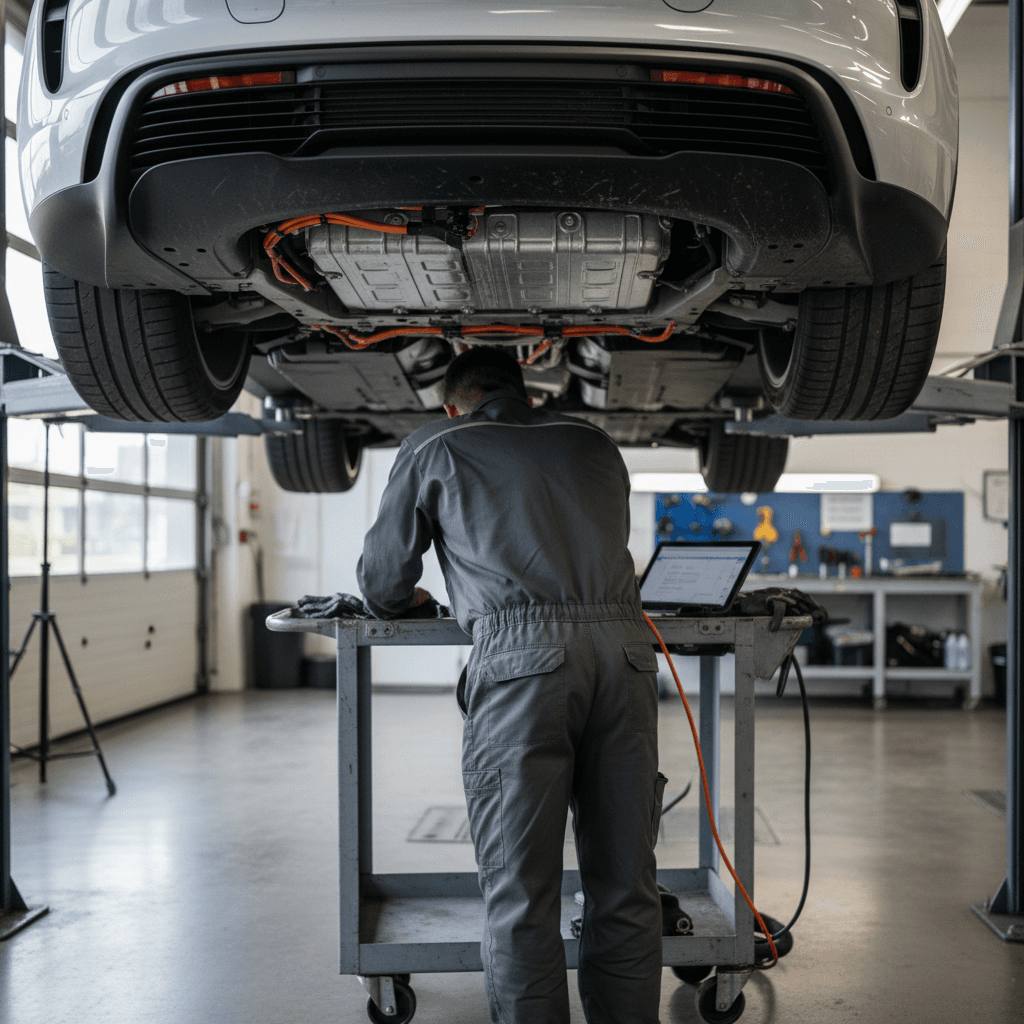
- Confirm the **in‑service date** so you know the exact battery‑warranty end date (8 years / 100,000 miles from first sale).
- Request a **battery health report**, not just a dash range estimate; tools like the Recharged Score use diagnostic data rather than guess‑o‑meters.
- Ask how the car was charged: fast‑charging‑only, high average state‑of‑charge, or frequent 100% charges can all accelerate wear.
- Check for **recent battery‑related recall work**, especially the high‑voltage battery short‑circuit campaign on 2020–2024 Taycans.
Don’t rely on the range display alone
Reliability, recalls, and software gremlins
It’s impossible to talk honestly about the 2020 Taycan without acknowledging that it was a **first‑model‑year EV** from a brand learning fast. Many cars have been solid, but the spread of experiences is wider than what you see on a 911.
What we know about 2020 Taycan reliability so far
Patterns from recalls, owner reports, and early service history.
Documented issues
- Multiple software glitches causing error messages, blacked‑out screens, and limp‑mode events.
- Several **high‑voltage battery and charging‑system recalls**, including a serious short‑circuit risk that can increase fire risk in affected packs.
- Ancillary issues like window regulators, charging‑cable pigtails, and various control modules.
How much has been fixed?
- Most 2020 cars have had numerous recall campaigns performed by now.
- Software updates have cleaned up many early glitches.
- Some owners report 20k+ miles with only recall work; others have fought repeated HV‑system faults and long service stays.
Risk profile today
- Risk is **very VIN‑specific**: two 2020 Taycans can look identical but have radically different histories.
- Buying from a seller who can prove consistent dealer service and recall completion is crucial.
- Consider **extended coverage** if you can’t comfortably self‑insure major failures.
Battery short‑circuit recall is a big deal
The right way to think about a 2020 Taycan is not as a ticking time bomb, but as a **high‑complexity, high‑reward luxury EV**. Plenty of owners have racked up miles happily; others have spent months in loaners. Your goal as a buyer is to do enough homework that you’re more likely to land in the first group.
Ownership costs, charging, and real‑world range
Energy, tires, and routine costs
- Electricity is usually cheaper per mile than premium gas, but the Taycan’s performance and weight mean it’s **not a range champion**.
- Expect **higher‑than‑average tire wear**, especially on Turbo or Turbo S cars with sticky rubber and big wheels.
- Brake wear tends to be modest thanks to regen, but when you do need brakes, they’re priced like Porsche brakes.
- Insurance sits firmly in **luxury‑EV territory**; shop quotes before you buy.
Range and charging reality
- Early 2020 EPA ratings were conservative; many owners report **real‑world ranges in the 180–240‑mile band**, depending on trim and conditions.
- 800‑volt architecture allows very fast DC charging on the right stations, but cold weather and non‑ideal chargers can blunt that advantage.
- If you do frequent road trips, learn your local **fast‑charging network quality** (Electrify America, EVgo, etc.) and don’t assume Tesla‑like reliability.
- For daily use, a solid **Level 2 home setup** usually makes range a non‑issue.
Plan your charging life before you buy
Which 2020 Taycan trims are the smartest buys?
For 2020, the U.S. Taycan range was built around the **4S**, **Turbo**, and **Turbo S**. Later years added base and rear‑drive variants, but those weren’t on sale in 2020, so your used choices are largely between “quick” and “absurdly quick.”
How 2020 Taycan trims stack up for used buyers
All are quick; the question is how much performance you’ll actually use, and pay to maintain.
Taycan 4S (sweet spot)
- Plenty quick for real roads; feels every bit a Porsche.
- Often the **best value**: lower running costs than Turbo models, still richly equipped.
- Look for cars with the **Performance Battery Plus** if range matters to you.
Taycan Turbo
- Massive straight‑line punch and serious bragging rights.
- More expensive consumables (tires, brakes) and typically higher original MSRP.
- Can be a strong buy if depreciation has already done most of the damage and the car’s history is clean.
Taycan Turbo S
- Track‑weapon performance that frankly exceeds what most buyers will use.
- Often the **steepest depreciation** from original price, but still pricey to run.
- Great if you truly care about that last 10% of performance and understand the cost structure.
A practical target
Checklist: what to inspect before you buy
2020 Taycan pre‑purchase checklist
1. Pull a full service and recall history
Ask a Porsche dealer to run the VIN for **completed and outstanding recalls**, warranty claims, and software updates. Walk away from cars with unresolved high‑voltage battery or major electrical recalls.
2. Get objective battery health data
Don’t accept a seller’s “range looks fine” as proof. Use a seller who can provide a **formal battery health report**, for example, Recharged includes a Recharged Score battery diagnostic with every EV.
3. Inspect for charging issues
Test AC and DC charging if possible. Confirm there are no recurring **charging‑fault messages**, and ask specifically about any past issues with charge cables, pigtails, or on‑the‑road fast‑charging.
4. Look for water intrusion and underbody damage
Have a lift inspection done. Verify the battery pack casing is clean, with no signs of impact, corrosion, or prior repairs, and check for signs of past **water ingress** around seals and grommets.
5. Evaluate tires, brakes, and wheels
Big‑wheel Taycans eat tires. Check that tires are **EV‑rated, evenly worn**, and of a quality brand. Inspect brake rotors and pads, and look for bent or curbed wheels that hint at pothole damage.
6. Confirm remaining warranty and options for extension
Verify the **exact in‑service date**, remaining HV battery coverage, and whether the car has CPO or an extended warranty. Price an independent extended warranty if you’re risk‑averse.
Be careful with cars that have long service stays
How Recharged approaches a used Taycan
At Recharged, we treat cars like the 2020 Taycan as **high‑reward, high‑due‑diligence inventory**. When we list one on our marketplace, it isn’t because it looks good in photos, it’s because it’s passed a much deeper EV‑specific vetting process.
What we check on every Taycan we list
Beyond a standard luxury‑car inspection.
Battery & charging diagnostics
Recall & software status
Ownership & support
Thinking about financing a used Taycan?
FAQ: 2020 Porsche Taycan used‑buying questions
Common questions about buying a 2020 Taycan
Bottom line: should you buy a 2020 Taycan?
In 2026, the 2020 Porsche Taycan sits in an unusual sweet spot. It’s **one of the most rewarding EVs to drive**, has already burned through the nastiest part of its depreciation curve, and still carries meaningful high‑voltage battery warranty coverage. At the same time, it’s a first‑generation, software‑heavy luxury EV with real‑world recall history and potential for expensive repairs.
If you’re an enthusiast who can stomach some complexity and you’re willing to be choosy, prioritizing **battery health, recall completion, clean history, and sensible spec**, then yes, a 2020 Taycan can be a very good buy. If you want an EV that behaves like a low‑drama appliance, you may be better served by a simpler, later‑generation model with a calmer reliability record.
Either way, treat a 2020 Taycan like what it is: a high‑performance, high‑tech Porsche that demands **more due diligence than the average used car**. If you’d rather have that homework and battery analysis done for you, a vetted car with a documented Recharged Score, transparent pricing, and expert support can turn this complex decision into a much simpler, and more enjoyable, one.