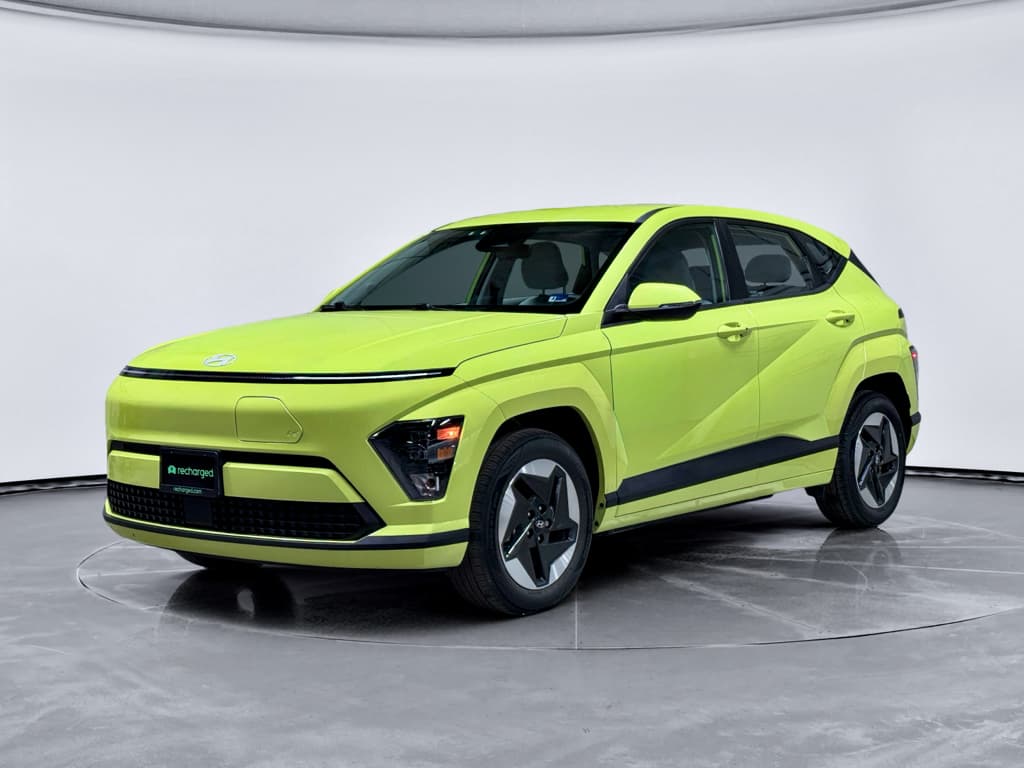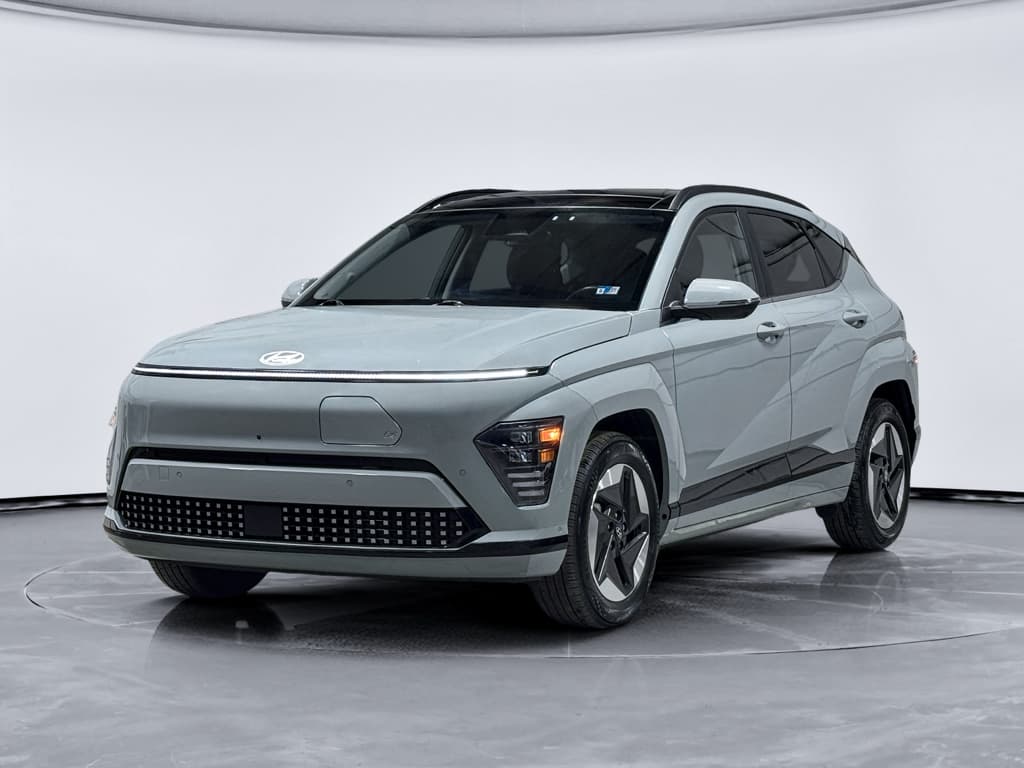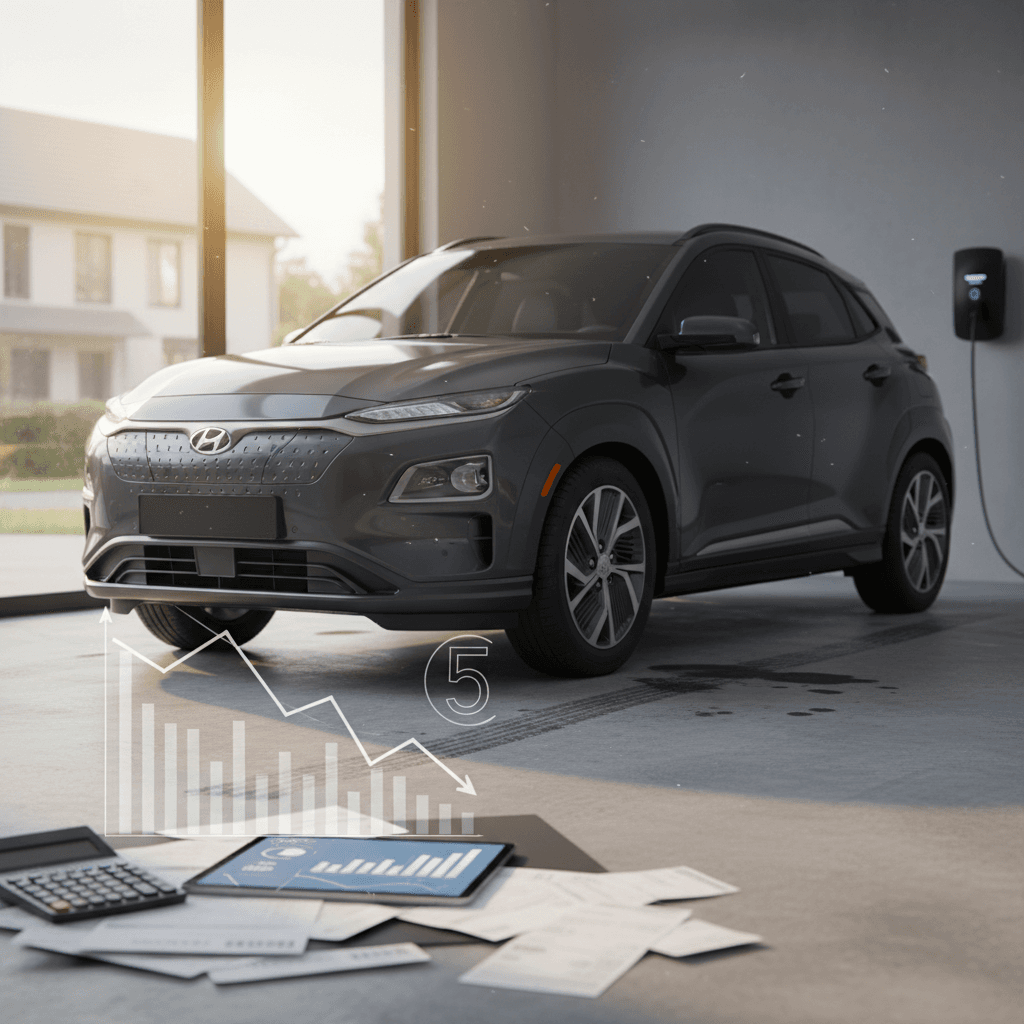
When you’re sizing up a Hyundai Kona Electric, the window sticker doesn’t tell the whole story. The true cost of ownership over 5 years is a mix of depreciation, charging, maintenance, insurance, and incentives, and it can look very different from a gas Kona or another small SUV. Let’s walk through what you’re really likely to spend, where you’ll save, and how buying used can tip the math even more in your favor.
Quick take
Why the Hyundai Kona Electric’s true 5‑year cost matters
MSRP tells you what you pay today. Total cost of ownership (TCO) tells you what the car really costs over the time you own it. For the Hyundai Kona Electric, that means adding up depreciation, energy, maintenance, insurance, taxes, and incentives, then subtracting what you can sell or trade the car for at the end of 5 years.
- You avoid gasoline, but pay for electricity instead.
- You skip oil changes, but still buy tires and other wear items.
- You may qualify for EV tax credits, but only if you meet the rules.
- You lose money to depreciation, but EV resale values are evolving quickly.
Understanding these levers helps you decide whether a new or used Kona Electric makes more sense, and how it stacks up against the gas-powered Kona or another compact SUV.
Hyundai Kona Electric 5‑Year Ownership Snapshot (Typical U.S. Driver)
Baseline: what you pay to get into a Kona Electric
The Kona Electric has been sold in the U.S. since the 2019 model year, with battery sizes around 64 kWh and EPA ranges typically near or above 250 miles, depending on year and trim. That history matters, because a 5‑year cost of ownership picture will look very different for a brand‑new 2025 model than for a 3‑ or 4‑year‑old used one.
Two main ways to get into a Kona Electric
Your 5‑year costs start with how you buy
Buy new from a dealer
Pros: Full new‑car warranty, latest tech and safety, potentially more range on newer models.
- Higher upfront price.
- Biggest early‑year depreciation hit.
- Best fit if you plan to keep 7–10 years.
Buy used via marketplace like Recharged
Pros: Lower purchase price, early depreciation already baked in, still plenty of battery life left.
- Best value in the 2–5‑year‑old sweet spot.
- Battery health varies, so objective testing is crucial.
- Ideal if you’re planning a 5‑year ownership window.
Used EV sweet spot
Depreciation: your biggest 5‑year expense
Whether you buy gas or electric, depreciation is almost always your single largest 5‑year cost. The Kona Electric is no exception. EV values have bounced around with changing incentives and supply, but the pattern is familiar: a sharp drop in the first 2–3 years, then a slower, steadier decline.
Illustrative Hyundai Kona Electric Depreciation Over 5 Years
Approximate, rounded numbers to show how depreciation might look in a typical scenario. Actual results will vary by model year, trim, mileage, and market conditions.
| Scenario | Initial Price (Out‑the‑Door) | Estimated Value After 5 Years | Depreciation Cost Over 5 Years |
|---|---|---|---|
| Buy new | $40,000 | $18,000–$22,000 | $18,000–$22,000 |
| Buy 3‑year‑old used | $26,000 | $14,000–$17,000 | $9,000–$12,000 |
Depreciation is a range, not a guarantee, treat these as planning numbers, not promises.
If you buy new and sell or trade after 5 years, you might effectively "spend" close to half of your total cost on depreciation alone. If you buy a 3‑year‑old Kona Electric and drive it to year 8, you spread that hit over more years and miles, and your 5‑year TCO almost always looks better.
Market volatility matters
Energy costs: electricity vs gasoline
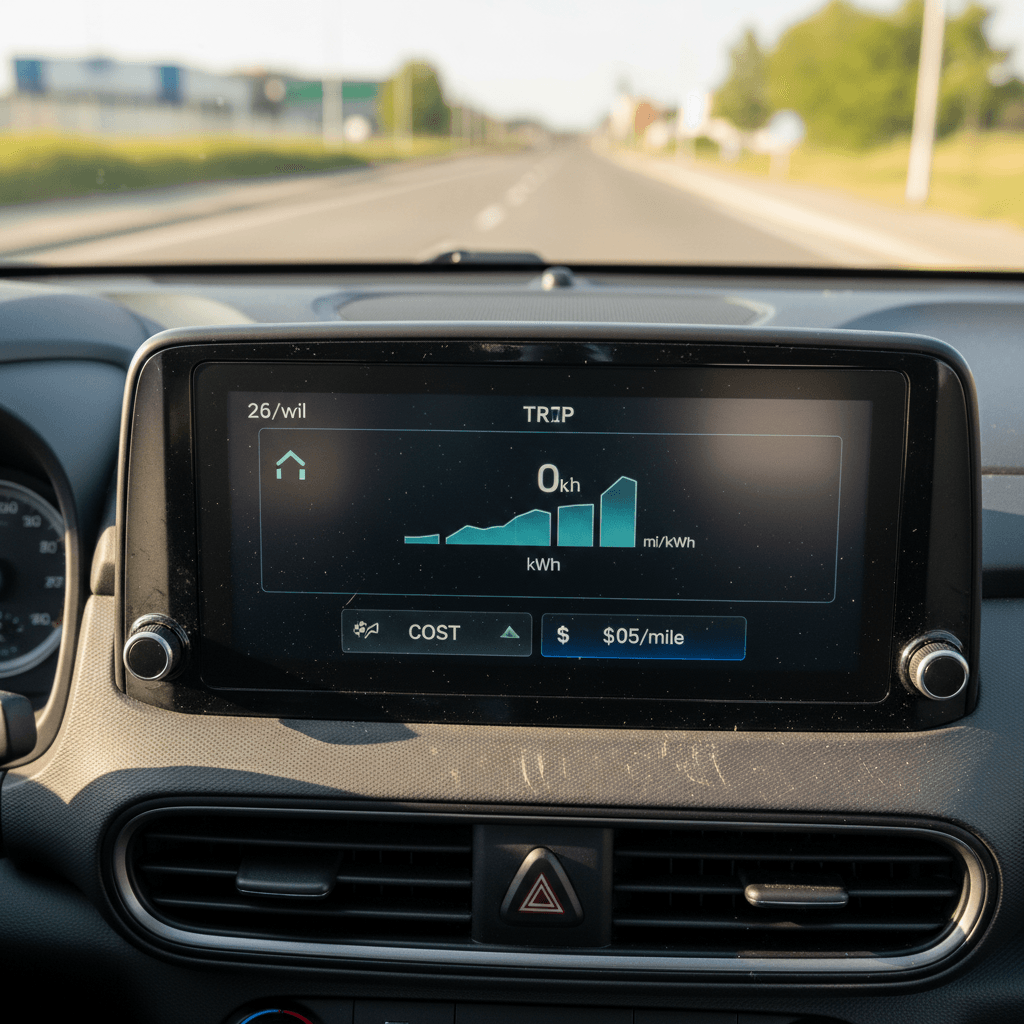
This is where the Hyundai Kona Electric quietly earns its keep. With real‑world efficiency often around 3.5–4.0 miles per kWh, the Kona Electric is one of the more efficient small crossovers you can drive. Your cost per mile depends on how and where you charge.
Typical home charging
If your all‑in residential electricity rate is around $0.14 per kWh and your Kona Electric averages 3.7 miles per kWh, your energy cost works out to roughly $0.04 per mile.
Over 12,000 miles per year, that’s about $480 annually, or $2,400 over 5 years, often less than half of what you’d spend on gas in a similar crossover.
DC fast charging and public stations
Public fast charging can be far more expensive, especially on per‑minute plans. In some regions, you could see effective costs of $0.20–$0.30 per kWh, pushing your cost per mile closer to $0.06–$0.09.
If you rely heavily on fast charging, your 5‑year energy savings versus gasoline will still be there, but noticeably smaller.
Home charging is the big lever
Maintenance, repairs, and tires
Compared with a gas Kona, the Hyundai Kona Electric has fewer moving parts and no engine oil, spark plugs, or exhaust system. That translates to lower routine maintenance, though you should still budget sensibly for tires, brakes, and unexpected repairs.
Typical 5‑Year Maintenance & Repair Picture
Kona Electric vs a comparable gas compact SUV
Routine service
No oil changes, fewer fluids, and fewer wear items mean lower routine service costs.
Typical owner: tire rotations, cabin filters, brake fluid at recommended intervals.
Repairs & warranty
Most Kona Electrics in their first 5–8 years are still under some combination of bumper‑to‑bumper and powertrain/battery warranty.
Out‑of‑warranty repairs can be expensive, but major powertrain failures are rare in early years.
Tires, brakes, and wear
Like any compact SUV, you’ll buy tires during your 5‑year window, and possibly rear brakes.
Regenerative braking often extends brake pad life, but urban stop‑and‑go driving can still wear them down.
For planning purposes, many owners find they spend less per year maintaining a Kona Electric than a similarly‑priced gas crossover. Over 5 years, that can easily add up to four figures in savings, money that often ends up offsetting some of the higher upfront price of going electric.
Battery warranty coverage
Insurance, registration, and taxes
Insurance on a Hyundai Kona Electric is typically in the same ballpark as a well‑equipped gas Kona or similar small crossover, but there are a few wrinkles. EV‑specific parts and higher MSRPs can push premiums up, while advanced safety tech and lower annual miles for many EV commuters can push them down.
Insurance over 5 years
Depending on your driving record, age, and location, you might see premiums that are roughly similar or slightly higher than a gas Kona.
As a planning number, many Kona Electric owners in the U.S. end up in the $1,200–$1,800 per year range, or $6,000–$9,000 over 5 years.
Registration and EV fees
Some states discount registration for EVs; others charge extra annual EV fees to replace lost gas tax revenue.
Before you buy, check your state DMV site so your 5‑year cost estimate includes any EV‑specific charges.
Incentives and tax credits: how much they really save
Federal and state incentives can change the 5‑year Kona Electric ownership picture dramatically, but only if you qualify and only if the specific vehicle meets the rules in effect when you buy.
Key incentive questions that affect your 5‑year cost
1. Does the specific Kona Electric qualify for a federal credit?
Rules under the Inflation Reduction Act depend on final assembly location, battery sourcing, and your income and tax liability. Some new Kona Electrics may qualify; many used ones instead qualify for the separate used EV credit if bought from a dealer.
2. Are there state or local rebates?
Many states, utilities, and even cities offer rebates for EV purchases or home charger installation. These can quietly cut hundreds or even thousands off your effective 5‑year cost.
3. Can you actually use a tax credit?
Tax credits reduce your federal tax bill; if you don’t owe enough tax, you may not be able to use the full amount. Build your 5‑year scenario using only the portion you’re confident you can claim.
4. Are there time‑limited offers or lease incentives?
Manufacturer and leasing incentives change frequently. Sometimes leasing a Kona Electric captures federal credits through the lessor and shows up as a lower payment, something to factor into a 5‑year lease‑vs‑buy calculation.
Don’t double‑count incentives
5‑year true cost scenarios: new vs used Kona Electric
Let’s put the major pieces together. These are simplified, example scenarios for a U.S. driver logging 12,000 miles per year (60,000 miles over 5 years), charging mostly at home, and carrying average insurance risk. Your numbers will vary, but the structure of the math is what matters.
Illustrative 5‑Year Cost of Ownership Scenarios (60,000 Miles)
High‑level comparison of a new vs used Hyundai Kona Electric. Numbers are rounded and for planning only, not quotes.
| Cost Component | New Kona Electric (Buy Year 1, Sell Year 5) | Used Kona Electric (Buy at Year 3, Sell at Year 8) |
|---|---|---|
| Depreciation | $18,000–$22,000 | $9,000–$12,000 |
| Electricity (mostly home) | ≈$2,400 | ≈$2,400 |
| Maintenance & repairs | $1,500–$2,500 | $2,000–$3,000 |
| Insurance | $6,000–$9,000 | $6,000–$9,000 |
| Registration/fees | $1,000–$1,500 | $1,000–$1,500 |
| Potential incentives | −$0 to −$7,500 (if eligible) | Varies (possible used EV credit via dealer) |
| Estimated 5‑year total | ≈$33,000–$38,000 before incentives | ≈$29,000–$35,000 before incentives |
Assumes mostly home charging, average electricity rates, and moderate insurance costs.
The main takeaway: buying used trims your depreciation bill, often by thousands of dollars over 5 years. Energy, insurance, and maintenance stay in roughly the same zip code either way.
Kona Electric vs gas SUV: what you actually save
To understand the Kona Electric’s true 5‑year cost, you have to compare it to something. For many shoppers, that “something” is a similarly‑sized gas crossover, often a gas Hyundai Kona, Kia Seltos, or similar small SUV.
Where the Kona Electric wins, and where it doesn’t
5‑year cost lens, not just fuel economy bragging rights
Areas where Kona Electric often wins
- Energy costs: Home charging can cut your per‑mile cost in half vs gasoline.
- Maintenance: Fewer engine‑related services over 5 years.
- Driving experience: Smooth, quiet, instant torque, hard to price but easy to appreciate.
Areas where EV costs can sting
- Depreciation swings: Incentive and pricing changes can hit resale values.
- Fast charging costs: Heavy reliance on DC fast charging narrows your fuel savings.
- Home charging setup: If you need a new 240V circuit, installation can add hundreds or more up front.
Net effect for many drivers
How buying used with Recharged can cut your costs
Because depreciation dominates your 5‑year math, how you buy a Kona Electric matters as much as what you pay for electricity. This is where a purpose‑built used EV marketplace like Recharged can tilt the numbers in your favor.
Ways Recharged helps lower your Kona Electric’s 5‑year cost
Beyond price tags: battery health, financing, and resale
Verified battery health
Every vehicle listed on Recharged comes with a Recharged Score Report that includes verified battery health. That lets you compare Kona Electrics by more than just mileage and model year, so you’re not gambling on the most expensive component in the car.
Transparent, fair pricing
Recharged benchmarks each EV’s price against fair market data, helping you avoid overpaying up front, and reducing the depreciation hit you’ll absorb over your 5‑year ownership window.
Nationwide delivery & easy selling later
Recharged offers nationwide delivery and multiple ways to sell when you’re done, trade‑in, instant offer, or consignment. That makes it easier to unlock your Kona Electric’s remaining value at the end of your 5‑year horizon.
Ready to find your next EV?
Browse VehiclesModel your payment, not just the price
Checklist: before you commit to a Kona Electric
5‑Year Ownership Checklist for a Hyundai Kona Electric
Confirm your charging situation
Can you install or access reliable Level 2 home charging? If not, what will your mix of workplace, public Level 2, and DC fast charging look like, and how does that affect your cost per mile?
Estimate your annual mileage
Use a realistic yearly mileage figure, commuters who drive 15,000+ miles per year get more benefit from cheap electricity than low‑milers who drive 6,000 miles a year.
Compare new vs used depreciation
Look at comparable new and used Kona Electric prices and realistic 5‑year resale values. In many cases, a 2–4‑year‑old used example delivers the best total cost of ownership.
Check remaining warranty coverage
For used cars, verify how much powertrain and battery warranty remains. A Kona Electric with several warranty years left can limit your exposure to surprise repair bills.
Get battery health data
Don’t rely on guesswork. Use a battery health report, like the Recharged Score, to understand the pack’s condition and likely remaining range and lifespan.
Shop insurance quotes up front
Get quotes using the exact VIN of the Kona Electric you’re considering. That way, insurance doesn’t surprise you and inflate your 5‑year cost after you’ve fallen in love with the car.
Hyundai Kona Electric 5‑year cost FAQ
Frequently Asked Questions About 5‑Year Kona Electric Costs
Bottom line: is the Kona Electric a smart 5‑year bet?
Viewed through a 5‑year lens, the Hyundai Kona Electric can be a very smart piece of the puzzle, especially if you clock average or above‑average miles and can plug in at home. Electricity is typically cheaper than gasoline, routine maintenance is lighter than on a comparable gas SUV, and the driving experience is simply nicer day in and day out.
The key is to buy the right car at the right point on its depreciation curve and to go in with clear‑eyed assumptions about charging, insurance, and resale. For many shoppers, that means a 2–4‑year‑old Kona Electric with documented battery health, solid remaining warranty, and a price that already reflects its early years on the road.
If you’re ready to run your own numbers, start by browsing used Hyundai Kona Electric listings on Recharged. Every vehicle includes a Recharged Score battery health report, fair‑market pricing analysis, financing options, and the support of EV specialists from first click to delivery. That gives you the data, and the confidence, you need to make a 5‑year decision that fits both your life and your budget.