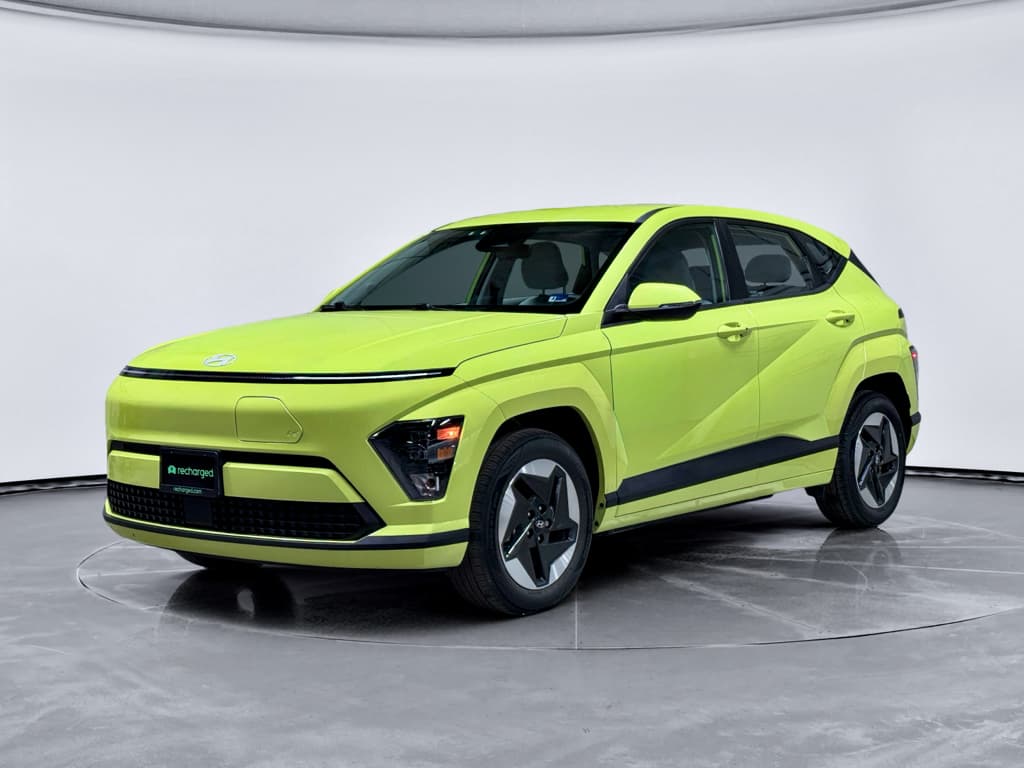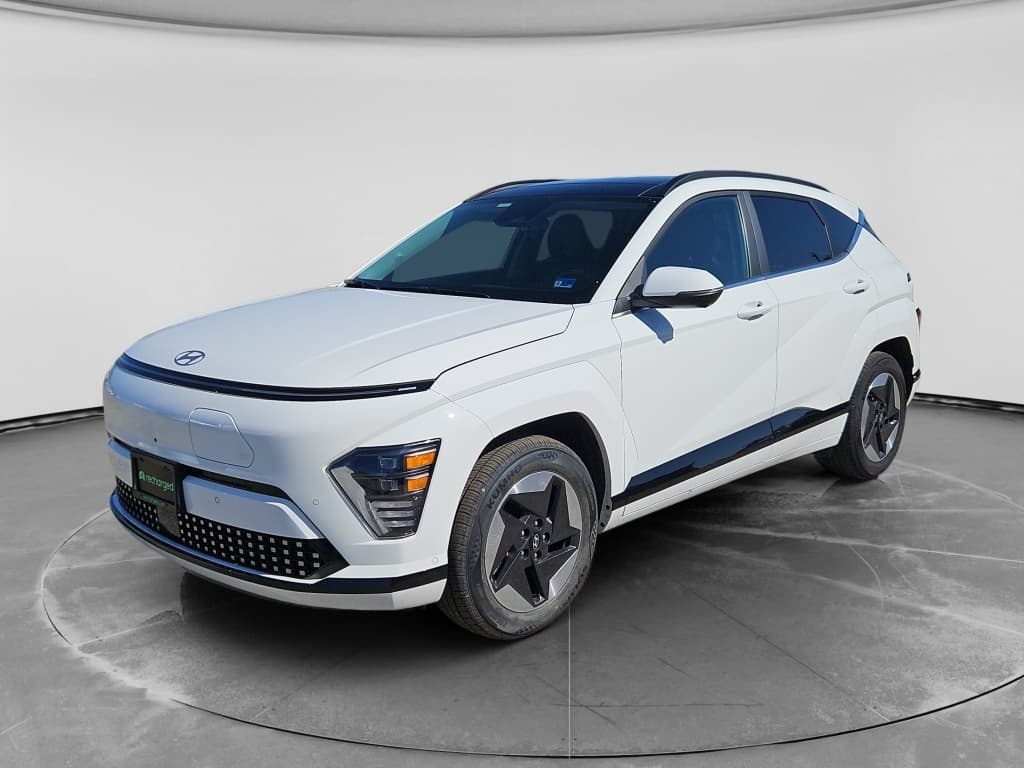
If you’re considering a Hyundai Kona Electric, you’re probably running the numbers on **total cost of ownership**, and insurance is a big line item. In 2026, Hyundai Kona Electric insurance cost sits in a relatively friendly spot for an EV: higher than a comparable gas Kona, but well below what many Tesla and luxury EV owners are paying.
Key takeaway for 2026
Hyundai Kona Electric insurance cost in 2026: quick overview
Typical 2026 Hyundai Kona Electric insurance numbers
Those numbers are **broad ballparks**, not quotes. Some insurers publish sub‑$1,000 figures for low‑risk Kona Electric drivers, while others quote well over $2,500 in high‑risk states or for newer drivers. The right way to think about 2026 Hyundai Kona Electric insurance is: it’s usually **moderately above a gas Kona**, but **far from the top end of EV insurance pricing**.
How much is Hyundai Kona Electric insurance in 2026?
Because insurers price at the individual level, there isn’t a single “correct” number. But looking across insurer rate tools, internal Recharged data, and broader EV insurance studies, a few patterns emerge for **full‑coverage** policies (liability, collision, and comprehensive):
- Many mainstream insurers quote **roughly $1,600–$2,000 per year** for a 2022–2024 Hyundai Kona Electric driven by a clean‑record 30–40‑year‑old in a typical U.S. suburb.
- Some usage‑based carriers and digital‑first insurers advertise **lower numbers**, especially for low‑mileage drivers, safe‑driver programs, or those who bundle home and auto.
- In higher‑risk states and urban cores, or for newer drivers, it’s not unusual to see **$2,200–$2,800+** annual premiums on a Kona Electric.
- Bare‑bones **liability‑only** coverage is cheaper, but with a newer EV, and an expensive battery pack, most lenders and owners stick with full coverage.
Don’t rely on a single average
Why EV insurance (including the Kona Electric) can be higher than gas cars
From an insurer’s perspective, **electric vehicles are still a newer risk class**. Even though a Kona Electric is compact, practical, and not overly powerful, it still shares the structural realities that push EV insurance up compared with gas cars:
What pushes Hyundai Kona Electric insurance up?
The core reasons EV premiums can run higher than comparable gas vehicles
Battery repair costs
Damaging the high‑voltage battery in a crash can mean a repair bill in the **five‑figure** range, or a full pack replacement. Even if it’s rare, insurers have to price for that risk.
Specialized repairs
EV‑qualified body shops and technicians are still less common than conventional repair shops. Longer repair times and pricier parts translate into **higher claim severity**.
Higher vehicle tech content
Advanced driver‑assistance systems, radar sensors, and camera arrays in the Kona Electric protect you, but when damaged, they raise the **average cost per claim**.
That said, by 2026 the gap between EV and gas premiums is **narrower than it was a few years ago**. Early‑2020s studies showed EVs costing 20–40% more to insure; more recent data points to **low‑double‑digit or even single‑digit differences** as volume grows and repair ecosystems mature. The Kona Electric, with its relatively modest price and compact‑SUV footprint, tends to sit on the **more affordable end of the EV spectrum**.
9 factors that shape your Hyundai Kona Electric insurance premium
When you price Hyundai Kona Electric insurance in 2026, your insurer is really answering a few questions: *How likely is this driver to file a claim? How big might that claim be?* Here are the main levers they pull:
Key pricing levers for Kona Electric insurance
1. Where you live and park
Urban ZIP codes with more claims, theft, and severe weather tend to see higher Kona Electric premiums. Gated or garage parking can sometimes help versus street parking.
2. Your driving record
Speeding tickets, at‑fault crashes, and DUIs can easily add **hundreds of dollars per year** to an EV premium. A clean record is one of the biggest discounts you control.
3. Annual mileage and commute
Insurers rate risk per mile. If you drive 7,500 miles a year instead of 15,000, you’re exposed to roughly half as many opportunities for a claim. Many carriers reward low‑mileage EV owners.
4. Coverage level and deductibles
Higher liability limits and low deductibles (e.g., $250 or $500) protect you better but cost more. A common savings move is raising comprehensive and collision deductibles to **$750–$1,000**, if you can afford that out of pocket after a loss.
5. Model year & equipment
A brand‑new 2025 Kona Electric Limited loaded with tech usually costs more to repair than a 2019 base model. Newer cars also tend to carry higher replacement values, which affects collision and comprehensive pricing.
6. Battery and repair history
While insurers don’t read your battery health report line by line, a Kona Electric that’s structurally sound and hasn’t been in major collisions often qualifies for better comprehensive and collision pricing than one with a patchy history.
7. Credit‑based insurance score (in many states)
In most U.S. states, insurers legally use credit‑based insurance scores as a predictor of claims. Better credit can lead to **meaningfully lower** Hyundai Kona Electric premiums.
8. Telematics and usage‑based programs
Opting into an app‑based program that tracks hard braking, late‑night driving, and phone handling can lower costs if you drive gently. Many 2026 EV‑focused insurers lean heavily on this data.
9. Discounts and bundling
Multi‑vehicle, home‑and‑auto, good student, and loyalty discounts still apply to Kona Electric policies. Stacking several modest discounts often beats chasing one headline‑grabbing EV rate.
Leverage EV‑friendly carriers
Trim, model year, and battery health: why they matter for insurance
Insurance companies don’t just see “Kona Electric”, they see **VIN‑level detail**: model year, trim, factory options, and sometimes even build plant. Those specifics drive both your car’s replacement value and how it behaves in crashes.
1. Model year and trim
- Newer years (2023–2025) usually carry higher physical damage premiums because the car is worth more on the open market.
- Upper trims with more tech (bigger infotainment screens, extra driver‑assistance sensors) can bump up comprehensive and collision costs.
- On the flip side, strong safety tech and crash performance help on the liability side of the equation.
2. Used Kona Electric and battery health
When you buy a used Hyundai Kona Electric, an insurer mainly cares about:
- Whether the car has prior structural or battery damage.
- Accident history that could make future repairs more complex.
- Current market value, what it would cost to repair or replace today.
A clean, well‑documented battery and accident history can support more favorable pricing over time because it reduces uncertainty.
Where Recharged fits in
Hyundai Kona Electric vs gas Kona: insurance cost comparison
Hyundai sells the Kona in both **gas** and **electric** versions, which makes it a clean case study. Broadly, most insurers in 2026 treat the Kona Electric as **slightly riskier and more expensive to repair**, but not dramatically so compared with the gas model.
Estimated 2026 insurance comparison: Hyundai Kona vs Kona Electric
Illustrative full‑coverage premiums for a 35‑year‑old driver with a clean record in a typical U.S. suburb. These are directional examples, not quotes.
| Vehicle | Typical annual premium | Difference vs gas Kona | Notes |
|---|---|---|---|
| Hyundai Kona (gas, compact SUV) | ≈ $1,450 | , | Lower repair costs, simpler drivetrain. |
| Hyundai Kona Electric (subcompact EV SUV) | ≈ $1,600–$1,900 | +10–30% | Battery and electronics raise repair cost, but small size and good safety help control rates. |
| High‑end luxury EV SUV | ≈ $2,800–$4,000+ | +90–175% vs gas Kona | Much higher purchase prices and complex parts dramatically raise premiums. |
Kona Electric premiums are often modestly higher than gas Kona, but still cheaper than many larger or luxury EVs.
The punchline: **if you’re cross‑shopping Kona vs Kona Electric**, insurance isn’t likely to be the sole deciding factor. You’ll probably pay more each year to insure the EV, but you’ll also save meaningfully on fuel and often on maintenance, so you have to look at the full ownership picture over several years.
8 ways to lower Hyundai Kona Electric insurance costs
You can’t change the fact that it’s an EV, or that batteries are expensive, but you have more control over your Kona Electric insurance bill than you might think. Here are practical levers to pull in 2026:
Practical strategies to cut your Kona Electric premium
Stack several of these for the biggest impact
1. Right‑size your coverage
Make sure your liability limits match your real‑world risk, then adjust deductibles on collision and comprehensive. Moving from a $500 to a $1,000 deductible can meaningfully shrink premiums, but only if you have the cash cushion to handle that out‑of‑pocket hit.
2. Enroll in telematics programs
Usage‑based plans can work well for EV owners, especially if you mainly commute off‑peak, avoid late‑night driving, and accelerate gently. Many insurers show projected discounts before you lock in.
3. Bundle home and auto
If you own or rent a home, bundling your policy with the same carrier often knocks a chunk off both premiums. Ask specifically how they treat EVs like the Kona Electric in bundled packages.
4. Update life events and usage
Working from home now? Your annual miles likely dropped. Added a teen driver? That changes the equation. Keep your insurer updated so they’re not rating your Kona Electric on an outdated commute profile.
5. Choose an EV‑savvy carrier
Some insurers have invested heavily in EV repair networks and data. They’re often more comfortable pricing cars like the Kona Electric competitively, rather than padding for uncertainty.
6. Pay in full or set up autopay
Many carriers discount premiums if you pay the full six‑month or annual term up front, or sign up for automatic payments. It’s not huge, but it’s easy money.
7. Protect your record
A single at‑fault crash or speeding ticket can erase years of safe‑driver discounts. With instant torque in an EV, it’s easy to speed without realizing, use cruise control or driver‑assist features when it makes sense.
8. Shop around annually
EV pricing is still a moving target for many insurers. Re‑quoting your Kona Electric every 12 months, or when you move or change vehicles, often turns up meaningful savings.
What not to cut
Buying a used Kona Electric? How Recharged can help with insurance
Used EVs are where insurance questions really start to matter. You’re balancing a lower purchase price against unknowns about **battery health, prior repairs, and long‑term reliability**. That’s where a structured, transparent buying experience changes the equation.
Why used Kona Electric can be an insurance sweet spot
- Lower vehicle value than new reduces the ceiling on collision and comprehensive payouts, which can help trim premiums.
- Subcompact footprint and good safety scores keep liability costs in check compared with larger, heavier EVs.
- Stable, well‑understood tech compared with bleeding‑edge luxury EVs.
How Recharged reduces uncertainty
- Every Kona Electric on Recharged comes with a Recharged Score battery health report and verified odometer and accident history.
- That documentation makes it easier to justify proper coverage levels and answer insurer questions about prior damage.
- Because Recharged operates a fully digital marketplace with financing, trade‑ins, and nationwide delivery, you can model monthly payment + estimated insurance before you commit.
Turn numbers into a real budget
Ready to find your next EV?
Browse VehiclesHyundai Kona Electric insurance cost 2026: FAQ
Common questions about Hyundai Kona Electric insurance in 2026
Bottom line: is Hyundai Kona Electric insurance expensive in 2026?
Viewed alongside other EVs, **Hyundai Kona Electric insurance cost in 2026 is relatively tame**. You’ll probably pay more than you would for a gas Kona, but less than owners of larger or luxury EVs, and far less than the headline numbers you see attached to high‑end models. Where you really win with a Kona Electric is in the combination of manageable premiums, low fueling costs, and modest maintenance over time.
If you’re shopping for a used Kona Electric, pairing real‑world insurance quotes with a transparent **battery and history report** is the smart play. That’s exactly the gap Recharged is built to close: giving you verified battery health through the Recharged Score, fair pricing, financing and trade‑in options, and nationwide delivery, so your insurance decision is one part of a clear, end‑to‑end ownership picture, not a wild guess at the end of the process.