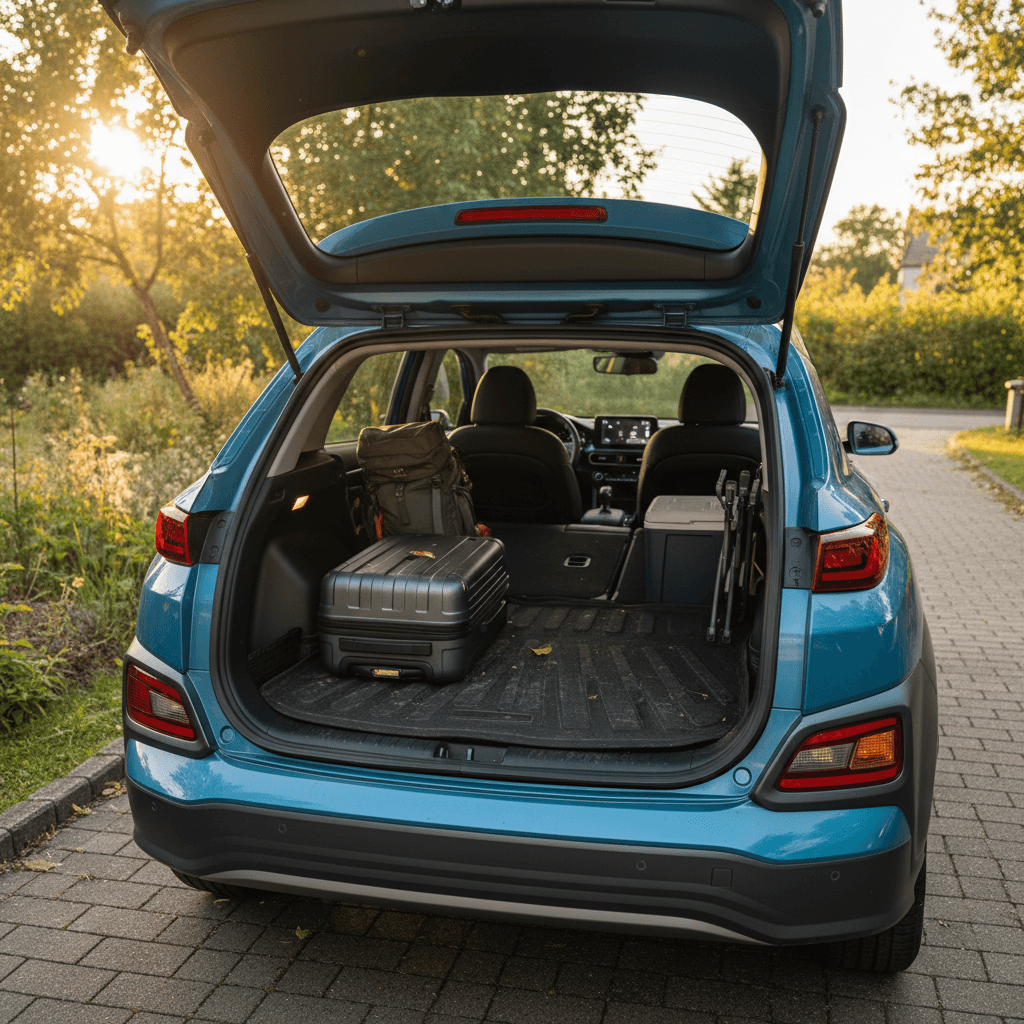
If you’re eyeing a Hyundai Kona Electric, you’re probably wondering how much **usable cargo space you really get with the rear seats down**. On paper, the numbers look impressive for a small EV crossover. But what does that translate to in road‑trip bags, IKEA boxes, skis, or a big Costco run? Let’s walk through the specs and the real-world experience so you know exactly what to expect.
Two very different Kona Electrics
Overview: Hyundai Kona Electric cargo space with seats down
Hyundai Kona Electric cargo space at a glance
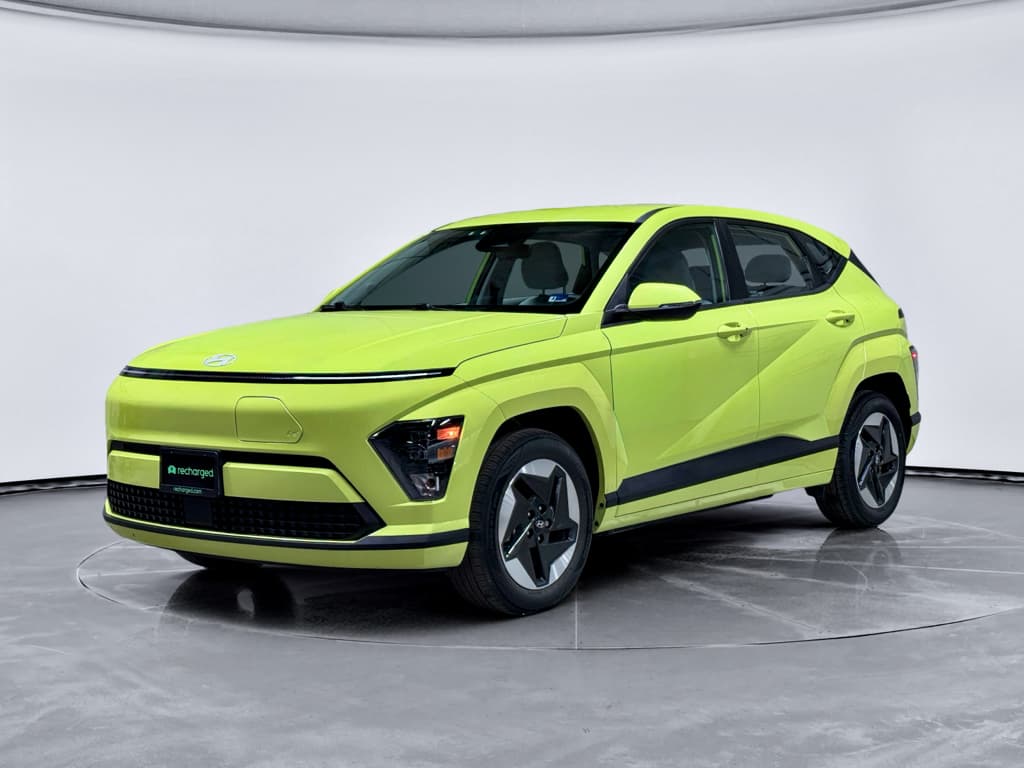
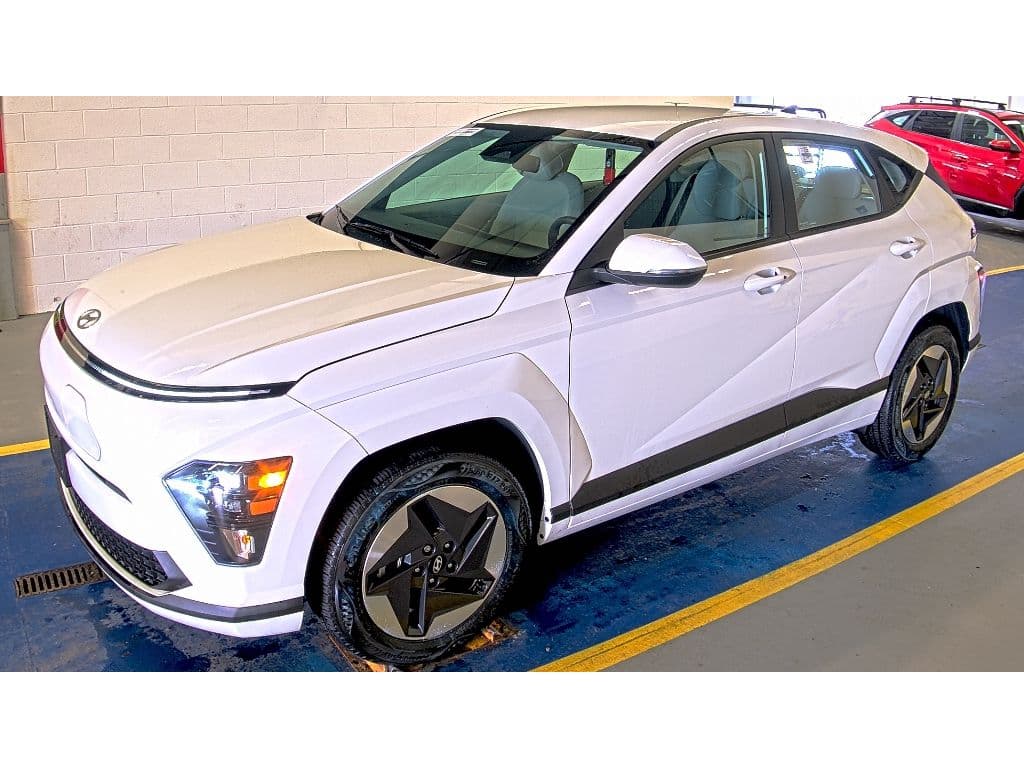
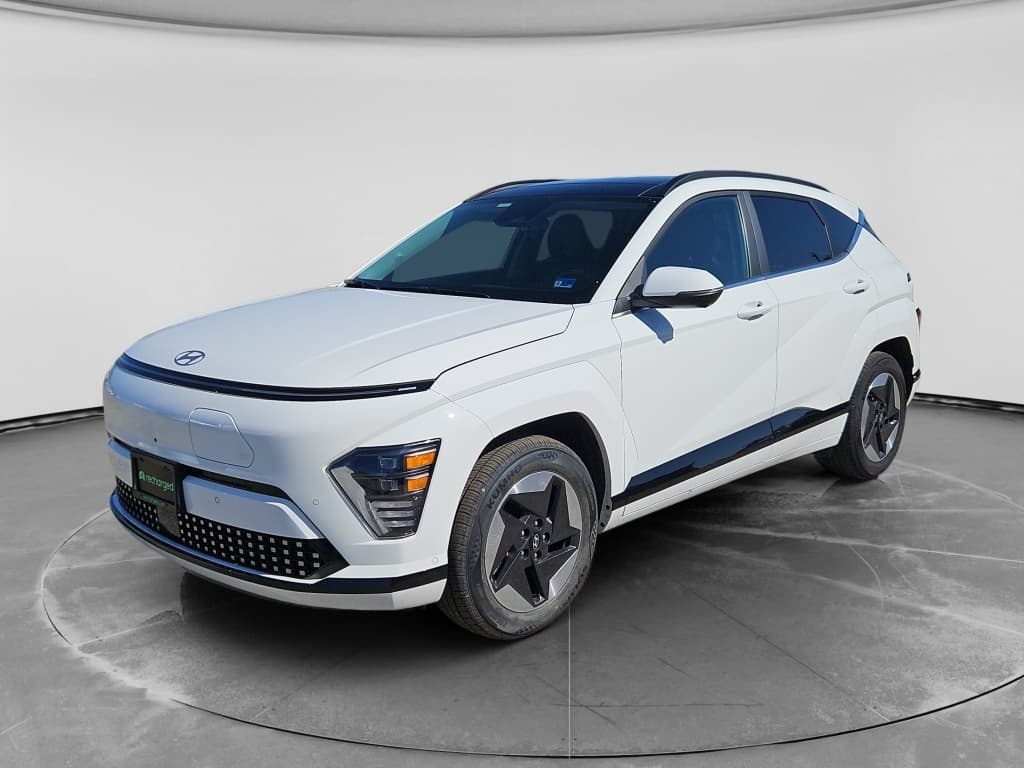
Officially, the **2019–2023 Kona Electric** offers around **45.8 cubic feet of cargo space** with the rear seats folded. The **2024 and 2025 second‑generation Kona Electric** stretch that to roughly the **mid‑60s in cubic feet** when you drop the second row, putting it near the top of the subcompact EV class for sheer volume.
Quick rule of thumb
Cargo specs with seats down: first vs second generation Kona Electric
Let’s break the numbers out by generation so you’re not mixing apples and oranges when you compare listings or spec sheets.
Hyundai Kona Electric cargo specs with seats down
Approximate factory cargo volume figures for the Kona Electric with the rear seats folded, plus notes on how that feels in the real world.
| Model years | Generation | Cargo seats up | Cargo seats down | Notes |
|---|---|---|---|---|
| 2019–2023 Kona Electric | 1st generation | ≈19–20 cu ft | ≈45.8 cu ft | Tidy footprint, enough for a big run to the store or a weekend getaway for two |
| 2024–2025 Kona Electric | 2nd generation | ≈25.5 cu ft | ≈63–64 cu ft | Longer body and wheelbase; roughly one‑third more cargo volume than before, very competitive for the class |
Cargo space numbers differ significantly between first- and second-generation Kona Electric, even though they wear the same badge.
You’ll notice two things right away: - **Seats up numbers jump significantly** in the new generation (around 25.5 cubic feet vs roughly 19–20 previously). - **Seats down volume grows even more**, into the low‑to‑mid‑60‑cubic‑foot range. That’s the realm where you can start thinking about larger flat‑pack furniture, bikes (front wheel removed), and full family road‑trip duty without creative Tetris.
Watch the fine print
Real-world test: what actually fits with the seats folded?
Cubic feet are fine for spec sheets, but they won’t tell you if your skis, dog crate, or moving boxes will fit. Owners and road‑testers have done the dirty work here, and their experience paints a clearer picture of what life is like with a Kona Electric and the seats down.
- **Suitcases and travel gear:** With the rear seats flat, a first‑gen Kona Electric can swallow two full‑size checked suitcases plus a couple of carry‑ons with room left over. The second‑gen can handle **three large rollers plus duffel bags** without blocking rear visibility too badly.
- **Flat‑pack furniture:** Owners report sliding in multiple 6‑foot‑long flat‑pack IKEA boxes and even 8‑foot boards corner‑to‑corner by folding only part of the rear seat. With both halves down, you’re in small‑wagon territory for length.
- **Outdoor gear:** Snowboards go in diagonally with room to spare. Skis will usually ride diagonally or between the front seats depending on length; a 2nd‑gen car’s extra interior length makes that a little easier.
- **Pet crates:** Medium to large dog crates fit in upright behind the front seats. In the older, shorter Kona, crate height is your main constraint; in the newer one, you gain a bit of flexibility in both directions.
Length matters more than volume
Cargo floor settings, fold-flat tricks, and hidden space
Hyundai quietly did a lot of smart work on the Kona Electric’s cargo area. Both generations give you more flexibility than you’d expect from a small footprint, especially if you’re willing to fiddle with the floor and seatbacks.
How to unlock every inch of Kona Electric cargo space
Simple adjustments that make your cargo area more useful day to day.
Adjustable cargo floor
Most Kona Electrics use a two-position cargo floor behind the rear seats:
- Upper position: Gives you a flat load floor when the seats are folded, easier for sliding heavy items in and out.
- Lower position: Drops the floor a couple of inches for extra vertical room at the cost of a small step when the seats are folded.
If you’re carrying tall boxes or a dog crate, that lower setting can make the difference between “almost” and “fits.”
Getting the flattest fold
The rear backrests don’t always land perfectly flat out of the box. Owners of the latest Kona Electric have found that:
- Removing the rear seat bench or adjusting its mounts lets the backrests drop flatter.
- In the 2024+ car, sliding the cargo floor to its higher setting gives you a near‑flat floor with minimal gap.
You don’t have to modify anything for everyday use, but if you camp in your car or haul big boxes often, these tweaks are worth exploring.
Don’t forget the extra nooks
Kona Electric vs gas Kona and other small EVs
Because the Kona Electric shares a body shell with gasoline Konas in both generations, its **basic box shape is the same**, but battery packaging and rear suspension tuning do shift a few inches here and there. The big picture: if you’ve lived with a gas Kona, the electric feels very familiar once the seats are folded.
Cargo space with seats down: Kona Electric vs popular small EVs
High-level comparison of cargo volume with rear seats folded in a few small electric crossovers and hatchbacks.
| Model | Type | Cargo seats down (approx.) | Notes |
|---|---|---|---|
| Hyundai Kona Electric 2019–2023 | Subcompact EV crossover | ≈45.8 cu ft | Smaller overall but still very usable; think tall hatchback practicality |
| Hyundai Kona Electric 2024–2025 | Subcompact EV crossover | ≈63–64 cu ft | Among the roomiest in its size class with the seats down |
| Kia Niro EV (similar years) | Compact EV crossover | Low‑60s cu ft | Slightly larger footprint, similar or slightly more volume |
| Chevy Bolt EUV | Tall EV hatchback | ≈56 cu ft | Good length but narrower, and now discontinued new |
| VW ID.4 | Larger EV crossover | Low‑60s to 64 cu ft | Bigger exterior footprint, similar folded‑seat volume to new Kona Electric |
The second-generation Kona Electric fights well above its weight when you drop the rear seats, especially compared with other compact EV crossovers.
Small outside, big inside
Everyday scenarios: groceries, gear, pets, and road trips
Specs are one thing; living with a car is another. Here’s how the Kona Electric’s cargo space with the seats down plays out in everyday life.
How the Kona Electric handles common cargo jobs
1. Grocery and Costco runs
With the seats up, you can pack a full week’s worth of groceries for a family of four. Drop one side of the split rear seat and you can add bulky items like big paper‑towel packs or pet food bags without crushing the eggs.
2. Road trips for two
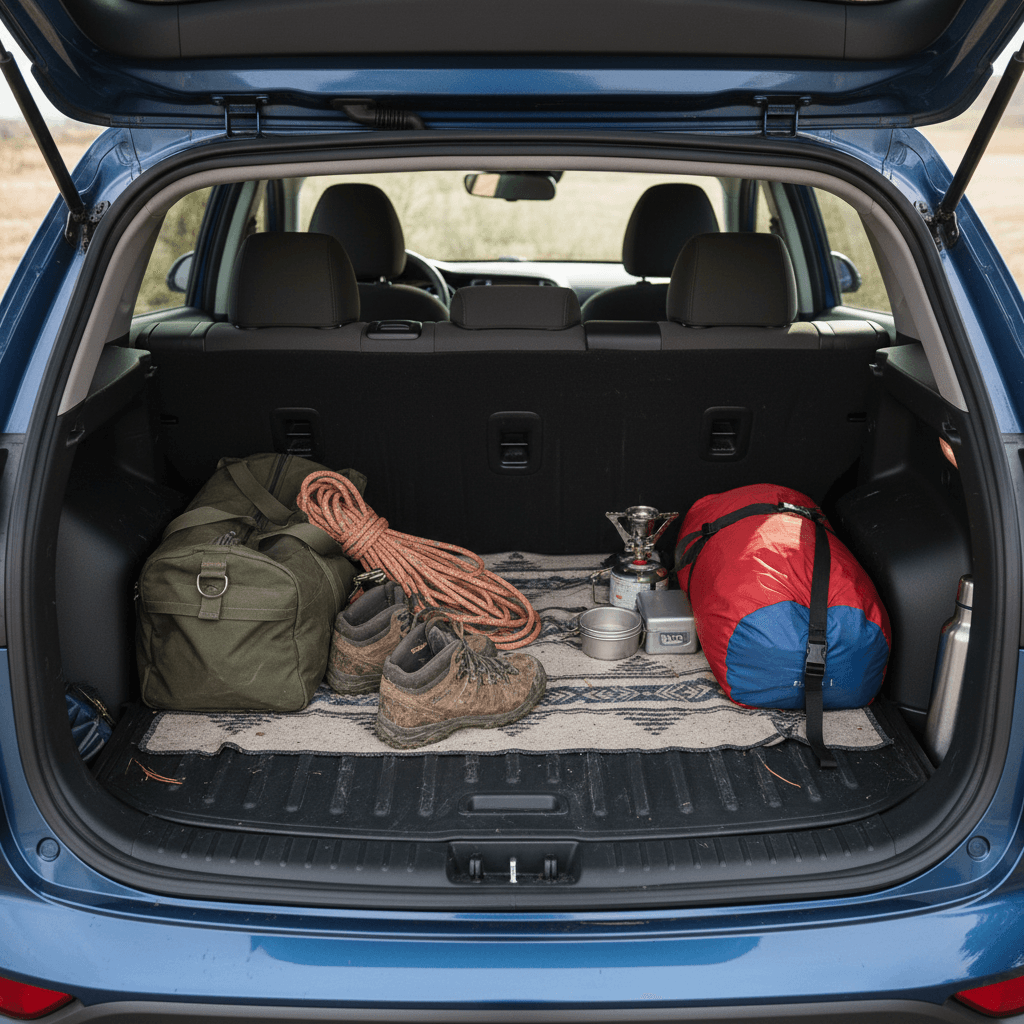
Fold both seatbacks and push the front seats slightly forward, and you’ve got space for two big suitcases, two duffels, a cooler, and soft bags stacked along the sides. The flatter you keep the load, the better your rearward visibility and efficiency.
3. Road trips for four
Here, smart packing matters. Keep the rear seats up and load the cargo floor to the window line. If you need more space, fold one‑third or two‑thirds of the rear bench and put a lighter sleeper or kid on the remaining section with a good view forward.
4. Bikes and outdoor toys
In both generations, one or two bikes will fit with **front wheels removed** and the seats down. The newer car’s extra length makes it less of a puzzle. For kayaks and big cargo boxes, a roof rack is still your friend.
5. Dogs and pet crates
A medium crate sits nicely lengthwise with the seats folded. For larger dogs, many owners fold just part of the rear seat and give the dog an extended flat space from hatch to front seats, with a barrier behind the front row for safety.
6. Moving day and DIY projects
Think of the Kona Electric as a **tall compact wagon** when the seats are dropped. Stacks of moving boxes, a disassembled bed frame, or tall houseplants will ride comfortably as long as you respect the roofline and rear window.
Safety first when stacking cargo
Tips for packing the Kona Electric efficiently
Use the split-fold wisely
Both generations of Kona Electric offer a split‑folding rear seatback. Instead of automatically dropping the whole seat, decide who and what needs to ride:
- Fold two-thirds for a long, wide loading corridor plus one rear seat.
- Fold one-third to keep two passengers comfortable and still slide in long items.
In the second‑gen car, this flexibility is even more helpful thanks to the extra inches of rear legroom and cargo length.
Think in layers, not piles
Because the Kona Electric’s cargo area is tall for its class, you’ll get the most out of it if you build your load in layers:
- Heavy items on the floor, slid forward against the seatbacks.
- Squishy bags on top to protect the glass and trim.
- Fragile items last, strapped or wedged where they won’t shift.
If you’re new to EVs, remember that even weight distribution also helps keep handling and braking predictable.
- **Drop the floor for tall cargo, raise it for flat loading.** If you’re hauling a lot of big boxes with the seats down, try the floor in the upper position for a smoother slide‑in surface.
- **Measure before you order.** Online dimensions for furniture and crates are your friend. The Kona Electric’s rear opening narrows a bit near the bumper; if something barely clears on paper, give yourself extra margin.
- **Pack with range in mind.** A Kona Electric loaded roof‑high with a cargo box on top will be less efficient. If you’re planning a long‑distance trip, keep the load as low and aerodynamic as you can.
- **Use soft-sided bags.** They flex into corners and around the wheel arches much better than hard suitcases, unlocking odd pockets of space that would otherwise go to waste.
Planning a long EV trip?
Used Kona Electric shopping: cargo and practicality checks
If you’re considering a **used Hyundai Kona Electric**, especially as a primary family car, it pays to go beyond the brochure numbers and actually test how the cargo area works for your life.
Cargo-related checks when test‑driving a used Kona Electric
1. Verify the generation
Confirm whether you’re looking at a **2019–2023** (smaller) or **2024+** (larger) Kona Electric. If your life involves bikes, dogs, or regular big‑box runs, that size jump may matter more than paint color or wheels.
2. Fold the seats yourself
On your test drive, drop the rear seatbacks and look for: how flat they lie, whether they latch securely back into place, and whether the headrests need to be removed for taller drivers.
3. Check the cargo floor options
Lift the floor and see what’s underneath. Are the **upper and lower positions** intact? Is there space for charging cables or emergency gear? Any signs of water intrusion or damage around the spare‑tire well area?
4. Measure your must‑fit item
If you know you need to carry a specific crate, instrument case, stroller, or mobility device, bring a tape measure, or even the item itself, and make sure it clears the hatch opening and fits with the seats down.
5. Inspect for overloading scars
Look for scuffs on the seatbacks, dents in the plastic trim near the hatch, and sagging or damaged cargo covers. These are clues that the car has done hard hauling, which isn’t a deal‑breaker but is good to know.
6. Ask for battery health documentation
Cargo space is only half the story with a used EV. A Kona Electric with **strong battery health** is much more useful on road trips. At Recharged, every used EV comes with a Recharged Score battery report and fair‑market pricing, so you can focus on whether the space and range fit your life instead of guessing.
How Recharged can help
Ready to find your next EV?
Browse VehiclesFAQ: Hyundai Kona Electric cargo space with seats down
Frequently asked questions about Kona Electric cargo space
The Hyundai Kona Electric punches well above its weight when you flip those rear seatbacks down. The first‑generation car gives you honest tall‑hatch practicality in a tight footprint; the second‑generation model stretches things far enough that it starts to feel like a shrunken family crossover. If you take a few minutes to learn the quirks of the adjustable cargo floor, split‑folding rear seat, and hidden storage, you’ll be surprised at just how much you can ask of this little electric workhorse. And if you’re shopping used, pairing that smart packaging with a clear view of battery health and pricing, something Recharged was built to deliver, turns the Kona Electric from a spec-sheet curiosity into a very easy EV to live with every day.