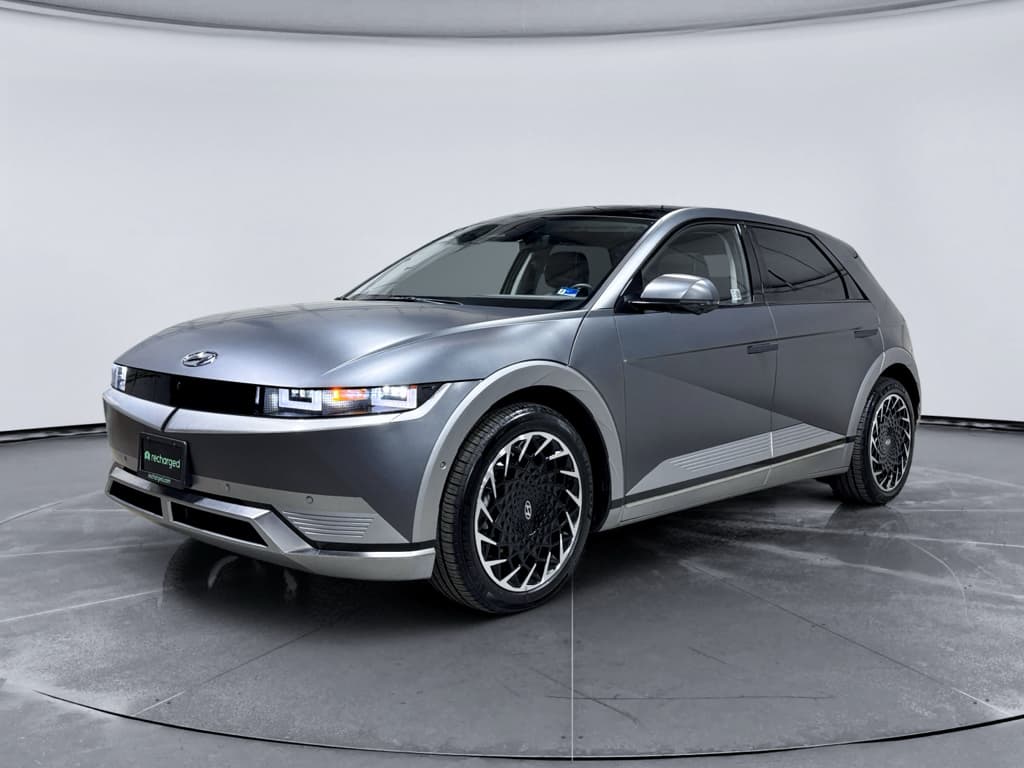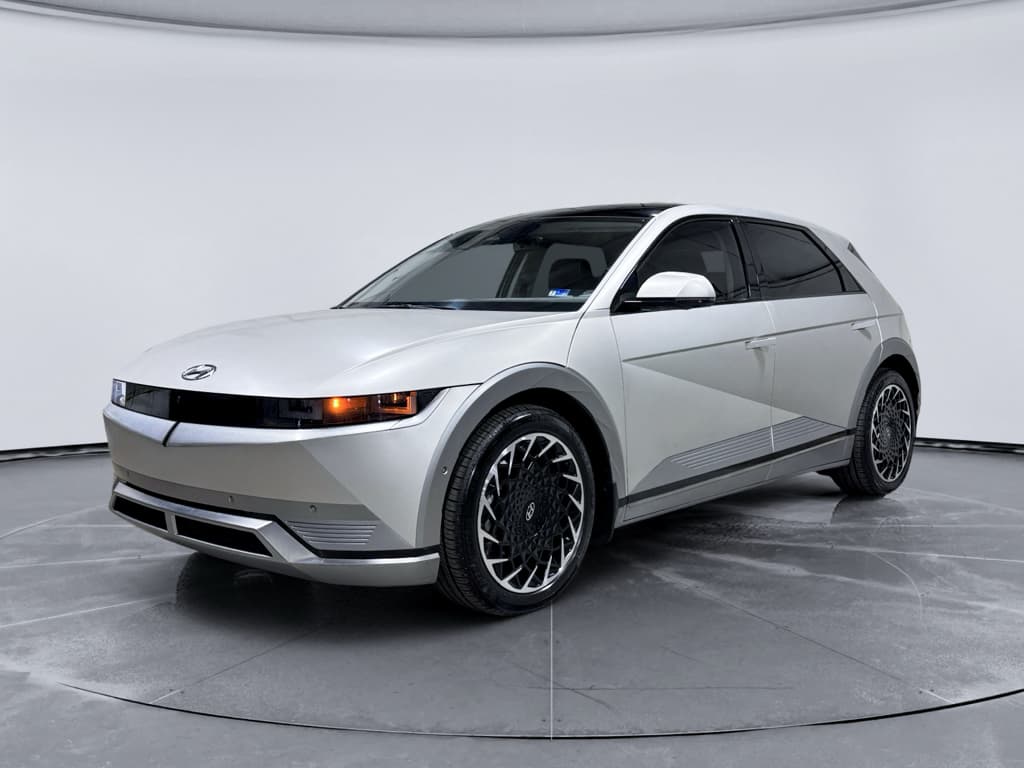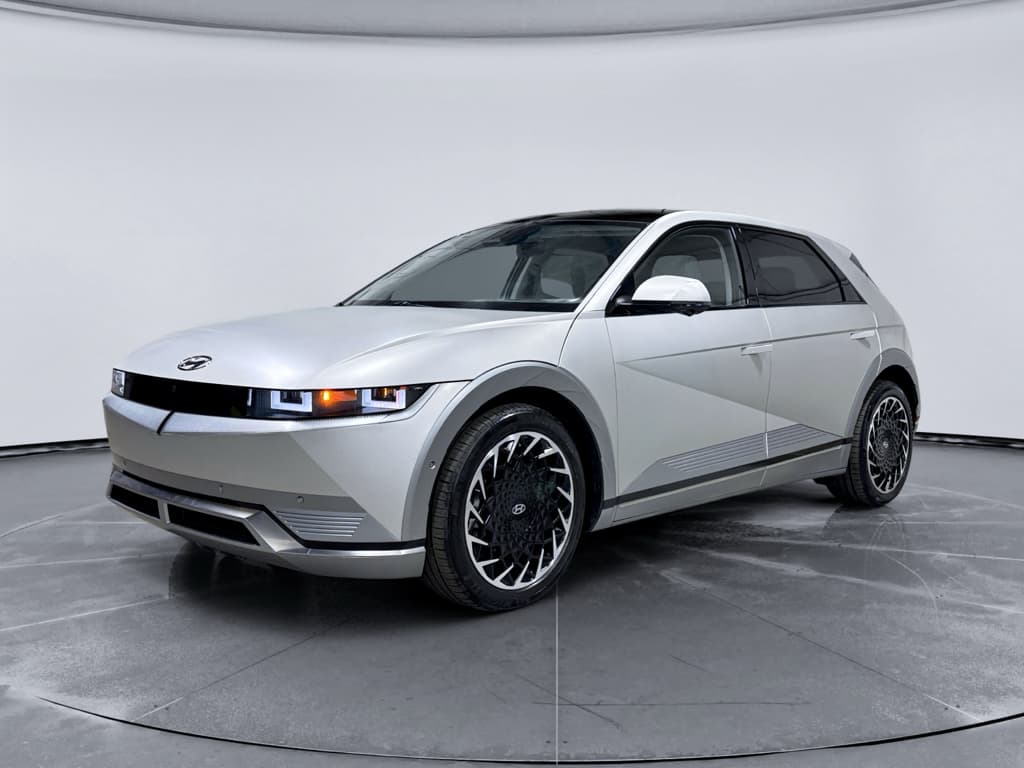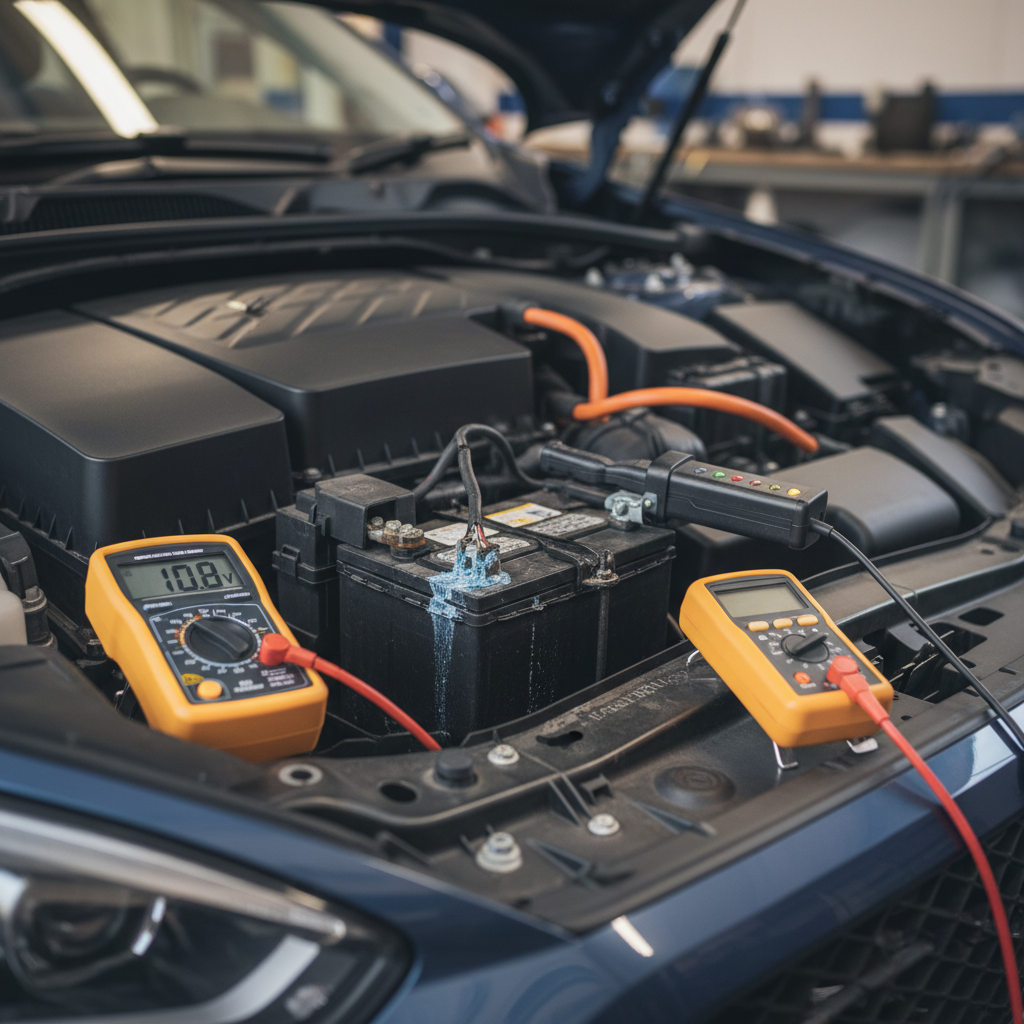
Shopping for a Hyundai Kona Electric can feel like walking into a maze of trims, battery sizes, range figures, and incentives, especially if you’re considering a used one. This Hyundai Kona Electric buying checklist walks you through everything that matters: model years, battery health, range, charging, common issues, and what a fair deal looks like today.
Who this checklist is for
Why the Hyundai Kona Electric is worth a look
The Kona Electric has quietly become one of the most practical compact EVs on the used market. It offers strong efficiency, a usable hatchback body style, and, on long-range trims, EPA estimates up to around 261 miles of range on certain 2025 models. Unlike some early EVs, the Kona Electric has shown relatively solid battery durability so far, and Hyundai’s 10‑year powertrain and 8‑year battery warranties (for original owners) are among the strongest in the industry.
Hyundai Kona Electric: key advantages at a glance
Why many used-EV shoppers start their search here
Efficient and punchy
Even base models feel lively around town, and long-range trims deliver 200+ miles of real-world range in many climates if driven sensibly.
Strong warranty coverage
Hyundai’s 8-year/100,000-mile high-voltage battery warranty (U.S.) gives you a safety net against major battery defects, especially on younger used vehicles.
Easy to live with
Compact size, hatchback practicality, and support for CCS DC fast charging make the Kona Electric a flexible daily driver and commuter.
Important market note
Model years, trims, and range to know before you shop
Before you ever set foot on a lot or click "contact seller," get clear on which Kona Electric you actually want. Range and power vary by battery size and trim, especially on newer generations.
Hyundai Kona Electric trims & range snapshot (recent U.S. models)
Representative EPA range and key specs you’ll see in listings. Always verify specifics for the exact model year you’re considering.
| Model year generation | Typical trims | Battery (approx.) | EPA range (approx.) | Power |
|---|---|---|---|---|
| 2019–2023 (1st gen) | SEL, Limited (naming varies by year) | ~64 kWh long-range | ~258 miles | Approx. 201 hp FWD |
| 2024–2025 (2nd gen, U.S.) | SE (Std Range), SEL, N Line, Limited | 48.6 kWh (SE), 64.8 kWh (SEL+) | 200–261 miles depending on trim | 133 hp (SE), 201 hp (SEL and up) |
| 2027+ (expected return) | SE (early info) | ~48.6 kWh | ~200 miles (projected) | 133 hp FWD (projected) |
Use this as a quick decoding guide when you see SE, SEL, N Line, or Limited on a Kona Electric listing.
Decode range in a listing fast
Best bets for range & value
- 2019–2023 long-range models: Often rated around 258 miles, now showing up at compelling used prices.
- 2024–2025 SEL: Long-range battery, 201‑hp motor, and comfort features like heated seats on many builds.
If you road-trip occasionally or have chilly winters, a long-range battery is worth seeking out.
When the SE standard-range makes sense
- Daily commute is under ~60 miles roundtrip.
- You have home Level 2 charging.
- You want a lower purchase price and don’t mind ~200 miles EPA range.
For many urban and suburban buyers, the SE’s range is genuinely sufficient if charging at home is easy.
Step-by-step Hyundai Kona Electric buying checklist
Use this step-by-step Hyundai Kona Electric buying checklist as you research, inspect, and test-drive. You can run through it whether you’re shopping local dealers, online platforms, or private-party listings.
10-step Kona Electric buying checklist
1. Confirm the exact model year and trim
Ask for the full VIN and build sheet or window sticker. You want to know whether it’s a standard-range SE or a long-range SEL / Limited (especially on 2024–2025 cars), plus any options like heat pump or tech packages.
2. Verify battery size and EPA range
Look up the VIN on Hyundai’s site or a reliable spec source to confirm battery capacity and official range. Don’t rely solely on the seller’s memory or a generic listing template.
3. Check remaining warranties
For U.S. cars, confirm in-service date and mileage to see what’s left of the 8‑year/100,000‑mile high-voltage battery warranty and 5‑year/60,000‑mile new-vehicle warranty. Ask for documentation, not just verbal assurances.
4. Review service history and recall status
Request full service records. Then check the VIN with a Hyundai dealer for open recalls or completed campaign work, especially around battery-related recalls on early builds and software updates.
5. Assess battery health (SoH)
If possible, have the car scanned with an OBD dongle and EV-specific app or by a Hyundai dealer to read State of Health (SoH), number of DC fast charges, and any battery fault codes.
6. Inspect charging equipment
Make sure an OEM Level 1 cable or any included Level 2 portable EVSE is present, undamaged, and works. Missing or damaged cables can cost several hundred dollars to replace.
7. Plan for your charging setup
Confirm you’ll have access to reliable charging, home Level 2, workplace charging, or public networks near your routes. For apartment/condo living, this step is critical.
8. Test-drive for drivetrain and noise issues
On your test drive, listen for humming, grinding, or "wheel of fortune"‑style rotational noises from the front end that could hint at reducer or bearing issues. Check for steering or suspension clunks over bumps.
9. Evaluate interior tech and safety features
Confirm that the infotainment system, cameras, ADAS features (lane keeping, adaptive cruise, blind-spot monitoring, etc.) and digital cluster all work correctly. A glitchy screen or sensor can be expensive out of warranty.
10. Compare pricing to current market
Use multiple pricing sources and EV-focused marketplaces to gauge fair value for the year, trim, mileage, and battery size. Make sure any dealer add-ons or fees don’t erase the Kona’s value advantage.
How Recharged fits into this checklist
Battery health and warranty: what to verify
Battery condition is the single most important factor when buying any used EV. The Hyundai Kona Electric has not shown catastrophic degradation in large numbers, but you should still verify health instead of guessing.
Battery, charging, and warranty facts to keep in mind
- Ask the seller for an official Hyundai service printout showing warranty status and any battery-related campaigns or recalls.
- If possible, have a Hyundai dealer perform a battery health report or EV system check before you sign paperwork.
- Use an OBD dongle and EV app (or a Recharged Score Report) to see State of Health (SoH) and count of DC fast-charge sessions.
- On the test drive, confirm the displayed range at a known State of Charge looks roughly consistent with the EPA rating for that trim.
Watch charging habits, not just numbers
Don’t skip recall checks
Charging speed, range, and your real-world needs
Range numbers look impressive on paper, but what matters is how the Kona Electric fits your driving pattern and charging access. Here’s how to sanity-check that before you buy.
Match your Kona Electric to your life
Three common buyer profiles and what to prioritize
Urban commuter
Typical use: 20–50 miles a day, mostly city.
Best fits: 200‑mile SE or any long-range trim.
Key checks: Home/work charging, easy parking for the charge port, active safety features for stop‑and‑go driving.
Suburban family
Typical use: Mixed city/highway, school runs, weekend trips.
Best fits: Long-range SEL or Limited trims with ~250+ miles EPA range.
Key checks: Rear-seat space, cargo, roof rails, DC fast charging for occasional road trips.
Road‑trip & adventure
Typical use: Occasional long drives, varied weather, hills.
Best fits: Long-range battery with reliable CCS fast-charging along your routes.
Key checks: Public network coverage, charging curve, winter range expectations.
Realistic range expectations
Common issues, recalls, and what to test-drive
Overall, the Kona Electric has a solid reliability record, but like any vehicle it has patterns of issues worth checking for on a pre-purchase inspection and test drive.
Hyundai Kona Electric: issues and what to check
Not every car will have these problems, but this table helps you know where to look.
| Area | Potential issue | What you should do |
|---|---|---|
| High-voltage battery | Earlier recall campaigns; degradation out of spec in rare cases | Verify recall completion and warranty status; request dealer or third-party battery health report. |
| Reducer / driveline | Whining, grinding, or "wheel of fortune" rotational noises at speed | On test drive, accelerate gently to 40–60 mph and lift off the throttle. Listen for cyclical or humming noises that change with speed. |
| 12V battery & electronics | Early 12V failures can cause random warning lights or no‑start situations | Check service history for 12V replacement; watch for intermittent electrical glitches or warning lights during test drive. |
| Suspension & steering | Clunks or knocks over bumps at higher mileage | Drive over rough pavement and speed bumps at low speed; listen for knocks or looseness, then have a shop inspect if you hear anything. |
| Infotainment & cameras | Frozen or glitchy screen, camera issues | Test all cameras, Bluetooth, CarPlay/Android Auto, and navigation. A quick reboot shouldn’t be needed on a healthy system. |
Use this as a checklist during your in-person inspection and test drive.
Focused test-drive checklist for a used Kona Electric
1. Start-up and dash check
Turn the car on and wait 10–15 seconds. All warning lights should cycle off. Note any persistent check EV, ABS, airbag, or battery icons.
2. Low-speed city loop
Listen for clunks, rattles, or scraping at parking-lot speeds. Test one‑pedal feel and brake blending for smooth operation.
3. Highway run
At 55–70 mph, check straight-line tracking, wind noise, and driveline hum. Lightly weave in your lane to feel steering response.
4. Regenerative braking levels
Adjust regen settings (paddles on many trims). Make sure changes are noticeable and smooth, not jerky or inconsistent.
5. HVAC and heated features
Test A/C, heat, heated seats, and (if equipped) heated steering wheel. HVAC performance affects comfort and winter range.
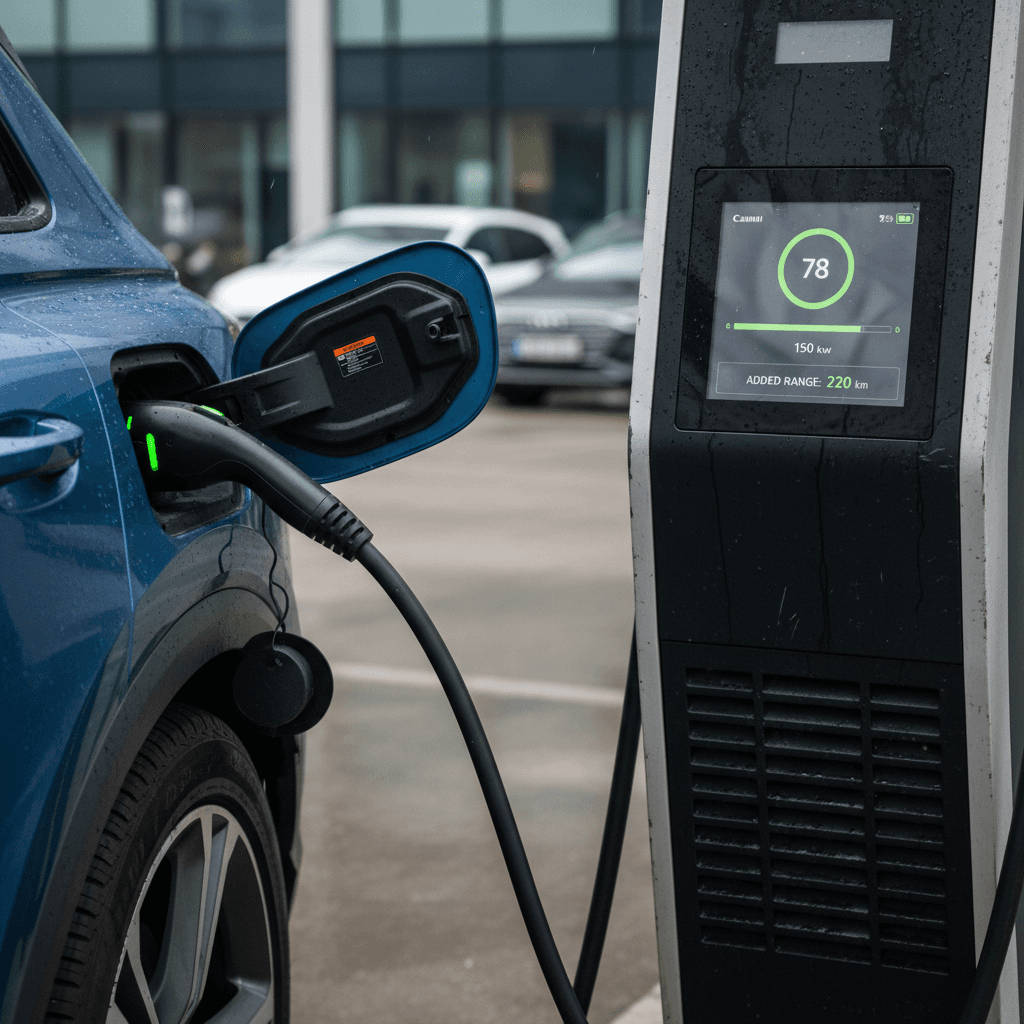
6. DC fast charge test (if possible)
If you can, plug into a CCS DC fast charger for a short session. Confirm the car handshakes correctly and ramps up to its expected kW level.
Walk away if…
Price shopping, financing, and total cost
With production pausing for the 2026 model year, used Hyundai Kona Electrics will likely become a bigger slice of the Kona EV market. That can create both deals and price spikes in certain regions. The goal is to separate a genuinely fair price from a "unicorn" markup.
How to benchmark Kona Electric pricing
- Compare at least three sources: mainstream used-car sites, EV-focused marketplaces, and, ideally, Recharged.
- Normalize for trim, battery size, mileage, and accident history, a cheap SE isn’t a bargain if you really needed SEL range.
- Check for dealer add-on fees (nitrogen, paint sealant, market adjustments) that inflate the real out-the-door price.
Think in total cost, not sticker price
- Estimate your monthly payment with realistic interest rates and taxes.
- Factor in electricity vs. gasoline costs and home charging installation if needed.
- Include insurance, registration, and any HOA or landlord fees related to charging.
Many buyers find that a Kona Electric with slightly higher purchase price but healthier battery and longer warranty is cheaper to own over 5–8 years.
Leverage EV-friendly financing
How Recharged makes buying a used Kona Electric simpler
If you’re excited about the Kona Electric but not about chasing down service records, battery data, and pricing spreadsheets, this is where Recharged comes in. Recharged is built specifically around used EVs, with tools that demystify battery health and ownership costs.
Buying a used Kona Electric with Recharged
What’s different versus a typical used-car lot
Recharged Score battery report
Every vehicle gets a Recharged Score Report that includes verified battery health, charging history indicators, and a clear explanation of what those numbers mean for daily range.
Fair market pricing
Recharged benchmarks each Kona Electric against national and regional data so you can see exactly how the price compares for similar year, trim, mileage, and condition.
Digital-first buying, nationwide
Browse, finance, trade in, and arrange nationwide delivery online, or visit the Recharged Experience Center in Richmond, VA if you prefer in-person help.
Ready to find your next EV?
Browse VehiclesYou can also trade in your current vehicle, get an instant offer or consignment option, and work with EV specialists who understand questions like "Will this SEL actually do my winter commute without a mid-week charge?" rather than just quoting highway MPG out of habit.
Hyundai Kona Electric buying FAQ
Frequently asked questions about buying a Hyundai Kona Electric
Bottom line: Is a Hyundai Kona Electric right for you?
If you want an efficient, compact EV with real range, a hatchback body, and one of the better warranties in the segment, the Hyundai Kona Electric should be on your short list, especially on the used market. The key is to buy with your eyes open: know which battery and trim you’re getting, confirm battery health and recall history, test-drive carefully for driveline and suspension noises, and benchmark pricing against today’s market.
Follow the Hyundai Kona Electric buying checklist in this guide and you’ll be ahead of most shoppers. And if you’d rather have experts do the heavy lifting, battery diagnostics, pricing analysis, and paperwork, consider finding your next EV through Recharged, where every car includes a Recharged Score Report and EV‑savvy support from search to delivery.