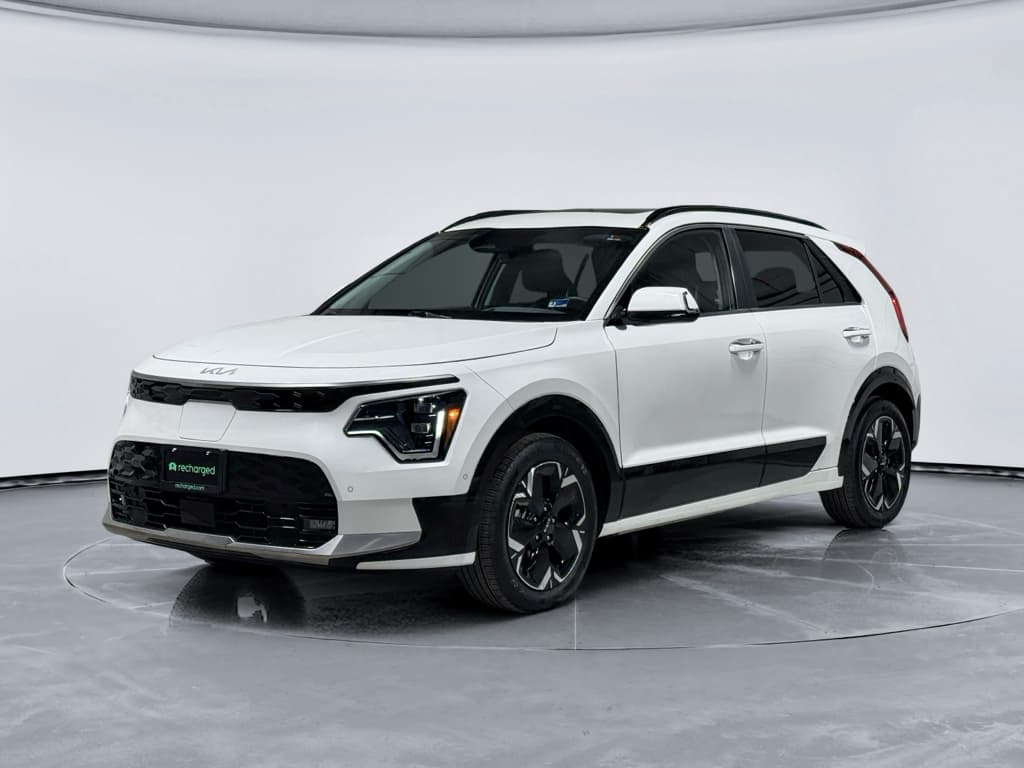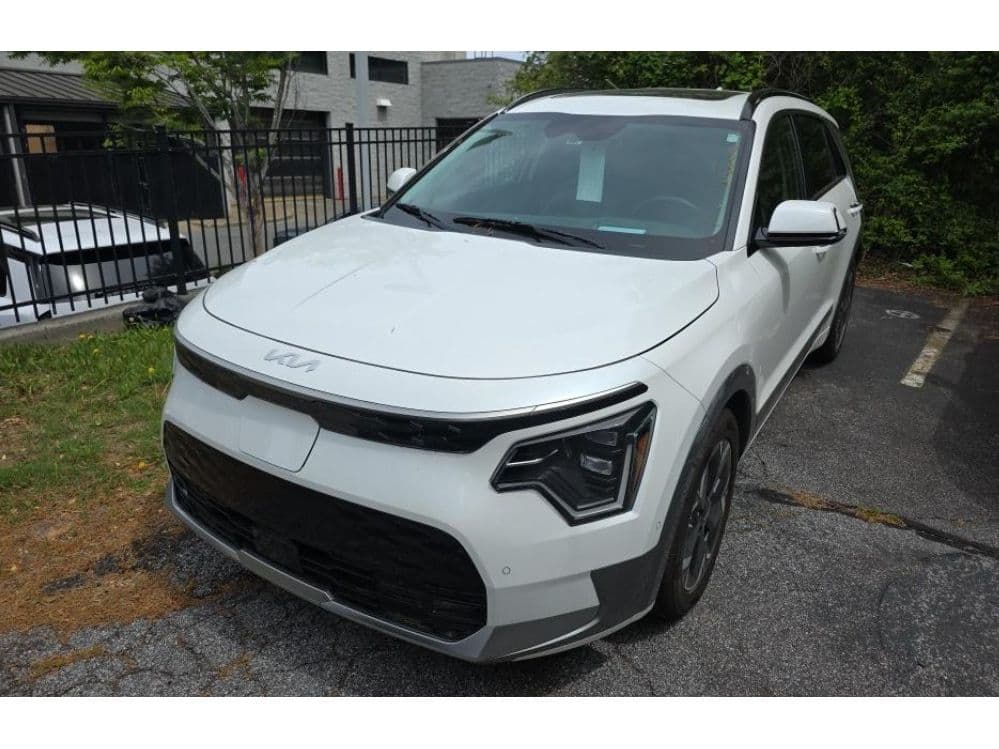
If you’re looking at a Kia Niro EV in 2026, odds are you’re comparing it to other used electric crossovers like the Chevy Bolt EUV, Hyundai Kona Electric, or Volkswagen ID.4. The Niro EV doesn’t shout the loudest on paper, but it has quietly built a reputation as a sensible, efficient, and relatively affordable long-term EV. This review focuses on what it’s like to own one for several years, battery health, range, reliability, depreciation, and whether it’s a smart used buy today.
Model years covered
Kia Niro EV in 2026: Where It Stands
The current Niro EV sits in a sweet spot: it offers practical range, decent DC fast charging, and a compact-SUV body that’s easy to maneuver and park. It’s not the latest 800‑volt, ultra-fast charging wonder, but that actually plays to its advantage on the used market, slower spec-sheet arms races tend to mean softer prices and good value for savvy buyers.
Long-Term Ownership Snapshot (2026)
What most owners care about after the honeymoon phase
Battery Longevity
Real-world reports show modest degradation so far, especially on 2020+ packs, with most drivers still seeing comfortable highway range.
Depreciation Curve
Front-loaded depreciation means a 3–5‑year-old Niro EV can be thousands less than rivals while still under Kia’s battery warranty.
Everyday Reliability
Aside from a few infotainment quirks and occasional charging-speed complaints, the Niro EV has been largely trouble-free for many owners.
Think like a second owner
Key Specs That Matter for Long-Term Ownership
Spec sheets don’t tell you everything about long-term ownership, but they do set the baseline. Here are the Kia Niro EV numbers that actually matter once you’ve lived with the car for a few years.
Kia Niro EV Core Specs (2023–2025 U.S. Model)
These are the specs that shape long-term usability, not just test-drive impressions.
| Spec | Detail |
|---|---|
| Battery (usable) | ≈64.8 kWh lithium-ion |
| EPA range (new) | Up to ~253 miles on 17-inch wheels |
| Onboard AC charger | Up to 11 kW (Level 2) in newer models |
| Max DC fast charge | ≈85 kW peak (10–80% in ~43–45 minutes in ideal conditions) |
| Drivetrain | Single front motor, 201 hp, front-wheel drive |
| Towing | Not rated in U.S. (check local regulations) |
| Warranty (battery) | Typically 10 years/100,000 miles on high-voltage components (U.S.) |
Exact figures vary slightly by market and wheel/tire configuration.
Specs vs. reality
Real-World Range and Efficiency Over Time
A new Niro EV is EPA-rated around 253 miles on a full charge, but what you care about in 2026 is how much range is left after a few years and tens of thousands of miles. Here’s what owners and testers have been seeing.
Real-World Range Snapshot
Across long-term use, the Niro EV has proven consistent and predictable. Owners generally find that if they were getting 240 miles of range when the car was new, they might be seeing something like 215–225 miles several years in, still very usable for commuting and regional trips. The car’s trip computer tends to be conservative once it has learned your driving style, which helps reduce range anxiety.
Easy way to judge a test drive car
Battery Health & Degradation: What Owners Are Seeing
Battery health is the big question in any long-term EV review. The Niro EV’s 64.8 kWh pack doesn’t use the latest cell chemistry, but so far it has held up better than many skeptics expected. Early e‑Niro owners (2019–2022) and current-gen drivers through 2025 report modest degradation rather than dramatic capacity loss.
What long-term owners report
- Many 3–5‑year-old cars still show 80–90% of original capacity based on real-world range and third-party apps.
- Some drivers notice a slow creep in charging time or slightly less range in cold weather rather than a sudden drop.
- Like most EVs, the Niro EV is happiest when charged to 80–90% daily and only hit to 100% for trips.
What helps the Niro EV age well
- A relatively moderate DC fast charge rate reduces thermal stress compared with ultra-fast systems.
- Kia’s active thermal management and available heat pump help stabilize pack temps.
- The long battery warranty gives used buyers a backstop if a genuine defect shows up.
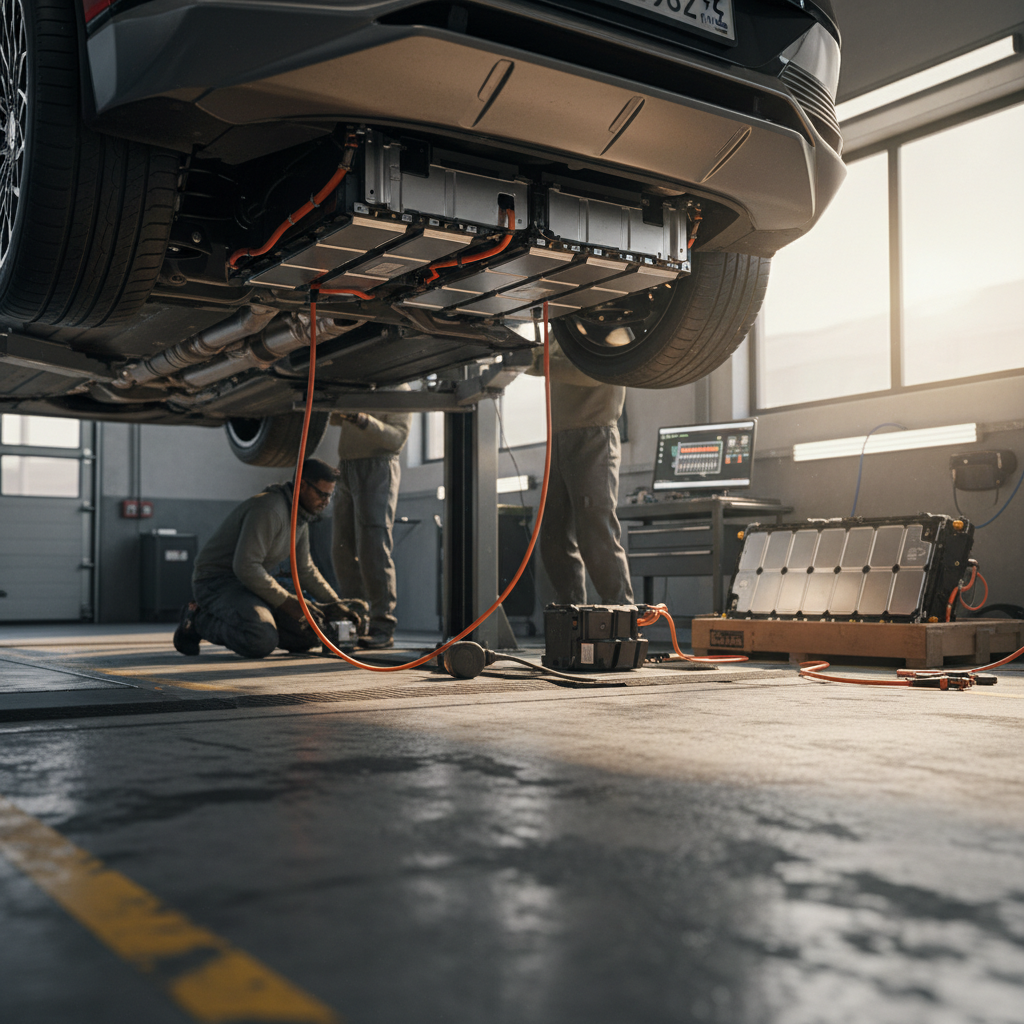
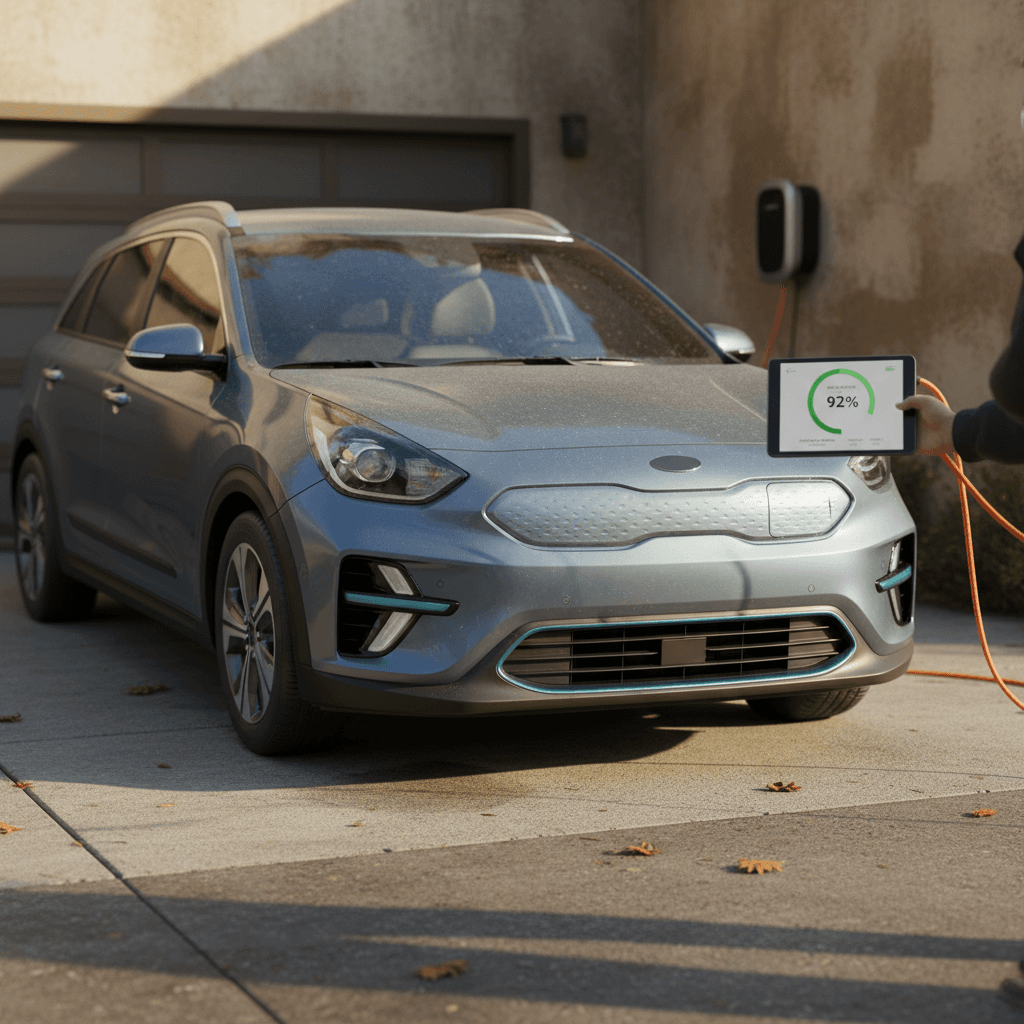
How Recharged checks Niro EV batteries
Long-Term Charging Experience: Home and DC Fast
If there’s one area where long-term Niro EV owners are vocal, it’s charging. Not because the car is unusable, but because expectations set by marketing copy and 350 kW charger branding don’t always match reality.
What Charging Feels Like After a Few Years
Home is easy; road trips require realistic expectations
Home Level 2
With an 11 kW onboard charger, a properly wired 240V Level 2 setup can add 25–35 miles of range per hour, easily going from low state-of-charge to full overnight.
DC Fast Charging
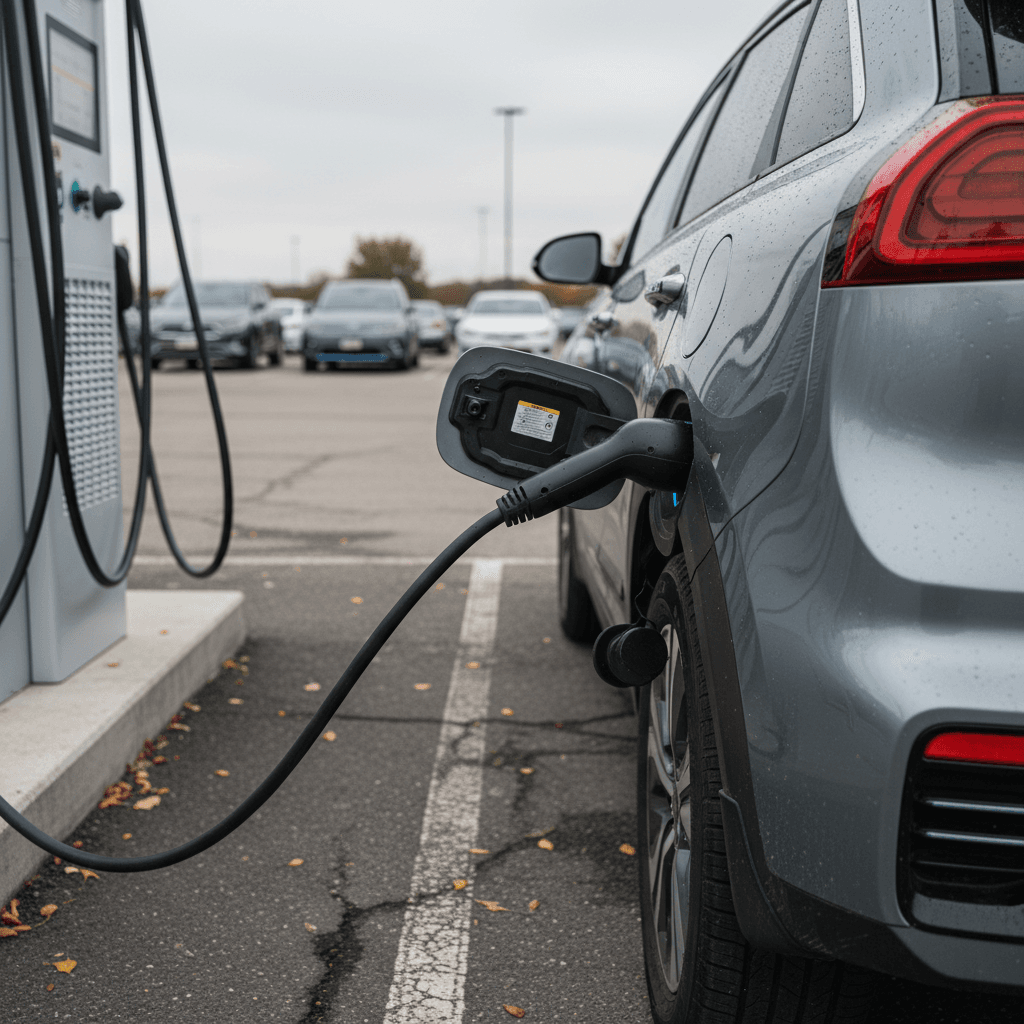
In ideal conditions, expect roughly 10–80% in 40–45 minutes. Many owners report 35–60 kW averages rather than the 80+ kW peak, especially in colder weather.
Cold-Weather Quirks
Repeated long threads from owners describe slower-than-expected DC charging in cool temperatures unless you arrive after long highway driving to warm the pack.
Plan for realistic road-trip stops
Long-Term Charging Tips for Niro EV Owners
1. Install a proper Level 2 at home
A dedicated 40–48 amp Level 2 charger in your garage or driveway turns the Niro EV into a painless daily driver. Relying only on public DC stations quickly becomes tiring.
2. Use departure timers and off-peak rates
Kia’s scheduling tools let you finish charging just before you leave, which can slightly improve winter range and save money if your utility offers cheaper overnight pricing.
3. Precondition before fast charging
When possible, drive 20–30 minutes before a DC fast charge so the battery is warm. Some Niro EVs can use navigation to a DC charger to help preheat the pack automatically.
4. Avoid living at 100%
Charging to 100% occasionally is fine, but for battery health, aim for 70–90% day-to-day. That still gives plenty of usable range for most commutes.
5. Don’t sweat occasional slow sessions
Short-term slowdowns, like a busy shared charger or cold weather, don’t necessarily indicate a bad battery. Look at charging behavior over several sessions, not just one outlier.
Reliability and Common Issues
From a long-term reliability standpoint, the Niro EV has behaved more like a conventional Kia compact than a fragile science experiment, and that’s good news. There are still issues to be aware of, but the overall pattern is that the car is easy to live with and relatively low-drama if serviced properly.
What Tends to Go Wrong (and What Doesn’t)
Patterns from owner reports and used-market inspections
More common annoyances
- Infotainment bugs or lagging CarPlay/Android Auto that may improve with software updates.
- Occasional 12V battery issues on older cars, especially if they sit for long periods.
- Charge-port door mechanisms that can get stiff or misaligned in harsh climates.
Less common (but higher impact)
- High-voltage battery failures are rare but not unheard of; the long warranty is key protection here.
- On heavily fast-charged cars, some owners note slower DC speeds over time, which can be a sign of wear or just more conservative software.
Good news on EV-specific hardware
At Recharged, we’ve found that Niro EVs tend to show predictable wear patterns: tires and brakes based on driving style, cabin wear that tracks mileage, and high-voltage components that either work fine or, if they don’t, are usually handled under Kia’s warranty when the car is within coverage.
Depreciation, Resale Value & Total Ownership Cost
Depreciation is where the Kia Niro EV becomes particularly interesting in 2026. Like most EVs, it drops in value quickly in the first few years, driven by incentives on new models, tech improvements, and a market that’s still finding its footing. The upside is that second owners can capture a lot of value if they buy at the right point in the curve.
What the Market Data Shows
How this compares to gas crossovers
If you’re buying in 2026, pay more attention to condition, mileage, and battery health than model year alone. A well‑cared‑for 2021–2022 car with relatively low miles can be a better value than a newer but heavily fast‑charged fleet vehicle.
Use data, not guesses
How the Niro EV Compares to Other Used EVs
In 2026, used EV shoppers have options that barely existed when the original Niro EV launched. Here’s how it stacks up against some of the common cross‑shopped models.
Kia Niro EV vs. Common Used EV Alternatives
High-level comparison for second owners focused on daily usability and long-term costs.
| Model | Typical Used Price (3–4 yrs old) | Real-World Range | DC Fast Charging Character | Overall Character |
|---|---|---|---|---|
| Kia Niro EV | Generally affordable; often undercuts rivals at similar age/miles | Strong: ~210–240 mi in mixed use | Conservative: ~40–70 kW typical, 80+ kW peak in ideal conditions | Sensible, efficient, practical; understated but easy to live with |
| Hyundai Kona Electric | Similar or slightly higher pricing than Niro EV | Similar: very efficient, slightly smaller cabin | Similar charging; some owners report slightly better peak behavior | Livelier to drive but tighter rear seat and cargo area |
| Chevy Bolt EUV | Often cheaper, especially high-mileage examples | Good: ~200–230 mi real-world | Peak ~55 kW; okay but not road-trip star | Great value if you fit; smaller cargo and GM-specific charging behavior |
| VW ID.4 | Typically more expensive at same age | Comparable or slightly higher range depending on battery size | Higher peaks (up to ~135 kW) but more variability by software version | Roomier, more SUV-like; infotainment and reliability more mixed |
Exact figures depend on model year, trim, and condition, but this gives a directional sense of strengths and weaknesses.
If you prioritize packaging, efficiency, and a conventional driving experience, the Niro EV hits a sweet spot. If you want blazing-fast DC charging or maximum cargo space, you may lean toward an ID.4 or a newer Hyundai Ioniq 5/6, but you’ll likely pay more for the privilege.
Buying a Used Kia Niro EV: Inspection Checklist
Long-term reviews always lead to one big question: should you buy one used? For the Niro EV, the answer is often yes, if you inspect the right things. Use this checklist as a starting point when you’re evaluating a candidate on your own or browsing listings on Recharged.
Essential Used Kia Niro EV Checklist
1. Verify battery warranty status
Confirm in-service date and mileage so you know exactly how much of Kia’s high-voltage battery warranty remains. A car with several years of coverage left is a safer bet.
2. Check real-world range
On a full or nearly full charge, see what the Guess‑O‑Meter predicts and compare that with your expected use. During a test drive, track mi/kWh, numbers well below 3.0 in mild weather may signal issues or very aggressive driving history.
3. Review DC fast-charging history
Heavily fast‑charged fleet or rideshare cars can age differently. Ask to see charging history if available, or look for signs of excessive DC use. Moderate DC use is fine; 100% road‑trip duty is less ideal.
4. Inspect charging hardware
Check the charge port for corrosion, damage, or loose feel, and make sure the car includes its portable EVSE. Plug into a Level 2 or DC station if possible to confirm proper operation.
5. Test all driver-assistance features
On Wind and Wave trims, verify adaptive cruise, lane-keeping, and parking sensors. These systems are valuable long-term and can be expensive to repair if something is off.
6. Look for uneven tire wear
Uneven wear can indicate alignment issues, frequent curb hits, or hard use over rough roads. Tires are also a good proxy for how gently the car has been driven.
7. Scan for software updates and recalls
Ask the seller or a dealer whether the car is up to date on software and any recalls. Updated software can improve charging behavior, range accuracy, and safety features.
8. Get a third-party battery health report
Whenever possible, have the battery evaluated beyond just the dashboard. Recharged’s <strong>Score Report</strong> includes a detailed battery health snapshot so you’re making a data-backed decision.
Is the Kia Niro EV a Good Long-Term Buy?
Looking at 2026 long-term data, the Kia Niro EV earns its place as one of the smarter used EV buys if your priorities are efficiency, comfort, and predictable ownership costs. It’s not the flashiest choice and it won’t win many charging-speed drag races, but that’s precisely why you can often buy more car for the money compared with trendy alternatives.
Battery degradation, so far, has been modest for most owners, real-world range remains solid several years in, and reliability is closer to a conventional Kia compact than a first-generation science project. The main trade-offs are conservative DC fast-charging speeds and a cabin that feels practical rather than premium. If that sounds like your kind of compromise, a carefully chosen used Niro EV can be a very smart way into EV ownership.
How Recharged can help
Ready to find your next EV?
Browse Vehicles