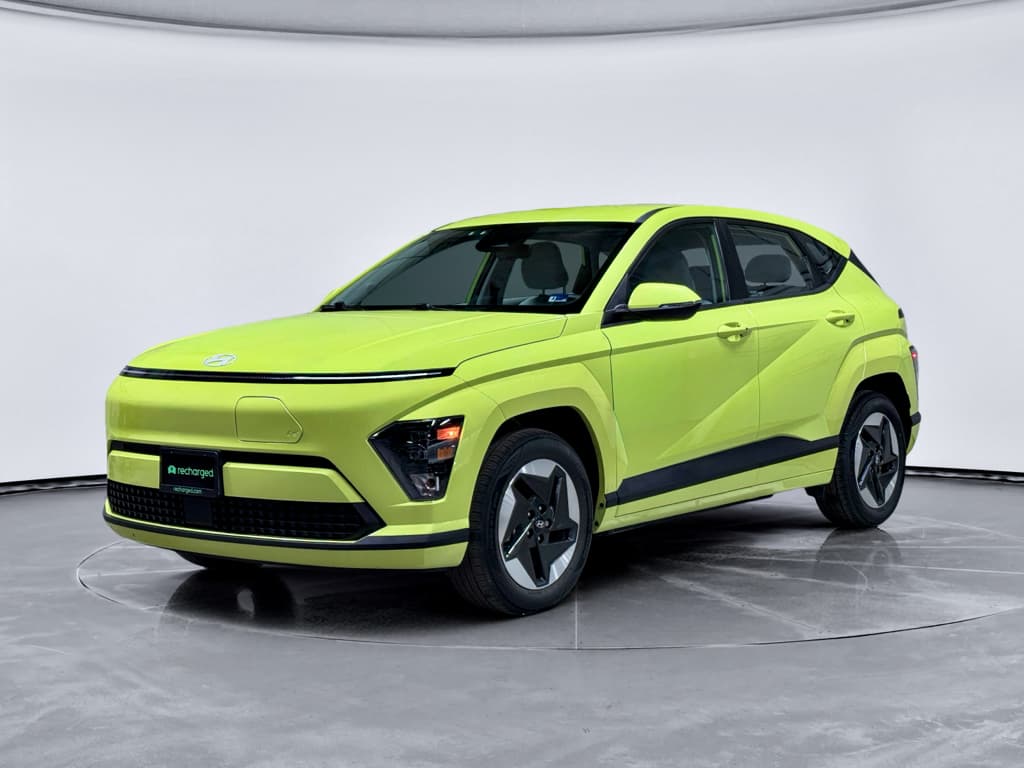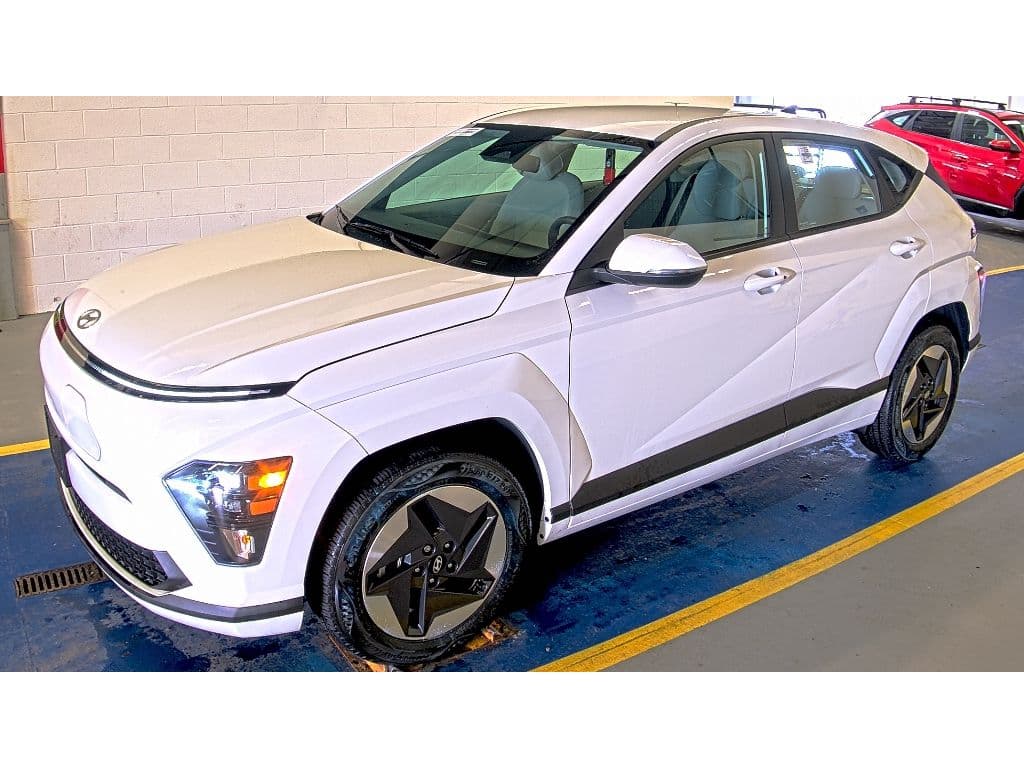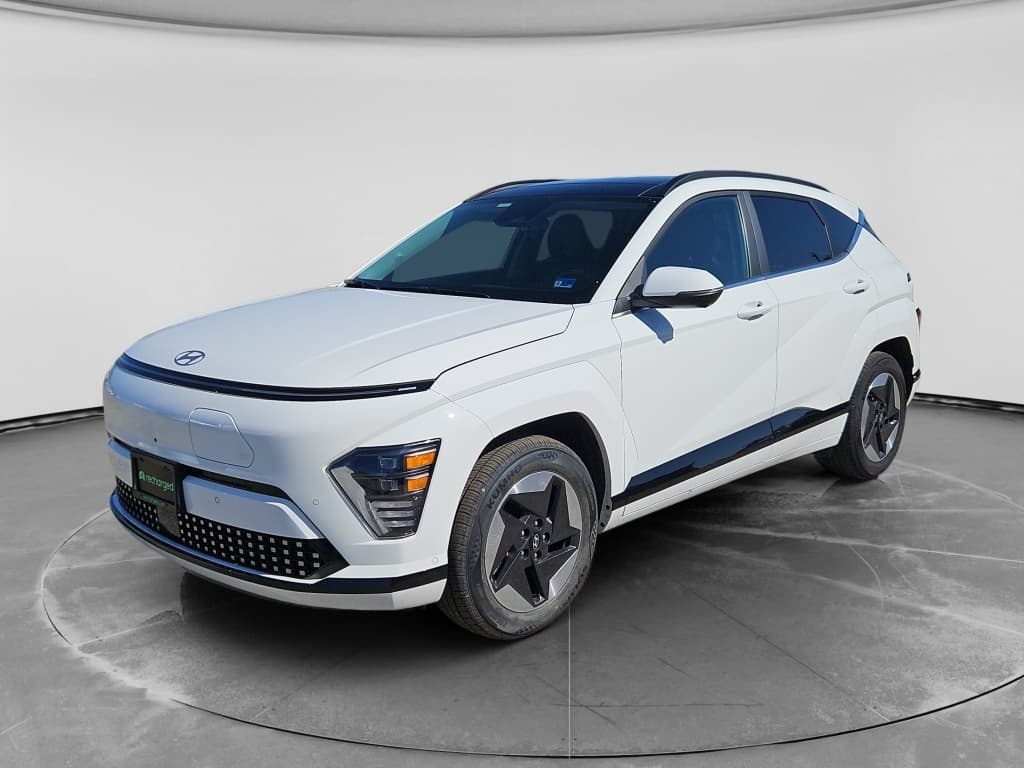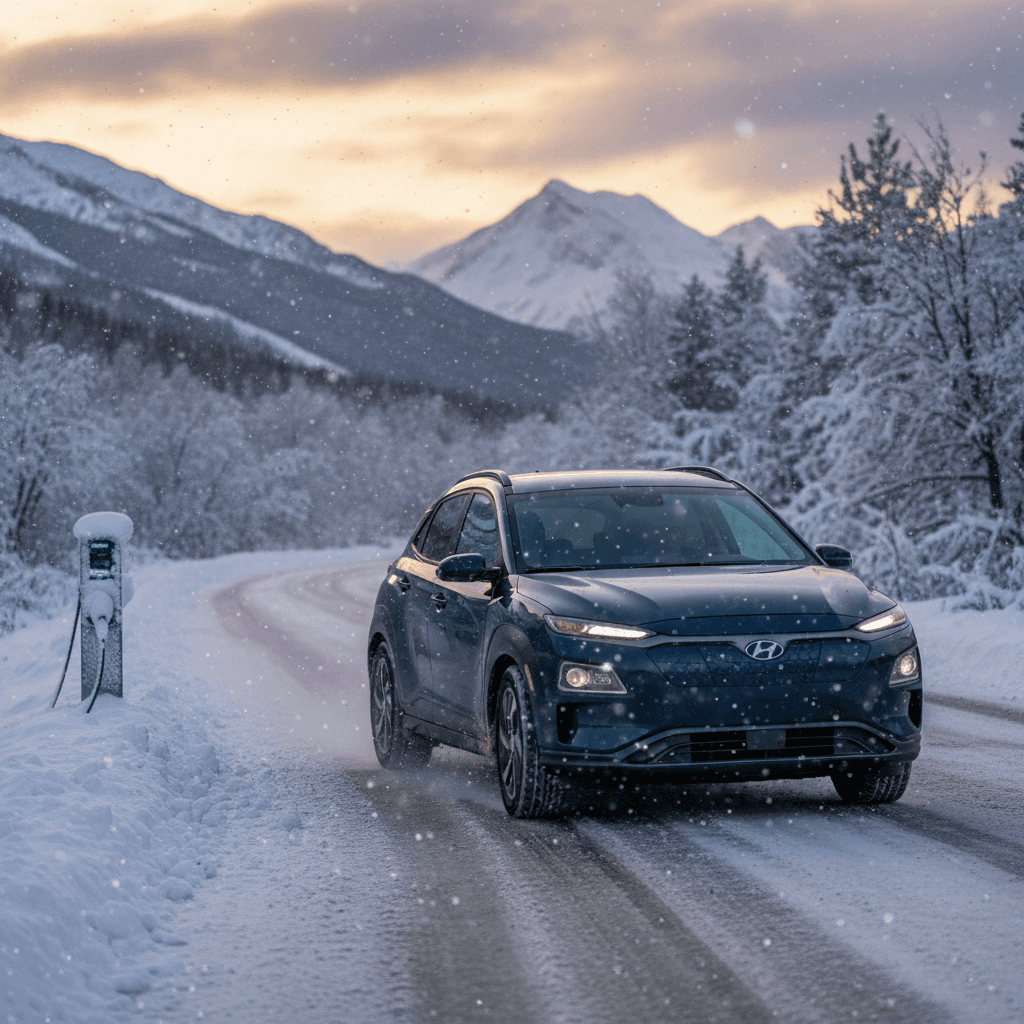
If you live where roads turn white for months, you’re probably wondering whether the Hyundai Kona Electric is good in snow and ice, or if you really should be shopping for an all-wheel-drive SUV instead. The truth is nuanced: the Kona EV can be a confident winter commuter when it’s set up correctly, but it also has clear limits you should understand before trusting it in a blizzard.
Short answer
Hyundai Kona Electric in winter: quick overview
Hyundai Kona Electric winter at a glance
- Front‑wheel drive only, but with very fast traction control.
- Moderate ground clearance (about 5.9 inches on recent U.S. models) – fine for plowed streets, not for bashing through unplowed drifts.
- Modern stability and traction systems (ESC, TCS, VSM) and, on newer generations, a Snow drive mode built into the drive‑mode selector.
- Battery thermal management and (on many trims) a heat pump to keep winter range usable, though you should still plan for a meaningful range hit.
Traction, stability and snow modes on the Kona Electric
One of the quiet advantages of most EVs, including the Kona Electric, is how precisely they can control wheel torque. Electric motors react far faster than gasoline engines, and Hyundai pairs that with traction control, stability control and Vehicle Stability Management across the Kona EV lineup. On newer models, you also get a dedicated Snow mode in the drive‑mode selector.
How the Kona Electric keeps traction in winter
Electronics can’t replace good tires, but they can rescue bad decisions.
Instant torque control
The Kona Electric’s single front motor can dial in or cut torque in milliseconds. That makes it easier to pull away smoothly on slick surfaces without the surging you sometimes get in gas cars.
Traction & stability control
ESC, TCS and VSM constantly watch wheel speed and yaw. If they see a front wheel spinning or the car starting to rotate, they cut power and apply brakes selectively to keep you pointed straight.
Snow mode behavior
On Kona EVs with Snow mode, the system softens throttle response, reduces peak torque and usually dials back aggressive regenerative braking. All of that helps you avoid sudden weight shifts that can break traction.
Use Snow mode as a safety net, not a crutch
Owners who drive their Kona EVs through real winters report that traction from a stop is generally excellent once you put proper winter or all‑weather tires on. Where people get into trouble is assuming the electronics will also shorten stopping distances. They won’t, the brakes are still limited by the tiny contact patches where rubber meets ice.
Ground clearance, weight and where the Kona struggles
Where the Kona Electric shines in winter
- Low center of gravity: The battery pack sits in the floor, which reduces body roll and makes the car feel planted on packed snow.
- Predictable front‑wheel drive: If you’re used to FWD compacts, the Kona EV will feel familiar, just with better traction control.
- Fine for plowed roads: Around 5.9 inches of ground clearance is enough for the ruts and ridges you’ll see after a plow has been through.
- Strong regen control: Paddle shifters let you quickly dial regenerative braking up or down as conditions change.
Where the Kona Electric hits its limits
- No AWD option: If you regularly deal with steep, icy driveways or unplowed mountain roads, the lack of all‑wheel drive is the main constraint.
- Modest ground clearance: Once snow depth gets near the rocker panels, you’re plowing with the underside of the car, which increases drag and can leave you stuck.
- Sensors can ice over: Like most modern cars, the Kona’s proximity sensors and cameras can be blinded by slush, snow and salt, disabling some driver‑assist features right when you’d like to have them.
- Front‑end plowing effect: The relatively short wheelbase and front drive bias can make it understeer in deep, heavy snow if you enter a corner too fast.
Watch the snow depth, not just the forecast
Cold-weather range: what to expect from a Kona EV
Any EV will lose range in the cold because batteries and humans both dislike low temperatures. The Kona Electric is no exception, though Hyundai’s battery thermal management and, on many trims, a heat pump help soften the blow compared with older EVs that rely only on resistive heaters.
- In mild cold (around 32–40°F), expect roughly 10–20% range reduction with normal heater use.
- In genuine winter (single digits to low 20s°F), 20–40% loss is common, especially at highway speeds with full cabin heat.
- Short trips can be the worst case because the battery and cabin never fully warm up, so your energy goes mostly to heat.
- Later‑generation Kona Electrics with heat pumps are more efficient; earlier U.S. models without heat pumps see larger winter hits when you crank the HVAC.
Precondition and prioritize seat heat
If you’re cross‑shopping EVs specifically for winter road‑trip duty, there are bigger‑battery, all‑wheel‑drive options that simply give you more margin in a cold headwind. But for typical snow‑belt commutes under 80–100 miles a day, the Kona Electric’s winter range is workable as long as you plan around the seasonal hit.
Best tires to make a Kona Electric safer on snow and ice
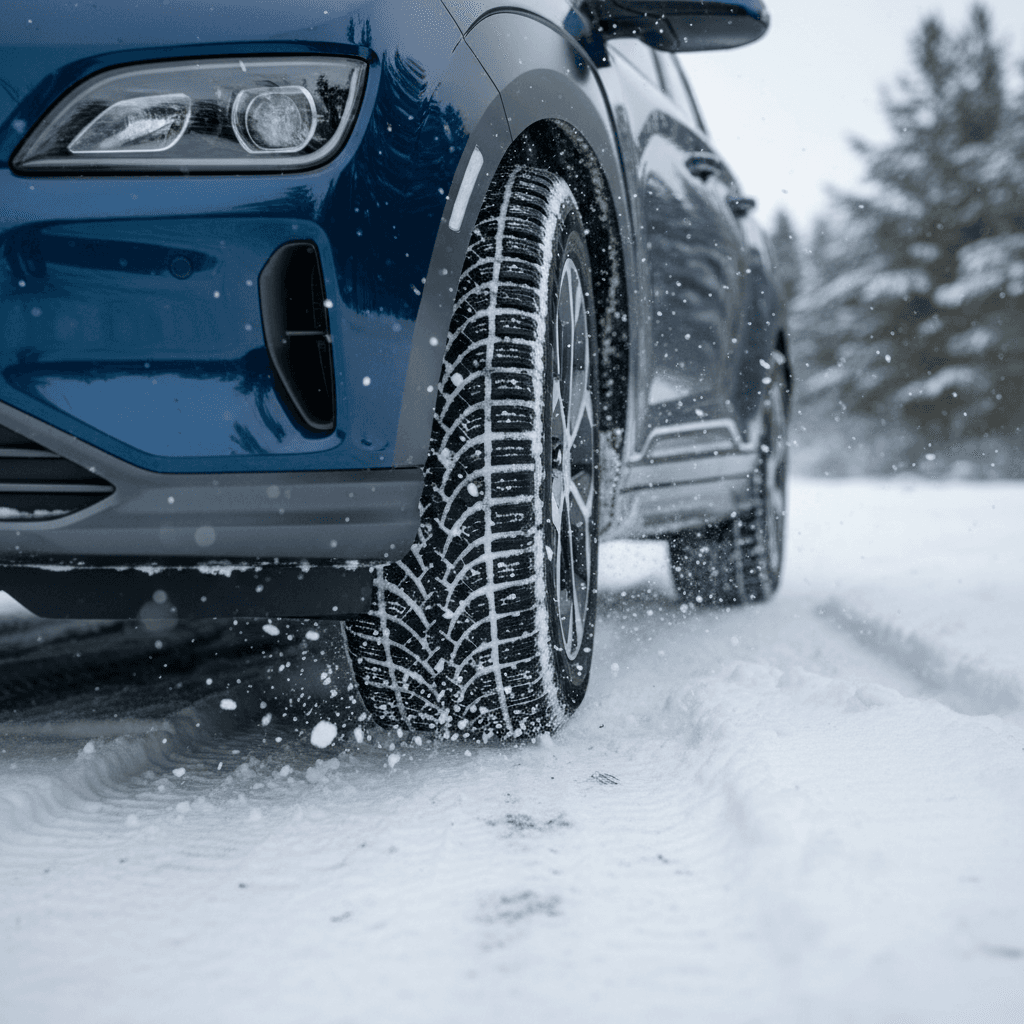
When people ask whether the Hyundai Kona Electric is best for snow and ice, what they’re really asking is whether it will keep them out of the ditch. That comes down less to the logo on the grille and more to four black circles: your tires. The stock low‑rolling‑resistance all‑seasons are tuned for efficiency, not hard‑packed snow or glare ice.
Three tire strategies for winter in a Kona Electric
Pick the one that matches how often, and how hard, you see winter.
1. Dedicated winter tires
Best for: Snow‑belt states and Canada, frequent storms, mountain driving.
Modern studless winters (e.g., Michelin X‑Ice Snow, Nokian Hakkapeliitta R‑series, Bridgestone Blizzak) dramatically improve grip on snow and ice and shorten stopping distances. The tradeoff is some extra noise and a small efficiency hit.
2. 3‑peak all‑weather tires
Best for: Mixed climates where you see regular winter but not weeks of deep snowpack.
All‑weather tires with the Three‑Peak Mountain Snowflake symbol are a strong compromise: far better snow/ice grip than typical all‑seasons, but you can run them year‑round and avoid seasonal swaps.
3. Stick with OEM all‑seasons
Best for: Occasional light snow in mostly mild climates.
If you rarely see accumulating snow and can stay home during real storms, quality all‑seasons can be fine. Just recognize that braking and hill climbing on ice will be noticeably worse than with a true winter tire.
Don’t cheap out on winter grip
Kona Electric winter setup checklist
Pre‑winter prep for your Kona Electric
1. Choose the right tire strategy
Decide whether you need full winter tires, all‑weather Three‑Peak Mountain Snowflake tires, or if decent all‑seasons are enough for your climate. If in doubt, err on the side of more winter capability.
2. Check tire pressure and tread depth
Cold air drops tire pressure; under‑inflation hurts both range and traction. Verify pressures at or slightly below the door‑jamb spec and make sure tread depth is strong going into winter, especially on the front axle.
3. Learn your regen settings
Get comfortable with the Kona’s paddles and drive modes. In slick conditions, many drivers prefer <strong>lower regenerative braking</strong> levels to avoid abrupt front‑wheel lockup on ice.
4. Set up preconditioning
Use scheduled charging or remote climate functions so the battery and cabin are warm while the car is still plugged in. This improves range and comfort and can help with initial traction by warming the pack.
5. Carry a winter kit
Keep a compact shovel, snow brush, ice scraper, gloves and a tow strap in the hatch. If you regularly drive on rural roads, add traction aids or a set of tire socks/chains that fit your Kona’s wheel size.
6. Protect the charging port
Brush snow and ice away from the charge port door before opening it. In freezing rain, a bit of silicone spray on the seal (applied before the season) can help prevent it from freezing shut.
Driving techniques for snow and ice in a Kona EV
Electronics and tires set the stage, but your right foot and your judgment still decide how the story ends. The Kona Electric’s instant torque and strong regen are assets in good conditions, but you need to tame both on slick surfaces.
- Slow everything down. Triple your normal following distance, cap your speed to what visibility and grip allow, and take turns more gently than you think you need to.
- Modulate the throttle. On snow or ice, press the accelerator like there’s an egg under it. Let the traction control work; if you’re spinning the front tires, you’re asking for too much, too fast.
- Dial back regen on slick surfaces. High regenerative braking can unsettle the front tires when you lift off mid‑corner. In questionable grip, use low to medium regen and slow down earlier using gentle pedal inputs.
- Do your braking in a straight line. Get most of your speed off before you turn the wheel. Asking the tires to brake and turn on ice at the same time is where many drivers get caught out.
- Be wary of packed intersections and bridges. These are often the slickest spots. Even if your Kona pulls away smartly, remember that the vehicles around you may not have the same electronics, or tires.
Practice in an empty lot
Buying a used Kona Electric for winter driving
If you’re considering a used Hyundai Kona Electric specifically for snow and ice, you’re on the right track looking at efficiency and compact size. But there are a few winter‑specific checks you should add to your normal used‑EV checklist.
Winter‑focused checks when shopping a used Kona Electric
Questions to ask and items to inspect before trusting a used Kona EV with your winter commute.
| Item | What to look for | Why it matters in winter |
|---|---|---|
| Battery health | Independent report or dealer printout showing state of health and any warranty work. | A weak pack plus winter range loss can make even short commutes stressful. |
| Heat pump presence | Trim level and option packages; many higher trims include a factory heat pump. | Heat pumps improve cold‑weather efficiency, especially for frequent short trips. |
| Tire setup | Current tires, their age, tread depth and whether a second winter wheel set is included. | A second set of dedicated winter tires on steel wheels is a big hidden value. |
| Undercarriage condition | Rust, scrapes or damage from prior winters and deep snow. | Excessive corrosion or impact damage can cause expensive suspension or high‑voltage repairs. |
| Driver‑assist calibration | Lane‑keeping and collision‑avoidance systems behave normally in clear weather. | If these systems are already glitchy in the dry, they’ll likely misbehave when sensors are covered in snow. |
Pair these checks with a full battery‑health evaluation for the clearest picture of winter capability.
How Recharged can help with winter confidence
FAQ: Hyundai Kona Electric in snow and ice
Frequently asked questions
Bottom line: is the Kona Electric “best” for snow and ice?
If by “best” you mean "unstoppable in blizzards," the Hyundai Kona Electric isn’t that, and neither is any other low‑slung, front‑drive compact. But if you mean “stable, efficient and confidence‑inspiring for real‑world winter commuting”, a properly equipped Kona EV absolutely belongs on your shortlist. With quality winter or all‑weather tires, thoughtful use of Snow and Eco modes, and realistic expectations around ground clearance and range, it’s a calm, composed partner for snowy school runs and dark, salty freeways.
If you’re weighing a used Hyundai Kona Electric against other winter‑capable EVs, a platform like Recharged can simplify the choice. Every car comes with verified battery health via the Recharged Score, expert guidance on cold‑weather range and charging, and options for financing, trade‑ins and nationwide delivery. That way, you’re not just betting on a spec sheet; you’re choosing a specific Kona Electric that you know will handle the kind of winter you actually drive in.