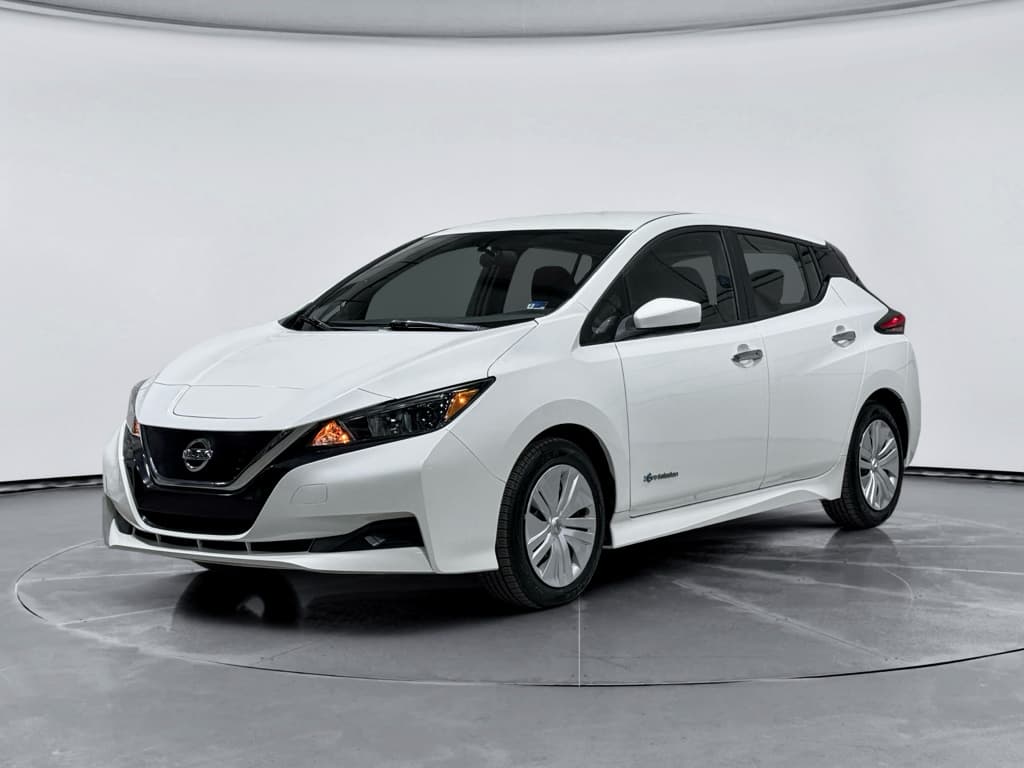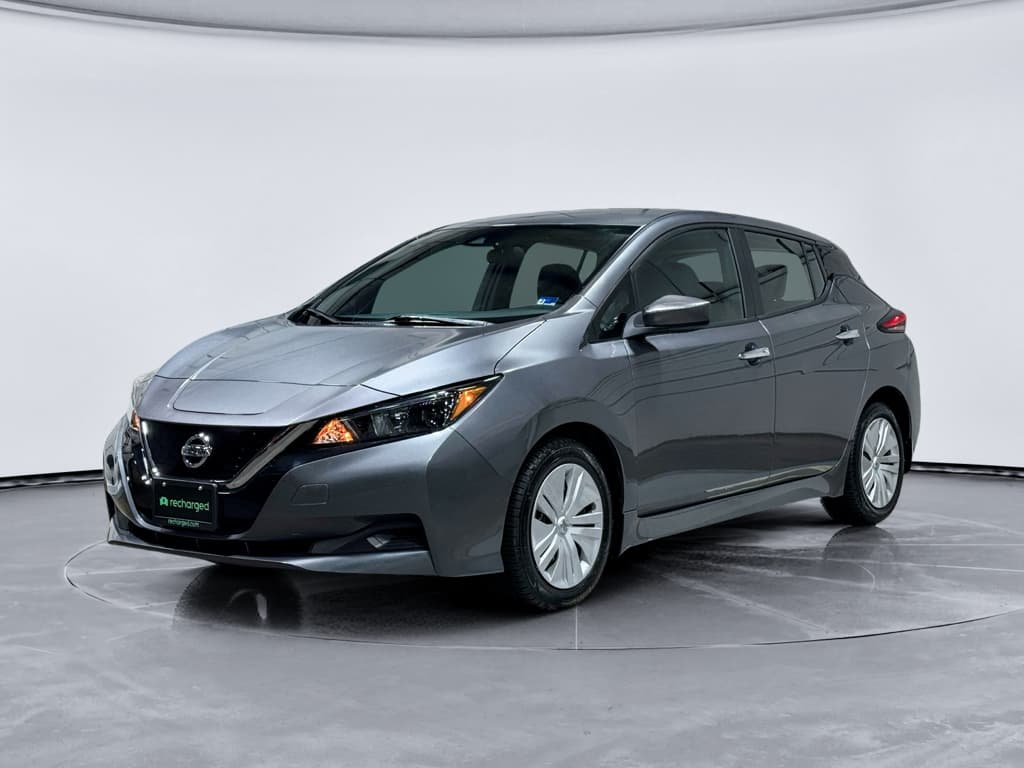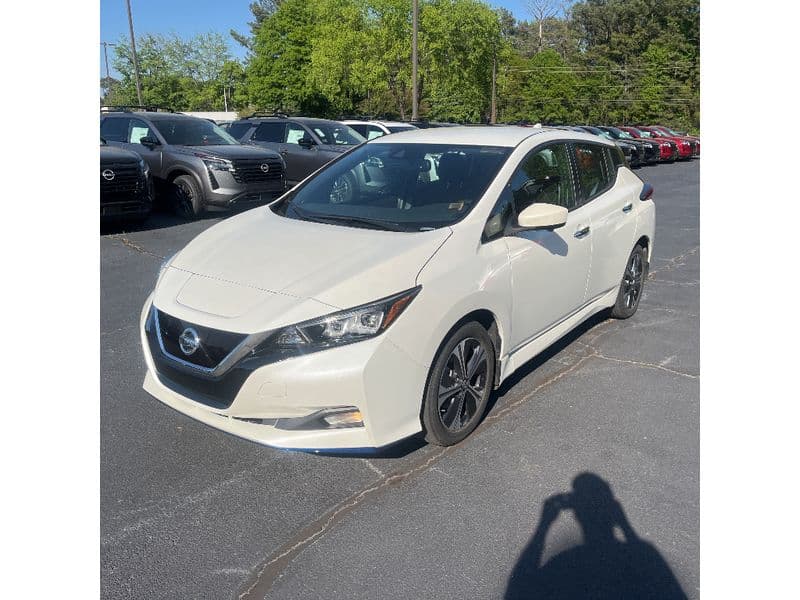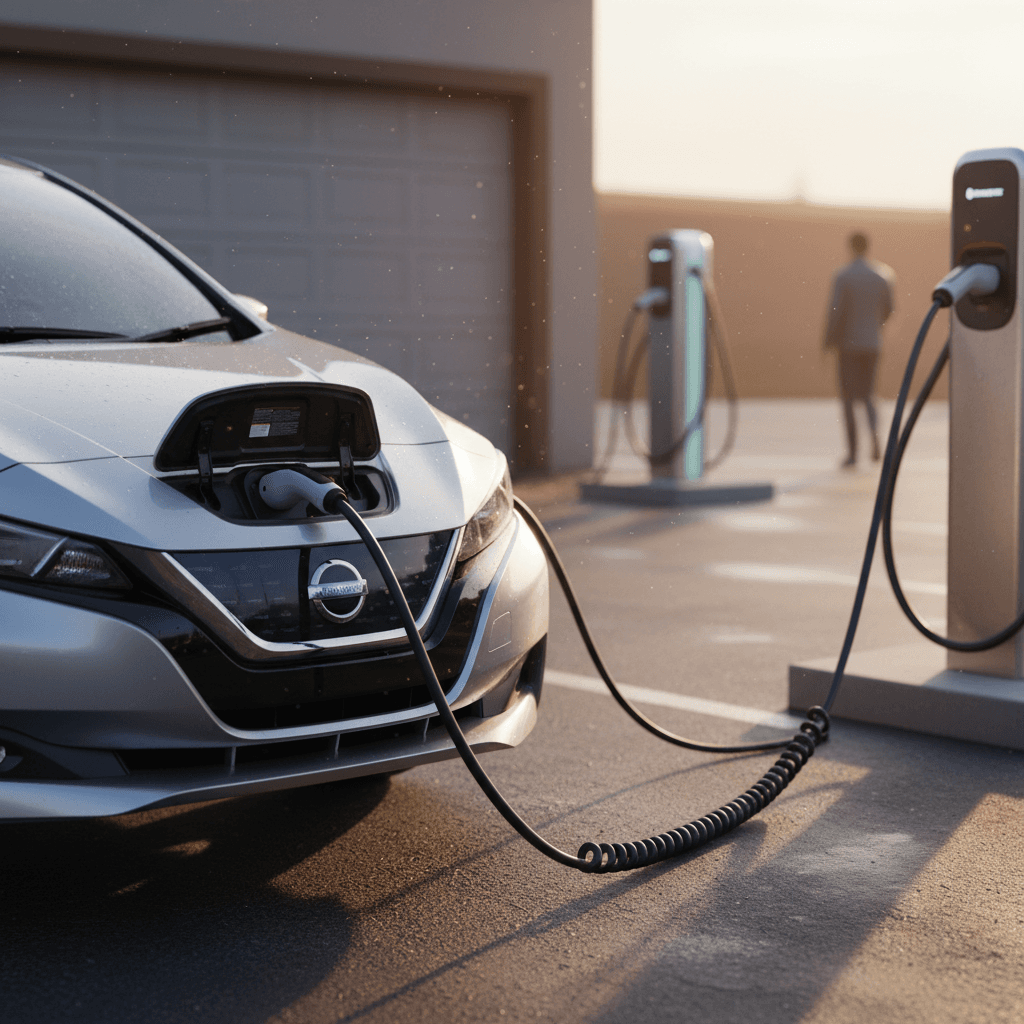
If you own, or are thinking about buying, a Nissan Leaf, charging speed is just as important as battery size. Different Leaf model years charge at different rates, and where you plug in (home outlet, Level 2, or DC fast charger) can turn a full charge into an overnight affair or a quick coffee stop. This Nissan Leaf charging speed guide breaks down real-world times, by battery and charger type, so you know what to expect before you plug in.
Quick takeaway
Why Nissan Leaf charging speed matters
Charging speed on a Nissan Leaf affects three big things: how easily you can commute, whether road trips are realistic, and how convenient life feels day-to-day. An older Leaf with a 24 kWh pack and a 3.3 kW onboard charger is a very different ownership experience than a newer Leaf Plus with a larger battery and faster DC charging. If you’re shopping used, understanding the differences helps you avoid buying a car that doesn’t match your lifestyle.
Key charging questions Leaf drivers ask
Answer these and you’ll know if a Leaf fits your routine
How fast is home charging?
Can you add enough range overnight on your existing electrical panel, or will you need an upgrade for a faster Level 2 charger?
Is DC fast charging useful?
Do you have nearby CHAdeMO fast chargers, and does your specific Leaf support worthwhile speeds for occasional road trips?
How long for 10–80%?
How many minutes or hours will it actually take to get from a low state of charge to something you’re comfortable driving with?
Nissan Leaf batteries and onboard chargers by year
Charging speed on AC (Level 1 and Level 2) is capped by the Leaf’s onboard charger, while DC fast charging speed is controlled by the battery pack chemistry, size, and software. Here’s a simplified view of how the major Leaf generations shake out from a charging perspective if you’re looking at the U.S. market and common trims:
Common Nissan Leaf battery sizes and charging hardware
Approximate U.S.-market configurations; always confirm exact specs for the VIN you’re considering.
| Model years (approx.) | Common battery size | Onboard AC charger | Typical Level 2 max | DC fast charging connector | Typical DC peak |
|---|---|---|---|---|---|
| 2011–2012 | 24 kWh | 3.3 kW | ~3.3 kW | CHAdeMO (optional) | ~45–50 kW when new |
| 2013–2015 | 24 kWh | 3.3 or 6.6 kW (option) | ~3.3 or 6.6 kW | CHAdeMO (most SV/SL) | ~45–50 kW |
| 2016–2017 | 30 kWh | 6.6 kW on most trims | ~6.6 kW | CHAdeMO | ~45–50 kW |
| 2018–2020 | 40 kWh | 6.6 kW | ~6.6 kW | CHAdeMO | ~50 kW |
| 2019–2024 Leaf Plus | 62–60 kWh | 6.6 kW | ~6.6 kW | CHAdeMO | ~70–100 kW peak, often 50–70 kW in practice |
| 2025+ redesigned Leaf* | 52 or 75 kWh | 11 kW AC (varies by market) | ~11 kW on suitable Level 2 | CCS or NACS DC (market-dependent) | Up to ~150 kW DC fast charging |
Older Leafs often have slower onboard chargers and smaller packs, which directly affects charging speed and practicality.
Confirm your Leaf’s hardware
Level 1 charging: slow but useful in a pinch
Level 1 charging uses a standard 120‑volt household outlet and the portable EVSE that comes with the car (or an aftermarket equivalent). On a Nissan Leaf, that usually means about 1.3–1.4 kW of power, which is the slowest way to charge but can still be workable for low‑mileage drivers.
- Typical power: ~1.3–1.4 kW (120 V, 12 A)
- Range added: roughly 4–5 miles of range per hour on most Leafs
- Best use case: topping up overnight if you drive <30–40 miles a day
- Not ideal for: fully recharging a deeply depleted battery, especially on larger 40+ kWh packs
Make Level 1 work harder
Level 2 charging: the Leaf’s daily sweet spot
Level 2 charging uses 240 volts, similar to an electric dryer or oven, and is where the Nissan Leaf really becomes easy to live with. Almost every Leaf sold in recent years includes an onboard charger that can accept up to 6.6 kW on AC. That’s the maximum power the car will draw, even if you plug into a 40‑amp or 48‑amp wall box that can technically provide more.
Typical Nissan Leaf Level 2 charging speeds
On a typical U.S. home installation with a 40‑amp breaker (32 A continuous) and a 6.6 kW‑capable Leaf, you’re looking at roughly 6–8 hours to go from near empty to full on a 40 kWh pack and closer to 9–11 hours on a 60–62 kWh Leaf Plus. For most commuters, that’s more than enough to fully refill the battery every night.
Charger vs. car: which limits speed?
DC fast charging: CHAdeMO and newer Leaf fast-charge speeds
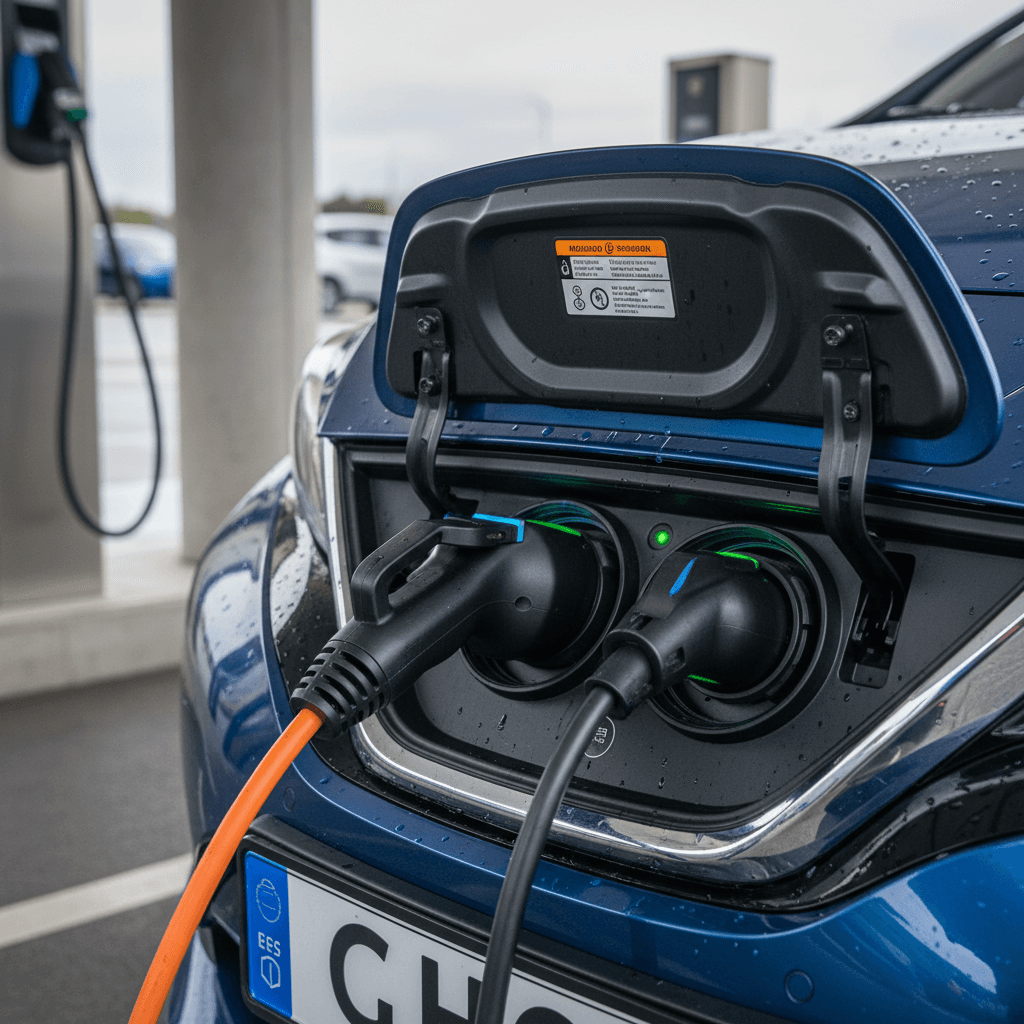
DC fast charging bypasses the onboard AC charger and feeds high‑power DC straight into the battery. On older Leafs, this happens through a CHAdeMO connector; on the redesigned Leaf arriving mid‑2020s, markets are shifting toward CCS or NACS for DC fast charging. Either way, this is how you add a lot of range on a road trip, but real‑world speeds are more complicated than the maximum rating on the charging station.
Nissan Leaf DC fast-charging basics
1. Connector type
Most used Leafs in the U.S. that support DC fast charging use a <strong>CHAdeMO</strong> port. The 2018–2024 Leaf Plus can peak around 70–100 kW on compatible hardware, while earlier Leafs typically top out around 50 kW.
2. Battery size and version
Larger 62 kWh packs can sustain higher power for longer than a 24 or 30 kWh pack. That’s why a Leaf Plus often gains more miles per minute on DC fast charging than an early Leaf.
3. State of charge (SoC)
Leaf DC charging is fastest when the battery is low (10–30%) and gradually tapers as it approaches 80–90%. Planning fast-charge stops from ~10% to ~60–70% usually gives the best time‑per‑mile.
4. Battery temperature
Because classic Leafs lack active liquid cooling, repeated DC fast charges in hot weather can trigger “rapidgate,” where the car sharply reduces charging power to protect the battery.
5. Station capability
Plugging into a 350 kW “hyper‑fast” unit won’t make a Leaf charge that fast, the car sets the ceiling. But using a 50–100 kW unit instead of a 24–25 kW unit can make a big difference.
Watch for rapidgate on older Leafs
Real-world Nissan Leaf charging time examples
To make all of this concrete, here are approximate, real‑world charging times for common Nissan Leaf configurations. These assume a healthy battery at moderate temperatures and are intended as planning tools, not lab‑grade numbers.
Approximate Nissan Leaf charging times by scenario
Times are estimates from low state of charge to about 80% on DC fast charging and to near full on AC.
| Leaf configuration | Charging method | Typical power | Approx. time (low to ~80% or full) |
|---|---|---|---|
| 2013 24 kWh, 3.3 kW onboard | Level 1 (120 V) | ~1.3 kW | 0–100%: 18–20 hours |
| 2013 24 kWh, 3.3 kW onboard | Level 2 (240 V) | ~3.3 kW | 0–100%: ~7–8 hours |
| 2013 24 kWh with CHAdeMO | DC fast | Up to ~45–50 kW | 10–80%: ~25–35 minutes when cool |
| 2016 30 kWh, 6.6 kW | Level 2 (240 V) | ~6.6 kW | 0–100%: ~5–6 hours |
| 2018 40 kWh, 6.6 kW | Level 2 (240 V) | ~6.6 kW | 0–100%: ~6–8 hours |
| 2018 40 kWh with CHAdeMO | DC fast | Up to ~50 kW | 10–80%: ~40–50 minutes |
| 2020 Leaf Plus 62 kWh | Level 2 (240 V) | ~6.6 kW | 0–100%: ~9–11 hours |
| 2020 Leaf Plus 62 kWh | DC fast | Often 50–70 kW sustained | 10–80%: ~45–60 minutes |
| 2025+ Leaf 75 kWh (redesigned)** | Level 2 (11 kW capable) | Up to ~11 kW | 0–100%: ~7–8 hours on a high‑amp circuit |
| 2025+ Leaf 75 kWh (redesigned)** | DC fast (CCS/NACS) | Up to ~150 kW peak | 10–80%: ~30–35 minutes under ideal conditions |
Real‑world conditions (temperature, battery wear, and how busy the station is) can make charging faster or slower than these ballpark figures.
About the newest Leaf
Factors that change your Leaf’s charging speed
Even with the same car and the same charger, your Nissan Leaf won’t always charge at the same speed. Several variables can nudge things up or down in day‑to‑day use.
- Battery temperature: Very hot or very cold packs charge more slowly, especially on DC fast chargers.
- State of charge: Charging slows down significantly above ~60–70% on DC fast charging; AC charging also tapers a bit near full.
- Battery health: A degraded pack may accept slightly less power and will reach “full” sooner in kWh terms, changing your time‑to‑percentage math.
- Shared charging: Some public DC stations split power between plugs; if someone is using the neighboring connector, your Leaf may be limited.
- Electrical limits: On Level 2, an undersized circuit or a charger set to a conservative current limit will cap your speed below the Leaf’s 6.6 kW capability.
How degradation changes charging speed
A Leaf that has lost capacity bars will show fewer kWh between empty and full. That can make 0–100% appear faster, but you’re storing less energy overall. It’s part of why two Leafs that both “charge in 6 hours” can deliver very different real‑world range.
Why charging slows near the top
All modern EVs, including the Leaf, protect the battery by slowing charging as they approach full. For road trips, it’s usually more time‑efficient to charge from 10–60% a couple of times than to sit at a station waiting for 80–100%.
Choosing the right charging setup for your Leaf
Once you know your Leaf’s battery size and onboard charger rating, you can right‑size your home charging and your public‑charging expectations. Here’s how to match typical driving patterns with charging options.
Common Leaf use cases and charging strategies
Match your daily driving to the charging setup that makes sense
Short‑trip city driver
Daily miles: 10–30
Best setup: Level 1 at home may be enough if you can plug in every night. Occasional Level 2 at work or in public fills any gaps.
Suburban commuter
Daily miles: 30–70
Best setup: Dedicated Level 2 (240 V) at home. A 40 kWh or larger Leaf easily refills overnight.
Frequent highway trips
Daily/weekly: Regular 100+ mile journeys
Best setup: Leaf Plus or newer large‑pack Leaf, Level 2 at home, plus a reliable CHAdeMO or CCS/NACS DC fast‑charge corridor along your route.
Home charging checklist for Nissan Leaf owners
Verify your Leaf’s AC limit
Check the owner’s manual or window sticker for 3.3 kW vs 6.6 kW (or higher on new models). There’s no benefit to a 48‑amp wallbox if the car tops out at 6.6 kW.
Check your panel capacity
Have a licensed electrician confirm your service panel can handle a new 240 V circuit, often 30–40 amps for a standard Leaf setup.
Pick the right amperage
For a 6.6 kW Leaf, a 30–40 A breaker with a charger set to 24–32 A continuous is usually plenty and keeps wiring costs reasonable.
Plan cable routing
Think about <strong>where the Leaf’s charge port is</strong> (front‑left on older generations) and choose cable length and charger placement to avoid tripping hazards.
Use scheduling when possible
Many chargers and some Leafs allow scheduled charging to target off‑peak electric rates or to avoid letting the car sit at 100% all night.
Keep a backup plan
Know where nearby public Level 2 and CHAdeMO stations are located so a panel upgrade or home‑power outage doesn’t leave you stranded.
Charging speed tips when shopping for a used Leaf
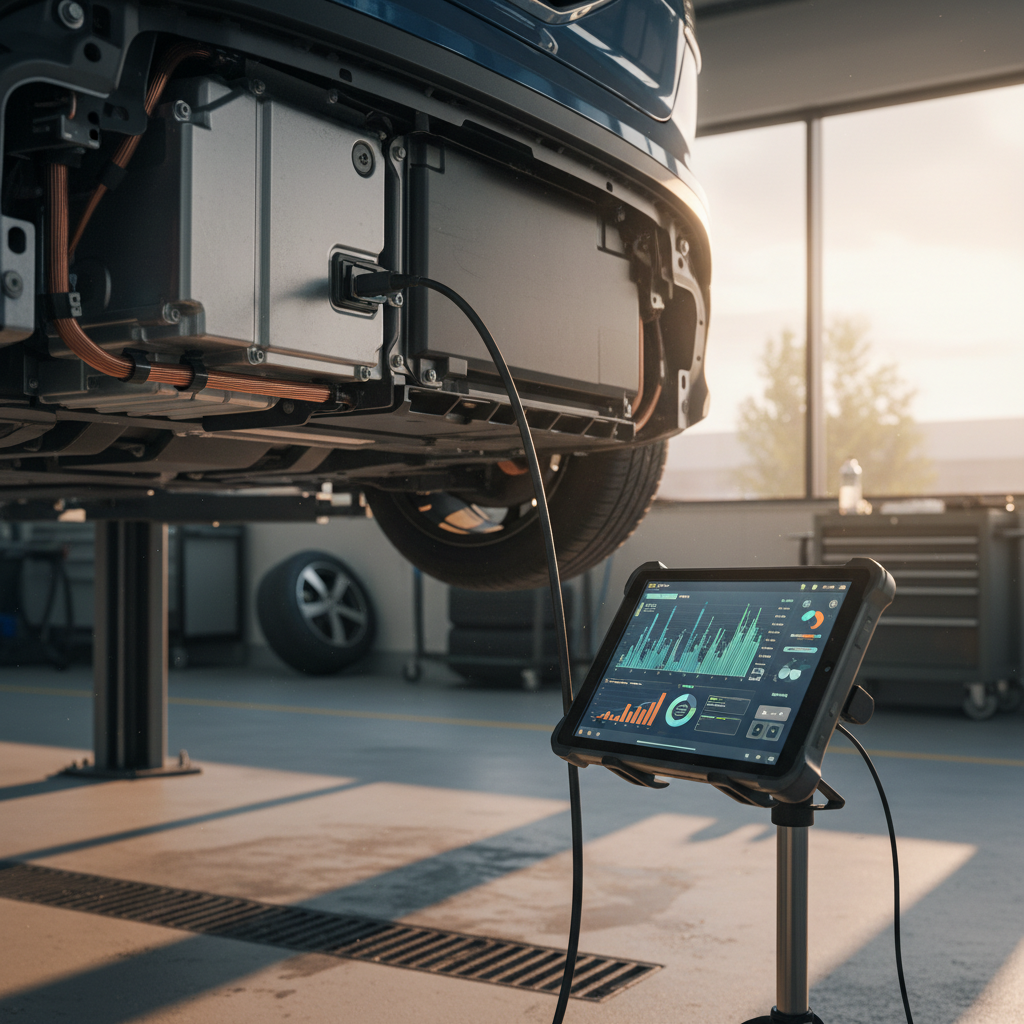
If you’re buying a Leaf on the used market, charging hardware and battery health can be the difference between a great deal and a car that just doesn’t fit your life. This is exactly where Recharged focuses with our battery‑health diagnostics and Leaf‑specific reporting.
How Recharged helps Leaf shoppers
Ready to find your next EV?
Browse Vehicles- Target at least 6.6 kW AC if you can. Early 3.3 kW Leafs work for light duty, but 6.6 kW makes daily life easier and shortens full charges substantially.
- Decide how important DC fast charging is. If your Leaf will never leave a 40‑mile radius, you may not need CHAdeMO or high‑power DC capability. If you want flexibility, prioritize Leaf Plus or newer large‑pack models with robust fast‑charge support.
- Look beyond percentage bars. A Leaf that shows 100% but has lost several capacity bars may still charge “quickly” in minutes but deliver much less range. A professional battery‑health test gives a clearer picture.
- Map your local infrastructure. Before you buy, look at CHAdeMO or CCS/NACS coverage on your regular routes using apps like PlugShare. A great car in a fast‑charger desert can still be the wrong fit.
- Ask for charging history when possible. A Leaf that lived its life on gentle Level 2 charging may age differently than one that lived on repeated DC fast charges in hot climates.
FAQ: Nissan Leaf charging speeds
Frequently asked questions about Nissan Leaf charging speed
Bottom line: making Nissan Leaf charging work for you
The Nissan Leaf can be a fantastic, low‑cost way into EV ownership, as long as its charging speed and battery size line up with how and where you drive. Older 24–30 kWh Leafs with slower onboard chargers shine as city cars, while 40 kWh and Leaf Plus models with larger packs and stronger DC fast‑charge performance open the door to longer commutes and regional trips.
If you’re already a Leaf owner, the right mix of home Level 2 charging and occasional DC fast charging can make the car feel almost invisible in your daily routine: you just plug in, sleep, and leave with the range you need. And if you’re shopping for a used Leaf, pairing this charging‑speed guide with a Recharged Score Report, including battery‑health data and charging capability, gives you a clear picture of what living with that specific car will actually feel like.