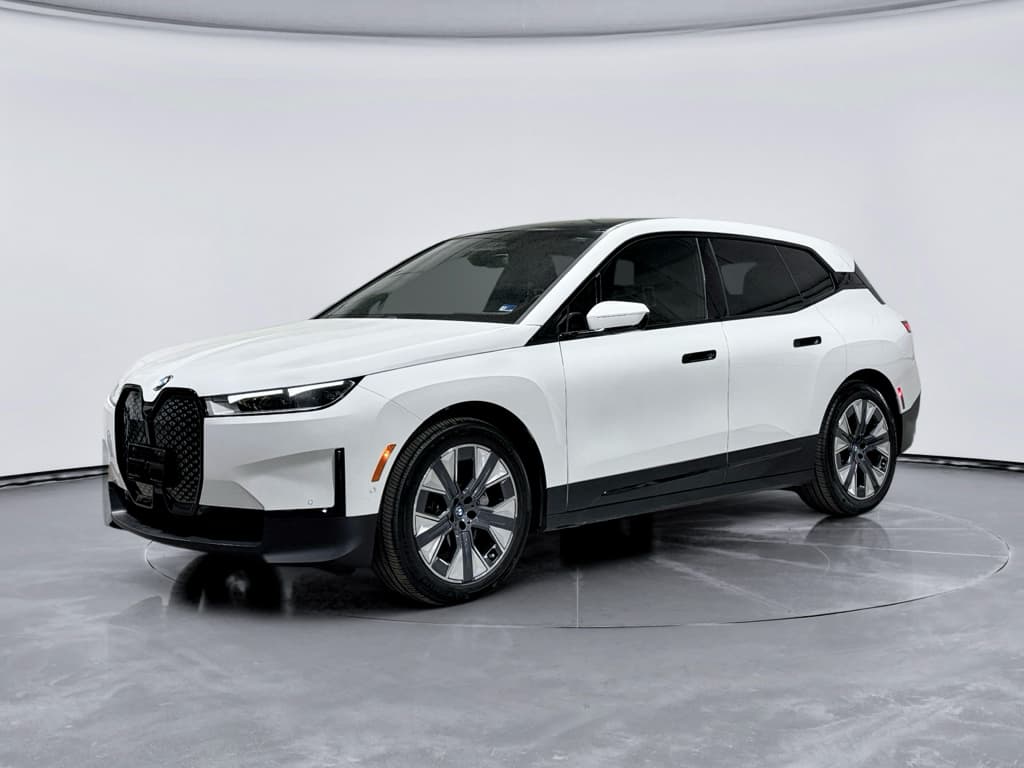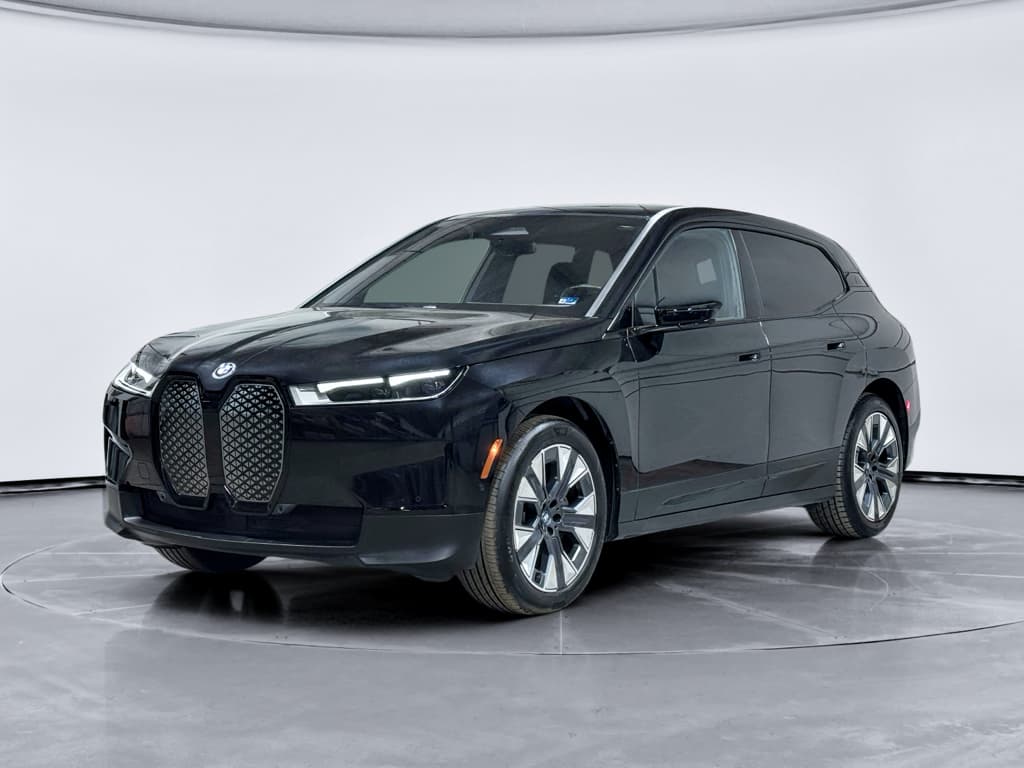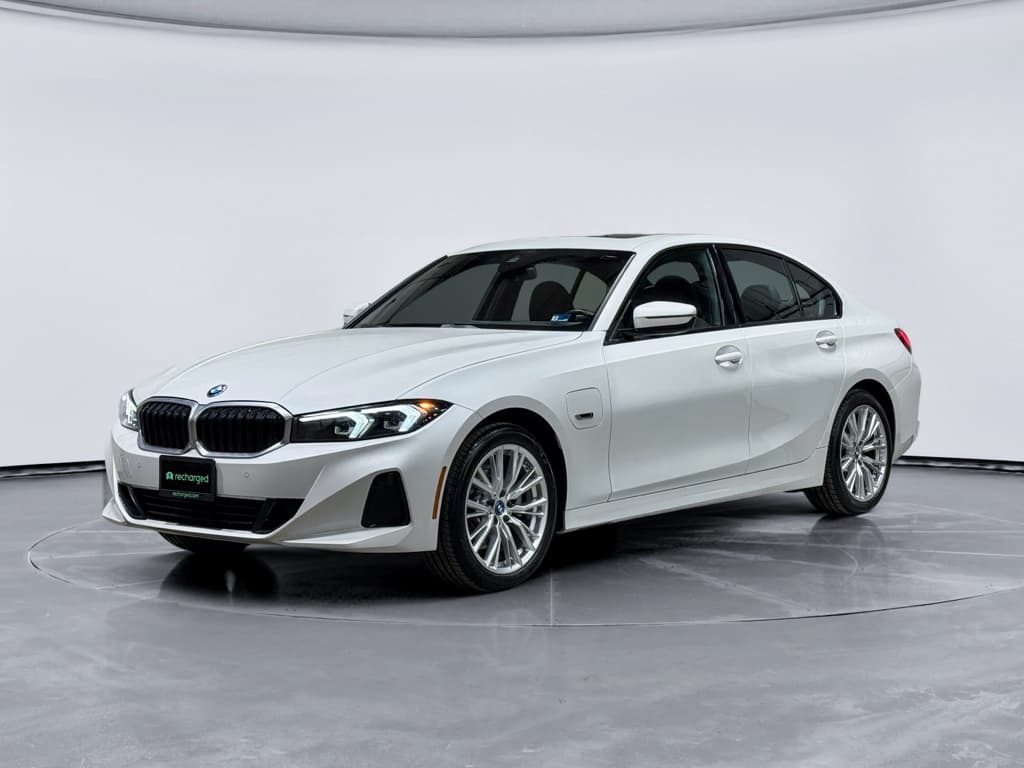
You don’t buy a BMW i5 because you’re a spreadsheet person. You buy it because you want a silent, torque-rich executive sedan that also happens to run on electrons. But after the test drive glow wears off, the question hits: what’s the true cost of owning a BMW i5 over 5 years in the U.S.?
What this guide covers
BMW i5 5‑Year Cost Overview
Headline 5‑Year Cost Numbers (New BMW i5 eDrive40, U.S.)
Those are blunt, national‑average numbers for a new i5 eDrive40. Your personal total can be thousands lower, or higher, depending on how and where you drive, your electricity rate, and whether you buy new or used. Let’s unpack how we got there.
Key Assumptions for This 5‑Year Analysis
- Model: BMW i5 eDrive40 (rear‑wheel drive), which is the volume seller and efficiency champ in the lineup.
- Driving: 12,000 miles per year (60,000 miles over 5 years), close to U.S. averages for passenger vehicles.
- Electricity price: $0.18 per kWh all‑in, a realistic 2025–2026 residential average when you include fees and taxes.
- Real‑world efficiency: about 28 kWh/100 miles (3.6 mi/kWh) for the i5 eDrive40 in mixed driving, consistent with EPA data and independent testing.
- Financing: we’ll assume you finance but quote most numbers before interest, because loan terms vary wildly.
- Location: U.S. national averages for insurance, registration, and taxes. High‑cost states will skew upward.
Your costs may vary
Purchase Price and 5‑Year Depreciation
The BMW i5’s biggest cost isn’t electricity, tires, or insurance. It’s the same silent killer for every luxury sedan: depreciation.
What you’ll actually pay for a BMW i5
MSRP is just the opening bid. Here’s a realistic view of transaction prices in the U.S. in 2026.
New BMW i5 eDrive40
Typical MSRP with options: $78,000–$82,000
Real‑world transaction price: we’ll use $80,000 as a working number for a well‑equipped car.
BMW incentives and dealer discounts come and go, but luxury EVs still depreciate aggressively in the first 3 years.
Used BMW i5 eDrive40
Early 2024–2025 i5 eDrive40s are already entering the used market, often with low miles.
- Certified pre‑owned from a franchise dealer: high‑$50Ks to mid‑$60Ks.
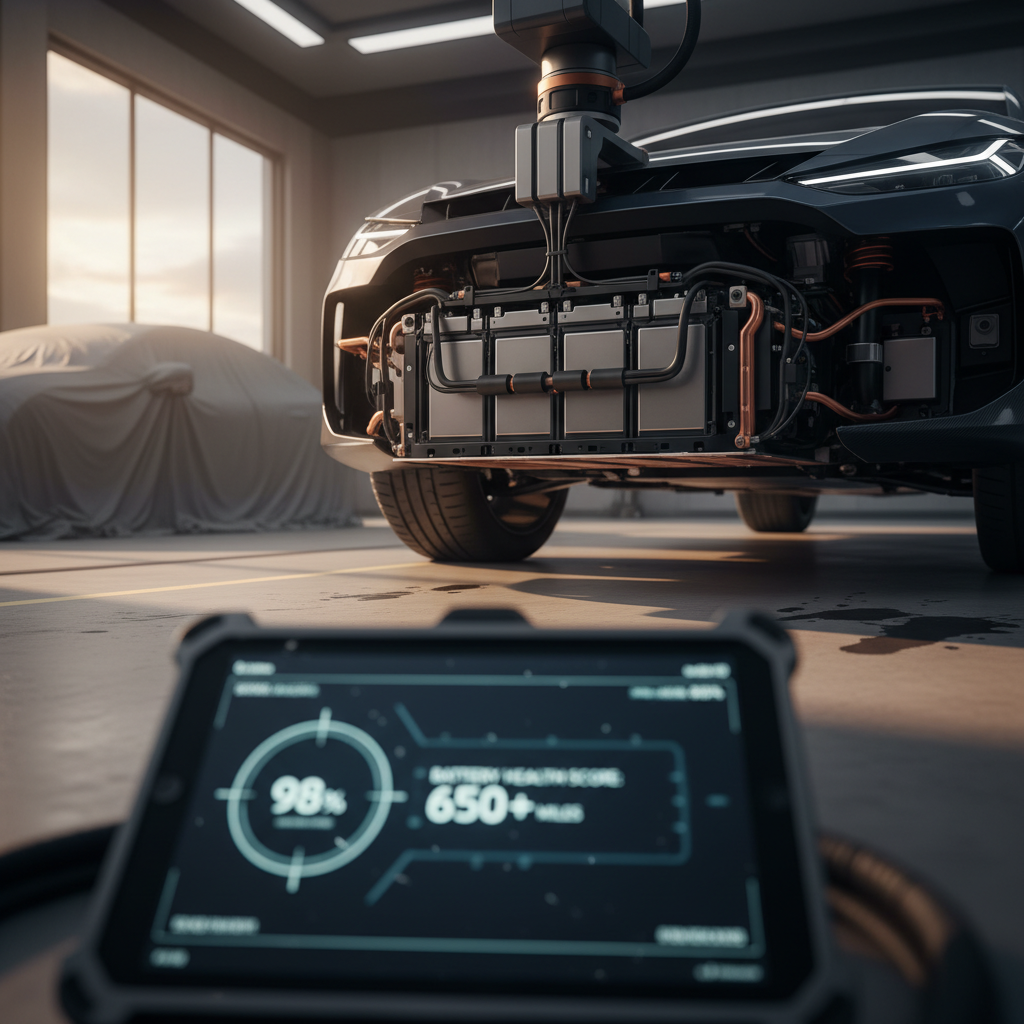
- Used from an EV specialist like Recharged: typically $50,000–$60,000 depending on mileage, options, and Recharged Score battery diagnostics.
Depreciation: where the money really goes
Luxury BMW 5 Series sedans historically lose roughly 50% of their value in the first 5 years. The i5 is an EV, which pushes in two directions at once: tax credits and low running costs help resale, but fast‑moving battery tech and lease‑driven supply push prices down. For a conservative estimate, assume the i5 behaves like a typical premium 5 Series or slightly worse.
Estimated 5‑Year Depreciation: New vs Used BMW i5 eDrive40
Rounded, conservative estimates based on historic 5 Series behavior and early luxury EV resale trends.
| Scenario | Purchase Price | Estimated Value After 5 Years | 5‑Year Depreciation |
|---|---|---|---|
| New i5 eDrive40 | $80,000 | $35,000–$40,000 | $40,000–$45,000 |
| 3‑Year‑Old i5 Bought Used (Year 3–8) | $55,000 | $25,000–$28,000 | $27,000–$30,000 |
Depreciation is by far the largest single cost of owning a BMW i5 for 5 years.
Why used is the sweet spot
Electricity vs Gasoline: What You’ll Spend to Drive It
Here’s where the i5 quietly makes you money back. You’re trading premium fuel for kilowatt‑hours.
BMW i5 electricity cost (5 years)
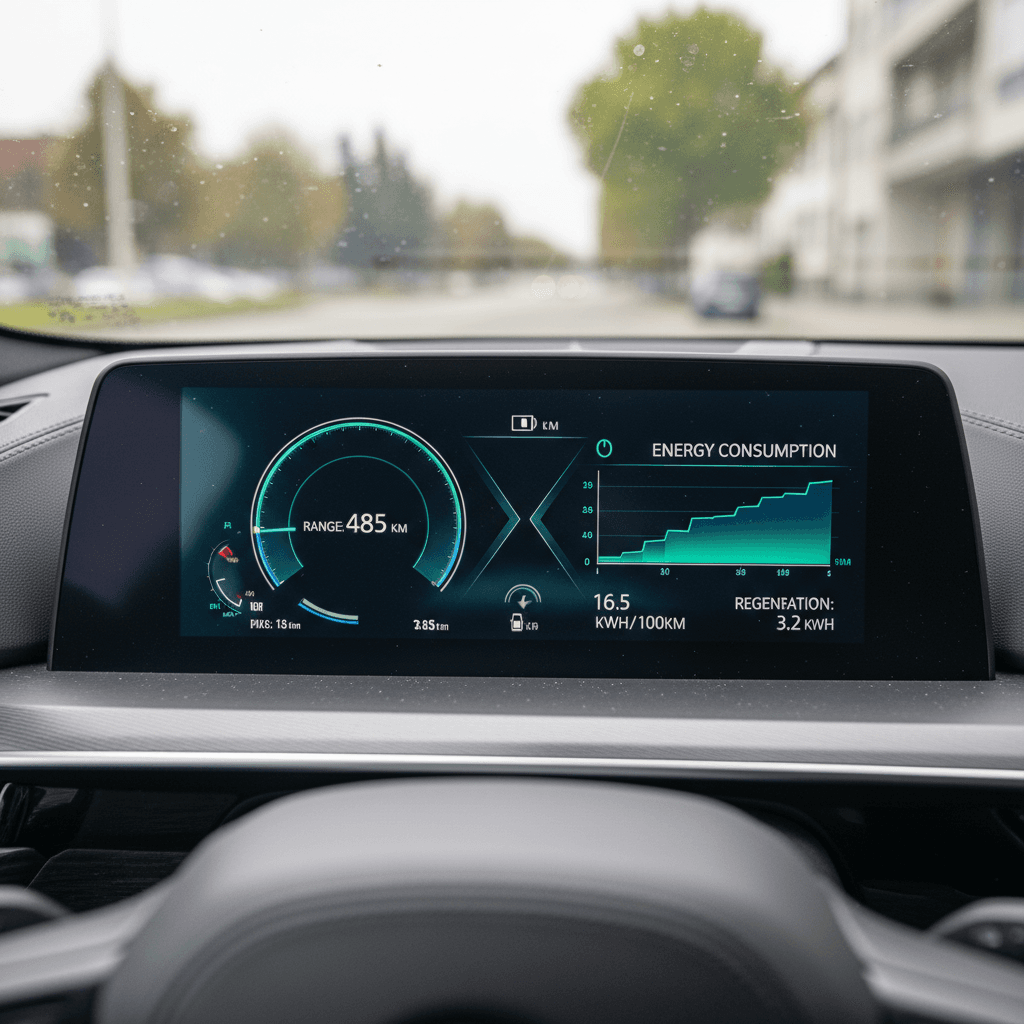
- Efficiency: ~28 kWh/100 miles in mixed driving.
- Miles: 12,000 per year → 60,000 miles in 5 years.
- Electricity use: 60,000 ÷ (100/28) ≈ 16,800 kWh over 5 years.
- Average price: $0.18/kWh (national residential ballpark in 2025–2026).
5‑year electricity cost: 16,800 kWh × $0.18 ≈ $3,000 (frugal states) to $5,500+ (high‑cost coastal states). Using a blended national estimate, plan on ~$4,500–$5,500.
Comparable 530i gasoline cost (5 years)
- Efficiency: ~28 mpg combined for a 530i.
- Miles: 60,000 over 5 years.
- Fuel use: 60,000 ÷ 28 ≈ 2,140 gallons.
- Premium fuel: assume $4.00/gal average over 5 years.
5‑year gasoline cost: 2,140 × $4.00 ≈ $8,500, and in many metro areas, that’s optimistic.
EV fuel savings, in plain English
Insurance, Taxes, and Registration Fees
Luxury sedans are like high‑maintenance friends: they’re great company, but they don’t show up cheap on your insurance bill.
Recurring “paperwork” costs over 5 years
These vary by state and ZIP code, but the pattern is consistent: the i5 is a premium to insure, modest to register.
Insurance
Expect the i5 to sit above a mainstream EV and roughly on par with a 5 Series gas sedan.
- Many U.S. owners will see $1,600–$2,500 per year, depending on driving record and location.
- For this guide, we’ll split the difference at $2,000/year → $10,000 over 5 years.
Registration & fees
Most states base registration on vehicle value, weight, or both. EV‑specific road‑use fees are getting more common.
- Plan for $300–$600 per year in registration and EV fees.
- We’ll assume $400/year → $2,000 over 5 years.
Sales tax (one‑time)
On a new ~$80,000 i5, at a mid‑pack 7% combined sales tax, you’re looking at roughly $5,600 upfront.
Buy used from a retailer like Recharged at, say, $55,000 and that drops closer to $3,800, depending on your state.
Don’t forget EV road‑use fees
Maintenance, Tires, and Repairs
The BMW i5 is an EV, which means you dodge oil changes, spark plugs, and a lot of heat‑soaked plumbing. But it’s still a BMW 5 Series under the badge: heavy, fast, complex, and shod with large, expensive tires.
- Routine service: cabin filters, brake fluid, inspections, and BMW’s software‑defined fussiness. Budget $400–$700 per year outside of prepaid maintenance.
- Tires: a 5 Series on 20‑inch performance rubber will chew through a set every 25,000–30,000 miles if you drive it like a BMW. Figure $1,400–$1,800 per set, mounted and balanced. Over 60,000 miles, that’s two sets → $3,000–$3,500.
- Brakes: EV regen saves pads and rotors. Unless you drive hard in the mountains, expect to go 60,000 miles or more before a major brake job, call it $800–$1,200 once in 5 years, or nothing if you sell earlier.
- Repairs: Early in life, the i5 mostly lives on warranty. Out of warranty, think of typical German luxury‑car nuisances: sensors, electronics, door handles, infotainment gremlins. Hard to predict, but setting aside $800–$1,000 per year once you’re out of warranty is not unreasonable.
5‑Year Maintenance & Wear Budget (New i5, 0–60k miles)
1. Routine service: ~$2,000–$3,000
Even with fewer moving parts, the i5 is a premium German sedan. Over 5 years, budget a couple grand for filters, fluids, inspections, and minor fixes outside of any prepaid plan.
2. Tires: ~$3,000–$3,500
Assuming two full sets of quality tires over 60,000 miles at $1,400–$1,800 per set. If you run winter tires, add more.
3. Brakes: $0–$1,200
Regenerative braking stretches pad life dramatically. Many owners won’t see a full brake job in their first 5 years; others will, especially in hilly city driving.
4. Out‑of‑warranty buffer: ~$2,500–$3,000
If you keep the car beyond the basic warranty, it’s wise to treat German‑car quirks as inevitable, not hypothetical.
How used changes the service picture
Home Charging Setup: One‑Time Costs
The BMW i5 will technically charge from a regular 120‑volt outlet, but so will a glacier. If you own your home, you want Level 2 charging; if you rent, the math changes.
Common BMW i5 home‑charging setups
One‑time costs you’ll usually recover in convenience, not dollars.
Homeowner with garage
- Wallbox or portable Level 2 charger: $400–$900 for a quality unit.
- Electrical work: $500–$1,200 for a 240‑V circuit in many U.S. homes, more for long runs or panel upgrades.
Typical one‑time cost: $1,000–$2,000.
Renter or street parker
You may rely more on workplace and public charging.
- Level 1 at home: slow but free in installation terms.
- Public DC fast charging: often 2–3× the cost per kWh of home electricity.
If you can’t install Level 2, your 5‑year “fuel” cost will trend toward the higher end of our electricity estimates.
Why home charging still matters with a luxury EV
5‑Year BMW i5 Cost Summary Table
Now let’s put the big pieces together for a new i5 eDrive40 over 5 years and 60,000 miles. These are ballpark U.S. averages, not tailored quotes.
Approximate 5‑Year True Cost of Ownership – New BMW i5 eDrive40
Rounded ranges for a typical U.S. driver, before financing interest and parking/road‑toll quirks.
| Cost Category | 5‑Year Estimate | Notes |
|---|---|---|
| Depreciation | $40,000–$45,000 | New purchase at ~$80,000 transaction price |
| Electricity (home‑heavy mix) | $4,500–$5,500 | 60,000 miles at ~28 kWh/100 mi, ~$0.18–0.20/kWh |
| Insurance | $9,000–$11,000 | $1,800–$2,200 per year for a clean driver |
| Maintenance & minor repairs | $4,500–$6,000 | Routine service + out‑of‑warranty issues |
| Tires & brakes | $3,000–$4,500 | Two sets of tires + possible brake job |
| Registration & EV fees | $1,500–$2,500 | State‑dependent road‑use and tag fees |
| Sales tax (one‑time) | $4,000–$7,000 | Varies widely; mid‑single‑digit percentage of purchase price |
| Home‑charging install (optional) | $1,000–$2,000 | Level 2 hardware + electrician |
| Total 5‑Year Cost (new) | ≈$80,000–$95,000 | Equivalent to roughly $1.35–$1.60 per mile at 60,000 miles |
Depreciation dominates, but energy and maintenance still matter, especially if you don’t buy new.
How a Used BMW i5 Dramatically Changes the Math
The i5 is at its most rational not as a new‑car indulgence, but as a lightly used executive EV where depreciation has already done its worst.
Scenario A: New i5, 0–5 years
- Buy at ~$80,000, sell at ~$37,500 midpoint after 5 years.
- Total cost ≈ $80k–$95k including everything.
- Effective cost per mile: around $1.35–$1.60.
Scenario B: Used i5, 3–8 years
- Buy a 3‑year‑old i5 for ~$55,000 through a specialist like Recharged, sell at ~$26,500 midpoint 5 years later.
- Depreciation drops to ≈ $28,500 instead of $40k–$45k.
- Even after similar running costs, your 5‑year total can slide into the high‑$60Ks to low‑$70Ks.
- Effective cost per mile: often under $1.20, sometimes closer to $1.00.
Where Recharged fits into this story
Ready to find your next EV?
Browse VehiclesSo, Is the BMW i5 Worth It Over 5 Years?
Viewed coldly, the BMW i5’s true cost of ownership over 5 years looks very much like what it is: a technologically dense German business sedan. It’s not cheap to own, but the money goes to different places than a gas 5 Series. Instead of pouring cash into premium fuel and high‑frequency service, you’re spending on depreciation, insurance, and the odd set of very expensive tires while quietly saving thousands at the plug.
Where the i5 starts to look genuinely clever is as a used car with a healthy battery. Let someone else subsidize the early‑adopter years and the showroom sticker. You get the same hushed, Autobahn‑bred cabin and instant‑torque powertrain, but the 5‑year spreadsheet begins to resemble smart money rather than a mid‑life crisis.
If that’s the lane you’re in, working with an EV‑focused retailer like Recharged makes the numbers, and the nerves, better. You get transparent pricing, financing help, a Recharged Score report on real battery health, and nationwide delivery, all without playing roulette on the single most expensive component in the car. In other words: the BMW i5 can absolutely be worth it over 5 years, especially if you buy it with your head, not just your heart.