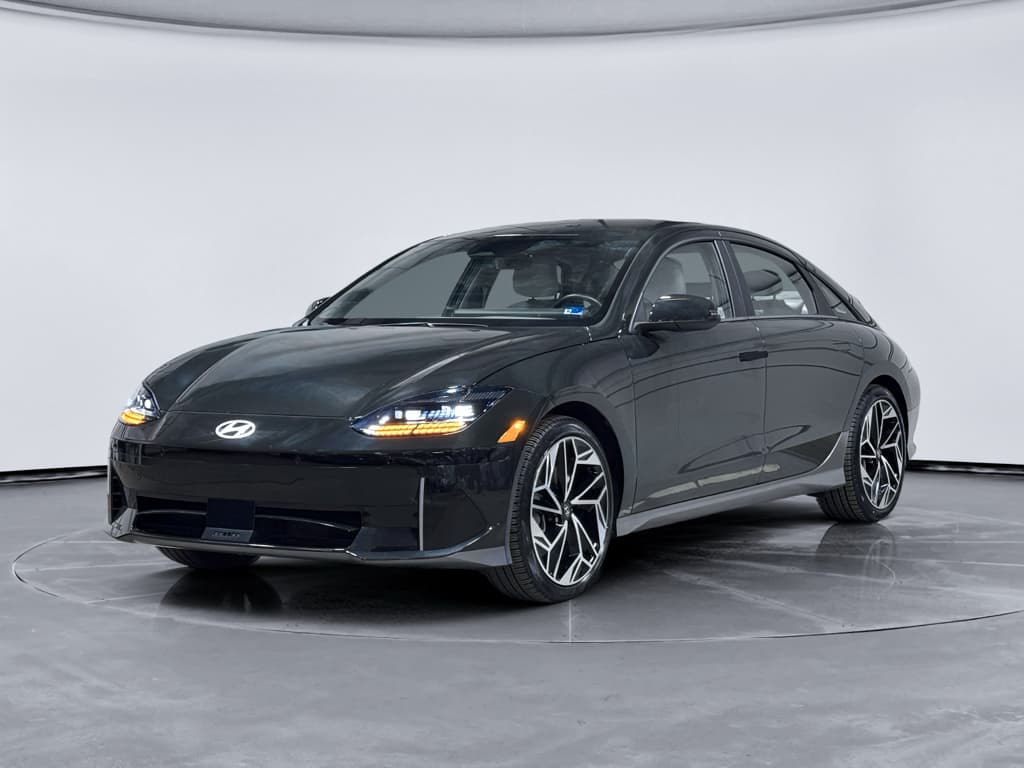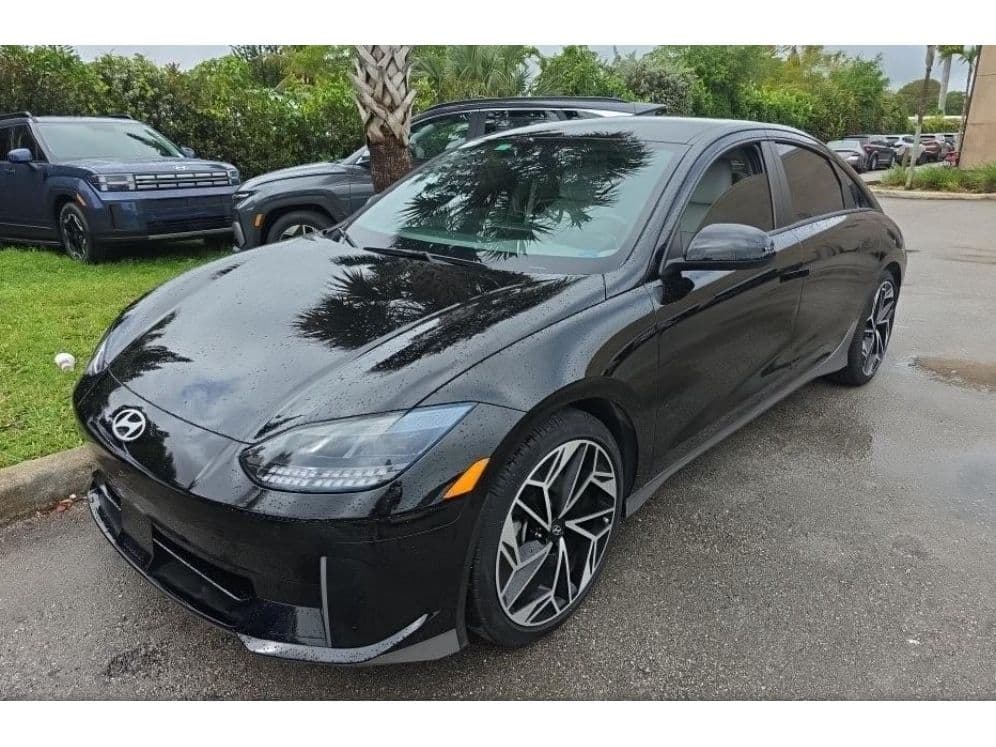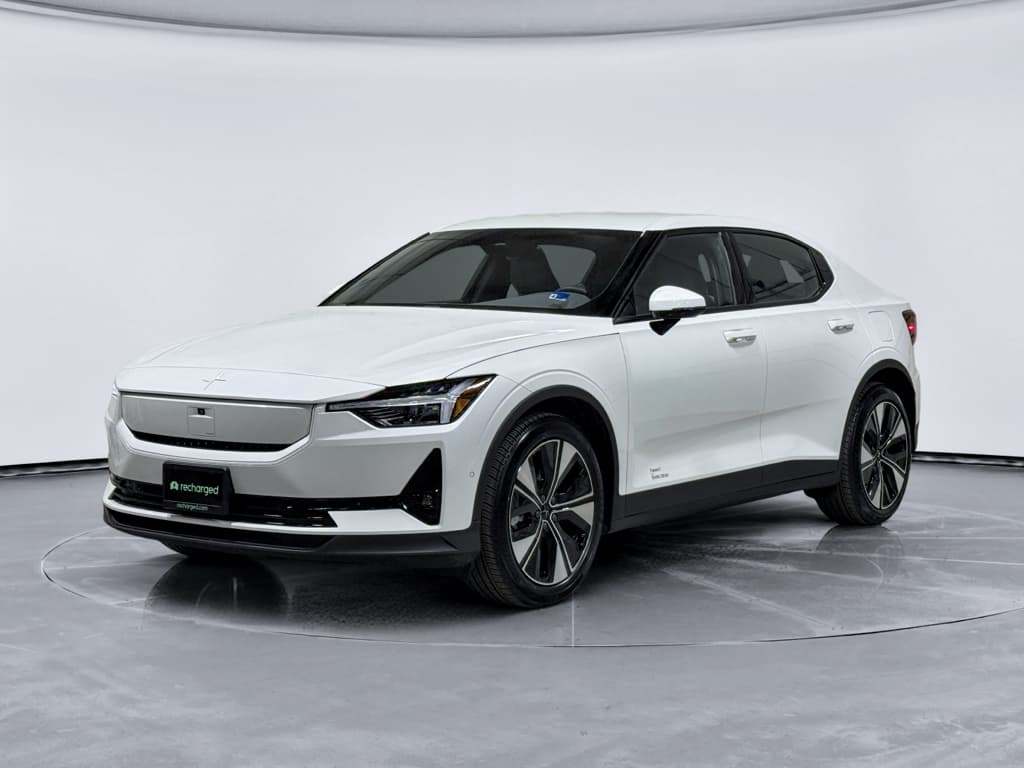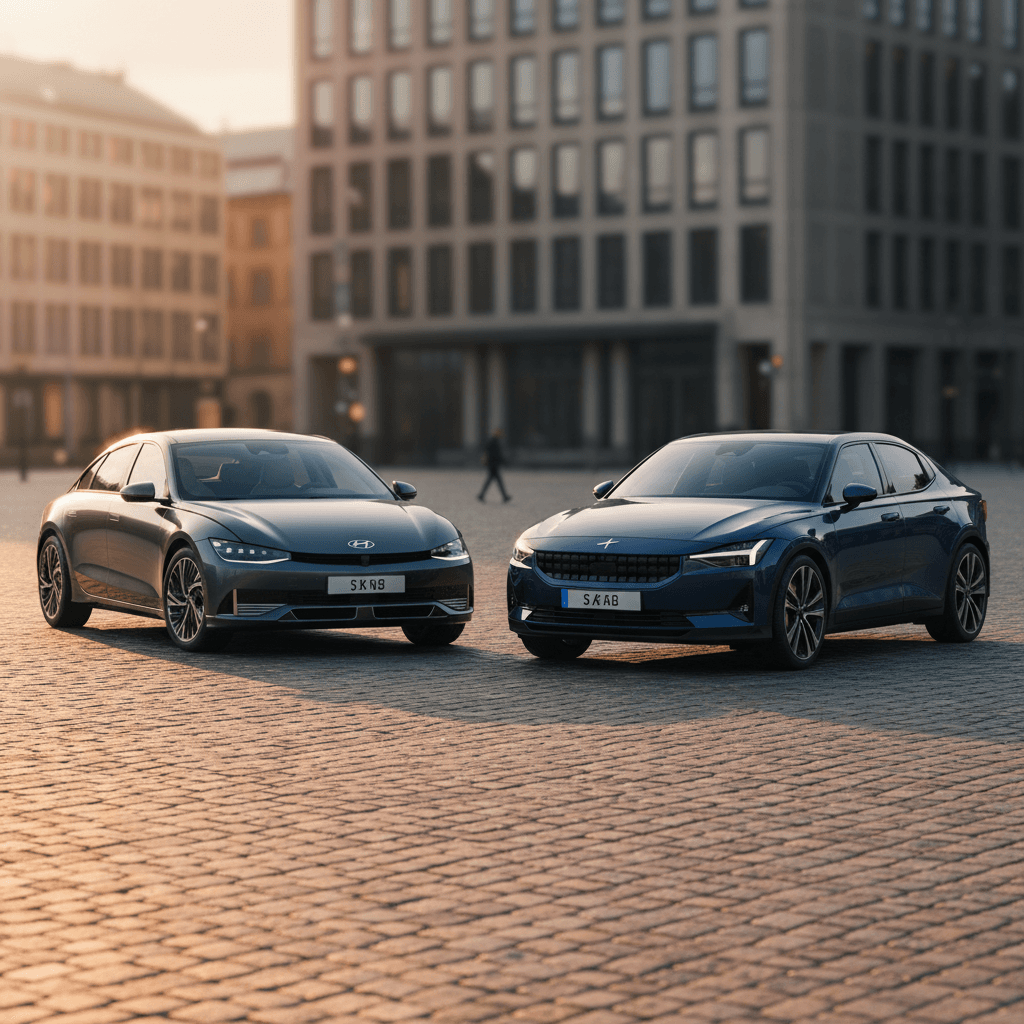
You could argue the Hyundai Ioniq 6 and Polestar 2 are the two most interesting “non‑Tesla” electric sedans you can buy. If you’re asking “Hyundai Ioniq 6 vs Polestar 2 – which is better?” you’re really asking what you value more: serene efficiency and space, or taut Scandinavian sportiness and design minimalism.
At a glance
Ioniq 6 vs Polestar 2: Who are these EVs for?
Hyundai Ioniq 6: the aero nerd’s road‑trip sedan
The Ioniq 6 rides on Hyundai’s E‑GMP platform, with an 800‑volt electrical architecture, long wheelbase and that wind‑cheating teardrop body. It’s aimed at drivers who care about range, charging speed and comfort more than canyon‑carving.
- Outstanding EPA range (up to roughly 360 miles in U.S. trims)
- Ultra‑fast DC charging on compatible stations
- Surprisingly roomy back seat and airy cabin
Polestar 2: the design‑led sport hatch
The Polestar 2 is a compact liftback that feels like an electric Volvo S60 crossed with a Scandinavian loft. It sits higher, with a stiffer demeanor and a focus on driving feel and interior design.
- More upright seating and hatchback practicality
- Sharpened steering and firmer suspension for enthusiasts
- Gorgeous, minimal interior with Google‑based infotainment
Quick answer: Which is better overall?
Editor’s verdict at a glance
TL;DR recommendation
Hyundai Ioniq 6 vs Polestar 2: key specs
Core specs: Ioniq 6 vs Polestar 2 (U.S.‑market highlights)
Approximate figures for popular 2024 model‑year configurations. Always check the specific car you’re shopping, especially in the used market.
| Spec | Hyundai Ioniq 6 (Long Range RWD) | Hyundai Ioniq 6 (Long Range AWD) | Polestar 2 (Single Motor Long Range RWD) | Polestar 2 (Dual Motor Long Range AWD) |
|---|---|---|---|---|
| Battery (gross) | 77.4 kWh | 77.4 kWh | ≈79 kWh | ≈78 kWh |
| EPA range* | up to ~361 miles | ~270–316 miles | up to ~320 miles | ~270–276 miles |
| 0–60 mph (approx.) | ~7.0 sec | ~5.0 sec | ~5.9 sec | ~4.2–4.5 sec |
| Max DC fast‑charge rate | up to 235 kW | up to 235 kW | ≈205 kW (EU); lower in U.S. | ≈155–205 kW (battery‑dependent) |
| On‑board AC charger | 10.9 kW | 10.9 kW | 11 kW | 11 kW |
| Drivetrain | RWD | AWD | RWD | AWD |
| Body style | Low sedan | Low sedan | High‑riding hatchback | High‑riding hatchback |
Specifications vary by trim and model year; treat these as representative, not exhaustive.
About the numbers
Range and efficiency: which goes farther?
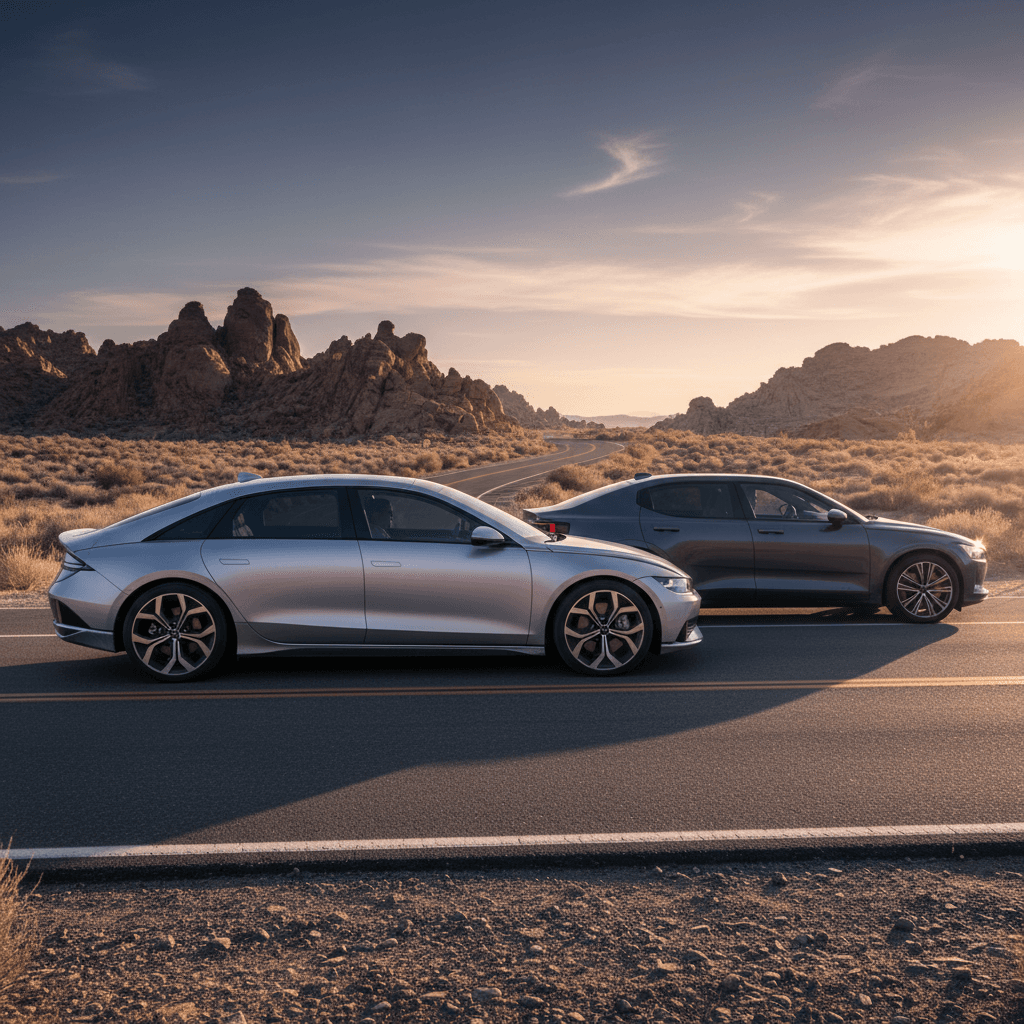
If your first question in the Ioniq 6 vs Polestar 2 debate is “which goes farther on a charge?”, the answer tilts clearly toward Hyundai. In U.S. trims, the Ioniq 6 Long Range RWD posts EPA figures in the low‑to‑mid‑300‑mile range depending on wheels and equipment. The most efficient variants can crest roughly 360 miles in ideal spec. That’s luxury‑sedan range from a mainstream badge.
The Polestar 2 Single Motor Long Range improved significantly with its 2024 update, gaining a larger battery and a shift to rear‑wheel drive. Newer single‑motor cars can reach around 300–320 miles of EPA range in their thriftiest configurations, which is genuinely competitive. Dual‑motor cars knock that down into the mid‑200s, similar to Ioniq 6 AWD trims.
Range: where each EV shines
Think about how you actually drive week to week.
Hyundai Ioniq 6
- Best‑case EPA range among non‑luxury EV sedans.
- Aero‑focused body and efficient drivetrain mean lower highway consumption.
- Excellent choice if your driving is mostly interstate miles.
Polestar 2
- Single‑motor Long Range has genuinely usable real‑world range.
- Dual‑motor models trade some range for big power and traction.
- Well‑suited to mixed city/suburban use where efficiency evens out.
Real‑world range tip
Charging speed and road‑trip ability
Range is half the story. The other half is how fast your EV gulps down energy when you do stop. Here the Ioniq 6 is one of the standouts of the entire market. Its 800‑volt architecture allows very high DC fast‑charging rates on 350 kW stations, with 10–80% sessions possible, in ideal conditions, in under half an hour. In practice, that means you can add a huge chunk of range during a rest‑stop bathroom break and coffee run.
The Polestar 2’s charging story is more complicated. Later single‑motor cars with the larger battery can accept impressive peak rates, on paper even surpassing some competitors, but U.S.‑spec dual‑motor cars still use older packs with lower peak speeds. More importantly, the Polestar runs a 400‑volt system, which generally means longer stop times than the Hyundai for a similar energy top‑up.
- If you regularly use high‑power DC fast chargers on road trips, the Ioniq 6 will usually get you back on the road sooner.
- Polestar 2 owners will be fine for occasional trips, but plan on slightly longer or more frequent stops, especially with dual‑motor trims.
- Both cars have 11 kW on‑board AC chargers, so Level 2 home charging overnight is a non‑issue.
Don’t forget the charging network
Driving experience and performance
On a winding back road, the Polestar 2 is the one that eggs you on. The chassis is firm, steering is quick, and in dual‑motor guise the car launches like a well‑thrown dart. Performance packages add even sharper suspension and big brakes. It feels European, which makes sense given Polestar’s Volvo parentage.
The Ioniq 6 takes a different tack. In rear‑drive form it’s smooth and composed rather than aggressive, with a long wheelbase that shrugs off bumps and highway joints. Think relaxed grand‑tourer more than track toy. All‑wheel‑drive models are properly quick, but Hyundai tunes the car for stability and comfort first, not lap times.
How they feel from behind the wheel
Choose your flavor: sport hatch vs electric streamliner.
Polestar 2
- Firmer ride, especially with sporty wheel/tire packages.
- Sharper steering, eager turn‑in, more body control.
- Dual‑motor cars offer serious acceleration and all‑weather traction.
Best for drivers who like to feel the road and occasionally enjoy a spirited drive.
Hyundai Ioniq 6
- Softer, calmer ride that flatters rough pavement.
- Quiet cabin with low wind noise thanks to the aero body.
- Still brisk in AWD form, but not as playful as the Polestar.
Best if you care more about comfort, refinement and low fatigue over long distances.
Test‑drive advice
Interior space, comfort, and practicality
On paper, the Ioniq 6 is the sedan and the Polestar 2 is the hatchback. In reality, the Ioniq 6’s slippery roofline steals some trunk volume but gives you a surprisingly generous back seat, while the Polestar 2 trades rear legroom for a more upright seating position and useful cargo area with a big hatch opening.
Hyundai Ioniq 6 cabin
- Long wheelbase = excellent rear legroom for adults.
- Low floor and big glass area create an airy, lounge‑like feel.
- Front seats are comfortable and supportive on long drives.
- Trunk opening is sedan‑style; loading bulky items can be awkward.
Polestar 2 cabin
- More upright seating position and slightly higher ride height.
- Rear seat space is acceptable but tighter than the Hyundai.
- Hatchback plus split‑folding rear seats make it very practical.
- Interior materials and design skew more premium and “Scandi‑cool.”
Family‑use perspective
Tech, safety, and user experience
Both cars come loaded with modern driver‑assistance suites, adaptive cruise control, lane‑keeping, blind‑spot monitoring and more, though exact features vary by trim and model year. Neither is trying to be an autonomous robo‑car; they’re simply very competent highway companions when you’re not in the mood to hustle.
In the front row, the philosophies diverge. The Polestar 2 uses native Android Automotive with Google built‑in, which means Google Maps, Assistant and the Play Store are baked right into the car. The interface is clean and quick, and if you live in the Google ecosystem it all feels seamless. Apple CarPlay is available as well on later software versions.
Hyundai’s system runs a more traditional proprietary interface with smartphone mirroring via Apple CarPlay and Android Auto. It’s straightforward, not flashy, and increasingly familiar if you’ve been in any recent Hyundai or Kia. Higher trims offer excellent audio and useful touches like configurable ambient lighting that plays well with the Ioniq 6’s futuristic vibe.
Infotainment & tech: which will you prefer?
This comes down largely to ecosystem and taste.
Polestar 2 strengths
- Google‑based navigation with good charger integration.
- Minimalist, high‑resolution UI that matches the interior aesthetic.
- Frequent over‑the‑air software updates and ongoing feature additions.
Ioniq 6 strengths
- Simple, easy‑to‑learn layout for non‑techy drivers.
- Wide dual‑screen setup feels properly futuristic.
- Feature‑packed trims with conveniences like heated seats, available HUD, and more.
Used‑car tech check
Ownership costs and used‑market realities
For U.S. buyers in 2026, the Ioniq 6 generally undercuts the Polestar 2 on price, both new and used, while offering more range for the dollar. Hyundai also has a strong warranty story, including long coverage on the high‑voltage battery, which matters a lot if you’re the second or third owner.
Polestar, as a smaller and newer brand, often sees steeper early depreciation. For used‑car shoppers that can actually be a gift: a lightly used Polestar 2, especially in single‑motor form, can cost significantly less than its original MSRP while still feeling very premium inside. Insurance costs can be higher in some regions, and service centers are less common than Hyundai dealers, so factor distance to your nearest Polestar service hub into the equation.
Key cost factors to compare
1. Depreciation & purchase price
Ioniq 6: strong value new and used, with mainstream‑brand pricing. Polestar 2: greater initial depreciation can make used examples tempting bargains.
2. Warranty coverage
Hyundai’s factory battery and powertrain warranties are among the better ones in the segment. Verify remaining coverage on any used car; Polestar’s coverage is solid but shorter in some areas.
3. Insurance & repairs
Get real quotes for both cars using your ZIP code and driving record. Repair costs and bodywork on the Polestar may be higher and require specialized centers.
4. Charging incentives & perks
Some Ioniq 6s came with promotional fast‑charging offers on networks like Electrify America when new. These may or may not transfer to subsequent owners, ask for documentation.
5. Battery health
The single most important used‑EV variable. At Recharged, every car includes a <strong>Recharged Score Report</strong> with battery diagnostics, so you’re not guessing about degradation.
How Recharged can help
Ready to find your next EV?
Browse VehiclesHow to choose: Ioniq 6 vs Polestar 2
Pick the EV that fits your life, not the brochure
You’re a highway commuter or road‑trip person
Prioritize range and charging speed, both favor the Ioniq 6.
Look for Long Range RWD trims if you don’t truly need AWD.
Test cabin noise and ride comfort at 70+ mph; the Hyundai excels here.
On Recharged, filter for lower‑mileage cars with clean fast‑charging history where available.
You’re an enthusiast who loves a good back road
Drive the Polestar 2 dual‑motor and Ioniq 6 AWD back‑to‑back.
Pay attention to steering feel, body control and brake modulation.
If you’re okay with less range, the Polestar 2 will feel more playful.
Confirm tire type, ultra‑performance tires are fun but can be expensive and noisy.
You’re a design/tech nerd
Sit in both cabins at night; ambient lighting and UI matter here.
If you live in Google’s world (Maps, Assistant), Polestar’s infotainment is delightful.
If you share the car with less tech‑savvy drivers, Hyundai’s simpler approach may be better.
Check for recent software updates and app connectivity on any used example.
You’re a practical family shopper
Put car seats and strollers in both before deciding: legroom vs hatch space.
If your kids are tall teens, they’ll appreciate the Ioniq 6’s back seat.
If you’re always hauling gear, the Polestar 2’s hatchback and split‑fold seats win.
Run total cost of ownership over 5–7 years, including insurance and potential repairs.
Don’t choose on styling alone
Frequently asked questions
Hyundai Ioniq 6 vs Polestar 2: FAQs
Bottom line: Which EV should you buy?
If you handed me the keys blindfolded and told me to drive across three states tomorrow, I’d be hoping they belonged to a Hyundai Ioniq 6. Its combination of long range, very quick DC charging, quiet cabin and real back‑seat space makes it one of the most convincing everyday EVs on sale.
But cars are emotional objects, not spreadsheets. The Polestar 2 has a gravity all its own: the restrained Scandinavian design, the tight‑knit driving feel, the hatchback practicality. If you’re the kind of driver who smiles every time you nail an on‑ramp, that might matter to you more than an extra half hour saved on a road‑trip day.
So the real answer to “Hyundai Ioniq 6 vs Polestar 2 – which is better?” is that the Ioniq 6 is better for most people, most of the time, while the Polestar 2 is better for the driver who prizes style and sportiness over absolute efficiency. Either way, your smartest move is to shop with full information: real‑world battery health, fair pricing, transparent history.
That’s where Recharged comes in. Browse used Hyundai Ioniq 6 and Polestar 2 listings, get an instant value for your trade‑in, pre‑qualify for financing without impacting your credit, and have your next EV delivered to your driveway, backed by a Recharged Score Report that tells you exactly what you’re buying.