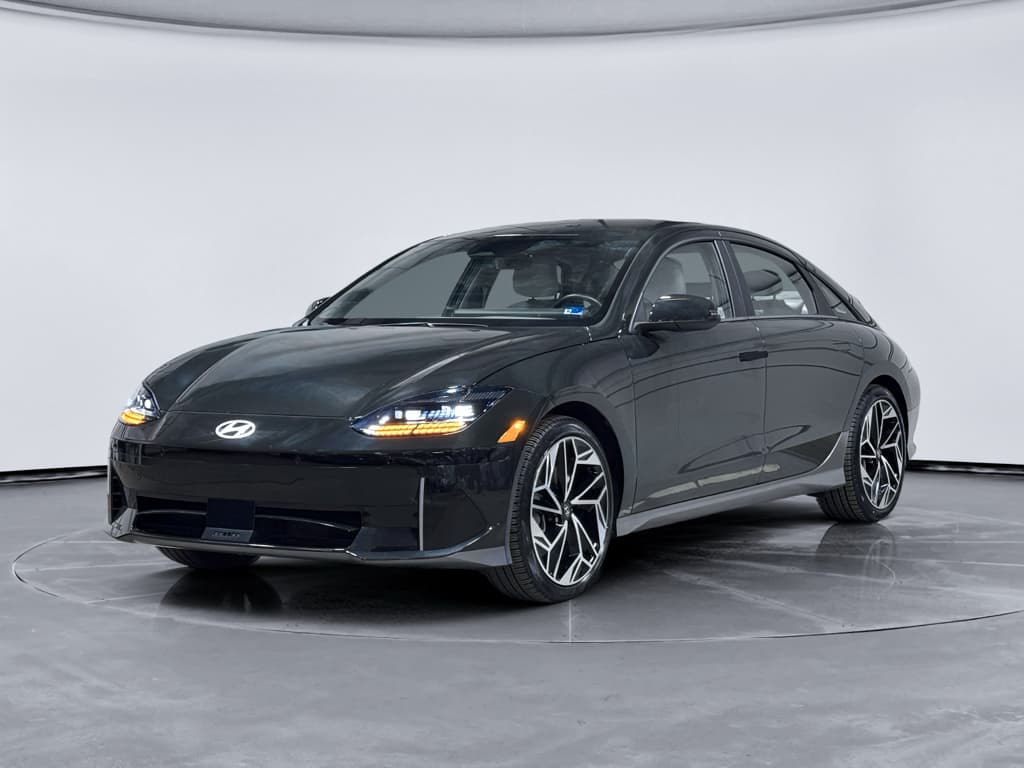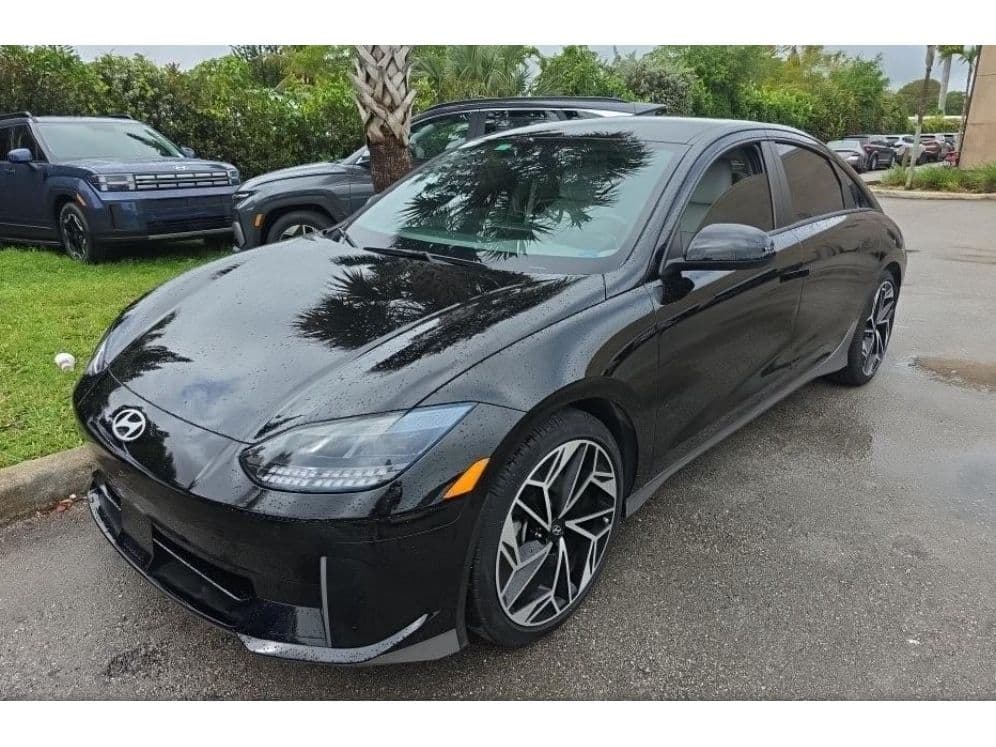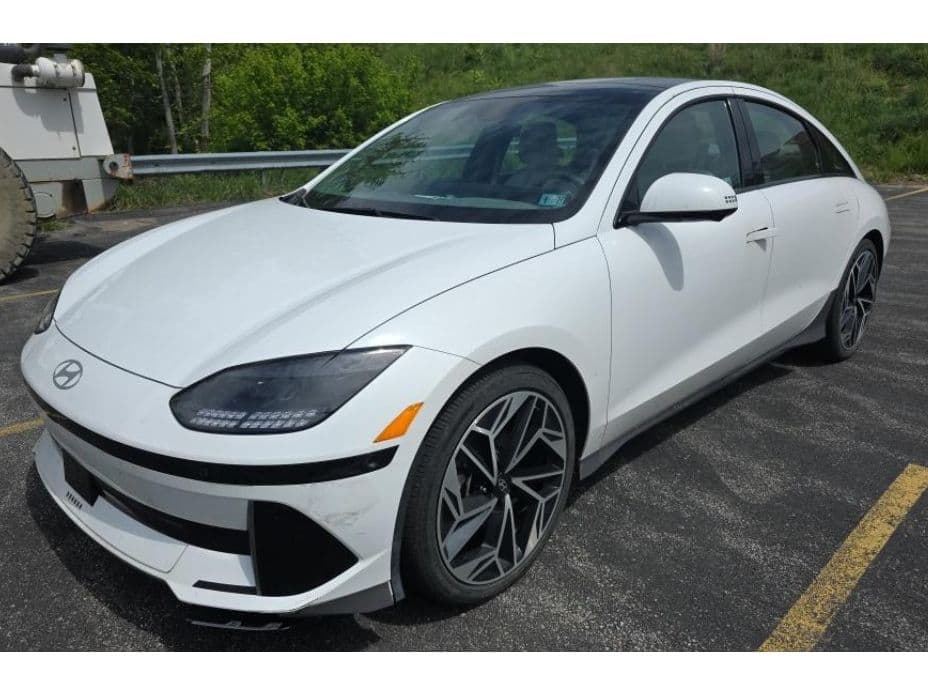
If you’ve been eyeing a Hyundai Ioniq 6 or thinking about selling yours in 2026, you’ve probably noticed something odd: this sleek electric sedan drops in value faster than your neighbor’s compact SUV, yet used buyers snap them up as soon as they’re priced right. This Hyundai Ioniq 6 resale value guide for 2026 walks you through what these cars are actually worth, why depreciation looks so steep on paper, and how to use that to your advantage whether you’re buying or selling.
A quick note on numbers
Why Hyundai Ioniq 6 resale value matters in 2026
The Hyundai Ioniq 6 arrived as Hyundai’s swoopy, ultra‑efficient answer to the Tesla Model 3. With its big battery options (up to 77.4 kWh), 800‑volt fast‑charging, and EPA efficiency that beats almost every other EV sedan, it should be a rock‑solid long‑term bet. But modern EV pricing is a moving target: new‑car incentives change quickly, Tesla keeps cutting prices, and a wave of off‑lease EVs is flooding the used market. In that chaos, the Ioniq 6 can look like a bargain or a disappointment, depending which side of the transaction you’re on.
If you’re buying used, aggressive depreciation means you can step into a nearly new Ioniq 6 for thousands less than original MSRP. If you’re selling, it means you need to be realistic and strategic to avoid leaving money on the table. Either way, understanding how this car behaves in the market is the difference between a smart move and a sore spot.
Hyundai Ioniq 6 resale snapshots for 2026
Quick take: How the Ioniq 6 is holding its value
Here’s the headline for 2026: the Hyundai Ioniq 6 depreciates faster than many gas sedans and even some rival EVs, but that makes it an excellent used buy and a tougher new‑car flip.
- New‑to‑3‑year depreciation is steep, driven by big discounts on new Ioniq 6s, generous lease programs, and general EV price pressure.
- Used 2023–2025 Ioniq 6s often list in the low‑ to mid‑$20,000s for higher‑mileage cars, and high‑$20,000s to low‑$30,000s for lower‑mileage SE/SEL/Limited trims.
- Battery health and remaining warranty are strong resale selling points; early owner reports show minimal real‑world degradation so far.
- Compared with a Tesla Model 3, the Ioniq 6 usually costs less to buy used, but may also lag slightly in percentage resale value. In dollars and cents, the Hyundai can still be the smarter deal.
Who wins with Ioniq 6 depreciation?
Current market prices: what Ioniq 6s actually sell for
By spring 2026, the U.S. used‑car market has had a couple of years to figure out what the Ioniq 6 is worth. New‑car transaction prices are all over the map thanks to manufacturer incentives, but used prices have settled into some recognizable patterns.
Typical 2026 asking prices for used Hyundai Ioniq 6 (U.S.)
Approximate listing ranges seen in early 2026 for private‑party and dealer retail sales. Actual values vary by region, options, and condition.
| Model year & trim (examples) | Typical miles | Common asking range | Notes |
|---|---|---|---|
| 2023 SE Standard Range / SE | 25,000–40,000 | $22,000–$26,000 | Best affordability; smaller battery, still solid range for many commuters. |
| 2023 SEL / Limited Long Range | 20,000–35,000 | $25,000–$30,000 | Most common in the market; options and AWD push higher end of range. |
| 2024 SE / SEL Long Range | 10,000–25,000 | $27,000–$32,000 | Lightly used cars, often from first owners trading out early or off‑lease units. |
| 2025 SE / SEL | Under 15,000 | $30,000–$34,000 | Nearly new; gaps between these and new‑car deals can be surprisingly small when incentives are heavy. |
Use these ranges as a starting point, then adjust for mileage, condition, and local demand.
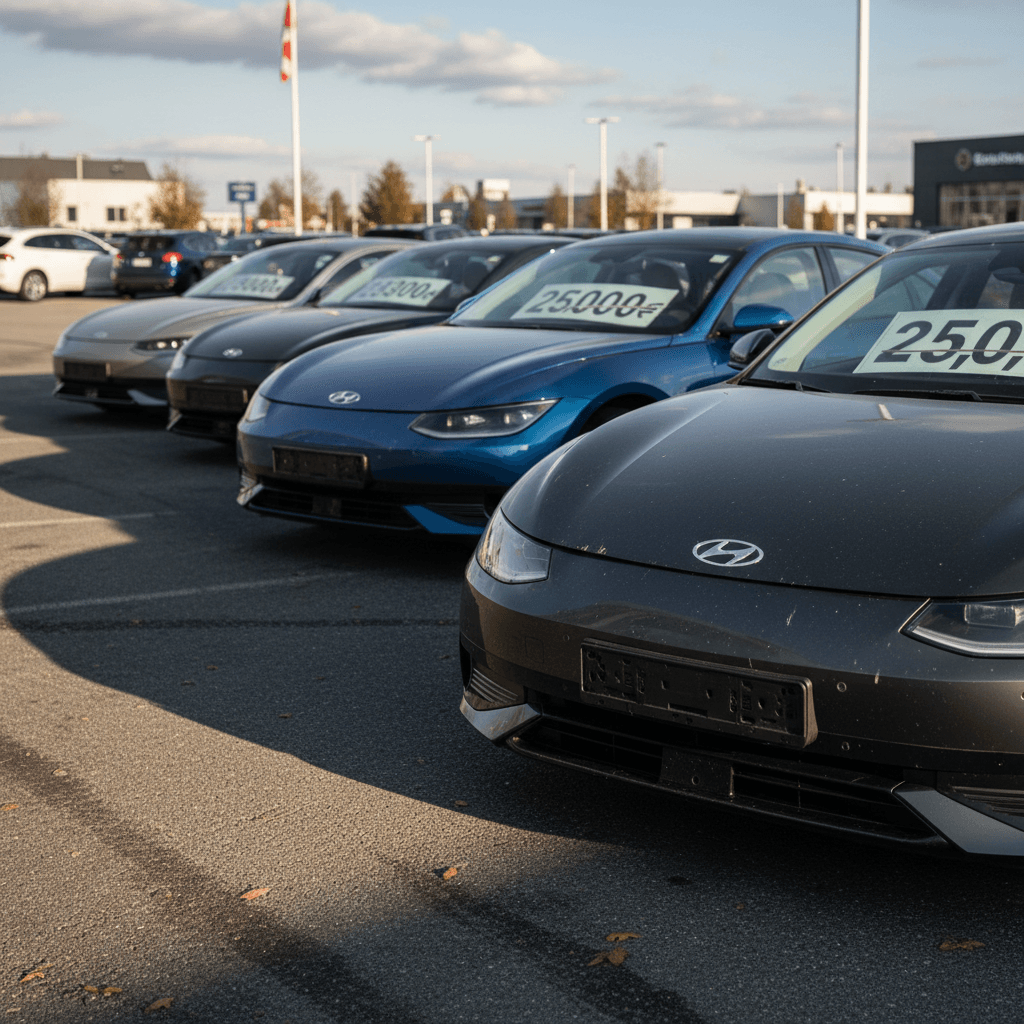
Don’t price off window stickers
How fast does a Hyundai Ioniq 6 depreciate?
Depreciation calculators and valuation guides now have enough early data to sketch out a realistic curve for the Ioniq 6. You’ll see slightly different numbers depending on the source, but the broad pattern is consistent: heavy early‑year drops, then a slower slide once the car is 3–5 years old.
Illustrative Hyundai Ioniq 6 depreciation curve
Approximate resale value versus original MSRP for a well‑kept Ioniq 6 with average mileage (about 12,000–15,000 miles per year).
| Age of vehicle | Estimated value vs original MSRP | What this means in 2026 |
|---|---|---|
| 1 year old | ≈75–80% | A 2025 Ioniq 6 in 2026 may lose around 20–25% of its original sticker, especially if new‑car discounts are strong. |
| 3 years old | ≈45–55% | Many 2023 Ioniq 6s in 2026 fall into this band; big early‑year drop, then values stabilize. |
| 5 years old (projected) | ≈40–45% | Forecasts put the Ioniq 6 around a 55–60% loss by year five, similar to many first‑wave EVs. |
| 7+ years (projected) | Value diverges by condition and battery health | Clean, low‑mileage examples with healthy packs should hold a premium over high‑mileage fast‑charged cars. |
Think in percentages rather than exact dollars, local incentives and original deals can swing the real numbers.
Why the early drop looks harsh
What helps or hurts Ioniq 6 resale value
Factors that help resale value
- Clean, accident‑free history: A documented service record and no major damage are worth real money.
- Lower mileage: On EVs, buyers still treat mileage like they do on gas cars; under 10,000 miles per year helps your price.
- Long‑range trims: SE/SEL/Limited models with the 77.4 kWh pack and rear‑wheel drive range figures in the 300s are especially desirable.
- Options that matter: Features like the tech package, highway driving assist, and premium audio make your car easier to sell.
- Strong battery report: Any documentation of healthy capacity or a third‑party battery health report can reassure buyers.
Factors that hurt resale value
- Heavily discounted new cars: When shoppers can lease or buy new for not much more, used prices have to come down.
- High DC fast‑charge use: Occasional fast‑charging is fine, but a history of constant 350 kW sessions can spook range‑sensitive buyers.
- Visible wear: Curb‑rashed aero wheels and scuffed interior trim are common on Ioniq 6s and drag down offers.
- Outdated software: Skipped over‑the‑air updates or ignored recalls raise questions about how the car was cared for.
- Limited charger access: In regions with thin non‑Tesla infrastructure, some shoppers will hesitate on any non‑Tesla EV.
The sedan body style is quietly a plus
Battery health, warranty, and resale confidence
With any used EV, battery health is the elephant in the room. The good news for the Ioniq 6 is that it shares Hyundai’s E‑GMP platform and battery tech with the Ioniq 5 and Kia EV6, and early high‑mileage reports on those cars show very modest degradation, often just a few percent after tens of thousands of miles when charged sensibly.
- Hyundai backs the high‑voltage battery with a long warranty (commonly 8 years/100,000 miles in the U.S., check your specific car) targeting at least 70% of original capacity.
- Owners with 20,000–30,000 miles on similar Hyundai E‑GMP packs frequently report no obvious loss in real‑world range when driven and charged normally.
- Real‑world range loss tends to be slower when the car is not parked at 100% for long periods and fast‑charging is used occasionally instead of daily.
Battery health readings aren’t gospel
How to talk about battery health when selling (or evaluate it when buying)
Confirm remaining factory battery warranty
Ask the seller (or check your paperwork) for the in‑service date and warranty booklet so you know how many years and miles of battery coverage are left.
Review charging habits
Look for a pattern of mostly home Level 2 charging, with fast‑charging reserved for road trips. That’s usually ideal for long battery life.
Do a simple range sanity check
Charge to 100%, reset the trip computer, and drive a familiar mixed route. Compare real range to the EPA number, accounting for temperature and driving style.
Use a trustworthy battery report
A third‑party diagnostic like the Recharged Score battery health test can provide an independent view of pack condition that’s easier for buyers to understand.
How Recharged helps on battery questions
Ioniq 6 vs. Tesla Model 3 and rivals on resale
If you’re cross‑shopping a used Ioniq 6, you’re probably also looking at cars like the Tesla Model 3, Hyundai Ioniq 5, Kia EV6, and maybe a Polestar 2 or Volkswagen ID.7. Each of these plays a little differently in the resale game.
How the Ioniq 6 stacks up on resale in 2026
Think in both percentages and real dollars when comparing EVs.
Versus Tesla Model 3
Model 3s tend to keep a slightly higher percentage of their original price, helped by brand recognition and the Supercharger network.
But when you look at transaction prices, a comparable used Ioniq 6 is often a few thousand dollars cheaper to buy, despite similar or better efficiency.
Versus Ioniq 5 & Kia EV6
The Ioniq 6 rides the same basic platform as the Ioniq 5 and EV6. Resale behavior is broadly similar, though crossovers often pull a small premium.
If you value range and aero efficiency over cargo room, the sedan can be the value play.
Versus other non‑Tesla EV sedans
Compared with niche EV sedans and hatchbacks, the Ioniq 6’s strong efficiency, support network, and warranty keep it competitive even if early depreciation looks steep.
In “dollars per mile of range,” it’s often one of the best buys on the lot.
Don’t chase percentage alone
Selling your Ioniq 6 in 2026: step-by-step
If you’re on the selling side, the Ioniq 6 can reward a thoughtful owner. Its strengths, range, refinement, tech, are exactly what the second owner is looking for. Here’s how to turn that into the best possible number on the check.
Step‑by‑step playbook to maximize Ioniq 6 resale
1. Get a realistic value range
Start with multiple online valuation tools and live listings for Ioniq 6s similar to yours in year, trim, and mileage. Average those numbers instead of trusting a single site.
2. Gather your paperwork
Service invoices, recall documentation, charging records, and purchase or lease paperwork all show buyers and dealers you’ve cared for the car.
3. Document condition honestly
Have it detailed, then photograph the car in good light, inside, outside, and close‑ups of any flaws. Buyers will still come, but they’ll trust you more.
4. Highlight battery and warranty
Spell out remaining bumper‑to‑bumper and battery warranty, and include any battery health reports or range tests you’ve done.
5. Decide how to sell
Private sale can bring more money but more hassle. A trade‑in or instant offer is faster and safer. Recharged’s instant offer and consignment options combine professional pricing with national reach.
6. Price to the market, not your payoff
Buyers don’t care what you owe on your loan. Price your Ioniq 6 where similar cars are actually selling, then negotiate within a narrow, fair band.
Watch your timing with new incentives
Buying a used Ioniq 6: what to look for
On the buy side, 2026 is a sweet spot for the Hyundai Ioniq 6. You get the modern E‑GMP hardware, plenty of warranty remaining, and big savings versus new, if you pick carefully.
Key checks before you commit to a used Ioniq 6
You don’t need to be an engineer to spot a solid car.
History, mileage, and condition
- Run a vehicle history report looking for accidents, lemon buybacks, or repeated repairs.
- Target Ioniq 6s with mileage consistent with age; wildly low or high numbers merit questions.
- Check tires, brakes, and cosmetic wear, especially those aero wheels and low front bumper.
Charging behavior and compatibility
- Ask how and where the car was usually charged, home Level 2 is ideal.
- Verify it charges normally at both AC (home) and DC fast chargers with a test session if possible.
- Confirm you have the right charging cables and adapters for your setup.
Battery & range reality check
- Take a long test drive that includes highway speeds; watch remaining range vs miles driven.
- A Recharged Score or other third‑party battery health report is extremely helpful.
- Remember that cold weather, high speeds, and big wheels all cut range, don’t panic at winter numbers alone.
Warranty & recall status
- Confirm remaining Hyundai warranties with a dealer using the VIN.
- Check that any safety recalls or important software updates have been performed.
- Ask for both key fobs, manuals, charging accessories, and any original paperwork.
Why shop a used Ioniq 6 through Recharged?
2026 and beyond: where Ioniq 6 values are heading
So what happens next? Barring any wild swings in incentives or energy prices, the Ioniq 6 looks set to follow the pattern we’ve begun to see with other competent EVs: a sharp initial slide, then a long, relatively steady glide as the car’s underlying strengths carry it.
- As more 2023 and 2024 cars hit the 3‑year mark, supply will grow, but so will buyer awareness of the Ioniq 6’s efficiency and comfort.
- If charging infrastructure keeps improving and more networks share adapters or ports, the Tesla advantage shrinks, which may help non‑Tesla EV resale values in general.
- Battery tech isn’t standing still, but the Ioniq 6’s real‑world range is already competitive enough that a 5‑ or 7‑year‑old car will still meet many drivers’ needs.
- Policy shifts, like tweaks to federal or state incentives, can move new‑car prices up or down quickly, echoing into used prices. Keep one eye on the news if you’re planning to buy or sell later in 2026.
How to think about timing your move
If you own an Ioniq 6 now
Consider selling or trading around the 3‑ to 4‑year mark if you want to maximize value before warranties start to run down.
If you love the car and it fits your life, driving it longer and letting it fully amortize can outweigh any resale‑value anxiety.
Stay on top of software updates and service campaigns to keep the car appealing to the next owner.
If you’re shopping used in 2026–2027
Watch for off‑lease 2023 and 2024 cars hitting the market; these often combine reasonable mileage with big price drops.
Be flexible on color and options to snag the best deal, range and battery health matter more than a specific paint code.
If you find a well‑priced Ioniq 6 with a clean battery health report and plenty of warranty left, waiting for the “perfect” deal may cost you more than it saves.
Hyundai Ioniq 6 resale FAQ (2026)
Frequently asked questions about Ioniq 6 resale in 2026
Bottom line: should you buy or sell an Ioniq 6 now?
In 2026, the Hyundai Ioniq 6 is a tale of two markets. For original owners, the early‑year value drop can sting if you expected it to behave like a traditional gas sedan. For used shoppers, that same depreciation turns the Ioniq 6 into one of the smartest ways to get a long‑range, comfortable, and efficient EV without spending luxury‑car money.
If you’re selling, your best moves are straightforward: price to the real market, present a clean and honest car, and lean into battery health and warranty when you tell its story. If you’re buying, focus on the right car rather than the absolute lowest sticker, history, condition, and battery reports matter more than saving the last $500. And if you don’t want to navigate that alone, Recharged is built for exactly this moment in the EV market: pairing transparent battery health data, fair pricing, and EV‑savvy support so your Hyundai Ioniq 6 decision in 2026 feels like an upgrade, not a gamble.