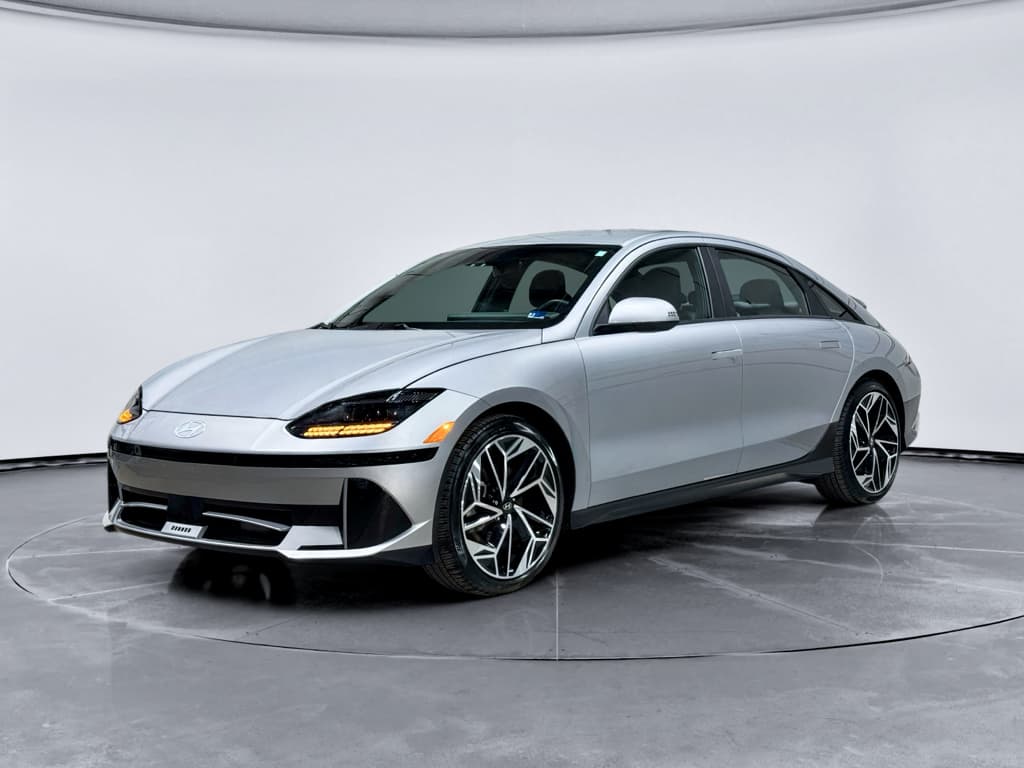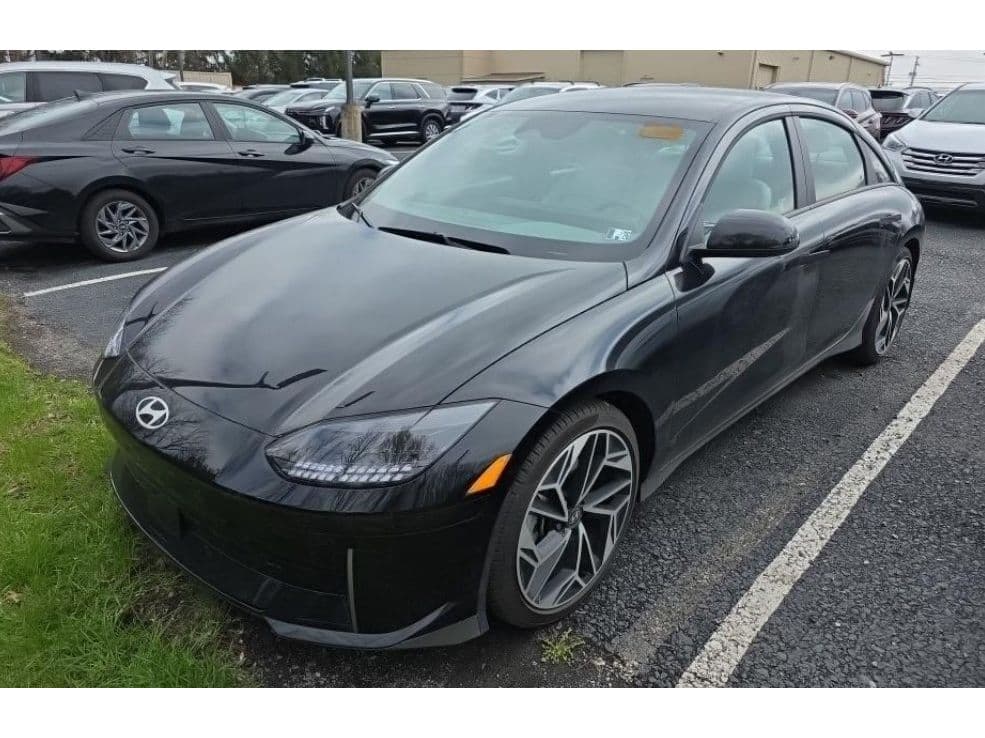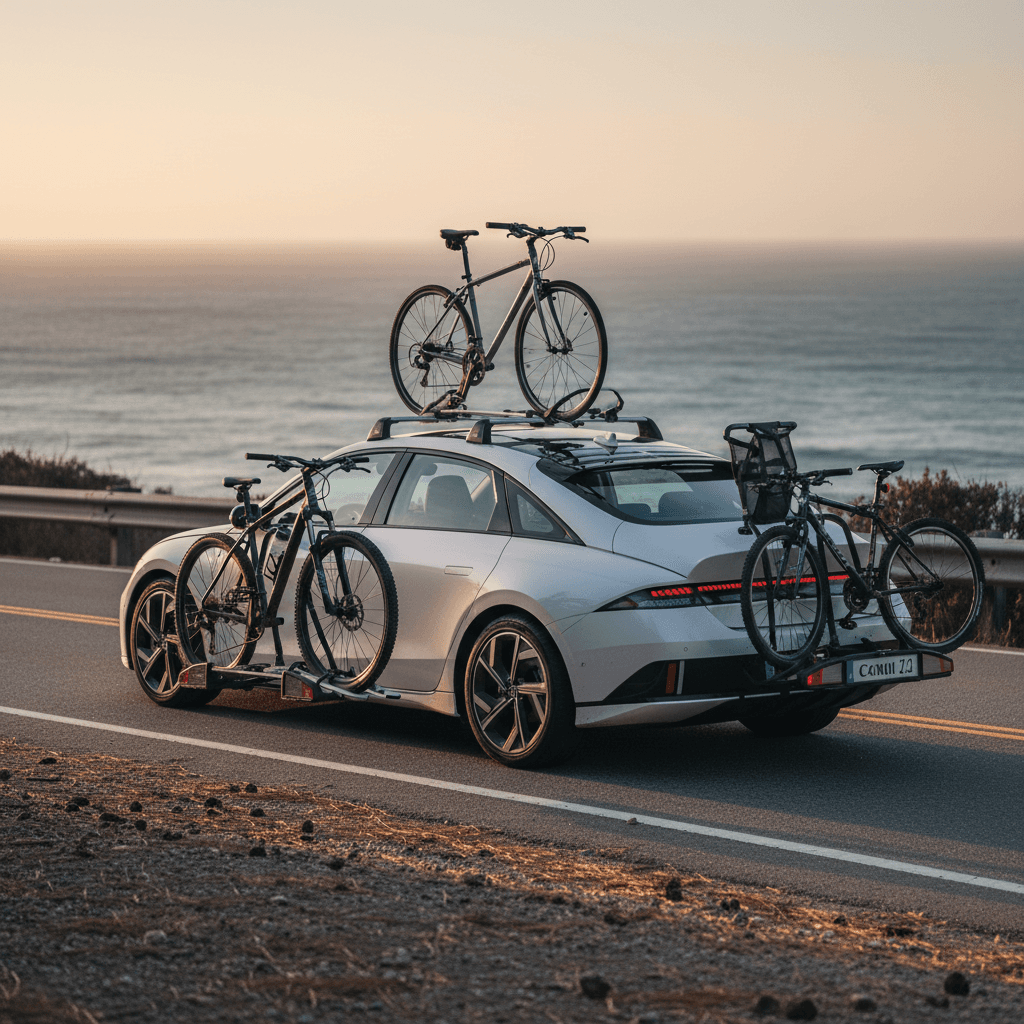
If you bought a Hyundai Ioniq 6, there’s a good chance you care about efficiency, and you probably don’t want to give up your weekends on two wheels. The Ioniq 6’s swoopy fastback shape makes it a brilliant long‑range EV, but it also makes carrying bikes a little trickier than on a boxy crossover. In this guide, we’ll break down the most realistic Hyundai Ioniq 6 bike rack options: hitch, roof, and trunk‑style setups, plus what you need to know about weight limits, range, and day‑to‑day usability.
Before you bolt anything on
Why the Hyundai Ioniq 6 is a unique bike hauler
The Ioniq 6 rides on Hyundai’s E‑GMP platform, the same basic architecture as the Ioniq 5 and Kia EV6. That means a heavy battery pack low in the floor, a relatively low ride height, and a slippery body designed to cheat the wind rather than swallow a mountain bike whole. Compared with a tall hatchback or SUV, you’re working with a smaller trunk opening, a smooth, high rear bumper, and, for many trims, a large glass roof. All of that affects which bike rack styles make sense and how many bikes you can safely haul.
What works great on SUVs
- Factory roof rails with fixed mounting points
- Spare-tire and hatch-mounted racks that don’t touch paint as much
- Big, square cargo openings for sliding bikes inside
What’s different on the Ioniq 6
- Sleek sedan body with limited rear deck to hook straps to
- Movable glass roof panel on many trims, careful where towers sit
- Lower ground clearance, so tongue weight & departure angle matter
Quick overview: Ioniq 6 weight limits that matter for bike racks
Key Hyundai Ioniq 6 weight figures for bike racks
Watch the fine print
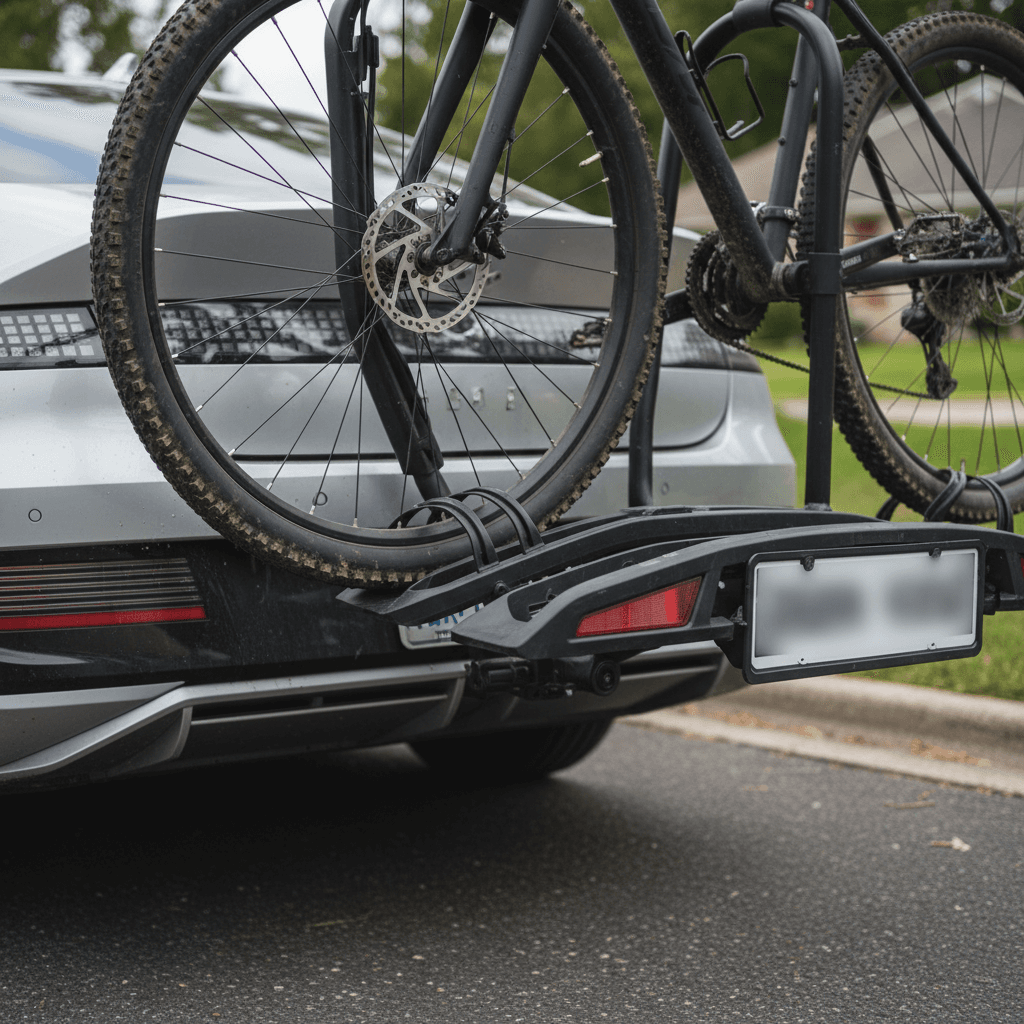
Hitch bike racks for Ioniq 6: the most practical setup
If you’re serious about riding regularly, a hitch‑mounted bike rack is the cleanest solution for the Ioniq 6. You keep the roof clear, you don’t fight with straps over paint, and loading bikes is much easier on your back than lifting them overhead.
Why hitch racks pair so well with the Ioniq 6
Real-world pros and cons from Ioniq owners
Biggest pro: easy loading
Even on a low sedan, lifting bikes only to bumper height is a relief. Platform-style hitch racks are especially friendly for e-bikes and heavy trail rigs.
Protects your paint
No straps rubbing across the trunk edge or roof, and most modern racks keep frames away from bodywork entirely.
Driving feel & visibility
A well-set-up hitch rack keeps weight close to the car. You’ll feel it a bit over bumps, but you avoid the top-heavy sway and extra wind noise of a roof rack.
Because Hyundai doesn’t sell a factory U.S. hitch for the Ioniq 6 today, owners turn to aftermarket solutions. Popular choices include stealth-style hitches that hide the receiver behind the bumper when not in use, and traditional 1.25‑inch or 2‑inch receiver hitches from well‑known brands. These are usually rated well above the realistic bike‑rack loads, but the car’s limits are the ones that count.
Tongue weight matters more than tow rating for bikes
Common hitch rack styles for the Hyundai Ioniq 6
Use this to decide which hitch rack design fits your riding style and the Ioniq 6’s sleek body best.
| Rack style | Best for | Typical capacity | Key pros | Key cons |
|---|---|---|---|---|
| Platform (tray) hitch rack | Most riders; e-bikes; MTBs | 2–4 bikes | Easy loading; stable; no frame contact; works well with carbon | Heavier and pricier; may need a tilt feature to access the trunk |
| Hanging (mast) hitch rack | Light road/fitness bikes | 3–5 bikes | Cheaper and lighter; simple design | Can sway; often touches frame; can be tight for modern mountain bikes |
| Swing-away or tilting rack | Families; frequent trunk access | 2–4 bikes | Allows you to open the trunk with bikes loaded | Extra weight and complexity; higher cost |
Platform racks are usually the easiest and safest choice for modern EVs.
Avoid bumper-mounted "tow ball" style carriers
Roof bike racks for Ioniq 6: when the roof is your best bet
If you don’t want a hitch, or can’t install one because of a lease, your next option is a roof rack plus bike carriers. The Ioniq 6 doesn’t have raised rails, so you’ll be using a "bare roof" system with clamps that grab the door openings and crossbars that span the car.
Sunroof owners: double‑check fitment
Typical roof rack + bike carrier options for the Ioniq 6
What works on the sloping roof of Hyundai’s electric sedan
Full-length crossbars + wheel-mount trays
The classic setup: crossbars front and rear, plus fork- or wheel-holding trays that secure each bike upright. Works well for lighter road and gravel bikes.
Mind the total roof rating, car + rack + bikes all count toward the 80 kg (176 lb) limit many trims list in overseas specs.
Vacuum/suction-cup systems
High-end suction racks have become popular with EV owners who want to avoid permanent hardware. They can work on the smooth Ioniq 6 roof, but they demand immaculate surfaces and careful use.
They’re also easiest with lighter bikes; frequent e-bike hauling is better handled by a hitch rack.
The big trade‑offs with roof‑mounted bikes on a sleek EV are access and efficiency. You will notice the extra wind resistance and noise at highway speeds, and if you’re under 6 feet tall, loading a heavy e‑bike onto the Ioniq 6 roof quickly becomes a gym workout. On the upside, the trunk stays fully accessible and charging at public stations can be simpler because nothing sticks out behind the rear bumper.
Trunk and suction-cup racks on Ioniq 6: pros, cons, and paint risks
Traditional strap‑on trunk racks are the default for a lot of sedans, but the Ioniq 6’s smooth rear deck and high, rounded bumper don’t make life easy for them. There aren’t many model‑specific trunk racks on the market yet, and universal designs often end up with straps crossing sharp edges of the trunk opening or resting pads on the rear glass.
- Paint wear and scuffing where pads and straps rub the clearcoat over time, especially in dusty or sandy climates.
- Questionable fitment on the Ioniq 6’s short, curved trunk lid, many universal racks simply don’t sit square.
- Blocked tail lamps or license plate if the rack sits too low on the bumper.
If you must use a trunk rack
Vacuum‑style racks that mount to the rear glass or roof can be a smarter alternative for occasional bike transport. They store small in the trunk and, when used by the book, can grab onto the Ioniq 6’s smooth surfaces securely. The catch is discipline: surfaces must be perfectly clean, pumps maintained, and maximum weight limits respected every single time.
How many bikes can a Hyundai Ioniq 6 safely carry?
In practice, the Ioniq 6 is happiest in the "2–3 bikes" world. That could be two heavy e‑bikes on a stout platform hitch rack, or three lighter road bikes on a hanging rack or roof system. The exact number depends on the weight of your bikes and rack, not just the advertised capacity.
Practical bike-carrying scenarios for Ioniq 6 owners
Examples assume you’re staying comfortably within common overseas tongue-weight and roof-load specs, and not overloading the car’s overall payload.
| Scenario | Rack type | Bike types | Likely safe?* | Why it works (or doesn’t) |
|---|---|---|---|---|
| Weekend rider, two gravel bikes | 2-bike platform hitch | 2 × ~25 lb | Yes, for most hitches | Rack (~40–50 lb) plus ~50 lb of bikes stays well under 220 lb tongue-weight ballpark. |
| Family trip, four kids’ bikes | 4-bike hanging hitch | 4 × 20–25 lb | Possibly, with care | Weight is okay, but length of rack adds leverage. Choose a quality rack and drive gently. |
| Two full-power e-bikes | 2-bike platform hitch | 2 × 55–65 lb | Often yes | You’ll be near 150–180 lb with rack, so pick a stout platform design and skip a third bike. |
| Three e-bikes on a trunk rack | Strap-on trunk rack | 3 × 55–65 lb | Not recommended | Too much weight, too much motion, and too much stress on thin sheet metal and glass. |
Run the math for your own setup, rack + bikes + passengers + cargo all count.
A note on approvals and insurance
Installing a hitch on an Ioniq 6: what owners are actually doing
Because Hyundai doesn’t yet list a U.S. accessory hitch for the Ioniq 6, the early adopters have done what early adopters always do: gone aftermarket and shared their experiences. Several owners have installed hidden or conventional receiver hitches designed for the Ioniq 5/6 and related E‑GMP vehicles, using pre‑existing mounting points in the rear structure.
Typical steps when adding a hitch to an Ioniq 6
1. Choose the right receiver size
Most premium bike racks now assume a 2-inch receiver, especially for e-bikes. Some hitches for the Ioniq platform offer 1.25-inch receivers; you can use an adapter, but it’s better to match receiver and rack when you can.
2. Confirm tongue-weight rating
Look at both the hitch rating and the car’s own guidance. Always respect the lower of the two numbers. For bike use, aim to stay well below the limit to account for dynamic loads over bumps.
3. Decide on DIY vs professional install
Installation usually involves removing portions of the rear undertray and tightening bolts to specific torque values. Confident home mechanics can handle it, but many owners choose a hitch shop or EV‑savvy independent mechanic.
4. Protect wiring and aero panels
On an EV, aero panels under the rear bumper matter. Make sure the installer reinstalls or trims panels carefully so they don’t flap, and route any wiring (if added) away from sharp edges.
The bike-only hitch strategy
EV-specific issues: range, braking, and charging with a bike rack
Putting bikes on any car changes how it drives, but on an EV like the Ioniq 6 you notice those changes a little more clearly. You’ve got instant torque, strong regenerative braking, and a car that was optimized in the wind tunnel. Bikes upset that balance in three main ways: drag, weight, and airflow over the rear of the car.
What a bike rack does to your Ioniq 6 as an EV
Plan ahead and you’ll avoid surprises on road trips
Range and aero drag
Roof-mounted bikes create the most drag and noise; hitch racks are better aerodynamically. Expect a noticeable hit in highway range either way, often 10–25%, especially with chunky mountain bikes.
Braking and regen
More mass on the rear means your Ioniq 6’s brakes and tires are working harder, particularly on rough roads or steep descents. Give yourself extra space and let the regen do its thing when possible.
Charging access
With a hitch rack, think about how far bikes stick out when backing up to DC fast chargers. You may need to park slightly off-center or remove bikes at some stations to reach the cable comfortably.
Road-trip trick
Buying checklist: choosing the right bike rack for your Ioniq 6
Bike racks are like bikes themselves, there’s no single "right" answer, only the rack that fits your life. Before you click "buy now," walk through this checklist with your Ioniq 6 and your riding plans in mind.
Hyundai Ioniq 6 bike rack buying checklist
Confirm how many bikes you actually carry
If it’s usually one or two bikes, a 2-bike platform or roof system is plenty. Racks rated for 4–5 bikes add cost and leverage you may never use.
Weigh your heaviest bike
A single e-bike can weigh as much as two road bikes. Make sure the rack you choose has per-bike weight limits that cover your heaviest machine, not just an impressive total capacity number.
Decide hitch vs roof vs occasional trunk use
If you ride weekly, a hitch rack is nearly always worth the investment. If you’re a once-a-month casual rider who can’t modify a lease car, a roof or suction-cup solution may make more sense.
Check compatibility with Ioniq 6 body and glass
For roof and trunk systems, use manufacturer fit guides and read owner feedback specific to the Ioniq 6. Avoid setups that load weight directly on sunroof glass or sharp panel edges.
Plan for storage when the rack is off the car
Platform racks are heavy and bulky. Make sure you’ve got garage space, a wall mount, or a way to stow the rack safely when you’re not using it.
Think about your future EV plans
If you might move into a taller E‑GMP model like an Ioniq 5 or Kia EV9 later, choosing a 2-inch hitch rack now can let you move the rack from car to car effortlessly.
FAQ: Hyundai Ioniq 6 bike rack questions answered
Frequently asked questions about Ioniq 6 bike racks
Where a used Ioniq 6 fits into your bike and adventure plans
Set up thoughtfully, the Hyundai Ioniq 6 is a fantastic partner for cyclists. A properly installed hitch rack makes loading simple and keeps the car’s graceful lines intact; a dialed‑in roof system works well for lighter bikes and lease cars; and the trunk can pinch‑hit when the weather turns and you’d rather keep your bike inside. The key is understanding the car’s weight limits, choosing quality hardware, and being honest about how often, and how far, you really ride.
If you’re shopping for a used Ioniq 6 specifically to pull double duty as a commuter and bike shuttle, it’s worth seeing how the previous owner treated it. At Recharged, every EV comes with a Recharged Score battery health report and a transparent condition history, so you know whether that sleek sedan spent its weekends parked in a garage or hauling half a racing team. And if you want help thinking through bike racks, road‑trip charging, or how an Ioniq 6 compares with an Ioniq 5 for adventure duty, our EV specialists can walk you through the tradeoffs before you buy.