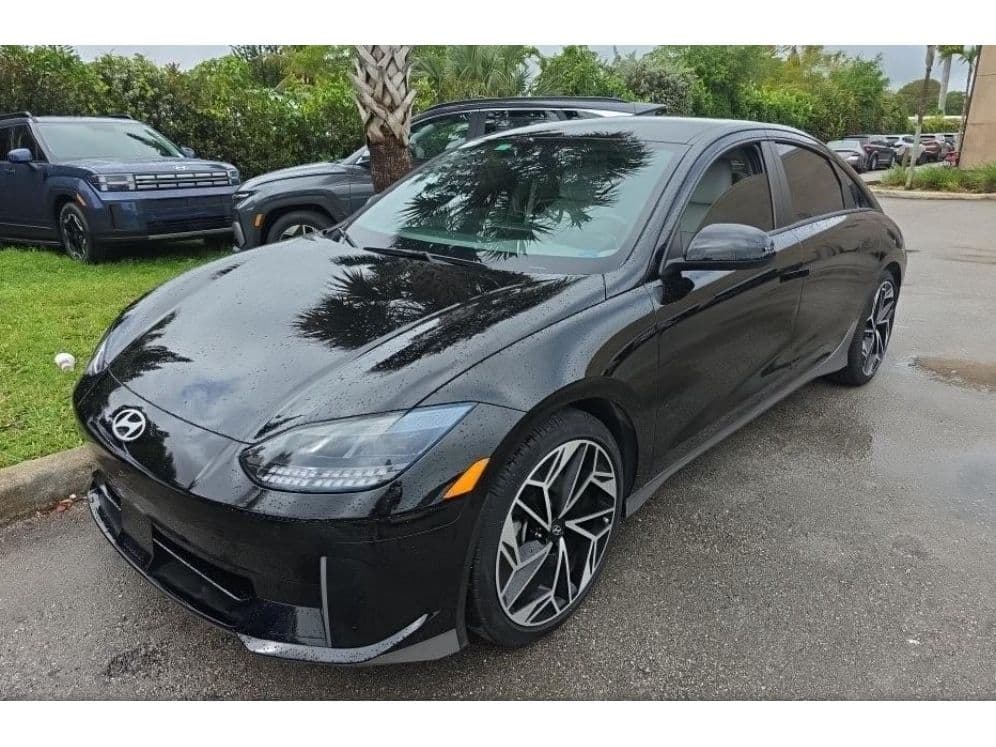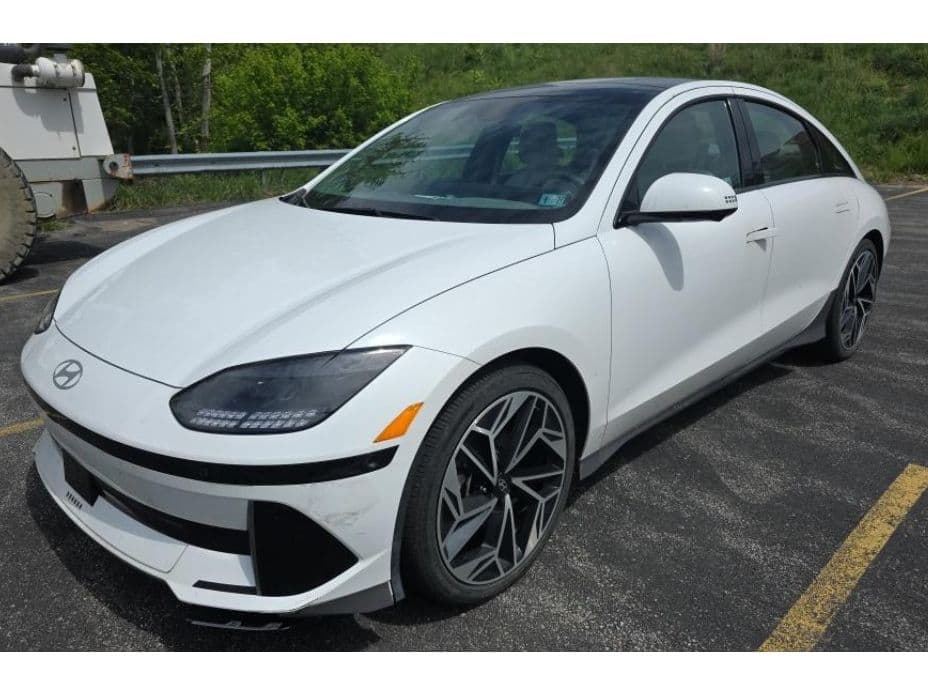
If you’re looking at a Hyundai Ioniq 6 in 2026, you’re probably asking a simple question: **how much is this thing going to cost me to maintain?** The good news is that the Ioniq 6 behaves like most modern EVs, maintenance costs are significantly lower than a comparable gas sedan, but there are a few line items you absolutely need to budget for.
2026 focus
Hyundai Ioniq 6 maintenance cost in 2026: quick overview
Hyundai Ioniq 6 maintenance at a glance (2026)
Multiple ownership-cost analyses show the **Hyundai Ioniq 6’s annual maintenance spending hovering around $800 per year for a new car** during the first five years, assuming normal use and dealer service. That lines up very closely with broader EV data, which puts typical electric-car maintenance in the **$4,000–$5,000 range over 5 years** for 75,000 miles of driving.
Quick budget rule of thumb
How much does Hyundai Ioniq 6 maintenance cost per year?
Typical yearly maintenance for a newer Ioniq 6 (0–5 years)
- Routine inspections and software updates: often bundled into a $150–$250 visit every 12–24 months, depending on your dealer and mileage.
- Cabin air filter: $60–$120 parts and labor, usually every 2 years or so.
- Tire rotation and balance: $40–$120 per year, unless included with your tire purchase.
- Brake fluid (when due): $150–$250, but not every year.
Across a few years, that typically averages out to **$700–$850 per year** if you stay on Hyundai’s schedule and use the dealer for most work.
What you’re not paying for
- No oil changes: there’s no engine, so no oil or timing belts.
- No spark plugs or exhaust system: these common wear items on gas cars simply don’t exist on an Ioniq 6.
- Less routine brake work: regenerative braking means pads and rotors last much longer, especially in city and commuter driving.
These missing line items are the reason EVs like the Ioniq 6 tend to land well below similarly quick, similarly sized gas sedans for lifetime maintenance.
Dealer quotes can vary a lot
Ioniq 6 maintenance cost vs a comparable gas sedan
5-year maintenance: Ioniq 6 vs similar gas sedan (typical U.S. driver)
Illustrative comparison at 15,000 miles per year. Actual numbers vary by model, region, and driving style, but the maintenance gap is consistent across many studies.
| Item (5 years, 75,000 miles) | Hyundai Ioniq 6 (EV) | Comparable midsize gas sedan |
|---|---|---|
| Routine scheduled service | $1,200–$1,800 | $2,000–$2,800 |
| Oil & filter changes | $0 | $600–$900 |
| Engine-related items (belts, plugs, etc.) | $0 | $600–$1,200 |
| Brakes (pads/rotors) | $300–$700 | $700–$1,300 |
| Fluids (coolant, brake, etc.) | $300–$500 | $400–$600 |
| Estimated total maintenance | ~$4,000–$5,000 | ~$7,000–$8,000 |
The Ioniq 6’s lack of engine-related upkeep is where most of the savings come from.
Across the industry, large data sets show **EV maintenance coming in roughly half that of internal-combustion cars** over the same mileage. The Ioniq 6 fits that pattern neatly. Where a similar gas sedan might need multiple oil changes per year plus more frequent brake and engine work, the Ioniq 6 mostly asks for inspections, filters, fluids at long intervals, and the occasional wear-and-tear item.
Where the real savings show up
Service schedule and typical visit costs for the Ioniq 6
Hyundai has shifted most of its EVs, including the Ioniq 6, toward **longer service intervals** focused on inspections and software rather than mechanical overhauls. Exact schedules can vary slightly by model year and market, but in the U.S. you’ll typically see mileage- or time-based reminders around every 8,000–10,000 miles or 12–24 months.
Key routine maintenance items on a Hyundai Ioniq 6
1. Multi-point inspections
Hyundai recommends periodic inspections of the suspension, steering, cooling systems and high-voltage components. Dealers often bundle this into a $150–$250 visit that also covers any needed software updates.
2. Tire rotation and balance
Because EVs are heavy and have lots of instant torque, tire rotation is critical. Expect rotation roughly every 7,500–10,000 miles. Many tire shops include this free with a tire purchase; otherwise budget $40–$80 per rotation.
3. Cabin air filter replacement
Usually recommended every 2 years or so, more often in dusty or urban environments. Parts and labor together often land between $60 and $120, though you can do it yourself more cheaply.
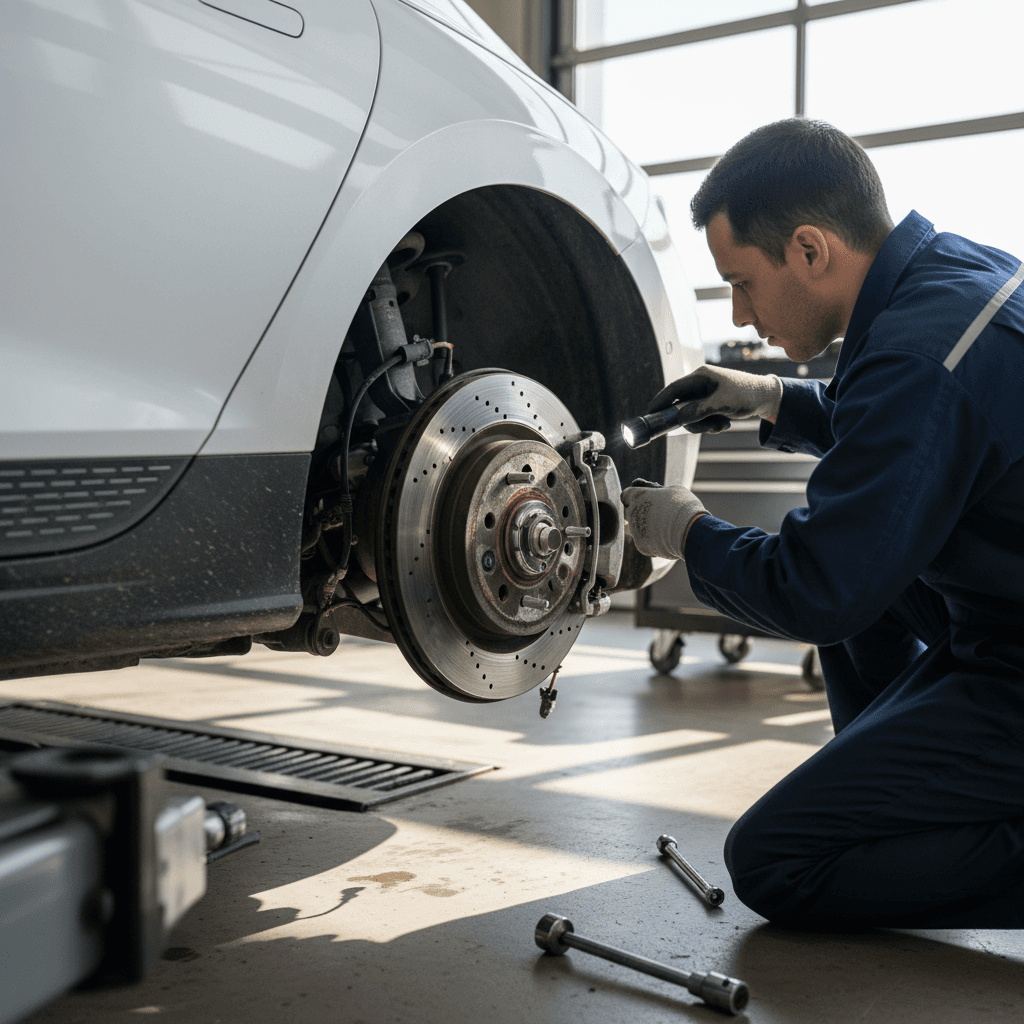
4. Brake system checks and fluid
Even though pads last longer, the hydraulic system still needs periodic checks and eventual brake fluid replacement. Many owners see a brake-fluid service in the $150–$250 range when it comes due.
5. Battery and coolant system service
The high-voltage battery and power electronics use dedicated coolant loops. These aren’t touched often, but over a longer timeline you’ll see occasional coolant inspection and replacement spelled out in the maintenance schedule.
6. Recalls and software updates
Like many modern EVs, the Ioniq 6 has seen software and component updates as real-world data rolls in. Those recall and campaign visits are usually free, but plan for a few hours at the dealer now and then.
High-voltage work is not DIY
Big-ticket items: tires, brakes, and battery health
Where Hyundai Ioniq 6 owners actually spend money
EVs save on routine engine work, but a few categories can still sting if you’re not prepared.
Performance EV tires
The Ioniq 6 uses relatively wide, high-load tires to support its weight and torque. That means:
- Replacement set: typically $900–$1,300 installed for quality all-season tires.
- Interval: many owners see 25,000–40,000 miles depending on driving style.
Frequent highway commuting and aggressive acceleration will shorten that interval and raise your lifetime maintenance cost.
Brakes with regen assist
Regenerative braking does most of the work in everyday driving.
- Pad/rotor life: often double what you’d see on a comparable gas sedan.
- Typical front brake job: $350–$700 depending on shop and parts.
If you use one-pedal driving and plan ahead, you might go many years before your first full brake service.
Battery health and replacement risk
The Ioniq 6’s traction battery is covered for 10 years/100,000 miles against defects and excessive capacity loss.
Out-of-warranty full pack replacement would be a five-figure job, but for most owners it’s a low-probability, high-cost event, not a routine maintenance line item.
Driving style matters
Warranty coverage and 2026 changes to free maintenance
Hyundai built a strong reputation on warranty coverage, and the Ioniq 6 benefits from that DNA. Most model years on sale in 2026 offer a familiar combo: a **long basic warranty, a 10‑year/100,000‑mile powertrain warranty, and a separate 10‑year/100,000‑mile EV battery warranty** for the traction pack.
- Basic (bumper-to-bumper) warranty coverage for the early years of ownership.
- Powertrain coverage that now also accounts for electric drive components instead of an engine.
- A dedicated high‑voltage battery warranty designed to protect against manufacturing defects and excessive early degradation.
- Campaigns and extended coverage on specific components over time, like charging electronics or accessory systems, as Hyundai responds to real-world data.
2026 models and complimentary maintenance
If you buy a **2023–2025 Ioniq 6** that was originally sold with complimentary maintenance, the original owner’s free-service coverage typically follows the car by VIN, not by person, for those first years. But once that window closes, you’ll be on your own for routine visits just like any later‑build 2026 Ioniq 6.
Smart ways to save on Hyundai Ioniq 6 maintenance
Practical ways to keep Ioniq 6 maintenance costs low
1. Separate must-do items from dealer upsells
Use the maintenance schedule in your owner’s manual as your north star. If a service advisor pitches an expensive “EV care package,” compare the line items to Hyundai’s actual requirements before you sign.
2. Shop around for tires early
Don’t wait until you’re at the wear bars. Start pricing replacement tires 3,000–5,000 miles before you’ll need them. You’ll have time to watch for rebates instead of paying top dollar in a rush.
3. Use one-pedal driving to save brakes
Dial up regenerative braking so the car slows itself as soon as you lift off the accelerator. You’ll use the friction brakes less, stretch pad and rotor life, and avoid an early four‑figure brake job.
4. Do the simple DIY items
Cabin air filters and wiper blades are straightforward on the Ioniq 6. If you’re comfortable with basic tools, you can save $50–$100 per service by doing these yourself.
5. Pick the right shop for the job
Software updates, recall fixes, and high-voltage work belong at a Hyundai dealer. But once you’re out of warranty, **quality independent EV shops** can handle brakes, suspension, and tires, often for less.
6. Charge smart to protect the battery
For daily driving, staying roughly between 20% and 80% state of charge and avoiding back‑to‑back DC fast-charge sessions in very hot weather can help keep the pack happy over the long haul.
Consider total cost, not just the invoice
Maintenance costs if you buy a used Ioniq 6
By 2026, plenty of **2023–2025 Hyundai Ioniq 6s are hitting the used market**, often coming off leases or early trade-ins. From a maintenance perspective, that can be a sweet spot: much of the depreciation is already baked in, but a lot of warranty coverage is still on the clock.
What to watch for on a used Hyundai Ioniq 6
You’re not just buying a price, you’re inheriting someone else’s maintenance habits.
Service history and recalls
- Ask for documented service records, at least the first major inspection and any software or recall work.
- Confirm that open recalls or service campaigns have been handled or book them into your first few weeks of ownership.
- A clean paper trail is a good sign the previous owner didn’t ignore warning lights.
Wear items and driving patterns
- Inspect tires for uneven wear that might indicate alignment issues or aggressive driving.
- Listen and feel for clunks or rattles in the suspension over rough pavement.
- Have a shop check brakes, on an EV they should still have plenty of life left at moderate mileage.
Battery health on a used Ioniq 6
At Recharged, every used EV, including the Ioniq 6, comes with a **Recharged Score Report** that includes verified battery diagnostics, tire and brake condition, and a line‑by‑line cost-of-ownership view. That kind of transparency makes it much easier to separate a well-cared-for Ioniq 6 from one that’s been neglected.
FAQ: Hyundai Ioniq 6 maintenance cost in 2026
Frequently asked questions about Ioniq 6 maintenance costs
Is the Hyundai Ioniq 6 cheap to maintain? Final verdict
Viewed through the lens of 2026 data, the **Hyundai Ioniq 6 is absolutely one of the more affordable midsize sedans to maintain**, even if some dealer service menus haven’t quite caught up with how simple EV maintenance really is. Plan on a steady diet of inspections, tire rotations, and the occasional fluid or filter instead of the long list of engine jobs that come with a gas car.
If you budget roughly **$800 per year**, watch tire wear, and use regenerative braking to your advantage, you’ll very likely beat the maintenance cost of a comparable internal‑combustion sedan by a wide margin, especially if you hold the car for 5–10 years.
And if you’re shopping a **used Hyundai Ioniq 6**, platforms like Recharged can help you go beyond guesses. Every car we list comes with a **Recharged Score Report** that shows verified battery health, tire and brake condition, and a clear view of what maintenance you’re likely to face next. That way you’re not just buying a low payment, you’re buying lower, more predictable ownership costs for years to come.