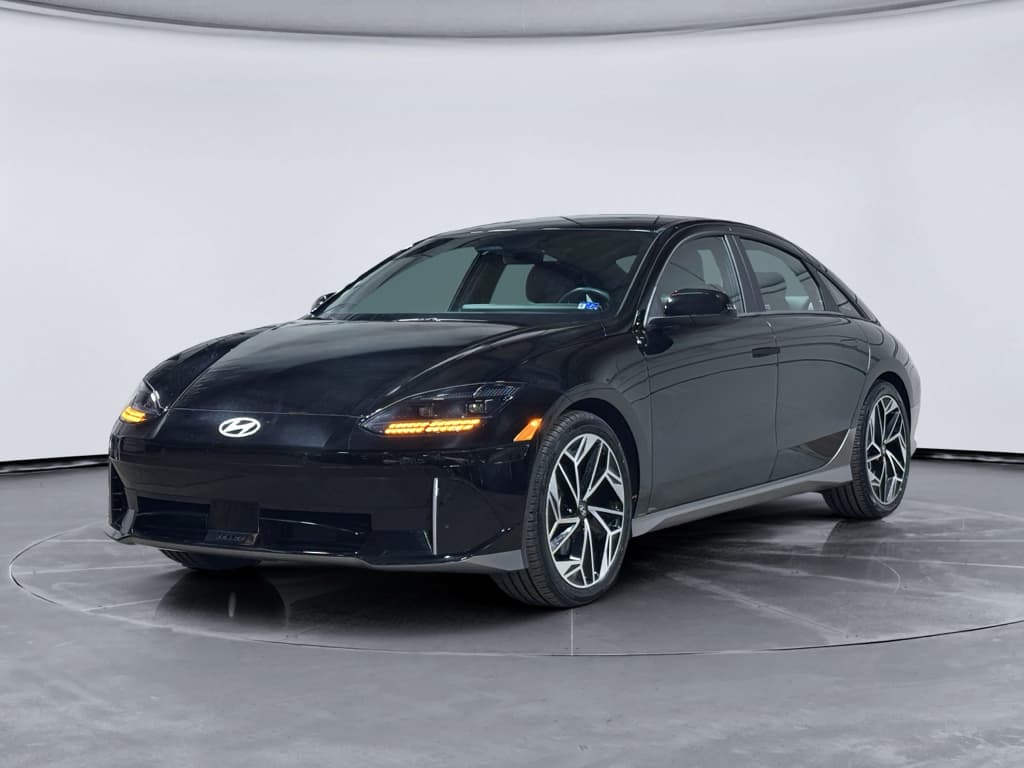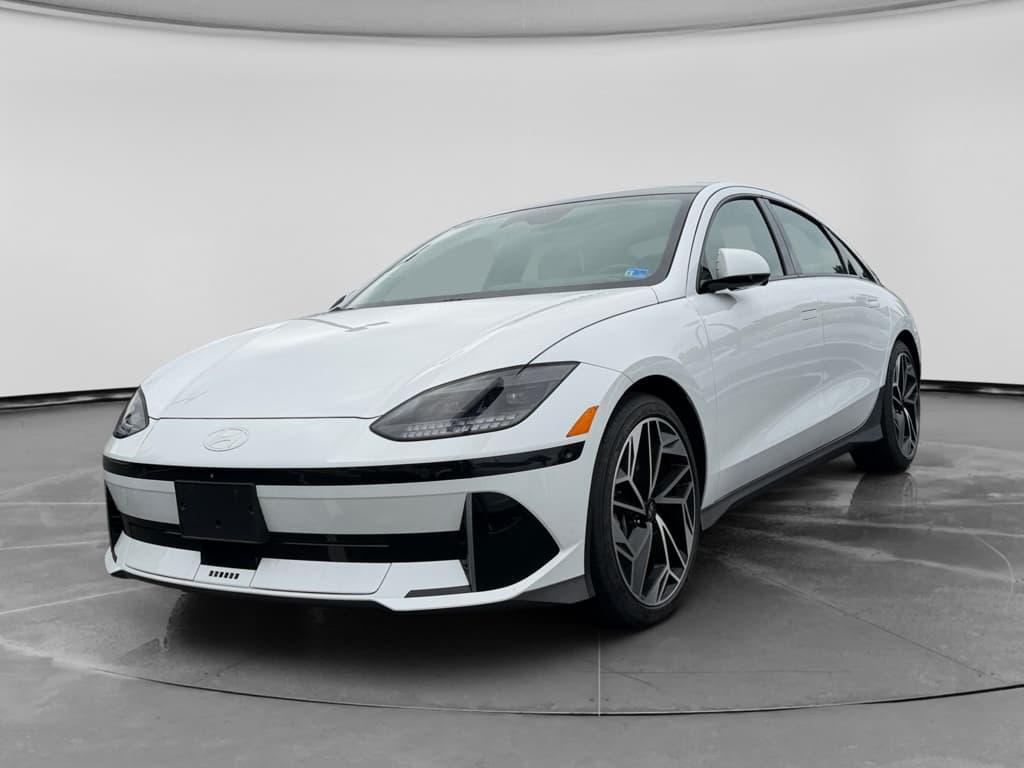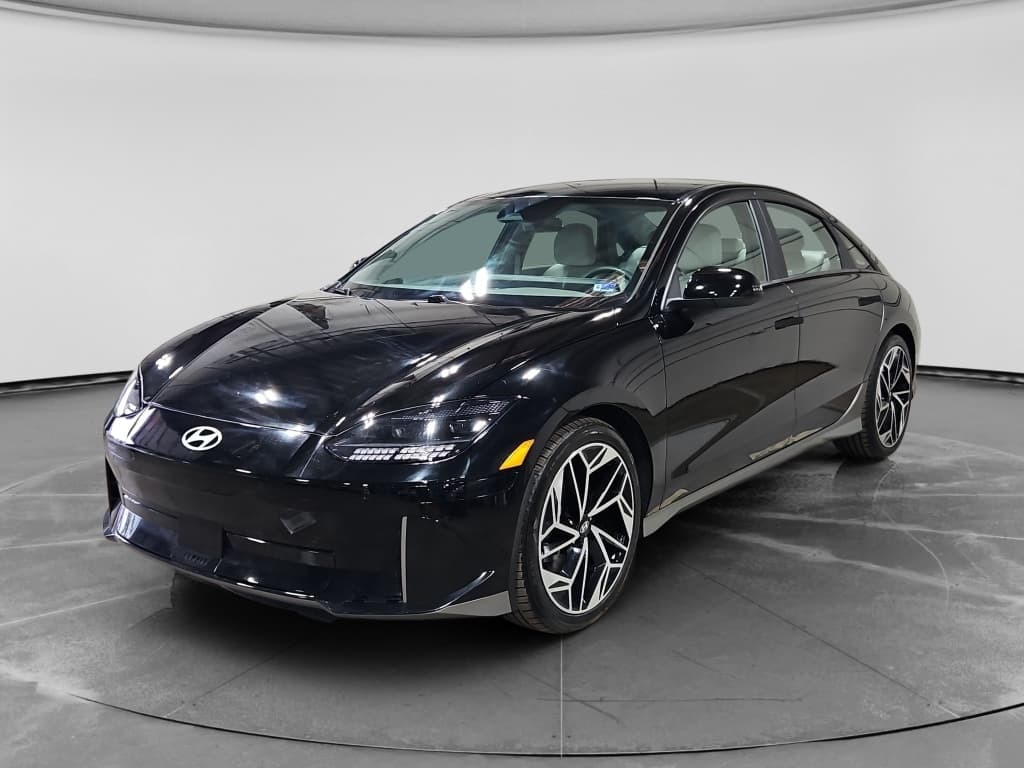
If you’re considering a Hyundai IONIQ 6, you’ve probably heard a lot about its sleek styling and efficiency. But day to day, what matters just as much is how much you can actually carry. Understanding the Hyundai IONIQ 6 cargo space dimensions, trunk, frunk, and interior room, will tell you whether this streamlined EV sedan fits your life as well as it fits in your garage.
Quick takeaway
Hyundai IONIQ 6 cargo space at a glance
Key Hyundai IONIQ 6 cargo and interior numbers
On paper, the IONIQ 6 is more about people space than trunk space. With 11.2 cubic feet of rear cargo volume and about 0.5 cubic feet in the front trunk, it’s fine for daily errands and short trips, but it doesn’t try to be a hatchback or wagon.
Trunk size caveat
Detailed Hyundai IONIQ 6 cargo space dimensions
Let’s break down the cargo-specific measurements first, then talk about how the space is shaped and how the rear seats affect what you can carry.
Hyundai IONIQ 6 cargo space specs (U.S. models)
Core volume figures for the IONIQ 6 trunk, frunk, and interior space.
| Measurement | Value | Notes |
|---|---|---|
| Rear trunk cargo volume (seats up) | 11.2 cu ft | Primary cargo area behind rear seats. |
| Front cargo volume (frunk) | 0.5 cu ft | Best suited for charging cables or small bags. |
| Maximum rear cargo volume | ≈11.2 cu ft (official) | Specs list the same figure; rear seats fold mainly for long items, not huge volume gains. |
| Total interior volume | 114.2 cu ft | Passenger + cargo combined. |
| Passenger interior volume | 103.0 cu ft | Shows how much of the car is dedicated to people rather than cargo. |
Hyundai’s own specs focus on volume; precise length/width of the trunk can vary slightly by trim and market, but the figures below are what you’ll see on most U.S. spec sheets.
Why folded-seat volume isn’t quoted
Trunk layout and opening
The Hyundai IONIQ 6 is a traditional sedan, not a liftback, so cargo loads through a trunk opening rather than a large rear hatch. The space is fairly deep front-to-back but not especially tall, and the opening is lower than you’ll find on an SUV. That’s fine for standard suitcases, duffel bags, and grocery runs, but it’s not ideal for tall boxes, large pets, or big sports gear without folding the seats.
Rear seat folding configuration
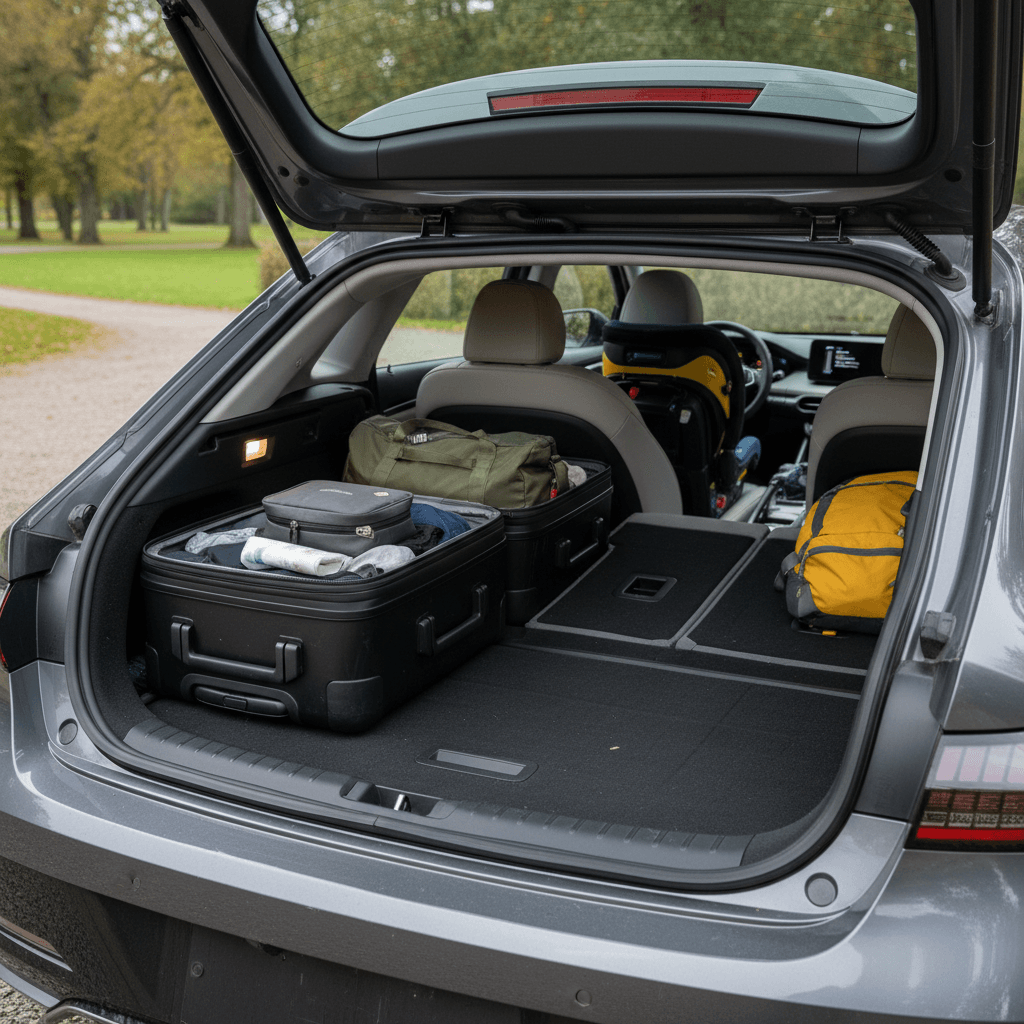
All trims offer a 60/40 split-folding rear seat. That means you can drop either the larger or smaller portion, or both, to extend the load floor and carry long items. Because the trunk opening is still the limiting factor, folding the seats helps most when you need to slide in longer, flatter cargo like skis, snowboards, or flat-pack furniture boxes.
Use the pass-through smartly
Front trunk (frunk) details
With about 0.5 cubic feet of space, the IONIQ 6’s frunk is one of the smallest in the segment. Think of it as a lockable glovebox under the hood, good for your charge cable, a small emergency kit, or a compact bag, but not much more. It’s handy for separating dirty or wet items from the main cabin and trunk, though, which frequent outdoor adventurers will appreciate.
Interior dimensions that affect what you can carry
Even when you’re not loading the trunk to the roof, interior dimensions matter for comfort and for awkward items you might need to carry inside the cabin with the seats folded.
Hyundai IONIQ 6 key interior measurements
How much space you and your passengers actually have to work with.
Headroom
- Front: about 38.3–40.2 in (lower on some trims with sunroof)
- Rear: about 36.9 in
The sleek roofline trims a bit of rear headroom, but most adults will be comfortable unless they’re very tall.
Legroom
- Front: about 42.3–45.4 in (depending on spec)
- Rear: about 34.7–39.2 in
Plenty of stretch-out room in front and usable space in back, even with taller drivers up front.
Shoulder room
- Front: 58.0 in
- Rear: 57.3 in
Wide enough for three kids or two adults plus a child seat across the back seat in many cases.
Passenger volume
103.0 cu ft of passenger volume puts the IONIQ 6 near the top of its class for interior space, which is why the trunk volume is relatively modest.
Comfort first, cargo second
How much actually fits? Real-world packing examples
Volume numbers are helpful, but what you really want to know is: will this car handle my weekend trips, Costco runs, or sports gear? Here are some realistic scenarios based on the Hyundai IONIQ 6 cargo space dimensions.
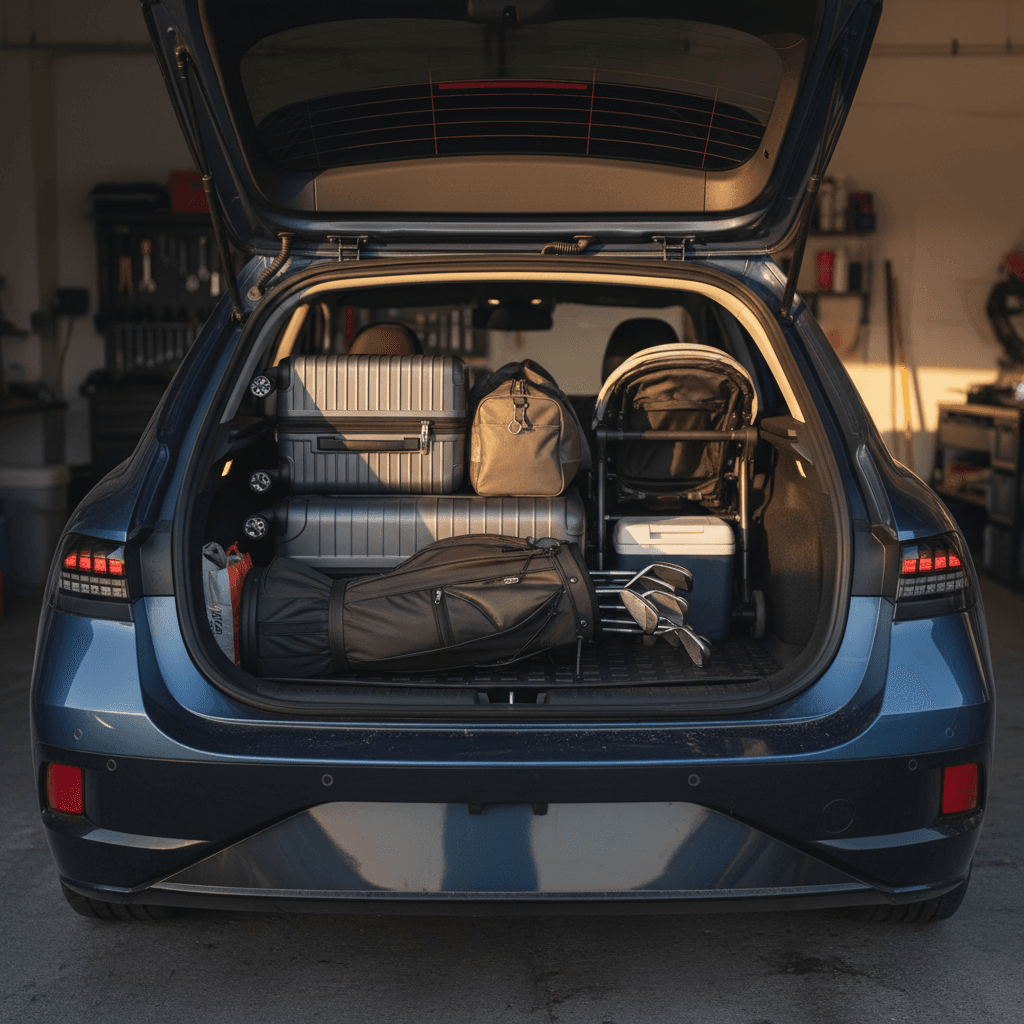
- Airport run for four people: Expect to fit about two large checked suitcases plus two carry-ons in the trunk. If everyone brings full-size luggage, you may need to fold a portion of the rear seat and sacrifice one seating position.
- Weekly family groceries: No problem. The trunk’s depth makes it easy to line up multiple reusable bags and a couple of storage bins.
- Flat-pack furniture box: With the 60/40 seat folded, you can slide in long, low boxes, think coffee table or bookshelf, provided they’re not too tall to clear the trunk opening.
- Sports and outdoor gear: A couple of golf bags, a stroller, or camping gear fit fine if you pack carefully. For skis or snowboards, use the folded seat pass-through and consider a roof rack for frequent trips.
- Pet transport: Smaller dogs will be fine in the trunk with a protective mat, but larger dogs will be more comfortable on the folded rear seat or in the second row with a harness or barrier.
Watch the trunk height
IONIQ 6 vs other EV sedans for cargo space
The IONIQ 6 is generous for passengers but plays it conservative in cargo. Here’s how it stacks up against some common alternatives if cargo space is near the top of your priority list.
Hyundai IONIQ 6 cargo space vs key rivals
Approximate rear cargo and frunk volumes for popular EV sedans.
| Model | Rear cargo (seats up) | Frunk | Cargo character |
|---|---|---|---|
| Hyundai IONIQ 6 | 11.2 cu ft | 0.5 cu ft | Roomy cabin, modest trunk, tiny frunk. |
| Tesla Model 3 | ≈19–21 cu ft | ≈3 cu ft | Significantly more combined cargo, especially with hatch-like trunk opening. |
| Polestar 2 (liftback) | ≈14 cu ft | Small | Hatchback-style opening offers better flexibility for bulky items. |
| Hyundai IONIQ 5 (crossover) | ≈27–30 cu ft | Small | Boxier shape and hatch rear make it better for families and frequent haulers. |
Figures are typical manufacturer or EPA-spec volumes for U.S. models; exact numbers can vary slightly by model year and configuration.
Think body style, not just numbers
When the IONIQ 6 makes sense
- You prioritize ride comfort and design over maximum cargo.
- You usually carry 1–3 passengers and light-to-moderate luggage.
- You like a sedan’s driving feel more than a taller crossover.
When to consider something else
- You have young kids, big strollers, or bulky gear.
- You take frequent road trips with 4–5 people.
- You often carry bikes, big dogs, or home-improvement supplies.
Practical packing tips for Hyundai IONIQ 6 owners
Make the most of your IONIQ 6 cargo space
1. Use soft bags instead of hard suitcases
Soft duffels and backpacks are easier to squeeze into the corners of the 11.2 cu-ft trunk than large, hard-sided suitcases. You’ll use the available volume more efficiently.
2. Reserve the frunk for small essentials
Keep charging cables, gloves, a compact air compressor, or a small emergency kit in the 0.5 cu-ft frunk. That keeps the main trunk clear for larger, cleaner items.
3. Pack tall items first, then fill gaps
Load your tallest items toward the back of the trunk and then tuck smaller bags around them. This strategy helps you keep the trunk closed securely without overstuffing the lid area.
4. Fold only the seat section you need
With a 60/40 split-folding rear seat, drop just the section required for long cargo. That preserves seating for at least one rear passenger and keeps child seats in place when possible.
5. Use cargo organizers and nets
Because the trunk is deep, small items can slide around. A simple foldable organizer or cargo net keeps groceries and gear from ending up piled against the back of the trunk.
6. Consider a roof rack for big adventures
If you regularly carry bikes, skis, or camping gear, a quality roof rack or cargo box turns the IONIQ 6 into a far more capable long-trip machine without changing the way it drives day to day.
Mind your weight and balance
Is the Hyundai IONIQ 6 cargo space right for you?
When you look strictly at the Hyundai IONIQ 6 cargo space dimensions, this is a sedan designed to prioritize people space, refinement, and range over maximum hauling ability. The trunk is adequate for most day-to-day tasks and many weekend trips, but it’s not the pack-anything workhorse that a hatchback or crossover can be.
Great fit if…
- You’re usually driving alone or with one passenger.
- Your typical cargo is groceries, gym bags, and a couple of suitcases.
- You value a quiet, streamlined EV with generous legroom.
Look harder at capacity if…
- You frequently travel with a full car and full luggage.
- You’ve been spoiled by an SUV or large hatchback’s cargo bay.
- You plan to haul big pets, bikes, or renovation materials often.
If you like nearly everything about the IONIQ 6 but worry about packing space, shopping the used EV market can open up options. For instance, a used Hyundai IONIQ 5 or other electric crossover will give you a taller, more flexible cargo area with roughly similar running costs.
How Recharged can help
Ready to find your next EV?
Browse VehiclesIn the end, the Hyundai IONIQ 6 delivers a comfortable, efficient EV experience with enough cargo room for many owners, but not everyone. Know your numbers, think honestly about what you haul, and, if possible, physically load your typical luggage into the trunk before you sign. That way you’ll get not only the right electric sedan, but one that handles the realities of your daily life.