You’re shopping for a first car, your teenager wants something *cool*, and you want something that won’t keep you up at night. That’s where the search for the best used EV for teenagers gets interesting: electric and hybrid cars can be quiet, cheap to run, packed with safety tech, and occasionally way too quick for a 16‑year‑old. This guide is about threading that needle.
Why listen to crash‑test nerds
Why a used EV or hybrid makes sense for teenagers
Lower running costs
Most teens rack up short in‑town trips: school, practice, friends’ houses. An EV shines here. Electricity is generally cheaper per mile than gas, and routine maintenance is lighter, no oil changes, fewer moving parts. For a family budget, that’s a real monthly win.
Used pricing has also become more approachable as early EVs come off lease and new‑EV incentives push older models downmarket.
Built‑in behavior limits
Shorter range and slower DC fast charging, often seen as negatives, can be secret weapons for parents. A 150‑ to 200‑mile EV practically forces a teen to stay local, and many EVs let you set speed warnings, geo‑fences, or curfew alerts through a companion app.
Hybrids and plug‑in hybrids, meanwhile, behave more like normal cars but still teach energy awareness and keep fuel costs down.
EVs are heavy and quick, pick trims carefully
What makes a good teen EV: safety first, power later
- Strong crash‑test scores from IIHS and NHTSA (Top Safety Pick or 5‑Star overall where available).
- Standard active safety features like automatic emergency braking, lane‑keeping assist, and blind‑spot monitoring.
- Moderate power, quick enough to merge, not enough to star in street‑racing TikToks.
- Reasonable size and weight: compact cars and small crossovers are easier to maneuver and park than big trucks.
- Modern stability control, lots of airbags, and a calm, predictable driving feel.
- For EVs: enough real‑world range for school, work, and activities with buffer, without buying more battery than you need.
Why the right car matters for teen drivers
Best used EVs for teenagers: top picks
There’s no single "best used EV for teenagers", there are several excellent candidates, depending on your budget and where you live. Below are models that, in their calmer trims, balance safety, simplicity, and total cost of ownership.
Top used EV picks for teen drivers
All of these are best in lower‑power, single‑motor trims and with strong safety equipment.
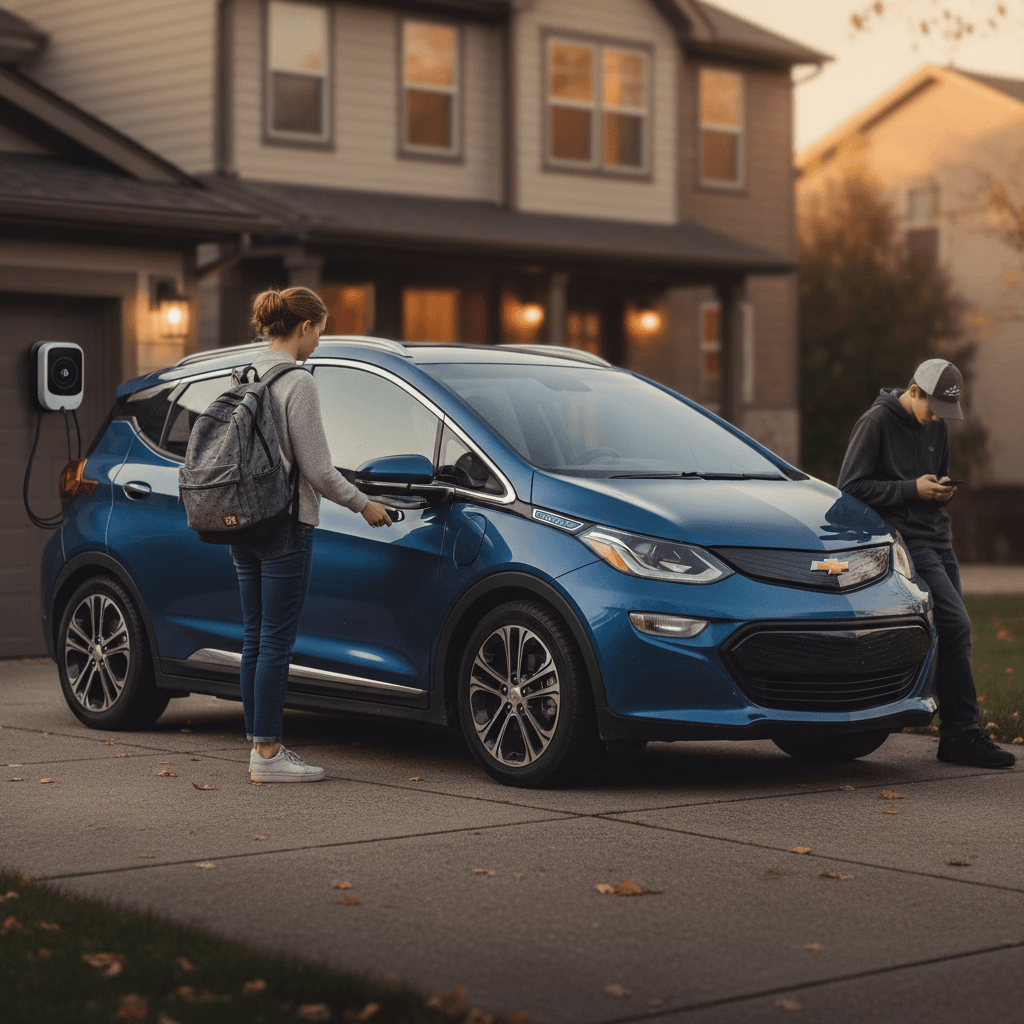
Chevrolet Bolt EV (2017–2023)
Why it works: Compact size, simple to drive, and widely available at approachable used prices.
- EPA range: roughly 230–259 miles depending on year and trim.
- Strong crash‑test performance and lots of airbags.
- Later years add more active safety as standard.
Watch for: Battery recall work, many Bolts have had packs replaced or updated; documentation is essential.
Nissan Leaf (2018+ second gen)
Why it works: One of the original mainstream EVs, now a used‑car bargain.
- Range: roughly 150–215 miles depending on battery size.
- Simple, appliance‑like driving feel that encourages smooth habits.
- Plenty of used inventory, especially in commuter regions.
Watch for: Battery degradation in hot climates and older fast‑charged cars.
Hyundai Kona Electric & Kia Niro EV
Why they work: Subcompact crossovers with grown‑up crash structures and generous safety tech.
- Range: roughly 250–260 miles in many trims.
- Comfortable seating position and good visibility, great for new drivers.
- Often come loaded with lane‑keeping and adaptive cruise.
Watch for: Hyundai battery recall history, verify updates or pack replacements.
Used EVs for teenagers: key stats at a glance
Approximate figures for common used‑EV candidates in base or non‑performance trims. Actual range, price, and equipment vary by year, trim, and battery condition.
| Model | Typical Used Price* | Est. Range (mi) | Drive Type | Teen‑friendly notes |
|---|---|---|---|---|
| Chevrolet Bolt EV | $12,000–$20,000 | 230–259 | FWD | Compact, easy to park, strong safety record; avoid crash‑repaired or un‑recalled packs. |
| Nissan Leaf (2nd gen) | $10,000–$18,000 | 150–215 | FWD | Gentle performance, excellent for short‑range commuting; pay close attention to battery health bars. |
| Hyundai Kona Electric | $17,000–$25,000 | 250–260 | FWD | Small SUV stance, great for taller teens; verify recall work and charging history. |
| Kia Niro EV | $18,000–$26,000 | 240–260 | FWD | Practical hatch shape and efficiency; many ex‑leases with solid service history. |
| Tesla Model 3 RWD (early years) | $20,000–$30,000+ | 220–260 | RWD | Superb crash protection and tech; skip Performance and Dual Motor trims for teens. |
Use this table as a starting point, then verify details for the specific car you’re considering.
Why we’re lukewarm on big 3‑row EVs for teens
Best used hybrids and plug-in hybrids for teens
If pure EV charging doesn’t fit your life yet, a hybrid or plug‑in hybrid can be the middle lane: miserly fuel use, fewer stops at gas stations, and often standout safety ratings.
Used electrified picks that suit teen drivers
These models have appeared on expert lists of safe, sensible choices for new drivers, especially in the right model years and trims.
Toyota Prius & Prius Prime
Why they work: The Prius has long been a darling of safety and reliability lists, with several recent generations earning top marks in crash testing.
- Excellent fuel economy keeps operating costs low.
- Hybrids tend to encourage smoother, slower driving.
- Later models add robust active‑safety suites.
Best bets: 2017+ models with modern safety tech; avoid the absolute oldest examples for a new driver.
Kia Niro Hybrid & PHEV
Why it works: A practical hatchback/crossover feel with the efficiency of a hybrid system.
- PHEV versions offer meaningful electric‑only range for local errands.
- Compact footprint, but not tiny, good for teen confidence.
- Often reasonably priced and cheaper to insure than some full EVs.
Best bets: 2018+ with full safety suite and good service history.
EV vs hybrid for your teen
How much range does a teen really need?
Range anxiety is real, for parents too, but the average American commute is well under 40 miles a day, and most teens drive even less. For school, sports, and part‑time work around town, you rarely need 300 miles of battery.
- 120–150 miles usable range: Bare minimum for a teen who mostly stays in town and can charge at home regularly. Older Leafs and city‑oriented EVs live here.
- 150–220 miles: Comfortable buffer for most teen drivers, even without daily charging perfection. Many early‑to‑mid‑cycle EVs are in this band.
- 220–280 miles: Great if your teen will do regular highway stints, visit a far‑flung campus, or deal with cold winters that trim range.
- Above 300 miles: Nice for road‑tripping adults. For a teen’s first car, it’s typically unnecessary, and often means a more expensive, more powerful vehicle.
Think in round‑trip loops, not brochures
Battery health on a used EV: what parents must check
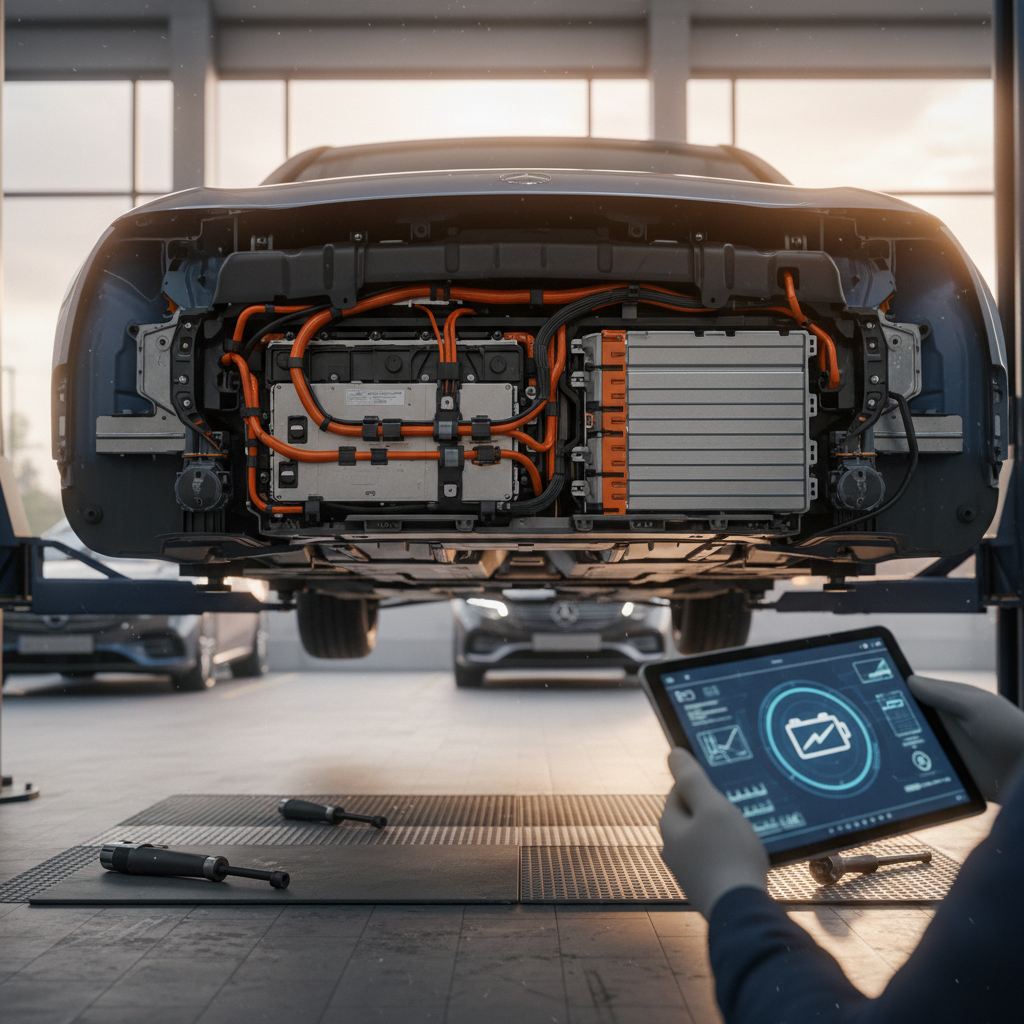
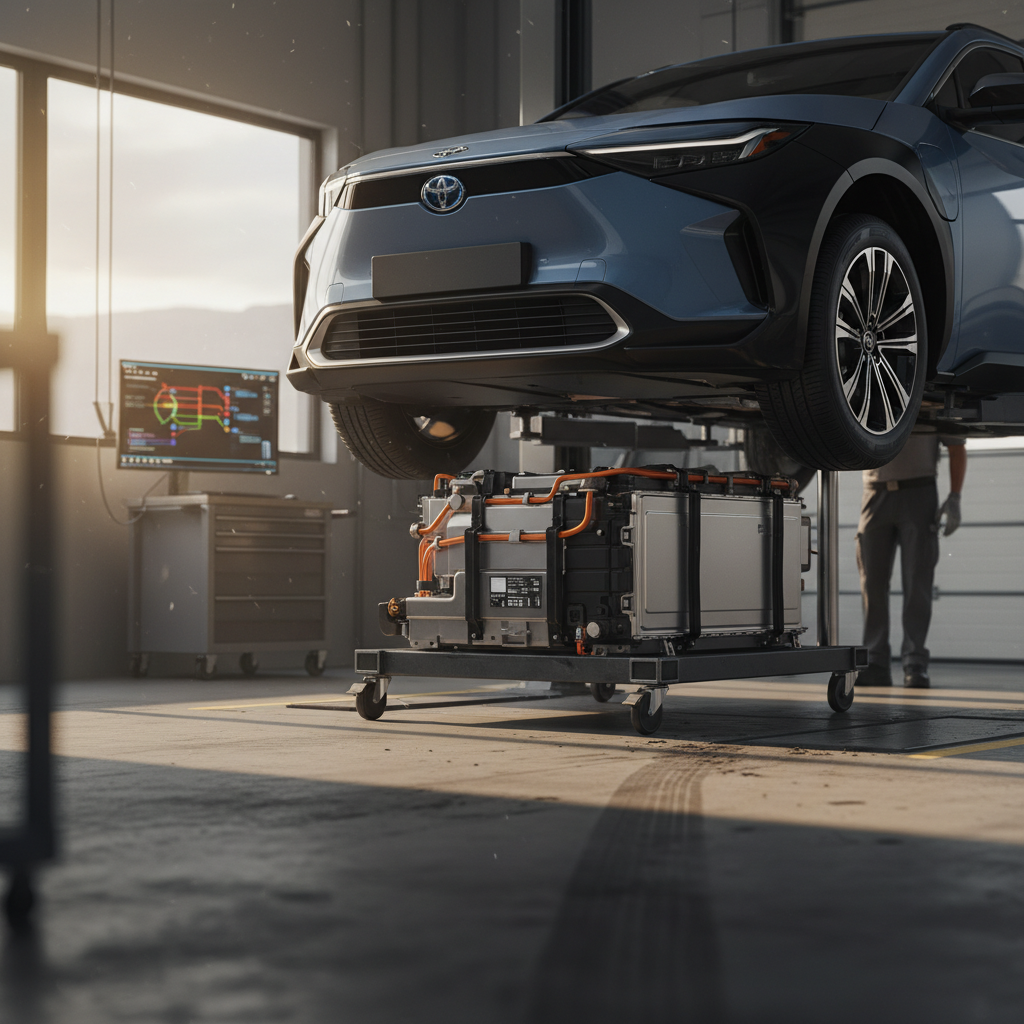
A used EV lives or dies on its battery. Two identical cars, same year, same miles, can have very different real‑world range depending on how they were charged, driven, and stored.
Battery‑health checklist for a teen’s EV
1. Ask for a recent battery health report
You want objective data, not a seller’s shrug. At Recharged, every vehicle includes a <strong>Recharged Score</strong> with verified battery diagnostics so you know how much capacity is left before you buy.
2. Look for software and recall history
Many early EVs, including some Bolts and Hyundais, received battery updates or replacements. Confirm that recall work is complete and documented.
3. Check real‑world range on a full charge
On a test drive, start near 100% and compare the indicated remaining miles to the original EPA rating for that model. A modest drop is normal; a dramatic gap demands questions.
4. Inspect fast‑charging behavior
If you’ll occasionally DC fast charge, check that the car charges at a reasonable speed for its age. Strange tapering or repeated errors can hint at battery or thermal issues.
5. Review climate and usage history
EVs that spent their lives in extreme heat and relied heavily on fast charging tend to age faster. Cooler‑climate, garage‑kept cars that mostly AC‑charged at home are ideal.
Insurance costs for teen EV drivers
Insuring a teen is expensive no matter what’s in the driveway. EVs layer in two cross‑currents: excellent crash protection and active safety on one side, higher repair costs and parts prices on the other.
Factors that can help premiums
- Strong crash ratings: Cars that protect occupants well sometimes earn better rates.
- Modern safety tech: Automatic emergency braking and lane‑keeping can reduce certain types of claims.
- Telematics & apps: Some insurers offer discounts for monitored driving behavior; pairing this with an EV’s calm acceleration settings can help.
Factors that can hurt premiums
- High repair costs: EV body and battery repairs often cost more than for similar gas cars.
- Performance versions: Sporty trims with big motors can spike rates sharply.
- Standalone policies: Putting a teen on their own policy is usually pricier than adding them to a family policy.
Don’t assume "small" means cheap to insure
Feature checklist: must‑haves for a teen EV
Must‑have features in a teen’s first EV or hybrid
Automatic emergency braking & lane‑keeping
These are table stakes now. They won’t overcome bad habits, but they can turn a near‑miss into a none‑at‑all.
Blind‑spot monitoring & rear cross‑traffic alert
Teen drivers aren’t great at situational awareness yet. Electronic backup eyes are cheap insurance.
Teen or valet mode
Speed limiters, volume caps, and curfew alerts, many EVs let you tame the car without a visible killjoy switch.
Good headlights & visibility
Look for LED headlights with strong ratings and a driving position that doesn’t make parking a constant drama.
Simple, intuitive controls
Touchscreens are fine; video‑game menus are not. Your teen should be able to change climate or wipers without diving through three submenus.
Backup camera (and ideally 360° view)
Required on newer models and invaluable in tight school lots and crowded neighborhoods.
Financing and budget: how to set the right price limit
Used‑EV pricing has been on a gentle roller coaster, but the fundamental math for a teen’s car is stable: don’t stretch so far on purchase price that you can’t comfortably cover insurance, charging, maintenance, and a rainy‑day repair fund.
Building a realistic teen‑car budget
Think in total monthly cost, not just the sticker on the windshield.
1. Set a firm all‑in limit
Add up:
- Monthly payment or cash budget spread over 3–5 years.
- Insurance for a teen on your policy.
- Charging costs or fuel.
That all‑in number is your real budget; work backward to price range from there.
2. Consider EV‑friendly financing
At Recharged, you can pre‑qualify for financing online with no impact to your credit and see real monthly numbers for specific used EVs. That makes it easier to compare a safe, slightly newer EV against a cheaper but shakier option.
3. Leave room for surprises
Even with an EV’s low routine maintenance, you’ll have tires, brakes, maybe a wheel repair or windshield. Build a modest cushion, then you’re not tempted to cut corners on safety when something breaks.
How Recharged can help
Frequently asked questions about EVs for teenagers
Teen EV buying FAQ
Bottom line: the best used EV for your teen
The ideal first car for a teenager isn’t the quickest, flashiest, or biggest thing on the lot. It’s the quiet, unassuming compact that forgives their mistakes, over and over, while teaching them good habits. In the EV and hybrid world, that means a modest‑power, well‑equipped compact car or small crossover with proven crash performance, healthy battery, and tech that reins in drama.
Whether you land on a used Chevrolet Bolt, Nissan Leaf, Kona or Niro Electric, or a hybrid hero like the Prius, focus on the fundamentals: crash safety, battery health, insurance cost, and real‑world range. If you’d like a shortcut through the guesswork, Recharged can pair your budget with vetted vehicles, transparent battery reports, and financing that makes the numbers make sense. Your teen gets a car they’re proud to be seen in; you get to sleep at night. That’s the real win.