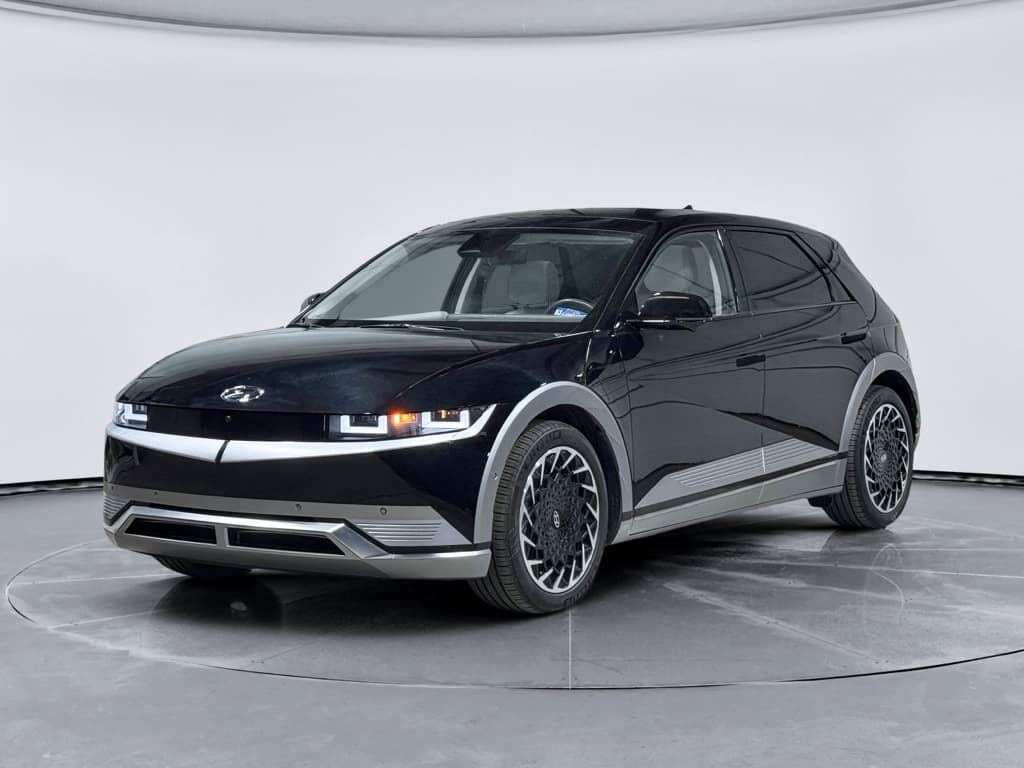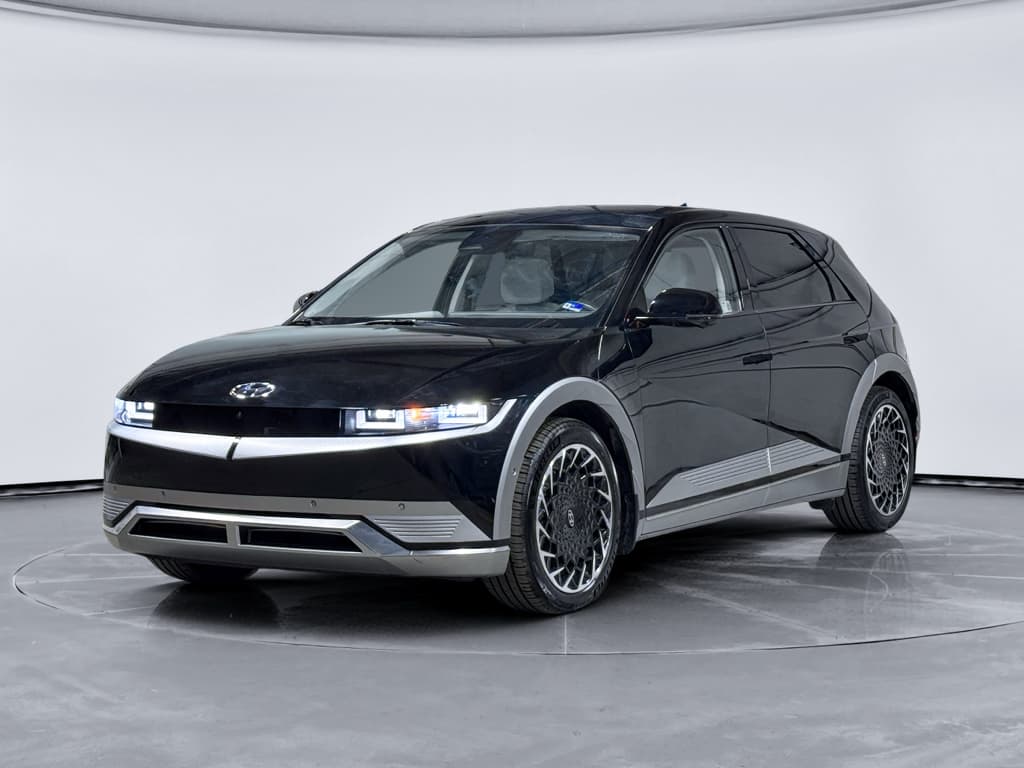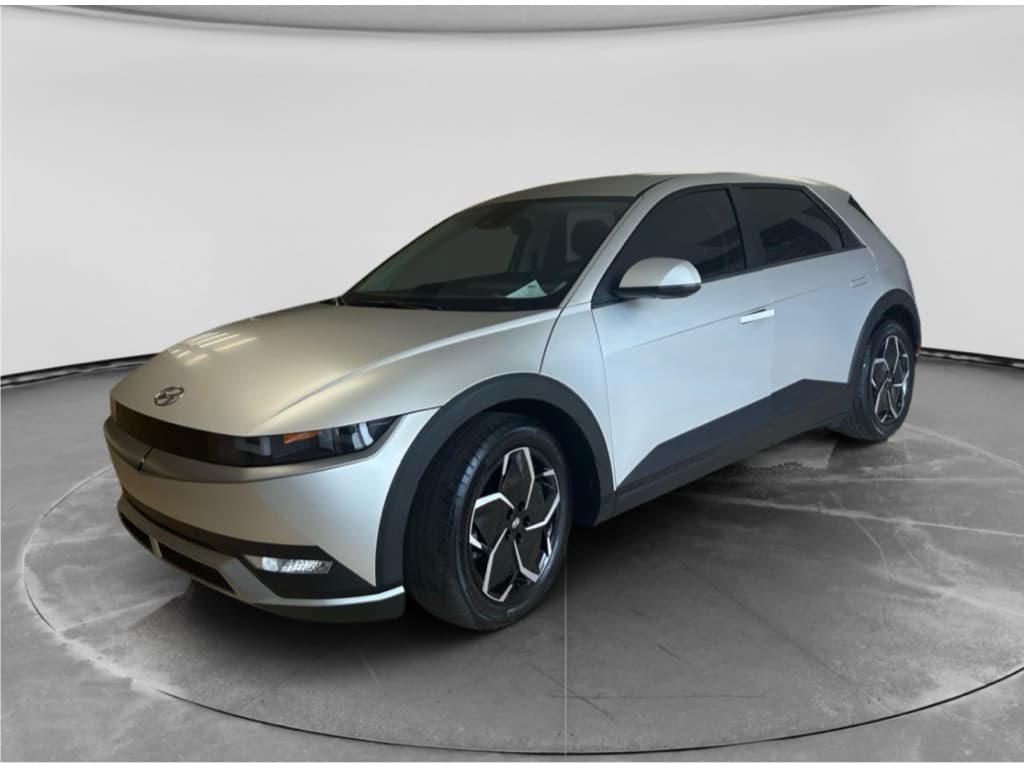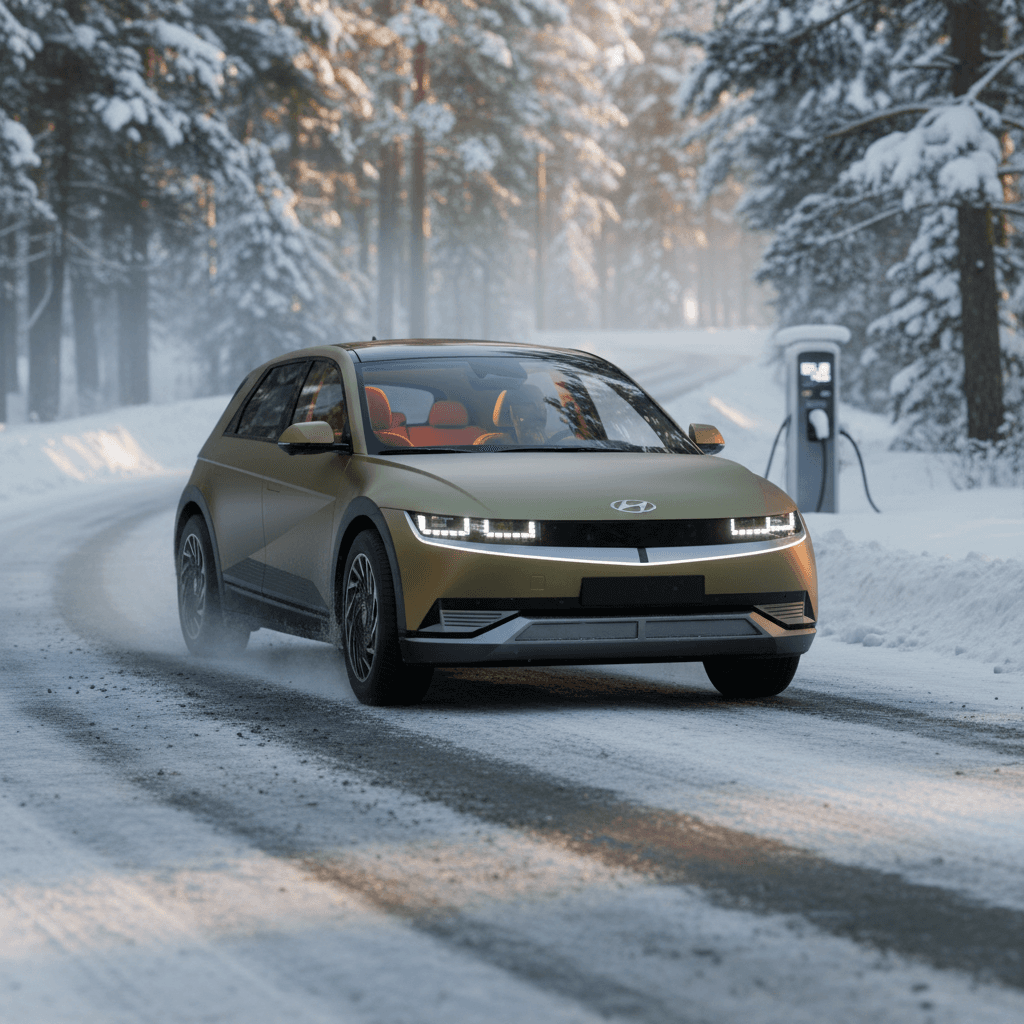
If you live where winter is real, not just a chilly morning or two, you’re right to ask how the Hyundai IONIQ 5 actually performs in cold weather. The IONIQ 5’s winter performance is a mix of strengths (comfortable cabin, capable AWD, fast DC charging when warmed up) and a few realities every EV owner needs to understand, especially around winter range.
Key Takeaway
How the Hyundai IONIQ 5 Handles Winter
Hyundai designed the IONIQ 5 on its E-GMP platform with cold climates in mind. Most trims include a heat pump that recycles waste heat more efficiently than a simple resistive heater, a "Winter" or Battery Care mode to keep the pack in an optimal temperature window while driving, and available all-wheel drive (AWD) with a dedicated Snow mode. You also get heated seats and a heated steering wheel on many trims, which matter more than they might sound, these use far less energy than blasting cabin air heat.
IONIQ 5 Winter Strengths vs. Pain Points
Where it shines, and where you need to plan ahead
Winter Strengths
- Fast cabin heat once settings are dialed in
- Heat pump on most trims for efficient heating
- AWD + Snow mode gives confident traction
- Preconditioning via app when plugged in
- Stable, planted feel thanks to low center of gravity
Winter Pain Points
- Noticeable range loss at highway speeds in sub‑freezing temps
- DC fast charging can be slower with a cold battery
- Some owners report HVAC quirks in ECO climate mode
- Heavy vehicle weight means longer stopping distances on ice
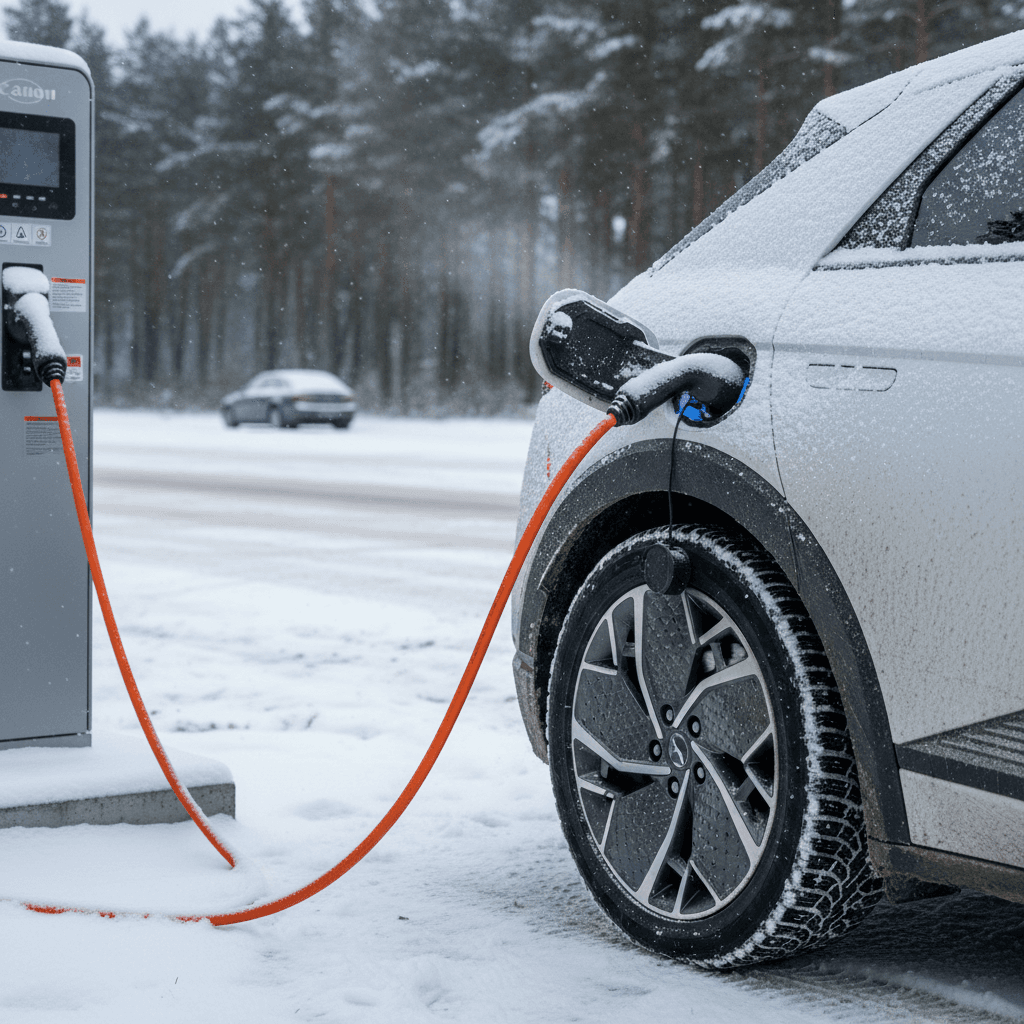
Real-World Winter Range: What to Expect
Official EPA range ratings don’t tell you what happens at 10–30°F with the heat on and highway speeds. In owner reports from colder U.S. states and Canada, an IONIQ 5 can lose roughly a third of its rated range in typical winter driving, and even more in extreme cold with high speeds.
Hyundai IONIQ 5 Winter Range Benchmarks (Approximate)
These are typical real-world patterns, not guarantees. Your results will vary with speed, wind, elevation, and how much you heat the cabin.
| Conditions | Typical Efficiency (mi/kWh) | Usable Range from 100%* | Notes |
|---|---|---|---|
| Mild weather, mixed driving (55–65°F) | 3.2–3.8 | 250–285 miles | Close to EPA if you’re gentle on speed and climate |
| Cold, city/suburban (25–35°F, speeds ≤45 mph, heat on) | 2.2–2.8 | 170–215 miles | Heater use dominates; slower speeds help a lot |
| Cold, highway (25–35°F, ~70–75 mph, heat on) | 1.8–2.4 | 140–185 miles | Most common winter shock for commuters |
| Extreme cold highway (0–10°F, ~70 mph, heat on) | 1.3–1.8 | 100–140 miles | Short trips especially inefficient; battery starts very cold |
Assumes 77.4 kWh battery pack and healthy battery. Figures are approximate to help with planning, not precise predictions.
Don’t Plan to 0%
Hyundai IONIQ 5 Winter Performance: At a Glance
Heat Pump, Cabin Comfort & Common Heating Quirks
One of the IONIQ 5’s biggest winter advantages over some older EVs is its available heat pump There have also been isolated cases, especially on early 2022 cars, of faulty PTC heaters or software quirks that delayed cabin heat. Those are service issues, not normal behavior. If your IONIQ 5 never produces real heat even after several minutes in non‑ECO mode, it’s worth letting a Hyundai dealer inspect it under warranty. On slippery roads, the IONIQ 5’s winter performance is about more than range. With the dual‑motor HTRAC all-wheel drive and a dedicated Snow drive mode, owners in places like the Rockies, Upper Midwest, and Northeast report that the car is remarkably sure‑footed in snow, especially when paired with quality winter or all‑weather tires. Real strengths, and an important caveat about stopping distances Every EV’s battery chemistry slows down in the cold, and the IONIQ 5 is no exception. Below freezing, two big things happen: the pack can’t accept charge as quickly, and it can’t deliver power as efficiently until it warms up. Hyundai’s software and hardware work around this, but you’ll still feel it. You can’t hack physics, but you can make the most of your IONIQ 5’s battery in cold weather. Think of winter optimization as three levers: how you heat the car, how you drive, and how you charge. Use Hyundai’s BlueLink app or scheduled climate to warm the cabin, and, when supported in your region, the battery, while the car is still on shore power. That way, the pack starts warm and you keep more energy for driving. Turn on heated seats and steering wheel first, then set cabin temperature a bit lower (for example 66–68°F instead of 72–74°F). They use far less energy than hot air alone. If you can group errands into a single, longer drive, your battery and cabin stay warm. Multiple short trips from a cold soak are the least efficient scenario. Tire pressure drops in the cold. Check it regularly and keep it near the door‑jamb spec. Underinflated tires can easily cost you several percent of range and feel sloppy on snow. Above about 65–70 mph, aerodynamic drag skyrockets. In the winter, backing off 5 mph can noticeably improve efficiency and reduce how often you need to fast charge. Eco mode softens throttle response and trims peak power. Many drivers see modest gains in winter efficiency, just make sure HVAC ECO mode isn’t compromising your comfort. If you’re not plugged in, avoid very long remote preheats. Ten minutes here and there is fine, but a 30‑minute preheat from a cold soak eats into your usable range. Packed snow in the wheel wells and underbody adds weight and aerodynamic drag. Knock it loose when it’s safe to do so. In mid‑winter, plan legs assuming maybe 50–60% of the EPA range, not 100%. Arrive at fast chargers with 10–20% remaining rather than single digits. On newer software, routing to a DC fast charger can help the car manage battery temperature on the way. Even if preconditioning isn’t perfect, it’s better than arriving stone‑cold. One of the IONIQ 5’s headline specs is its 800‑volt architecture and ability to charge very quickly on a high‑power DC fast charger, often under 20 minutes from 10–80% in ideal conditions. In winter, you’ll only see those speeds if the battery is warm enough. If you’re shopping for a used Hyundai IONIQ 5 and you live in a place like Minnesota, Colorado, or upstate New York, winter performance should be part of your buying checklist, not an afterthought. The good news is that a healthy IONIQ 5 is a very livable winter EV once you know what to expect. Questions to ask and items to verify before you buy Ready to find your next EV? If you’re coming from a gasoline car, the first winter in a Hyundai IONIQ 5 will force you to rethink range, but not necessarily comfort or capability. The car itself is well‑equipped for winter: the heat pump, heated touchpoints and AWD with Snow mode make it a genuinely pleasant cold‑weather commuter or family hauler. The tradeoff is that you’ll see meaningful range loss in freezing temperatures, especially at 70+ mph, and you’ll need to plan charging stops with more margin than you might in July. For many drivers, that tradeoff is acceptable, especially if most of your charging happens at home and your daily mileage leaves room for a 25–40% winter hit. If you’re considering a used IONIQ 5, tools like the Recharged Score Report and EV‑savvy advisors can help you match a specific car’s battery health and configuration to your real‑world winter needs. With the right expectations and a few smart habits, the Hyundai IONIQ 5 can be a confident, comfortable partner even when temperatures plunge.Turn Off HVAC Eco if the Cabin Feels Slow to Warm
AWD, Snow Mode & Traction in Snow and Ice
How the IONIQ 5 Feels in Winter Driving
Confident Traction
Stable & Planted
Longer Stopping Distance
Don’t Rely on Regen for Emergency Stops
What Cold Temperatures Do to the IONIQ 5 Battery
Cold Isn’t Always Bad for Longevity
10 Ways to Maximize IONIQ 5 Winter Range
Practical Winter Range Tips for Hyundai IONIQ 5 Owners
1. Precondition While Plugged In
2. Rely on Seat & Wheel Heaters
3. Avoid Short, Cold Soak Trips When You Can
4. Keep Tires Properly Inflated
5. Manage Speed on the Highway
6. Use Eco or Normal Drive Modes
7. Limit Preheating Off the Battery
8. Watch for Snow Buildup
9. Plan Extra Buffer on Road Trips
10. Use Navigation to DC Fast Chargers
Charging the IONIQ 5 in Cold Weather
DC Fast Charging in Winter
Home & Workplace Charging
Think of Charging as Thermal Management
Buying a Used IONIQ 5 for a Cold Climate
Cold-Climate Checklist for a Used IONIQ 5
Battery Health & History
Winter Package & Heat Pump
Tires & Alignment
How Recharged Helps
Hyundai IONIQ 5 Winter Performance: FAQ
Common Questions About IONIQ 5 Winter Performance
Is the Hyundai IONIQ 5 a Good Winter EV?