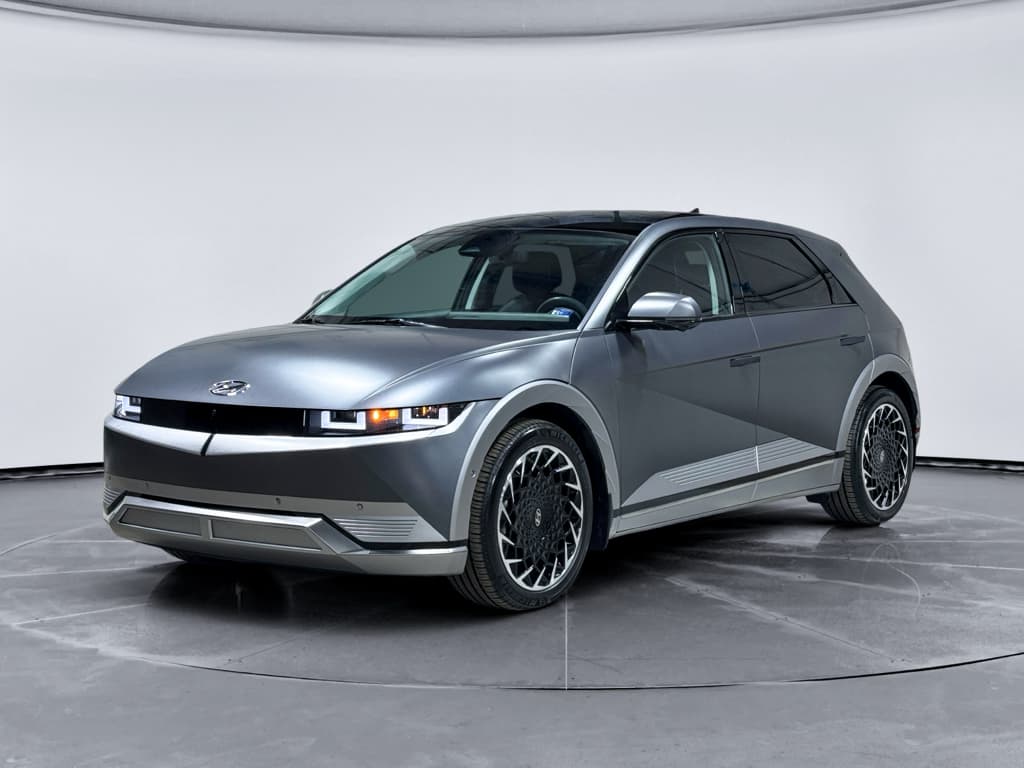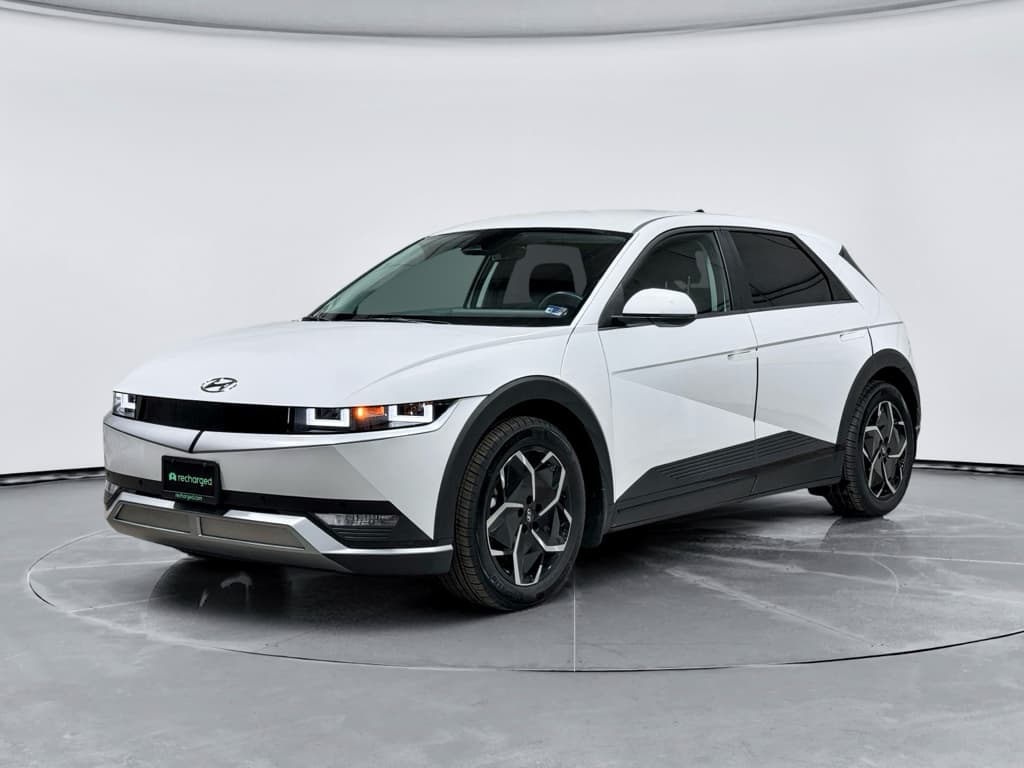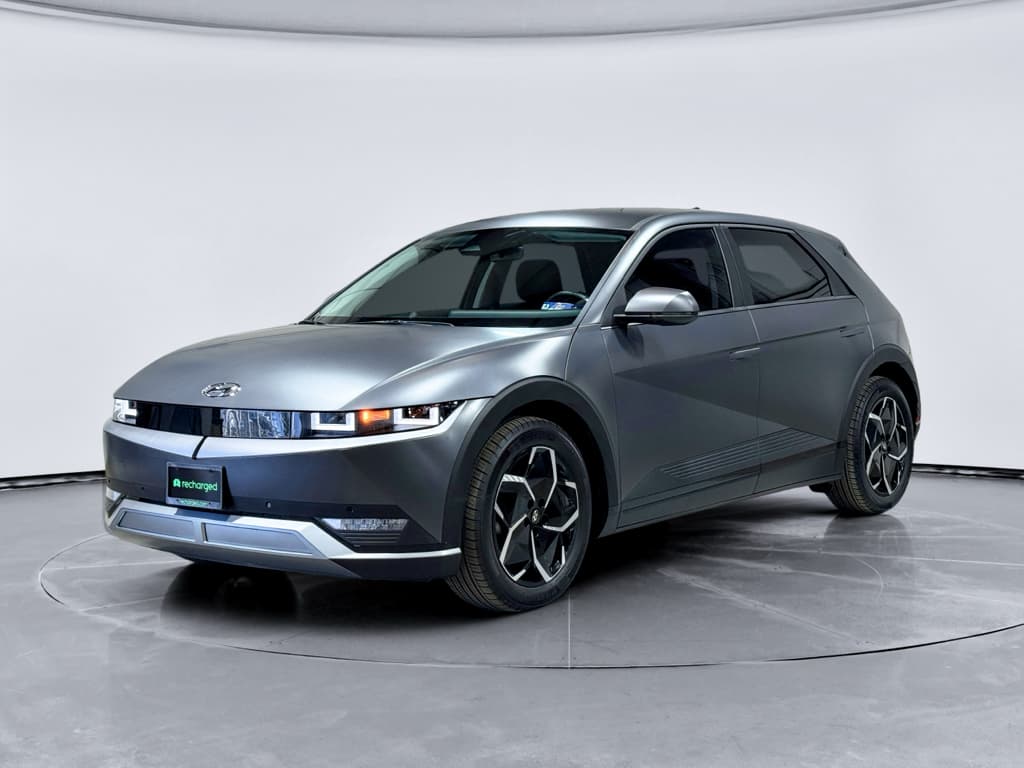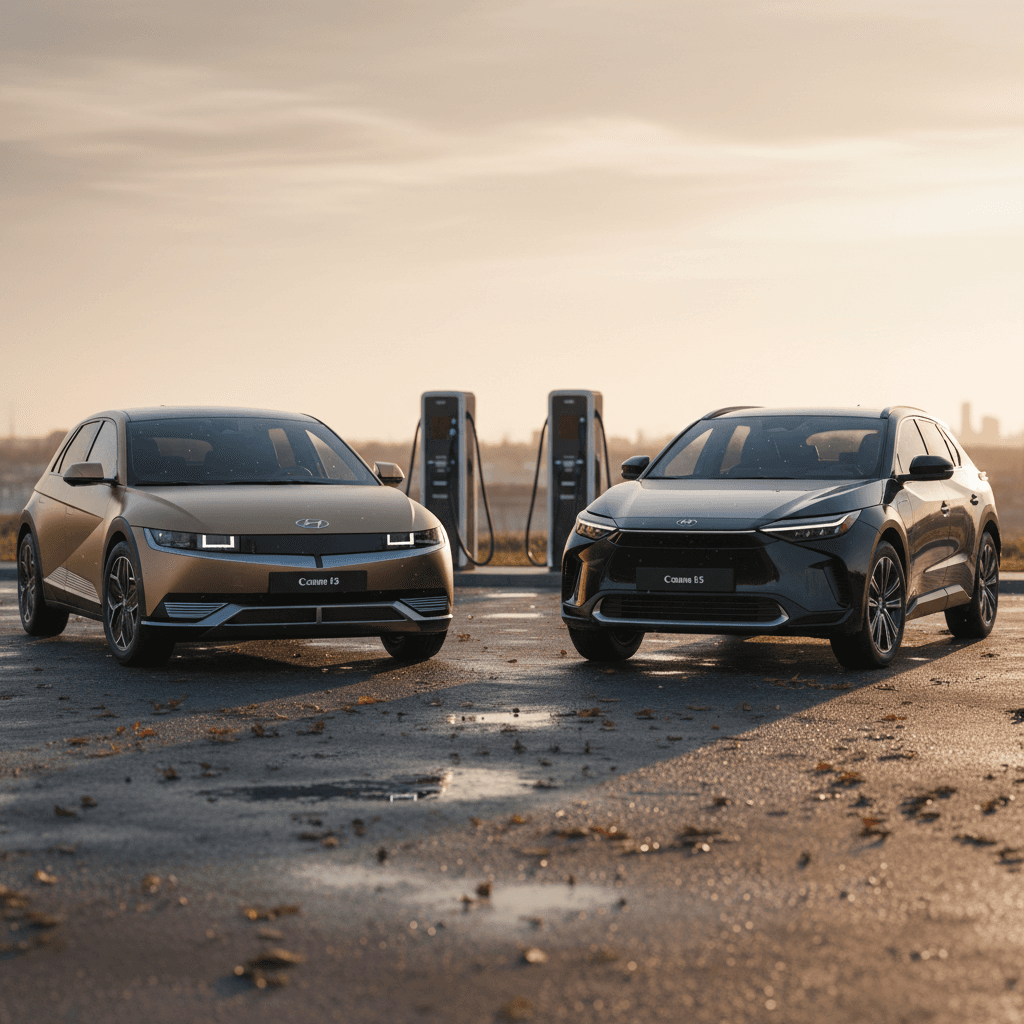
If you’re cross‑shopping the Hyundai Ioniq 5 vs Toyota bZ4X and wondering which is better, you’re not alone. Both are compact electric SUVs from big‑name brands, but they deliver very different experiences in range, charging speed, driving character, and long‑term value, especially in the used market. This guide breaks down the differences so you can choose the EV that actually fits your life, not just the spec sheet.
The short answer
Hyundai Ioniq 5 vs Toyota bZ4X: quick overview
Hyundai Ioniq 5: standout strengths
- Longer real‑world range on most trims than bZ4X.
- Ultra‑fast 800V DC charging that can add roughly 10–80% in around 18–20 minutes on a high‑power charger.
- Roomy, airy cabin with sliding center console and flat floor.
- Sportier driving feel and quieter, more refined ride than many rivals.
- Later model years add a NACS port plus CCS access for broad DC fast‑charging coverage.
Toyota bZ4X: standout strengths
- Comfort‑focused ride and relaxed driving character.
- Very attractive lease deals and used prices in many U.S. markets.
- Simple, easy‑to‑drive SUV that feels familiar if you’re coming from a RAV4.
- Ongoing updates have modestly improved DC fast‑charging behavior and cold‑weather performance over early builds.
- For light suburban duty with home charging, it can be a perfectly adequate first EV.
Headline comparison: Ioniq 5 vs bZ4X
Key specs at a glance
Hyundai Ioniq 5 vs Toyota bZ4X: core specs
Approximate U.S.‑market figures for recent model years; always double‑check the exact year and trim you’re considering, especially when shopping used.
| Spec | Hyundai Ioniq 5 (typical U.S. trims) | Toyota bZ4X (typical U.S. trims) |
|---|---|---|
| Battery capacity | Around 77–84 kWh usable on higher‑range trims | Around 63–71 kWh usable depending on drive and year |
| EPA range (approx.) | Roughly 260–320 miles (RWD long‑range); lower for AWD | Roughly 220–252 miles FWD; less for AWD |
| Max DC fast‑charge power | Peak ~230 kW on 800V architecture | Advertised up to around 150 kW, but often lower in practice |
| DC 10–80% time (ideal) | About 18–20 minutes on a 150–350 kW charger | Roughly 30 minutes or more, especially in colder weather |
| On‑board AC charger | Up to 11 kW (Level 2) | Up to 6.6–7.2 kW (Level 2, depending on model year) |
| Drive options | RWD or AWD | FWD or AWD |
| Body style | Compact EV crossover with long wheelbase | Compact crossover similar to RAV4 footprint |
Hyundai Ioniq 5 generally leads on range and charging speed; bZ4X plays value and comfort.
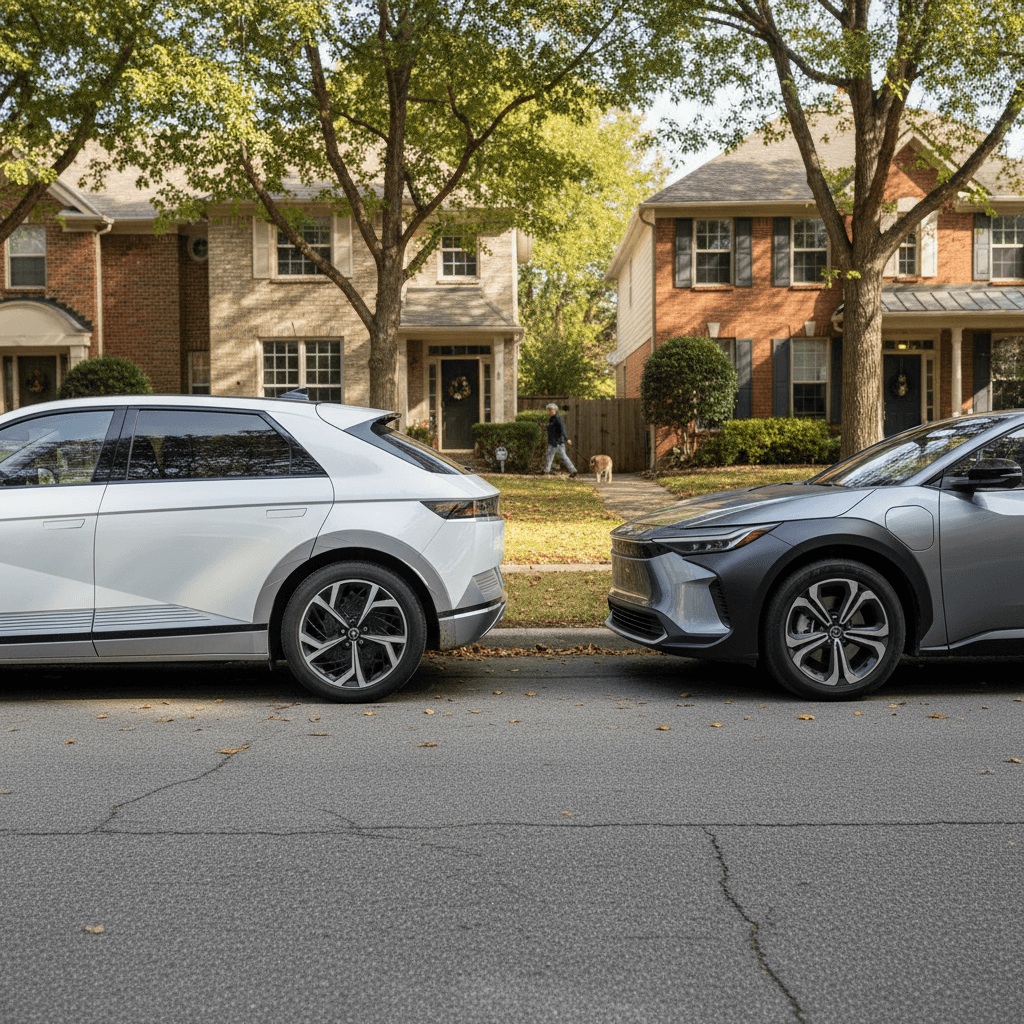
Range and efficiency: which goes farther?
If you’re asking “Hyundai Ioniq 5 vs Toyota bZ4X – which is better for range?”, the answer is straightforward: in most trims and model years, the Ioniq 5 goes farther on a full charge. Long‑range rear‑drive Ioniq 5 models commonly post EPA ratings around the high‑200s to low‑300s, while comparable front‑drive bZ4X trims tend to land lower, and their all‑wheel‑drive versions drop more sharply.
- Ioniq 5: Better range ladder overall, especially in rear‑drive long‑range configurations. Many owners report meeting or beating EPA estimates in mild weather at highway speeds when driving conservatively.
- bZ4X: Adequate range for daily commuting and regional trips, but less headroom for fast highway driving or cold‑weather use, particularly on early AWD models.
- Cold‑weather note: Toyota has steadily improved winter performance and battery conditioning, but early bZ4X builds were notably sensitive to temperature. The Ioniq 5’s thermal management generally helps preserve range more predictably in varied climates.
Real‑world range tip
Charging performance: road‑trip readiness
Charging is where the Hyundai Ioniq 5 pulls furthest ahead. Built on an 800‑volt platform, it’s one of the quickest‑charging non‑Tesla EVs you can buy. On a strong 150–350 kW DC fast charger, it can take its battery from roughly 10% to 80% in around 18–20 minutes under good conditions. That’s the difference between a quick bathroom break and a full meal stop.
DC fast charging: Ioniq 5 vs bZ4X
How they behave when you’re actually on the road, not just on paper
Hyundai Ioniq 5 charging experience
- 800V architecture enables very high peak DC charge rates.
- Holds strong charging power through much of the 10–60% window on a healthy charger.
- Later model years add a NACS port plus CCS adapter, opening up most Tesla Superchargers alongside public CCS networks.
- Excellent choice if you plan regular interstate road trips.
Toyota bZ4X charging experience
- Advertised DC fast‑charge times have improved, but real‑world curves are still conservative.
- Historically limited peak rates and slower charging in cold weather.
- Toyota has focused on battery longevity rather than headline‑grabbing speeds.
- Better suited to drivers who mostly charge at home and only DC fast charge occasionally.
If you depend on public fast charging…
Space, comfort and everyday usability
Both the Hyundai Ioniq 5 and Toyota bZ4X are compact crossovers on the outside, but they approach interior packaging differently. The Ioniq 5 rides on an unusually long wheelbase, which opens up excellent rear‑seat legroom and a very open, lounge‑like cabin. The bZ4X takes a more conventional SUV approach with a slightly taller seating position and a softer, comfort‑oriented ride.
Hyundai Ioniq 5: interior and ride
- Very spacious cabin with a flat floor and sliding center console that can open up legroom or storage.
- Seats are comfortable for long drives; some trims offer reclining rear seats and a relaxation mode up front.
- Ride quality strikes a nice balance, firm enough to feel responsive but still compliant over broken pavement.
- Cargo space is competitive for the class; the sloping rear hatch means vertical cargo can be slightly limited.
Toyota bZ4X: interior and ride
- Feels like an electric RAV4 alternative, easy step‑in height and intuitive controls.
- Soft, comfort‑first suspension tuning that soaks up urban bumps nicely.
- Front seating area can feel a bit tighter than the Ioniq 5, but still comfortable for most drivers.
- Cargo area is practical and boxier than the Hyundai’s, which some owners prefer for strollers or pets.
Cabin feel in one line
Tech, features and safety
Technology is an area where both models are competent, but the Hyundai Ioniq 5 tends to feel more cohesive and up‑to‑date, especially as you move into mid and upper trims. Toyota’s bZ4X brings familiar infotainment and driver‑assist systems, but early models in particular could feel a step behind the best of the segment in interface polish.
Infotainment and driver assistance
What you’ll live with every day behind the wheel
Screens & interface
Ioniq 5: Dual widescreen displays with a clean, modern UI; responsive and intuitive once you learn the layout.
bZ4X: Toyota’s newer infotainment is a big step up from older systems but still feels more conventional than cutting‑edge.
Driver aids
Both offer robust safety suites including adaptive cruise control, lane‑keeping assistance, and automatic emergency braking.
The Ioniq 5’s lane‑centering and adaptive cruise are generally smoother and more confidence‑inspiring on the highway.
Safety ratings
Each targets top crash‑test performance with a full set of airbags and structural protections.
As with any used EV, check the specific model year’s IIHS and NHTSA results along with any mid‑cycle updates.
Feature wins for Ioniq 5
Reliability, recalls and ownership experience
Both Hyundai and Toyota have long reputations for building durable, low‑drama vehicles, but their first mainstream EV crossovers have taken different paths. This is especially important if you’re considering a used Ioniq 5 or used bZ4X and want to understand the backstory.
- Hyundai Ioniq 5: Early production hasn’t been immune to typical new‑platform quirks, but there haven’t been headline‑grabbing systemic failures. Hyundai’s EV warranty coverage is strong, and battery health on well‑cared‑for examples has generally held up well so far.
- Toyota bZ4X: The nameplate had a high‑profile early recall related to wheel hub bolts, plus a lot of owner attention on conservative DC‑charging behavior and winter performance. Toyota addressed the safety issues and has been updating calibration over time, but the reputational hit is part of why used and lease pricing can be surprisingly favorable.
- Service and dealer experience: Both brands are expanding EV‑trained technicians and parts pipelines, but availability is still ramping. In some regions, Hyundai dealers have more everyday EV experience than Toyota stores; in others, the reverse is true. It’s worth asking local dealers directly about their EV service capabilities.
Used‑EV inspection is critical
Value, pricing and used‑EV considerations
When people ask which is “better,” there’s usually a second question lurking: which one is the better value? This is where the Toyota bZ4X can claw back some ground, especially if you’re shopping leases or the used market, while the Hyundai Ioniq 5 defends its higher prices with stronger fundamentals.
How they stack up on value
Purchase price, incentives and used‑market dynamics
Hyundai Ioniq 5 value picture
- Generally commands higher transaction prices new and used because of stronger demand and better performance.
- Later model years with native NACS ports and strong DC charging hold appeal for road‑trippers.
- Can be a very smart buy used if you find a well‑cared‑for example with verified battery health and remaining warranty.
- Depreciation has been reasonable for an EV, reflecting its solid reputation.
Toyota bZ4X value picture
- Often shows up with aggressive lease offers and generous dealer discounts new.
- In the used market, earlier model‑year bZ4X examples can be noticeably cheaper than comparable‑year Ioniq 5s.
- That discount effectively compensates for slower charging if you mainly commute locally and charge at home.
- Future updates and rebranding (Toyota is already evolving the line) could further influence resale values.
How Recharged can help
So which is better: Ioniq 5 or bZ4X?
From the standpoint of core EV capability, range, charging performance, and long‑distance usability, the Hyundai Ioniq 5 is the better electric vehicle for most shoppers. Its fast‑charging performance, stronger highway range, and polished driving experience put it near the top of the non‑luxury EV crossover class.
Choose the right EV for how you actually drive
Pick the Ioniq 5 if…
You plan regular highway road trips, rely on public DC fast chargers, or simply want one of the quickest‑charging, best‑sorted EV crossovers on the road. The extra range and faster charging will make your ownership experience noticeably easier.
Consider the bZ4X if…
You mostly drive locally, can charge at home every night, and care more about a smooth, comfortable commute than the last word in charging speed. Attractive lease and used prices can make it a cost‑effective way into your first EV.
You’re especially price‑sensitive
Look closely at <strong>total cost of ownership</strong>: monthly payment, energy costs, maintenance, and expected resale value. A discounted bZ4X lease might be unbeatable in the short term, while a fairly‑priced used Ioniq 5 could win over a 6–8‑year ownership horizon.
You’re buying used and care about battery health
Make battery condition the deciding factor. A well‑priced Ioniq 5 with a tired pack is a worse deal than a cheaper bZ4X with healthy capacity. This is where a <strong>Recharged Score report</strong> and expert guidance can pay off in real dollars.
If you forced me to name one winner in the Hyundai Ioniq 5 vs Toyota bZ4X matchup, I’d hand the trophy to the Ioniq 5 for its deeper engineering and road‑trip talent. But the right answer for you depends on how you’ll actually use the vehicle and what’s available in your local market. Use this comparison as your roadmap, then back it up with a careful test drive, a clear view of battery health, and a purchase or lease structure that fits your budget. That combination will serve you better than any spec chart ever could.