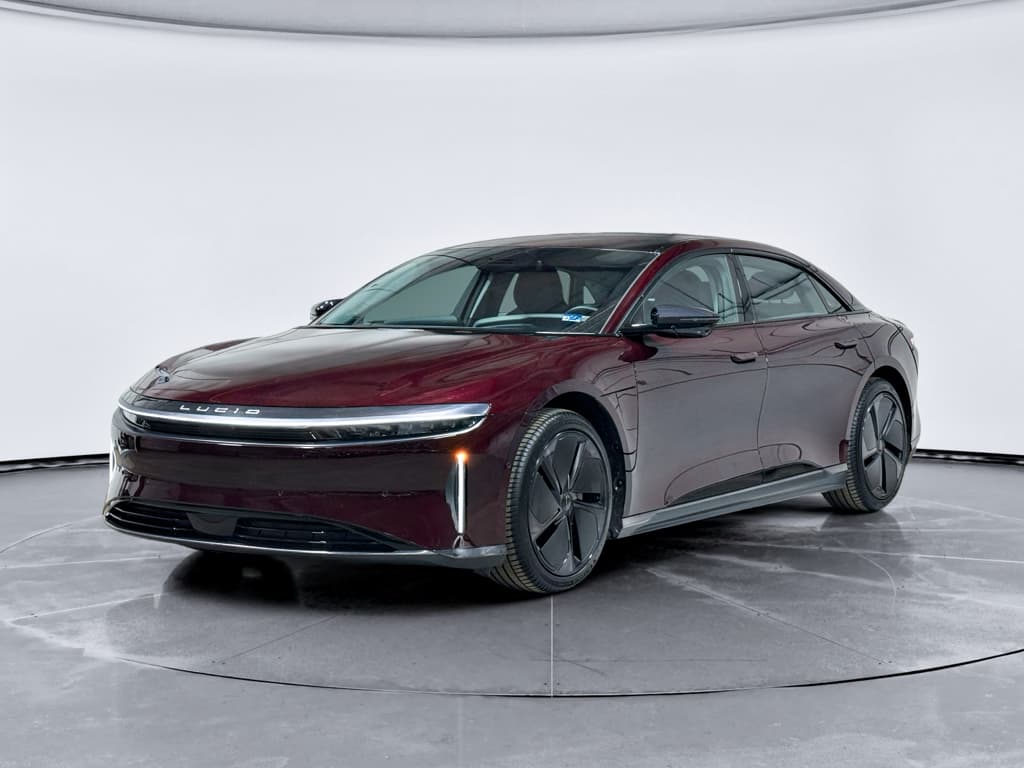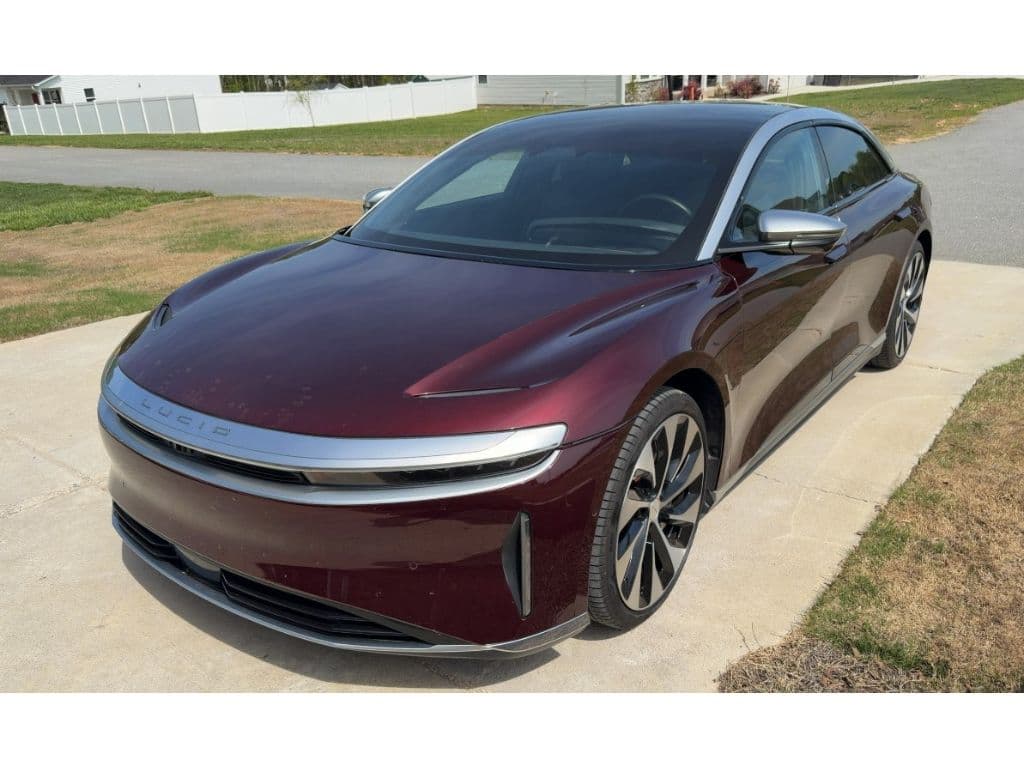
If you’re eyeing a 2025 Lucid Air, especially as a future used EV, you’re probably wondering: is it actually reliable, or are those horror stories about software glitches and service visits the norm? The answer is nuanced: the 2025 Air can be spectacular to drive, but it’s still an early‑generation luxury EV with more quirks than a mature Lexus or Mercedes.
Big picture on 2025 Lucid Air reliability
Overview: how reliable is the 2025 Lucid Air?
2025 Lucid Air reliability snapshot (early owner reports)
By 2025, Lucid has had several model years to refine the Air, and you can feel that maturity in areas like ride quality, quietness, and drivetrain smoothness. At the same time, real‑world owner posts from 2024–2025 still highlight three themes: ongoing software bugs, quality‑control misses at delivery, and a service network that’s smaller and more variable than established luxury brands.
If you’re cross‑shopping a 2025 Air with something like a Mercedes EQE or a BMW i5, expect more excitement and efficiency from the Lucid, and more possibility of trips back to the service center. If you’re looking at a used 2025 Air, reliability becomes even more about how well the first owner documented and addressed issues, and how carefully you verify the car’s condition and battery health.
What “reliability” really means for a 2025 Lucid Air
Mechanical & battery reliability
- High-voltage battery longevity and capacity retention.
- Drive units (motors, inverters, reduction gears) avoiding failures.
- Brakes, suspension, steering, HVAC and other hardware holding up over time.
Here, the Air generally behaves like a modern premium EV: heavy, sophisticated, but not plagued by widespread mechanical failures in 2025 reports.
Software, build & usability reliability
- Infotainment and driver screens booting quickly and staying responsive.
- Driver‑assist features like Highway Assist and Hands‑Free working consistently.
- Door handles, key fobs, cameras, sensors, and seals behaving every time you drive.
This is where Lucid still feels like a startup, brilliant ideas, but more glitches than traditional luxury marques.
How to think about Lucid reliability
Common 2025 Lucid Air issues owners report
- Infotainment and driver displays freezing, going black, or rebooting mid‑drive.
- Driver‑assist and "Hands Free" features dropping out or refusing to engage until a reset.
- Inconsistent key fob and phone‑as‑key performance, causing delays just to get the car in gear.
- Assorted chimes and warning messages that clear themselves but erode confidence.
- Build‑quality problems: panel gaps, wind noise at the doors and mirrors, trim misalignment, noisy brake pedals, and squeaks in the steering wheel or suspension.
- Isolated cases of early drive‑unit issues on 2025 cars, usually handled under warranty with a loaner vehicle provided.
None of these issues is universal. For every owner compiling a list of 20+ software failures in a few thousand miles, there’s another reporting a year in a 2025 Air Pure with no meaningful problems beyond a mediocre key fob. What matters is how you stack the odds in your favor if you’re shopping used: choose a well‑documented car, check its software history, and scrutinize build quality.
Software, screens, and driver-assist: brilliant but buggy
The Lucid Air’s software is both its superpower and its Achilles’ heel. Over‑the‑air updates keep adding features and refinement, but they also introduce new gremlins. Owners of 2023–2025 cars describe everything from flawless daily operation to a comedy of errors on a two‑mile errand: incomplete driver profiles, CarPlay disconnects, blacked‑out screens, and frozen navigation.
Typical software behaviors on 2025 Lucid Airs
What you may see in day‑to‑day driving
1. Screen blackouts & reboots
Some owners still experience the center or driver display going black or rebooting mid‑drive. Usually the car keeps driving safely, but you temporarily lose navigation, camera views, or climate controls.
2. Driver-assist dropouts
Hands‑Free and Highway Assist can suddenly disengage, or refuse to activate after a cascade of alerts. A full reset often restores function, but that doesn’t make the moment in traffic any less unnerving.
3. CarPlay & phone quirks
CarPlay and Android Auto generally work, but owners vent about random disconnects, audio lag, or no sound even when the phone shows connected.
Safety note on software issues
Build quality, squeaks, and mechanical hardware
When 2025 Air owners complain about "reliability," they’re often really talking about build quality more than broken parts. You’ll find posts describing sloppy panel gaps, wind noise from the driver’s door, clunks or squeaks over bumps, a brake pedal that feels off, and steering wheels that creak in normal use. Most of these are fixable under warranty, but they take time and access to a good Lucid service center.
What tends to show up early
- Panel misalignment at doors, trunk, or frunk.
- Wind noise around mirrors and front door glass.
- Frunk and door latches needing adjustment.
- Small trim rattles from the dash or mirror area.
These are the kinds of issues a meticulous pre‑delivery inspection (or a sharp used‑car shopper) will catch.
What we haven’t seen much of (yet)
- Systemic suspension failures or chronic brake hardware problems.
- Mass drive‑unit failures across 2025 model‑year cars.
- Rust or corrosion concerns in normal climates.
That doesn’t mean they never happen; it means the volume of owner complaints is much higher for software and fit‑and‑finish than for pure mechanical breakdowns.
Used‑buyer tip: inspect rather than assume
Battery, motors, and real-world range reliability
Lucid’s core engineering, its motors, inverters, and battery packs, is genuinely impressive. Early Airs have logged tens of thousands of miles with no meaningful powertrain drama. Owners praise the car’s efficiency and power delivery, and even skeptics concede that the hardware feels over‑built rather than fragile.
How the 2025 Air holds up where it counts
Powertrain reliability and range behavior
Battery longevity
Lucid backs the high‑voltage battery for 8 years/100,000 miles with a promise it will retain at least 70% capacity over that period. That’s in line with major EV players.
Motor & inverter
Isolated 2025 owners have reported early drive‑unit issues, but they’re the exception, not the rule. Lucid typically replaces faulty components under the 8‑year/100,000‑mile powertrain warranty.
Real-world range
Like every EV, the Air’s EPA range shrinks in cold weather and at highway speeds. Some owners in the 40°F range report losing 30–40% of displayed range on long drives, sobering, but not outside the bounds of other luxury EVs.
If you’re considering a used 2025 Air, the real concern isn’t outright battery failure; it’s whether the car still delivers the kind of range you expect. That’s where objective battery‑health data becomes invaluable, especially once the original buyer’s honeymoon period is over.
Cold‑weather range reality check
Recalls, over-the-air updates, and what they tell you
Like most modern EV makers, Lucid has had several software‑related recalls for the Air, everything from drive‑system monitoring logic to rear‑view camera behavior. The pattern is familiar across the industry: a defect is identified, an over‑the‑air update becomes the remedy, and owners who stay current on software avoid the worst of it.
Recent Lucid Air recall patterns (including 2025 model year)
Representative examples to illustrate how Lucid handles defects
| Issue type | Model years affected | Symptom | Typical fix |
|---|---|---|---|
| Drive-system software fault | 2022–2023 Air | Potential sudden loss of motive power under rare conditions | OTA software update to revised monitoring logic |
| Rear-view camera glitch | 2022–2025 Air with older console hardware | Blank or lagging rear camera image when reversing | OTA update to new software version; some hardware replacements as needed |
| Assorted ADAS software bugs | Multiple early builds | Driver‑assist warnings, hands‑free dropouts | Progressive OTA updates that refine driver‑assist behavior |
Exact NHTSA campaign details vary by build date and options. Always run the VIN of any used 2025 Air to check open recalls.
Why this matters for a used 2025 Air
Warranty coverage on a 2025 Lucid Air
The 2025 Lucid Air carries a warranty package broadly competitive with other luxury EVs. For model‑year 2024 and 2025 vehicles, Lucid lists the following New Vehicle Limited Warranty coverage in the U.S.:
2025 Lucid Air warranty coverage (U.S.)
Core coverage that matters for reliability and used‑car shoppers
| Coverage type | Duration | Mileage limit | What it covers |
|---|---|---|---|
| Basic vehicle | 4 years | 50,000 miles | Most non‑wear items: infotainment, interior hardware, electronics, many build‑quality fixes. |
| Powertrain | 8 years | 100,000 miles | Motors, gearbox, and related components. |
| High-voltage battery | 8 years | 100,000 miles | Battery pack defects and capacity below 70% within the term. |
| Corrosion perforation | 10 years | Unlimited miles | Rust‑through on body panels from the inside out. |
| Roadside assistance | Typically 4 years | 50,000 miles | Towing to a Lucid facility when warranted repairs are needed. |
Always confirm exact coverage and transferability with Lucid for your specific VIN and region.
Good news for second owners
Ready to find your next EV?
Browse VehiclesOwnership experience: service, loaners, and downtime
Reliability isn’t just about what breaks, it’s about how painful it is when something does. Here, 2025 Lucid Air ownership is extremely location‑dependent. Owners near major Lucid hubs often report quick appointments and ready loaners. Others, especially far from a service center, describe long waits, parts delays, and a constant back‑and‑forth over software issues that are hard to reproduce.
What 2025 owners tend to say about living with an Air
The good, the bad, and the in‑between
“Love the car” camp
Plenty of 2025 Air Pure and Touring owners report only minor issues, a misaligned frunk latch here, a trim noise there, handled under warranty with a loaner provided. They’d buy the car again.
“Quirky but worth it” camp
Another group lives with occasional tows, black screens, and ADAS quirks but still call the car "nearly perfect" because of its comfort, performance, and styling.
“Never again” camp
A smaller subset is blunt: they’re pursuing lemon‑law remedies after repeated digital failures, door‑handle and key issues, and long delays just to put the car in gear. For them, Lucid’s service experience has been the last straw.
Service access is part of reliability
Shopping used? Reliability checklist for a 2025 Lucid Air
2025 Lucid Air used‑buyer reliability checklist
1. Verify software version and recall status
In the car’s Settings, confirm it’s running a recent software build and ask the seller for documentation of major updates. Run the VIN through Lucid or NHTSA tools to ensure all recalls are completed.
2. Inspect build quality up close
Check door and trunk alignment, rubber seals, and trim fit. Drive at highway speed and listen for <strong>wind noise</strong> around the mirror and A‑pillars. Any rattles or thunks over bumps should be investigated before you sign.
3. Exercise every screen and feature
On the test drive, reboot nothing. Just use the car. Confirm the center and driver screens, rear camera, driver‑assist, CarPlay/Android Auto, and key fob all behave. A car that glitches on a 30‑minute drive will not magically behave later.
4. Get objective battery‑health data
Ask for a recent DC fast‑charge session log or, better yet, a <strong>battery health report</strong>. At Recharged, every EV gets a Recharged Score with verified battery diagnostics so you’re not guessing about capacity.
5. Review service history in detail
You want to see that issues were <strong>logged promptly and fixed properly</strong>, not the same problem addressed three times. A thick folder of resolved concerns can be better than a suspiciously empty record.
6. Plan for service logistics
Factor in how far you are from a Lucid center and what alternatives exist. If you rely on one car for everything, make sure you’re comfortable with potential loaner or rental arrangements if a repair takes time.
How Recharged helps de‑risk a used Lucid Air
Is the 2025 Lucid Air a good bet for you?
Who will love a 2025 Lucid Air
- Drivers who value range, performance, and design above all else.
- Early‑adopter types comfortable with the occasional software quirk or OTA surprise.
- Owners who live reasonably close to a Lucid service center or have flexibility with a second car.
- Used‑EV shoppers willing to do a thorough pre‑purchase inspection and lean on expert help.
Who might be happier elsewhere
- Shoppers who equate "reliability" with complete, drama‑free ownership.
- People living far from any Lucid service footprint.
- Buyers who panic at the first warning light or software update.
- Those who prefer the dealership and service predictability of older brands.
Viewed honestly, 2025 Lucid Air reliability is not a disaster, but it’s not Toyota‑simple, either. The underlying hardware is strong, the warranty is competitive, and many owners drive for months without incident. Yet there’s no denying that software maturity, build‑quality consistency, and service access still trail the best legacy luxury brands. If you walk in with clear eyes, a careful inspection, and the right expectations, especially when buying used, the 2025 Air can be a hugely rewarding EV. And if you’d like a knowledgeable partner in that process, a marketplace like Recharged can help you separate an exceptional Lucid from an expensive headache.