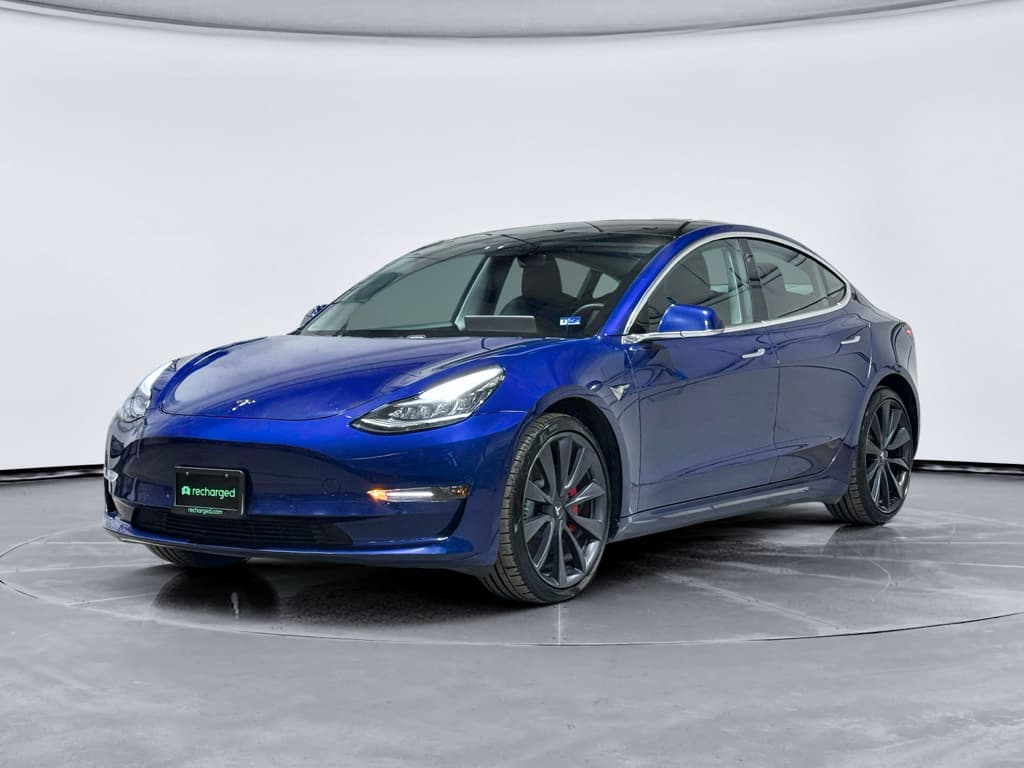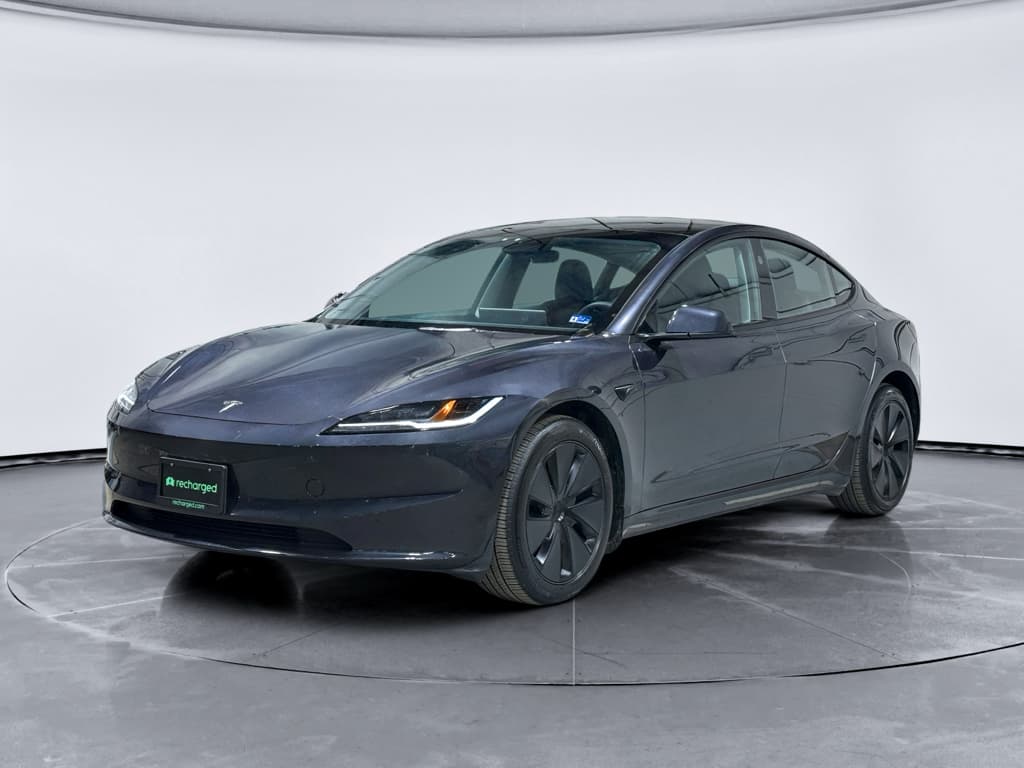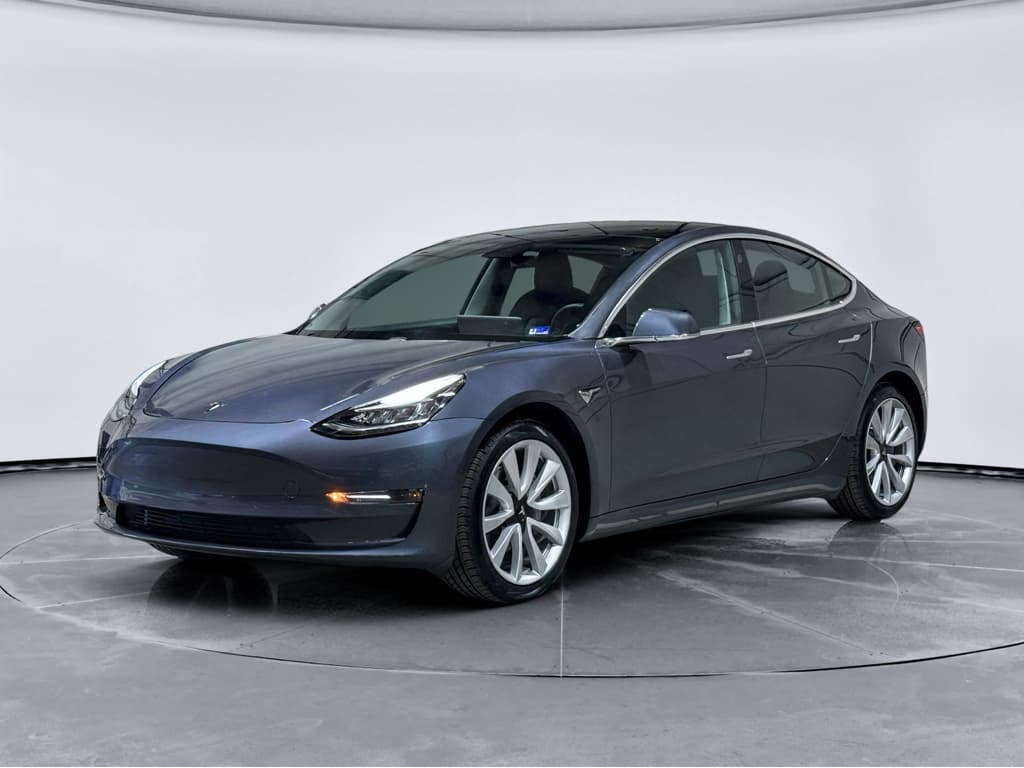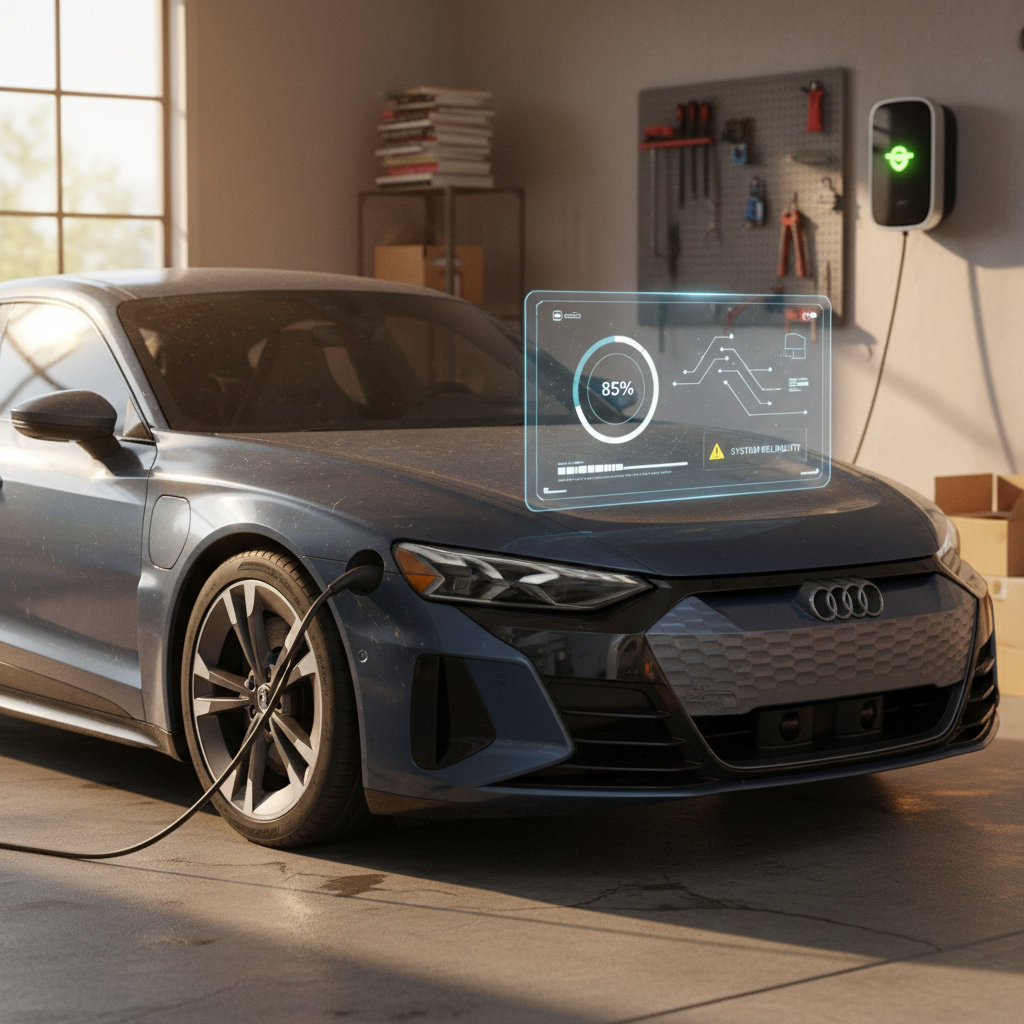
If you’re trying to sell a Tesla Model 3 in California in 2026, you’re swimming in crowded water. California is Tesla’s natural habitat: there are tens of thousands of Model 3s on the road, incentives have been moving targets, and prices have whipsawed with every Tesla price cut and federal policy change. The good news? With a bit of strategy, and clear proof your battery is healthy, you can still get a strong number and a clean, low‑drama sale.
Who this guide is for
Why selling a Tesla Model 3 in California feels different
California is both the Tesla capital of the U.S. and the most competitive used‑EV market. Model 3s are everywhere, from the Central Valley to Santa Monica, and buyers have options. At the same time, state‑level ZEV mandates and the sheer size of the EV fleet mean there’s steady demand, especially for clean‑title, one‑owner cars with documented charging habits. Understanding this push‑pull is the first step to pricing and positioning your car correctly.
The bigger backdrop: California EV reality in 2025–2026
Reality check on resale value
Decide how to sell: private party, trade-in, or marketplace
Three main ways to sell a Tesla Model 3 in California
Each path trades off price, time, and hassle. Choose based on your tolerance for strangers, paperwork, and lowball offers.
Private party sale
Best for: Maximizing sale price if you’re patient.
- You list on sites like Craigslist, Facebook Marketplace, or EV‑specific platforms.
- You handle test drives, negotiation, and paperwork yourself.
- Often yields the highest price, especially for low‑mile or option‑heavy cars.
Downside: Time‑consuming, safety concerns, and flakier buyers.
Dealer trade‑in or instant offer
Best for: Convenience when you’re buying another car.
- Dealer or online buyer gives you a wholesale number.
- You avoid private‑sale hassles and same‑day funding is common.
- Sometimes you can squeeze a bit more by getting multiple quotes.
Downside: Usually the lowest dollar amount.
EV‑focused marketplace (like Recharged)
Best for: Balancing price and effort.
- Platforms like Recharged specialize in used EVs, including Teslas.
- You can get an instant offer or consign, often with nationwide exposure.
- Battery health reports and EV‑savvy buyers reduce haggling.
Downside: Marketplace fees or commission if you choose consignment.
If you have a relatively common spec, white or black paint, black interior, standard options, the spread between private‑party and professional offers may be narrower than you think. If you’re sitting on a rarer spec (Performance with low miles, or an early Long Range with FSD paid in full), private party or a specialist marketplace can better capture that value.
What is your Tesla Model 3 worth in California?
Value is where emotion meets spreadsheet. California buyers don’t care what you still owe; they care about year, trim, mileage, battery health, cosmetic condition, and accident history. National guides like Edmunds and KBB show that for a late‑model Tesla Model 3, there may be only a couple thousand dollars between clean private‑party and trade‑in value in 2026. Your job is to land at the high end of whatever band your car truly sits in.
Major value drivers for a used Tesla Model 3 in California
Think of this as a quick scorecard. The more boxes you tick on the left column, the closer you’ll get to top‑of‑market pricing.
| Factor | Helps price | Hurts price | What you can do |
|---|---|---|---|
| Trim | Long Range, Performance | Base RWD with limited options | Highlight range and acceleration if you have LR/Performance; price more aggressively if base. |
| Mileage | Under 10k mi/year | High mileage commuter (20k+ mi/year) | Be upfront and price realistically; show service records for heavy use. |
| Battery & range | Documented healthy pack, consistent range | Noticeable degradation, frequent DC fast‑charging | Share recent range figures and a battery report if you have one. |
| Title & accidents | Clean title, no accidents | Salvage, branded, repeated bodywork | Price discount is unavoidable, lean on documentation to reassure buyers. |
| Color & interior | White/black exterior, black interior | Unusual colors, heavily worn interior | Detail the car and photograph honestly; be ready to negotiate. |
| Software | FSD or EAP transferable, Premium Connectivity | FSD subscription, lapsed connectivity | Clarify exactly what carries over and what’s subscription‑based. |
These are directional patterns, not guaranteed price bumps, but they’re what savvy California buyers look for.
Use multiple valuation sources
Prep your Model 3 to stand out in a flooded market
In parts of California, Bay Area, LA, Orange County, there can be hundreds of Model 3s within 50 miles. You’re not just selling a car; you’re auditioning it. Small details move shoppers from scrolling past your listing to booking a test drive.
Pre‑sale prep checklist for your Tesla Model 3
1. Fix the obvious stuff
Address curb rash on wheels, cracked glass, burned‑out bulbs, and dashboard warning lights. Cosmetic repairs that cost you a few hundred dollars can preserve a couple thousand in perceived value.
2. Deep‑clean inside and out
Detail the car or do it yourself: wash, clay, polish, and vacuum. Pay special attention to white seats, steering wheel shine, and center console fingerprints, these photograph terribly if ignored.
3. Replace high‑wear items
Worn wiper blades, frayed floor mats, and bald tires scream ‘deferred maintenance’. Replacing them is cheaper than watching buyers walk away or hammer you on price.
4. Gather your digital paperwork
Download service history from your Tesla app, keep receipts for tires and alignments, and have the original window sticker or spec handy. Organized documentation is a trust signal.
5. Photograph like you’re selling online, not to your cousin
Shoot in daylight, landscape orientation, with a clean background. Include wide exterior angles, interior overview, seats, screens, odometer, wheels, and any defects you’re disclosing.
6. Prepare a one‑paragraph car story
Buyers respond to narratives. ‘One‑owner California car, garage‑kept, home‑charged, never smoked in’ does more work than any adjective like ‘excellent’. Keep it factual and simple.
California paperwork when you sell a Tesla
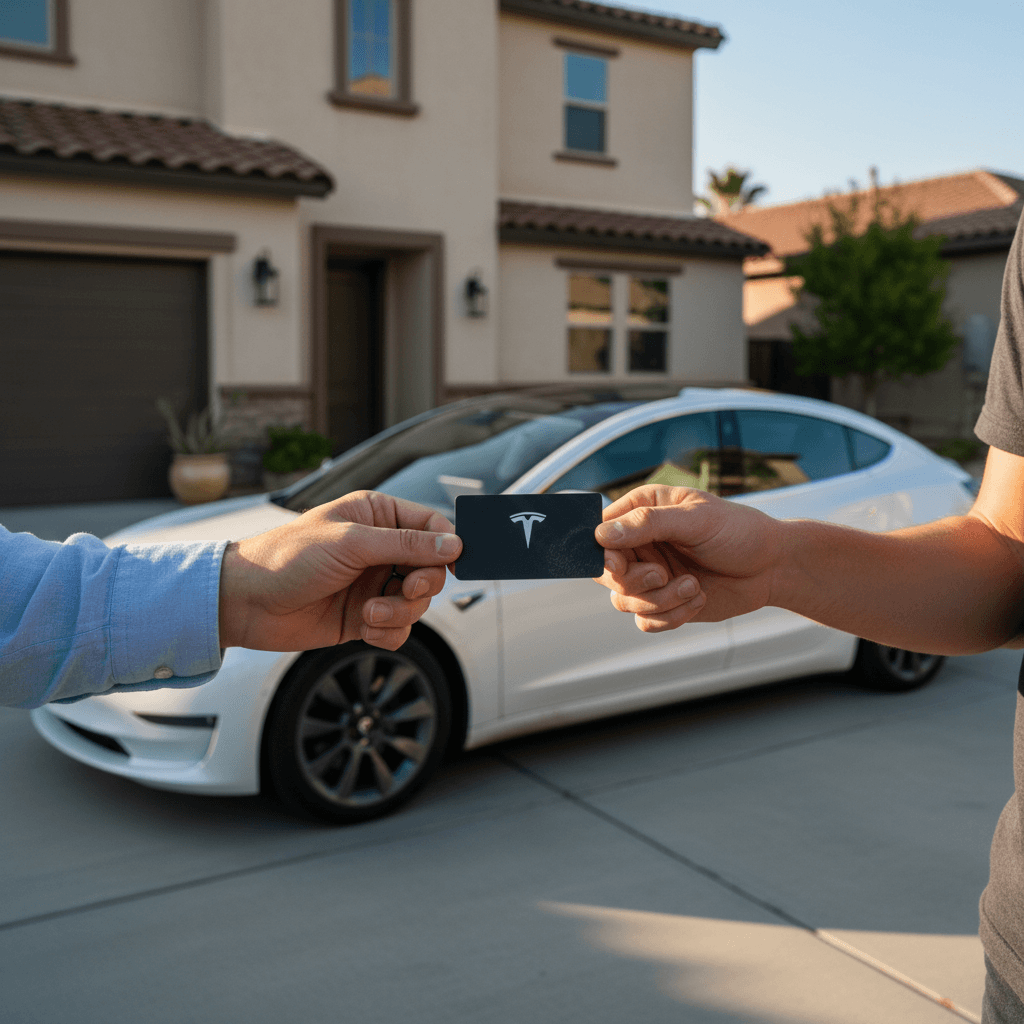
California is surprisingly straightforward compared to some states, but you still need to get the sequence right. Mess it up and you’ll be dealing with toll notices and tickets from a car you thought you’d already said goodbye to.
- Find your California title. If there’s a lien, confirm with your lender how payoff and title release will work; with some banks you’ll need to clear the loan before you can transfer ownership.
- Fill out the title correctly. Complete the odometer reading (if required), sale price, and buyer details. Double‑check spelling, DMV clerks are merciless about cross‑outs.
- Complete a bill of sale. Not legally required in all cases, but smart protection for both parties. Include VIN, year, model, sale price, date, and ‘vehicle sold as‑is’ language.
- Have the buyer handle registration and tax at the DMV. In a private sale, the buyer pays use tax and registration fees when they transfer title. Your responsibility is to report the sale.
- File a Notice of Transfer and Release of Liability. Do this online with the California DMV as soon as money changes hands. It tells the state you’re no longer on the hook for what happens with that VIN.
- Cancel or update your insurance. Once the buyer drives away and paperwork is signed, call your insurer to remove the car or switch coverage to your next vehicle.
Do not skip the Release of Liability
Battery health is your secret weapon
With gasoline cars, buyers obsess over mileage. With EVs, they obsess over range and degradation. California shoppers know what a healthy Model 3 should roughly show at 100% charge, and they’ve heard horror stories about batteries cooked by years of DC fast charging.
What buyers quietly worry about
- Has this car been Supercharged every day?
- Will it still cover my commute without charging at work?
- Is there hidden battery damage from previous owners?
- Will I get stuck with a big out‑of‑warranty repair?
Most private sellers hand‑wave these questions. That’s an opportunity for you to differentiate.
How to turn battery health into a selling point
- Show typical rated range at 80–90% and 100% charge.
- Explain your charging habits (e.g., mostly home Level 2, rare DC fast charging).
- Provide any battery health documentation you have.
- Offer a pre‑purchase inspection with an EV‑savvy shop or marketplace.
Recharged goes further here with a Recharged Score Report that includes verified battery health data, not just what the dash says on a random Tuesday.
Why Recharged’s battery report matters
Tesla account and data: what to do before handover
Selling a Tesla is not like selling a Civic. The car is welded to your Tesla account, your phone, and potentially some embarrassing Spotify playlists. Treat digital off‑boarding as seriously as the paper title.
Digital housekeeping before your buyer drives away
1. Remove personal profiles and data
Delete driver profiles you don’t need, wipe saved navigation history, home/work addresses, and Bluetooth pairings. Log out of streaming services and browser logins inside the car.
2. Turn off ‘Phone Key’ access
In the Tesla app, remove your phone key and any additional drivers who won’t be keeping the car. You don’t want a late‑night notification when a stranger opens the trunk in Burbank.
3. Unpair the car from your Tesla account (or be ready to)
Work with the buyer to transfer ownership through Tesla’s online process. Typically, the buyer will add the car to their account with your VIN and proof of purchase, and Tesla removes it from yours.
4. Clarify software transfers
If your car has paid Full Self‑Driving or EAP that will transfer, spell that out in writing. If the buyer is assuming a subscription, make sure they understand those recurring costs are on them, not you.
5. Keep your plates or not?
In California, plates generally stay with the car, including legacy personalized plates. If you care about a custom plate, coordinate a plate change with DMV ahead of time so expectations are clear.
Pricing strategy and timing your sale
Used Tesla pricing has been on a roller coaster. California buyers now assume prices might move if Tesla makes another surprise adjustment on new cars or if federal policy shifts again. You can’t control that, but you can control how rational, and attractive, your pricing looks on day one.
Smart pricing moves for a Tesla Model 3 in California
The aim is to look like the sanest, most transparent seller in a 50‑mile radius.
Price within a tight, evidence‑based band
Start by finding five to ten comparable Model 3s in your region: same trim, similar miles, similar year. Throw out the obvious outliers, both the fantasy prices and the fire sales.
Then set your ask slightly below the midpoint of that range if you’re in a hurry, or at the top end if your car is unusually clean with strong documentation.
Know when to adjust (and by how much)
If after 7–10 days you’re getting messages but no serious offers, drop in small, deliberate steps rather than big lurches, say $250–$500 at a time.
In hot micro‑markets (West LA, Silicon Valley suburbs), well‑priced cars still move quickly. In slower areas, expect more time on market and build that into your plans.
Seasonality still matters
How Recharged helps you sell a Tesla Model 3 in California
If you want to maximize what you get for your Model 3 but you’re not in love with the idea of back‑and‑forth texts and meeting strangers in parking lots, this is where a specialist matters. Recharged is built specifically around used EVs, and its entire model revolves around making both sides of the transaction less mysterious.
What selling through Recharged looks like
You bring the car; they bring the EV‑specific infrastructure.
Recharged Score battery health diagnostics
Every vehicle on Recharged gets a Recharged Score Report, which includes detailed battery health diagnostics and charging history insights. That’s the single biggest anxiety reducer for California EV buyers, and a strong justification for a better price.
Multiple ways to sell
You can choose an instant offer if you want a fast, drama‑free exit, or opt for consignment, where Recharged markets your car, handles buyer questions, and walks them through financing while you aim for a higher final number.
EV‑savvy support and nationwide reach
Recharged operates a digital‑first experience plus an Experience Center in Richmond, VA, and can coordinate nationwide delivery. That means more eyeballs on your California Model 3, and more of them pre‑qualified and EV‑literate before they ever see your listing.
Ready to find your next EV?
Browse VehiclesAlready in California with your Model 3?
FAQ: selling a Tesla Model 3 in California
Frequently asked questions about selling a Tesla Model 3 in California
Bottom line: should you sell your Model 3 now?
Selling a Tesla Model 3 in California in 2026 is no longer the license to print money it briefly felt like, but it also isn’t a doom‑and‑gloom clearance sale unless you treat it that way. If you’re realistic about pricing, obsessive about documentation, and smart about where you list, you can still land a sale that respects what the car is actually worth.
Start by getting a grounded view of your Model 3’s value, prep it like you’re auditioning it, and take battery health from a vague talking point to a verified strength. And if you’d rather skip the parking‑lot negotiations and paperwork rabbit holes, consider selling through Recharged, where every car comes with a Recharged Score Report, expert EV guidance, and a digital‑first process that matches the car you’re selling: modern, efficient, and surprisingly painless.