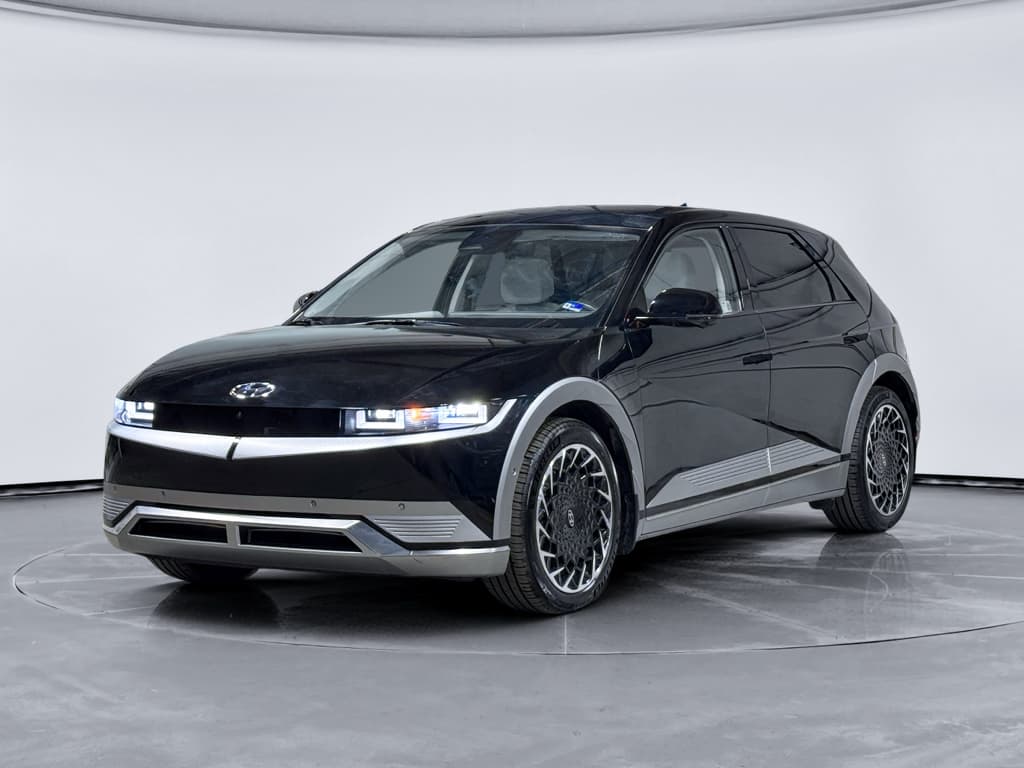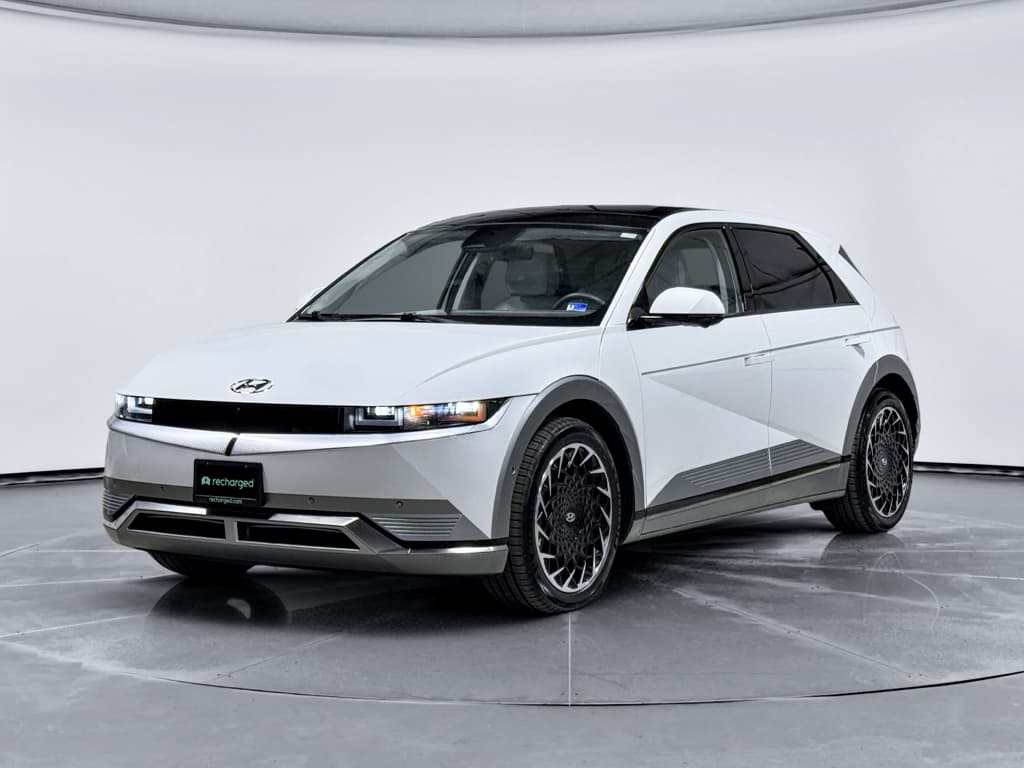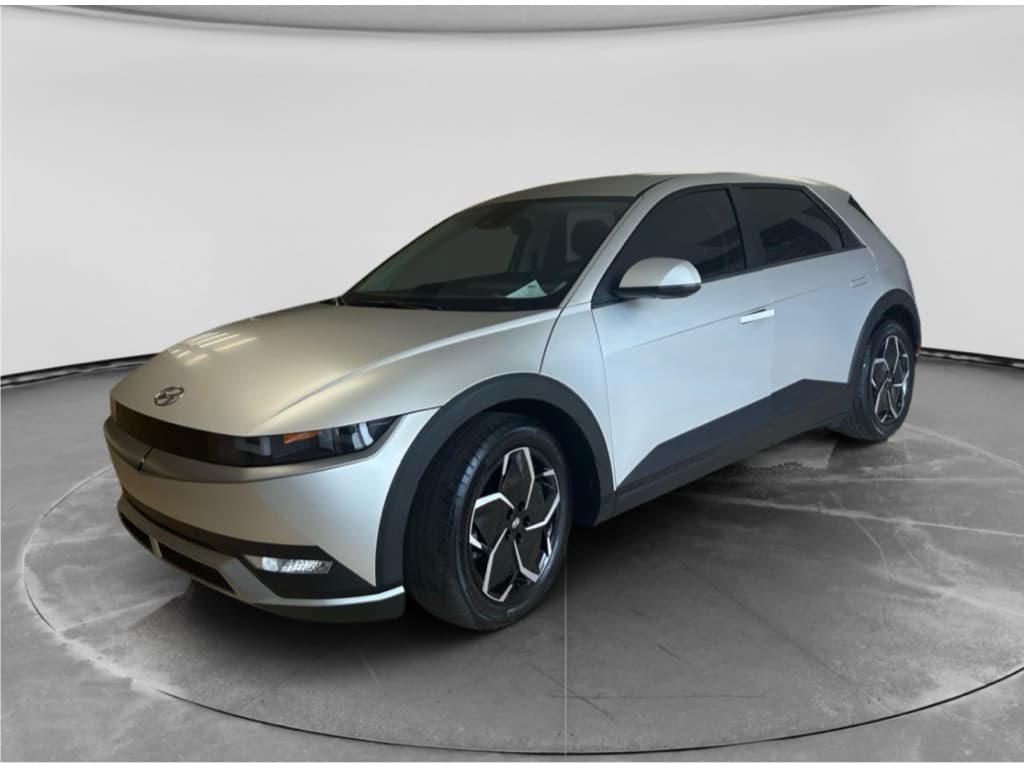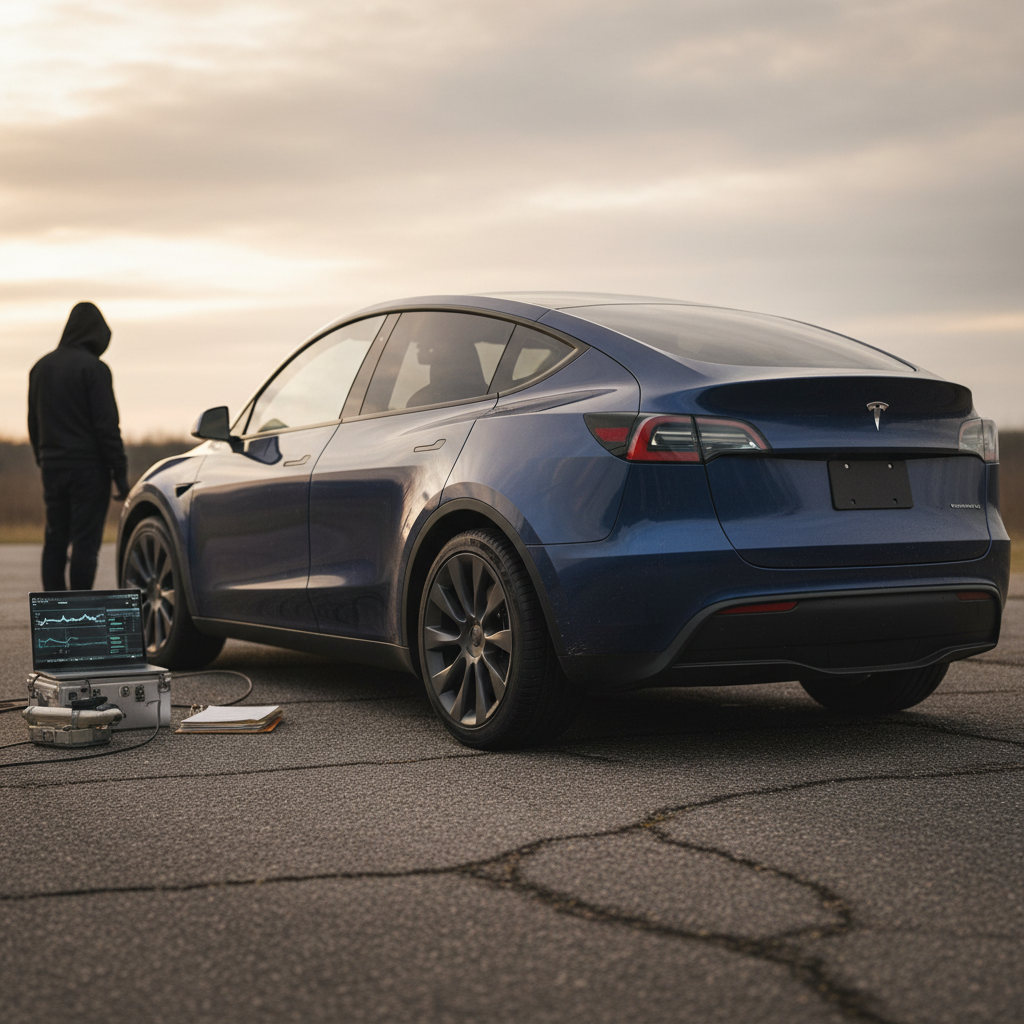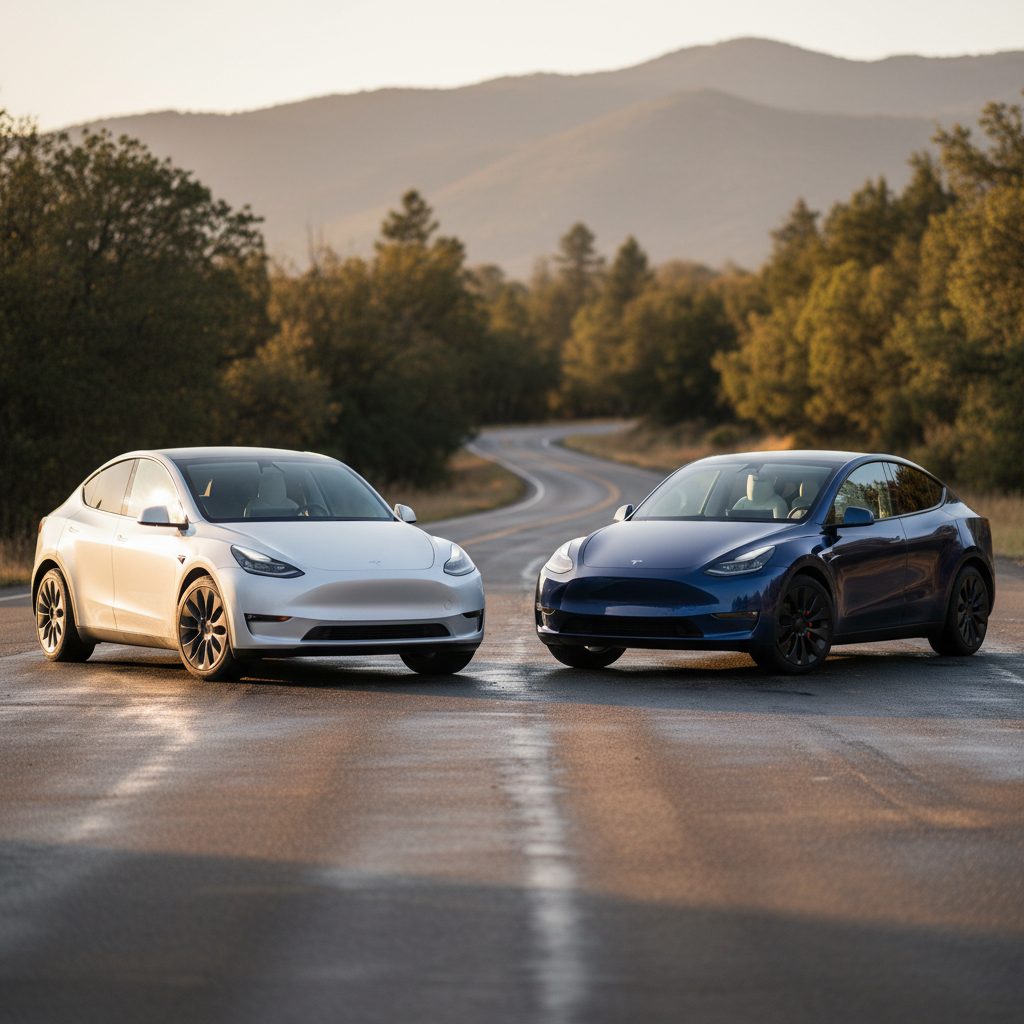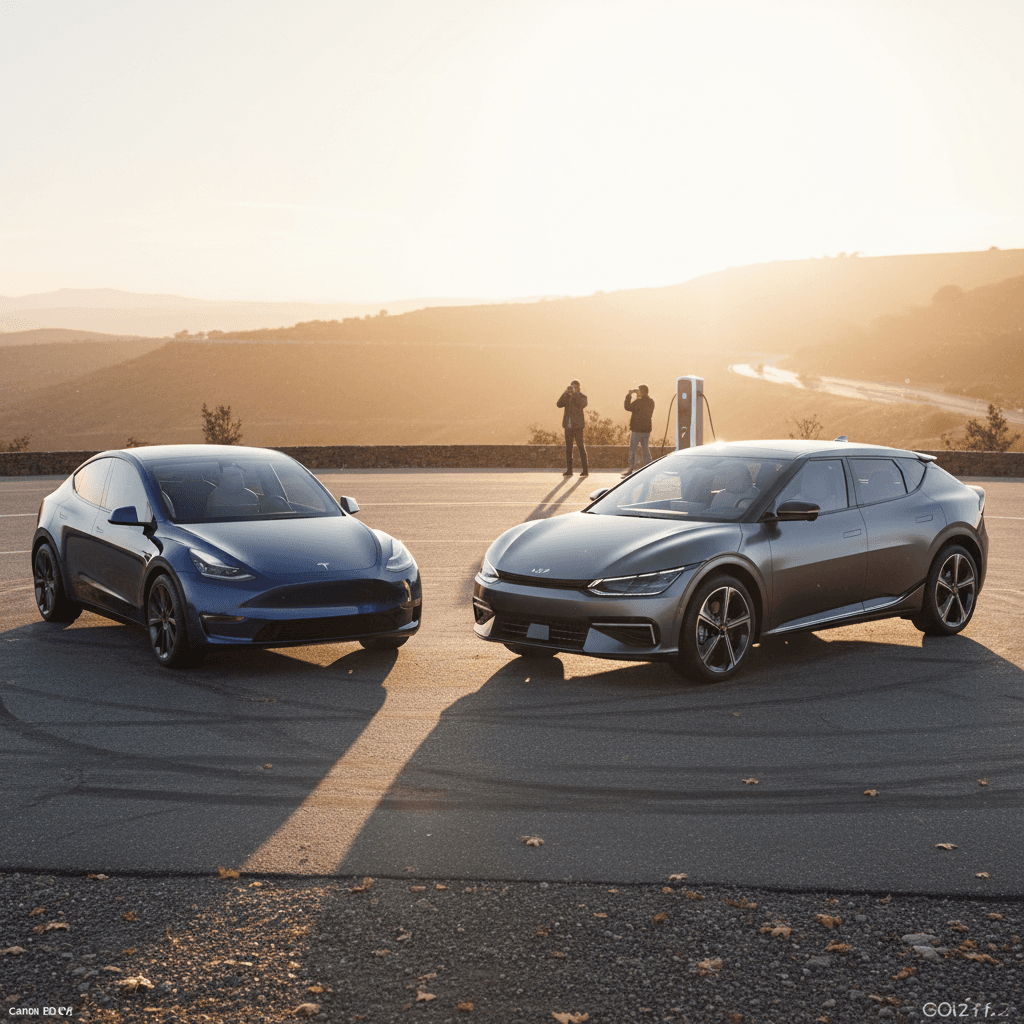
If you’re shopping for an electric SUV, the Hyundai IONIQ 5 vs Ford Mustang Mach‑E matchup is probably at the top of your list. Both are stylish, family‑friendly EVs with real range, fast charging, and strong performance. But they take very different approaches, and the better choice depends on how you drive, where you charge, and whether you’re buying new or used.
At a glance
Hyundai IONIQ 5 vs Ford Mustang Mach‑E: quick overview
Key numbers: IONIQ 5 vs Mustang Mach‑E (recent model years)
On paper, the Mustang Mach‑E usually wins on maximum range, while the IONIQ 5 dominates on fast‑charging speed. Pricing overlaps heavily in the middle trims, and both offer high‑performance variants (IONIQ 5 N vs Mach‑E GT/Rally) that most everyday shoppers don’t strictly need.
Core strengths of each EV SUV
Use this as your cheat sheet before diving into details
Hyundai IONIQ 5 strengths
- Ultra‑fast DC charging (800‑volt platform; 10–80% in about 20 minutes in ideal conditions).
- Spacious, lounge‑like interior with sliding rear seats and a long wheelbase.
- Vehicle‑to‑load (V2L) power outlet for camping, tools, and tailgating.
- Strong warranty coverage, including 10‑year/100,000‑mile battery warranty on new models.
- Distinctive, retro‑futuristic design that stands out.
Ford Mustang Mach‑E strengths
- Longer range options at the top of the lineup (up to about 320 miles).
- Sportier driving character, especially in GT and Rally trims.
- Roomy cargo area and a genuinely useful frunk.
- Tight integration with Ford’s BlueOval Charge Network and available BlueCruise hands‑free driving.
- Generally lower base pricing and aggressive discounts, especially on used models.
How to read this comparison
Pricing, trims, and value for money
New‑car MSRPs move frequently with incentives, but the pattern has been consistent: Ford tends to undercut Hyundai on base trims, while the IONIQ 5 can edge ahead on top‑spec trims once you factor in equipment. On the used market, incentives, lease returns, and dealer inventory mean you can often find very competitive deals on both.
Typical new MSRP positioning (recent U.S. model years)
Approximate starting prices before destination and incentives; exact figures vary by year and options.
| Model | Lower trims | Mid trims | Performance/off‑road trims |
|---|---|---|---|
| Hyundai IONIQ 5 | SE Standard Range often mid‑$40Ks | SE/SEL/Limited long‑range trims typically mid‑$40Ks to mid‑$50Ks | IONIQ 5 N and XRT stretch into the high‑$50Ks–$60Ks |
| Ford Mustang Mach‑E | Select often high‑$30Ks to low‑$40Ks | Premium frequently low‑ to mid‑$40Ks | GT and Rally move into the mid‑ to high‑$50Ks |
Use this as a directional guide, your local dealer or marketplace listings will show real‑world prices.
What about used pricing?
Value questions to ask yourself
1. Do you qualify for tax credits or state rebates?
New EVs, and in some cases used EVs, may qualify for federal or state incentives that tilt the value equation. This can change which trims make sense for your budget.
2. How many miles do you drive annually?
If you drive relatively little each year, buying a lightly used EV with some depreciation baked in often delivers more value than chasing the very latest model year.
3. Is performance or comfort your priority?
Mach‑E GT/Rally and IONIQ 5 N/XRT carry big performance premiums. For most drivers, mid‑spec trims with long‑range batteries hit the best value sweet spot.
4. How long do you plan to keep the car?
Longer ownership favors strong warranty coverage and better long‑term battery health. That’s where tools like the <strong>Recharged Score</strong> can give you confidence about a specific used vehicle.
Range and efficiency: who goes farther?
Range is usually the first spec shoppers look at. Both EVs offer lineups that stretch from modest‑range base models to genuinely road‑trip‑ready configurations. In recent model years, the Mustang Mach‑E noses ahead on maximum range, while the IONIQ 5 stays competitive, especially in rear‑wheel‑drive long‑range trims.
Typical EPA range by configuration (recent model years)
Approximate EPA estimates; exact numbers vary slightly by year, wheels, and options.
| Configuration | Hyundai IONIQ 5 | Ford Mustang Mach‑E |
|---|---|---|
| Standard‑range RWD | ~220–245 mi | ~260 mi |
| Long‑range RWD | ~303–318 mi | Up to ~320 mi with extended‑range battery |
| Long‑range AWD | ~260–290 mi | ~300 mi on some extended‑range trims |
| High‑performance variants | IONIQ 5 N around ~200–220 mi | GT/Rally typically ~265–280 mi |
Always check the window sticker or listing details for the exact EPA range of the vehicle you’re considering.
Real‑world range vs EPA stickers
Hyundai IONIQ 5 range profile
- Standard‑range RWD models land in the low‑200‑mile range.
- Long‑range RWD trims can exceed 300 miles on paper, especially with smaller wheels.
- AWD versions sacrifice some range for traction and power, typically landing in the mid‑ to high‑200s.
- Performance‑oriented IONIQ 5 N prioritizes speed and track performance over outright range.
Ford Mustang Mach‑E range profile
- Standard‑range RWD trims start around 260 miles.
- Extended‑range RWD can reach about 320 miles, among the strongest in this segment.
- Extended‑range AWD trims generally post around 300 miles.
- GT and Rally variants trade some range for acceleration and off‑pavement capability but still typically beat the IONIQ 5 N.
How to pick the right range
Charging speed and networks (including NACS)
Here’s where the Hyundai IONIQ 5 really flexes. Its 800‑volt electrical architecture enables DC fast‑charging speeds that punch well above most rivals, including the Mach‑E. But Ford claws back points with charging‑network integrations and its own transition to the Tesla‑style NACS connector.
Charging: IONIQ 5 vs Mustang Mach‑E
Fast‑charging time matters more than absolute peak kW numbers in the real world
Hyundai IONIQ 5 charging
- 800‑volt platform enables very high DC fast‑charging rates.
- Most trims can charge from about 10% to 80% in roughly 18–20 minutes at a capable 350‑kW station, under ideal conditions.
- Excellent for long‑distance travel where you can plan around high‑power chargers.
- Vehicle‑to‑load (V2L) feature lets you power tools, camping gear, or even another EV at low power.
Ford Mustang Mach‑E charging
- 400‑volt platform with DC fast‑charging peaks around 150 kW on long‑range versions.
- 10–80% DC fast‑charge typically takes around 35–40 minutes, depending on conditions.
- Ford’s charging app ties into the BlueOval Charge Network for easier session start and payment.
- Home charging performance is solid with available 48‑amp Level 2 hardware.
What about NACS and Tesla Superchargers?
If charging is your top priority…
Prioritize the IONIQ 5 if:
You want the <strong>shortest possible fast‑charge stops</strong> on long trips and have good access to 350‑kW DC chargers along your routes.
Prioritize the Mach‑E if:
You’d rather have <strong>slightly more range</strong> between stops and value Ford’s network integrations and dealer support ecosystem.
For both models:
Install a Level 2 charger at home (or use a 240‑V outlet where possible). That’s where most of your charging will happen, and both vehicles handle daily top‑ups very well.
Space, comfort, and practicality
Both SUVs seat five and are perfectly viable as primary family vehicles. The differences are in the details: the IONIQ 5 feels airy and lounge‑like, while the Mach‑E feels more like a sporty crossover with a useful frunk and slightly more traditional SUV vibe.
Interior space highlights
How each EV SUV fits people and cargo
Cabin feel
IONIQ 5: Long wheelbase and flat floor create a very open, almost minivan‑like living room vibe, especially in higher trims with sliding rear seats.
Mach‑E: Sportier driving position and cockpit feel. Still roomy, but more conventional and driver‑focused.
Cargo and frunk
IONIQ 5: Rear cargo space and under‑floor storage are competitive, but the front trunk is quite small in North American models.
Mach‑E: Similar rear cargo space plus a genuinely useful ~5‑cu‑ft frunk that’s washable and drainable, great for tailgating or messy gear.
Family friendliness
Both offer easy LATCH access, wide rear door openings, and enough rear legroom for adults or child seats. The IONIQ 5’s sliding rear bench makes it a little easier to prioritize either cargo space or legroom on demand.
Test‑fit your life
Performance, handling, and driving feel
Neither of these EVs is slow. Even mid‑level trims deliver instant torque and brisk acceleration. But the way they deliver that performance, and how much you pay for the big‑power versions, differs.
Hyundai IONIQ 5 performance
- Standard‑range RWD models prioritize efficiency and comfort, with modest acceleration.
- Long‑range AWD trims deliver around 320 hp and mid‑4‑second 0–60 mph times, plenty quick for daily driving.
- The IONIQ 5 N introduces serious performance (roughly 600+ hp) and track‑oriented features, but with a big price and range penalty.
- Ride quality skews comfortable, especially on smaller wheels; some drivers find the suspension a bit soft in aggressive cornering.
Ford Mustang Mach‑E performance
- Standard‑range trims are already lively, with strong throttle response.
- Extended‑range AWD versions can feel genuinely quick, especially in sportier drive modes.
- Mach‑E GT and Rally turn things up further, delivering sub‑4‑second 0–60 mph times and more aggressive suspension tuning.
- Steering and chassis tuning generally feel sportier than the IONIQ 5, in keeping with the Mustang badge.
Enthusiast’s choice vs daily‑driver sweet spot
Technology, safety, and everyday usability
Both EVs offer the kind of tech you’d expect from modern electric SUVs: big touchscreens, over‑the‑air updates, digital driver displays, and full suites of advanced driver‑assistance systems (ADAS). The details come down to interface preferences and which features matter most to you.
Infotainment and driver‑assist tech
You’ll live with this tech every day, make sure you like it
Screens and usability
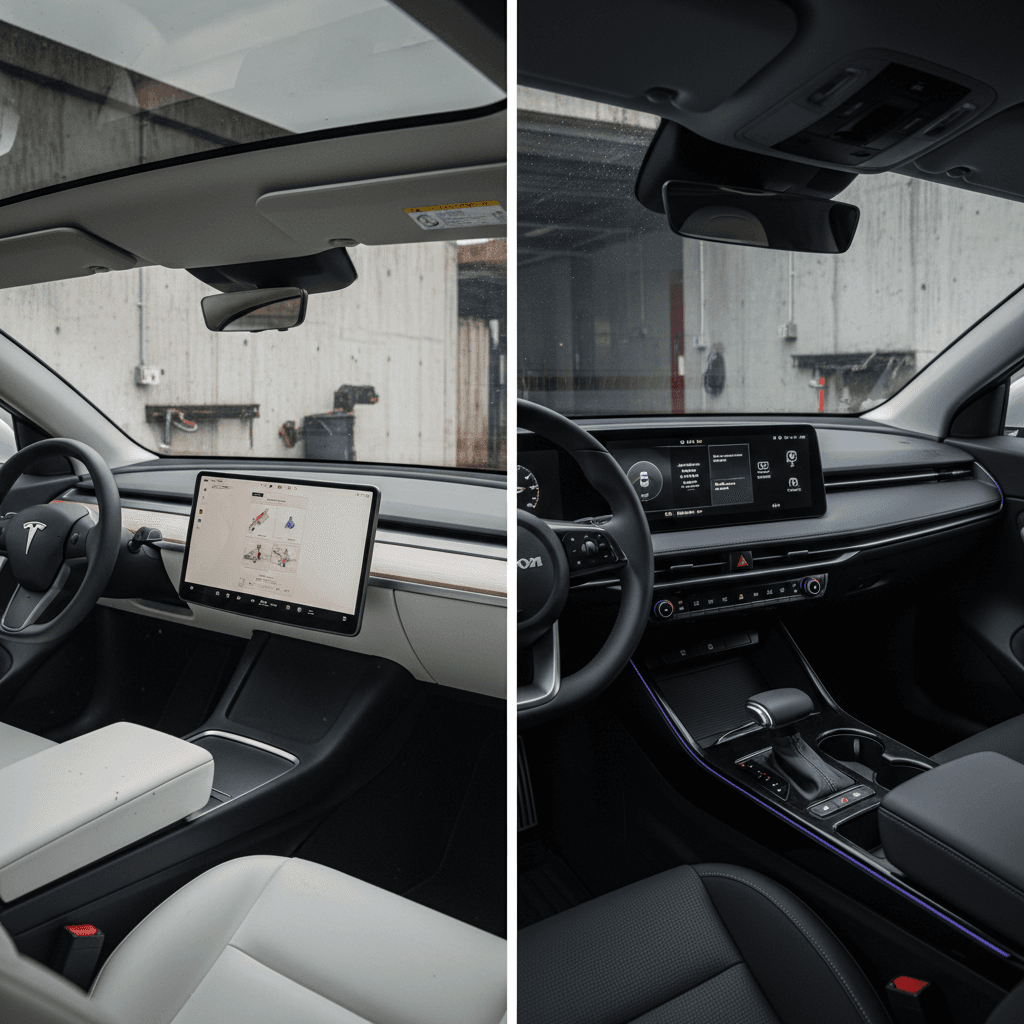
- IONIQ 5: Dual‑screen layout with separate climate controls and a relatively straightforward menu system. Many owners appreciate the mix of physical buttons and touch controls.
- Mach‑E: Dominant portrait‑oriented center touchscreen with a physical volume knob embedded. Ford’s system is powerful but can feel menu‑heavy to some drivers.
Driver assistance
- Both offer adaptive cruise control, lane‑centering, blind‑spot monitoring, and automated emergency braking, often standard or widely available.
- Higher‑trim Mach‑E models may include BlueCruise, Ford’s hands‑free highway driving system on mapped roads.
- Hyundai’s Highway Driving Assist provides robust lane‑keeping and adaptive cruise but generally requires your hands to stay on the wheel.
Try before you buy
Reliability, recalls, and ownership costs
EVs tend to have fewer moving parts than gas vehicles, but they’re still complex products with evolving software and hardware. Both the IONIQ 5 and Mach‑E have seen software updates and some recalls as early‑generation EVs mature.
Long‑term ownership considerations
Battery health, recalls, and warranties
Battery and drivetrain warranty
Hyundai has historically offered 10‑year/100,000‑mile battery warranties on new IONIQ 5s, which is a strong reassurance for long‑term ownership.
Ford typically offers 8‑year/100,000‑mile coverage on electric components for the Mach‑E.
Recalls and software fixes
Both models have had recalls and software updates, including issues related to high‑voltage systems and power electronics. That’s not unusual for modern EVs, but it underscores the value of a thorough inspection and up‑to‑date service history when you buy used.
Running costs
Day‑to‑day, electricity is usually cheaper per mile than gasoline, and both EVs need far less routine maintenance than comparable gas SUVs. Insurance and tire replacement costs can be higher, so factor those into your budget.
How Recharged helps with battery confidence
Buying used: IONIQ 5 vs Mach‑E
On the used market, these two EVs sit in a sweet spot: modern enough to have good range and fast charging, old enough to have already taken a big chunk of depreciation. But you’ll want to think beyond simple price comparisons.
Used IONIQ 5 vs Mach‑E: what to check
1. Battery health and DC fast‑charge history
Ask for any available battery‑health reports and service records. Frequent high‑power fast‑charging isn’t automatically bad, but you want to understand how the previous owner used the vehicle. A Recharged Score Report gives you objective data here.
2. Software update and recall status
Confirm that all recalls have been addressed and that major software updates have been installed. This can improve range prediction, charging behavior, and even performance.
3. Charging hardware included
Check whether the vehicle includes its original mobile charge cord, any upgraded home charger, and, critically for both models going forward, whether a <strong>NACS adapter</strong> is included or easily obtainable.
4. Tires and brakes
EVs are heavy and torquey, which can wear tires and brakes faster than expected. Inspect tread depth and ask about any recent replacements. This can be a hidden cost on what looks like a bargain listing.
5. Warranty transfer details
Make sure remaining factory warranty coverage properly transfers to you. For example, a used IONIQ 5 with several years left on its battery warranty can be a very compelling long‑term buy.
6. Total cost comparison
Look beyond sticker price. Compare financing options, expected electricity vs gas savings, insurance quotes, and projected maintenance. Recharged can help you line up <strong>financing, trade‑in value, and nationwide delivery</strong> on a single used‑EV purchase.
Which EV SUV is better for you?
You’ll likely prefer the Hyundai IONIQ 5 if:
- You want class‑leading fast‑charging for frequent road trips.
- You value an airy, lounge‑like cabin with flexible rear seating.
- Vehicle‑to‑load (V2L) power for camping, tailgating, or backup power appeals to you.
- You prioritize long warranties and strong long‑term ownership coverage.
- You like standing out with bold, retro‑futuristic styling.
You’ll likely prefer the Ford Mustang Mach‑E if:
- You want the longest possible range in this segment and don’t mind slightly slower DC charging.
- You’re drawn to sportier driving dynamics and the Mustang brand image.
- A useful frunk and strong overall cargo practicality matter to you.
- You’re interested in hands‑free highway driving with BlueCruise on select trims.
- You’re value‑conscious and looking for aggressive pricing on new or used inventory.
How Recharged fits into your decision
Ready to find your next EV?
Browse VehiclesBottom line: there’s no wrong answer in the Hyundai IONIQ 5 vs Ford Mustang Mach‑E debate. The IONIQ 5 is the fast‑charging, lounge‑like EV that makes road‑trip coffee breaks shorter and daily life easier. The Mach‑E is the long‑legged, sporty crossover that leans into performance and classic Mustang character. Focus on how you drive, where you’ll charge, and how long you plan to keep the vehicle, and then use data‑driven tools like the Recharged Score Report to pick the best individual car, not just the best spec sheet.