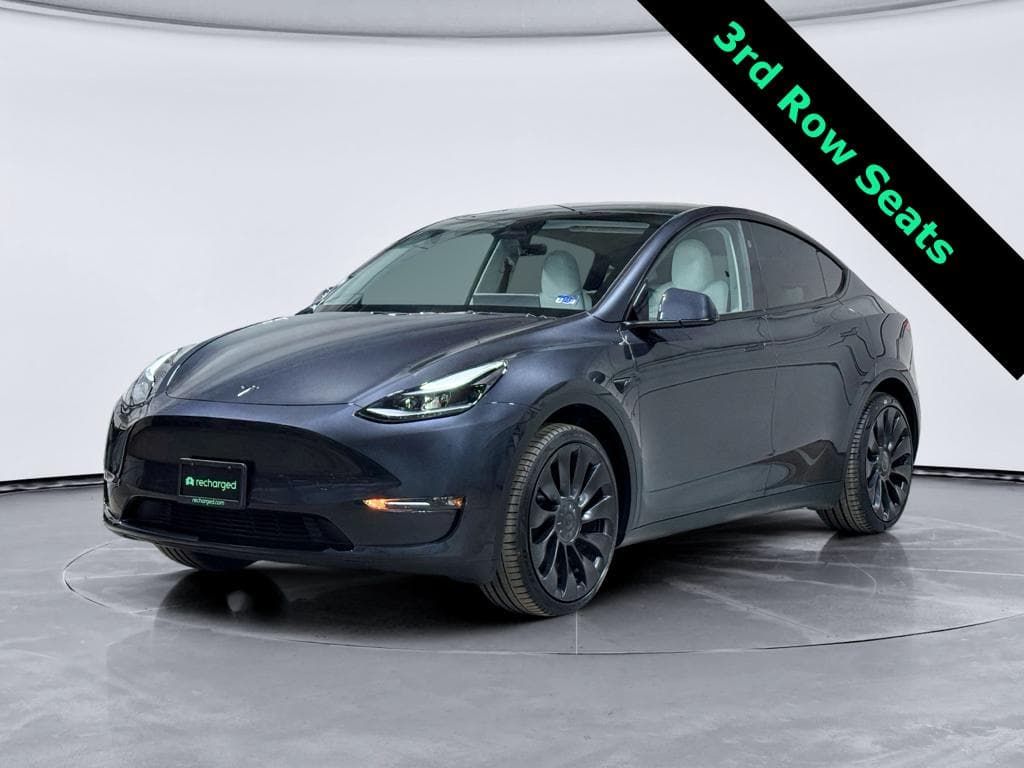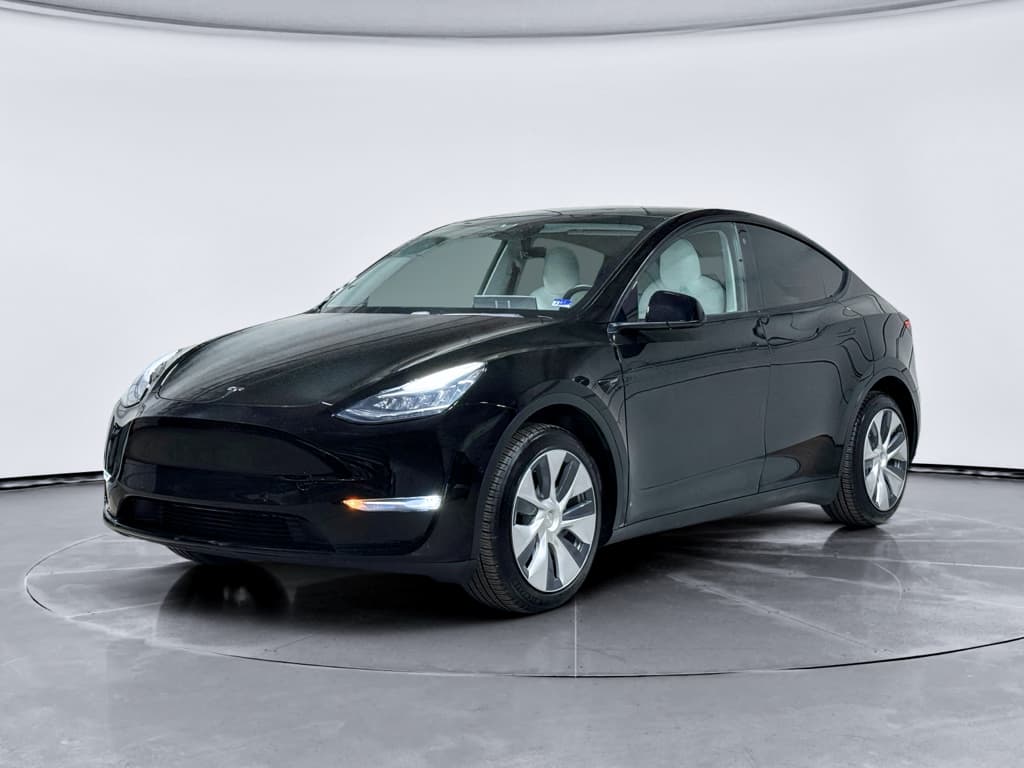
If you’re shopping for a compact electric SUV, a used 2020 Tesla Model Y is probably high on your list. It combines strong range, Tesla’s Supercharger access, and a minimalist tech-forward cabin, but early-build vehicles also come with more quality complaints and a long list of recalls you can’t ignore.
Who this 2020 Tesla Model Y review is for
2020 Tesla Model Y overview
2020 Tesla Model Y key numbers (U.S. models)
Tesla launched the Model Y for the 2020 model year as a compact, fully electric crossover based on the Model 3 platform. That means you get car-like driving manners with the higher seating position and cargo space many families want. Early 2020 models came primarily in Long Range and Performance dual-motor all-wheel-drive trims, with usable real-world range in the mid‑200s to low‑300s for most owners.
Today, the 2020 Model Y is appealing because it delivers modern EV range and charging at a price well below a new Tesla. At the same time, you’re buying the first model year, so build quality, suspension noise, and various software-related quirks are more common than on later cars. That trade-off is the core question this review will help you sort out.
Specs, trims, and real-world range
2020 Model Y trims at a glance
Most used 2020s you’ll see will be Long Range or Performance.
Long Range (Dual Motor AWD)
Best for: Drivers who prioritize range and all-weather traction.
- Dual-motor all-wheel drive
- EPA range roughly ≈315 miles on 19-inch wheels
- 0–60 mph around mid‑4 second range
- 18"/19" wheels, more comfort-oriented tuning
Performance (Dual Motor AWD)
Best for: Drivers who care more about acceleration than maximum range.
- More powerful dual-motor setup
- EPA range roughly ≈280–300 miles depending on wheels
- 0–60 mph in the mid‑3 second range
- Lower stance, bigger wheels, firmer ride
2020 Tesla Model Y core specs
Key specs that matter most to used buyers.
| Spec | Long Range AWD | Performance AWD |
|---|---|---|
| Drivetrain | Dual-motor AWD | Dual-motor AWD |
| EPA range when new | ≈315 mi | ≈280–300 mi |
| 0–60 mph | ~4.4 sec (est.) | ~3.5 sec (est.) |
| Battery type | Lithium-ion pack, ~75 kWh usable | Lithium-ion pack, ~75 kWh usable |
| Onboard AC charger | Up to 11.5 kW | Up to 11.5 kW |
| DC fast charge peak | ~250 kW Supercharger V3 | ~250 kW Supercharger V3 |
| Seats | 5 standard (7 optional) | 5 seats |
| Towing (if equipped) | Up to 3,500 lb (braked) | Up to 3,500 lb (braked) |
Exact figures vary slightly by wheel size, options, and software updates.
Used-buying tip: focus on wheels and options
In the real world, most 2020 Model Y owners see roughly 70–85% of the original EPA range depending on speed, temperature, and how much highway driving they do. On a healthy battery, plan on 200–260 miles between charges on road trips and more around-town if you can plug in frequently.
Driving experience: performance, comfort, and practicality
Performance & handling
- Instant torque makes even the Long Range feel legitimately quick. Passing and on-ramps are effortless.
- The low battery placement keeps the center of gravity very low, so body roll is well controlled for a crossover.
- Steering is light but accurate, and the car feels smaller than it looks in tight traffic or parking lots.
Ride & noise
- Many 2020 owners report more suspension noise and harsher ride than later years, especially on 20" or 21" wheels.
- Wind and road noise are generally acceptable but not class-leading; this is an area where some newer EVs have caught up or surpassed Tesla.
- Build quality in 2020 varied, panel gaps, minor rattles, and squeaks are common complaints to check for on a test drive.
Inside, the 2020 Model Y sticks to Tesla’s minimalist formula: one large center touchscreen running nearly everything, a strip of wood on the dash, and few physical buttons. The layout still feels modern in 2026, but it’s worth making sure you’re comfortable with screen-based controls before you buy, especially for things like wipers and HVAC that many drivers expect on hard buttons or stalks.
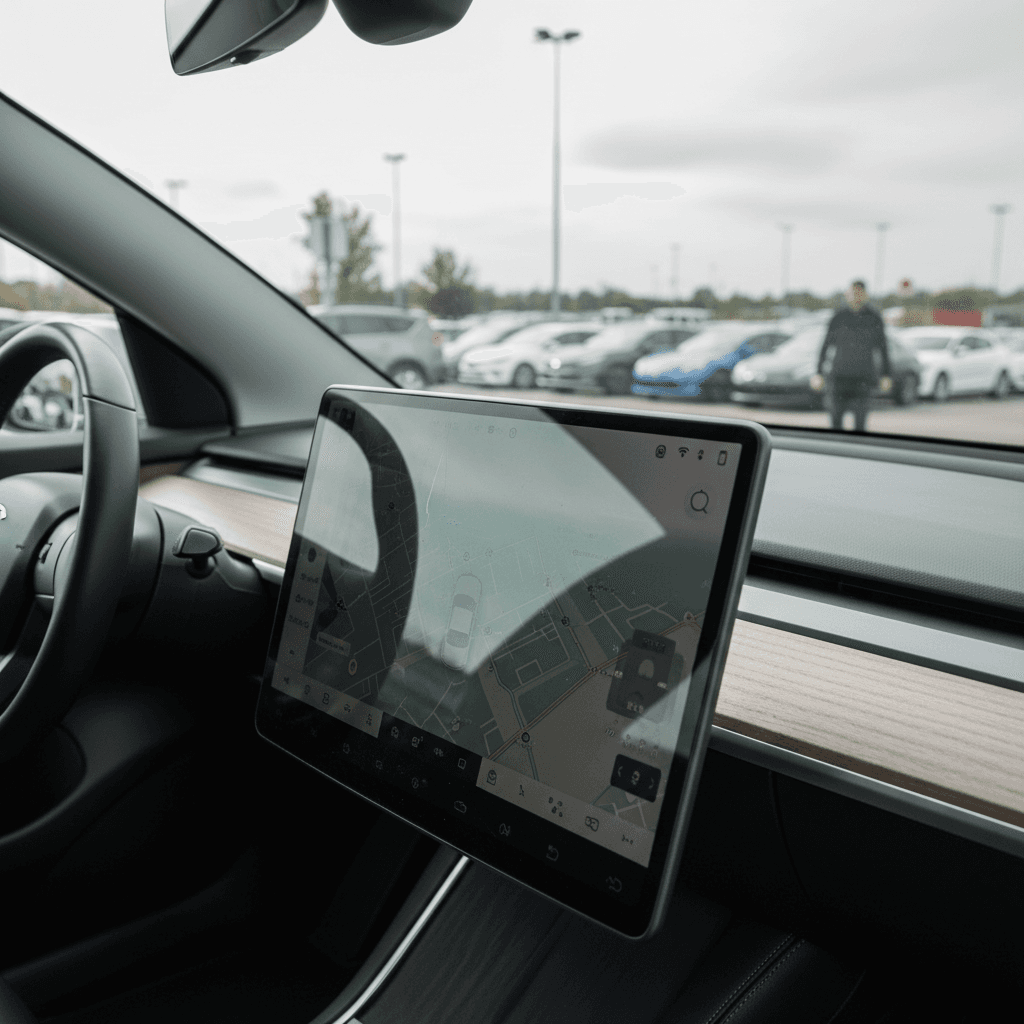
Practicality is one of the Model Y’s strongest suits. You get a generous hatch opening, a deep cargo well under the floor, and a front trunk. The sloping roofline cuts into rear headroom a bit, but two adults will be comfortable in the second row. The optional third row is tight and best suited for kids on short trips; if you routinely carry more than five people, make sure to test that configuration in person.
Charging, road trips, and battery health
Supercharger access is a major advantage
- DC fast charging: Up to ~250 kW on V3 Superchargers when the battery is warm and at a low state of charge.
- AC home charging: With a 240V Level 2 setup, you can typically add 30–44 miles of range per hour of charging, depending on amperage.
- Charging habits: Tesla has long recommended charging to around 80–90% for daily use and reserving 100% charges for trips to help preserve battery longevity.
By 2026, the big question with any 2020 Model Y is battery health. Some owners report relatively modest degradation, while others have complained of more dramatic range loss and, in a few cases, pack-related issues or charging quirks. Because range is so central to the ownership experience, you don’t want to guess here, you want data.
How Recharged helps you de‑risk battery health
Ready to find your next EV?
Browse VehiclesReliability and common 2020 Model Y issues
No honest 2020 Tesla Model Y review is complete without talking about reliability. Early Model Y production was ambitious and, frankly, rough in places. Independent reliability data rates the 2020 Model Y below average for its model year, with many owners reporting nuisance issues rather than catastrophic failures, but those can still affect your experience and costs over time.
Most common trouble spots on 2020 Model Y
Based on owner reports, recall history, and complaint databases.
Build quality & noises
- Squeaks, rattles, and wind noise are common complaints.
- Door alignment, hatch seals, and interior trim may need adjustment.
- Road and suspension noise more noticeable on larger wheels.
HVAC & climate system
- Some owners report HVAC failures or inconsistent heating and cooling.
- Because the heat pump is tied to battery thermal management, failures can affect cold‑weather range and fast charging.
Electronics & software quirks
- Infotainment glitches, camera issues, and occasional reboots.
- Over‑the‑air updates fix some problems but can also introduce new bugs.
- Autopilot behavior varies with software version and road conditions.
Suspension & steering noises
- Clunks or squeaks over bumps reported by some owners.
- Control arm and suspension component replacements are not unusual by higher mileages.
Paint & exterior trim
- Thin paint, chips, and panel alignment issues on some early builds.
- Hatch alignment and weatherstripping are common adjustment items.
Recalls & investigations
- The 2020 Model Y has been subject to numerous NHTSA recalls, many addressed via software.
- Door handle behavior, Autopilot, and safety-related systems have seen regulatory attention on various model years.
Don’t ignore recall history
The upshot: if you find a 2020 Model Y that’s been serviced regularly, had its issues addressed promptly, and shows healthy battery metrics, it can be a very satisfying daily driver. If, on the other hand, a car shows repeated suspension repairs, unresolved HVAC warnings, or unusually rapid estimated range loss, it’s wise to walk away, there are enough Model Ys on the used market that you can be picky.
Safety ratings and driver-assistance tech
2020 Tesla Model Y safety snapshot
From a crashworthiness standpoint, the 2020 Model Y is excellent. The rigid battery structure, generous crumple zones, and low center of gravity help it achieve top-tier scores in both government and independent testing. If you prioritize crash safety for your family, this is one of the safest compact SUVs, electric or not, built in that year.
Where things get more nuanced is driver-assistance tech. Every 2020 Model Y includes Tesla’s basic Autopilot suite (traffic‑aware cruise control and lane centering) when active and configured properly. Some cars will also have the optional "Full Self‑Driving" package enabled, which adds features like automatic lane changes on highways and traffic light/stop sign response, although in 2026 it still requires full driver supervision and is not truly self-driving.
Treat Autopilot as driver assistance, not self-driving
Ownership costs, depreciation, and incentives
A used 2020 Model Y offers one of the more attractive combinations of range, performance, and running costs in the compact luxury SUV space, but you should go in with realistic expectations about both savings and potential repairs.
- Electricity vs. gas: Even at average U.S. residential rates, charging a Model Y at home typically costs the equivalent of paying well under $2 per gallon for fuel, depending on your local utility pricing.
- Maintenance: There’s no engine oil, spark plugs, or traditional transmission. Tire rotations, cabin filters, brake fluid service, and wiper blades make up most routine maintenance, though tires can be expensive due to weight and torque.
- Tires and brakes: Expect more tire wear than a comparable gasoline SUV if you enjoy the instant torque. Regenerative braking helps brakes last a long time, but heavy urban use can still wear pads and rotors.
- Insurance: Premiums can be higher than average compact SUVs due to repair costs and performance. Get quotes before you buy.
- Depreciation: The 2020 Model Y has already taken its largest depreciation hit, so you’re buying after the steepest part of the curve, but future values will depend on battery health, software support, and broader EV demand.
Check for used EV incentives in your state
How the 2020 Model Y compares in today’s market
Versus newer Model Ys
- Newer Model Ys may have refined suspensions, quieter cabins, and updated interiors.
- Software and feature differences are smaller than in traditional cars; 2020 models have received many updates over the air.
- Battery and motor hardware are broadly similar, but a newer car gives you more remaining warranty and, often, slightly better efficiency.
- The 2020’s advantage is price: you’re stepping into similar capability for significantly less money.
Versus other used EV SUVs
- Compared with early Hyundai Kona Electric, Kia Niro EV, or Nissan Ariya models, the 2020 Model Y typically offers more range and far better fast-charging access.
- Interior materials and panel fit may lag some competitors, but software experience and charging convenience generally lead.
- If you rarely road trip and have easy CCS fast-charging nearby, a non‑Tesla EV might be cheaper up front, but the Model Y usually wins on long-distance ease.
Where the 2020 Model Y still shines
Used 2020 Model Y inspection checklist
Key items to inspect on a 2020 Tesla Model Y
1. Battery health and real-world range
Ask for recent photos of the car at 80–100% charge and note the estimated range. Compare that to the original EPA figure and look for outliers. With Recharged, your Recharged Score report will summarize pack health and typical degradation for you.
2. Charge behavior and ports
Test both AC (Level 2) and DC fast charging if possible. Confirm the charge port door opens and closes properly, the cable locks securely, and there are no errors when charging at home or at a Supercharger.
3. Suspension noises and ride quality
On a test drive, listen for clunks, squeaks, or rattles over bumps and low-speed turns. Pay extra attention on Performance models or any car on upsized wheels, which tend to stress components more.
4. HVAC performance and defrosting
Verify strong heat and A/C performance, especially in extreme conditions if you live in a hot or cold climate. Poor heating can affect both comfort and windshield defogging, and it may hint at heat-pump or refrigerant issues tied into battery thermal management.
5. Body alignment, glass, and leaks
Inspect panel gaps around doors and the hatch, check the panoramic glass roof and windshield for cracks or prior replacement, and look for water stains in the headliner or cargo area that could indicate leaks.
6. Software, Autopilot, and options
Check which software features are actually enabled on the car: basic Autopilot is common, but Full Self‑Driving is not guaranteed to transfer. Make sure all cameras function, and verify that over‑the‑air updates are working.
7. Recall status and service history
Run the VIN through NHTSA and Tesla’s own site to confirm outstanding recalls. Ask for service invoices that show how any recurring issues, especially suspension, HVAC, or charging, have been handled.
8. Tires, wheels, and brakes
Look for uneven tire wear, sidewall damage, and curb rash on the wheels; they’re heavy, powerful vehicles and can be hard on rubber. Inspect brake rotors for rust ridges or grooves, which can happen when regen is doing most of the work.
Let an EV specialist help you
Frequently asked questions about the 2020 Model Y
2020 Tesla Model Y FAQ
Should you buy a used 2020 Tesla Model Y?
A used 2020 Tesla Model Y can be a smart buy in 2026 if you value strong range, quick performance, and seamless access to Tesla’s Supercharger network. It still feels modern to drive and live with, and it undercuts the price of a new Model Y or many rival EV SUVs with similar capability.
The flip side is that you’re buying the first model year, which brings a higher likelihood of build-quality nitpicks, squeaks, and software or hardware quirks. Reliability is not terrible across the board, but it is more uneven than many mainstream competitors. That means condition, service records, and verified battery health should drive your decision more than color or wheel style.
If you can find a 2020 Model Y with a clean history, completed recalls, and a healthy battery, and you’re comfortable with Tesla’s screen-centric driving experience, it remains one of the most compelling used EVs you can buy. And if you’d rather have an expert help you separate great candidates from risky ones, shopping through Recharged gives you transparent pricing, EV‑specialist support, and a Recharged Score battery report so you know exactly what you’re getting before you sign.