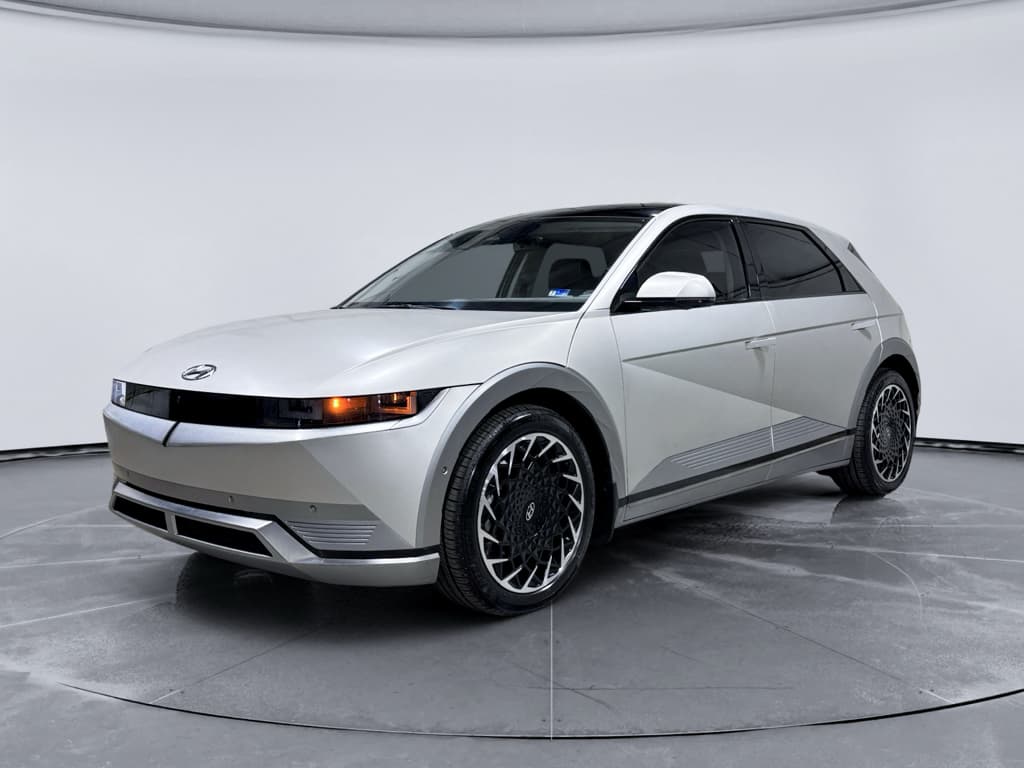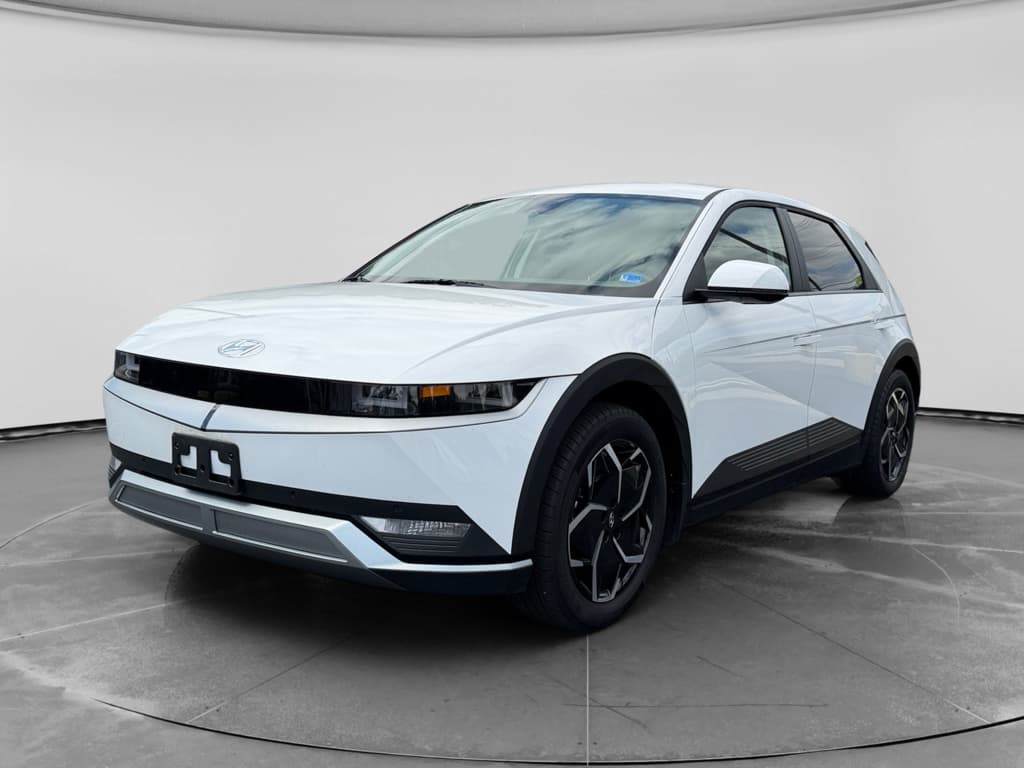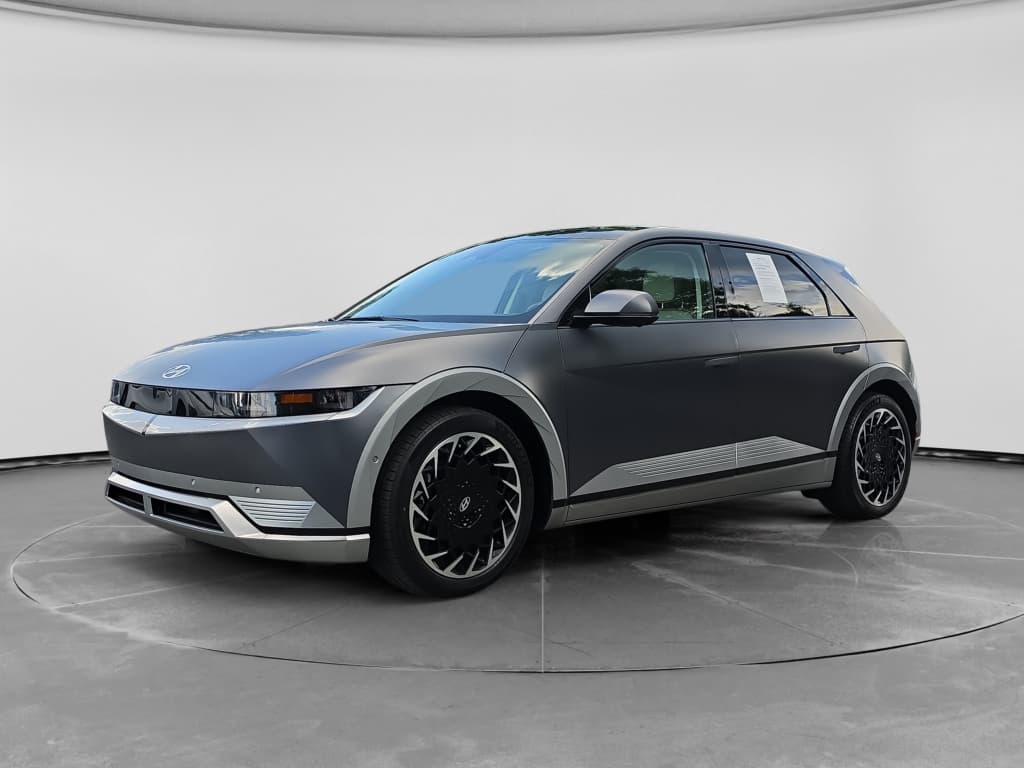
If you’re eyeing a new or used Hyundai IONIQ 5 in 2026, you’re probably not asking what the brochure range is, you’re asking what the real-world range looks like on your commute, your highway runs, and your winter road trips. This guide breaks down the 2026 Hyundai Ioniq 5 real world range by trim, speed, weather and battery age, using a mix of EPA data, independent tests and owner reports so you know what to expect before you buy.
Quick takeaway
2026 Hyundai Ioniq 5 range at a glance
2026 Ioniq 5 EPA range ratings (U.S.)
Those are the official 2026 EPA numbers for the Ioniq 5 with Hyundai’s updated battery pack. In real-world use, you should mentally scale those back by 10–25% depending on how and where you drive. That’s not a knock on Hyundai, virtually every EV behaves this way once you leave the test cycle and hit real highways, hills and weather.
2026 Ioniq 5 real-world range cheat sheet
Approximate full‑charge ranges many U.S. drivers actually see in 2026, assuming a healthy battery and moderate weather.
| Trim (2026 or similar spec) | EPA rating | Typical mixed driving | 70–75 mph highway | Cold winter highway (20–30°F) |
|---|---|---|---|---|
| SE/SEL/Limited RWD (84 kWh) | 318 mi | 240–260 mi | 190–210 mi | 150–180 mi |
| SE/SEL AWD (84 kWh) | 290 mi | 220–240 mi | 180–200 mi | 140–170 mi |
| Limited AWD (84 kWh) | 269 mi | 210–230 mi | 170–190 mi | 135–165 mi |
| XRT AWD (84 kWh) | 259 mi | 200–220 mi | 170–185 mi | 135–160 mi |
| Standard Range RWD (smaller pack) | 245 mi | 190–210 mi | 155–180 mi | 125–150 mi |
Real-world figures are estimates, not guarantees. Your results will vary with speed, terrain, temperature and driving style.
Remember: EPA is not a promise
EPA vs real-world range: what 2026 numbers really mean
Hyundai’s own 2026 specs show a 318‑mile EPA estimate for the most efficient Ioniq 5 trims using the updated 84‑kWh pack. Independent testers, though, have consistently found that earlier Ioniq 5s with similar ratings struggled to hit those numbers in day-to-day use. In long-term testing, one well‑documented Ioniq 5 never exceeded roughly 220 miles on a charge despite an EPA rating around 260 miles, while highway‑focused tests at 70–75 mph have landed around 200–225 miles on a fresh battery.
Why the EPA number is higher
- Part of the test mimics city-style stop‑and‑go driving, where EVs are most efficient.
- Speeds are typically lower than a real U.S. highway road trip.
- Climate control use is standardized, not cranked for summer or winter comfort.
- There’s no allowance for headwinds, extra cargo or roof boxes.
How your driving chops it down
- Holding 70–80 mph instead of 60–65 mph massively increases aero drag.
- Running heat or A/C aggressively can take 10–20% off your range.
- Hills, poor pavement and crosswinds all add drag the EPA cycle can’t fully capture.
- Even small habits, late braking, rapid launches, chip away at efficiency.
Rule of thumb for 2026 Ioniq 5 buyers
Highway vs city: how speed changes your Ioniq 5 range
The Ioniq 5 is one of those EVs that can look like a range hero around town and a bit more average once you live in the left lane. Owner logs and independent tests show efficiency dropping sharply above 65–70 mph, common for a tall crossover with a big frontal area.
How speed changes real-world range
Approximate behavior for long‑range Ioniq 5 trims with a healthy battery in mild weather.
City / suburban (25–45 mph)
In gentle city or suburban driving, many Ioniq 5 owners report 3.5–4.0 mi/kWh. With the larger pack, that’s roughly:
- 260–290 miles if you run it from 100% to ~5%
- Plenty for a week of typical commuting
Mixed driving (45–65 mph)
On a typical commute with some highway and some surface streets, expect around 3.0–3.3 mi/kWh, translating to:
- 220–260 miles per full charge
- Closer to the lower end for AWD trims
Highway (70–75 mph)
At U.S. interstate speeds, many drivers see 2.5–3.0 mi/kWh. For the long‑range pack, that often means:
- 170–210 miles of realistic highway range
- Faster speeds or headwinds can pull it even lower
Small speed change, big range gain
Weather and climate: winter, summer and HVAC impact
Like every EV, the Ioniq 5’s real-world range in 2026 is heavily shaped by temperature and climate control use. Cold weather is the biggest enemy, but extreme heat with constant A/C also takes a toll.
- Cold weather (below ~32°F): Expect 20–35% range loss on highway trips, especially before the pack warms up. Short, stop‑and‑go drives can be even less efficient.
- Moderate weather (45–75°F): This is the Ioniq 5’s sweet spot. You’ll come closest to EPA numbers here, especially in city/suburban use.
- Heat waves (90°F+): Strong A/C use can trim 5–15% off range, particularly at low speeds where aero drag is lower and HVAC is a bigger share of power use.
- Pre‑conditioning: Warming or cooling the cabin and battery while plugged in can shift some of that energy cost off the road and back onto your home charger.
Don’t plan winter road trips off EPA numbers
Battery health and long‑term range on used Ioniq 5s
By 2026, plenty of early Ioniq 5s are hitting the used market with six‑figure odometer readings. The good news: early real‑world data suggests the Ioniq 5’s battery chemistry is holding up well. There are now documented cars with well over 250,000 miles still showing usable range figures close to what they delivered when new, alongside owner reports of very low degradation in the first 50,000 miles.
What long‑term data tells us so far
Early high‑mileage Ioniq 5s paint an encouraging picture for used shoppers.
First 20–30k miles
Many owners report negligible loss in displayed range, often just a few miles, assuming normal DC fast‑charging habits.
50k–100k miles
Independent long‑term reviews around 50,000 km (~31,000 miles) have seen modest efficiency loss but no dramatic cliff. Real‑world range tends to fall slightly, more from tire and driving pattern changes than the pack itself.
200k+ miles
Taxi and ride‑share Ioniq 5s with close to 300,000 miles have been logged still showing 300+ miles estimated range at high state‑of‑charge, an indicator that the pack can age gracefully if treated reasonably.
Why used Ioniq 5s are compelling in 2026
That’s where tools like the Recharged Score battery health report come in. When you shop a used Ioniq 5 through Recharged, we run a dedicated battery health check and range estimate based on real data, so you’re not just trusting a seller’s word or a single charge guess on a cold day.
Real-world range by driver profile
Two Ioniq 5s with identical specs can behave very differently depending on who’s behind the wheel. Below are rough, scenario‑based expectations for long‑range 2026‑spec Ioniq 5s (or earlier long‑range cars in similar health). All assume a mostly full charge, mild weather and no roof box.
What you might see in the real world
Daily suburban commuter (40–60 miles/day)
Mix of 35–60 mph suburban roads with short freeway hops. Expect 3.3–3.7 mi/kWh, or roughly 240–270 miles per full charge. Most owners in this bucket charge 2–3 times per week, not daily out of necessity.
Interstate cruiser at 75 mph
Think I‑95, I‑5 or I‑70, cruise set to 72–78 mph, light traffic. Expect 2.5–3.0 mi/kWh, translating to 170–210 miles on a long‑range pack and a bit less for AWD trims.
Cold‑climate commuter
Regular sub‑freezing mornings, lots of short trips, heater running hard. Real‑world range can fall to 150–200 miles between charges unless you pre‑condition religiously and batch errands.
Urban stop‑and‑go driver
Mostly city speeds with smart use of regen. You may see 3.8–4.2 mi/kWh and hit or even exceed 260 miles in gentle use.
Heavily loaded family road trip
Four people, luggage, maybe bikes or a box on the roof. Plan for the lower end of the highway estimates, often 160–190 miles per charge, depending on speed and terrain.
Shopping for a 2026 or used Ioniq 5: range questions to ask
Whether you’re cross‑shopping a new 2026 Ioniq 5 at a dealership or browsing used models online, the smart move is to translate the marketing range into your daily reality. That means asking pointed questions about battery size, trim and how the car has actually been used.
Key range and battery questions for sellers
Use these prompts with dealers or private sellers so you’re not guessing about real‑world range.
| Topic | What to ask | Why it matters |
|---|---|---|
| Battery size / trim | “Is this the Standard Range or long‑range pack? RWD or AWD?” | EPA and real‑world range vary significantly by pack size and driven wheels. |
| Typical use | “Was this mostly city commuting, long highway trips, or ride‑share?” | High‑mileage highway use isn’t bad, but constant DC fast‑charging can accelerate wear. |
| Charging pattern | “How often was DC fast‑charging used vs home or Level 2?” | Occasional fast charging is fine; near‑daily use is harder on the pack. |
| Software & recalls | “Is the car up to date on software and battery‑related recalls?” | Updates can improve charging behavior and range estimation accuracy. |
| Range today | “On a full charge in mild weather, what does the car usually show?” | Not perfect, but it gives you a baseline to compare against EPA numbers. |
| Independent battery check | “Has anyone run a recent battery health diagnostic?” | Objective diagnostics beat guessing from the dash estimate. |
You don’t need every answer, but the more you know, the better you can predict real‑world behavior.
How Recharged helps used Ioniq 5 shoppers
Ready to find your next EV?
Browse VehiclesPractical tips to maximize your Ioniq 5’s range
You don’t need to hypermile to get solid real-world range from a Hyundai Ioniq 5 in 2026. A handful of simple habits can easily buy you 10–25% more usable miles without turning every drive into a science experiment.
Simple habits that add real miles
These work on both new 2026 Ioniq 5s and earlier model years.
1. Tame your highway speed
Above about 65 mph, aero drag becomes the main enemy. Try setting cruise at 65–70 mph instead of 75–80 mph on long runs. You’ll typically gain 20–40 miles of usable range per charge.
2. Use Eco mode and smart HVAC
Eco mode softens throttle response and can trim peak consumption. In cold weather, rely more on the heated seats and wheel than blasting cabin heat; in summer, use the Auto setting and avoid extreme temperature swings.
3. Pre‑condition while plugged in
On frosty or scorching days, use the app or in‑car scheduler to warm or cool the cabin before you leave, while the Ioniq 5 is still connected to your home charger. That keeps early‑drive energy draw off the traction battery.
4. Plan charging around 10–80% on trips
On road trips, stop a bit more often and charge from roughly 10–15% up to 70–80% at fast chargers, where the Ioniq 5 charges quickest. You’ll cover distance faster overall than stretching to 100% each time.
5. Smooth out acceleration and braking
Use the paddles to dial in stronger regen for city driving and anticipate stops. Fewer abrupt launches and hard stops mean more of your energy goes into miles, not heat in the brakes.
6. Watch tires and accessories
Under‑inflated tires, aggressive all‑terrain rubber or a big roof box can easily cost you 5–15% in range. Check pressures regularly and remove cargo racks when you’re not using them.
FAQ: Hyundai Ioniq 5 real-world range in 2026
Frequently asked questions
Bottom line: is the Ioniq 5’s real-world range enough?
For most U.S. drivers in 2026, the Hyundai Ioniq 5 offers more than enough real-world range, especially in the long‑range RWD trims. Plan around 220–260 miles in everyday mixed driving and 170–210 miles on the highway, with predictable penalties for winter, high speeds and heavy loads. The pack’s strong early durability record makes used Ioniq 5s particularly appealing if you want modern range and charging speeds without new‑car pricing.
If you’re shopping new, the 2026 Ioniq 5’s higher EPA ratings are a nice bonus, but focus more on your actual routes and habits than on the biggest number on the sticker. If you’re shopping used, the key is verifying battery health and realistic range on the specific car you’re considering. That’s exactly what Recharged’s battery diagnostics, Recharged Score, financing support and nationwide delivery are designed to simplify, so you can pick the right Ioniq 5 with clear eyes and no range surprises later.