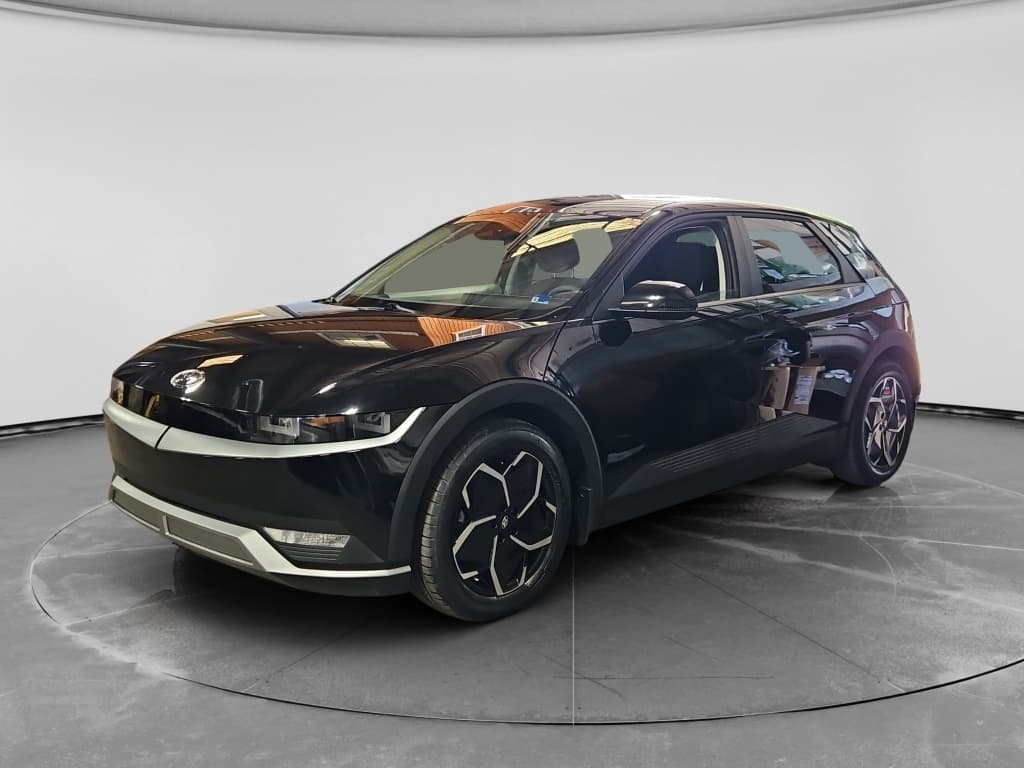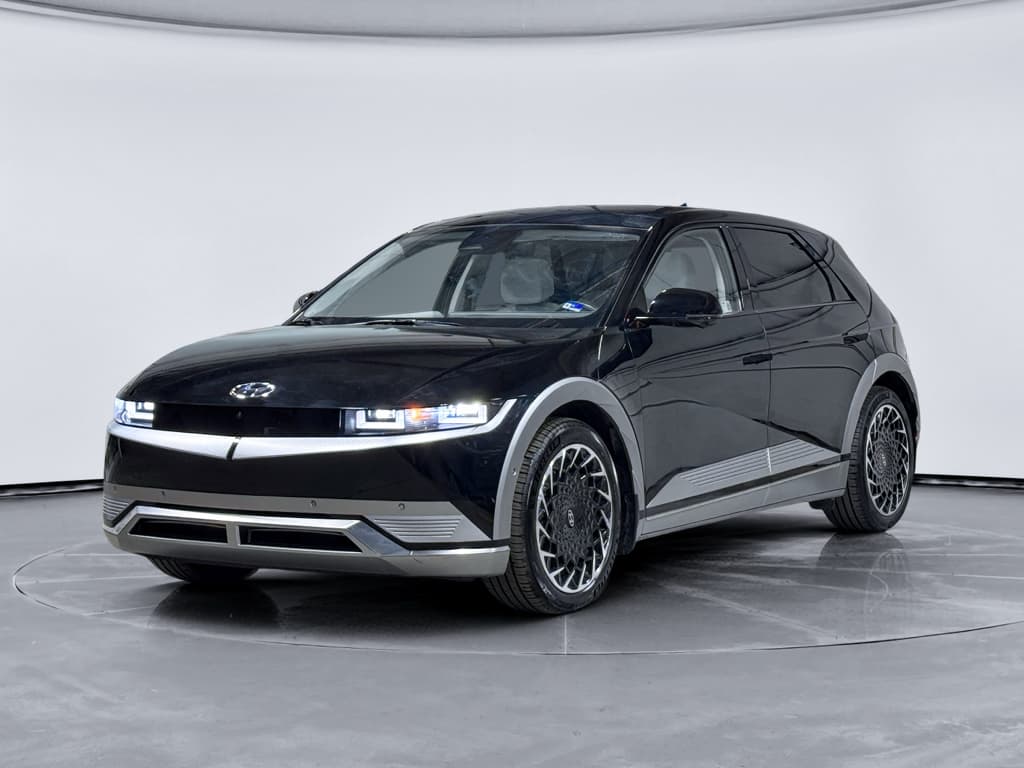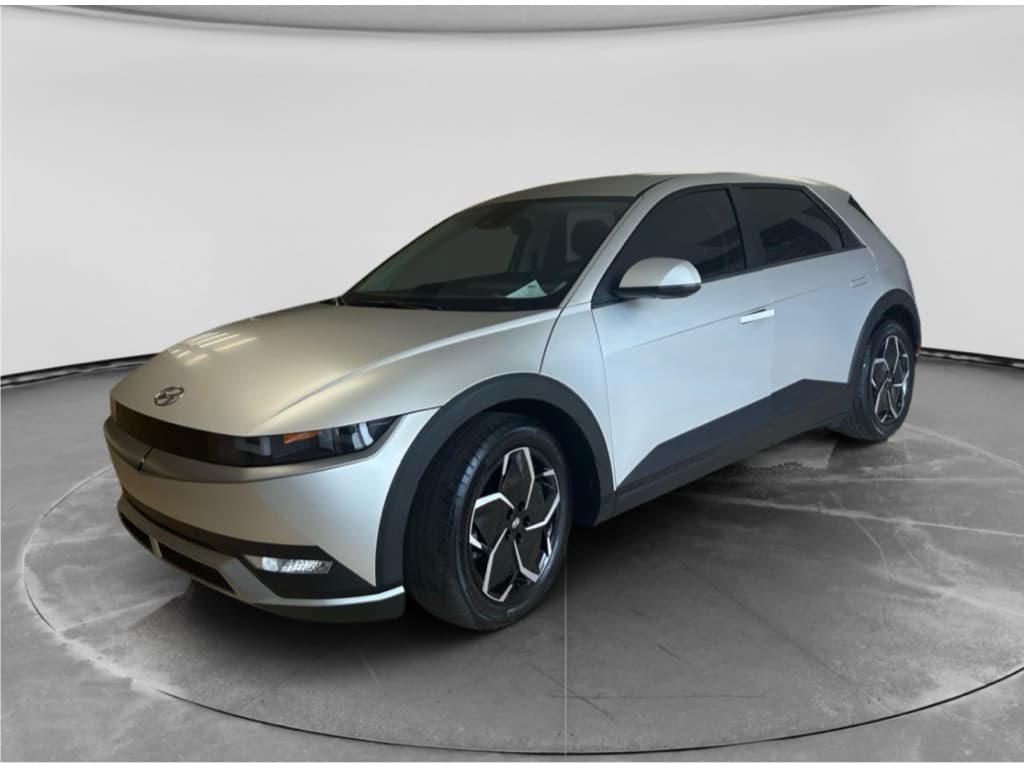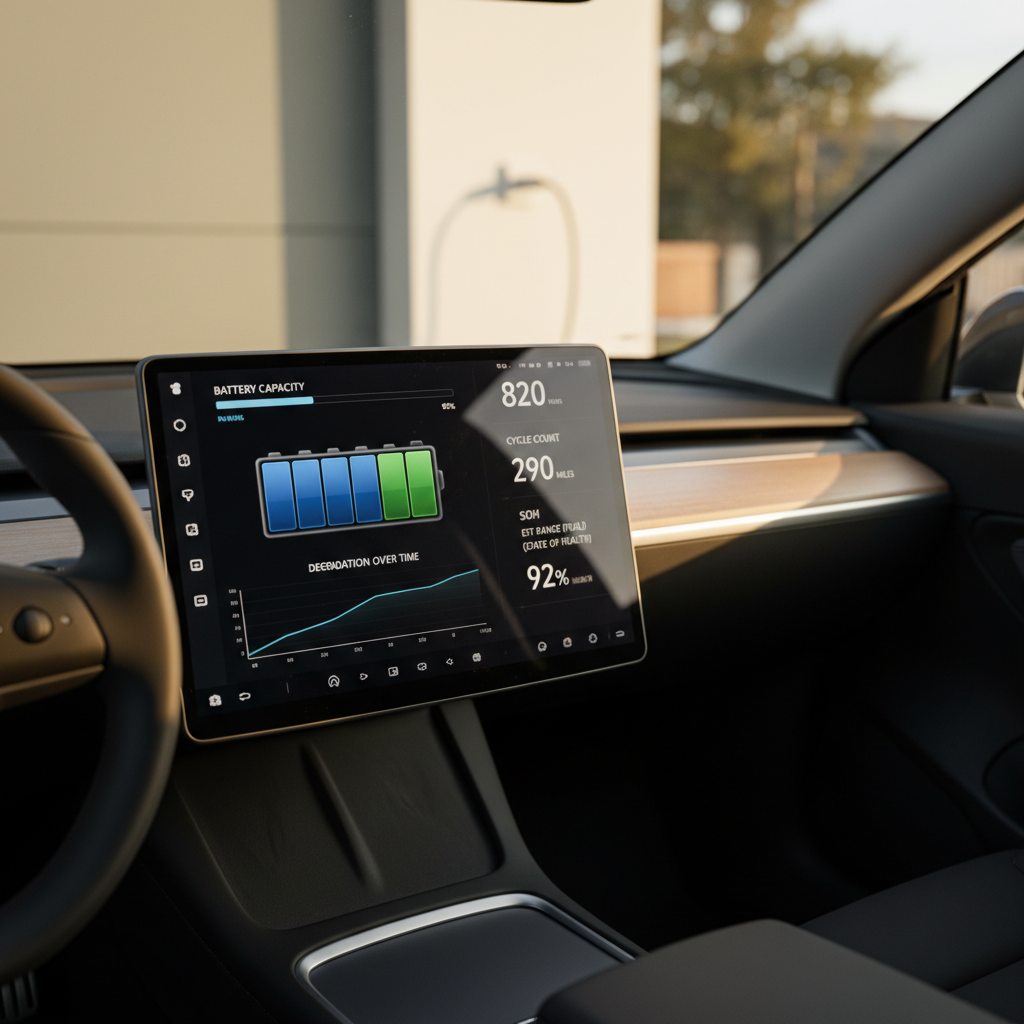
If you’re cross‑shopping the Hyundai IONIQ 5 N vs the standard IONIQ 5, you’re really choosing between two personalities built on the same excellent electric platform: a calm, roomy family EV and a full‑blown performance machine. The right answer comes down to how often you really exploit performance versus how much you value range, comfort and price.
Same bones, very different missions
IONIQ 5 N vs standard IONIQ 5: who they’re for
Standard Hyundai IONIQ 5
- Best for: Daily commuting, families, long‑distance road trips.
- Why you buy it: Strong range, comfortable ride, spacious cabin, lower price.
- Typical trims: SE, SEL, Limited in RWD or AWD.
Hyundai IONIQ 5 N
- Best for: Enthusiasts who want an EV that feels like a hot hatch or track toy.
- Why you buy it: Huge power, aggressive handling, playful features like N Grin Boost, N e‑Shift and track modes.
- Trade‑offs: Higher price, less range, firmer ride and higher tire/brake costs.
Start with your real daily use
Quick specs: Hyundai IONIQ 5 N vs standard IONIQ 5
Headline specs: IONIQ 5 N vs standard IONIQ 5 (U.S.)
Key numbers for typical 2024–2025 U.S. models. Exact figures vary by trim and wheel size, but the performance gap between the N and the standard car is huge in any configuration.
| Spec | IONIQ 5 N (2025) | IONIQ 5 standard (2024–2025, typical high‑spec AWD) |
|---|---|---|
| Drivetrain | Dual‑motor AWD | RWD or dual‑motor AWD |
| Max horsepower | Up to 641 hp with N Grin Boost | Up to ~320 hp (dual‑motor); base RWD as low as 168 hp |
| 0–60 mph | ≈3.0–3.3 seconds with launch control | ≈4.5 seconds (dual‑motor AWD); slower for RWD |
| Battery capacity | 84 kWh | 58 kWh or 77.4–84 kWh depending on year/trim |
| EPA range | Around 221 miles | Up to about 303 miles (RWD, long‑range battery) |
| DC fast charging | 10–80% in ~18 minutes (350 kW) | Same 800‑V architecture; similar 10–80% in ~18 minutes |
| Starting MSRP (new) | Around mid‑$60,000s | Low‑$40,000s for base; high‑$50,000s for fully‑loaded AWD |
| Ride & noise | Firm, louder tires, more road feel | Softer, quieter and more relaxed |
| Brakes & tires | Big performance brakes, sticky summer tires | Smaller brakes, all‑season tires on most trims |
Always confirm exact specs for the model year and trim you’re considering, especially if you’re shopping used.
How big is the performance gap?
Performance and driving feel
On paper the IONIQ 5 N vs standard IONIQ 5 matchup looks simple: more power and grip versus more comfort and range. On the road, the differences are even starker. These two may look like cousins, but they drive like completely different vehicles.
How they drive: calm cruiser vs corner rascal
Same basic platform, two very different personalities.
Standard IONIQ 5: relaxed and refined
- Quick in any dual‑motor trim, but tuned for smooth, quiet acceleration.
- Soft suspension and taller sidewalls soak up broken pavement.
- Steering is light and user‑friendly; it feels like a family crossover, not a sports car.
- Plenty of grip for everyday driving, but all‑season tires will give up before the chassis does if you push hard.
IONIQ 5 N: track‑capable EV hot hatch
- Dual motors and N Grin Boost deliver towering power; launch control turns it into a drag‑strip weapon.
- Electronically controlled suspension, e‑LSD and sticky summer tires dramatically boost cornering grip.
- Huge brakes resist fade in repeated hard stops far better than the standard car.
- Software tricks, N e‑Shift and Active Sound+, simulate gearshifts and exhaust for an old‑school performance feel.
Summer tires, winter reality
One subtle but important difference: how hard each version asks you to pay attention. The standard IONIQ 5 is easygoing, with fewer harsh impacts and a quieter cabin. The N stays busier over rough roads, constantly reminding you it was tuned with lap times in mind. Enthusiasts tend to love that; passengers who just want to relax may not.
Battery, range and charging
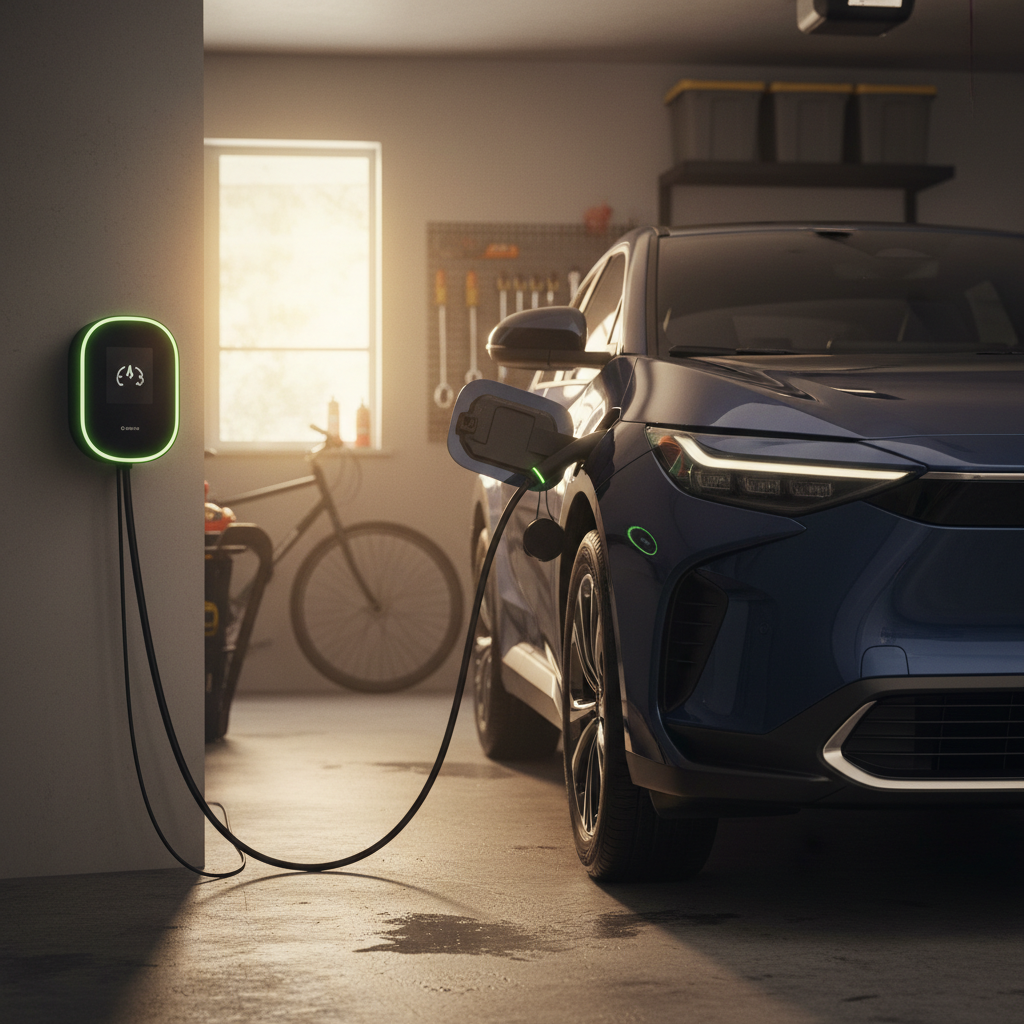
Both cars share Hyundai’s 800‑volt E‑GMP architecture, so charging performance is excellent across the board. With a capable DC fast charger, either model can go from about 10% to 80% in roughly 18 minutes under ideal conditions. Where they split is how far you can go between charges, and how sensitive they are to driving style.
- Standard IONIQ 5 RWD with the larger battery delivers some of the best real‑world range in its class, with EPA ratings around the 300‑mile mark when spec’d for efficiency.
- The same car in AWD form sacrifices a little range for traction and power but still out‑distances most rivals in daily use.
- IONIQ 5 N uses a large 84 kWh pack but trades efficiency for performance, ending up around the low‑200‑mile range on the EPA cycle.
- Drive the N like it invites you to, with heavy throttle and frequent Boost, and you should expect to see range fall more quickly than in a gently‑driven standard car.
Same plugs, same networks
If you road‑trip often, those extra 70–80 miles of rated range in an efficient rear‑drive IONIQ 5 translate into one or two fewer charging stops in a long day behind the wheel. Around town, the gap matters less, as long as you can charge at home or work, both versions are easy to live with.
Comfort, space and everyday usability
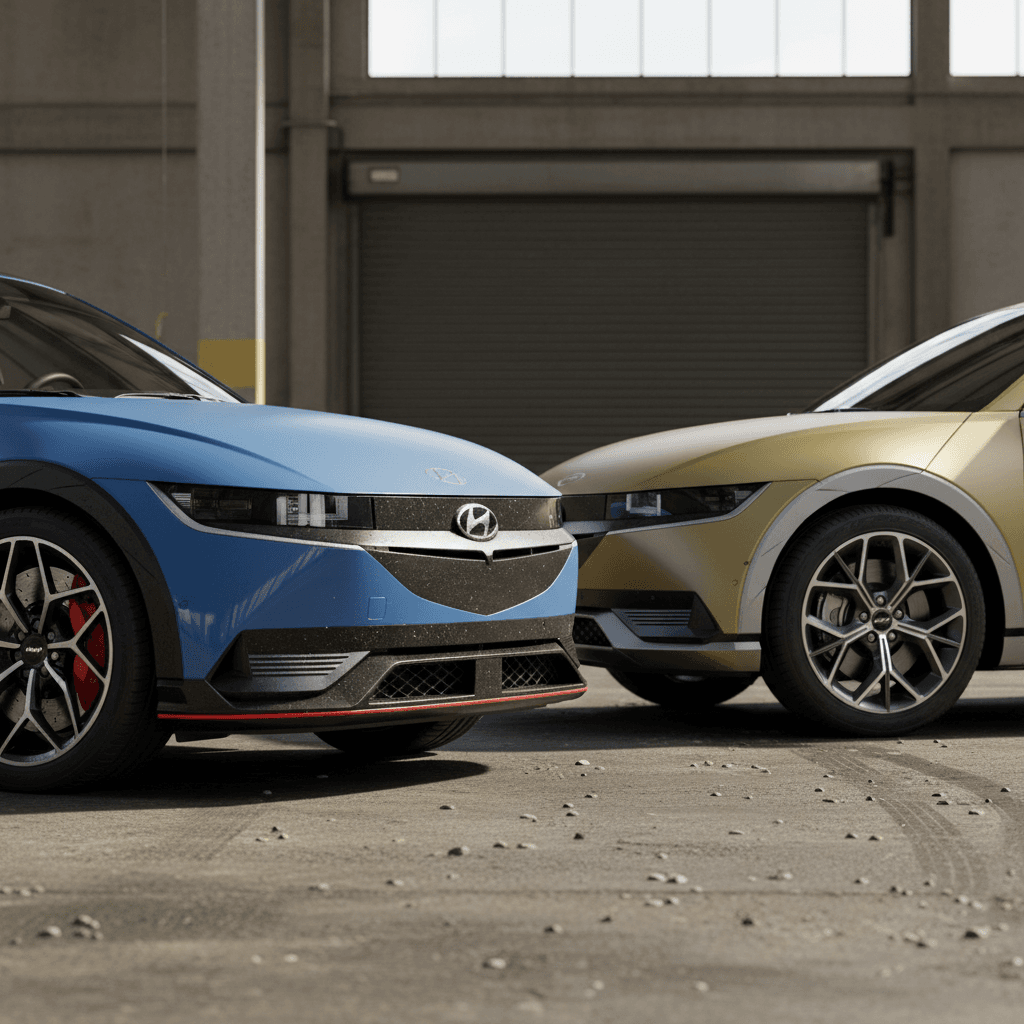
From ten feet away, some people may not spot the difference between an IONIQ 5 N vs a standard IONIQ 5. Up close and from inside, the contrast is obvious. Hyundai reshaped, stiffened and re‑trimmed the N to handle track punishment; the regular IONIQ 5 prioritizes airy space and flexibility.
Interior and practicality: where they diverge
Same basic cabin concept, but very different priorities.
Standard IONIQ 5: lounge‑like EV
- Sliding center console and available reclining “zero‑gravity” front seats on many trims.
- Open, minimalist cabin with lots of legroom and a flat floor front and rear.
- Quieter tire and wind noise, especially on smaller wheels and all‑season tires.
- Panoramic glass roof, head‑up display and other comfort tech available on upper trims.
IONIQ 5 N: focused driving environment
- Deeply bolstered sport seats with N logos hold you in place during hard cornering.
- More aggressive steering wheel with programmable N mode buttons.
- Fixed center console with knee pads for bracing on track days.
- Slightly lower seating position and firmer ride; less of the living‑room feel of the standard car.
Passenger comfort verdict
Ownership costs, pricing and value
On a monthly‑payment basis, the gap between an IONIQ 5 N vs a well‑equipped standard IONIQ 5 can be significant. New, the N sits at the top of the lineup, thousands of dollars above a fully‑loaded dual‑motor Limited. That premium doesn’t disappear when you factor in insurance, tires and brakes.
- New IONIQ 5 pricing in the U.S. generally starts in the low‑$40,000s for base rear‑drive models and climbs into the high‑$50,000s for fully‑loaded AWD trims.
- The IONIQ 5 N arrives around the mid‑$60,000s and typically carries fewer comfort options than a top‑trim Limited but vastly more performance hardware.
- Expect higher insurance quotes for the N thanks to its price, performance envelope and expensive tires and brakes.
- Speaking of tires and brakes: wider, stickier rubber and big performance brake components on the N cost noticeably more to replace than those on the standard car.
Budget for consumables on the N
On the flip side, both versions benefit from EV‑friendly running costs: no oil changes, fewer moving parts, and the potential to save substantially on “fuel” if you can charge at home on affordable electricity. From a long‑term cost‑of‑ownership standpoint, the standard IONIQ 5’s lower purchase price and better efficiency keep it the better value for most households.
Which IONIQ 5 should you buy?
Ask yourself these questions before choosing
1. How often do you really use max performance?
If your current car rarely sees full‑throttle runs or canyon drives, the IONIQ 5 N’s capabilities may be wasted on you. The standard dual‑motor IONIQ 5 is already very quick by traditional SUV standards.
2. Is this your only car?
If you don’t have a second, more relaxed vehicle in the garage, think carefully about living with the N’s firmer ride and higher consumable costs every day. A regular IONIQ 5 is easier to recommend as an all‑rounder family EV.
3. How important is range for your lifestyle?
Frequent long highway drives tilt the decision toward a rear‑drive, long‑range IONIQ 5. The N can road‑trip, but you’ll stop more often and be more affected by cold weather or higher speeds.
4. Do you plan to track or autocross the car?
If timed laps and weekend events are already part of your life, the N’s upgraded cooling, brakes and drive modes start to make real sense. It’s engineered to survive that abuse in a way the standard car simply isn’t.
5. What’s your tire and brake budget?
Even if you never hit a track, hard driving in an IONIQ 5 N will consume tires and brakes quickly. If you’re very payment‑sensitive, remember that these ongoing costs can erase some of the EV savings you were counting on.
6. How much do you care about comfort features?
Top‑trim standard IONIQ 5 models can be optioned with features, like a panoramic roof, head‑up display or super‑flexible console, that you may not find on the N. Decide whether you want a performance cockpit or a rolling living room.
If you want a do‑everything family EV
Choose a standard IONIQ 5, ideally with the larger battery and rear‑wheel drive if you prioritize range, or dual‑motor AWD if you want a strong blend of traction and power. You’ll get excellent fast‑charging, real‑world range, a comfortable ride and a genuinely spacious cabin.
If you want a road‑legal track toy
Choose the IONIQ 5 N. It’s one of the few EVs tuned from the factory for genuine track use, with software, cooling and chassis hardware designed for repeated hard laps. You’ll give up some range and comfort, but you gain an EV that can make you grin every time you press its bright N buttons.
Buying a used IONIQ 5 or IONIQ 5 N
Because the IONIQ 5 has been on sale longer than the N, the used market is already rich with choices, from basic commuter builds to well‑equipped AWD models. Early IONIQ 5 N examples are starting to appear used as well, often with low miles but unknown track history. That’s where buying from a source that can verify battery health and prior use really matters.
How Recharged can help
Used IONIQ 5 vs used IONIQ 5 N: what to watch for
Same checklist categories, different risk profiles.
Battery health
Standard IONIQ 5: Look for a battery health report, especially on high‑mileage ride‑share or road‑trip cars.
IONIQ 5 N: Pay even closer attention if the car has been tracked; repeated hard use and frequent DC fast charging can stress the pack more quickly.
Tires, brakes & suspension
Standard IONIQ 5: Expect normal wear and more affordable replacement costs.
IONIQ 5 N: Inspect for uneven tire wear, brake heat cracking and tired dampers, signs of hard track days.
History & warranty
Confirm remaining factory EV and powertrain warranties, check for open recalls and review service records. For an IONIQ 5 N, ask directly about any track use; honest, well‑documented cars are worth more than mystery cars with shiny paint and worn consumables.
Hyundai IONIQ 5 N vs standard IONIQ 5: FAQ
Frequently asked questions
In the end, the Hyundai IONIQ 5 N vs standard IONIQ 5 decision isn’t about which one is “better.” It’s about which one fits how you actually live and drive. If you want a quiet, comfortable, long‑range family EV that still feels quick, the standard IONIQ 5 is one of the best all‑rounders on the market. If you’re the kind of driver who cares as much about lap times and steering feel as you do about charging times, the IONIQ 5 N is a rare EV that delivers genuine performance‑car theatrics without giving up the everyday usability of a compact crossover.