If you’re looking at a Mini Cooper SE’s value after 3 years, you’re probably at one of two crossroads: your lease is ending and you’re wondering whether to buy it out, or you’re shopping used and trying to decide if a 3‑year‑old Mini Electric is a smart buy. In both cases, depreciation, battery health, and incentives all collide in ways that are very different from a gas Mini.
The punchline up front
Mini Cooper SE 3‑Year Value at a Glance
Mini Cooper SE 3‑Year Value Snapshot (U.S., Directional)
About the numbers in this guide
How Much Is a 3‑Year‑Old Mini Cooper SE Worth?
To anchor things, let’s take a typical example: a well‑equipped Mini Cooper SE with an original MSRP in the mid‑$30,000s. Three years later, clean history, average mileage (around 30,000–36,000 miles), and no major cosmetic damage will usually land that car somewhere in the low‑ to mid‑$20,000s as a retail listing.
Illustrative 3‑Year Mini Cooper SE Value Examples
Directional U.S. retail pricing for 3‑year‑old Minis, assuming clean title and typical mileage.
| Original MSRP | Condition at 3 Years | Odometer | Likely Retail Asking Price | Approx. % of MSRP |
|---|---|---|---|---|
| $33,000 | Good, a few minor scuffs | 24,000 mi | $22,000–$24,000 | ≈67%–73% |
| $35,000 | Average wear, full service records | 32,000 mi | $21,000–$23,000 | ≈60%–66% |
| $37,000 | High mileage commuter | 45,000 mi | $19,000–$21,000 | ≈51%–57% |
| $37,000 | Excellent, low miles, rare color | 18,000 mi | $24,000–$26,000 | ≈65%–70% |
These are ballpark ranges, not appraisals. Actual values depend heavily on trim, options, mileage, region, and timing.
Those percentages may look harsh if you simply compare MSRP to resale. But for many first owners, the effective purchase price was significantly lower because of federal and local incentives, plus lease or dealer discounts. Once you correct for that, 3‑year depreciation on a Mini SE often lands closer to one‑third of the real money they put into the car, not half.
Run the math from your actual out‑of‑pocket
Why the Mini Cooper SE Depreciates the Way It Does
Key Drivers of Mini Cooper SE Depreciation
The Mini Electric doesn’t follow the exact same curve as either gas Minis or longer‑range EVs.
Limited Range
The first‑generation Mini Cooper SE’s real‑world range sits well below many newer EVs. For buyers who want an EV that can be the only car in the household, that’s a deal‑breaker and it softens demand in the used market.
Aggressive New‑Car Incentives
For years, Mini leaned on attractive lease programs and the $7,500 federal incentive to move SEs. Those programs pull new‑car transaction prices down, which in turn pushes used prices lower to stay compelling.
Niche Use Case
The Mini Electric is a brilliant short‑range city car, not a road‑trip machine. That narrow use case shrinks the pool of used buyers compared with, say, a longer‑range Kona Electric or Bolt EUV.
Compared with gas Minis
Historically, gas Minis have depreciated faster than some mainstream compact cars because they’re premium‑priced niche products with relatively high running costs. That pattern still matters, because used‑car shoppers often cross‑shop gas and electric Minis side by side.
The good news is that the SE dodges some of the long‑term engine and transmission worries that weigh on older gas Minis. That helps support its value once shoppers understand they’re not staring down the same repair risks.
Compared with other small EVs
On the EV side, the Mini SE’s depreciation looks a lot like other short‑range compliance‑era EVs such as early BMW i3s and Fiat 500e models. All of them suffered when newer EVs arrived with much better range for similar money.
But as prices on long‑range EVs climbed and interest rates rose, the Mini’s positioning as a fun, relatively affordable second car has become clearer. That’s one reason why its depreciation curve has started to flatten in the mid‑2020s instead of falling off a cliff.
Gen‑2 Mini Electric will reset expectations
Battery Health and Warranty: How Much Do They Matter?
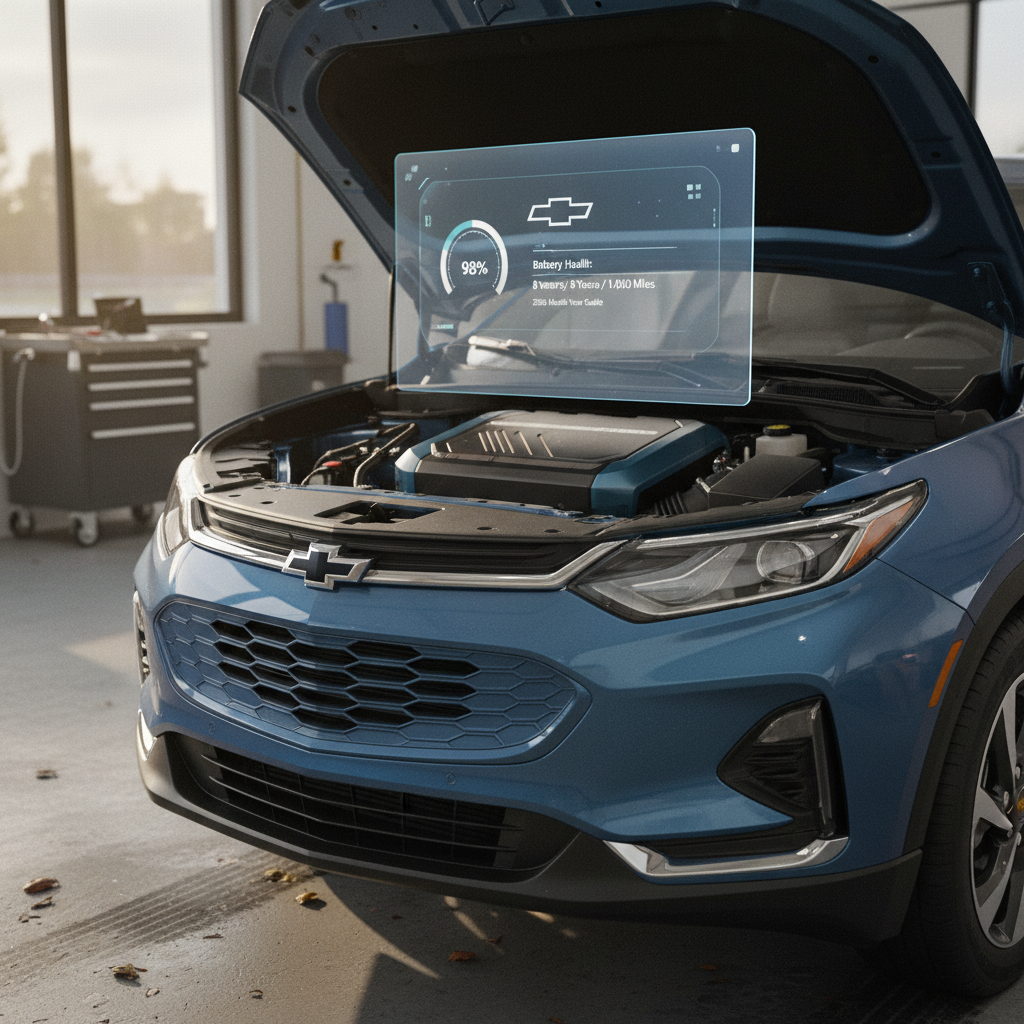
Battery health is the single biggest technical question on any used EV, and the Mini Cooper SE is no exception. The upside is that Mini’s high‑voltage battery is covered by a 8‑year / 100,000‑mile warranty in the U.S. on many models, usually against excessive capacity loss and defects. At 3 years, you’re still very early in that coverage window.
Battery Checks That Influence 3‑Year Value
1. Confirm remaining battery warranty
Look up the in‑service date (when the car was first sold or leased) and check that there are at least 5 years or tens of thousands of miles of battery coverage left. More remaining warranty generally means stronger value and easier resale later.
2. Ask for a battery health report
A quantitative battery health report or scan is far more useful than vague assurances. At Recharged, every Mini Cooper SE gets a <strong>Recharged Score battery report</strong> so you can see how the pack is actually aging, not just guess from range estimates.
3. Compare displayed range to spec
On a full charge, a healthy Mini SE shouldn’t be dramatically below its typical real‑world range for that generation. Modest degradation is normal; steep losses may justify a meaningful price discount.
4. Review charging history and use
Cars that lived on Level 2 at home and rarely fast‑charged tend to age more gently than those hammered with frequent DC fast charging. A seller who can explain how they charged the car is usually a good sign.
Why battery transparency adds value
Leasing vs Buying: How 3‑Year Value Plays Out
With the Mini SE, the lease vs buy decision is tightly tied to its somewhat quirky depreciation curve. Mini’s own captive finance arm has historically written cautious residuals for the SE, often around the low‑40% range after 36 months, because they know the car’s range limits narrow its used‑market audience.
What 3 Years Looks Like: Lease vs Purchase
Same car, very different risk profiles.
If you leased your Mini SE
- Your residual (buyout) is usually set based on a conservative future value, often around 40–45% of MSRP at 36 months.
- Because many leases baked in the $7,500 federal incentive as a cap‑cost reduction, your monthly payment reflected a lower effective price than MSRP.
- At lease end, it’s common to find that your car is worth a bit more in the market than the residual, especially if you drove fewer miles or kept it in excellent condition.
Result: Many lessees have the option to buy out the car and still be “in the money,” or at least break even compared with just turning it in.
If you bought your Mini SE new
- Your out‑of‑pocket price may have been reduced by a federal tax credit (if you qualified) and dealer discounts.
- Three years in, your depreciation looks steeper on paper, often 35–45% of what you spent, even if the car still feels nearly new.
- Because interest rates and new‑EV pricing have risen, your 3‑year‑old Mini might now look comparatively attractive to budget‑minded EV shoppers.
Result: You carried more risk than a lessee, but in today’s market the resale hit for a well‑bought Mini SE is often manageable.
Use your buyout as a benchmark
How the Mini Cooper SE Compares to Other Small EVs
Value is always relative. A 3‑year‑old Mini SE doesn’t compete with full‑size crossovers; it competes with other small used EVs you might buy as a commuter or second car. In that crowd, it’s rarely the cheapest option on paper, but it does a few important things better than most.
3‑Year‑Old Mini SE vs Other Affordable Small EVs
Directional comparison of how 3‑year‑old examples tend to stack up in the U.S. used market.
| Model (≈3 yrs old) | Typical Price Band | Ease as Only Car | Fun / Character | Perceived Value |
|---|---|---|---|---|
| Mini Cooper SE | Low–mid $20Ks | Limited by range | Very high | Strong for city/2nd‑car use |
| Chevy Bolt EV | Low–mid $20Ks | Good (longer range) | Moderate | Excellent practical value |
| Nissan Leaf (40 kWh) | High teens–low $20Ks | Decent | Low–moderate | Strong budget choice |
| BMW i3 (late model) | Low–mid $20Ks | Limited range | Quirky / high | Good for enthusiasts |
| Fiat 500e (older) | Low teens | Short range | High in town | Best as cheap urban runabout |
Specific prices and percentages are generalized; always compare actual vehicles locally.
Who gets the most value from a 3‑year‑old Mini SE?
Tips for Sellers: Maximizing Your Mini SE’s Value
Seller Playbook: Get Top Dollar for a 3‑Year‑Old Mini SE
1. Time your sale before the 4‑year mark
Once the basic new‑car warranty ages out, buyers start mentally discounting for future repairs, even though the battery warranty runs longer. Listing your Mini SE around 3 years old keeps it in the “still feels new” bucket.
2. Gather documentation and battery data
Service records, tire receipts, and especially <strong>battery health documentation</strong> go a long way. If you’re selling through Recharged, our Recharged Score covers battery diagnostics and pricing, which helps justify your asking price.
3. Highlight lifestyle fit, not just specs
In your listing, lean into how the car was actually used: short commute, garaged at night, home Level 2 charging, no winter road‑salt, etc. That’s more persuasive than repeating the EPA range that everyone can Google.
4. Fix cheap cosmetic issues
Curb‑rashed wheels and scuffed bumper corners are common on city Minis. Professionally touching these up is inexpensive compared with the <strong>perceived quality boost</strong> it gives shoppers walking the lot or scrolling photos.
5. Price against real comps, not dreams
Look at what similar Minis <em>actually sell for</em>, not just aspirational listings. If you’re thousands above clean comps with no clear reason, the car will just sit, and that holding time is a cost too.
Don’t ignore the second buyer’s math
Tips for Buyers: Spotting a Fair Deal on a 3‑Year‑Old Mini SE
What a “fair” 3‑year‑old Mini SE looks like
- Price in the pack: It’s priced near the center of the range for similar year/mileage cars, not at the top without justification.
- Transparent history: Clean title, verifiable service records, and a consistent story about how the car was used and charged.
- Plenty of battery warranty left: Ideally at least 5 years and 50,000+ miles of coverage remaining.
- Normal cosmetic wear: Honest but tidy interior, no glaring accident repairs, and wheels/bodywork that match the age and mileage.
Red flags worth walking away from
- Vague answers on range or battery health: If the seller can’t or won’t talk concretely about current range, that’s a sign to dig deeper.
- Oddly low or high pricing: A bargain that’s thousands below market usually comes with a catch; a price thousands above needs exceptional justification (ultra‑low miles, rare spec, showroom condition).
- Evidence of heavy DC fast‑charging: Not a deal‑breaker by itself, but regular long‑distance fast‑charging on a short‑range EV is harder on the pack.
Use total cost of ownership, not price alone
How Recharged Evaluates Mini Cooper SE Value
Used EV pricing is where battery tech, incentives, and human behavior all collide. That’s why Recharged doesn’t just look at book values when we price a Mini Cooper SE, especially at the crucial 3‑year mark.
The Recharged Approach to Mini Cooper SE Valuation
More than a guess at depreciation curves.
Recharged Score battery diagnostics
Every Mini Cooper SE listed on Recharged comes with a Recharged Score Report that includes verified battery health. That lets us separate strong packs from outliers and price accordingly, rather than assuming all 3‑year‑old Minis age the same.
Real transaction data
We track how Minis actually sell, wholesale lanes, retail listings, and our own marketplace data, so our value estimates reflect today’s reality, not year‑old assumptions.
EV‑specialist support & logistics
From instant offers and consignment options to financing and nationwide delivery, Recharged is built to make buying or selling a used EV as straightforward as possible, with Mini‑savvy advisors who understand the SE’s quirks.
Ready to find your next EV?
Browse VehiclesIf you’re considering selling your Mini Cooper SE, Recharged can give you an instant offer or help you consign it at a market‑realistic price. If you’re buying, our curated inventory and transparent battery reporting mean you’re not guessing about the single most expensive component on the car.
Mini Cooper SE 3‑Year Value FAQ
Frequently Asked Questions About 3‑Year‑Old Mini Cooper SE Values
Bottom Line: Is the Mini Cooper SE a Good 3‑Year Buy?
If you judge cars purely by range or straight‑line depreciation charts, the Mini Cooper SE won’t look like a star. But that misses the point. As a 3‑year‑old used EV, it’s a small, stylish, well‑built city car with much of its battery life and warranty still ahead, priced in the same ballpark as anonymous commuter appliances.
The key is fit. If your daily use lives comfortably inside the Mini’s range envelope, a 3‑year‑old SE can deliver a genuinely premium experience at a relatively modest used‑car price. If you need one EV to do everything, you’re better off paying more up front for longer range. Whichever camp you’re in, approaching the Mini’s 3‑year value with clear eyes, looking at incentives, battery health, and your actual driving needs, will keep you from overpaying or undervaluing a very charming little car.
And if you’d rather not navigate that alone, Recharged’s used‑EV specialists, Recharged Score battery diagnostics, financing options, trade‑in support, and nationwide delivery are all built around one idea: making it simple and transparent to buy or sell the right EV, at the right price, for the way you actually drive.