If you’re eyeing a Hyundai Ioniq 5, you’re probably wondering one very practical thing: how much cargo space does it really have with the seats down? Specs sheets toss around cubic‑feet numbers, but that doesn’t tell you whether the car can swallow a Costco run, a bike, or a heap of flat‑pack furniture.
Why cargo space matters more in an EV
Hyundai Ioniq 5 cargo space with seats down: the short version
Hyundai Ioniq 5 cargo space at a glance
Across U.S. and European spec sheets, the Hyundai Ioniq 5 offers roughly 58.5–59.3 cubic feet of cargo space with the rear seats folded flat. That puts it in the heart of the compact/midsize crossover class: enough for big box store adventures, bikes, and moving day, even if it doesn’t quite match the biggest cargo monsters like a Tesla Model Y.
Think in shapes, not just cubic feet
Official Hyundai Ioniq 5 cargo numbers and what they mean
Hyundai Ioniq 5 cargo specs by source
Published cargo specs vary slightly by region and test method, but they all tell the same story: generous space for a compact EV crossover.
| Source / Region | Seats Up (cu ft) | Seats Down (cu ft) | Notes |
|---|---|---|---|
| U.S. market (typical spec sheet) | 26.3 | 58.5 | Commonly quoted in U.S. reviews for recent model years |
| Hyundai dealer materials (U.S.) | 27.2 | 59.3 | Sometimes slightly higher due to rounding and trim differences |
| UK / EU brochures (VDA liters) | 18.6 | 56.0 | Roughly 527 / 1,587 liters; converts to ~18.6 / 56 cu ft |
| Australia (VDA liters) | 18.4 | 55.9 | Around 520 / 1,580 liters in recent spec guides |
Cargo figures for global Ioniq 5 models are broadly consistent even when measured with different standards (SAE vs VDA).
The variation you see, 26.3 vs 27.2 cubic feet seats‑up; 58.5 vs 59.3 seats‑down, isn’t Hyundai playing games. It comes from different measurement standards and trim details (spare tire or repair kit, audio system hardware, etc.). From a shopper’s point of view, you can safely think of the Ioniq 5 as a **~26–27 cu ft trunk that opens up to about 59 cu ft with the rear seats folded**.
Be cautious with internet cargo charts
Key Hyundai Ioniq 5 cargo dimensions with seats folded
Approximate cargo dimensions
- Load length (hatch to folded seatbacks): roughly 6 feet (about 72 in) with the rear seats folded, more if you recline or slide the front seats forward.
- Max diagonal length: owners report fitting items around 9 ft diagonally by using the front passenger footwell and reclining the front seat.
- Load width between wheel arches: a bit over 3 ft, enough for standard moving boxes and most flat‑pack furniture boxes.
- Height to cargo cover: just under 2.5 ft with the cover in place; significantly more if you remove it.
These figures are based on published specs converted from liters plus real‑world owner measurements. Always double‑check against your own gear.
Seat flexibility that helps cargo
- 60/40 split‑folding rear bench: you can drop one side to carry long items while keeping a rear passenger.
- Sliding rear seats: the second row can slide forward several inches, trading legroom for more cargo depth.
- Reclining rear seatbacks: allows fine‑tuning of load height vs. comfort when you’re mixing people and stuff.
- Nearly flat floor: the dedicated EV platform means there’s no driveshaft hump, so long, flat loads sit nicely.
It’s not a full minivan, but as electric crossovers go, the Ioniq 5 plays well above its compact footprint.
What actually fits in an Ioniq 5 with the seats down?
Real‑world "will it fit?" scenarios
Owner anecdotes plus dimensions give a clearer picture than specs alone.
Airport luggage and strollers
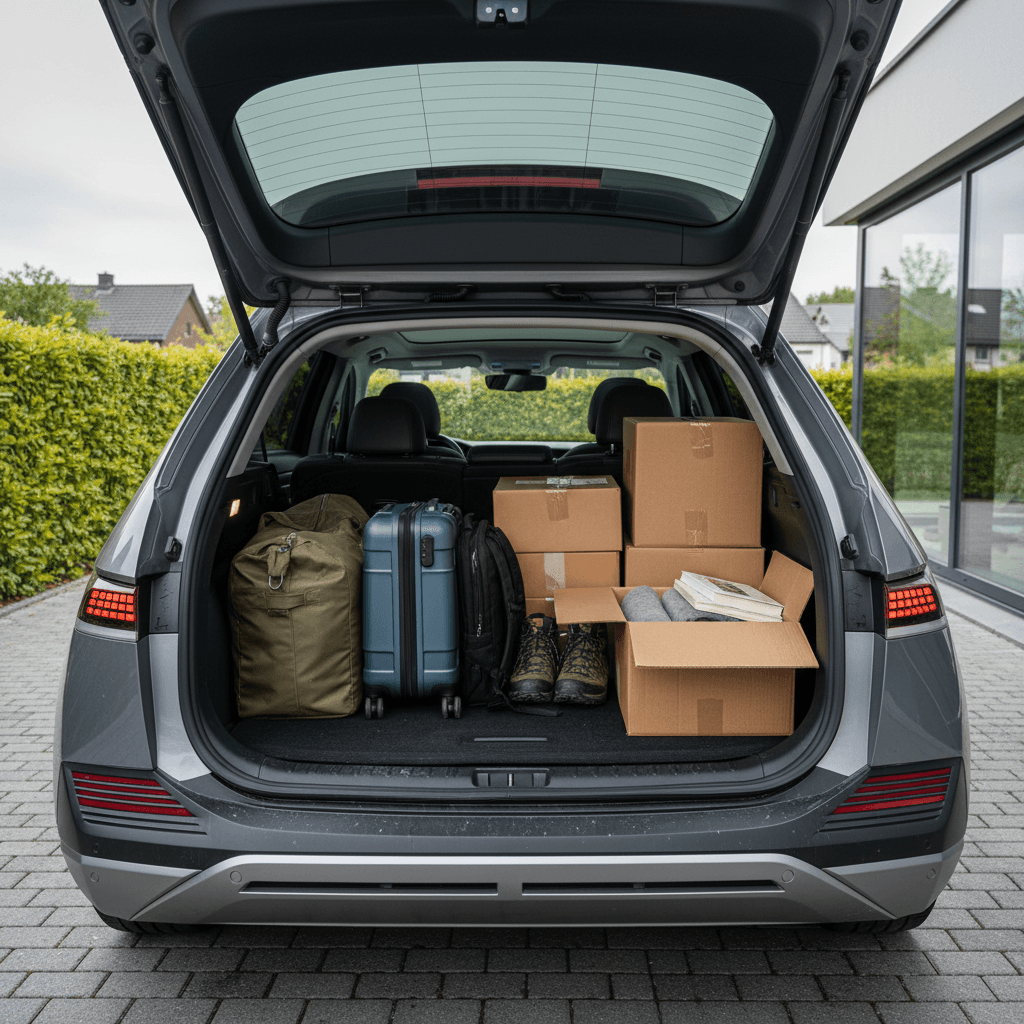
With the rear seats folded flat, the Ioniq 5 will comfortably take:
- 4–5 full‑size suitcases plus several carry‑ons, or
- 2 big suitcases, a jogging stroller, and soft duffel bags.
Even with seats up, the boxy shape means vertical stacking works well.
Outdoor gear and bikes
Owners routinely fit:
- One full‑size mountain bike with the front wheel removed.
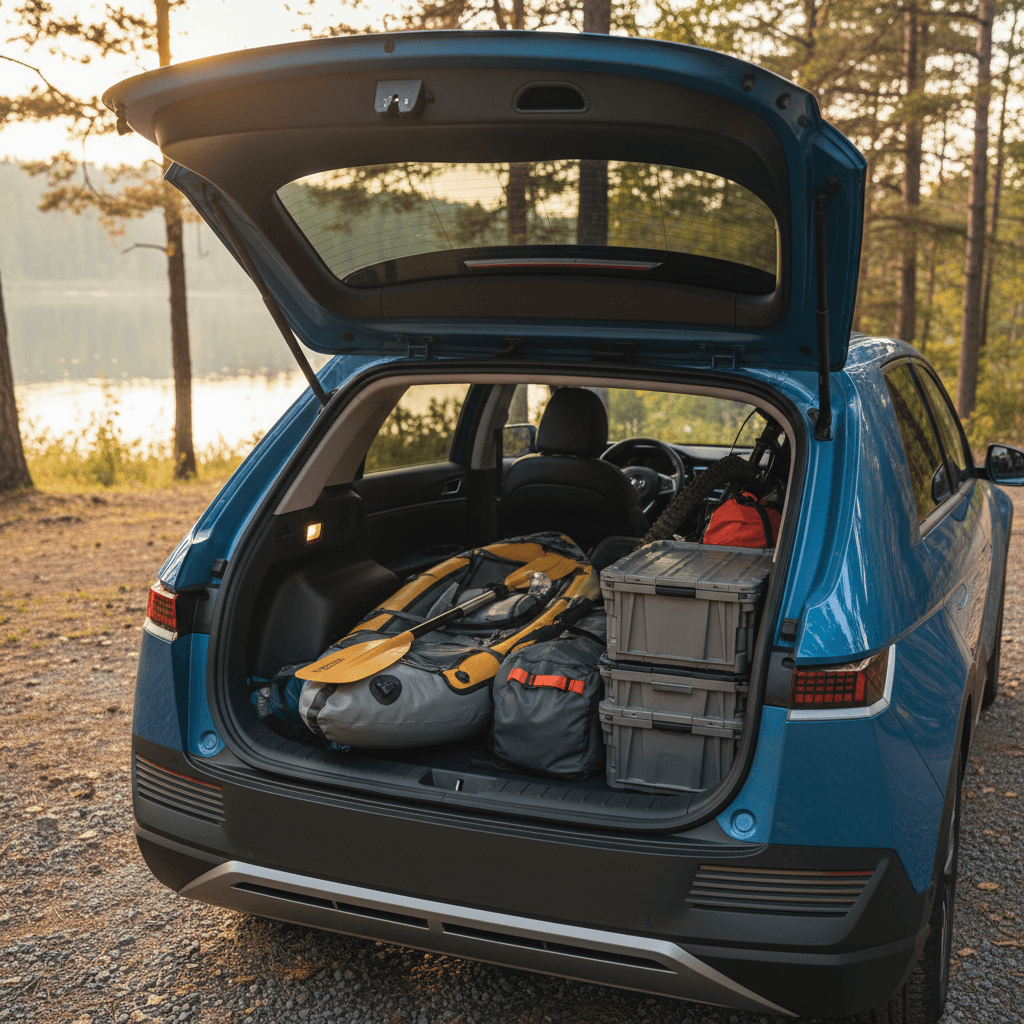
- Camping bins, coolers, and tents for a long weekend.
- Skis or snowboards using the 40% split folded side.
The flat floor makes sliding heavy gear in and out less of a lower‑back workout.
Furniture & home improvement
Think of the Ioniq 5 as a compact moving van:
- Flat‑pack IKEA wardrobes and bookcases up to ~6 ft fit easily.
- Boards and trim in the 7–8 ft range can ride diagonally with the front seat reclined.
- Owners report hauling 45‑gal trash bins, 6‑ft ladders, and stacks of storage totes.
If you routinely carry 8‑ft lumber or giant sofas, you’ll still want a roof rack or a trailer.
Quick test for your own stuff
Ioniq 5 cargo space vs other electric crossovers
Ioniq 5 cargo space vs key EV rivals (seats down)
How the Hyundai Ioniq 5’s max cargo volume compares with popular electric crossovers when you fold the rear seats.
| Model | Rear Seats Up (cu ft) | Seats Down (cu ft) | Takeaway |
|---|---|---|---|
| Hyundai Ioniq 5 | ≈26–27 | ≈58–59 | Strong, square cargo hold; good balance of size and maneuverability |
| Tesla Model Y | ≈29 | ≈71 | Undisputed cargo king; more vertical and overall volume |
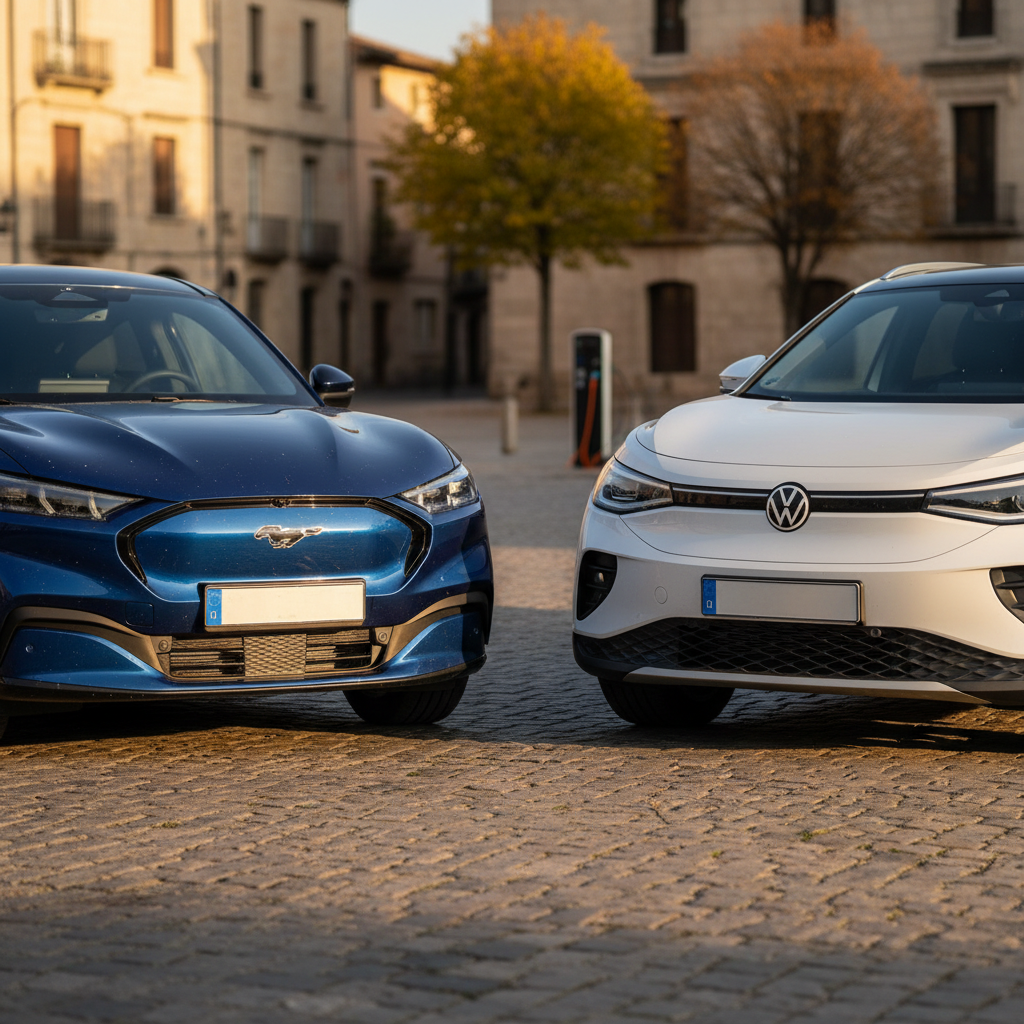
| Ford Mustang Mach-E | ≈29 | ≈60 | Very similar to Ioniq 5 in max volume; floor not quite as flat |
| VW ID.4 | ≈30 | ≈64 | A bit roomier overall but feels less airy inside |
| Kia EV6 | ≈24 | ≈50 | More style‑forward; cargo area is tighter and lower than Ioniq 5 |
Specs are rounded and may vary slightly by model year and trim, but this snapshot shows the Ioniq 5 in context.
On paper, the Ioniq 5 lands right in the middle of the EV crossover pack. It doesn’t match the Tesla Model Y’s cavernous rear, but it also doesn’t feel compromised the way some sleeker “coupe‑ish” crossovers do. If your life looks like groceries, sports gear, and the occasional IKEA expedition, the Ioniq 5’s cargo space will feel more than adequate.
Where the Ioniq 5 punches above its numbers
Families, dogs, and road trips: how usable is the space?
How the Ioniq 5 cargo area works in real life
1. Two kids plus stroller and luggage
With car seats installed in the second row and the seats left upright, you’ll live mostly with the 26–27 cu ft trunk. That’s enough for a stroller and a couple of suitcases. For vacation packing, fold part or all of the rear bench, and you suddenly have a flat platform for luggage Tetris while kids ride in front.
2. Dog crates and pet gear
The flat floor and tall opening make sliding in a medium or large dog crate straightforward once the rear seats are folded. Soft‑sided crates and beds are even easier, pile them high with the privacy cover removed.
3. Road‑trip food and coolers
Coolers, camp stoves, and storage bins stack neatly in the squared‑off space. The rear seats’ sliding function is handy here; you can move them forward a notch to buy extra room without totally sacrificing legroom if you’re mixing passengers and cargo.
4. Sleep‑in‑the‑car setup
If you’re under about 6 feet tall, you can create a surprisingly usable sleeping platform with the rear seats folded and a mattress pad or camping mat over the gap. Just remember that the rear slope of the hatch means headroom tapers towards the tailgate.
Camping hack
Packing tips to maximize Ioniq 5 cargo room
- Remove the retractable cargo cover before big loads. It robs you of crucial vertical space and is easy to pop out and stash at home.
- Slide the rear seats forward before folding them. This can help minimize the small gap that appears between the folded seatbacks and the cargo floor.
- Use soft bags instead of hard suitcases. Duffels and packing cubes mold into the Ioniq 5’s corners and under the sloping hatch better than rigid luggage.
- Load heavy items low and forward. Put the biggest, densest items against the back of the folded seats, then lighter stuff on top and toward the hatch.
- Exploit the under‑floor storage. The space under the rear cargo floor is perfect for charging cables, small tools, and emergency gear, freeing the main area for bulky items.
- Think multi‑level. A simple set of storage cubes or stacking bins creates tiers, making it easier to see and access stuff without wasting vertical room.
Safety first when fully loaded
Buying used? Cargo-area checks that matter
If you’re shopping for a used Hyundai Ioniq 5, the cargo area can quietly reveal how the car has been treated. This is especially true on vehicles that have lived as family haulers or rideshare workhorses.
Cargo‑area inspection checklist for a used Ioniq 5
Five minutes in the hatch can save you from a tired, overworked example.
Check the floor and side trim
Lift the cargo floor panel. Look for:
- Cracked or warped panels.
- Stains, dampness, or rust on exposed metal.
- Missing foam pieces or tools.
Heavy damage here can hint at rough use or flood exposure.
Inspect tie‑downs and seatbacks
Make sure the D‑rings, hooks, and seatback latches are all present and not bent. Check that:
- Seatbacks fold and lock smoothly on both sides.
- Split‑fold and sliding functions operate without grinding noises.
- Plastic trim around hinges isn’t cracked.
Look for scratches and spills
Scratched plastic is normal in a cargo bay, but deep gouges, melted spots, or obvious chemical spills are red flags, especially near high‑voltage cabling access points.
Confirm charging gear storage
You should find a tidy spot for the portable charger and adapters under the floor or in the side cubbies. Missing charging equipment adds cost, and might suggest the car has been passed between multiple owners without care.
How Recharged helps on used Ioniq 5s
Ready to find your next EV?
Browse VehiclesHyundai Ioniq 5 cargo space FAQ
Frequently asked questions about Ioniq 5 cargo space
Bottom line: Is Ioniq 5 cargo space enough for you?
The Hyundai Ioniq 5’s cargo space with the seats down, around 59 cubic feet, puts it squarely in the sweet spot for a modern family EV. It’s not the cargo king of the segment, but it delivers a long, flat, and easy‑to‑use load area that handles everything from IKEA wardrobes to camping gear without drama.
If your life involves occasional lumberyard runs, bulk shopping, kids, pets, or all of the above, the Ioniq 5 is likely “enough car” in the cargo department. The real question is whether you need the absolute maximum volume of a Model Y, or if you’d rather have the Ioniq 5’s calmer cabin and still‑generous space.
If you’re considering a used Hyundai Ioniq 5, Recharged can help you figure out exactly how it will fit your stuff before you commit. Our EV specialists can walk you through cargo photos, measurements, and the Recharged Score battery health report so you’re not just buying an EV, you’re choosing the right tool for your daily life.