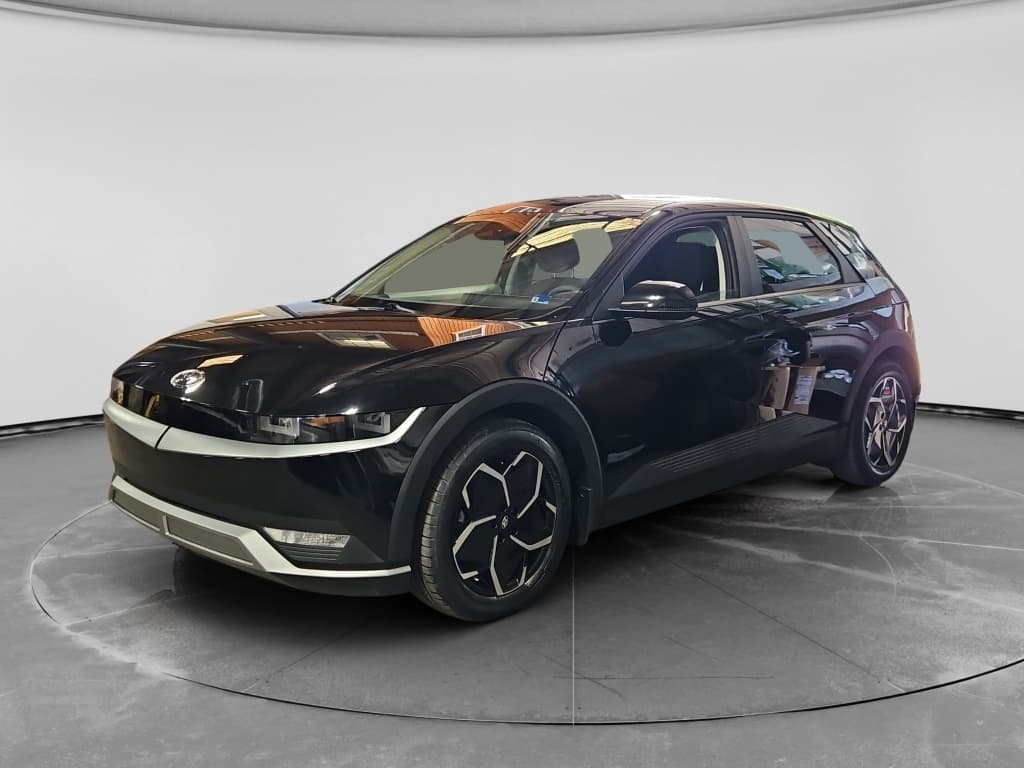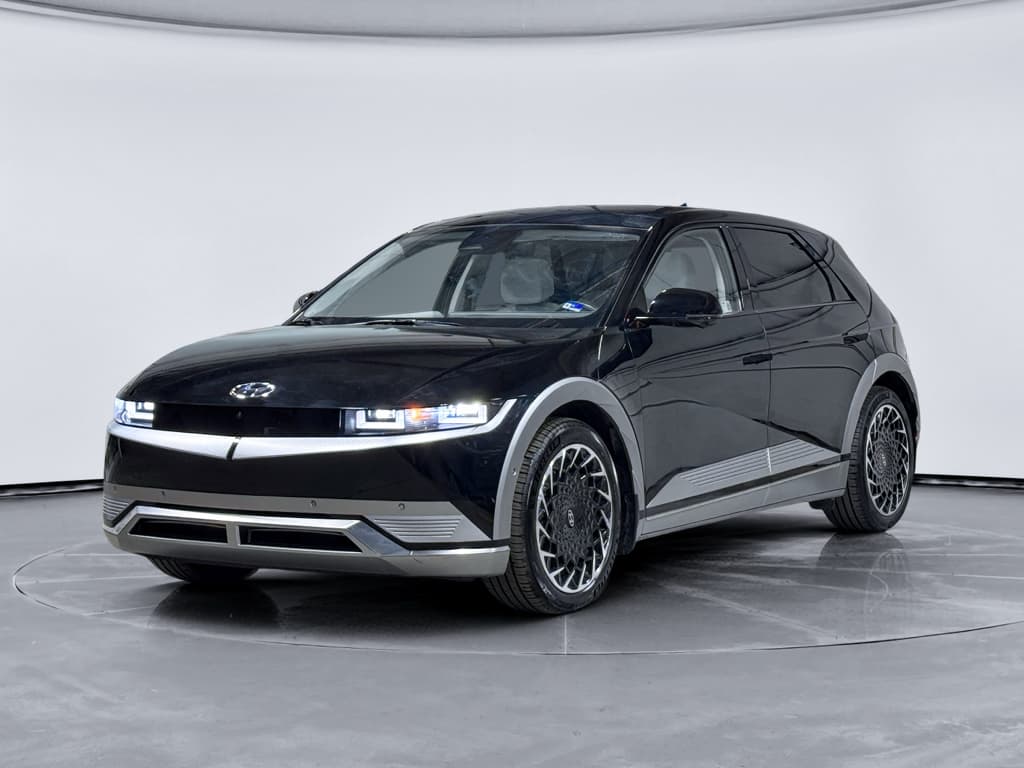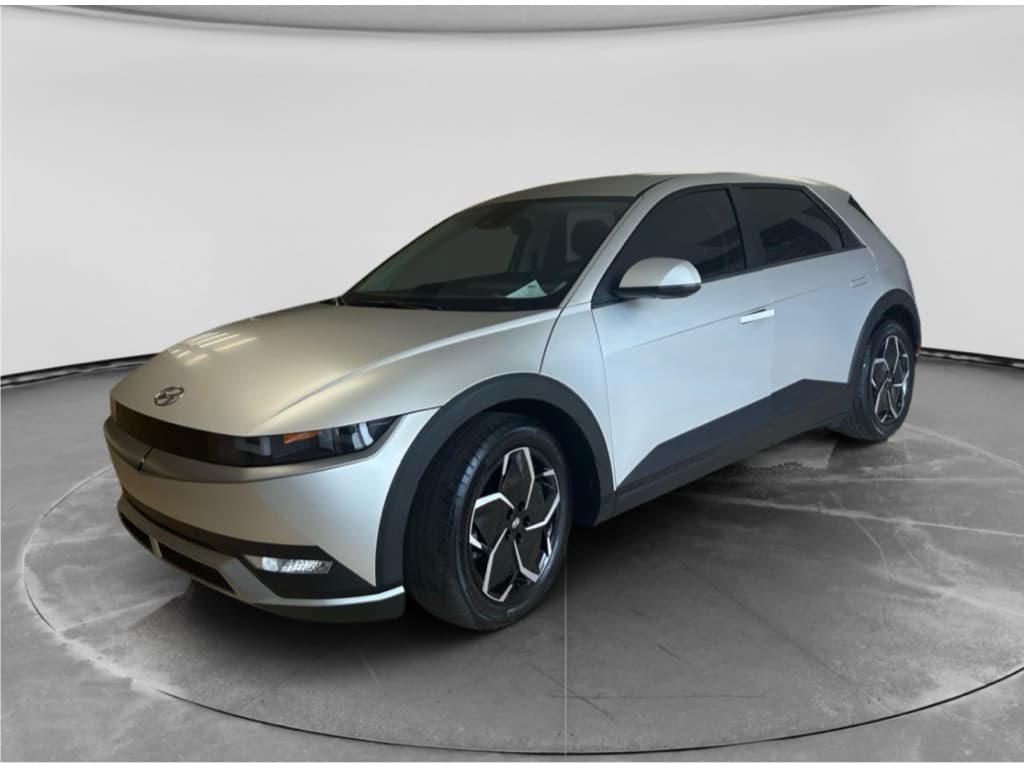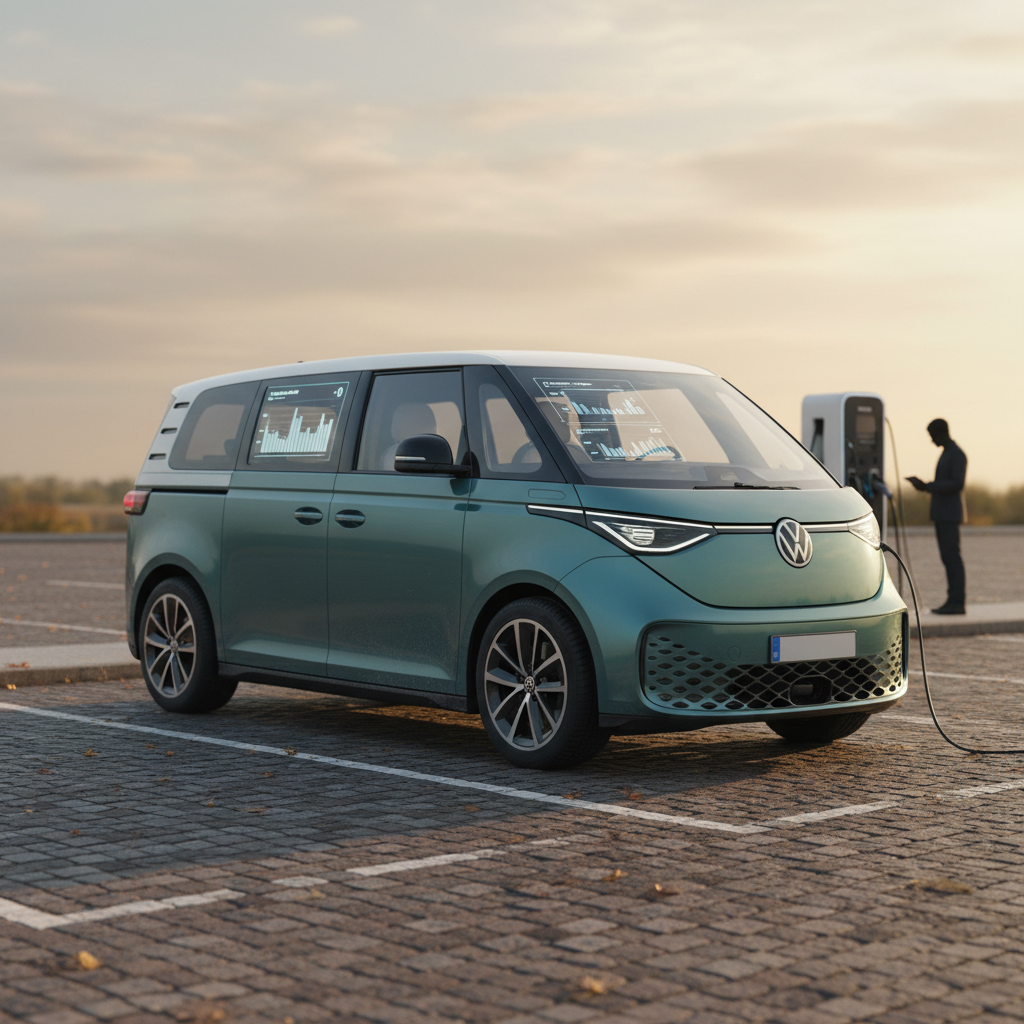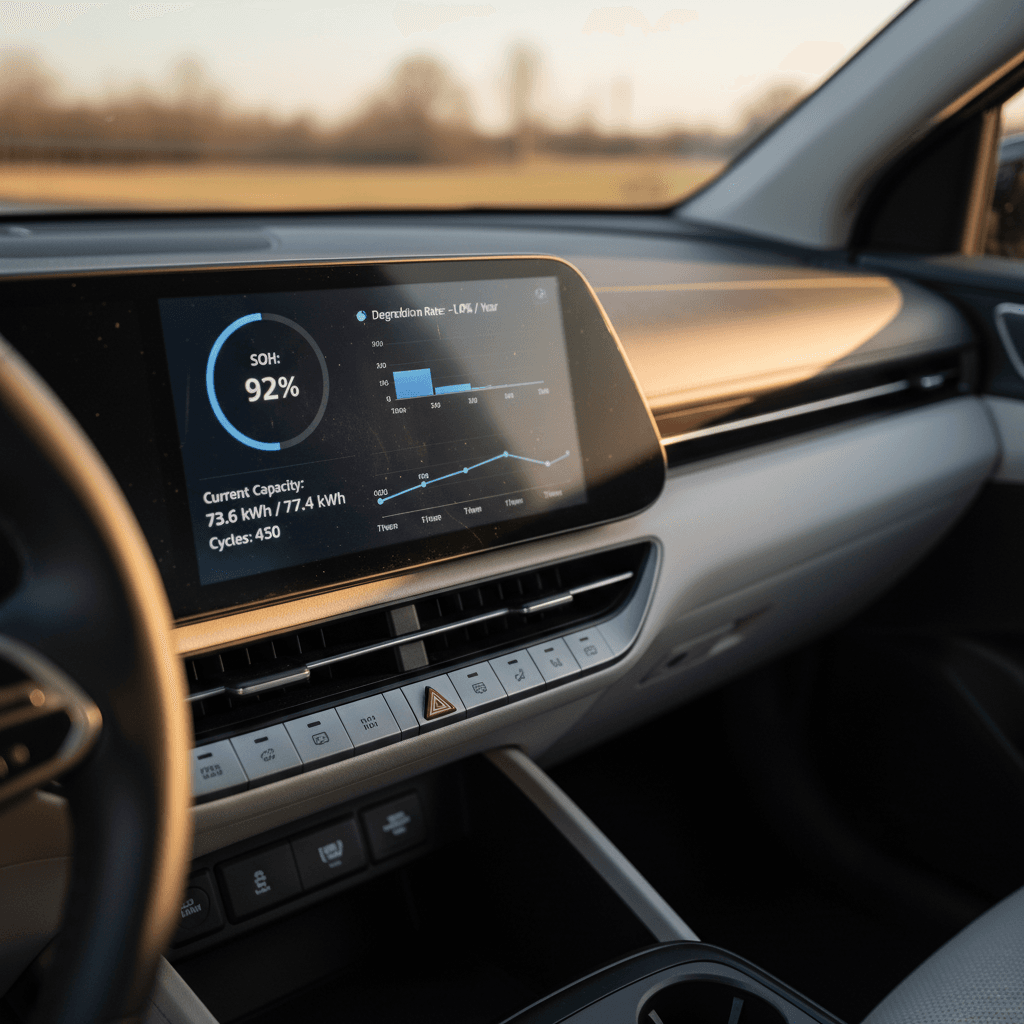
If you’re eyeing a Hyundai Ioniq 5, especially a used one, the first big question is usually, “How much battery degradation per year am I signing up for?” Range is the whole ballgame with an EV, and you don’t want any surprises five or ten years down the road.
Quick takeaway
Ioniq 5 battery degradation at a glance
Hyundai Ioniq 5 battery health snapshot
Before we dig into graphs and owner anecdotes, it helps to level‑set your expectations. The Ioniq 5 rides on Hyundai’s E‑GMP platform, with a liquid‑cooled, high‑voltage battery pack designed to handle fast charging and highway miles without falling on its face after a few summers. In practice, that means some loss is normal, but most owners aren’t watching their range evaporate year by year.
How much Ioniq 5 battery degradation per year is typical?
- 3–6% in the first 1–2 years (the "early dip" most EVs show), then
- roughly 1–2% per year after that in typical mixed driving.
Don’t obsess over the first few percent
What real-world data and owner stories show
Real Ioniq 5 battery stories
From 50,000 km commuters to 400,000‑mile marathoners
Everyday owner – 50,000 km
A long‑term review at about 50,000 km (≈31,000 miles) reported the Ioniq 5’s battery at roughly 97% of original capacity using the car’s diagnostics. That’s around 1–1.5% loss per year for a fairly typical use case.
Heavy‑use, high‑mileage car
Hyundai has publicized an Ioniq 5 used for intensive driving, over 580,000 km (≈360,000 miles) in under three years, with the pack still holding about 88% of its original capacity. That works out to ~4% loss per year under punishing use.
Enthusiast OBD logging
Ioniq 5 owners using OBD apps regularly share data showing 0–3% loss in the first 20,000–30,000 miles, and often 3–7% loss by 50,000–60,000 miles, depending on climate and charging habits.
You’ll always find outliers, someone worried about 6% loss in the first year, someone else bragging about zero loss after 80,000 miles. The pattern that matters is the middle of the pack: most Ioniq 5s are quietly losing a couple of percent over several years, not falling off a cliff.
Beware the guess-o-meter
Factors that speed up or slow down degradation
What accelerates Ioniq 5 battery wear
- Frequent DC fast charging (especially 150–350 kW sessions several times a week).
- Living in extreme heat and parking outside in the sun for days at high state of charge.
- Regularly charging to 100% and letting the car sit full for long periods.
- Deep cycling the pack, from near 0% to 100%, day after day.
What helps your Ioniq 5 age gracefully
- Mostly Level 2 home charging, topping up overnight instead of running down to empty.
- Keeping the battery between about 20–80% for routine driving.
- Letting the car manage its thermal system, don’t disable battery conditioning around fast charges.
- Parking in the shade or a garage in hot climates when you can.
Use fast charging like a power tool, not a lifestyle
Battery warranty and what it really promises
In the U.S., the Hyundai Ioniq 5’s high‑voltage battery is backed by a 10‑year / 100,000‑mile warranty (from the original in‑service date) against defects and excessive capacity loss. The fine print varies by market, but the practical rule of thumb is this: if your battery falls much below about 70% of its original capacity during that period, you’ve got a warranty conversation worth having.
- The warranty follows the car, not just the first owner, critical when you’re shopping used.
- Hyundai is protecting itself too; it would not offer a decade of coverage if it expected large numbers of Ioniq 5 packs to fall under 70% by year eight or nine.
- Warranty replacement usually means repair or replacement of modules or the full pack, not a cash payout.
Why this matters to used buyers
How degradation actually shows up in your range
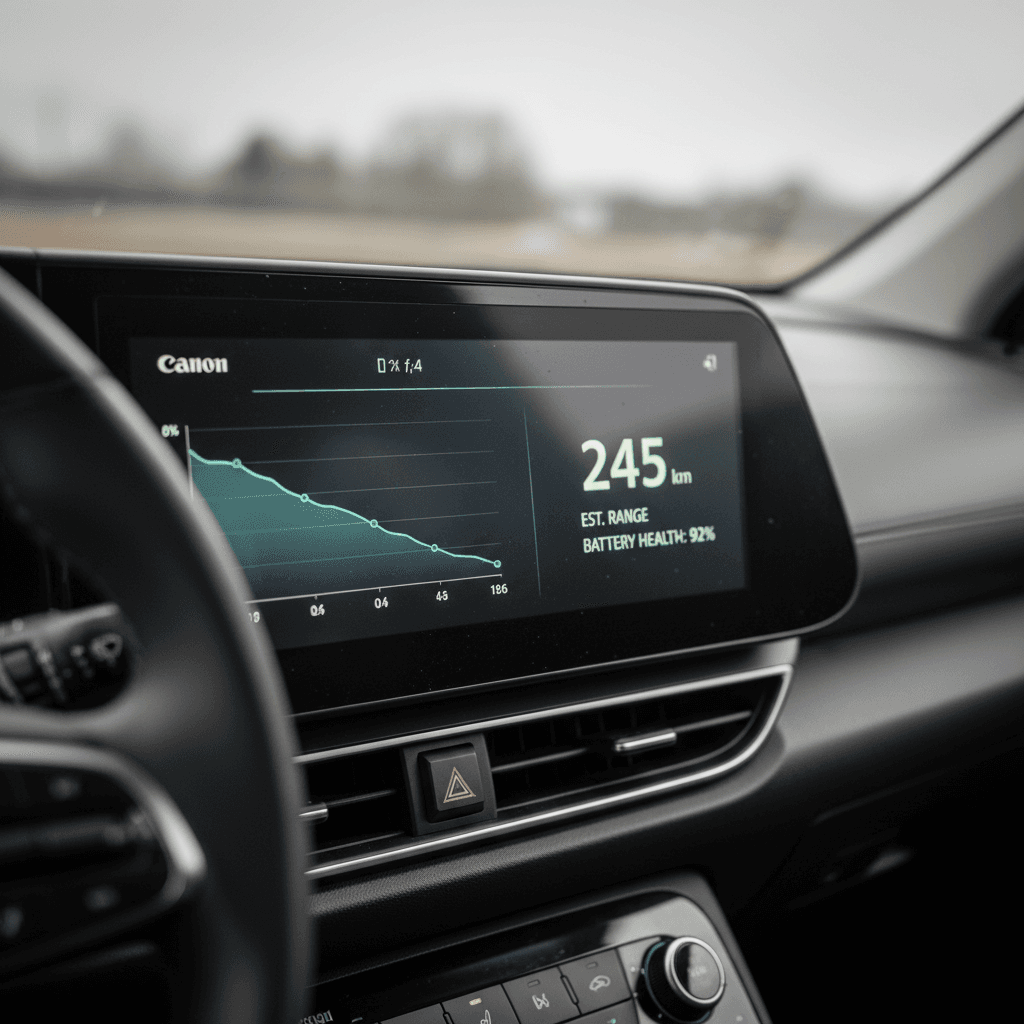
Degradation doesn’t feel dramatic. There’s no buzzer that goes off at 90% health. Instead, you slowly lose a slice of usable energy, which trims your real‑world range:
What Ioniq 5 degradation looks like on the road
Approximate impact on range for the long‑range RWD Ioniq 5 with ~303‑mile EPA rating when new.
| Battery health | Usable capacity | Estimated highway range | How it feels day to day |
|---|---|---|---|
| 100% (new) | ≈77–80 kWh | ≈260–280 miles | You can stretch road‑trip legs between many fast chargers. |
| 95% (2–3 yrs) | ≈73–76 kWh | ≈245–265 miles | You might stop 10–15 minutes sooner on long drives. |
| 90% (5 yrs) | ≈69–72 kWh | ≈230–250 miles | You lose a bit of buffer, but daily commuting feels unchanged. |
| 80% (8–10 yrs) | ≈61–64 kWh | ≈205–220 miles | Range still beats many early EVs; you plan charging with a little more care. |
Figures are estimates; driving style, weather, and speed still dominate day‑to‑day range.
Range loss vs. range anxiety
How to treat your Ioniq 5 battery right
Simple habits to slow Ioniq 5 battery degradation
1. Make Level 2 your default
Whenever possible, charge at home or work on Level 2 instead of relying on DC fast chargers. It’s easier on the pack and your wallet.
2. Use 100% only when you need it
Charging to full is fine for road trips or the occasional big day, but for daily use, set your target around 80–90% instead of topping off every single night.
3. Avoid baking the pack at high charge
In hot weather, don’t leave the car at 90–100% sitting in direct sun for days. If you must park outside, aim to arrive closer to 50–70%.
4. Let the car precondition before fast charging
On newer software, the Ioniq 5 can warm or cool the battery ahead of a DC fast‑charge stop when you set the station in navigation. That helps reduce stress on the cells.
5. Don’t obsess over 0% and 100%
The car protects some buffer at the top and bottom of the pack. You don’t need to baby it like a laptop, but avoiding frequent deep drains is still smart.
6. Keep software and recalls up to date
Hyundai has issued updates and hardware fixes related to charging electronics on some E‑GMP cars. Staying current helps the car manage the battery properly.
Cold weather vs. hot weather
Shopping used: how to judge an Ioniq 5 battery
If you’re shopping for a used Hyundai Ioniq 5, battery health is the difference between a car you’ll love for a decade and one you’ll resent on every road trip. The problem? The dash won’t tell you the whole story, and most private‑party sellers can’t either.
Battery checks that actually matter on a used Ioniq 5
What to look for, and what to ignore
1. Ask about charging habits
Daily DC fast charging in hot climates is a yellow flag. Mostly home Level 2 charging with only occasional road‑trip fast charges is ideal.
2. Look at mileage and climate
80,000 highway miles in mild weather can be easier on a pack than 40,000 miles of urban abuse and curb‑side fast charging in Phoenix.
3. Get a quantified health report
A data‑driven assessment, like the Recharged Score battery health diagnostics run on every EV we list, uses pack data and range testing to estimate remaining capacity more accurately than the "guess‑o‑meter."
How Recharged helps here
Ioniq 5 vs other EVs on battery longevity
The Ioniq 5 doesn’t live in a vacuum. To know whether its battery degradation per year is good, you have to stack it up against the broader EV field.
How the Ioniq 5’s battery degradation compares
Approximate real‑world expectations for modern liquid‑cooled EVs under similar usage.
| Model / platform | Typical 5‑year capacity | Typical 8‑year capacity | Notes |
|---|---|---|---|
| Hyundai Ioniq 5 (E‑GMP) | ≈90–95% | ≈85–90% | Strong thermal management; very high‑mileage examples still near 88% after ~360k–400k miles. |
| Tesla Model Y | ≈90–95% | ≈80–90% | Similar early‑drop pattern with slow decline; plenty of high‑mileage cars in service. |
| Early‑generation compact EVs | ≈80–90% | ≈70–80% | Smaller packs driven hard, often without as advanced thermal control, show faster aging. |
| Modern long‑range crossovers (VW, Ford, etc.) | ≈88–94% | ≈80–88% | Most current‑gen liquid‑cooled packs cluster in the same ballpark as Ioniq 5. |
These are generalized comparisons; individual cars can age better or worse than the averages based on how they’re used.
"Real‑world data so far suggests that, driven and charged reasonably, the Ioniq 5’s battery is a long‑haul companion, not a ticking time bomb."
FAQ: Hyundai Ioniq 5 battery degradation
Frequently asked questions about Ioniq 5 battery degradation
Bottom line on Ioniq 5 battery degradation
The Hyundai Ioniq 5’s battery story, so far, is pleasantly boring. In the real world, you’re looking at a small early dip in capacity, then a long, slow fade on the order of 1–3% per year. Even under heavy use, we’re seeing high‑mileage cars with most of their range still on tap and plenty of warranty left for peace of mind.
If you already own an Ioniq 5, the playbook is simple: lean on Level 2 charging, avoid baking a full battery in brutal heat, keep software and recalls current, and stop chasing perfection in the app readouts. If you’re shopping used, focus on how a specific car has been driven and charged, and insist on a transparent battery health report rather than guesses.
At Recharged, every used Ioniq 5 we sell comes with that clarity baked in: a Recharged Score battery assessment, fair‑market pricing, expert EV support, and nationwide delivery. That way, when you fall for an Ioniq 5’s design and ultra‑fast charging, you can be just as confident in the invisible part, the battery that makes it all work.