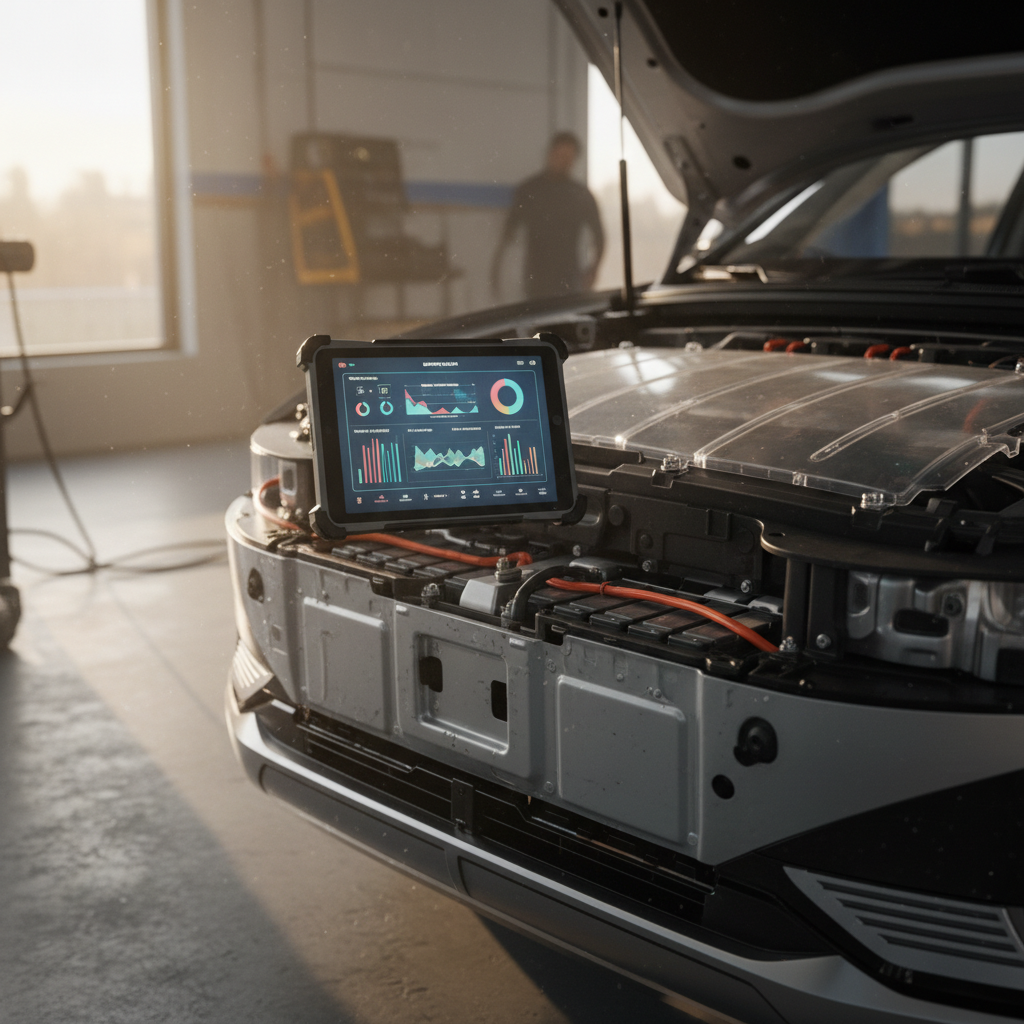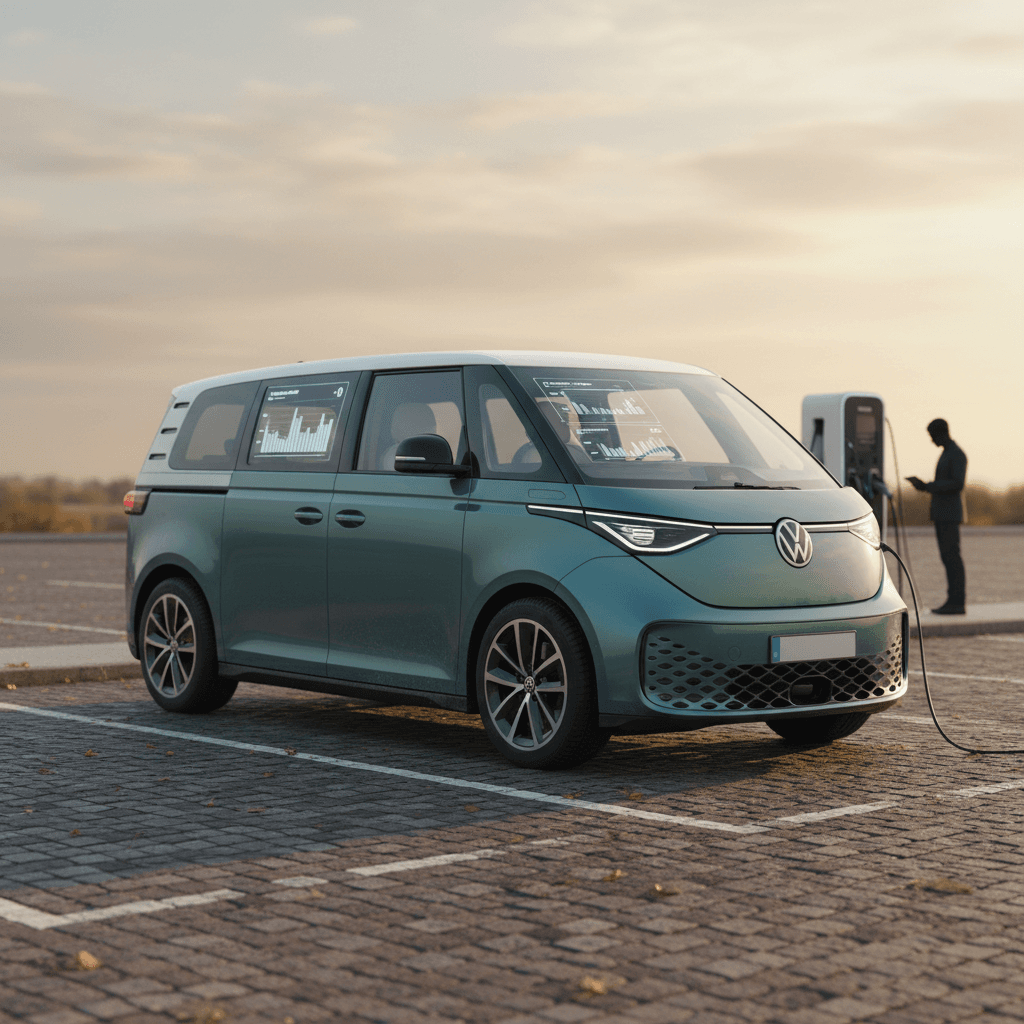
If you’re eyeing the retro‑cool 2025 Volkswagen ID. Buzz, you’re probably wondering whether the van is as dependable as it is charming. Early data is in, from formal tests and owner forums to recall records, and a clear picture is starting to form about the 2025 Volkswagen ID. Buzz reliability rating, and what that means if you’re buying one new or used.
Context: a brand‑new model in the U.S.
2025 ID. Buzz reliability at a glance
2025 ID. Buzz reliability snapshot
If you like letter grades, the 2025 ID. Buzz currently lands around a B– for reliability. That’s not Toyota‑Sienna‑boring, but it’s not a rolling disaster either. Early headaches tend to revolve around software glitches, warning lights and occasional sensor or wiring issues more than catastrophic battery or motor failures. In other words: annoying, often fixable under warranty, but still time out of your life at the dealer.
Early‑adopter reality check
How strong is the 2025 ID. Buzz reliability rating so far?
There isn’t yet a single, universally accepted numerical reliability score for the ID. Buzz the way we have mature scores for long‑running nameplates. What we do have are three useful lenses:
- Early third‑party scores and outlooks – Consumer outlets that track reliability have the ID. Buzz sitting slightly below average so far, with caution flags mainly around electronics and in‑car tech rather than core powertrain hardware.
- Volkswagen’s recent EV track record – The ID. Buzz rides on the same MEB platform that underpins the ID.4. That SUV’s reliability has been mixed: decent batteries and motors, but lots of software and infotainment complaints, reflected in "average to below‑average" scores for some early years.
- Owner anecdotes – Dive into ID. Buzz forums and you’ll see the pattern: some owners report thousands of trouble‑free miles; others describe frustrating, time‑consuming chases for intermittent errors, especially in the first months of ownership.
Put all of that together and you get a van that’s mechanically promising but electronically fussy. If your personal definition of reliability is “never think about the car, just drive,” the 2025 ID. Buzz probably won’t feel like a Lexus RX. If you can live with the occasional software quirk in exchange for the Buzz’s character and packaging, it becomes easier to justify.
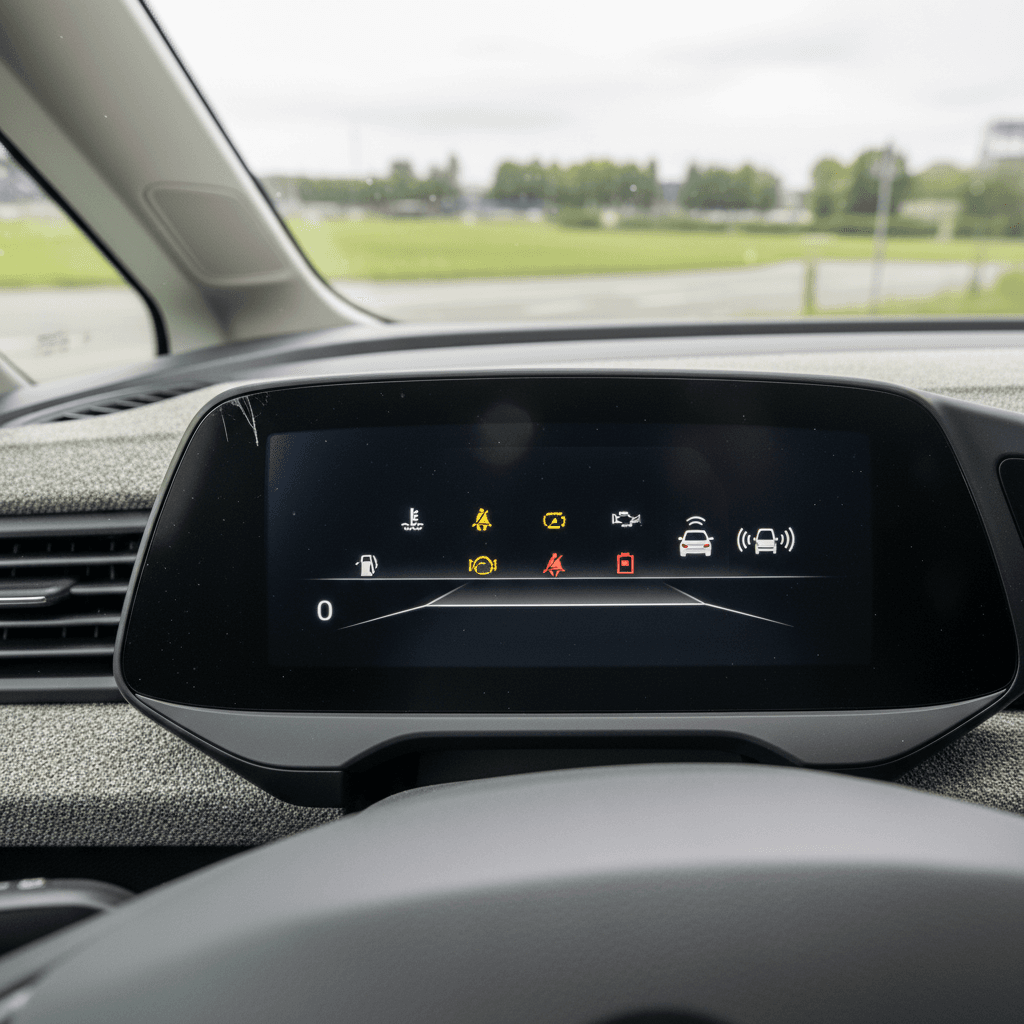
Common 2025 ID. Buzz problems: emerging patterns
Because the 2025 ID. Buzz is still new, we’re looking at trends, not hard “this will go wrong” predictions. Here are the themes showing up most often in real‑world reports and early service bulletins.
Most common 2025 ID. Buzz trouble spots (so far)
What owners and techs are actually seeing on the ground
Software & infotainment glitches
By far the biggest bucket of complaints:
- Slow or frozen central touchscreen
- Random reboots of the digital cluster
- Apple CarPlay / Android Auto connection drops
- Navigation or charge‑planner bugs
Most are resolved (eventually) via software updates, but you may need multiple dealer visits early on.
Warning lights & driver‑assist faults
Owners report intermittent:
- Check engine / drivetrain warnings
- ACC / lane‑keep unavailable messages
- Door/airbag sensor alerts
Often a single sensor, wiring issue, or software bug triggers a cascade of warnings.
Thermal & charging quirks
Less common, but worth noting:
- DC fast charging slower than expected
- Battery or cooling‑system faults logged after high‑load use
- Range estimates that swing wildly
True hardware failures here are rare; many cases end up being software calibration updates.
How to separate noise from real issues
Recalls and safety campaigns for the 2025 ID. Buzz
By spring 2026, the 2025 Volkswagen ID. Buzz has already picked up a couple of NHTSA recalls in the U.S., a perfectly normal number for a new EV, but worth understanding.
2025 Volkswagen ID. Buzz: early recall landscape
Approximate recall themes so far for the 2025 model year in the U.S. market.
| Area | Type of issue | Typical fix at dealer | What it feels like as an owner |
|---|---|---|---|
| Side‑impact / airbag systems | Incorrect wiring or software logic could affect deployment thresholds in a narrow set of crash scenarios. | Inspection and, if needed, wiring repair or module replacement plus a software update. | You receive a mailed recall notice, schedule a visit, and typically lose the van for part of a day. |
| Door / safety interlock logic | Software can misinterpret door‑latch signals and trigger safety lockout or warning messages. | Software update to body‑control or door‑control modules. | Annoying “door open” or safety warnings even when everything looks closed properly. |
| Driver‑assist calibration | Lane‑keeping or automatic emergency braking mis‑calibrated for certain conditions. | Re‑calibration of cameras and sensors; sometimes a software flash. | Driver‑assist features may be disabled temporarily, with multiple dashboard warnings. |
Exact recall IDs and scope can be checked any time by running a VIN search on the NHTSA website.
Good news on recall fixes
Warranty coverage and ownership costs
Volkswagen backs the 2025 ID. Buzz with coverage that’s broadly in line with other modern EVs, and slightly better than some mainstream gas vans.
2025 VW ID. Buzz warranty overview (U.S.)
Key factory warranty coverage items relevant to long‑term reliability.
| Coverage | Term | What it covers |
|---|---|---|
| New‑vehicle limited warranty | 4 years / 50,000 miles | Most components: electronics, interior, suspension, climate control, body hardware. |
| High‑voltage battery | 8 years / 100,000 miles (typical) | Battery defects and excessive capacity loss beyond VW’s stated threshold. |
| Powertrain (electric motor, drive units) | Covered under 4 yr / 50k basic on many EVs | Motor, reduction gear, and related components, check your contract for exact wording. |
| Corrosion perforation | 12 years / unlimited miles (typical VW) | Rust‑through of body panels (not surface rust). |
| Complimentary maintenance | Limited term (often 2 years/20k miles on VWs) | Basic scheduled services like inspections and cabin filters, varies by market. |
Always confirm exact coverage with your specific window sticker or VW dealer, terms can vary slightly by region and model year documentation.
Consider an extended warranty, carefully
How the ID. Buzz compares to other EVs on reliability
Against other VW EVs (ID.4, ID.7)
- Similar strengths: Battery packs and motors have not developed a widespread failure reputation.
- Similar weaknesses: Software, infotainment, and occasional electronic gremlins are common themes in the broader ID family.
- Net effect: Expect a driving experience that’s solid but occasionally interrupted by a chime, a message, or a trip to the dealer for a software flash.
Against other family EVs (EV9, Model X, etc.)
- Kia EV9 / Hyundai Ioniq 5: Generally strong reliability so far, with fewer software complaints than VW but still some early recalls.
- Tesla Model X / Y: Proven powertrains but lots of build‑quality and trim complaints. Many owners just tolerate the quirks for the charging network.
- Traditional minivans: Honda Odyssey and Toyota Sienna remain the gold standard for “never think about it” ownership, but without the EV experience.
The fairest summary is that the ID. Buzz is about average for a first‑wave mass‑market EV. It’s not the problem child some feared, but it also hasn’t yet earned the reputation of a 200,000‑mile Toyota family hauler. If absolute bulletproof reliability is your north star, a hybrid minivan still wins. If you want an electric family bus with personality and can live with some software drama, the Buzz is in the mix.
Used 2025 ID. Buzz: what to check before you buy
Because Volkswagen skipped a 2026 model‑year run in the U.S. and focused on 2025 inventory, the earliest U.S.‑market ID. Buzz vans will hit the used market quickly. That’s good news if you’d like to dodge early‑adopter pricing, but only if you shop carefully.
Key reliability checks for a used 2025 ID. Buzz
1. Pull a full recall & campaign history
Use the VIN to check NHTSA and dealer service records. Confirm that all open campaigns, especially safety or airbag‑related recalls, have been completed.
2. Scan for software and warning‑light history
During the test drive, cycle the van through start‑up, drive, and shutdown several times. Watch for persistent or recurring warnings in the cluster or on the central screen.
3. Document battery health and real‑world range
Ask for recent road‑trip logs or long drives. Compare the van’s indicated range at 100% state of charge to its original EPA rating. A modest drop is normal; a sudden double‑digit loss without explanation deserves investigation.
4. Check DC fast‑charging behavior
If possible, plug into a DC fast charger and watch the charge curve for 10–15 minutes. Extremely slow speeds in mild weather can hint at software limits, thermal‑management issues, or a battery concern.
5. Inspect driver‑assist features
Test adaptive cruise control, lane‑keeping assist, parking sensors, and cameras. Any “unavailable” or “sensor blocked” messages on a clear day are red flags until a technician explains and resolves them.
6. Evaluate dealer support history
Long stretches of service visits for the same unresolved issue are a warning sign. A few visits early on followed by quiet ownership is actually a decent sign of a van that’s been sorted out.
How Recharged can help on a used ID. Buzz
When a 2025 ID. Buzz is a good bet, and when to walk
Is the 2025 ID. Buzz the right kind of "reliable" for you?
Because reliability isn’t one‑size‑fits‑all
Good match if…
- You want an EV with real character and a family‑friendly cabin.
- You’re comfortable visiting the dealer a couple of extra times in the first few years for software updates.
- Your driving is mostly local or regional, so you’re not betting family vacations on flawless long‑distance charging.
- You value warranty coverage and plan to stay within the 8‑year / 100k battery window.
Maybe skip it if…
- Your definition of reliability is "zero warning lights for 10 years."
- You live far from a VW dealer that’s comfortable with EV diagnostics.
- You road‑trip constantly and want the most bulletproof charging and software ecosystem available.
- You don’t have the time or patience for any first‑years‑of‑a‑new‑model shakedown quirks.
Walk away from these red flags
FAQ: 2025 Volkswagen ID. Buzz reliability rating
Common questions about 2025 ID. Buzz reliability
Bottom line: is the 2025 ID. Buzz reliable enough?
The 2025 Volkswagen ID. Buzz isn’t a tank‑like Camry wagon in disguise, and it was never going to be. It’s a style‑forward, tech‑heavy electric van built on a relatively young EV platform, and it behaves exactly like that. The 2025 Volkswagen ID. Buzz reliability rating so far says: strong fundamentals, fidgety software, and a realistic expectation of a few extra dealer visits in the early years.
If you’re chasing maximum simplicity and minimum drama, a conventional hybrid minivan still owns that space. But if the Buzz’s mix of packaging, nostalgia and EV smoothness speaks to you, and you go in with eyes open about recalls, software updates, and the value of solid battery‑health data, it can absolutely work as a family hauler or road‑trip rig.
And if you’re shopping used, that’s exactly where Recharged comes in. Our Recharged Score Report, EV‑specialist support and nationwide delivery are built to de‑risk electric‑vehicle ownership, whether you end up in an ID. Buzz or one of its many rivals.