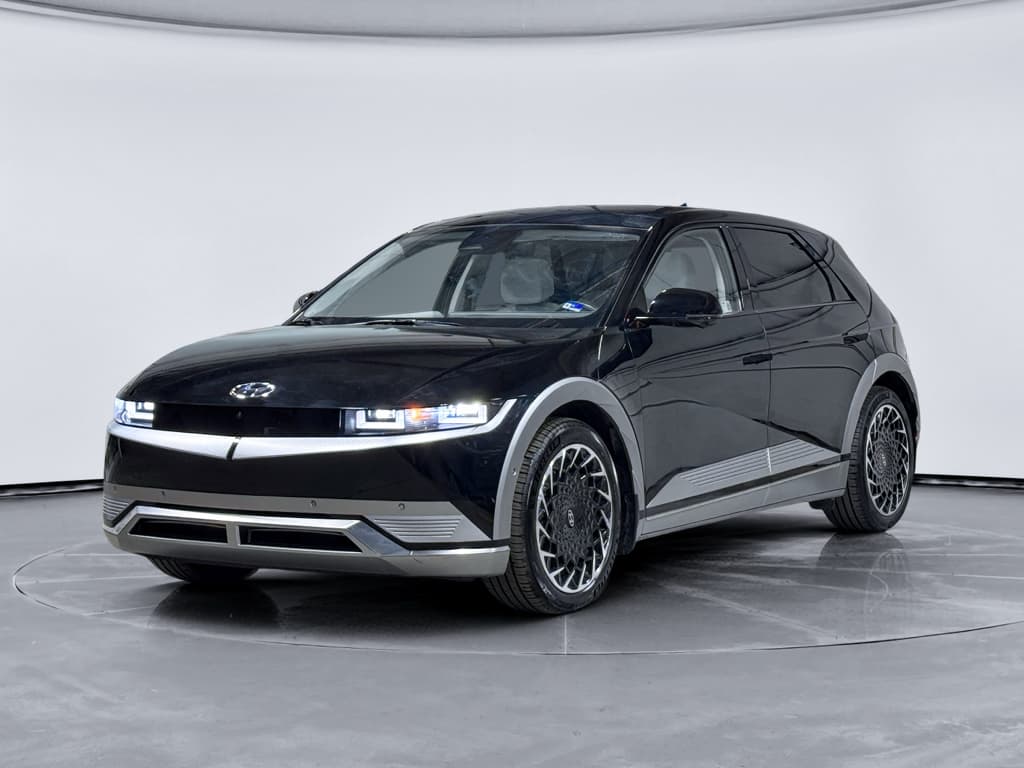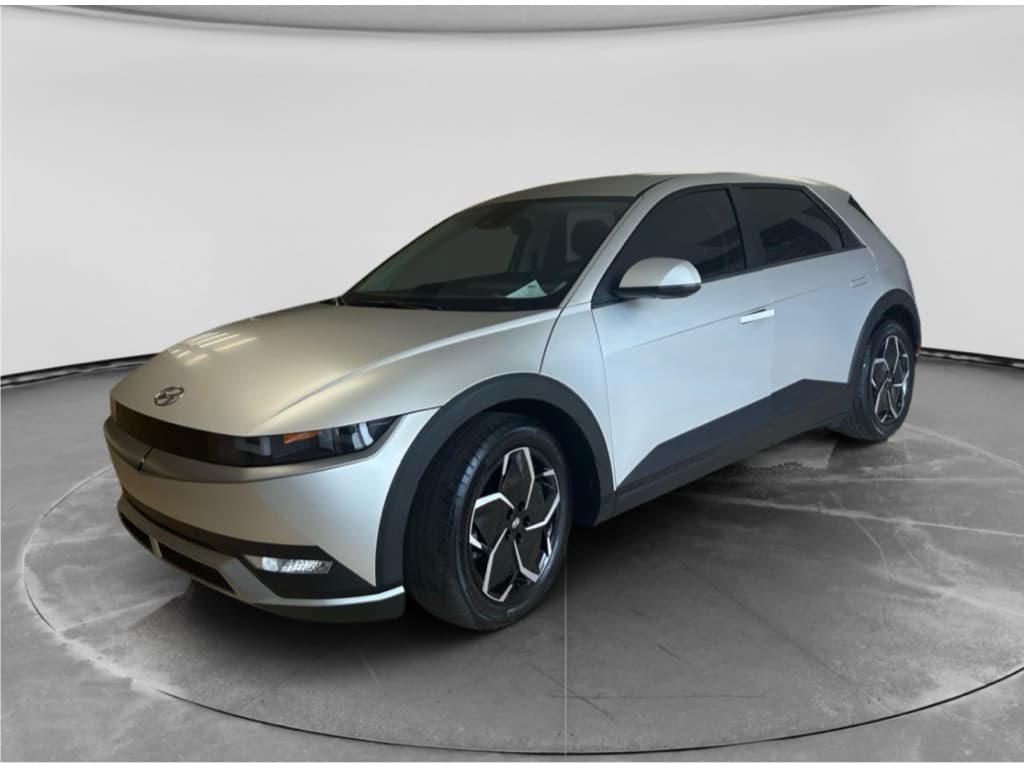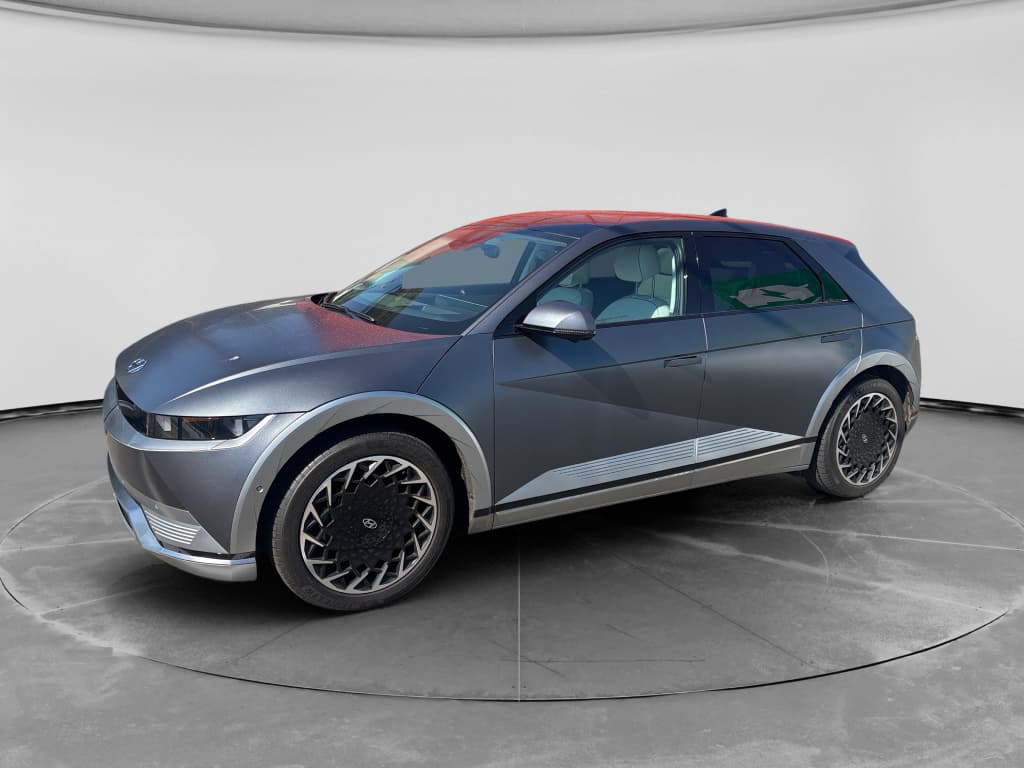
If you’re eyeing a used Hyundai Ioniq 5, Ioniq 6, or Kona Electric, you’ve probably seen some with a "Certified" badge and a higher price tag. The promise is simple: Hyundai CPO electric car benefits will make your used EV purchase safer and more predictable. But what does that actually mean in dollars, coverage, and peace of mind, and when is it smarter to look beyond the Hyundai dealership to options like Recharged?
Good news for used EV shoppers
Why Hyundai CPO matters for EV shoppers
Buying any used car is a balancing act between up‑front price and long‑term risk. With a used electric Hyundai, there’s a third factor: battery confidence. You’re not just buying a vehicle; you’re buying a high‑voltage pack that can cost five figures to replace if something goes wrong. Hyundai CPO electric car benefits are designed to reduce that risk, at a price.
Why certified matters more with EVs than gas cars
Three EV‑specific worries Hyundai CPO tries to address
Battery longevity
Charging history
Warranty protection
Think like a long‑term owner
How the Hyundai certified pre-owned EV program works
Hyundai’s certified pre-owned program, often branded on the lot as Hyundai Certified Used Vehicles or Hyundai Certified Pre‑Owned, covers most recent‑model Hyundai cars, including EVs and plug‑in hybrids. The eligibility and inspection criteria are the same whether it’s an Ioniq 5 or an Elantra, but the warranty benefits are especially meaningful on electric models.
Hyundai CPO basics for electric models
Core rules most U.S. Hyundai dealers follow for CPO eligibility.
| Requirement | Typical Hyundai CPO rule |
|---|---|
| Model year limit | Within the last 5 model years |
| Mileage cap | Under 80,000 miles at certification |
| Inspection | 173‑point inspection by Hyundai‑trained technician |
| Title history | Clean title; no major accidents or lemon/buyback history |
| Location | Sold and serviced through participating Hyundai dealers |
Exact rules can vary slightly by dealer or over time, so always confirm details in writing.
For EV shoppers, that 173‑point inspection should include high‑voltage system checks, signs of collision repair around the battery tray, and a full scan for diagnostic trouble codes. Unfortunately, the quality and depth of that inspection can vary by dealership, which is why getting the inspection report, and, ideally, a separate battery health readout, is so important.
Key Hyundai CPO electric car benefits
Let’s unpack the headline Hyundai CPO electric car benefits you’ll typically see advertised at U.S. Hyundai dealers. These apply broadly to CPO Hyundais, but some are uniquely valuable when the car is an EV.
Hyundai CPO warranty highlights for EVs (typical U.S. program)
- Powertrain protection – A certified Hyundai typically restores or extends the 10‑year/100,000‑mile powertrain warranty measured from the vehicle’s original in‑service date. On an electric Hyundai, that powertrain coverage centers on the motor(s), reduction gear, and other drive components.
- Hybrid/EV battery coverage – Many Hyundai EVs carry a 10‑year/100,000‑mile battery warranty from new. For eligible CPO cars, that coverage typically remains in force from the original in‑service date, giving used buyers genuine long‑term protection against pack failure, subject to Hyundai’s terms and any owner‑transfer rules.
- Multi‑point inspection – The 173‑point checklist covers structural integrity, suspension, steering, infotainment, and, for EVs, high‑voltage cabling, charging hardware, and warning lights. The idea is to screen out rough examples before they ever wear a Hyundai CPO badge.
- Roadside assistance – Hyundai ties roadside assistance to warranty coverage. CPO buyers typically enjoy coverage up to 10 years from the vehicle’s original in‑service date, including towing, jump‑starts, flat‑tire changes, lockout help, and trip‑interruption reimbursements.
- Rental and travel reimbursement – If a covered repair sidelines your CPO Hyundai, many programs reimburse you for a daily rental and some travel costs when you’re far from home, helpful if your road‑trip Kona Electric needs warranty work mid‑journey.
- Vehicle history requirements – To be certified, the vehicle must have a clean title and pass history checks. That weeds out many cars with severe accidents or prior buybacks, situations that can be especially worrying when a battery pack is involved.
When these benefits really shine
Hidden fine print EV buyers should watch
The marketing brochures for Hyundai CPO electric car benefits are sunny. The actual contracts, like any warranty, are less romantic. Before you pay extra for that Certified badge, slow down and read what you’re getting, and what you’re not.
Common CPO misunderstandings with Hyundai EVs
Issues I’ve seen confuse buyers again and again
Coverage start & end dates
Transfer rules & exclusions
Don’t confuse dealer add‑ons with Hyundai CPO
For EVs, there are two more fine‑print items worth attention: how Hyundai defines a defective battery (usually based on capacity loss thresholds, not just any range drop) and what counts as abuse or improper use (for example, severe accident damage, unauthorized modifications or tampering with high‑voltage systems). Those gray areas can decide whether a costly battery claim gets covered or denied.
Hyundai CPO EV vs non‑certified used Hyundai EV
If you’re shopping listings, you’ll see three basic flavors of used Hyundai EVs: official Hyundai CPO, non‑certified dealer used, and cars sold through independent marketplaces and retailers like Recharged. The question is simple: what are you actually buying with that CPO premium?
What Hyundai CPO usually adds
- Structured 173‑point inspection with documentation.
- Stronger perception of quality and reconditioning.
- Restored or extended powertrain warranty terms versus some non‑CPO used purchases.
- Bundled roadside assistance, rental, and trip coverage.
What a non‑CPO or independent used EV can offer instead
- Lower up‑front price, often $500–$2,000 less for similar mileage.
- Remaining original Hyundai battery and powertrain warranty if the car still qualifies.
- More transparent or independent battery‑health reporting, depending on the seller.
- Flexibility on financing, trade‑ins, and home delivery, especially with digital retailers like Recharged.
Price gap rule of thumb
Hyundai CPO vs buying a used EV from a marketplace like Recharged
Hyundai’s CPO program is one way to de‑risk a used EV purchase, but it’s not the only way. A growing number of buyers prefer to shop outside the franchise‑dealer world because they want more transparency, more battery‑specific data, and a simpler process. That’s exactly where a marketplace like Recharged comes in.
How Hyundai CPO compares with Recharged for used EVs
Same goal, confidence in a used EV, different playbooks
Battery clarity vs. generic inspection
Pricing & finance options
Convenience & selection
Ready to find your next EV?
Browse VehiclesIn other words, Hyundai CPO leans on the strength of the factory warranty, while Recharged leans on data transparency, battery diagnostics, and a modern retail experience. For many EV shoppers, combining remaining Hyundai warranty with a robust third‑party battery‑health report is more valuable than a generic certified badge alone.
What Hyundai EV models make the best CPO buys?
Not every Hyundai EV is an equal CPO candidate. Some models shine because they balance strong factory warranties, healthy real‑world reliability, and rapid early‑life depreciation that makes them bargains a few years in.
Hyundai EVs that often make strong CPO candidates
What to like, and what to scrutinize, on each
Kona Electric
Ioniq 5
Ioniq 6 & others
Use battery data, not just odometer readings
Checklist: Questions to ask about a Hyundai CPO EV
Essential questions before you sign for a Hyundai CPO EV
1. What exactly is covered, and until when?
Ask the dealer to print the <strong>warranty coverage dates and mileages</strong> tied to your VIN, including bumper‑to‑bumper, powertrain, and EV battery coverage. Don’t settle for verbal assurances or generic brochures.
2. Is this Hyundai truly factory CPO, or just dealer “certified”?
Confirm that the vehicle is part of Hyundai’s <strong>official</strong> certified program, not a third‑party warranty product. Your paperwork should clearly show Hyundai Motor America as the warranty provider for the CPO benefits.
3. Can I see the 173‑point inspection and reconditioning report?
Request a copy of the inspection checklist and invoices showing what was repaired or replaced. Look for alignment work, tire replacement, brake service, and any high‑voltage or charging‑system repairs.
4. Do you have a recent battery‑health readout?
Ask if the service department has scanned the battery’s state of health (SoH) with factory tools. If not, see if they’ll perform a scan, or consider an independent battery evaluation such as the <strong>Recharged Score battery diagnostics</strong> you get automatically on cars bought through Recharged.
5. How was this car used?
A vehicle history report and service records should reveal prior <strong>fleet, rental, or rideshare use</strong>, accident repairs, or repeated warranty claims. For EVs in particular, heavy commercial use can mean harder charging cycles.
6. What’s the out‑the‑door price vs. a comparable non‑CPO car?
Compare your CPO deal to similar non‑certified listings with the same year, trim, and mileage. If the CPO premium is modest and you’re getting strong coverage, it may be a smart play. If the gap is huge, you may be paying for peace of mind you can get more cheaply elsewhere.
FAQ: Hyundai CPO electric car benefits
Frequently asked questions about Hyundai CPO electric cars
Bottom line: Is a Hyundai CPO electric car worth it?
Hyundai CPO electric car benefits are real: long‑duration powertrain and battery protection on many models, extended roadside assistance, and a structured inspection all tilt the odds in your favor. For first‑time EV buyers or anyone planning to keep a Kona Electric or Ioniq 5 for many years, that peace of mind is worth paying for, within reason.
The key is to treat "Certified" as one input, not a magic word. Scrutinize the warranty dates, insist on documentation, and ask specifically about battery health. Then compare that CPO option to non‑certified used EVs and to Recharged listings, where transparent Recharged Score battery diagnostics, fair‑market pricing, EV‑savvy financing, and nationwide delivery can match or exceed what you’d get from a single Hyundai lot.
If the numbers pencil out and the paperwork checks, a Hyundai CPO EV can be a smart, low‑stress way to go electric. If they don’t, the used EV market is broad and getting better by the month, and you have more buyer‑friendly tools than ever to find the right car, at the right price, with the right protections.