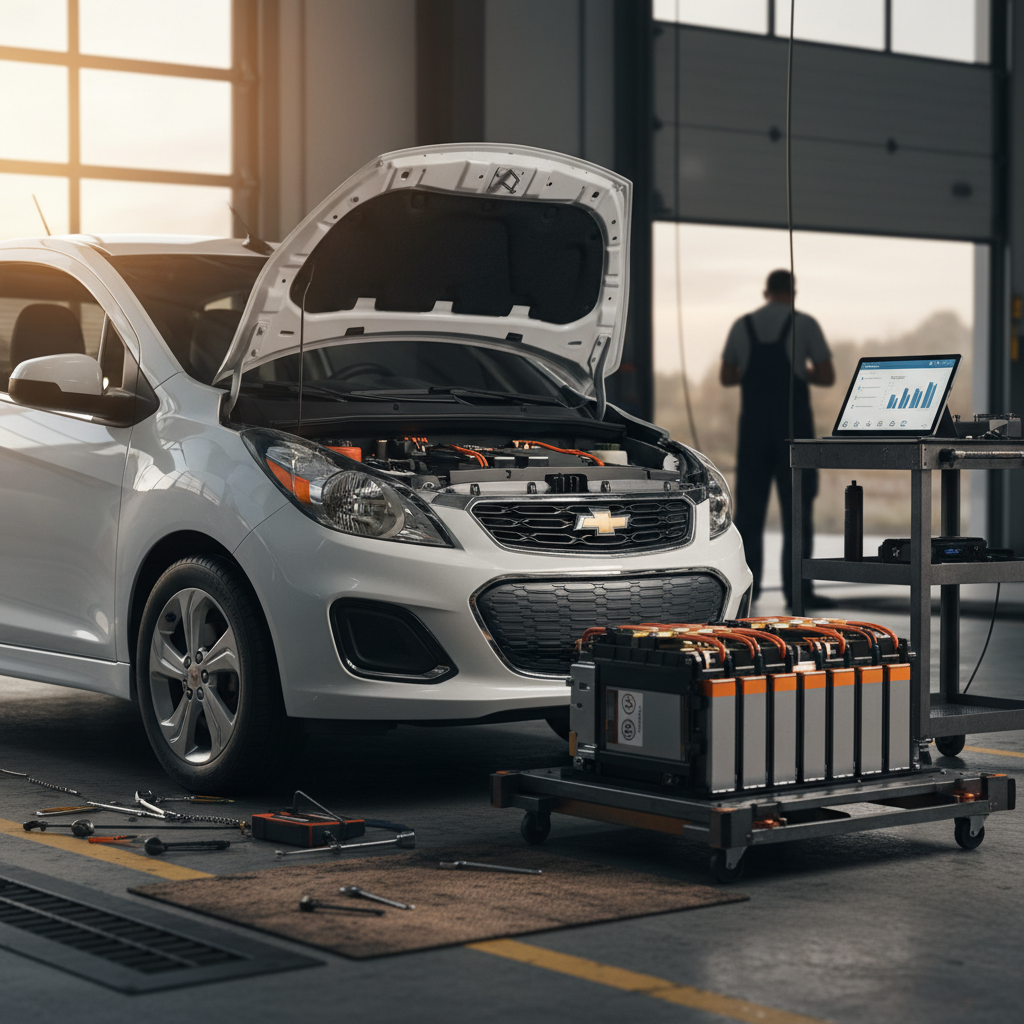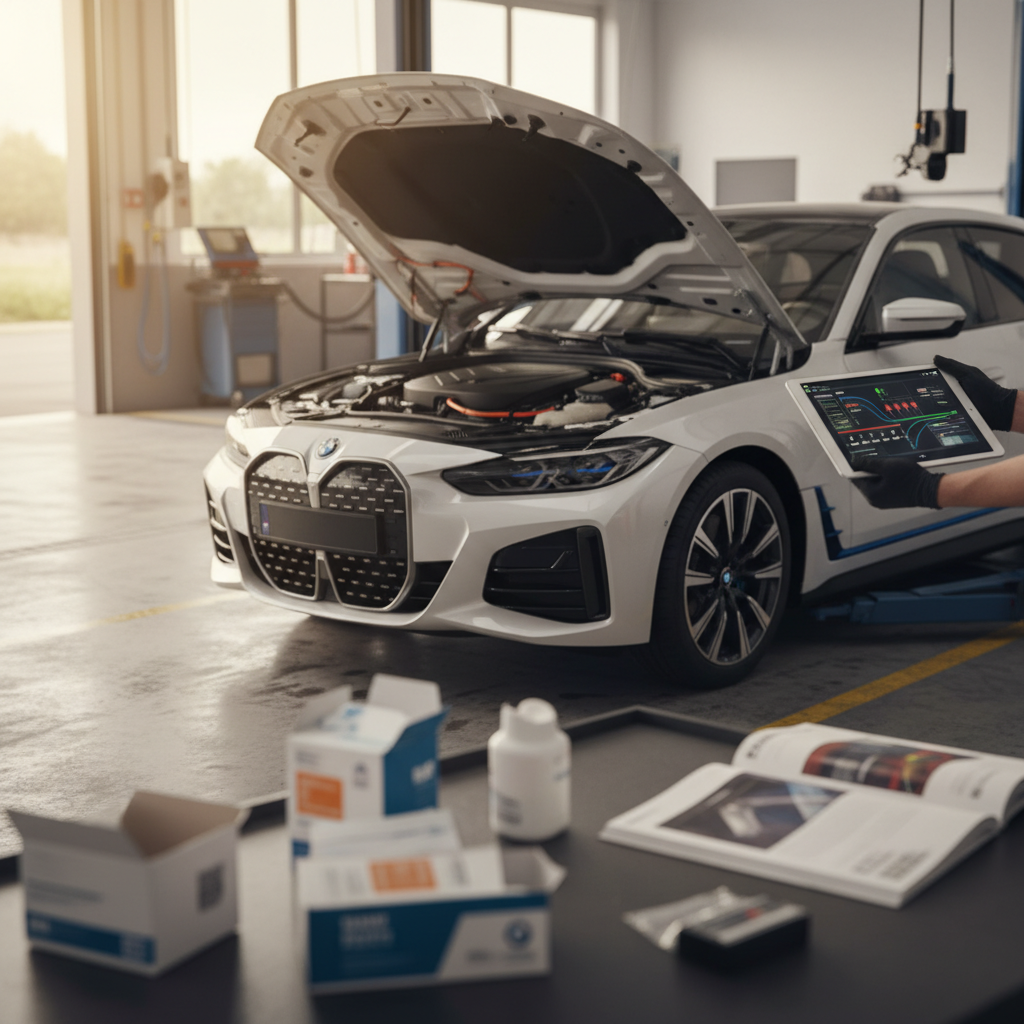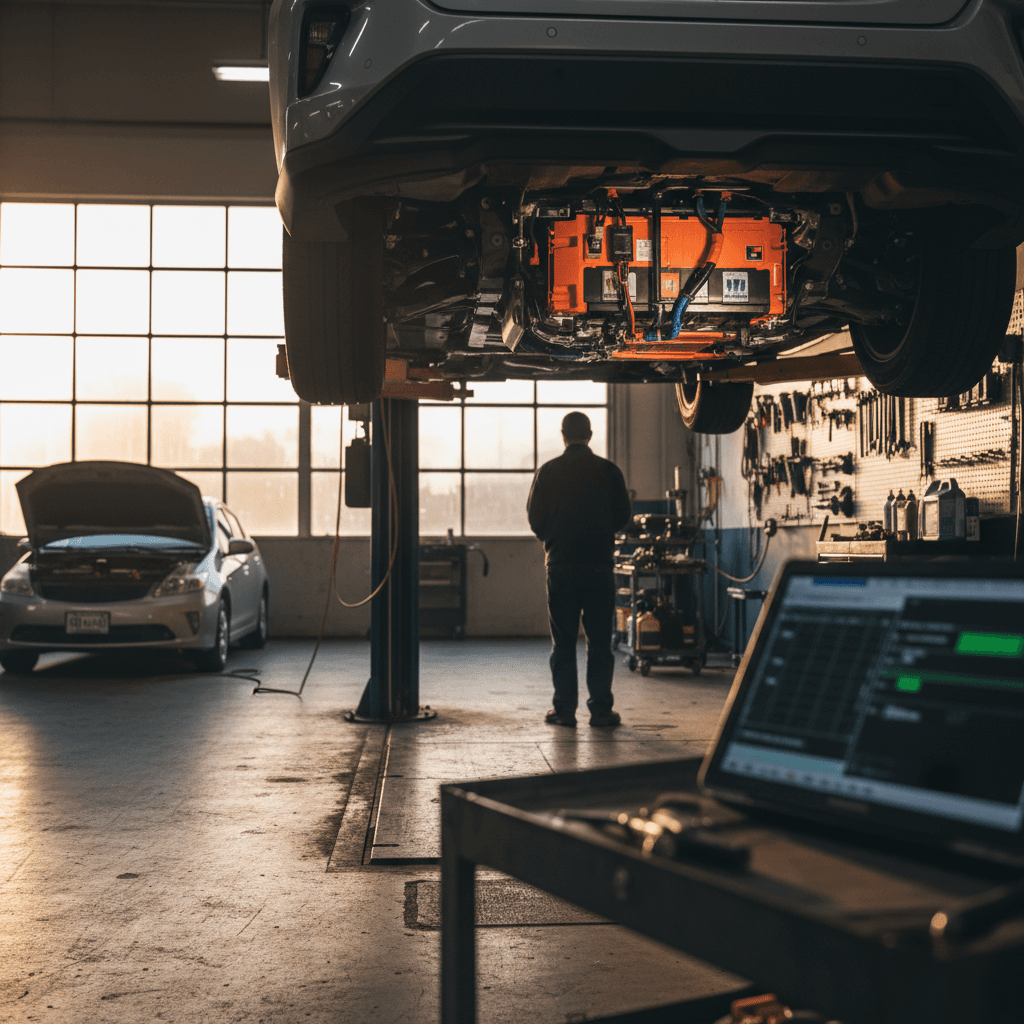
If you’ve just googled “hybrid auto shop near me”, you already know your car isn’t quite a regular gas burner. Hybrids mix an internal combustion engine with an electric drive system and high‑voltage battery pack, and not every corner garage is ready, or qualified, to work on them. The good news: with a bit of homework, you can find a shop that keeps your hybrid running efficiently without overpaying or risking a misdiagnosis.
Quick takeaway
Why a Hybrid Auto Shop Near You Matters
On paper, a hybrid looks like the worst of both worlds: more moving parts than a pure EV and more electronics than a gas car. In reality, hybrids have proven to be remarkably durable, especially from brands like Toyota, Honda and Ford. The catch is that when something does go wrong, you want a technician who knows how to safely work around 300+ volts, interpret hybrid‑specific trouble codes, and understand how the battery, inverter and engine all interact.
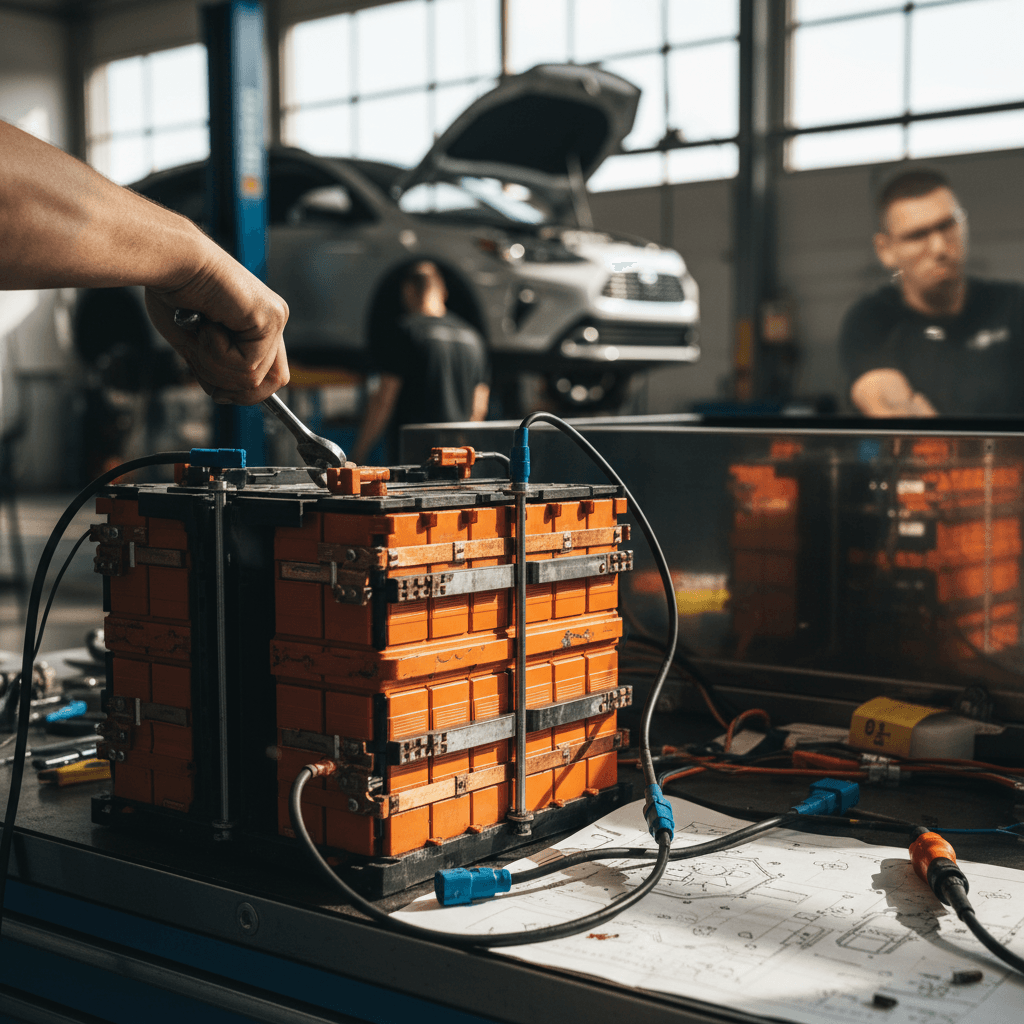
What a True Hybrid Auto Shop Can Handle
If a shop can’t confidently cover these areas, keep looking.
High‑voltage safety
Technicians should be trained to disable high‑voltage systems, use insulated tools and follow lockout/tagout procedures. You don’t want guesswork around a traction battery.
Hybrid diagnostics
Look for factory‑level scan tools and experience with hybrid‑specific codes, battery state of health, inverter faults, engine–electric drive handoff issues and cooling system problems.
Battery & inverter work
From cooling fans and contactors to full pack replacement, a qualified shop understands how to test, repair or replace hybrid batteries and power electronics safely.
How Hybrid Maintenance Differs From Gas Cars
Hybrid owners often hear two myths: that hybrids are maintenance nightmares, or that they never need service because the electric motor "does all the work." Neither is true. Hybrids still have engines, fluids and filters, but they use them differently, and usually more efficiently, than traditional gas cars.
Where hybrids need less maintenance
- Brakes last longer: Regenerative braking does most of the slowing, so it’s common to see 70,000+ miles on original pads where a gas car might need them at 25,000–40,000 miles.
- Fewer oil changes: Because the engine doesn’t run constantly, you may go farther between oil changes than in a comparable gas model.
- No traditional starter or alternator: Many common failure points simply don’t exist, which cuts long‑term repair risk.
Where hybrids are different
- High‑voltage battery & cooling: The traction battery and inverter need dedicated cooling; clogged fans or old coolant can damage very expensive parts.
- More complex diagnostics: A failing cell, bad inverter or weak 12‑volt battery can all produce similar warning lights, so accurate diagnosis matters.
- Specialized fluids: Some hybrid transmissions use unique fluid specs and change intervals your shop must follow.
Biggest risk with the wrong shop
Common Hybrid Services and What They Cost
When you’re evaluating a hybrid auto shop near you, it helps to know what the most common services look like and what’s reasonable to pay. Actual prices vary by region and brand, but the ranges below reflect typical 2025 quotes U.S. drivers report from both dealers and independent shops.
Typical Hybrid Service & Repair Costs (2025)
Approximate price ranges for common hybrid services in the U.S. as of late 2025.
| Service | Typical Interval | Dealer Range (USD) | Independent Hybrid Shop (USD) | Notes |
|---|---|---|---|---|
| Engine oil & filter | 7,500–10,000 miles | $120–$180 | $70–$130 | Hybrids often stretch intervals vs. comparable gas cars. |
| Brake pad replacement | 60,000–90,000 miles | $450–$700/axle | $300–$550/axle | Regen braking dramatically extends pad life. |
| Hybrid system diagnostic | As needed | $180–$250 | $120–$190 | Factory‑level scan and road test to pinpoint issues. |
| Hybrid battery cooling fan service | 60,000–100,000 miles | $250–$450 | $150–$300 | Cleaning dust/pet hair from fan and ducting. |
| Inverter or DC‑DC cooling system service | 100,000 miles | $250–$500 | $180–$380 | Special coolant; critical for power electronics life. |
| 12‑volt battery replacement | 5–7 years | $250–$450 | $180–$350 | Hybrids still rely on a traditional 12‑V battery for control systems. |
| Hybrid traction battery replacement | 8–15+ years / high miles | $2,000–$4,000 | $1,500–$3,000 | Prices have dropped sharply vs. early hybrids; reman packs often cheaper. |
| Wheel alignment | 30,000–50,000 miles | $150–$220 | $100–$170 | Keeps tire wear, and rolling resistance, under control. |
Use these numbers as ballparks, not exact quotes. Local labor rates, parts brands and specific models will move the final price up or down.
A realistic view of battery replacement
How to Find a Hybrid Auto Shop Near Me
Finding the right hybrid shop is part research project, part gut check. Start like everyone else, with search, but don’t stop at the first shop with a coupon. You’re looking for verifiable hybrid expertise, not just a sign that says “we work on all makes and models.”
Step‑by‑Step: Finding a Hybrid Auto Shop Near You
1. Start with targeted search terms
Search for phrases like <strong>“hybrid auto shop near me”</strong>, “Prius repair near me,” or “Toyota hybrid specialist” instead of just “mechanic near me.” This surfaces shops that actively market hybrid expertise.
2. Filter reviews for hybrid mentions
On Google, Yelp or RepairPal, search within reviews for terms like “hybrid,” “Prius,” or your model name. You want multiple customers specifically praising hybrid work, not just general oil changes.
3. Check the shop’s website for proof
Look for a dedicated hybrid or EV page, technician training credentials, and photos of hybrid battery or inverter work. A single Prius photo from 2014 isn’t enough.
4. Verify certifications and equipment
Shops serious about hybrids highlight ASE or manufacturer training, high‑voltage safety certification, and professional diagnostic tools, not just basic code readers.
5. Call and ask model‑specific questions
A quick phone call can reveal a lot. Ask how many hybrids they see per week, whether they’ve worked on your exact model and generation, and how they handle high‑voltage safety.
6. Start with a small job first
If you’re unsure, book a smaller service, like an oil change or brake inspection, and judge your experience before trusting the shop with major hybrid repairs.
Questions to Ask Any Hybrid Mechanic
Once you’ve narrowed your list to a few promising shops, ask targeted questions. A good hybrid mechanic will answer clearly and confidently; vague or defensive answers are red flags.
Key Questions to Vet a Hybrid Auto Shop
Use these on the phone or at the counter before you hand over the keys.
Experience & volume
- How many hybrids do you service in a typical week?
- Which hybrid brands and models do you see most often?
- Do you work on both standard hybrids and plug‑in hybrids?
Training & safety
- Are your technicians trained in high‑voltage safety?
- Do you have dedicated insulated tools and PPE for hybrid work?
- Who disconnects the high‑voltage system before repairs, and how?
Diagnostics & parts
- What scan tools do you use for hybrid diagnostics?
- Do you use OEM, remanufactured or aftermarket hybrid batteries and inverters?
- Do you provide printouts or screenshots of test results?
Pricing & warranty
- Can you give a written estimate before starting repairs?
- What warranty do you offer on parts and labor, especially on battery work?
- Are there diagnostic fees if I choose not to proceed?
What a good answer sounds like
Dealer vs. Independent Hybrid Shops
The dealership that sold your hybrid will happily service it, but that doesn’t automatically make it your best option forever. In 2025, more independent shops than ever are investing in hybrid and EV training, competing aggressively on price while offering dealership‑level know‑how.
Dealership hybrid service
- Pros: Direct access to brand‑specific tools, software and technical support; ideal for warranty work and complex software issues.
- Cons: Typically higher labor rates, upsell pressure, and less flexibility on using remanufactured or aftermarket parts.
- Best for: Newer hybrids still under factory warranty, recalls, software updates and brand‑specific campaigns.
Independent hybrid specialists
- Pros: Often 10–30% cheaper than dealer labor rates, more flexible on parts options, and more personal customer service.
- Cons: Quality varies more; you must verify training and equipment.
- Best for: Out‑of‑warranty hybrids, battery replacements, brake work and routine maintenance.
A hybrid approach that works well
Hybrid Ownership Costs in 2025
From a total‑cost‑of‑ownership standpoint, hybrids continue to look like the “just right” choice for a lot of U.S. drivers. Recent cost studies in 2025 show hybrids undercutting gas cars on fuel and scheduled maintenance without the higher purchase prices and insurance costs that still come with many new EVs.
Hybrid Costs vs. Gas and EV in 2025 (Big Picture)
What this means for you: if you choose a good shop and keep up with basic maintenance, a hybrid can be cheaper to operate than a gas car over the long haul, even before you factor in resale value and potential tax incentives on some models.
How Hybrids Fit Into the EV & Used‑EV Future
Hybrids are increasingly the bridge between traditional gas cars and full battery electric vehicles (EVs). They offer big efficiency gains without requiring home charging or a wholesale lifestyle change. At the same time, more drivers are cross‑shopping hybrids with used EVs as they think about their next vehicle.
If you’re keeping your hybrid
- Prioritize battery health with proper cooling system service and cabin air filter changes to keep battery fans clean.
- Use a hybrid‑literate shop to catch small issues, like weak 12‑volt batteries or software glitches, before they stress the high‑voltage system.
- Keep service records; buyers increasingly ask for proof of hybrid system maintenance when you sell or trade.
If you’re thinking about a used EV next
- A strong hybrid ownership history is a great gateway to EVs, you’re already used to regenerative braking, silent launches and charge‑like driving habits.
- When you’re ready, platforms like Recharged focus on used EVs with verified battery health, transparent pricing and nationwide delivery.
- The same instincts you develop vetting a hybrid shop, asking about diagnostics, battery health and warranties, apply directly to choosing a used EV.
Leaning toward a used EV?
Hybrid Auto Shop Near Me: FAQ
Frequently Asked Questions
Bottom Line: Picking the Right Hybrid Shop
When you search for a “hybrid auto shop near me”, you’re really looking for a partner, someone who understands both the gasoline and electric sides of your car and can keep them working together for the long haul. The right shop will be transparent about training, diagnostics, pricing and warranties, and it will have a track record with hybrids like yours.
Do a bit of homework up front: filter reviews for hybrid work, ask pointed questions about high‑voltage safety and diagnostic tools, and, if you’re unsure, test a shop with a small job before you trust it with bigger repairs. Hybrids have earned their reputation for longevity and low running costs; the right shop simply helps them deliver on that promise.
Thinking beyond your current hybrid
Ready to find your next EV?
Browse Vehicles