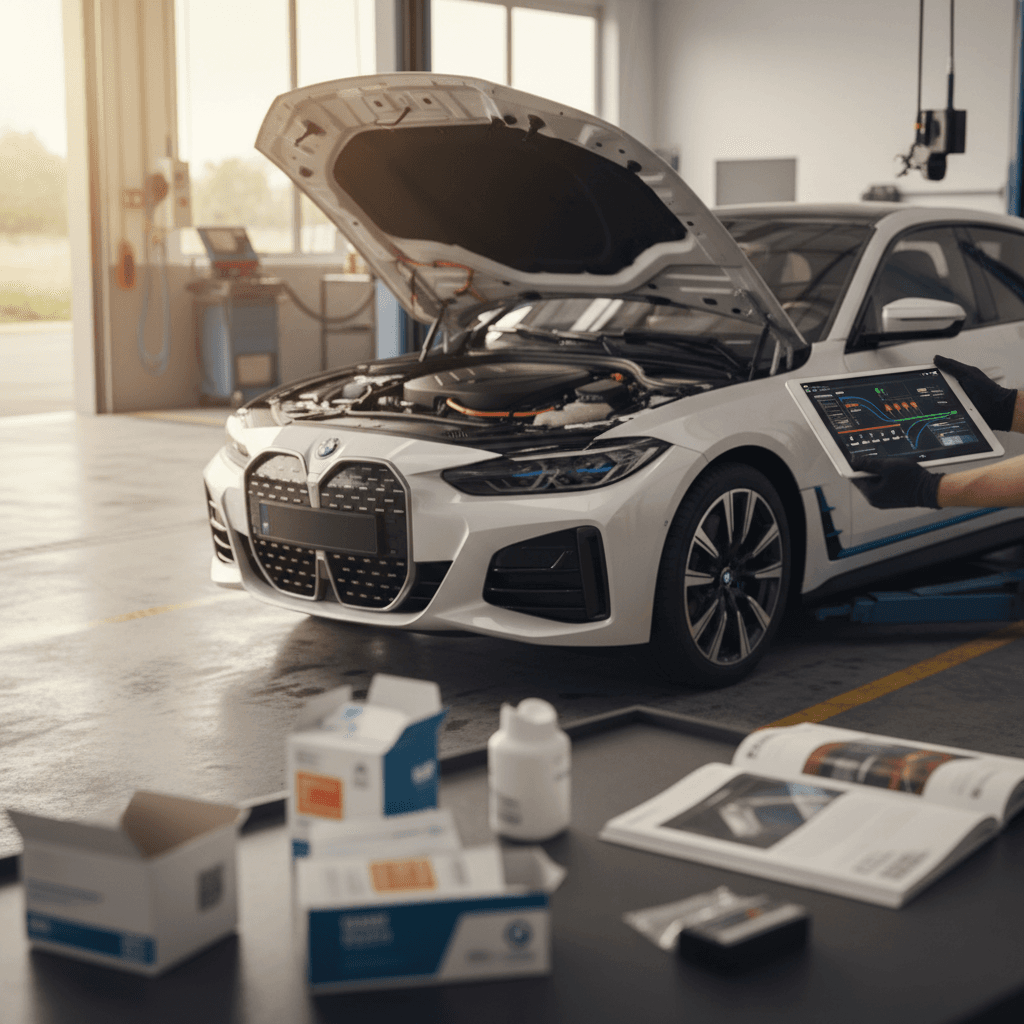
If you’re cross‑shopping electric sedans, you’ve probably heard that EVs are cheaper to maintain than gas cars. That’s true for the BMW i4, but it’s not maintenance‑free. Understanding the BMW i4 annual maintenance cost helps you budget realistically, compare it to a Tesla or a 3 Series, and avoid surprises once the free BMW service plan runs out.
Quick answer
BMW i4 annual maintenance cost overview
BMW i4 maintenance at a glance (U.S.)
Those averages hide a lot of nuance. Your personal BMW i4 annual maintenance cost will depend on how far you drive, whether you rotate tires regularly, which wheel/tire package you have, and how much work you let the BMW dealer do versus an independent EV‑savvy shop. But the important thing is this: you’re not paying for oil changes, spark plugs, or exhaust repairs, and that’s a huge departure from traditional BMW ownership.
How BMW i4 maintenance actually works
The i4 uses BMW’s Condition Based Service (CBS) system, the same basic logic as their gas cars, but tailored for an EV. Instead of a fixed mileage schedule, the car tracks time, mileage, and sensor data, then tells you when a service is due. In practice, owners in the U.S. commonly see a service reminder every 2 years, even at relatively low mileage.
- The car surfaces a “service due” message based on time (often 24 months) and mileage.
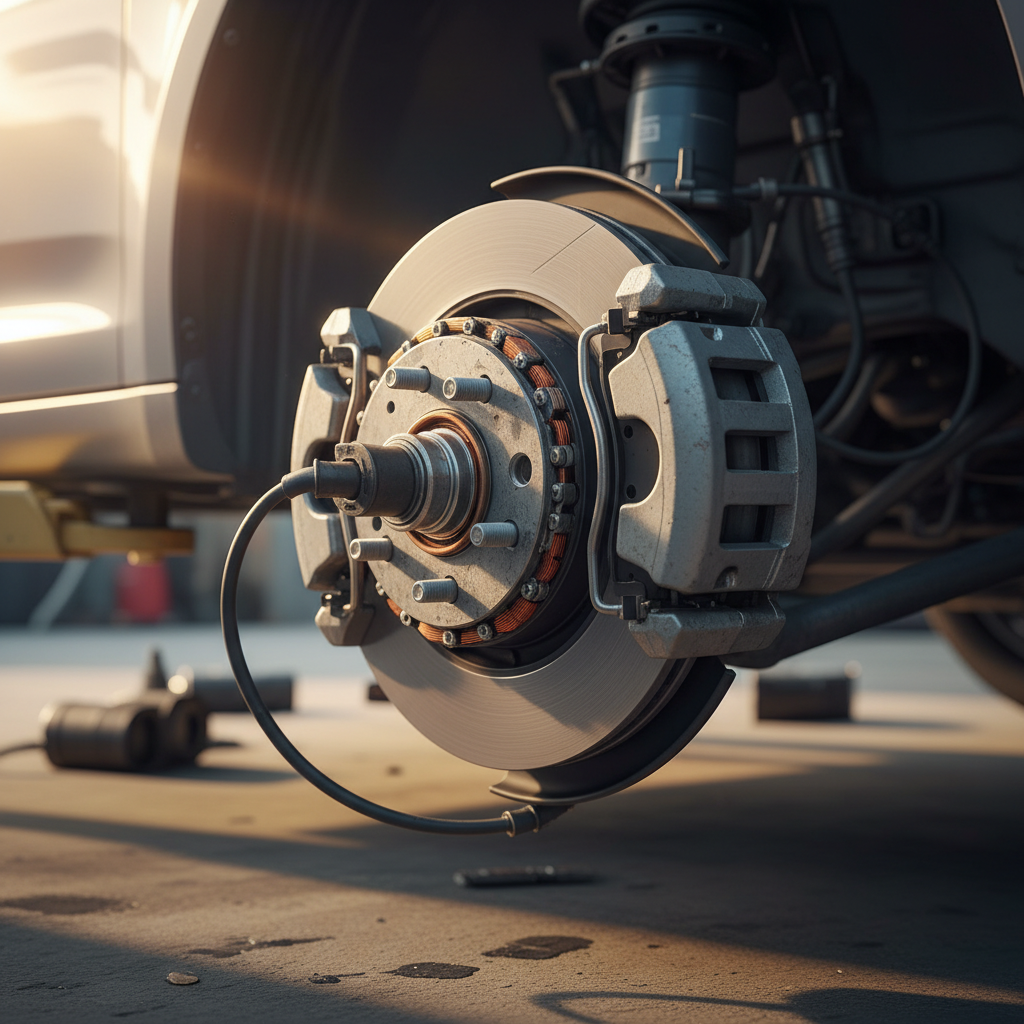
- Typical 2‑year visits include a brake fluid flush, cabin air filter replacement, key fob battery, wipers, and a general inspection.
- Tires, alignments, and glass are handled as needed, not on a fixed clock.
- High‑voltage battery and coolant systems are inspected, with major coolant services happening on much longer intervals (around 4–6 years in many cases).
Think in 2‑year chunks, not monthly oil changes
Common BMW i4 maintenance items and what they cost
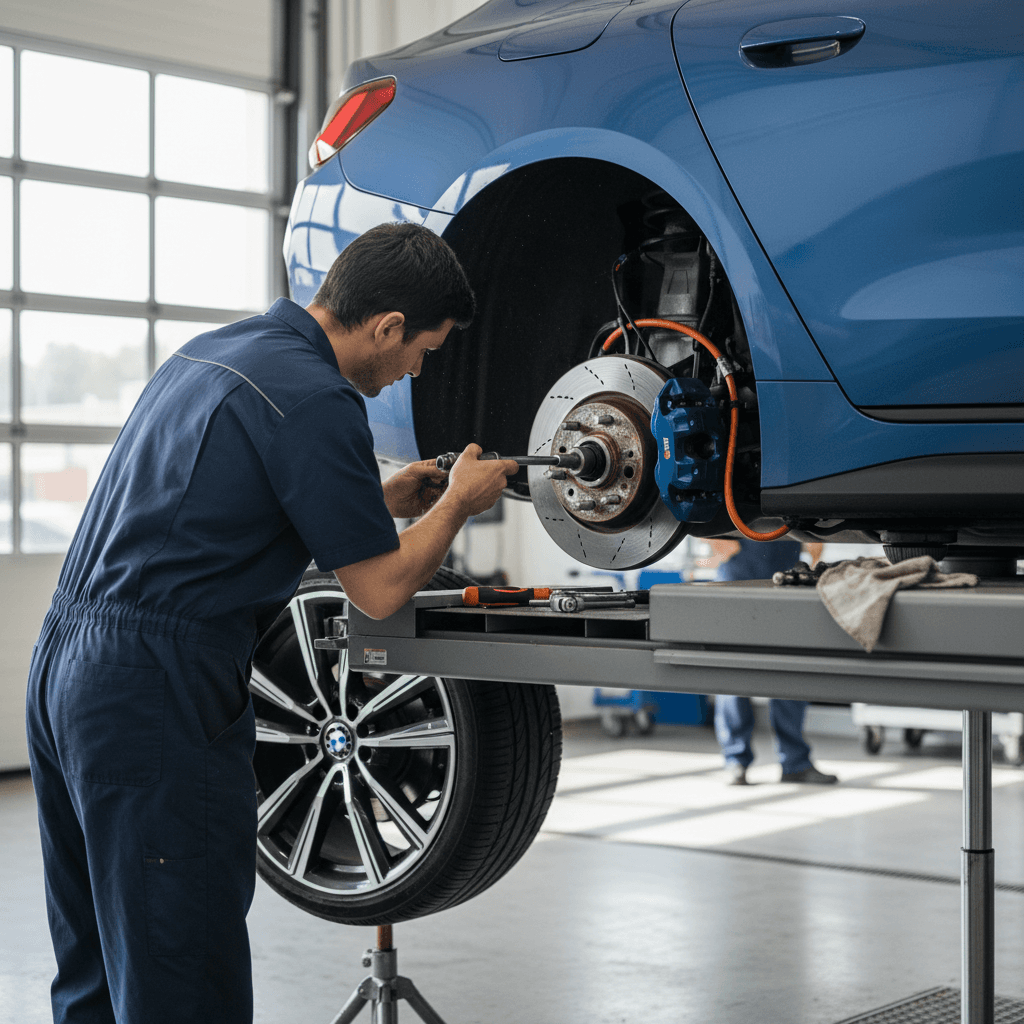
Even though the i4 is simpler than a gas BMW, it still runs on rubber, steel, and brake fluid. Here are the maintenance items most i4 owners will see and what they typically cost at U.S. dealers vs. independent shops.
Typical BMW i4 maintenance items & price ranges
Approximate retail pricing as of 2025–2026. Dealer rates are usually on the higher end; independent EV‑savvy shops may be lower.
| Service item | Typical interval | Estimated cost (parts + labor) |
|---|---|---|
| Tire rotation & inspection | Every 10,000–12,000 miles | $50–$120 |
| New tires (set of 4, 18–20" performance sizes) | 30,000–40,000 miles typical | $900–$1,600 |
| Brake fluid flush | Every 2 years | $120–$220 |
| Cabin air filter replacement | Every 2–3 years | $80–$200 |
| 4‑wheel alignment | As needed / with new tires or pothole hits | $150–$300 |
| Coolant check / service (battery & motor loops) | Roughly every 4–6 years | $200–$450 |
| 12‑volt auxiliary battery replacement | About every 4–6 years | $200–$450 installed |
| Wiper blades | Annually or as needed | $40–$120 |
| Key software / diagnostics visit (out of warranty) | Occasional | $150–$250 when billed |
Use this as a planning tool, always confirm with your local shop or BMW dealer.
Regenerative braking is your friend
BMW Ultimate Care, warranty, and what’s really “free”
In the U.S., new BMWs, including the i4, typically come with BMW Ultimate Care, a factory scheduled maintenance program. For recent i4 model years, that usually means 3 years or 36,000 miles of basic scheduled maintenance at no additional charge, on top of the 4‑year/50,000‑mile new‑vehicle limited warranty and an 8‑year high‑voltage battery warranty window.
What BMW covers vs. what you cover
Understanding this line is key to predicting real‑world i4 costs.
Covered early on
- Scheduled 2‑year brake fluid service
- Cabin air filter at scheduled intervals
- Basic inspections and vehicle checks
- Some software updates and fault diagnosis under warranty
If the car is still within Ultimate Care and under warranty, these visits often show up as $0 on the invoice.
Always your responsibility
- Tires and tire rotations
- Wheel alignment
- Glass, cosmetic damage, curb rash
- Wear items outside the maintenance plan window
- Out‑of‑warranty diagnostics and repairs
Extended maintenance packages can pre‑pay some items, but you should compare their price against realistic maintenance needs before signing.
Don’t overpay for add‑on plans
5‑year BMW i4 maintenance cost breakdown
Let’s turn all of this into a simple model. Below is a realistic five‑year scenario for a typical U.S. BMW i4 driver putting about 12,000 miles per year on the car, mixing dealer visits for the big 2‑year services with independent shops for tires and alignments. This assumes you’re out of the free maintenance window or you buy the car used.
Illustrative 5‑year BMW i4 maintenance cost model
Assumes 12,000 miles per year, mixed city/highway driving, standard tire wear, and no major unexpected repairs.
| Year | Major items | Estimated annual cost |
|---|---|---|
| Year 1 | Tire rotation, inspection, wipers as needed | $150 |
| Year 2 | Brake fluid flush + cabin filter + rotation + inspection | $450 |
| Year 3 | Tire rotation, possible alignment after road impacts | $250 |
| Year 4 | 2‑year service again (brake fluid + filter), new tires set, alignment | $1,800 |
| Year 5 | Tire rotation, wipers, general inspection | $300 |
Actual costs vary by region, labor rates, wheel setup, and how hard you drive.
Spread over five years, that works out to roughly $600–$650 per year in maintenance. Add a bit of cushion for regional labor differences or a 12‑volt battery replacement and you’re in the $600–$750 per year range most owners will experience.
What’s driving the spikes?
The years that look expensive are almost always tire years. A heavy, torquey EV on performance rubber will chew through a set of tires faster than a base gas sedan. If you choose 18" wheels with touring tires and drive gently, you can lower those peaks.
If you’re still in Ultimate Care
If your i4 is new enough to have BMW Ultimate Care intact, some or all of those 2‑year services may be $0. In that case your 5‑year average can drop closer to $450–$550 per year, since tires and alignments make up most of your spend.
BMW i4 maintenance vs Tesla and gas BMWs
To put BMW i4 annual maintenance cost in context, it helps to compare it to two reference points: a Tesla sedan and a traditional gas BMW 3 or 4 Series.
Where the BMW i4 lands on the cost spectrum
Approximate averages over the first 5–8 years of ownership.
BMW i4 (EV)
≈$600–$750/year including tires, 2‑year services, and minor items.
No oil changes or exhaust work, but premium‑brand parts and labor still apply.
Tesla Model 3/Y
≈$500–$650/year in many owner datasets.
Slightly lower average than the i4 thanks to cheaper consumables and more streamlined service, but very similar profile: tires, brake fluid, cabin filters.
BMW 3/4 Series (gas)
≈$900–$1,000+/year over time for many owners.
Oil services, spark plugs, cooling system work, and exhaust‑related repairs all add layers of cost on top of the same tires, brakes, and fluids.
Bottom line on comparisons
How mileage, roads, and driving style change your costs
The biggest variable in BMW i4 annual maintenance cost isn’t the service schedule, it’s you. Two owners with the same model year can have wildly different bills based purely on miles, roads, and how they use the car.
Key factors that move your BMW i4 maintenance up or down
Annual mileage
A 6,000‑mile‑per‑year commuter might change tires once in 5–6 years, while a 20,000‑mile road warrior may buy two full sets in that same window. Even with the same 2‑year brake fluid schedule, higher‑mileage drivers spend more simply because of tires.
Road quality and climate
Pothole‑ridden cities mean more frequent alignments, bent wheels, and even suspension work. Snow belts add winter tire sets, and possible corrosion issues if the car isn’t washed regularly.
Wheel and tire choice
Large 19" or 20" staggered performance setups cost <strong>hundreds more per set</strong> than modest 18" square packages. They also tend to wear faster. If you care more about range and cost than ultimate grip, smaller wheels are your friend.
Driving style
Aggressive launches and fast highway speeds look cool in marketing, but they’re brutal on tires. Smooth acceleration and lifting early for regen can add thousands of miles to a set of tires and keep brake components in better shape.
Where you service the car
Dealer hourly rates can be 30–50% higher than an independent EV‑specialist shop. For basic items like tires, alignment, and wipers, you can often save a lot by shopping around, while still returning to BMW for EV‑specific inspections when needed.
Hidden cost: skipping scheduled brake fluid
How to save on BMW i4 annual maintenance
You can’t change the fact that a BMW is a premium German car with premium parts. But you can absolutely influence whether your BMW i4 costs feel like a financial time bomb or just another predictable line in your budget.
Practical ways to keep BMW i4 maintenance in check
Most of these require planning, not sacrifice.
1. Choose the right wheel and tire setup
If you’re still shopping, think hard before you default to the biggest wheels. 18" wheels with all‑season tires tend to be cheaper and longer‑lasting than 20" ultra‑performance rubber, with only a modest trade‑off in aesthetics and grip.
2. Rotate and align on time
Budget for a rotation roughly every 10,000–12,000 miles and an alignment whenever the car starts to pull or you feel a vibration. Spending $200–$300 on alignment work is much cheaper than scrubbing off a $1,400 set of tires in 20,000 miles.
3. Use independent EV‑savvy shops where appropriate
For tires, alignments, wipers, and even brake fluid, a high‑quality independent shop can often match BMW’s work at a lower labor rate. Save BMW dealer time for EV‑specific diagnostics, software, and warranty items.
4. Stick to 2‑year fluid and inspection intervals
Follow the CBS reminders, especially for brake fluid and vehicle checks. Catching a coolant valve, bushing, or tire issue early beats finding out on a tow truck or at lease turn‑in with penalty fees.
5. Avoid overpriced add‑on plans
Extended maintenance bundles can make sense if they’re priced realistically and you’re certain you’ll keep the car long enough. But for many i4 owners, especially lessees, paying as you go or buying a used car with service history is cheaper.
6. Get a battery and maintenance health snapshot
A structured battery health and maintenance inspection on a used i4 helps you avoid cars that have skipped services or have early cooling issues. That small upfront spend can easily save you four figures later.
Buying a used BMW i4? Maintenance checklist
Used is where BMW’s reputation for high maintenance costs can really spook buyers, often more than the numbers justify. With the i4, the risk is less about constant repairs and more about buying a car that hasn’t been maintained properly or is about to hit a big cost milestone, like tires or a 2‑year service, right after you sign.
Used BMW i4 maintenance questions to ask before you buy
1. Has every 2‑year service been performed on time?
Ask for service records showing brake fluid flushes, cabin air filter replacements, and vehicle checks. A missing 2‑year visit is a red flag, or at least a negotiation point because you’ll need to do it immediately.
2. How old are the tires, and what tread is left?
Document tire brand, model, and tread depth. A car with fresh, high‑quality tires can effectively save you <strong>$1,200 or more</strong> in near‑term costs compared to one riding on cords.
3. Any history of coolant valve or pump repairs?
Early i4s saw some cooling‑system components replaced under warranty. A car with those issues already addressed is often better than one with a spotless but short history where problems haven’t surfaced yet.
4. What’s the 12‑volt battery status?
If the car is 4–6 years old and still on the original 12‑volt battery, assume a replacement is coming and budget a few hundred dollars. Ask if any warning messages have appeared.
5. Are there any active warnings or deferred repairs?
Make sure there are no outstanding fault messages or recommended services. If the seller says “it just needs tires and a service,” translate that into real dollars, then adjust your offer accordingly.
6. Has the high‑voltage battery health been measured?
An independent <strong>EV battery health report</strong> can reveal how much capacity the pack has retained and whether fast‑charging or storage habits have accelerated degradation. That’s crucial for long‑term ownership and resale value.
Where Recharged fits in
BMW i4 maintenance cost FAQ
BMW i4 maintenance questions, answered
The BMW i4 doesn’t magically erase the realities of premium‑brand ownership, but it does rewrite them. Instead of relentless oil changes and engine repairs, you’re planning around 2‑year services, high‑quality tires, and the occasional alignment, landing in a $600–$750 per‑year maintenance band for most real‑world owners. If you’re thoughtful about wheels, driving style, and where you service the car, the i4’s costs become predictable and surprisingly manageable, especially compared with a gas BMW. And if you’re shopping used, pairing that knowledge with a transparent battery and maintenance report from a partner like Recharged is how you stack the odds firmly in your favor.