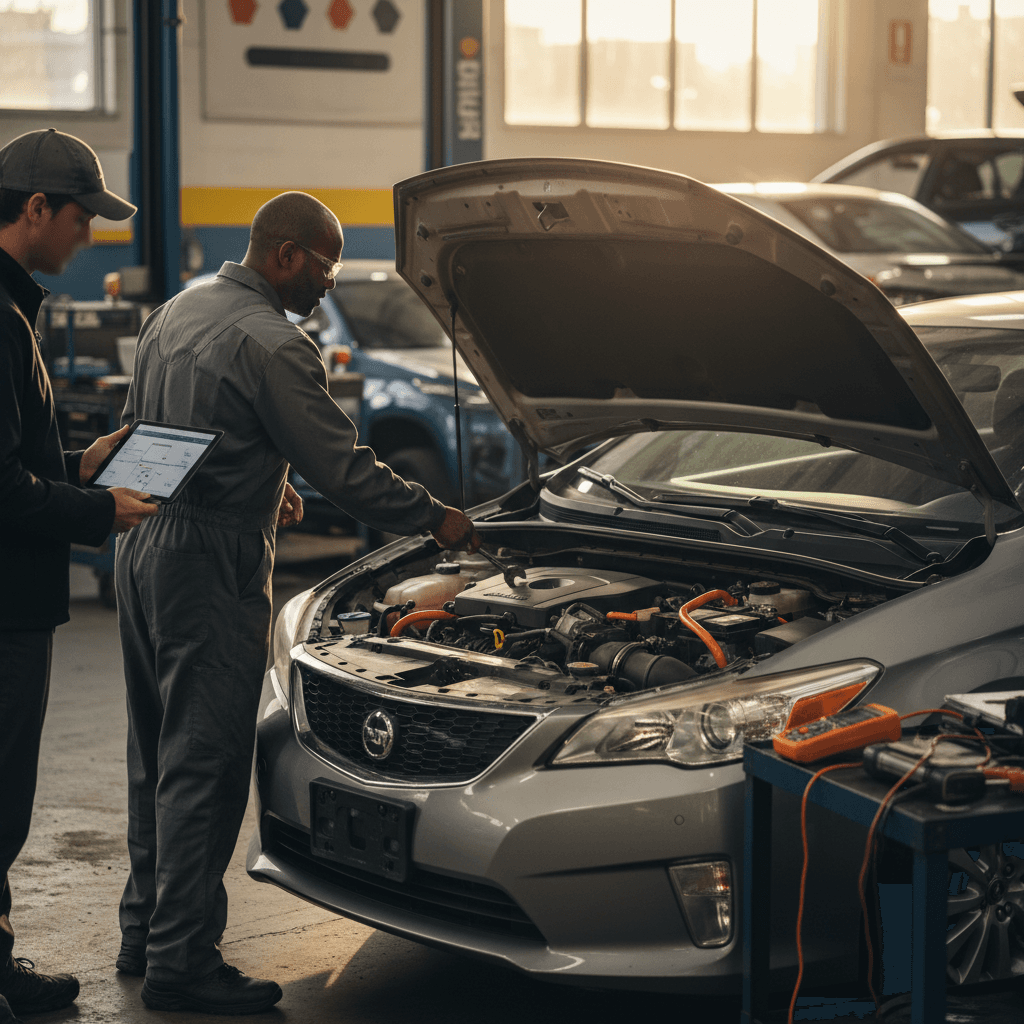
If you’re searching for a “hybrid auto mechanic near me”, you already know your car isn’t just another gas sedan. Hybrids blend an internal‑combustion engine with an electric motor, high‑voltage battery, and complex power electronics. The wrong shop can misdiagnose problems, throw parts at your car, and send your costs through the roof. The right hybrid mechanic keeps your car efficient, reliable, and safe, without overcharging you for the electrified badge.
Hybrid ownership is growing fast
Why You Need a Specialized Hybrid Auto Mechanic
A hybrid is still partly a gas car, but it adds a high‑voltage electrical system, advanced software, and regenerative braking. That means your mechanic needs more than basic engine knowledge. They need to understand how the engine, motor, inverter, and battery pack talk to each other, and what happens when they don’t.
What Makes Hybrid Service Different
These systems separate a true hybrid mechanic from a generalist shop
High‑Voltage Battery
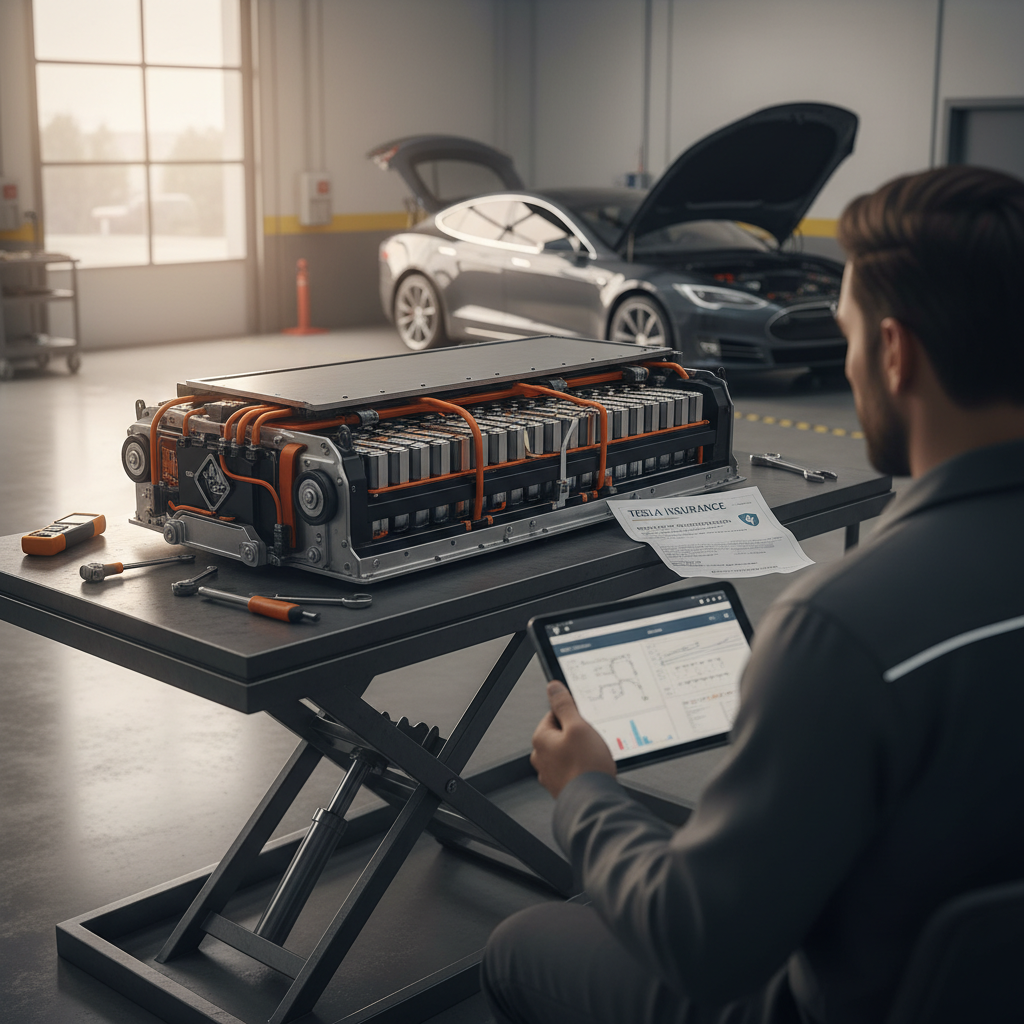
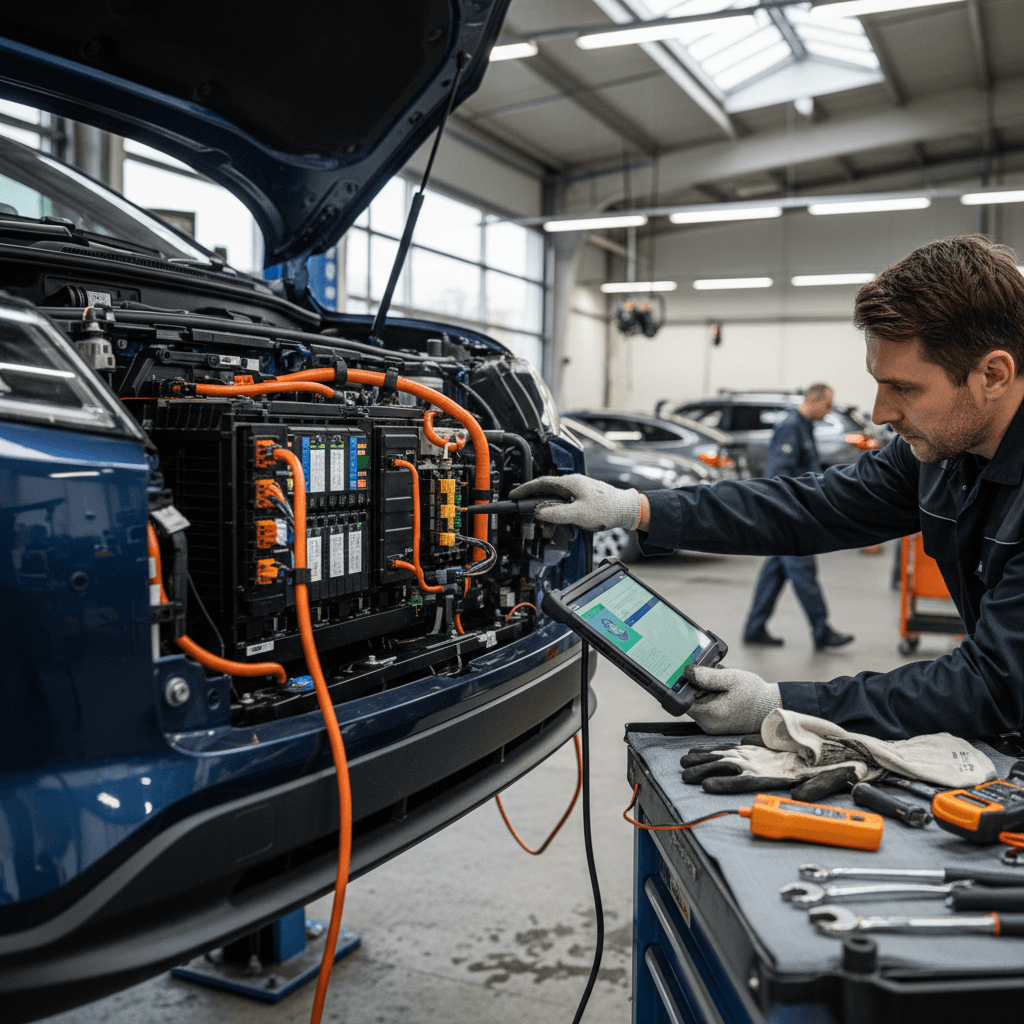
Hybrid batteries run hundreds of volts, far beyond regular 12‑volt systems. Diagnosing them safely requires insulated tools, training, and a scan tool that can read battery module data, temperatures, and state of health.
Inverter & Power Electronics
The inverter converts DC battery power into AC for the motor and back again during regen. Faults here can mimic engine issues, so a shop needs proper oscilloscope and OEM‑level software to avoid misdiagnosis.
Regenerative Braking
Hybrid brake systems blend traditional friction braking with regenerative braking. Calibrating and bleeding these systems often requires factory procedures and specialized equipment.
Safety matters
Hybrid vs Gas Maintenance: What’s Actually Different?
In day‑to‑day ownership, hybrids can actually be cheaper to maintain than gas cars. Regenerative braking means your brake pads may last two to three times longer. The gas engine often runs less and operates more efficiently, which can reduce wear and tear. But when specialized components fail, like the inverter or hybrid battery, you’ll want a shop that’s seen the pattern before.
How Hybrids Stack Up on Costs (Typical 15,000‑Mile Year)
Where Hybrids Save You Money
- Fewer brake jobs: Regenerative braking does most of the work, so pads and rotors last longer.
- Less engine stress: The gas engine doesn’t work as hard, reducing wear on pistons, valves, and bearings.
- Fewer emissions items: Fewer hours of engine operation mean less stress on catalytic converters and emissions systems.
Where Hybrids Add Complexity
- High‑voltage diagnostics: Batteries, inverters, and DC‑DC converters require specialized scan tools.
- Cooling systems: Many hybrids have additional cooling circuits for batteries and power electronics.
- Software integration: Hybrid control modules must be programmed and updated correctly after repairs.
How to Find a Hybrid Auto Mechanic Near You
When you type “hybrid auto mechanic near me” into a search bar, you’ll see dealers, national chains, neighborhood shops, and newer EV‑focused garages. The trick is separating marketing from actual capability. Use a few filters to narrow the list before you ever pick up the phone.
Step‑by‑Step: Locating a Qualified Hybrid Shop
1. Start with OEM & hybrid‑focused searches
Search for your brand plus "hybrid service" (for example, "Toyota hybrid repair"), then combine that with broader queries like "hybrid auto repair" and "EV and hybrid specialist" in your area.
2. Check reviews for hybrid‑specific mentions
Scan recent reviews for phrases like "hybrid battery", "Prius", "Camry Hybrid", "RAV4 Hybrid", "Ford Escape Hybrid", or "inverter", not just generic oil changes and tire rotations.
3. Look at the shop’s website carefully
A serious hybrid mechanic explains what brands they support, what scan tools they use, and whether they handle high‑voltage systems, not just routine maintenance.
4. Confirm they work on your brand
A shop that knows Toyota and Lexus hybrids may not be comfortable with Honda, Ford, Hyundai, or plug‑in hybrids. Make sure your make and model is clearly listed.
5. Ask about turnaround time and parts sourcing
Hybrids sometimes need specialty parts. Ask whether they use OEM, remanufactured, or aftermarket hybrid components and how long typical repairs take.
6. Shortlist 2–3 shops and call them
A quick phone call tells you a lot. If the service advisor talks confidently about hybrid systems and asks good questions, that’s a positive sign.
Use your network
Certifications, Tools, and Training That Really Matter
Hybrid mechanics don’t need a different license than other technicians, but the right certifications and tools show they’ve invested in hybrid training. When you’re comparing shops, these are the indicators that separate true specialists from generalists.
What to Look For on the Wall, and in the Bay
Training and tooling that indicate real hybrid expertise
ASE & OEM Hybrid Training
Look for ASE certifications (especially in electrical and advanced engine performance) plus OEM training from brands like Toyota, Ford, Hyundai, or Honda.
OEM‑Level Scan Tools
A proper hybrid shop invests in factory or factory‑grade diagnostic tools that can talk to hybrid control modules, battery management systems, and brake controllers.
High‑Voltage Safety Gear
Insulated gloves, high‑voltage test equipment, and clearly marked safety procedures show the shop takes hybrid work seriously.
Good sign
Key Questions to Ask Any Hybrid Shop
Once you’ve narrowed your search for a hybrid auto mechanic near you to a few candidates, a short phone call or email can tell you whether they’re the right fit. Use these questions to cut through the sales pitch and get to the substance.
- How many hybrids do you service in a typical week? (You want a shop that sees hybrids regularly, not once in a while.)
- Do you handle high‑voltage battery diagnostics and replacement in‑house, or do you sublet that work?
- Which hybrid brands and model years are you most experienced with?
- What scan tools and software do you use for hybrid diagnostics?
- Do you offer written estimates and line‑item breakdowns for hybrid‑specific work?
- What kind of warranty do you provide on hybrid batteries, inverters, and related repairs?
- If I’m considering buying a used hybrid, can you perform a pre‑purchase inspection and battery health report?
The best hybrid shops talk about diagnosis first and parts second. If the first thing you hear is, “We’ll just replace the battery,” keep asking questions.
Typical Hybrid Repairs and What They Cost
Most of your hybrid maintenance will feel familiar, oil changes, tires, cabin filters. But when you’re choosing a hybrid mechanic, you’re really preparing for the unusual jobs that general repair shops often struggle with. Here’s a high‑level look at common hybrid‑specific services and rough shop pricing ranges in the U.S. as of late 2025.
Common Hybrid Services and Approximate Shop Costs
Actual pricing varies by brand, region, and whether parts are OEM, rebuilt, or aftermarket, but these ranges help set expectations.
| Service | What It Involves | Typical Cost Range (USD) | Who Should Do It |
|---|---|---|---|
| Hybrid system diagnostic | Full scan, road test, and inspection of engine, motor, inverter, and battery data. | $150–$300 | Hybrid‑experienced shop or dealer |
| Hybrid battery health check | Capacity test, voltage checks by module, and system scan for battery codes. | $150–$400 | Hybrid specialist or dealer |
| High‑voltage battery replacement | Remove/replace pack, program modules, road test, and warranty registration. | $1,500–$3,000+ | Hybrid/battery specialist or OEM dealer |
| Inverter or DC‑DC converter repair | Electrical testing, component replacement, fluid and cooling checks, programming. | $1,000–$3,000+ | Advanced hybrid or EV shop |
| Brake system service on hybrid | Pads/rotors plus hybrid brake bleed and calibration. | $300–$900 | Shop with experience in hybrid brake systems |
| Hybrid cooling system service | Coolant replacement and bleeding for engine, inverter, and/or battery circuits. | $200–$600 | Hybrid‑aware shop or dealer |
Use this table as a conversation starter with any hybrid auto mechanic near you, ask where their pricing typically lands and why.
Battery sticker shock is fading
Red Flags: When to Walk Away From a Mechanic
Not every shop that pops up under “hybrid auto mechanic near me” deserves your business. Pay attention to these warning signs before you hand over your keys.
- The service advisor can’t clearly explain how they diagnose hybrid battery or inverter issues.
- They quote a high‑voltage battery replacement over the phone without scanning the car.
- The shop has almost no reviews mentioning hybrids by name.
- There’s no evidence of hybrid or EV training, insulated tools, or safety procedures in the shop.
- They discourage pre‑purchase inspections for used hybrids or refuse to share scan data with you.
- All recommendations are "replace the battery", no discussion of wiring, cooling, or software issues.
Biggest red flag
Hybrid vs EV: Long‑Term Cost and Maintenance
If you’re driving a hybrid today, there’s a good chance your next vehicle will be either another hybrid or a full battery‑electric vehicle (EV). It’s worth understanding how the long‑term cost picture is shifting as EVs mature and more EV‑specialist shops come online.
Why Hybrids Still Make Sense
- Lower total cost of ownership for many drivers: For average Americans who drive about 15,000 miles a year and don’t have dedicated home charging, recent analyses still show hybrids as the lowest total cost option in many cases.
- No charging anxiety: You fuel up like any gas car, so you don’t have to plan around chargers.
- Wide service network: Most dealerships and many independents now handle hybrids routinely.
Where EVs Pull Ahead
- Lower mechanical complexity: No engine, exhaust, or traditional transmission, so fewer moving parts to fail.
- Big fuel and maintenance savings: Over time, many EV owners save thousands on electricity and routine service versus gas.
- Future‑proofing: As more brands adopt EVs and charging expands, EV‑focused shops like Recharged will only get more capable and accessible.
Thinking beyond your current hybrid
Where Recharged Fits: When a Full EV Specialist Is Better
Recharged focuses on used electric vehicles rather than traditional hybrids, but there’s overlap in what matters: battery health, transparent pricing, and expert guidance. If you’re weighing whether to repair an aging hybrid or move into a used EV, it helps to work with a team that lives and breathes electrified drivetrains.
How Recharged Helps Hybrid Owners Considering Their Next Move
From battery health to financing, Recharged is built around electrified vehicles
Battery Health Transparency
Every EV sold through Recharged comes with a Recharged Score Report, including verified battery health diagnostics, similar to the peace of mind you’d want from a hybrid battery test.
Clear Cost of Ownership
Recharged analyzes fair market pricing and long‑term cost of ownership so you can compare keeping your hybrid versus trading into a used EV.
Nationwide, Low‑Friction Buying
With a fully digital experience, EV‑specialist support, financing, trade‑in options, and nationwide delivery, Recharged makes stepping into your first EV far less intimidating.
Ready to find your next EV?
Browse VehiclesIf you decide your current hybrid is no longer worth a major repair, say, an expensive inverter or high‑voltage battery failure, getting a quote on a trade‑in or instant offer through a platform like Recharged can clarify whether it’s smarter to repair or replace.
Hybrid Auto Mechanic FAQ
Frequently Asked Questions About Hybrid Mechanics
The Bottom Line: Finding a Hybrid Mechanic You Can Trust
When you search for a “hybrid auto mechanic near me”, you’re really looking for two things: technical competence and long‑term trust. A good hybrid shop understands high‑voltage systems, invests in the right tooling and training, and communicates clearly about what they’re doing to your car and why. Use reviews, certifications, and a few smart questions to filter out pretenders and focus on true specialists.
At the same time, keep an eye on the bigger picture. If major hybrid repairs start piling up, it may be time to consider whether a used EV, with transparent battery health, fair pricing, and EV‑specialist support from a company like Recharged, is a better long‑term play. Either way, the more you understand about hybrid and EV service today, the easier your next ownership decision will be.