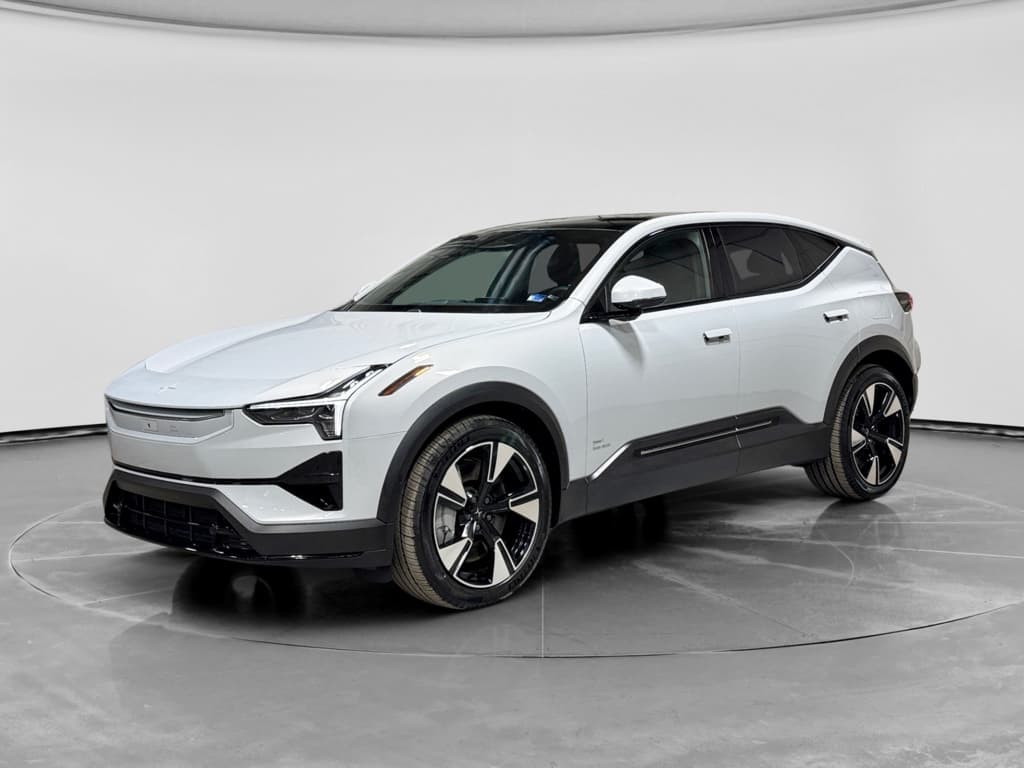
If you're wondering how to sell a Polestar 3, you're dealing with more than just another luxury SUV. The Polestar 3 is a high‑tech, all‑electric flagship with a big battery, sophisticated software, and a still‑developing used market. The way you price it, present it, and where you list it will have a bigger impact on your final check than you might think.
Quick Take
Why Selling a Polestar 3 Is Different From Selling Any SUV
High‑value battery, new-ish model
The Polestar 3 pairs a large battery pack with dual‑motor performance and advanced safety tech. That means buyers will care less about exhaust tips and more about range, charging speed, and battery health. Since U.S. deliveries only ramped up in 2024–2025, used pricing is still settling and can swing more than you're used to with a German SUV of the same price.
Brand awareness and incentives
Polestar has a strong connection to Volvo, but it's still a newer badge for many mainstream shoppers. At the same time, aggressive new‑car discounts and lease deals have pushed transaction prices around, which can put downward pressure on used values. All of that makes it critical to market your car to informed EV buyers who understand what they’re getting.
Polestar 3 Used‑Market Snapshot (Early U.S. Sales)
Step 1: Know What Your Polestar 3 Is Worth
Before you take photos or talk to a dealer, you need a realistic price range. With a fast‑moving model like the Polestar 3, yesterday’s number may already be stale, so combine a few data points instead of trusting a single site.
- Check online appraisal tools (Edmunds, KBB, etc.) using the exact model year, trim, mileage, and options on your Polestar 3.
- Search used listings for similar Polestar 3s nationwide, then narrow to your region to see what’s actually advertised today.
- Call or submit your VIN for instant trade‑in offers from multiple stores and online buyers to see the wholesale side of the market.
- Review your original purchase/lease paperwork to understand how rebates or incentives might affect today’s buyout and pricing.
Anchor Your Expectations, Then Adjust
Step 2: Decide How to Sell Your Polestar 3
You have four main paths to sell a Polestar 3: trade‑in, instant cash offer, private sale, or an EV‑focused marketplace like Recharged. Each has pros and cons in terms of price, effort, and risk.
Ways to Sell a Polestar 3
Pick the lane that matches your time, risk tolerance, and price goals.
Dealership Trade‑In
Best for: Convenience when buying another car.
- One‑stop transaction, often same‑day.
- Can reduce sales tax on your next vehicle in many states.
- Usually lowest dollar amount, dealers must leave room for recon and profit.
Instant Cash Offer / Online Buyer
Best for: Fast sale without buying another car.
- Quick quotes from multiple buyers.
- Pickup or local partner dealers.
- Pricing usually between trade‑in and a strong private‑party sale.
Private Party Sale
Best for: Maximizing price if you’re willing to do the work.
- Potentially several thousand more than trade‑in.
- Requires marketing, screening buyers, and handling payment.
- Need to explain EV‑specific details to non‑experts.
EV‑Focused Marketplace (Recharged)
Best for: Reaching serious EV shoppers without doing everything yourself.
- Listings marketed directly to EV‑interested buyers.
- At Recharged, every car includes a Recharged Score battery‑health report, so buyers understand your Polestar 3’s pack and range.
- Options for instant offers or consignment with expert EV support.
Watch Lease Buyout Fine Print
Step 3: Get Your Polestar 3 Ready to Sell
Presentation matters with any luxury vehicle, and an electric SUV like the Polestar 3 adds a few extra wrinkles. Buyers will judge you on cleanliness, how well you’ve cared for the software and charging equipment, and whether the car still feels "new" inside.
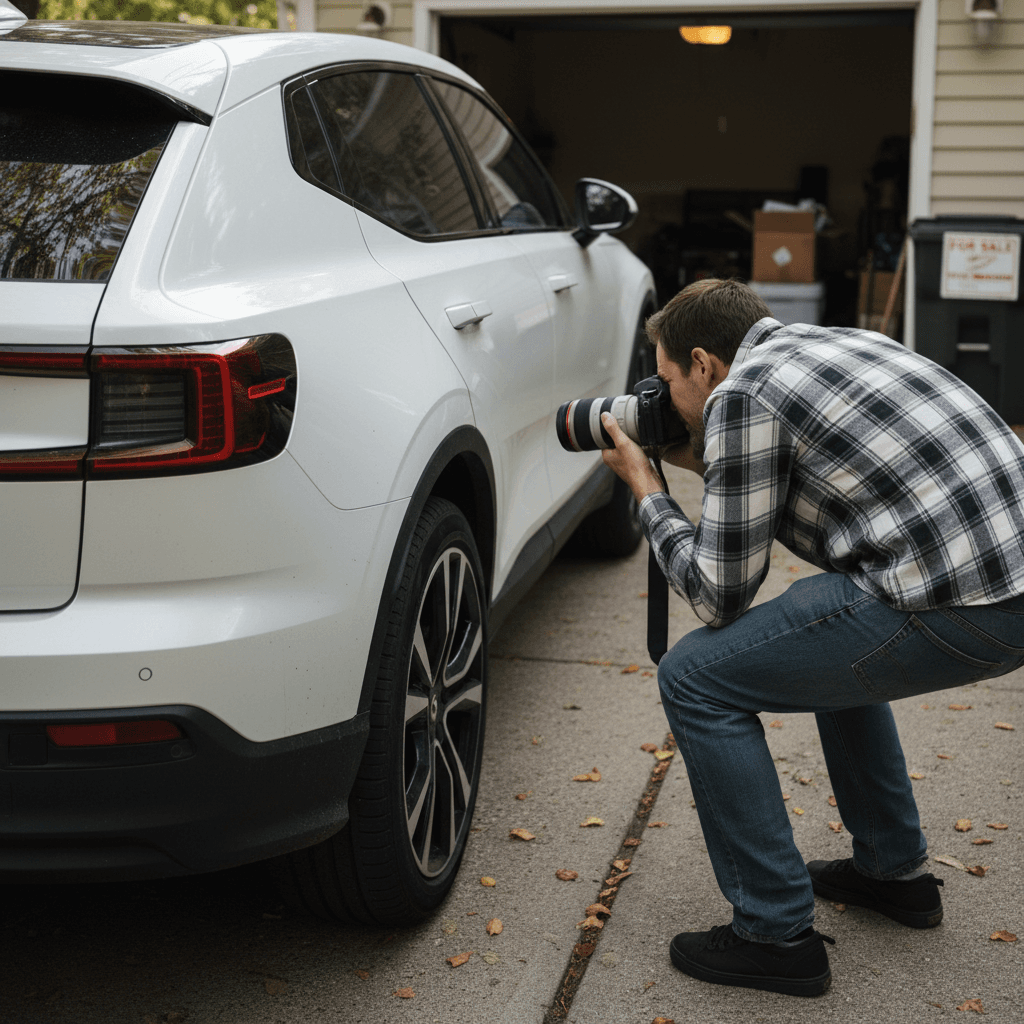
Polestar 3 Sale‑Prep Checklist
1. Deep clean inside and out
Wash, clay, and wax the exterior; clean wheels and glass; vacuum and shampoo carpets and mats. Pay extra attention to the light‑colored interior options Polestar is known for, stains stand out in photos.
2. Fix cheap, obvious issues
Replace worn wiper blades, burned‑out bulbs, missing keycaps, and inexpensive trim. Consider professional paintless dent repair for door dings that would catch a buyer’s eye.
3. Update software and clear warnings
Make sure your Polestar 3 is on the latest software version and that there are no warning lights on the dash. Buyers get nervous when they see alerts, even if they’re minor.
4. Service and documentation
Gather service records, recall paperwork, and tire invoices. If you’ve rotated tires or replaced them, note the date and mileage, SUV buyers care about expensive items like 21‑ or 22‑inch tires.
5. Charge to a reasonable level
When showing the car or taking listing photos, aim for 60–80% charge. A nearly empty battery looks like neglect; a 100% charge can worry savvy EV buyers about long‑term battery care.
6. Include all keys and accessories
Locate both key fobs, charging cables, cargo cover, floor mats, and any accessories that came with the vehicle. Missing items give buyers easy excuses to negotiate down.
Detailing Often Pays for Itself
Step 4: Showcase Battery Health and Charging Details
The battery pack is the single most expensive component in your Polestar 3, and confident buyers will pay more when they understand its condition. Generic used‑car listings rarely address this well, which is why EV‑savvy shoppers are wary.
What buyers want to know
- Estimated range today: What the car displays at 80% or 100% based on your real‑world driving.
- Charging habits: How often you DC fast charge vs. charge at home on AC, and whether you typically charge to 80% vs. 100%.
- Warranty status: Remaining time and mileage on the factory 8‑year/100,000‑mile battery warranty.
- Any issues or repairs: Past HV battery or charging‑system service, even if done under warranty.
How to present battery health credibly
- Include clear photos of the driver display showing current state of charge and estimated range.
- Mention your typical commute and climate so buyers can calibrate expectations.
- If you have a third‑party battery health report, share it. If you don’t, consider getting one before listing.
- When selling through Recharged, your listing includes a Recharged Score Report with independent battery diagnostics, so shoppers aren’t relying on guesswork.
Make Battery Health Your Selling Point
Step 5: Create a Polestar 3 Listing That Actually Sells
A strong listing does two things: it convinces Polestar‑curious buyers that your SUV is worth seeing in person, and it answers enough questions that serious EV shoppers feel comfortable making an offer without endless back‑and‑forth.
Must‑Have Elements in Your Polestar 3 Listing
Think beyond year, miles, and color.
Clear, honest photos
- Full exterior walk‑around (all corners, both sides).
- Close‑ups of wheels, tires, and any flaws.
- Interior, especially the center display and driver screen.
- Cargo area, charge port, and included charging cable.
Accurate, detailed description
- Year, trim, drivetrain (e.g., Dual Motor, Performance pack).
- Current mileage and whether it’s a daily driver.
- Option packages and notable features (Pilot, Plus, Performance, etc.).
- Why you’re selling (upgrading, moving, no longer need two cars).
Charging and range story
- Home charging setup (Level 2, 240V, etc.).
- Typical real‑world range you see at highway speeds.
- Whether it supports NACS or if you use adapters in your area.
- How often you DC fast charge vs. home charging.
Write for Humans, Not Just Algorithms
Pricing Strategies That Work for Polestar 3 Sellers
Once you know the general value of your Polestar 3, you still have to decide where to plant the asking price. With a newer EV like this, the goal is to be competitive enough to generate leads without leaving thousands on the table.
Common Pricing Strategies for a Used Polestar 3
Match your pricing strategy to how fast you need to sell and how unique your spec is.
| Strategy | Typical Asking Price | Best For | Trade‑Offs |
|---|---|---|---|
| Fast sale | $1,000–$2,000 below similar listings | Selling within days, less negotiation | Lower final price, but fewer tire‑kickers |
| Market‑match | Similar to other well‑equipped Polestar 3s | Balanced approach when you have a few weeks | May require small discounts after test drives |
| Stretch pricing | $2,000–$4,000 above the pack | Rare colors, options, or very low miles | Longer time on market, must justify price with documentation and condition |
| No‑haggle, documented | Firm but fair price backed by battery and service records | Buyers who hate negotiation but value transparency | You must be comfortable walking away from low offers |
Examples assume a realistic private‑party market value around $60,000; adjust to your own research.
Remember the After‑Tax Picture
Avoiding Common Mistakes When Selling a Polestar 3
- Ignoring EV‑specific concerns. Treating your Polestar 3 like a gas SUV and never mentioning charging, range, or battery history is a fast way to get lowball offers.
- Under‑ or over‑sharing on accidents. Minor, professionally repaired cosmetic damage is usually not a deal‑breaker, especially if accompanied by invoices and photos, but hiding it destroys trust when the buyer inevitably runs a Carfax.
- Leaving out key equipment. Missing charging cables, floor mats, or cargo covers may seem trivial, but they’re expensive to replace and will show up in negotiations.
- Accepting risky payment methods. For private sales, insist on a cashier’s check verified at the issuing bank, a wire transfer, or closing the deal at your buyer’s bank. Never hand over the vehicle on a promise of later payment.
- Listing before you’re ready. Posting quick, low‑effort photos and a thin description just to "see what happens" can anchor your car in buyers’ minds at a lower perceived value. Wait until your Polestar 3 is fully prepped, photographed, and documented.
Safety First on Test Drives
How Recharged Helps You Sell a Polestar 3 Smarter
If you like the idea of a strong sale price but don’t want to manage every message, test drive, and payment yourself, a specialized EV marketplace is worth a serious look. That’s exactly where Recharged comes in.
Why List or Sell Your Polestar 3 With Recharged
Built around used EVs, not gas‑car leftovers.
Recharged Score battery health report
Multiple ways to sell
Nationwide reach and delivery
EV‑specialist support
Ready to find your next EV?
Browse VehiclesWith any newer EV, especially a flagship like the Polestar 3, the seller who explains battery health, charging habits, and warranty coverage clearly is the seller who wins on price.
FAQ: Selling a Polestar 3
Frequently Asked Questions About Selling a Polestar 3
Bottom Line: How to Sell a Polestar 3 With Confidence
Selling a Polestar 3 isn’t like moving out of a three‑year‑old crossover at the local lot. You’re dealing with a high‑end electric SUV whose value lives in its battery, software, and how well you can explain those to the next owner. If you research the market, choose the right selling channel, prep your SUV thoroughly, and tell a clear story about battery health and charging, you put yourself in position to achieve a price that reflects what the vehicle is really worth.
If you’d rather not navigate all of this alone, consider working with Recharged. Whether you want an instant offer, a trade‑in, or a consignment‑style listing backed by a Recharged Score battery‑health report, you’ll have EV specialists in your corner and a marketplace full of buyers who actually understand cars like the Polestar 3.