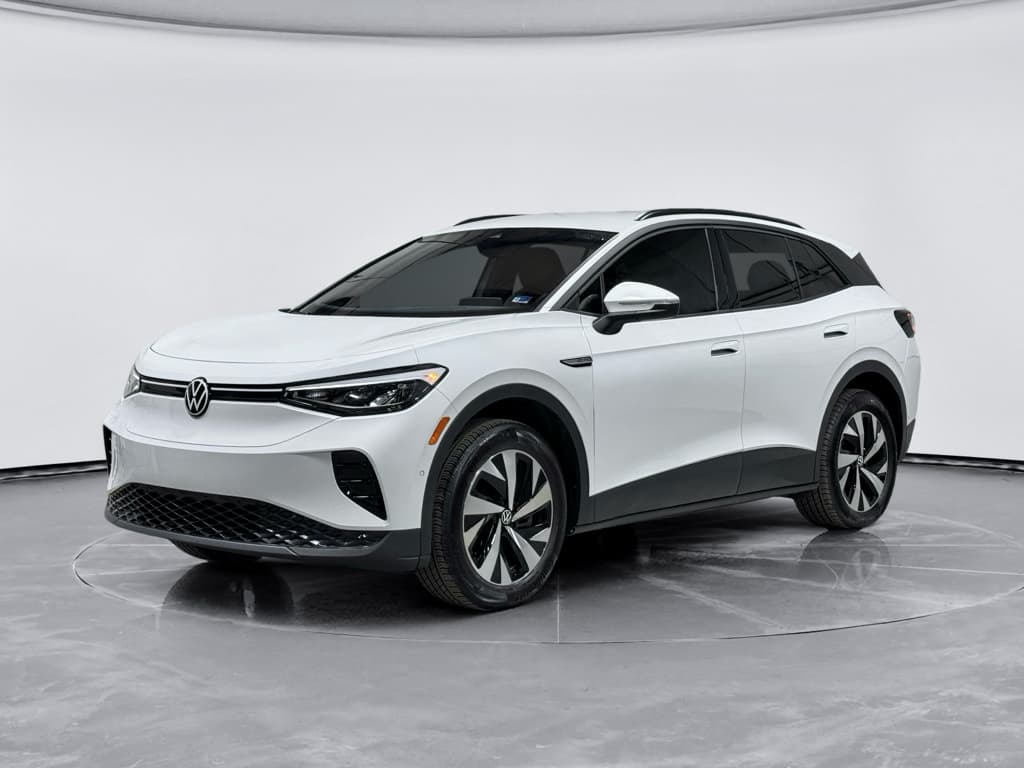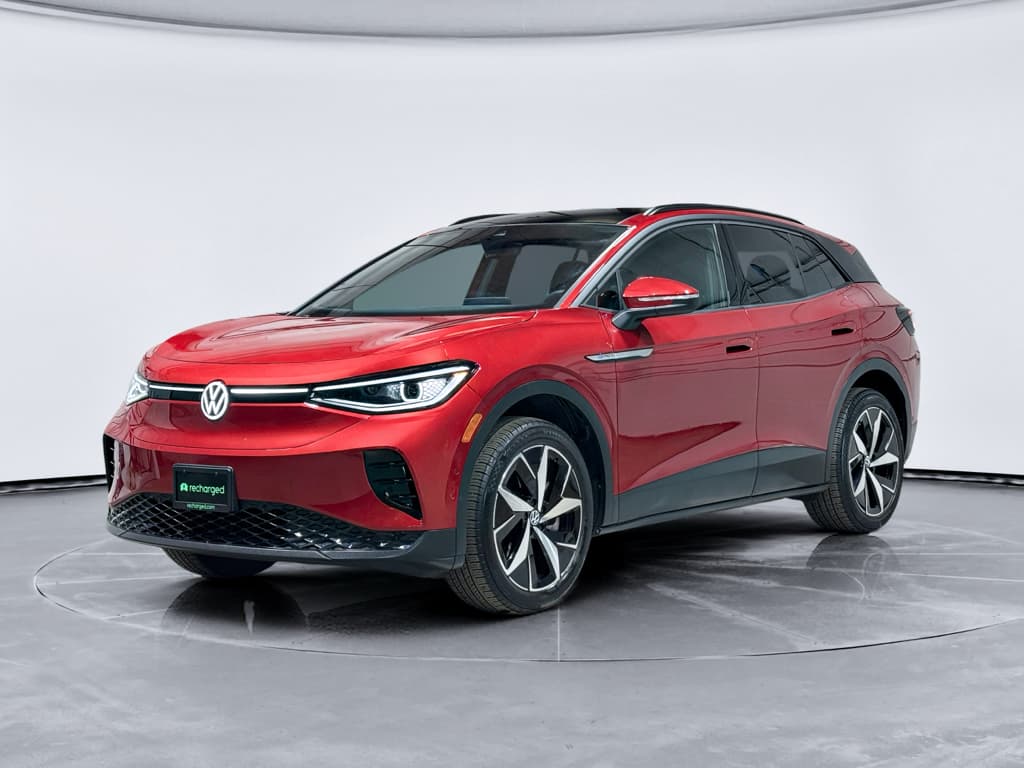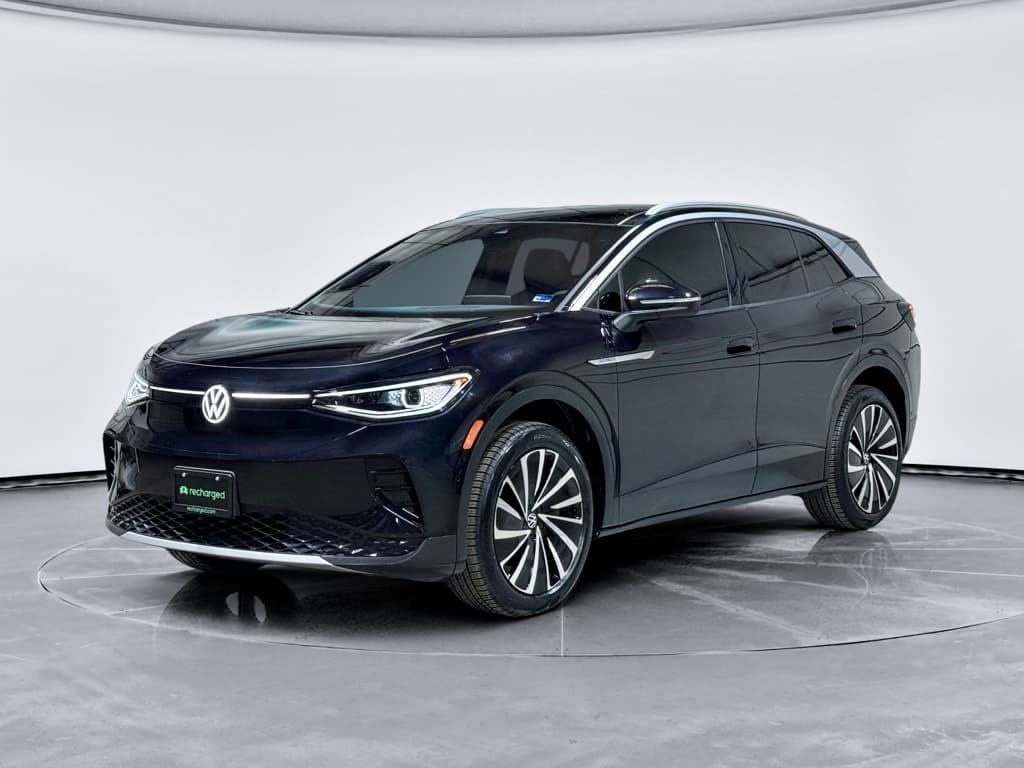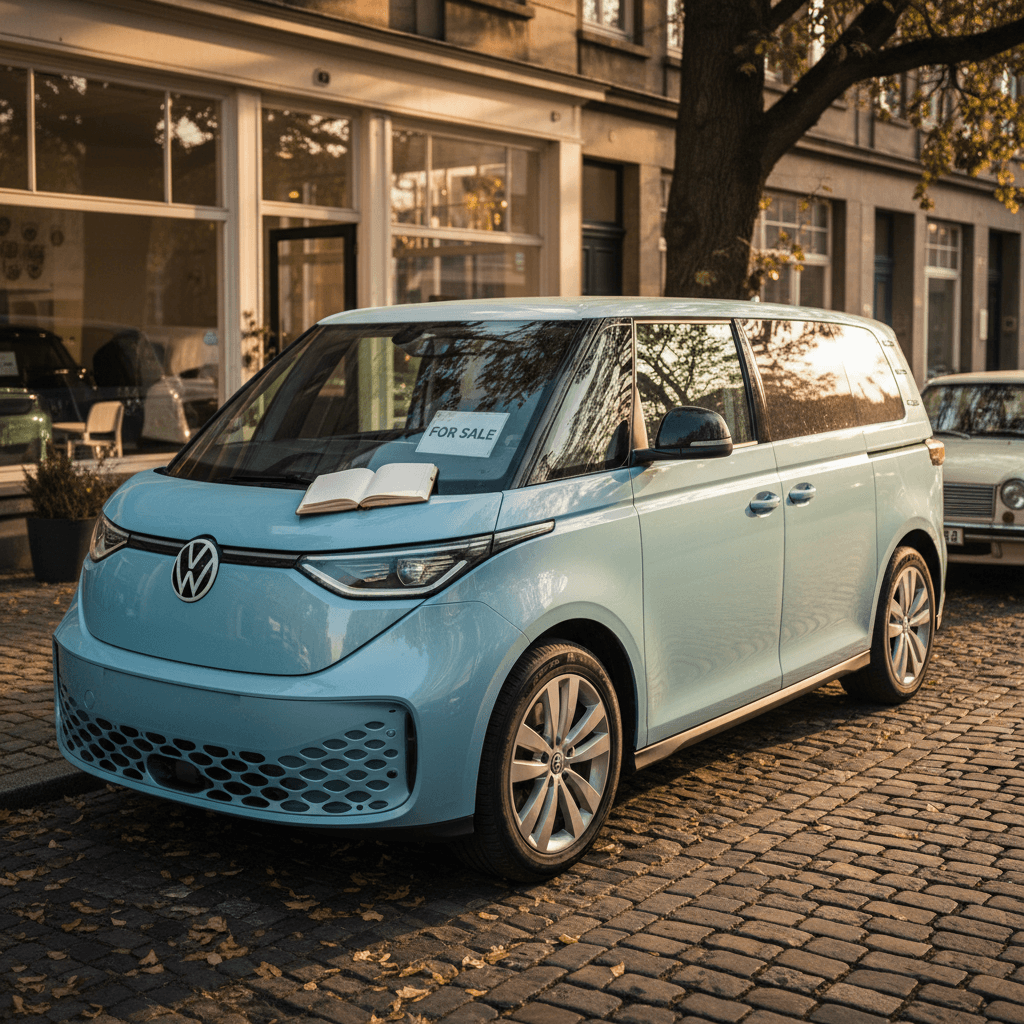
If you’ve been waiting years for a modern electric VW bus, 2026 is the first moment when a meaningful used market for the Volkswagen ID. Buzz finally exists. But between European short‑wheelbase vans, US‑spec long‑wheelbase models, and a surprise pause for the 2026 model year, figuring out the best used Volkswagen ID. Buzz to buy in 2026 takes a bit of homework.
Quick 2026 snapshot
Why a used ID. Buzz is a unique buy in 2026
What makes a used ID. Buzz different from other EVs?
You’re not just buying range and kilowatts, you’re buying a rolling living room.
Electric van, not SUV
The ID. Buzz is one of the only fully electric family vans on the road, think more flexible than a three‑row SUV, with a more upright cabin and easier access.
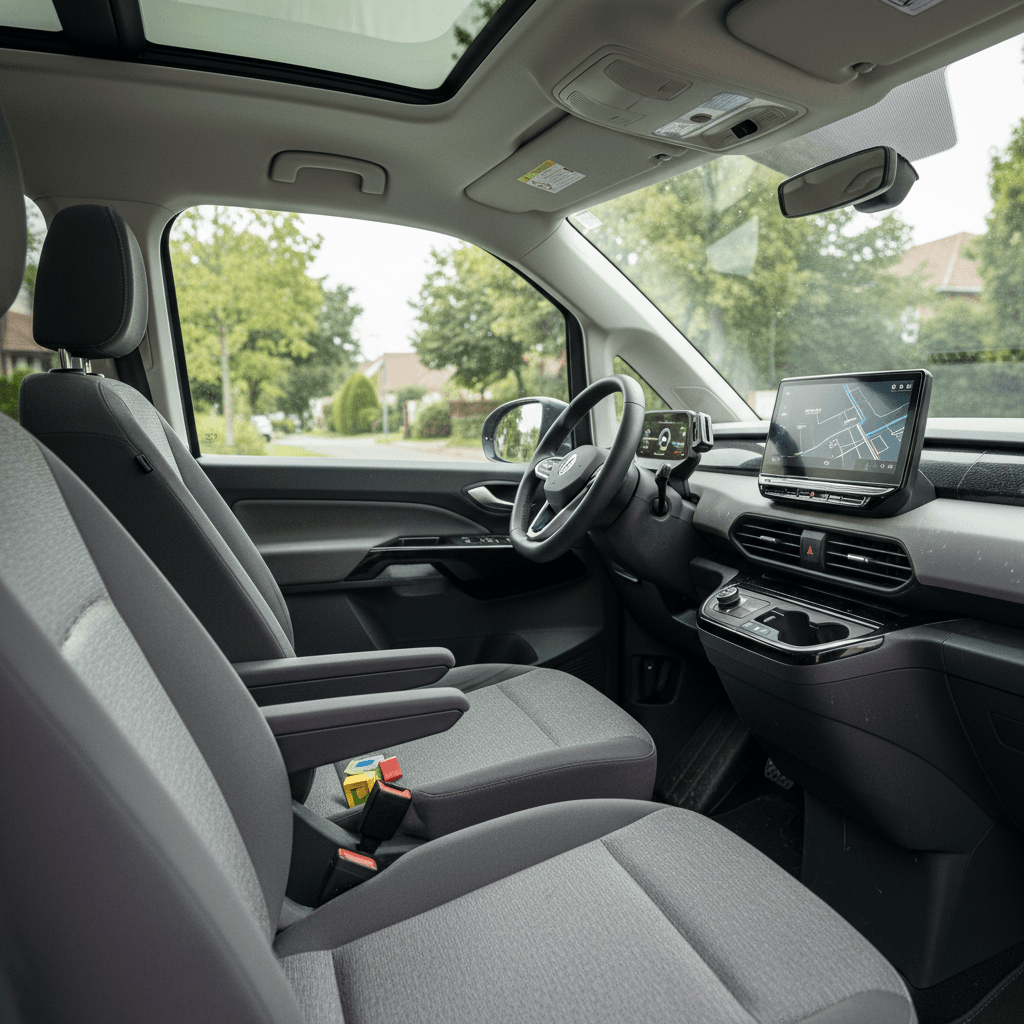
Lounge-style interior
Huge glass area, bright color palettes, and tons of space give the Buzz a genuinely different feel from the typical dark, tech‑heavy crossover.
MEB platform underpinnings
Under the retro body, the ID. Buzz rides on VW’s MEB EV platform, sharing tech with the ID.4: flat battery pack, rear‑ or all‑wheel drive, and DC fast charging.
Who the Buzz fits best
ID. Buzz model years & 2026 market reality
To pick the best used ID. Buzz in 2026, you need to understand how the timeline played out, because availability and equipment differ a lot between regions.
Volkswagen ID. Buzz timeline relevant to 2026 shoppers
How the key model years break down for US shoppers and import‑curious buyers.
| Model year | Region | Body style | Battery (net / gross) | Typical status in 2026 |
|---|---|---|---|---|
| 2022 | Europe | Short‑wheelbase (5‑seat) | 77 / 82 kWh | Early used vans, often with higher mileage |
| 2023 | Europe | Short‑wheelbase (5‑seat), some Cargo | 77 / 82 kWh | Mainstream used supply in EU classifieds |
| 2024 | Europe | Short & long‑wheelbase, AWD GTX appears in some markets | ~79–82 / 84–91 kWh | Latest EU‑spec vans; occasional US imports |
| 2025 | United States | Long‑wheelbase (3‑row) Pro S & Pro S Plus | ~82–86 / 91 kWh | 1st US model year, low‑mileage used vans on dealer lots |
| 2026 | United States | , | , | No 2026 MY; VW pauses US sales, so all 2026 used stock is pre‑2026 build |
There is no US 2026 ID. Buzz model year; 2025 vans and older European models make up the 2026 used market.
No 2026 US model year
Which used ID. Buzz trims are best?
By 2026 you’ll mostly see two kinds of ID. Buzz: earlier European short‑wheelbase vans with 5 seats, and newer US‑spec long‑wheelbase vans with 3 rows. Within that, a few trims stand out as the smartest used buys.
Best used ID. Buzz picks for 2026
Three trims that balance price, range, and day‑to‑day livability.
1. EU‑spec ID. Buzz Pro (2023–2024)
Why it’s great: The Pro trim in Europe pairs the 77 kWh usable pack with a 150 kW (204 hp) rear motor, decent WLTP range around 260 miles, and lots of available options without the highest list price.
- Ideal if you’re comfortable with right‑ or left‑hand‑drive differences and EU options.
- More compact SWB body makes it easier to park than the US LWB van.
2. US‑spec ID. Buzz Pro S (2025)
Why it’s great: In the US, the Pro S is the "base" three‑row Buzz but already nicely equipped. You still get the long‑wheelbase body, sliding doors, and modern driver‑assist features, without paying the Pro S Plus premium.
- Rear‑wheel drive, 3‑row seating (7 passengers).
- Best choice if you don’t need AWD or the full luxury package.
3. US‑spec ID. Buzz Pro S Plus 4MOTION (2025)
Why it’s great: The Pro S Plus brings the full Buzz experience: available dual‑motor AWD, upgraded audio, HUD, glass roof, and more towing capability.
- Best pick if you road‑trip or drive in snow a lot.
- Higher price and slightly lower range than RWD, so it’s a want, not a need.
Shortlist recommendation
Battery, range & charging on a used ID. Buzz
Under the retro sheetmetal, the ID. Buzz battery and charging story is very similar to VW’s ID.4 crossover: a big, skateboard‑style pack, reasonably quick DC fast charging, and efficiency that’s good for a boxy van but not record‑setting.
ID. Buzz battery & charging at a glance
Range swings with weather and speed
Battery health questions to ask on a used ID. Buzz
1. What’s the typical displayed range at 80–90% charge?
Have the seller show you the Buzz at its usual charge limit. A healthy pack should still show range broadly consistent with the original EPA or WLTP figures once corrected for temperature.
2. How was it charged day‑to‑day?
Frequent DC fast charging and consistent 100% charges accelerate degradation. A van that mostly lived on Level 2 at 70–80% will usually be healthier.
3. Any high‑voltage battery warranty work?
Ask for service records. Battery module replacements, HV contactor faults, or HV cooling system repairs are all important history to understand.
4. Has software been kept up to date?
VW has rolled out software updates that can tweak charging behavior and range estimates. Make sure the van has had recalls and major updates performed.
5. Does the van precondition the battery for DC fast charging?
Later software builds do a better job of warming the pack before a fast‑charge session, which improves both speed and long‑term health.
How Recharged helps on battery health
Ready to find your next EV?
Browse VehiclesPricing: what to pay for a used ID. Buzz in 2026
Because VW launched the ID. Buzz in Europe in 2022 and in the US for the 2025 model year, the used market in 2026 is thin and fragmented. Pricing depends heavily on region, trim, and whether you’re looking at an imported EU van or a US‑spec long‑wheelbase model.
European‑spec used ID. Buzz (2022–2024)
- Most 2022–2023 Pro SWB vans are now past their steepest depreciation curve.
- They’re often cheaper than US‑spec 2025 vans but may lack some US‑friendly driver‑assist features and have different equipment mixes.
- Pricing varies widely market‑to‑market and is heavily influenced by local incentives and taxes.
If you’re in the US, remember to factor in import costs, compliance work, and potential limitations on US service support when comparing headline prices.
US‑spec used ID. Buzz (2025 MY)
- Many 2025 vans will be low‑mileage ex‑demo or early retail units coming off their first year.
- VW’s 2026 model‑year pause has already pushed dealers to discount remaining new stock, which will drag down used prices.
- Expect Pro S Plus AWD vans to carry a noticeable premium, especially with rare color and interior combinations.
Because supply is limited and demand is niche, expect individual vehicles to be priced more by emotion (color, options, story) than strict book value.
Use total cost of ownership, not just sticker
Inspection checklist before you buy a used ID. Buzz
Any used EV deserves a careful inspection, but the ID. Buzz adds some van‑specific items: big sliding doors, lots of glass, and a tall body that can catch wind and road salt. Here’s what to prioritize.
Physical & mechanical checks for a used ID. Buzz
1. Sliding doors and tailgate operation
Open and close both sliding doors repeatedly on an incline. Listen for grinding or binding, and make sure the power close and child‑safety features work consistently.
2. Suspension and steering on rough roads
On a test drive, find broken pavement or speed bumps. The Buzz is heavy; worn front control‑arm bushings or rear shocks show up quickly as clunks or floaty behavior.
3. Wind noise and seal integrity
Drive at 65–75 mph and listen for excessive wind whistle around the A‑pillars, mirrors, or sliding‑door seals. Mis‑aligned doors or glass can be expensive to correct.
4. Driver‑assist calibration
Test lane‑keeping, adaptive cruise, and parking aids in a safe area. Make sure the steering wheel stays centered and there are no persistent camera or radar warnings.
5. Charging hardware and cables
Confirm that the van reliably starts and stops both AC and DC charging sessions. If it comes with a mobile EVSE or wallbox, test those too, replacing them isn’t cheap.
6. Interior wear in high‑touch areas
Check seat bolsters, sliding rails, and the cargo area for wear that suggests hard commercial use. A family camper will wear differently than a city delivery van.
Watch for commercial-use history
European import vs. US‑market ID. Buzz
With the ID. Buzz skipping the 2026 US model year, you might be tempted to bring in a cheaper or earlier European‑spec van. That can work, but it’s not for everyone.
Pros of a European‑spec ID. Buzz
- More body styles: Short‑wheelbase 5‑seat and Cargo versions that the US never officially received.
- Potentially lower upfront price: In some EU markets, early 2022–2023 vans have already taken substantial depreciation.
- Unique configurations: Different colors, seats, and accessory packages can make for a standout camper build.
Pros of a US‑spec ID. Buzz
- Factory‑backed US support: Easier dealer service access, recalls, and software updates.
- US‑tuned safety and lighting: No need to re‑homologate headlights, turn signals, or instrumentation.
- Resale clarity: Banks and buyers understand a US‑market VIN better than a one‑off import.
Legal & practical import realities
Is a used ID. Buzz right for you?
Who should, and shouldn’t, buy a used ID. Buzz
Think beyond the retro styling and consider your daily reality.
Great fit if…
- You regularly travel with 4–7 people or bulky gear.
- You want a flexible base for light camper conversions.
- You value comfort and style over razor‑sharp efficiency.
Maybe not ideal if…
- You drive very high annual mileage and need maximum range per charge.
- You mostly commute solo in dense urban traffic and rarely carry passengers.
- You don’t have reliable Level 2 charging at home or work.
How Recharged can help
Recharged was built around making used EV ownership simple and transparent. You can:
- Browse used EVs with verified Recharged Score battery reports.
- Get EV‑specific trade‑in values and financing options.
- Arrange nationwide delivery or visit our Experience Center in Richmond, VA.
If you’re the kind of driver who cares as much about how a vehicle feels as how it pencils out on a spreadsheet, a used Volkswagen ID. Buzz in 2026 is compelling. The best bets are well‑specced 2023–2024 European Pro vans or 2025 US‑spec Pro S models with clean charging histories, up‑to‑date software, and documented service. Combine that with a clear battery‑health report, like the Recharged Score, and you get what the original Microbus never really delivered: classic character, modern safety, and electric running costs that make road‑tripping feel fun again instead of fragile.