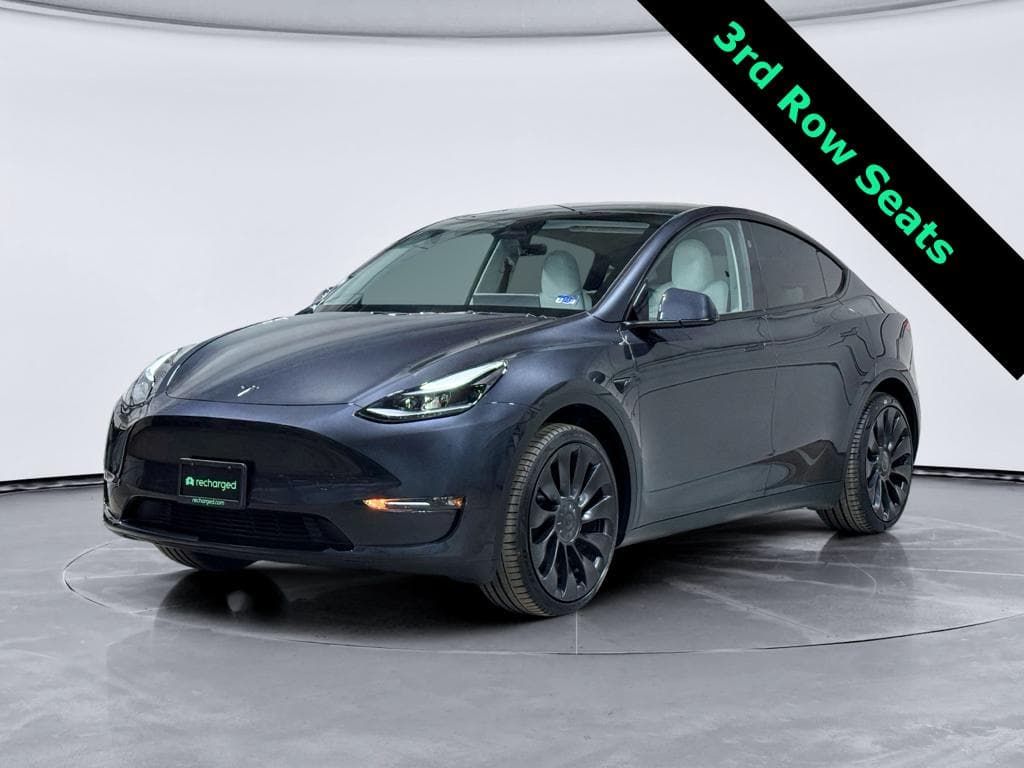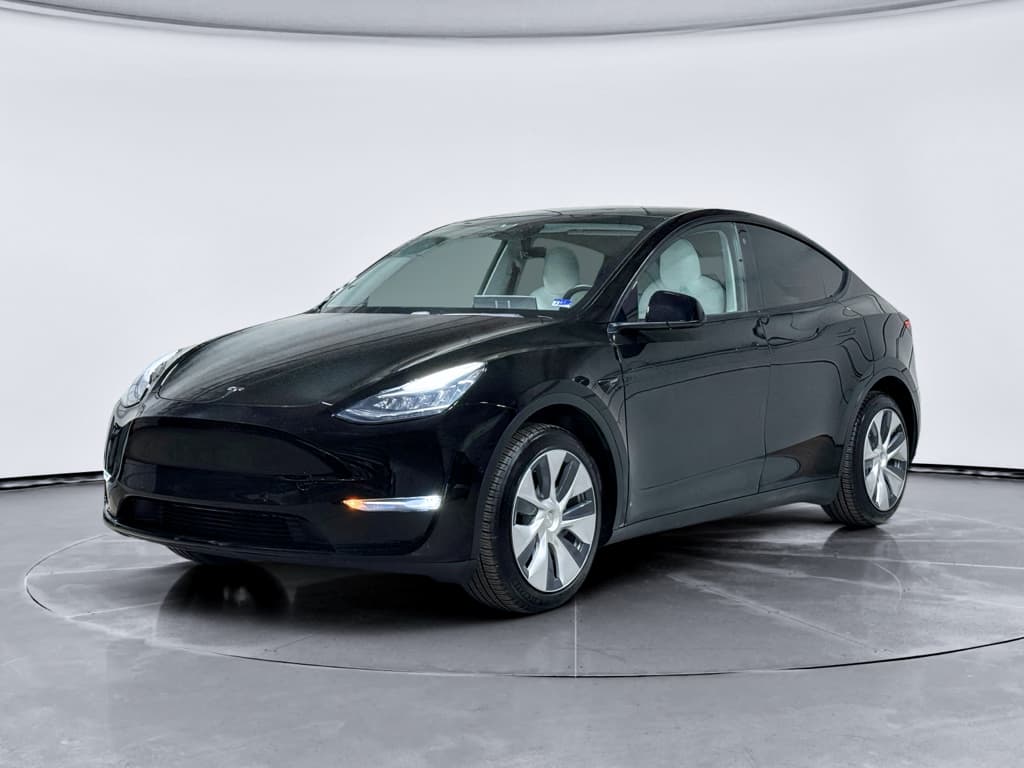
If you’re considering a Tesla Model Y, especially on the used market, its safety rating and crash test performance are probably near the top of your list. The good news: across IIHS, NHTSA, Euro NCAP, and ANCAP, the Tesla Model Y consistently ranks among the safest vehicles in its class. This guide walks through each crash test program, what the scores actually mean, and what you should look for when buying a new or used Model Y.
Quick take
Tesla Model Y safety overview
Tesla Model Y safety at a glance
Tesla launched the Model Y in 2020, and safety agencies have been crash-testing it ever since. What stands out is the consistency of those results over time. In the U.S., IIHS rates the Model Y’s crashworthiness as Good in key tests like small-overlap and side impact. In Europe and other global markets, independent programs give the Model Y five-star overall ratings and class-leading scores for adult and child protection.
- Crashworthiness – how well the structure, restraints, and airbags protect occupants in a crash.
- Crash avoidance & safety assist – how well the car helps you avoid a crash in the first place, via automatic emergency braking (AEB), lane-keeping, and other ADAS features.
The four crash-test programs that rate the Model Y
Who actually crash-tests the Tesla Model Y?
Four major programs provide most of the data shoppers rely on worldwide.
IIHS (U.S.)
Insurance Institute for Highway Safety crash-tests vehicles for U.S. buyers, with demanding small-overlap and updated side-impact tests. Their Top Safety Pick and Top Safety Pick+ awards are widely used by dealers and shoppers.
NHTSA (U.S.)
The National Highway Traffic Safety Administration runs the government’s 5-Star Safety Ratings program. It focuses on frontal, side and rollover performance, plus basic crash-avoidance technologies.
Euro NCAP (Europe)
Euro NCAP evaluates crash performance and safety assist in Europe. Its detailed percentage scores (adult, child, pedestrians, assist) are often cited when Tesla announces record-breaking results.
ANCAP (Australia/NZ)
ANCAP largely harmonizes with Euro NCAP protocols for Australia and New Zealand, giving similar 5-star style ratings and percentage breakdowns.
How to read these ratings
IIHS crash test ratings for the Tesla Model Y
IIHS has tested the Tesla Model Y extensively since its launch. For 2022–2025 model years, the Model Y earns Good ratings (the IIHS maximum) in core crashworthiness categories:
- Small overlap front (driver and passenger sides): Good – the front structure and safety cage maintain their shape, and measured injury risk to the dummy is low.
- Moderate overlap front (original and updated tests): Good – chest, head and leg injury measures are all well controlled.
- Side impact (original and updated, more severe test): Good – the Model Y performs strongly even in IIHS’s newer, heavier barrier test that simulates being hit by a large SUV.
- Roof strength and head restraints: Good – important for rollovers and rear-impact whiplash protection.
Award status
Beyond pure crash performance, IIHS also rates front crash prevention and headlights. The Model Y’s standard automatic emergency braking system earns top marks in vehicle-to-vehicle and pedestrian tests, including challenging night scenarios where many competitors stumble. Headlight performance varies by trim and model year but generally ranges from Acceptable to Good, depending on the specific lamps and software at the time of testing.
Does the Tesla Model Y have a 5-star NHTSA rating?
NHTSA’s New Car Assessment Program (NCAP) uses a star system from 1 to 5 to summarize crash performance. While the Model Y is on NHTSA’s list of vehicles involved in advanced crash-avoidance testing, its full, up-to-date star ratings are less central to most Model Y shopping decisions than the IIHS and Euro NCAP data.
What NHTSA focuses on
- Frontal crash – driver and passenger, head and chest injury metrics.
- Side crash – including pole tests and impacts from another vehicle.
- Rollover resistance – estimates the risk of a rollover in a severe maneuver.
Tesla designs the Model Y as a low-center-of-gravity SUV thanks to its underfloor battery pack, which inherently helps reduce rollover risk compared with tall, gas-powered crossovers.
How shoppers use this info
Shoppers in the U.S. often lean more heavily on IIHS results for modern EVs, because IIHS has moved more quickly to update its tests for real-world crash conditions. That said, a strong NHTSA profile is another data point in the Model Y’s favor.
If you’re comparing a used Model Y to a gas SUV on a dealer lot, it’s worth checking that both offer strong NHTSA frontal, side, and rollover ratings, not just the headline star count.
Euro NCAP: Tesla Model Y scores in Europe
Euro NCAP has tested the Tesla Model Y under its latest protocols and given it a 5-star overall safety rating. For the refreshed 2025 Model Y, the headline scores are particularly strong:
2025 Tesla Model Y Euro NCAP scores (latest tests)
Euro NCAP expresses protection and assistance levels as percentages in four main categories.
| Category | Score (percent) | What it means |
|---|---|---|
| Adult Occupant Protection | 91% | Very strong structural performance in frontal and side crashes, with low measured injury risk for adults. |
| Child Occupant Protection | 93% | Excellent protection for 6- and 10-year-old dummies in both frontal and side impacts, plus strong child seat installation provisions. |
| Vulnerable Road Users (pedestrians/cyclists) | 86% | Good head and leg protection in most impact zones, with some weaker spots at the pillars and hood edges. |
| Safety Assist | 92% | High-performing AEB, lane keeping, speed assistance and driver monitoring systems that help avoid or mitigate crashes. |
Exact percentages vary slightly by body style and configuration, but these figures are representative of the latest 2025 Model Y results.
Earlier in the Model Y’s life cycle, Euro NCAP even called it out for record-setting safety assist scores among vehicles tested under its then-new protocols. More recently, even as competitors have caught up, the Model Y remains at or near the top of its small-SUV class for combined adult, child and safety assist performance.
Class leader in 2025
ANCAP: Model Y safety in Australia and New Zealand
In Australia and New Zealand, ANCAP mirrors Euro NCAP protocols and scoring. The Tesla Model Y earns a 5-star ANCAP safety rating, with similarly high percentages for adult and child occupant protection and active safety systems.
For shoppers in those markets, the takeaway is straightforward: a Model Y sold through official channels in Australia or New Zealand offers safety performance in line with the European and North American vehicles, one reason the model has become a popular family EV in Sydney, Melbourne, Auckland and beyond.
Crashworthiness vs. crash avoidance: where the Model Y shines
Crashworthiness (passive safety)
Crashworthiness is about how well the vehicle protects you when a crash is unavoidable. Here, the Model Y benefits from:
- A rigid safety cage and carefully engineered crumple zones.
- Multiple airbags, including side-curtain coverage for all seating rows.
- Low risk of intrusion into the footwell and cabin in IIHS small-overlap testing.
Crash avoidance (active safety)
Crash avoidance looks at how well the car helps you avoid or mitigate an impact. The Model Y’s strong Euro NCAP and IIHS safety-assist scores reflect:
- Standard automatic emergency braking that detects vehicles, cyclists and pedestrians day and night.
- Lane-keeping and lane-departure prevention systems tuned for early, visible intervention.
- Driver monitoring and seat-belt reminders that encourage safe behavior.
Important reality check
How Autopilot and active safety factor into these ratings
Many Model Y shoppers conflate Autopilot and Full Self-Driving (FSD) with safety ratings. In reality, crash-test agencies mainly evaluate core safety systems shared by all trims, automatic emergency braking, lane-keeping assistance, speed-limit support and driver monitoring. Optional packages that add more lane-centering or automated lane-change features play only a supporting role in formal safety scores.
That distinction matters if you’re buying used. A base Model Y with the standard active safety suite still benefits from the high scores you see in IIHS and Euro NCAP publications. A vehicle with Autopilot or FSD capability adds convenience, but you should not treat it as safer by definition. Real-world safety will depend more on software version, how attentive the driver is, and whether the car has been well maintained and kept up to date.
Used Tesla Model Y safety checklist
If you’re shopping for a used Model Y, you benefit from the strong baseline safety ratings, but condition, history and equipment still matter. Here’s how to translate lab scores into a smarter used purchase.
Safety-focused checklist for used Model Y shoppers
1. Verify model year and build
Most IIHS and Euro NCAP ratings apply to <strong>2020–2025 Tesla Model Y</strong> vehicles with only minor variations. Confirm the exact model year, trim and build date so you’re looking at the right data.
2. Check for accident history
Pull a vehicle history report and look for prior crashes, airbag deployments or structural repairs. Even a five-star car can perform poorly if it’s been badly repaired after a major impact.
3. Inspect airbags and safety systems
Make sure the airbag warning light is off, pretensioner seat belts retract smoothly, and there are no dashboard messages about stability control, ABS or Autopilot/Safety Assist features.
4. Confirm software and safety updates
Tesla frequently improves automatic emergency braking, lane-keeping and other safety features through over-the-air updates. Ensure the vehicle is on a current software version and hasn’t missed critical recalls or service campaigns.
5. Evaluate tires and brakes
Tires with low tread or mismatched sets can undermine stopping distances and stability. Ask for brake service history as well, EVs use regen heavily, but pads and rotors still matter in emergencies.
6. Ask for a battery and systems health report
At <strong>Recharged</strong>, every used EV includes a Recharged Score Report with verified battery health and key safety-system checks. That extra transparency helps you judge the car’s overall condition, not just its original crash rating.
Leverage expert inspections
Battery, fire safety, and structural protection
Because Tesla is an EV pioneer, shoppers often ask whether the Model Y’s high-voltage battery changes the safety picture. Crash-test programs don’t just look at dummies and sheet metal; they also monitor for post-crash fire risk, battery intrusion and fluid leaks. The Model Y’s strong ratings in Euro NCAP and ANCAP incorporate those factors, and Tesla designs its pack to be well protected within the skateboard-style chassis.
In real-world terms, that means a severe crash that heavily damages a gas-powered SUV’s engine bay and fuel system may be more likely to cause a fast-moving fire than a similar crash in a Model Y, where the energy storage system is buried low and centrally. EV fires can be harder to extinguish once they start, but statistically they’re not more common than fires in combustion vehicles. For used buyers, the bigger red flag is any sign of prior structural damage near the battery pack; that’s a scenario where you want detailed documentation and, ideally, a walk-away option.
Tesla Model Y safety rating FAQ
Frequently asked questions about Tesla Model Y safety ratings
Bottom line: how safe is the Tesla Model Y?
If you strip away the marketing and the headlines, the data still points in one direction: the Tesla Model Y is one of the safest mainstream vehicles on the road today. It pairs a very strong crash structure with advanced occupant protection and high-performing active safety systems that help you avoid trouble in the first place.
For shoppers in 2026, especially those considering a used Model Y, the smart move is to use these crash-test scores as a baseline, then dig into the specifics of the individual vehicle: accident history, software status, tire and brake condition, and battery health. That’s where a transparent, EV-focused marketplace like Recharged can help, combining objective safety test data with a clear picture of the car actually in front of you. Put those pieces together, and the Model Y becomes not just a popular electric crossover, but a genuinely reassuring choice for daily family duty.